KEPLER-186F
-
Dates2015 - Ongoing
-
Author
- Topics Landscape, Contemporary Issues, Documentary
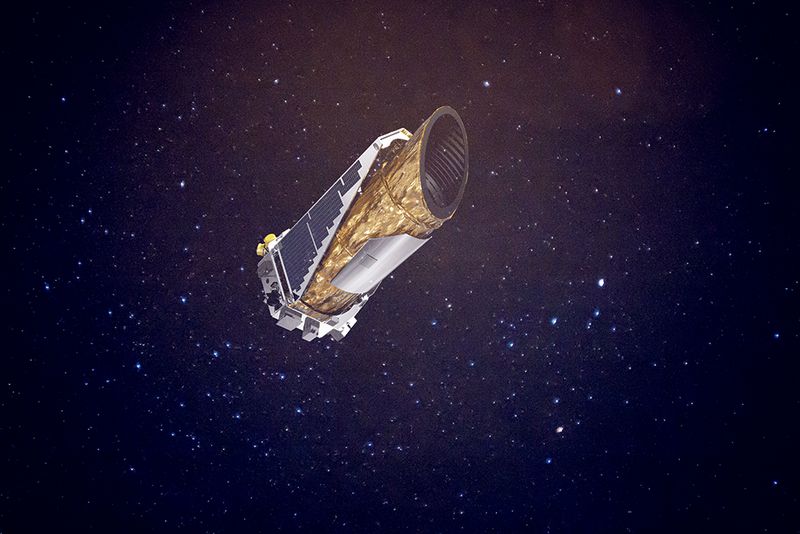
NASA discovered the Kepler-186F planet in 2014.
Scientific confirmation that our cosmos holds a likely habitable planet, with characteristics very similar to those of the Earth, was disclosed by NASA in 2014 and celebrated worldwide as one of the greatest discoveries to date. But what if this knowledge had been here all along, for thousands of years, buried along ancient civilizations?
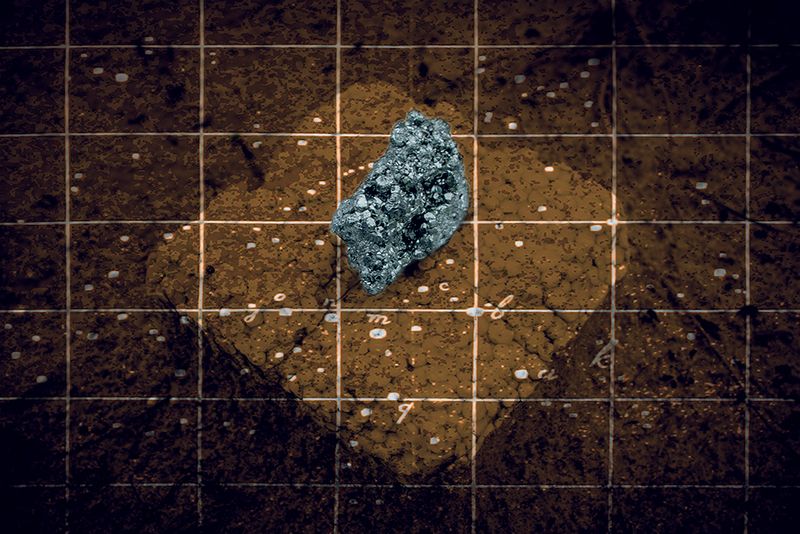
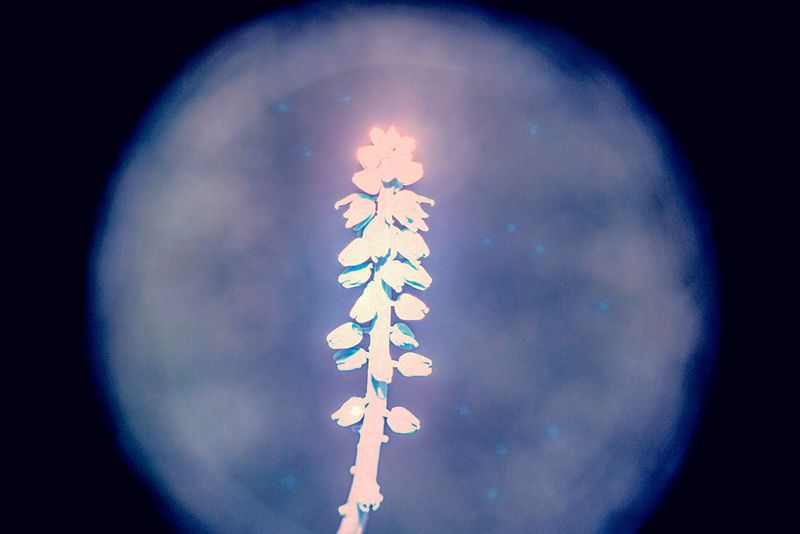
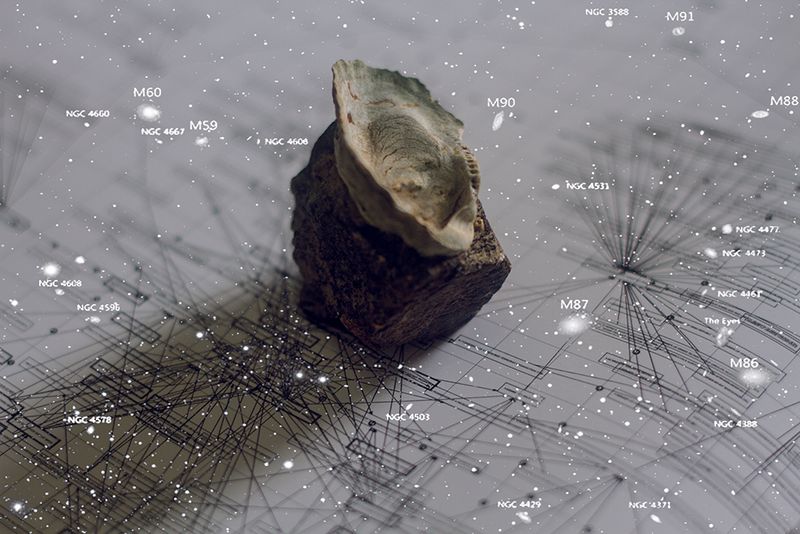
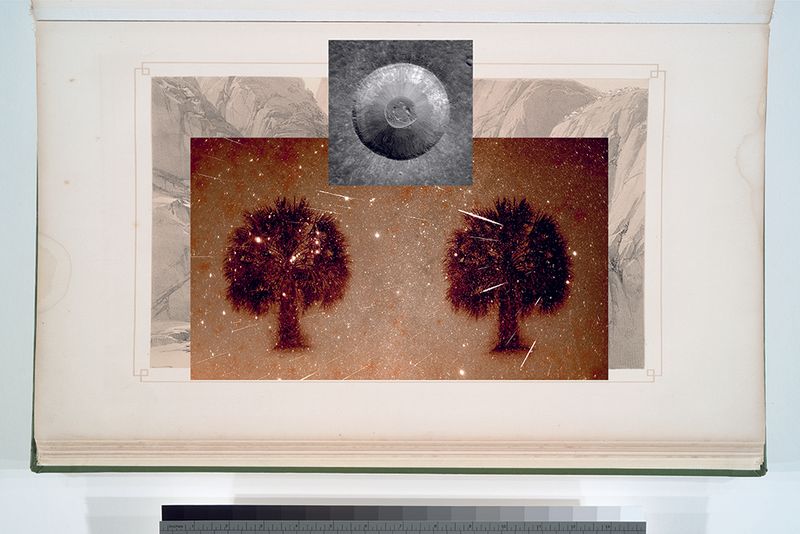
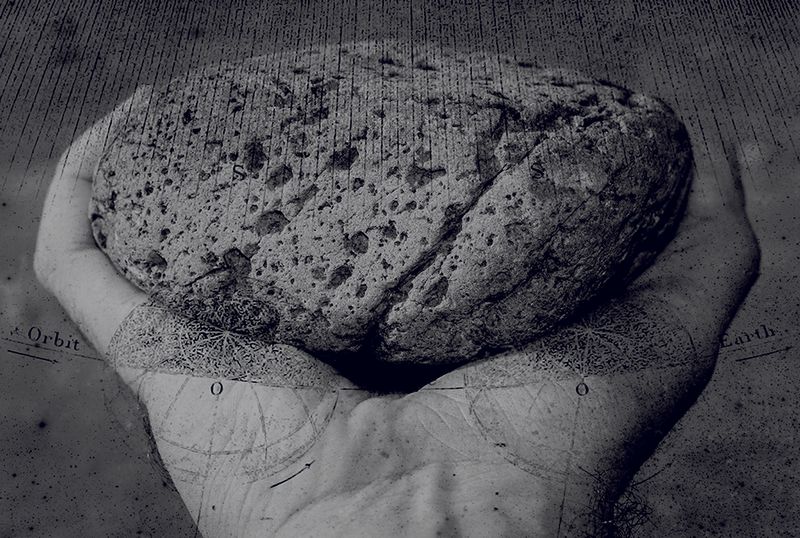
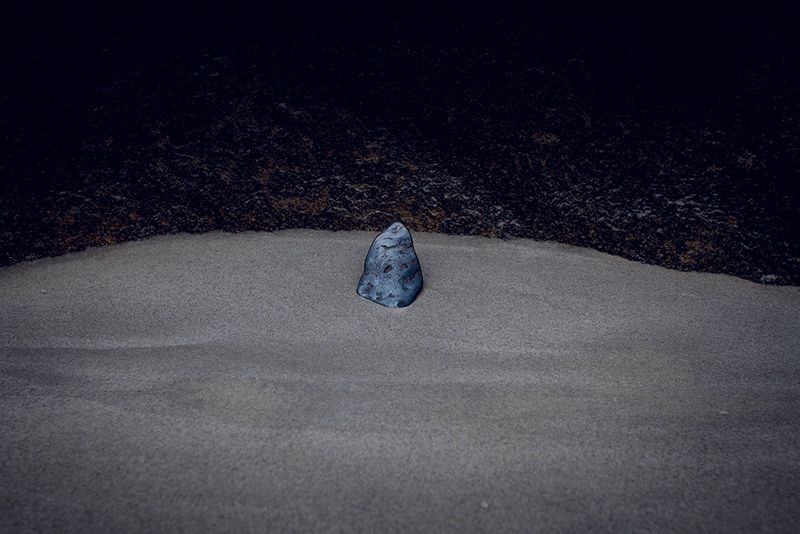
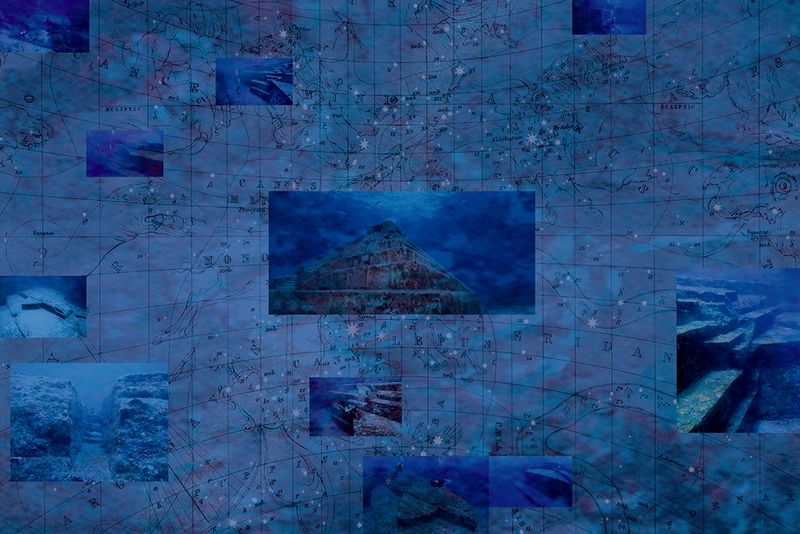
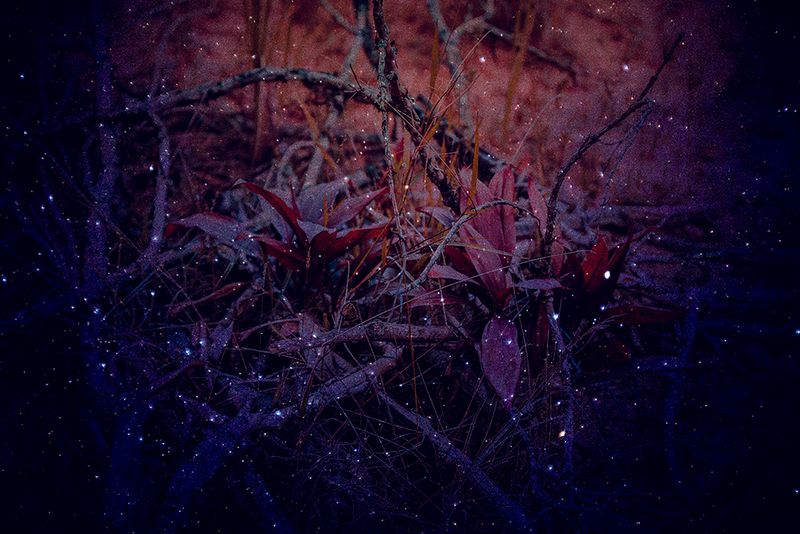
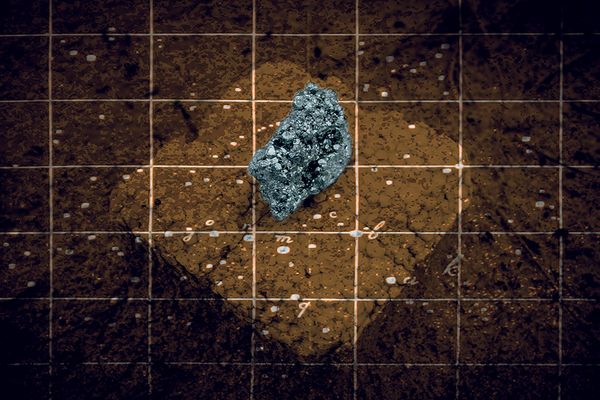
Because that is exactly what a team of Japanese researchers at the University of Ryukyus is investigating in ruins uncovered in the 1980s, near the westernmost island of Japan. Studies have shown that the ruins, which hold a monolithic pyramid in their center, are more than 11,000 years old, making them the oldest ever discovered. Ancient scriptures and parchments found inside the pyramid tell stories precisely of this twin planet and hold drawings of unrecognizable flora and landscapes, as well as a space atlas that presumably indicates the exact location of a monolith that would serve as a portal to this twin planet.
These coincidences lead us to believe in the existence of an interstellar hub located in the Mesopotamia region – currently occupied by Iraq and some of its neighboring countries –, where the biblical Garden of Eden may have been situated. Besides, inscribed in one of the artifacts found inside the pyramid, researchers found a word very similar to the Greek term that originated the name Earth – éraze – and which means “above the soil”.
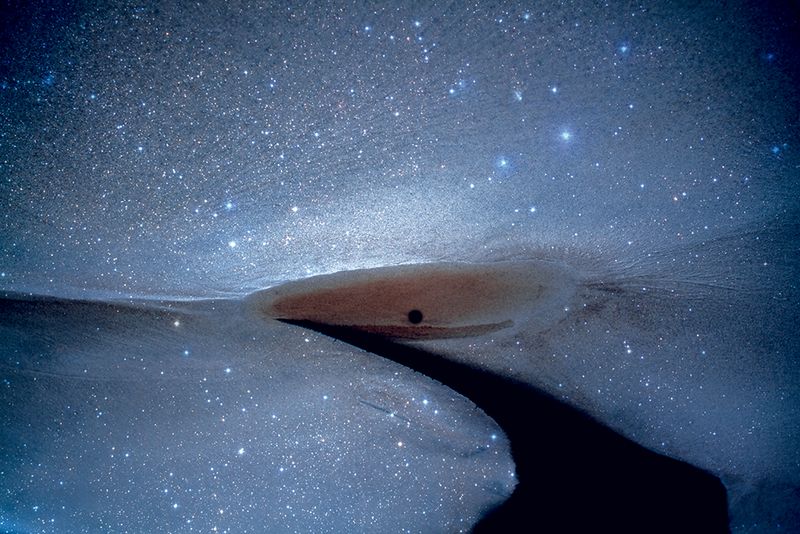
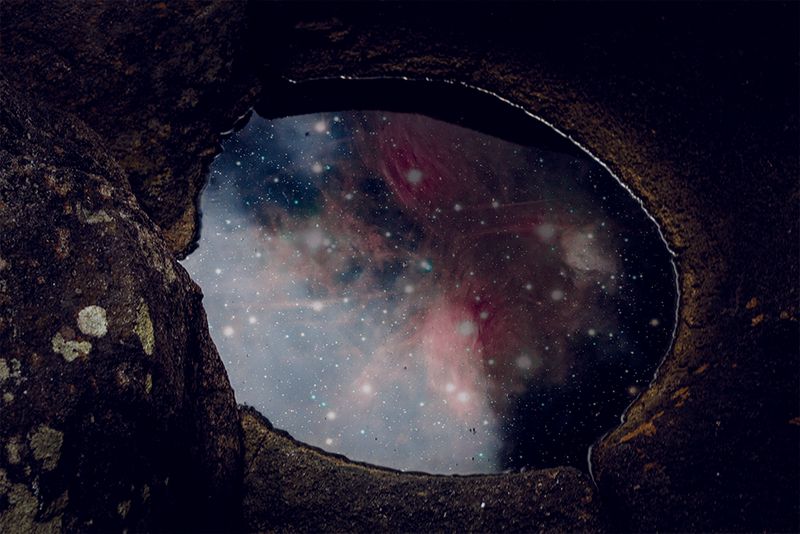
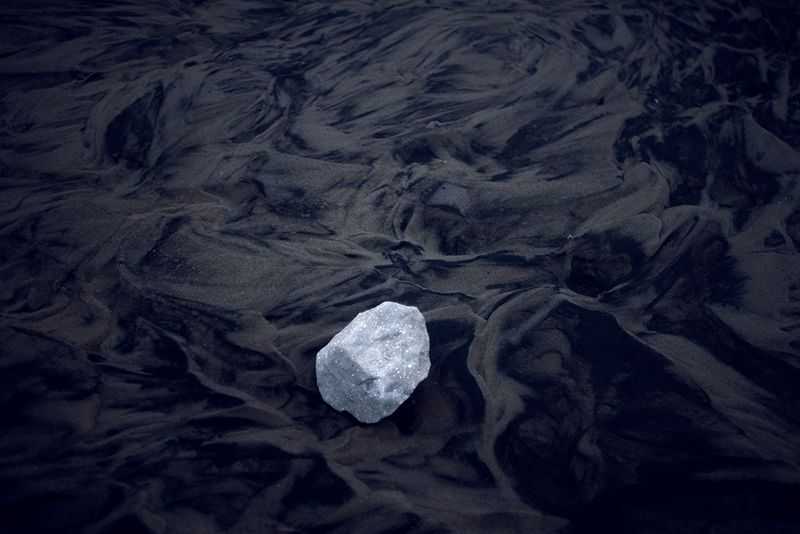
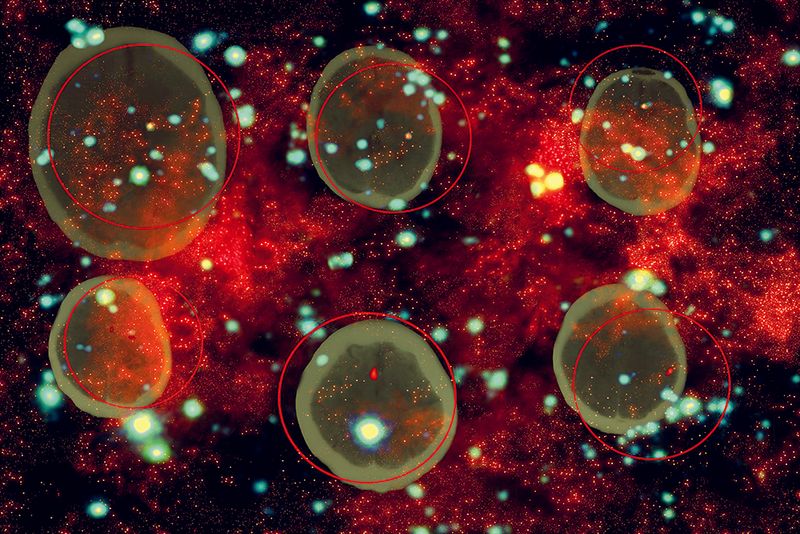
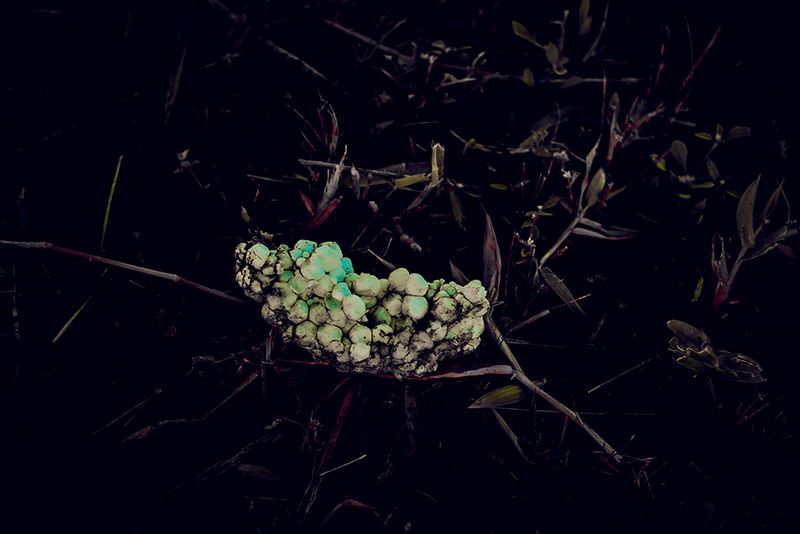
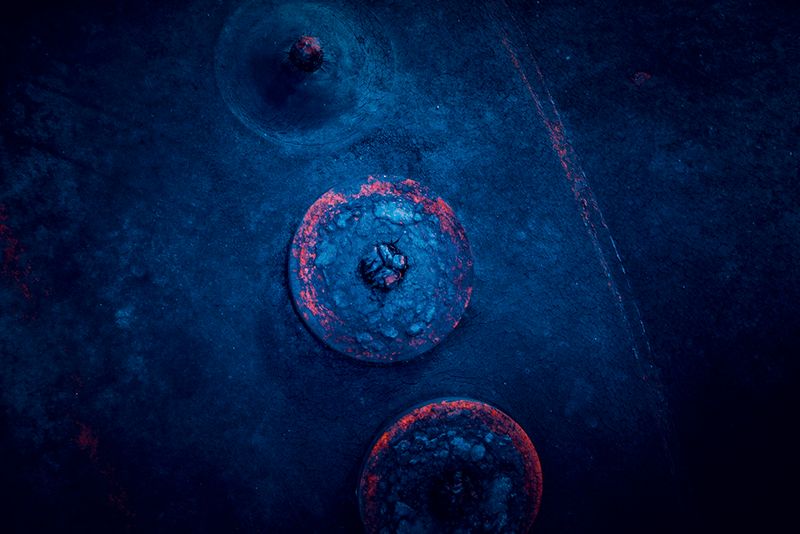
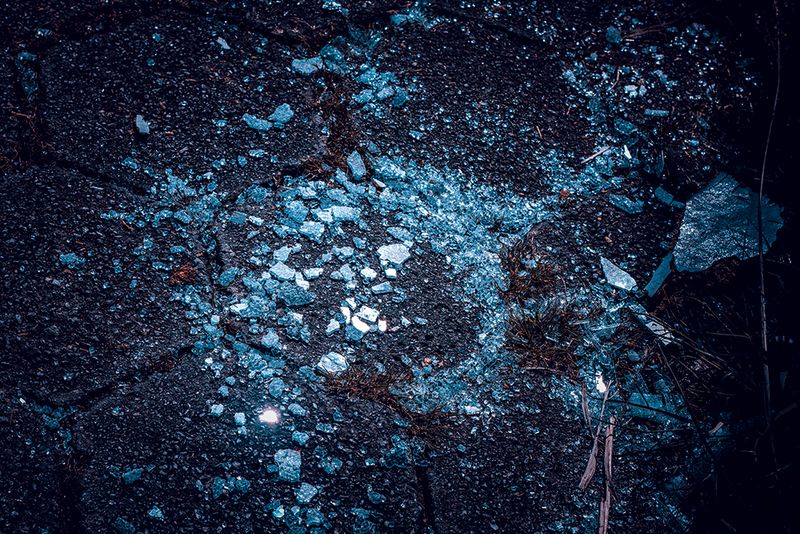
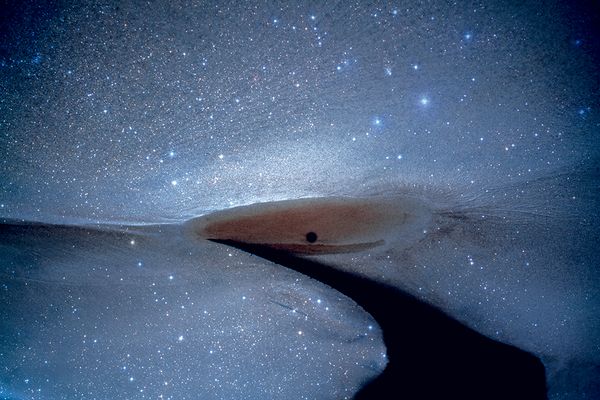
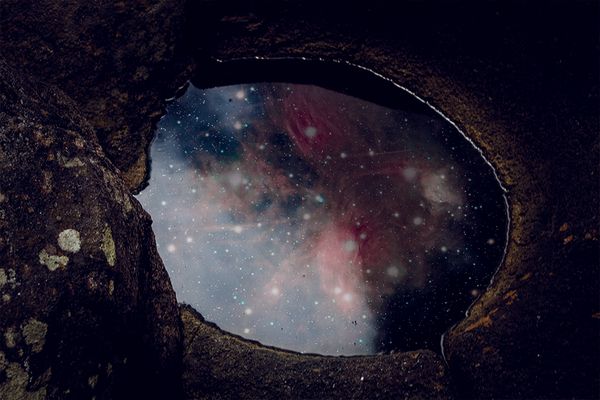
Out of the impossibility of ignoring such scientific and mythological evidences, and considering the premise introduced by Joan Fountcuberta that the function of photography is not to corroborate the truth or ground our discourse, but solely to question hypothesis on which others may ground their truths, the pictures of Kepler-186f are born, taking us on a cosmic journey between past and present, the Earth and its ancient-new twin.