Juvenile
-
Dates2017 - Ongoing
-
Author
- Locations France, Seine-Saint-Denis
I was born and raised in the French banlieues — postwar housing estates shaped by post-colonial migration and social segregation. Through intimate images, I explore how these neighborhoods challenge and redefine what it means to be French today.
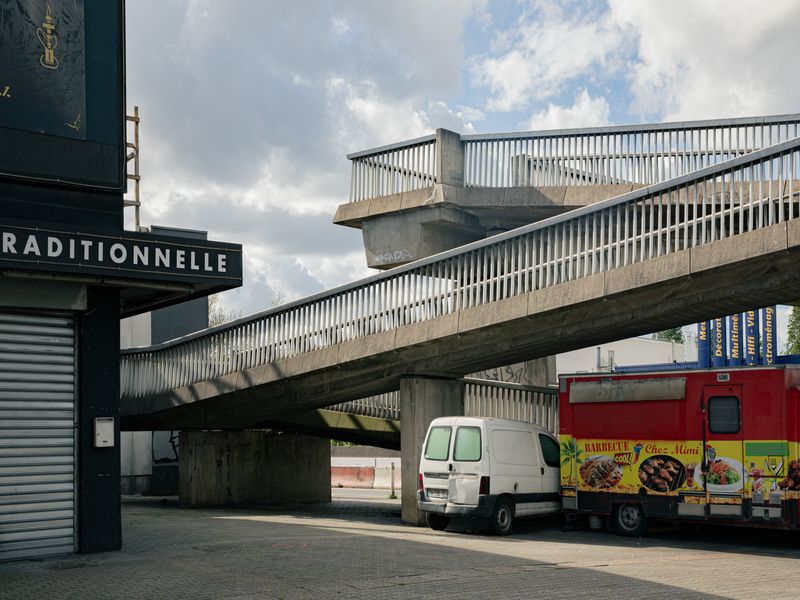
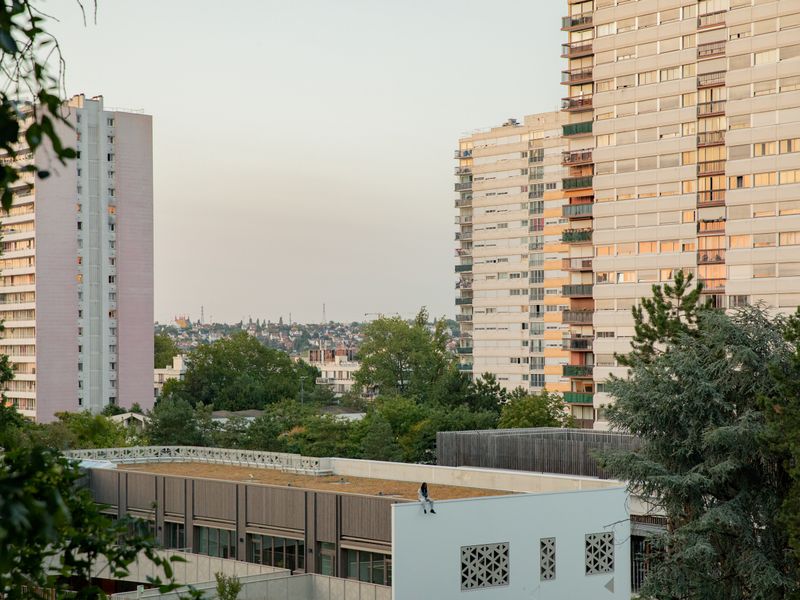
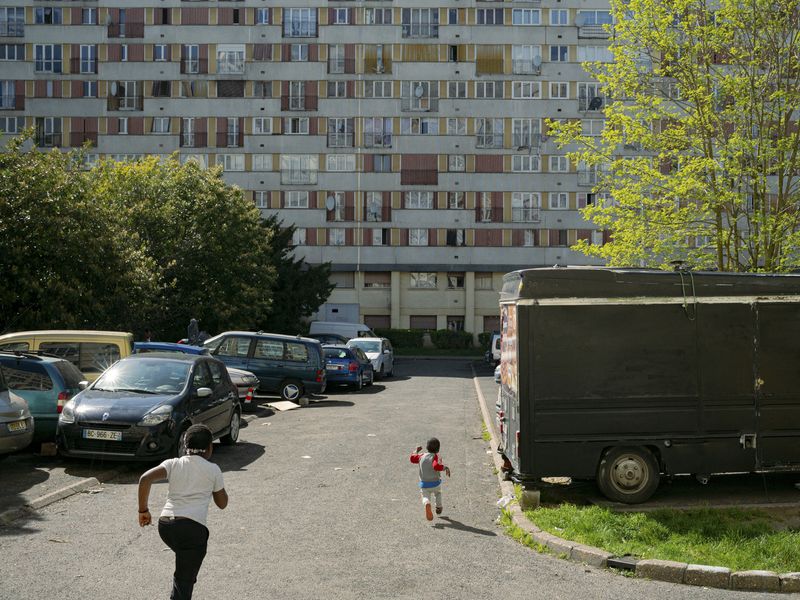
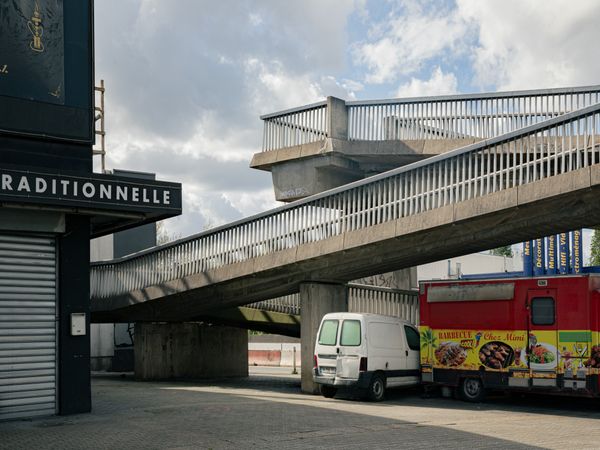
In France, the word banlieue literally translates as “suburb.” But unlike the suburban image often associated with comfort or affluence in other countries, the French banlieue refer to large postwar housing estates built on the outskirts of major cities. Many were constructed to house working-class families and immigrants arriving from former French colonies. Over time, these neighborhoods became socially and symbolically separated from the centers they surround — geographically close, yet politically, economically, and culturally distant.
I was born and raised in one of these neighborhoods.
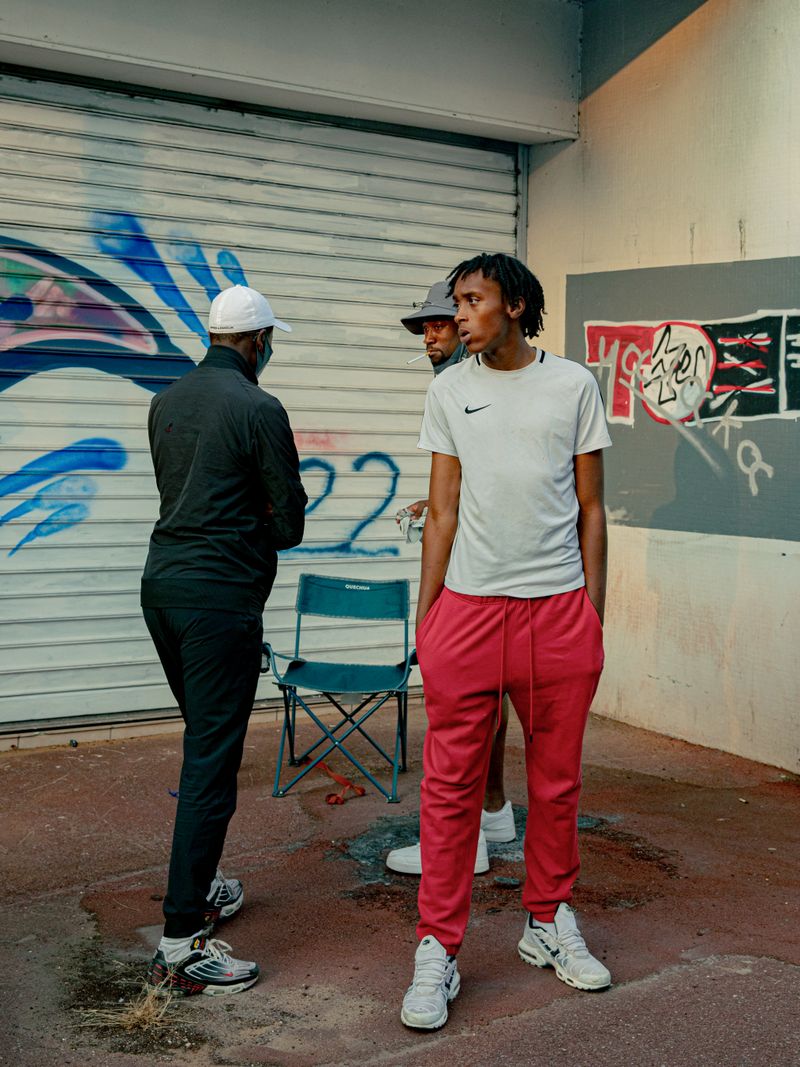
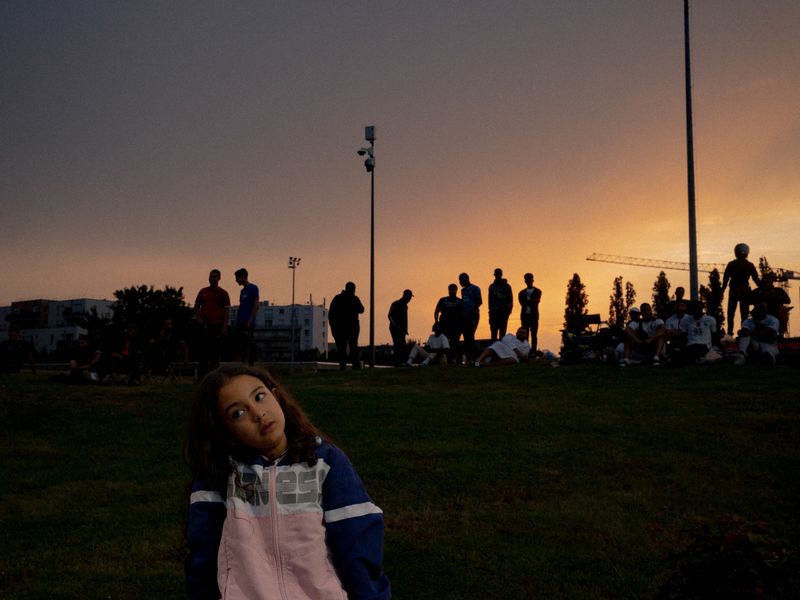
My relationship to the banlieue is not observational from afar; it is lived. I grew up within this environment — in its architecture, its rhythms, its tensions, its solidarities. My father worked nearby as a blue-collar worker, and we lived in a neighborhood where almost everyone worked at that factory. The stairwells, the open courtyards, the football fields at dusk, the codes of respect and survival — these are not subjects I discovered later as a photographer. They are the landscape of my childhood and adolescence.
I photograph the banlieue because they are central to the question that has shaped both my life and my work: what does it mean to be French today?
I belong to a generation deeply marked by post-colonial inheritances — migrations from Africa, the Caribbean, Southeast Asia; silenced histories; fragmented memories. In the banlieues, these layered legacies are tangible. They appear in the way people speak, move, gather, and dream. They also appear in the friction between a national narrative that promotes a singular, universal identity and the lived reality of plural, hybrid identities.
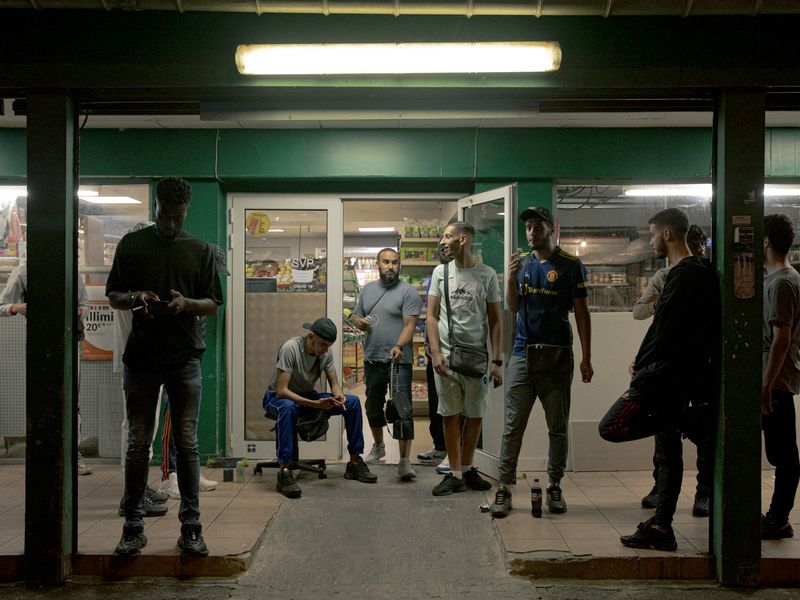
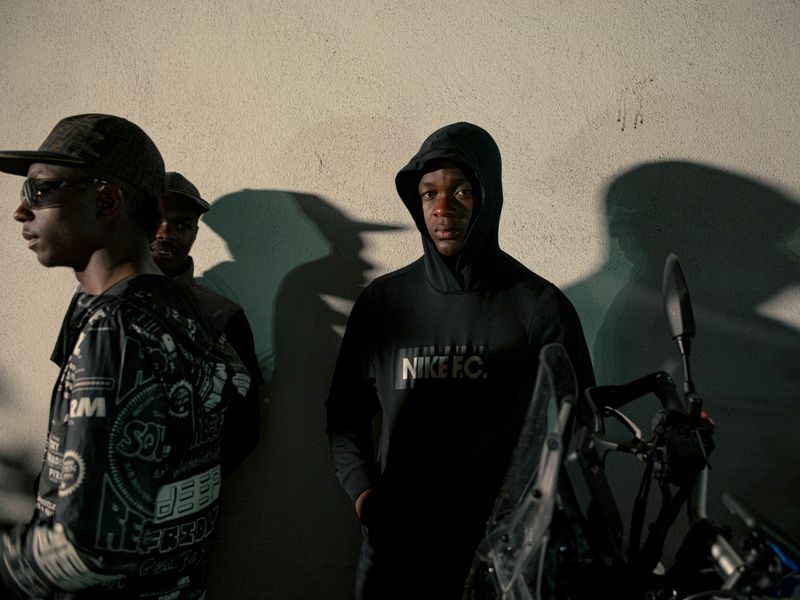
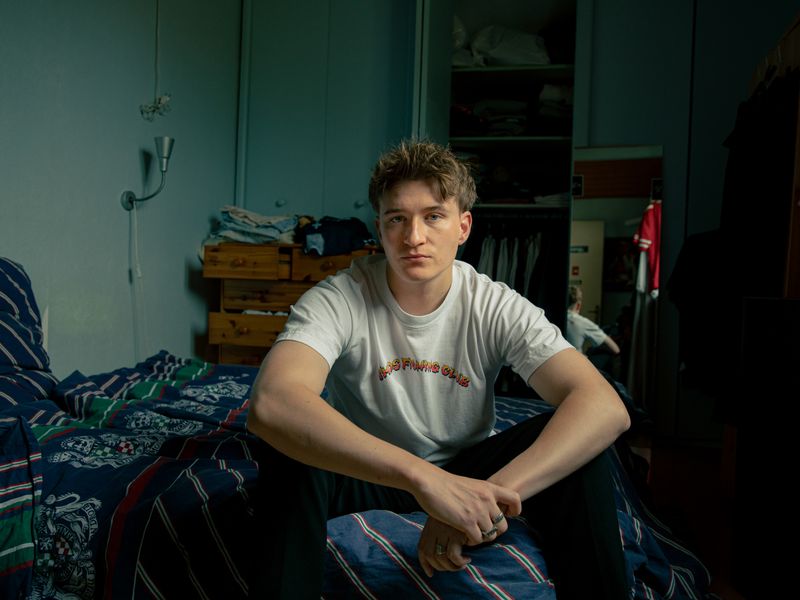
Growing up there with men, I experienced this tension intimately. The feeling of belonging and being perceived as peripheral at the same time. The subtle awareness that the word “French” did not always seem to include us — even though we were shaping its future every day.
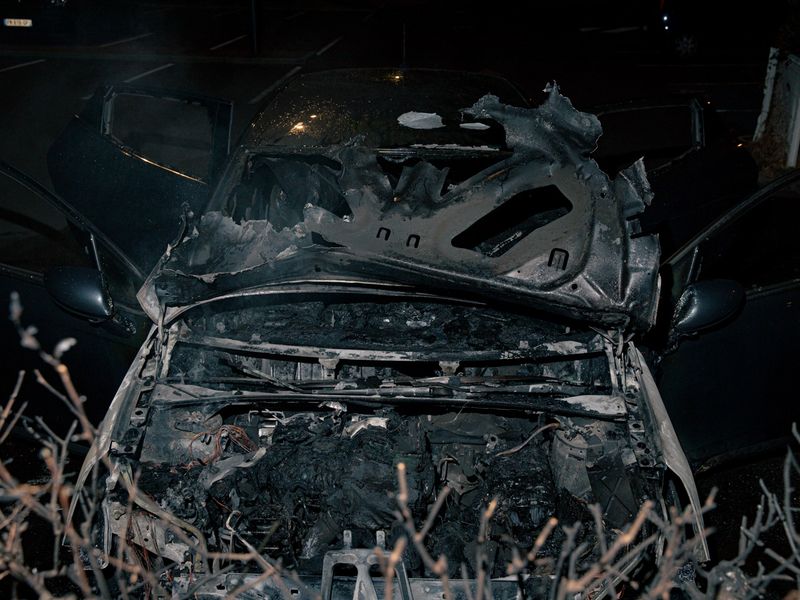
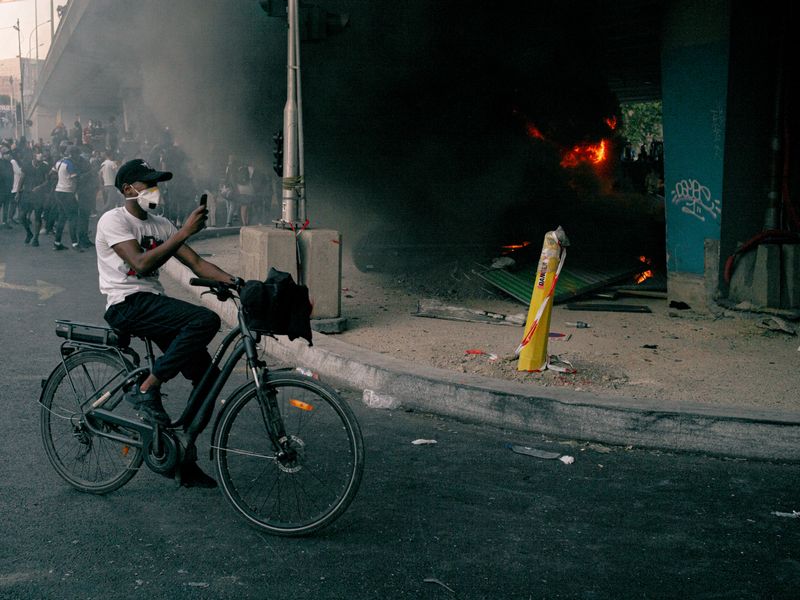
My work does not seek to dramatize crisis. It resists the dominant imagery of fear and spectacle of those territory. The banlieue are one of the greatest myths created by France, so much so that they have given rise to fantasies in the dominant narratives of political and media discourse. Portrayed only through the prism of violence, their representation has contributed to the stigmatization of their inhabitants.
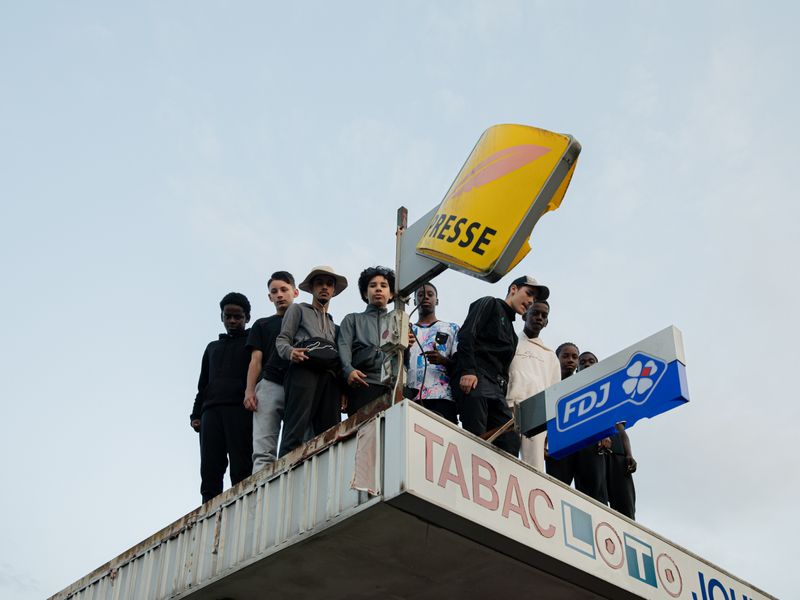
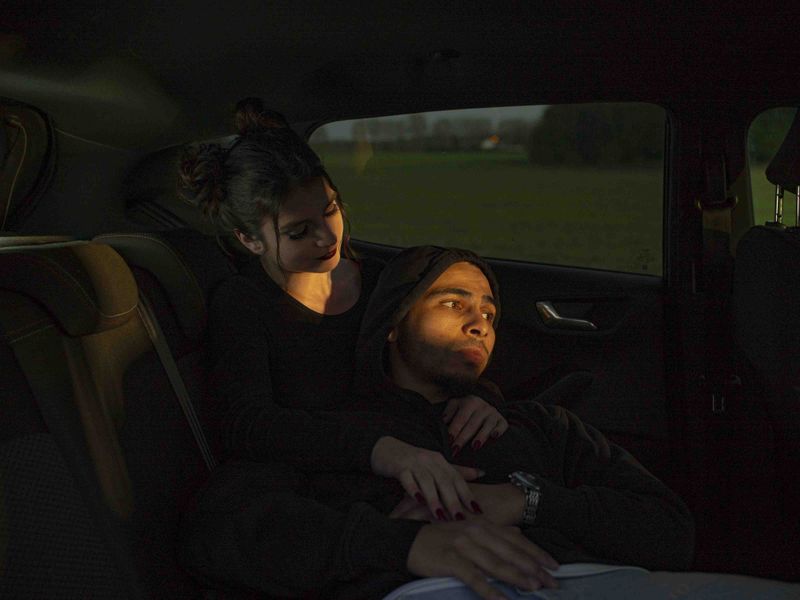
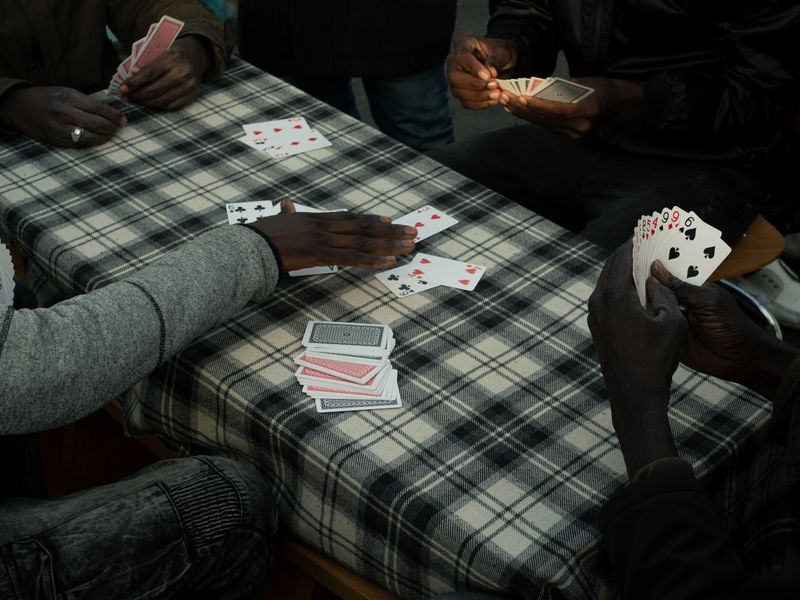
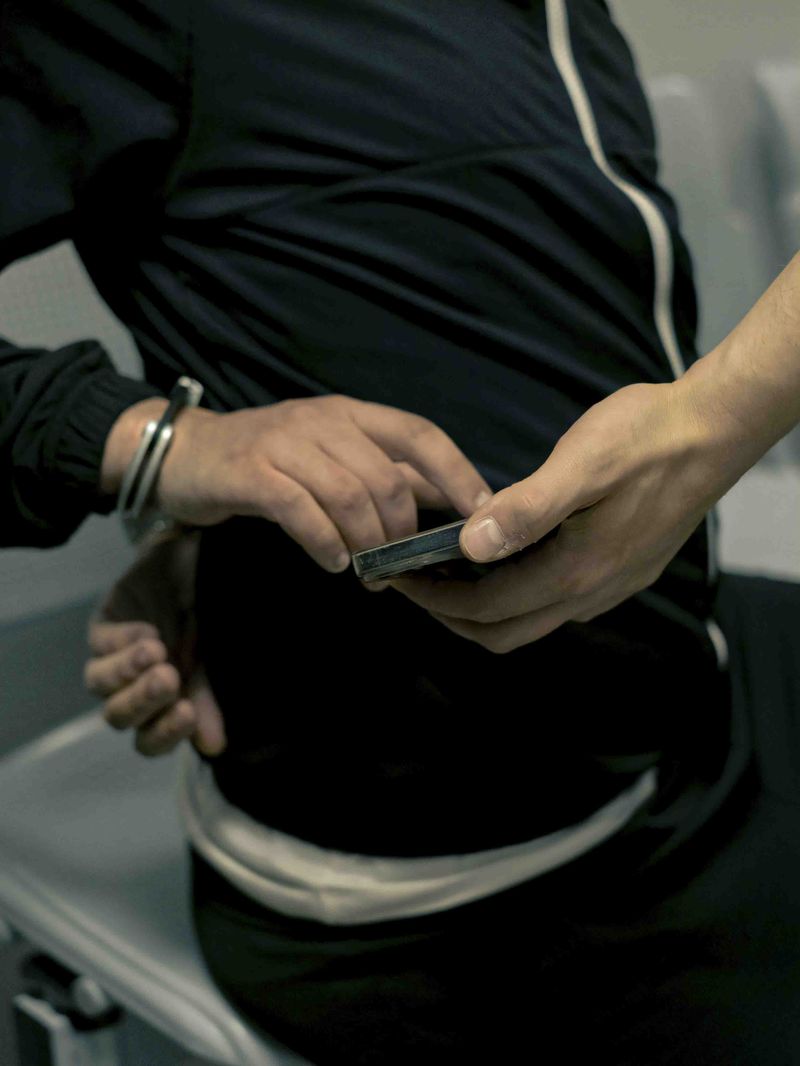
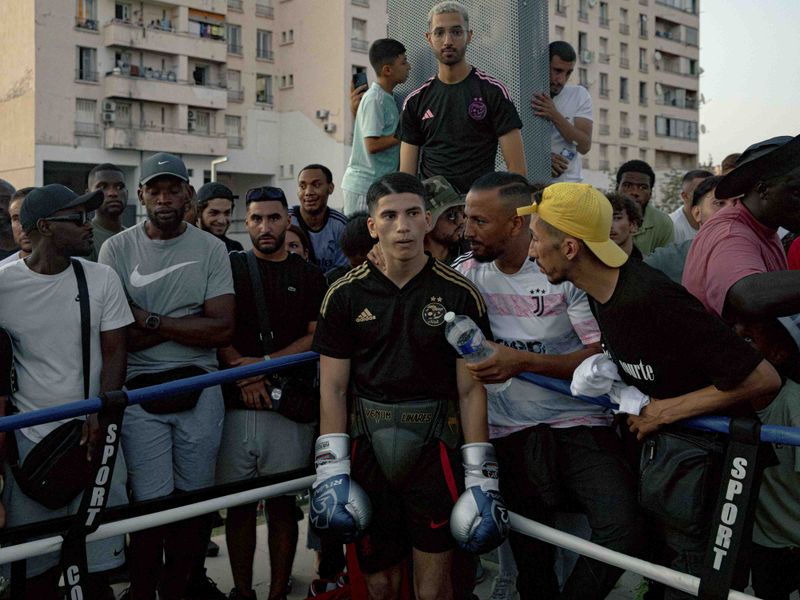
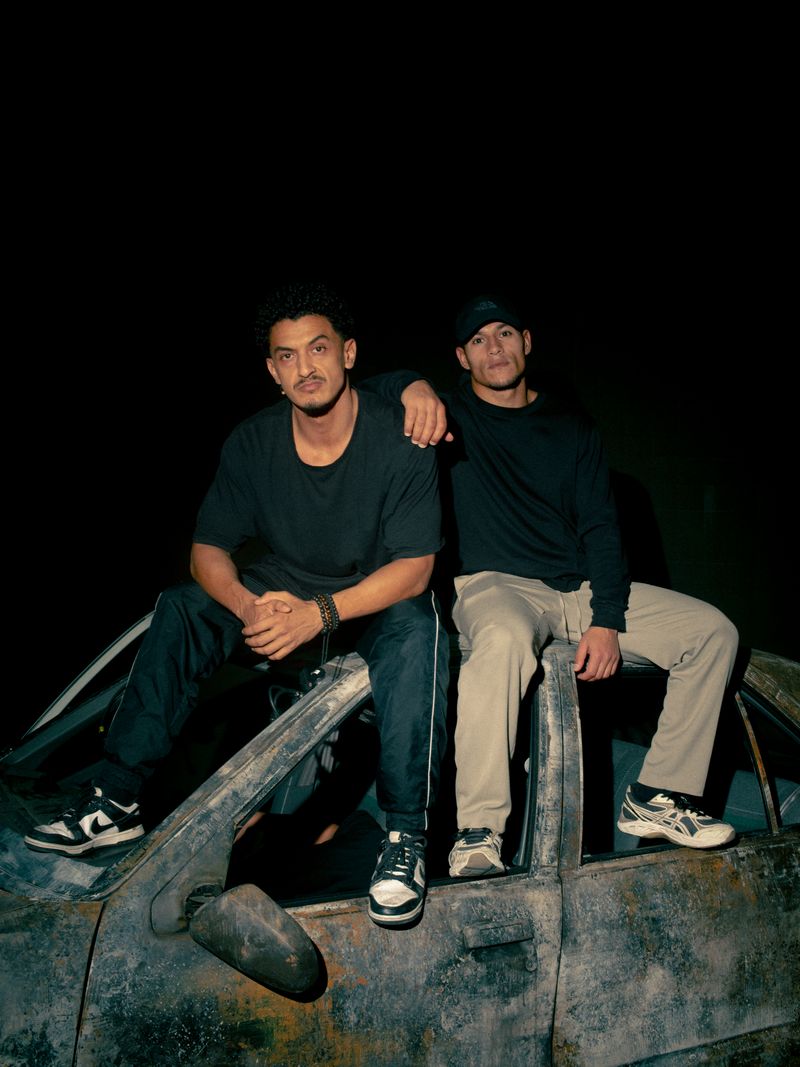
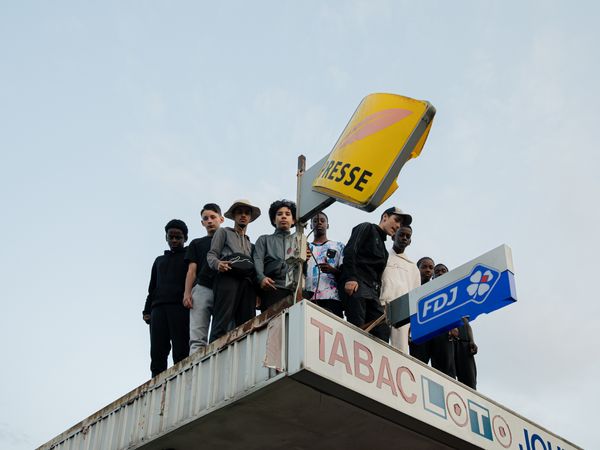
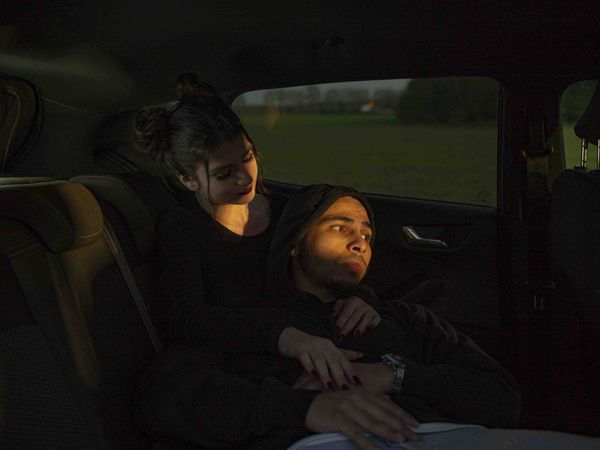
Instead, I focus on gestures, silences, and everyday presence. I photograph friends, neighbors, young men navigating masculinity, families negotiating dignity. I return, I wait, I listen. My position is both inside and reflective — shaped by proximity, but committed to distance enough to question and observe.
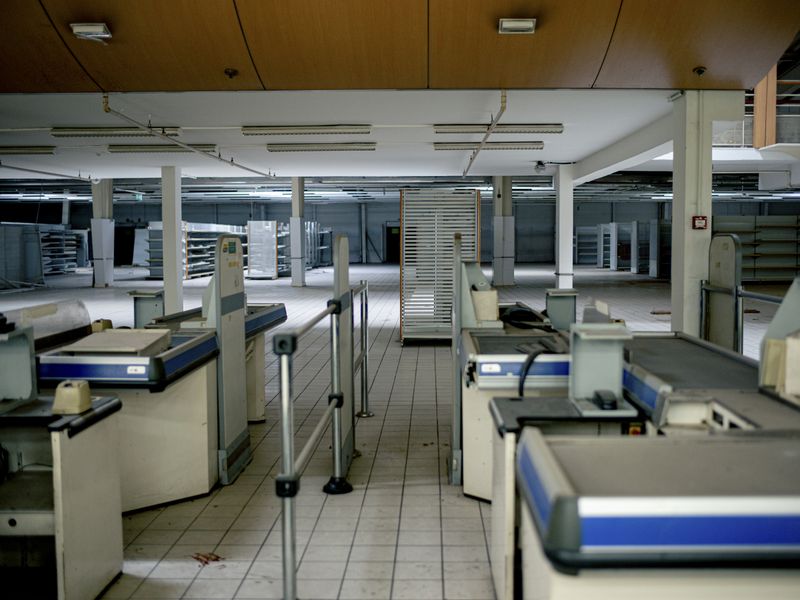
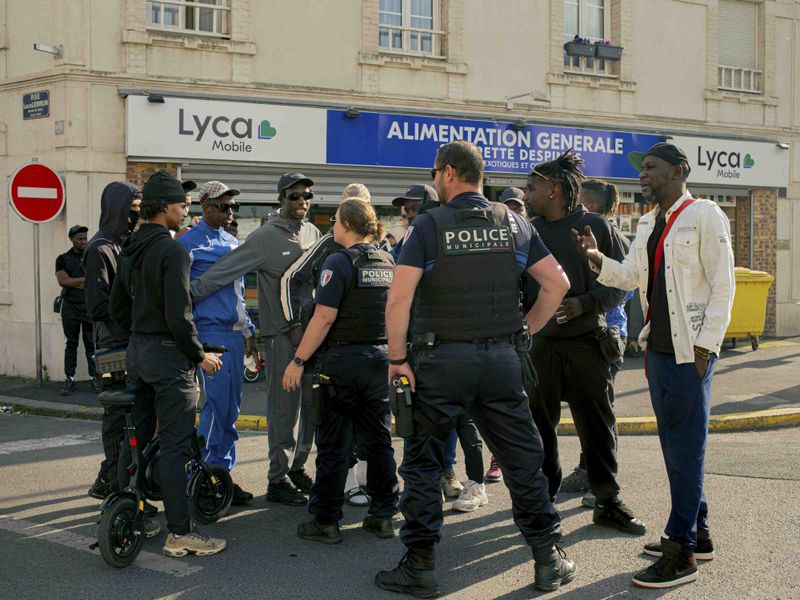
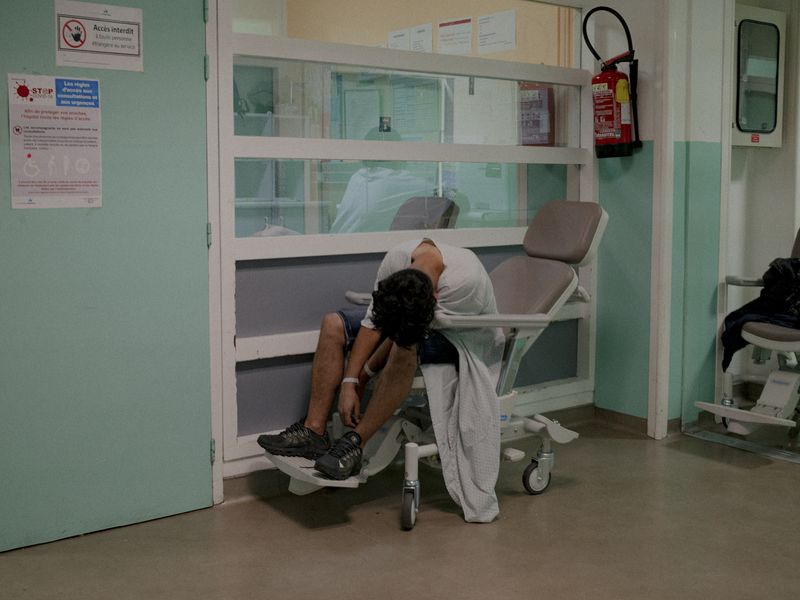
In these neighborhoods, identity is constantly negotiated. It is not a fixed inheritance but an ongoing construction. The banlieues expose the unresolved legacy of France’s colonial past, yet they also generate new cultural languages and forms of belonging. They are often described as margins; I see them as laboratories of a changing nation. In these neighborhoods, daily life is shaped by a fragile relationship with the police and eroded public services, where the presence of the State often feels more punitive than protective, revealing a deep sense of abandonment and institutional decline.
Through "Juvenile", I aim to create images that hold complexity — images that speak of fracture without reducing people to it, images that insist on dignity, nuance, and multiplicity.
For me, photographing the banlieue is not only a documentary act. It is a way of understanding where I come from — and how the future of French identity is being shaped in the very places that have long been misunderstood.