Jibita

  • Dates
    2017 - 2017
  • Author
  • Topics Social Issues, Contemporary Issues, Documentary

I am a photographer based in Texas in the US. I am committed to long term documentary projects and past work has included communities living at the edge of garbage dumps, orphanages of Russia, my own family in East Texas and most recently a look at American culture through commercial haunted houses.

Jibita is the phonetic spelling of the word survivor in Bangla. Human trafficking is a wide spread problem in Bangladesh. Every year thousands of men, women and children are subjected to forced labor and sex trafficking. Many Bangladeshi citizens willingly migrate to the Middle East and Southeast Asia for better economic opportunities but are particularly vulnerable to recruitment agents who have been known to place those in their care in high debt bondage, commit fraud by switching their contracts or jobs, abuse them on the journeys, and/or sell them into a forced labor or sex situation. I spent time in Bangladesh with Winrock International and many of the survivors of human trafficking they work with. Since parts of their trafficking experience carry an extremely negative stigma, particularly for women, I opted to collaborate with subjects on portraits that conceal their identity for most of the photographs. Despite the horrors and atrocities these survivors have faced, they are moving on with their lives. I wanted to address the issue of human trafficking while also allowing these individuals some agency in their photographs. (Please note the names listed with images are aliases).
© Misty Keasler - Image from the Jibita photography project
i

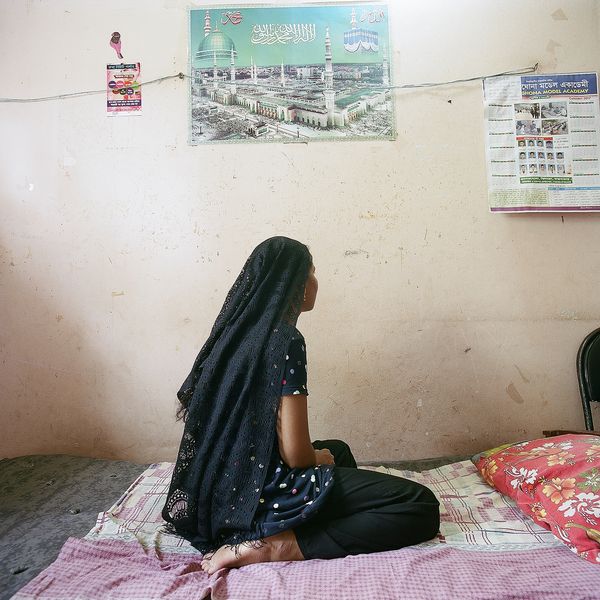
Shay was trafficked to India under the pretense of working as a house cleaner in a wealthy family's house. Upon arrival she was sold to a brothel. After four months of working a client told her when the guard left his post and she escaped. She has become an advocate against human trafficking and is the shelter mother at the My Sweet Home shelter in Cox's Bazaar.

© Misty Keasler - Image from the Jibita photography project
i

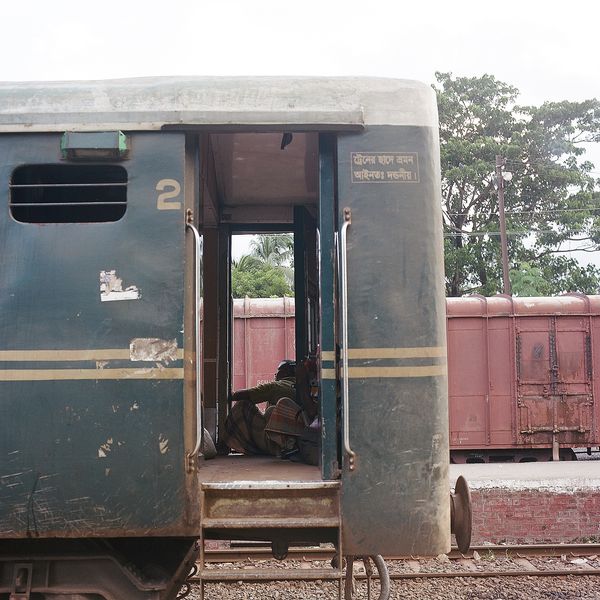
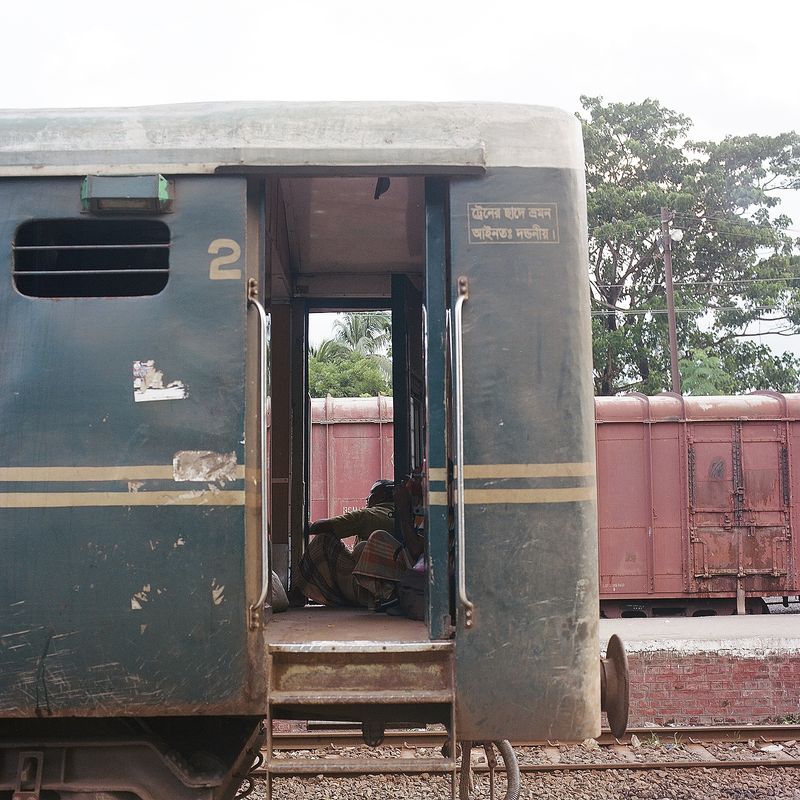
Trains like the one pictured here is Josna, Bangladesh are often used as a means of leaving the country. They have less oversight than airports making it easier to traffic people from the country.

© Misty Keasler - Ojana stands at the door of the shelter. She is a recent arrival to the shelter.
i

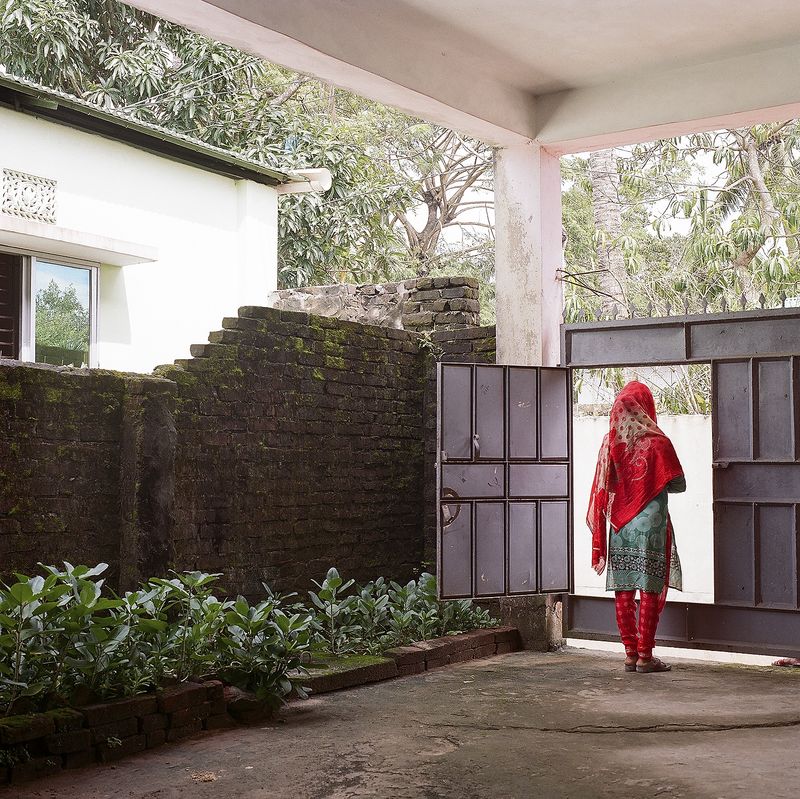
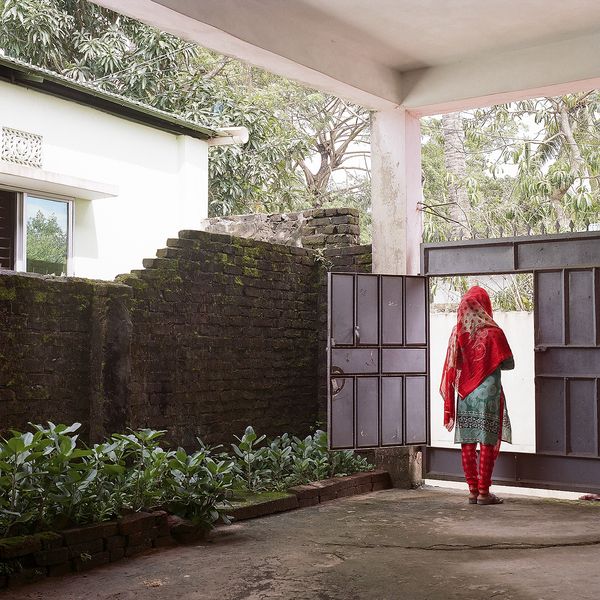
Ojana stands at the door of the shelter. She is a recent arrival to the shelter.

© Misty Keasler - Image from the Jibita photography project
i

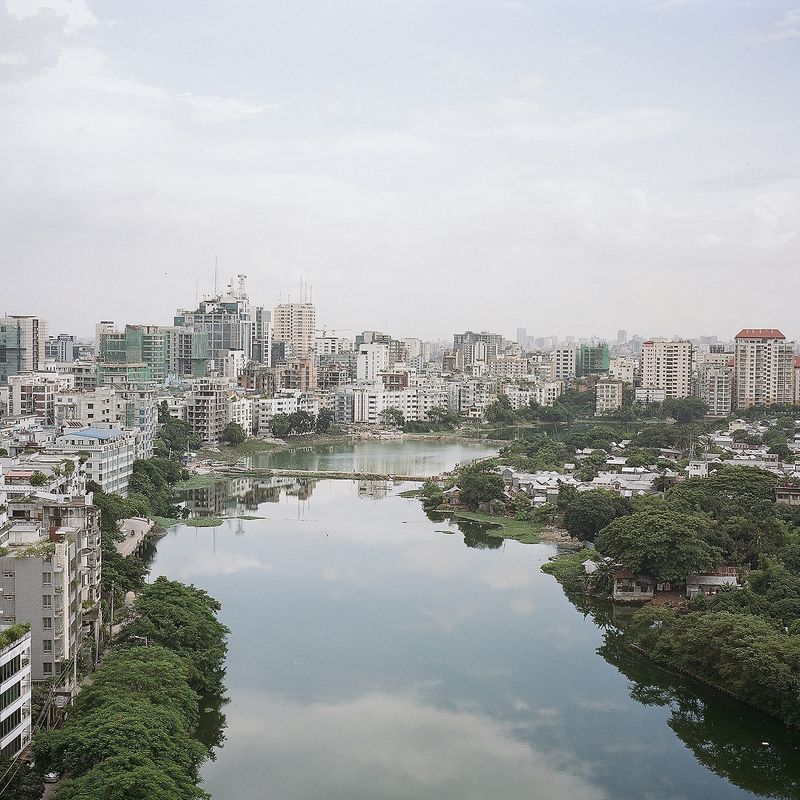
Dhaka is the capitol of Bangladesh and the greater Dhaka area is home to more than 17 million people and the city is often used as a stopping point for traffickers.

© Misty Keasler - Image from the Jibita photography project
i

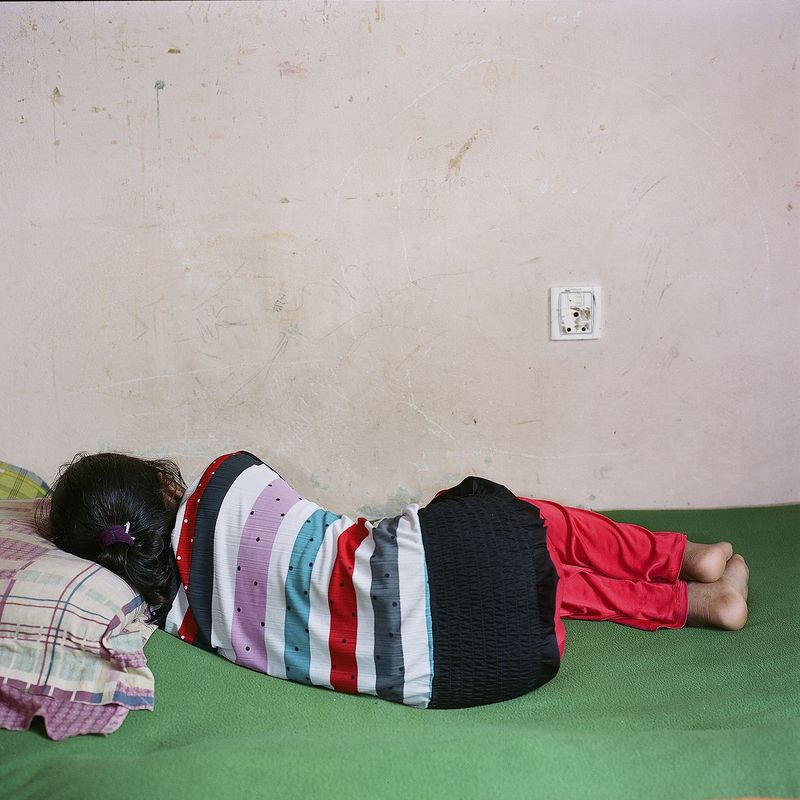
Rehena spend 2-3 years in an abusive forced labor situation in Bangladesh after being sold by her family. She is living at the shelter and preparing to start school. She is 10 years old.

© Misty Keasler - Toothbrushes and toiletries at the My Sweet Home shelter in Cox's Bazaar.
i

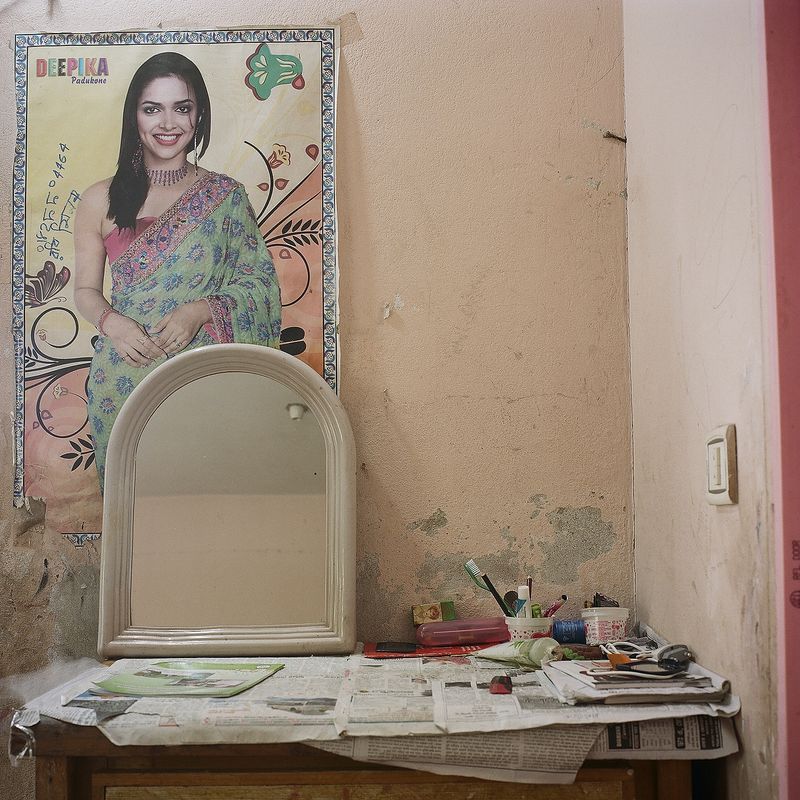
Toothbrushes and toiletries at the My Sweet Home shelter in Cox's Bazaar.

© Misty Keasler - Image from the Jibita photography project
i

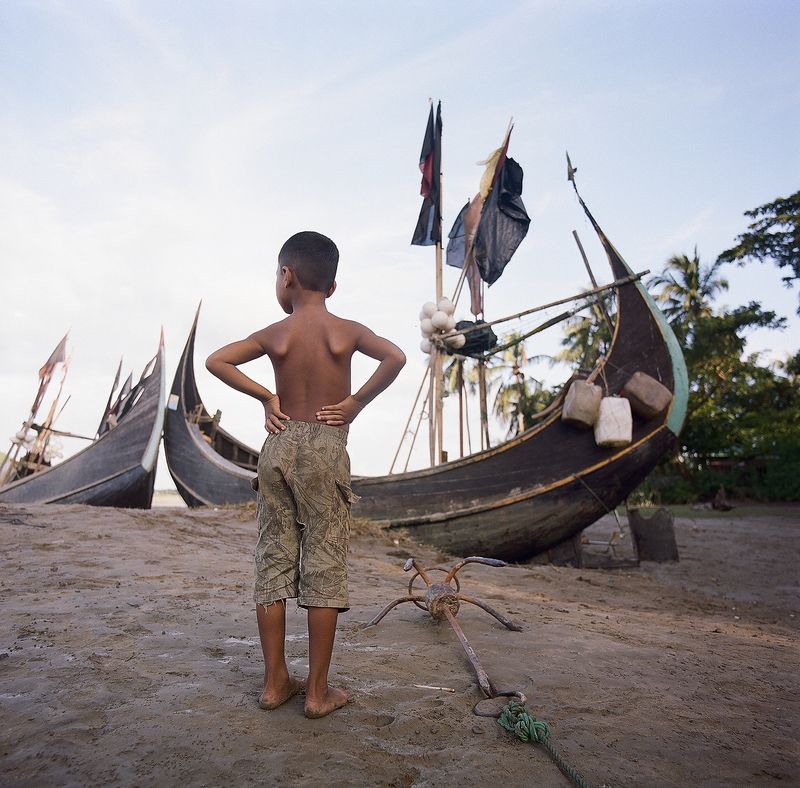
A boy stands near one of the common fishing boats used to transport trafficking victims from Bangladesh to larger boats at sea en route to Southeast Asia.

© Misty Keasler - Image from the Jibita photography project
i

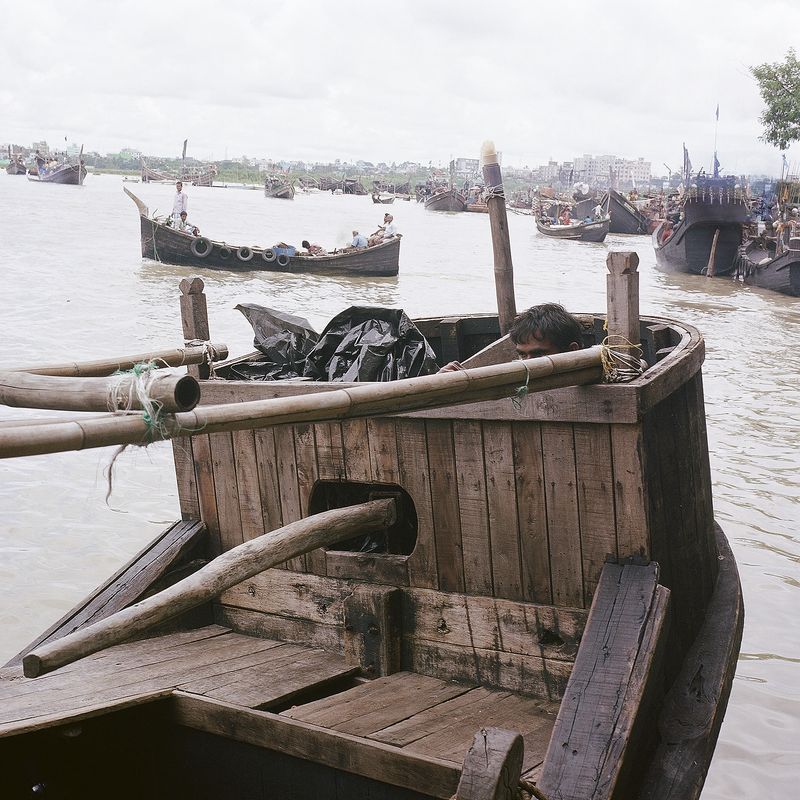
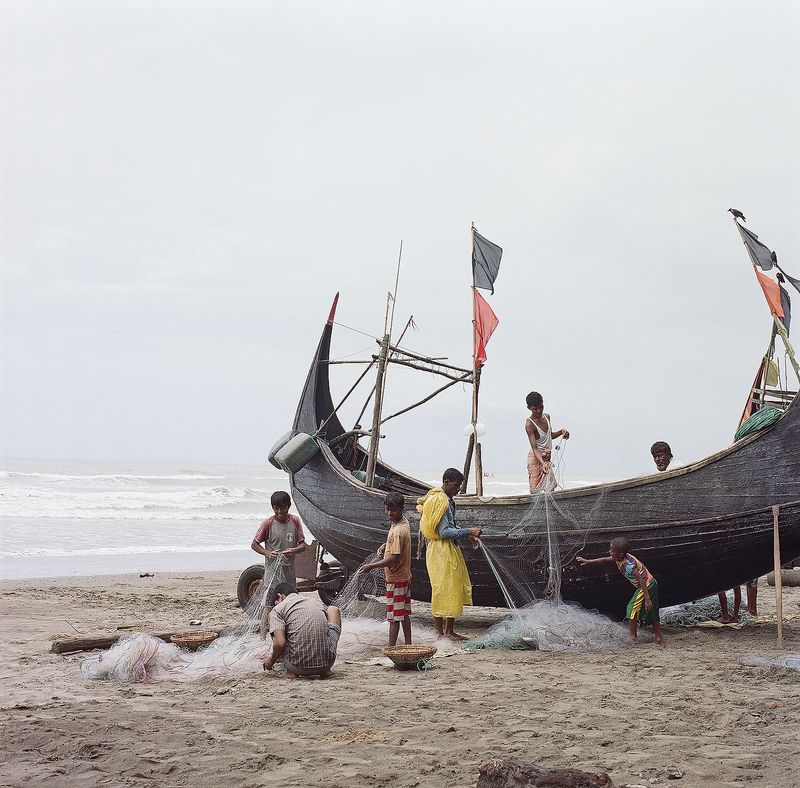
A fishing boat near the fish market of Cox's Bazaar. The market has little oversight and boats like these are used to transport men and women in trafficking.

© Misty Keasler - Image from the Jibita photography project
i

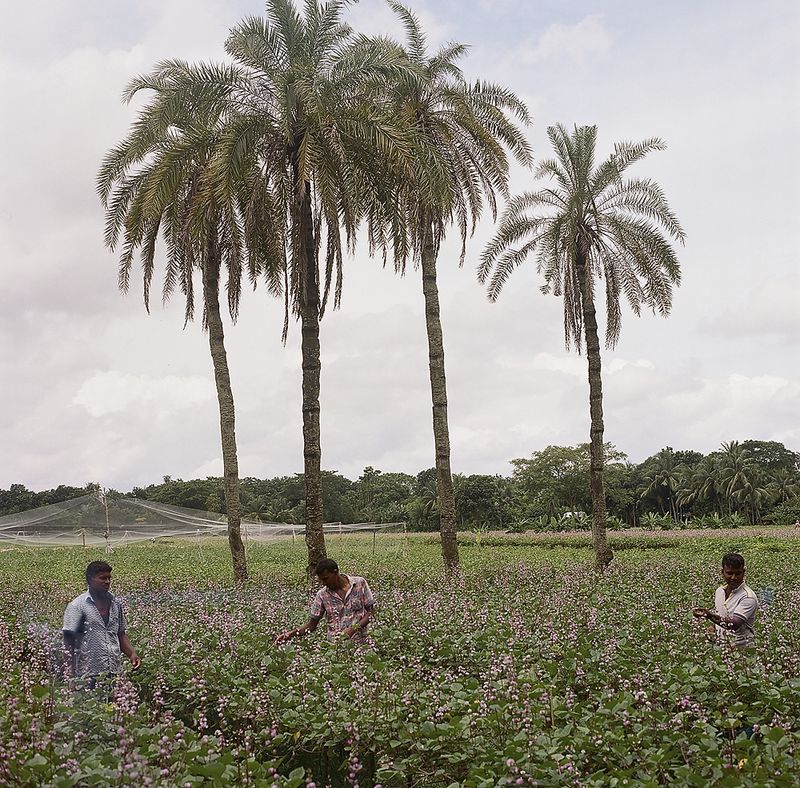
Ashik, Sayeed and Saiful were forced into labor in Saudi Arabia. They worked without pay and experienced dismal living conditions until being rescued and returned to Bangladesh. The men were strangers before their experience but became extremely close friends. The moved closer to each other and farm two pieces of land as a team.

© Misty Keasler - Image from the Jibita photography project
i

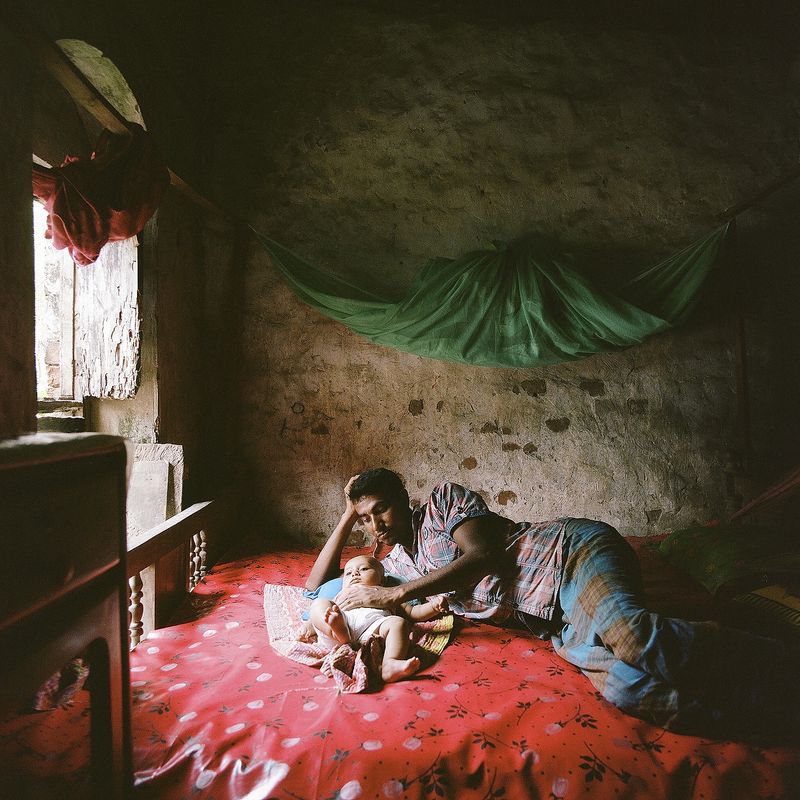
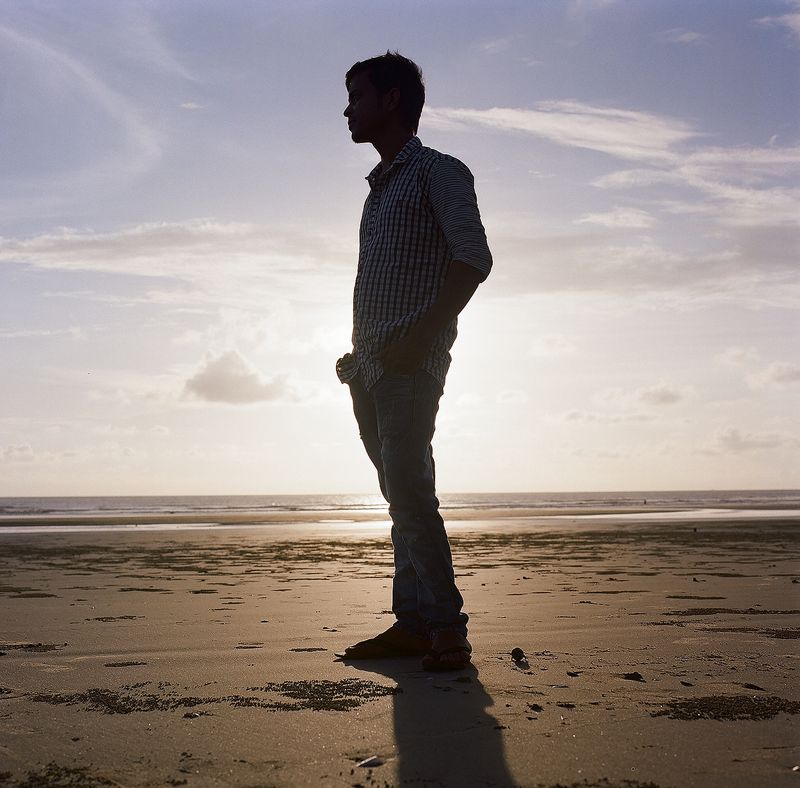
When Sayeed was trafficked Saudi Arabia he had no contact with his wife and daughter for the years he was gone. They feared he would never return to them. Since coming home he has had a son and is working on his house.

© Misty Keasler - Men on the beach in Cox's Bazaar, Bangladesh
i

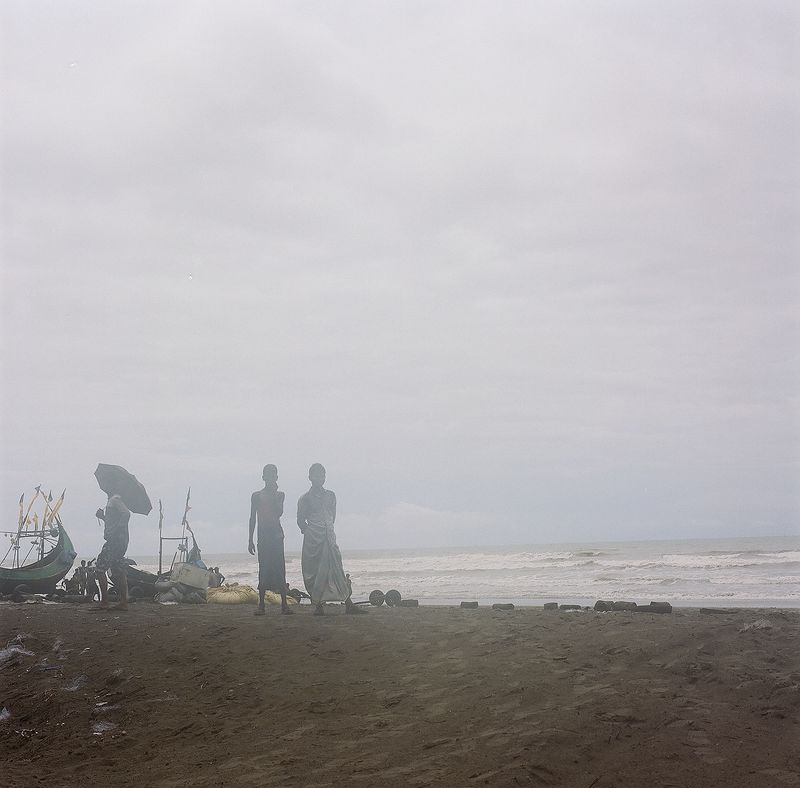
Men on the beach in Cox's Bazaar, Bangladesh

© Misty Keasler - Sadiya at the window of the shelter
i

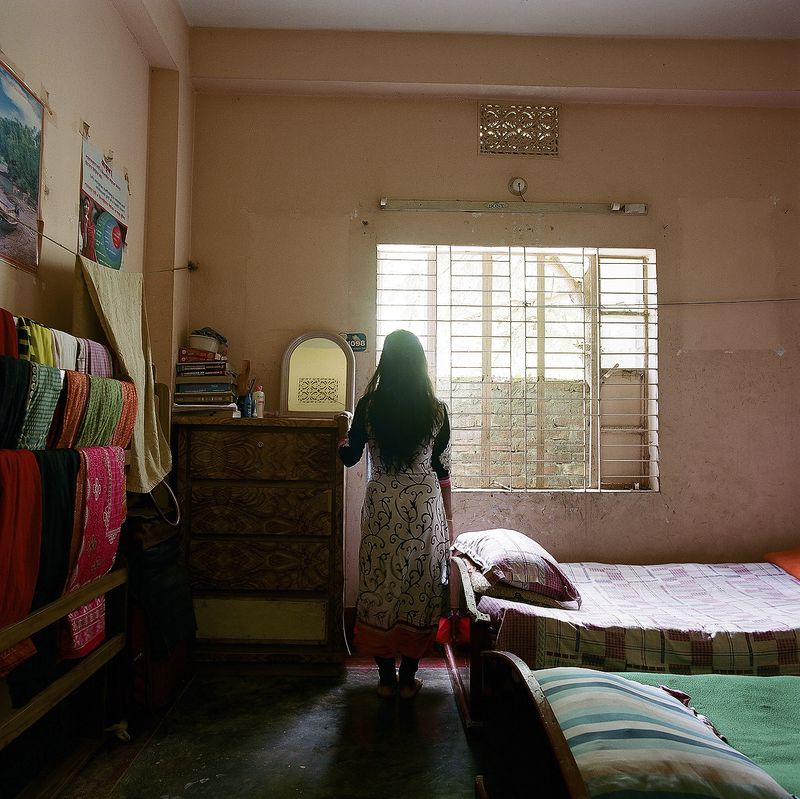
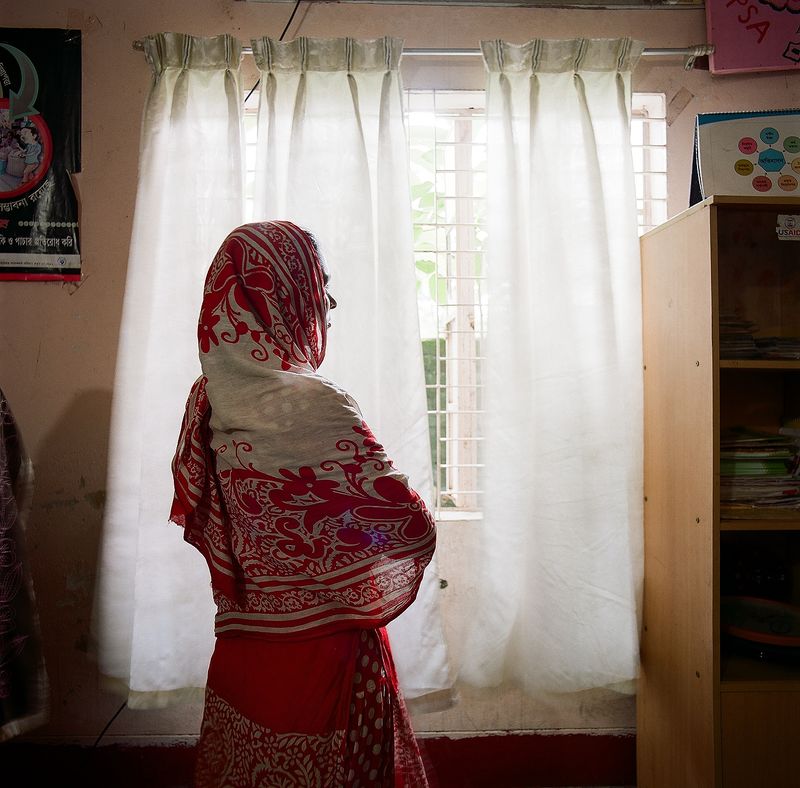
Sadiya at the window of the shelter

© Misty Keasler - Fishermen clear fish from their nets at the beach at Cox's Bazaar
i

Fishermen clear fish from their nets at the beach at Cox's Bazaar

© Misty Keasler - A bed at the My Sweet Home shelter for human trafficking victims.
i

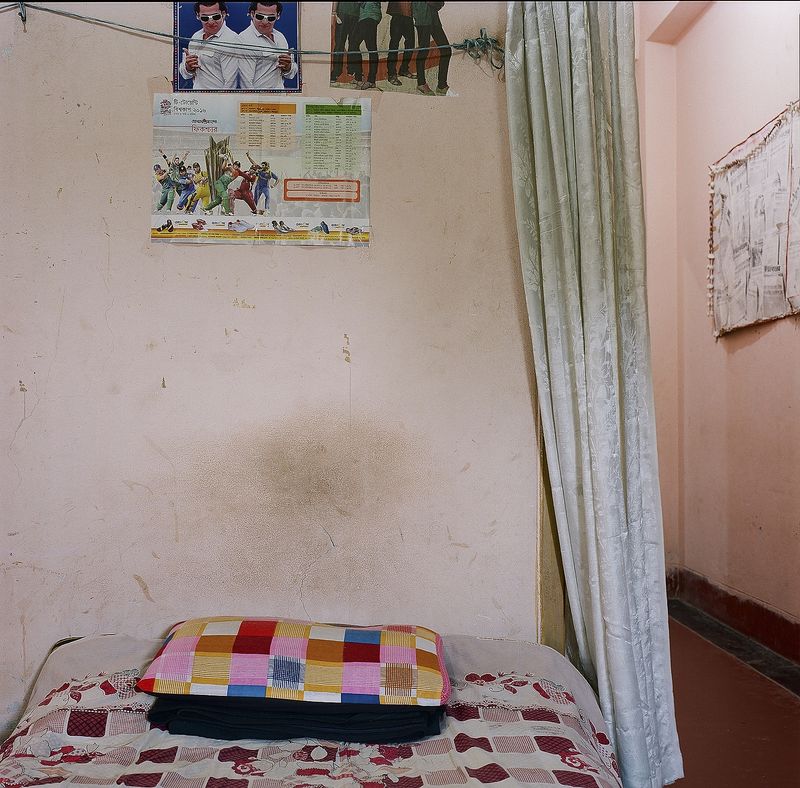
A bed at the My Sweet Home shelter for human trafficking victims.

© Misty Keasler - Image from the Jibita photography project
i

Anamika was forced to work at a brothel in Thailand. She lives at the shelter while the counselor works to see if her family will allow her to return to them.

© Misty Keasler - Kitchen, My Sweet Home Shelter at Cox's Bazaar
i

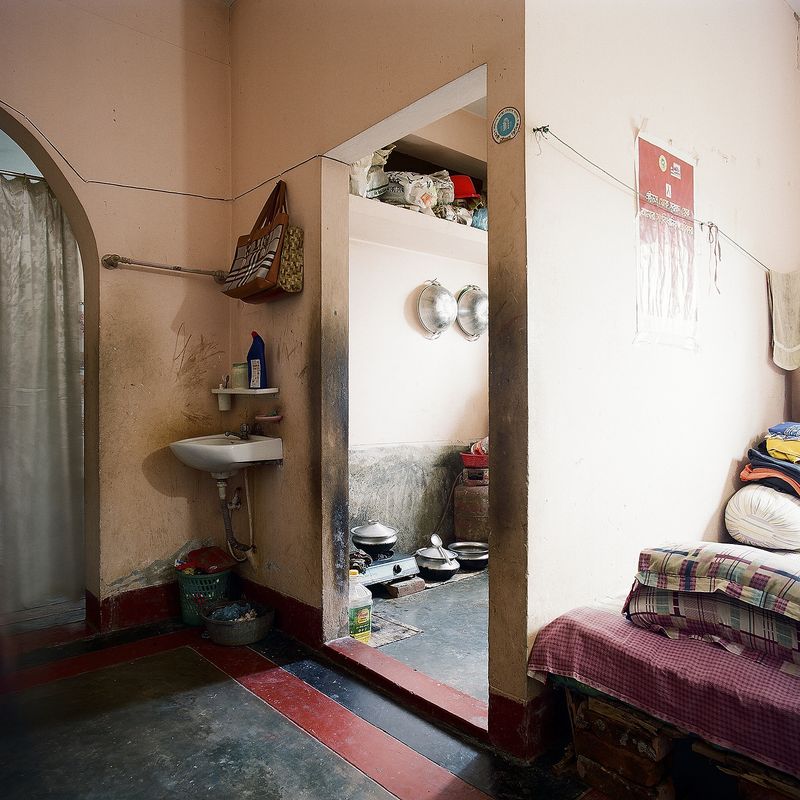
Kitchen, My Sweet Home Shelter at Cox's Bazaar

© Misty Keasler - A young fisherman watches a boat returning to the shore.
i

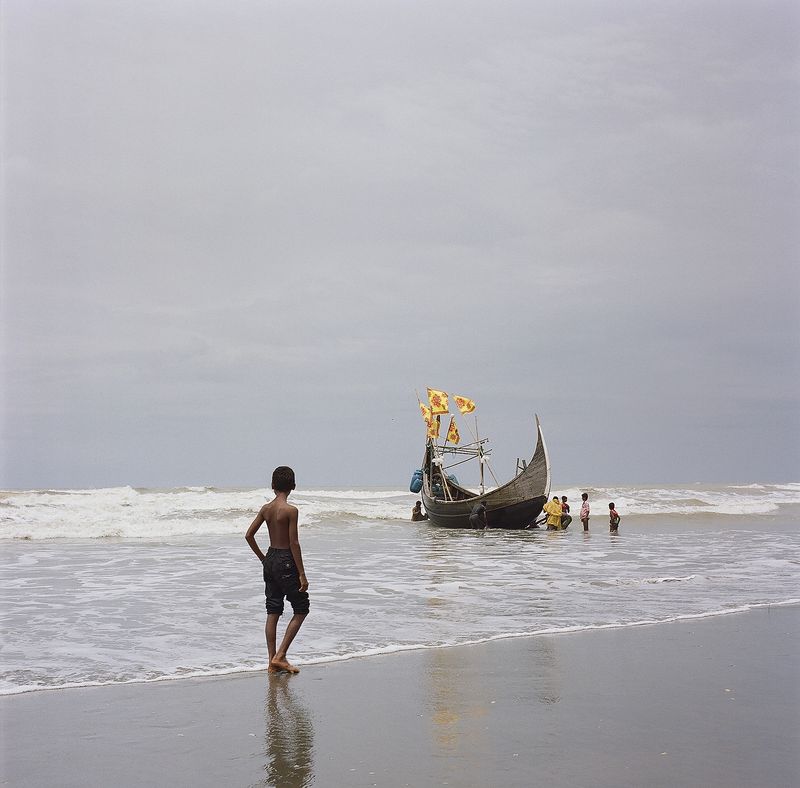
A young fisherman watches a boat returning to the shore.

© Misty Keasler - Image from the Jibita photography project
i

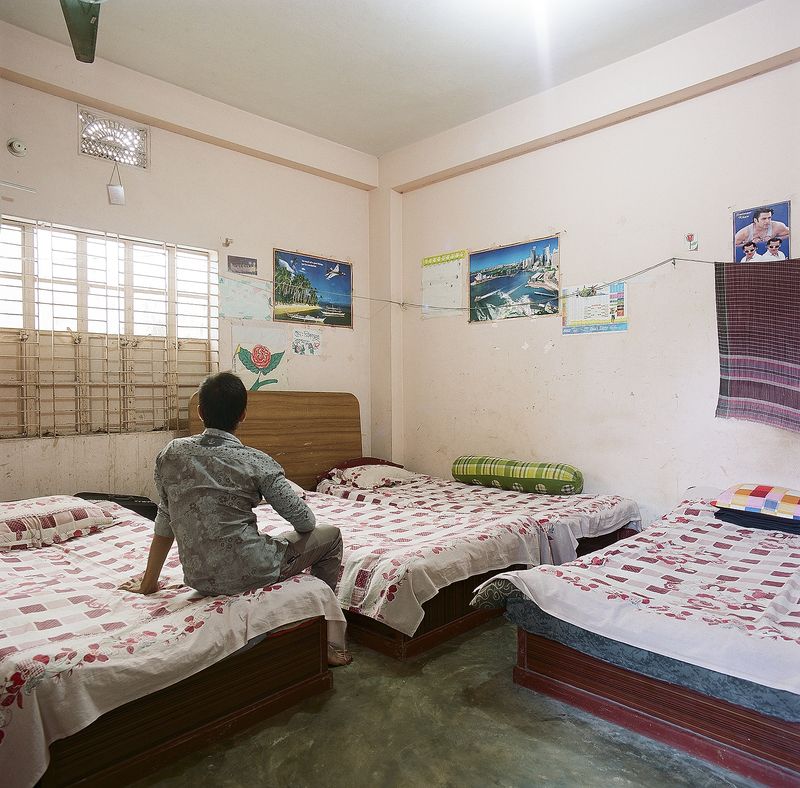
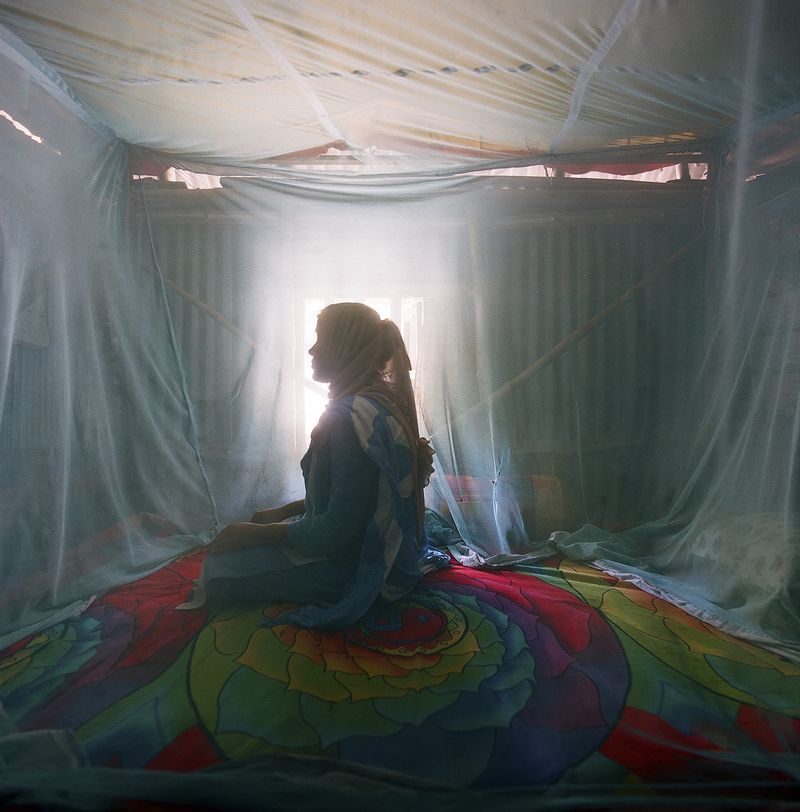
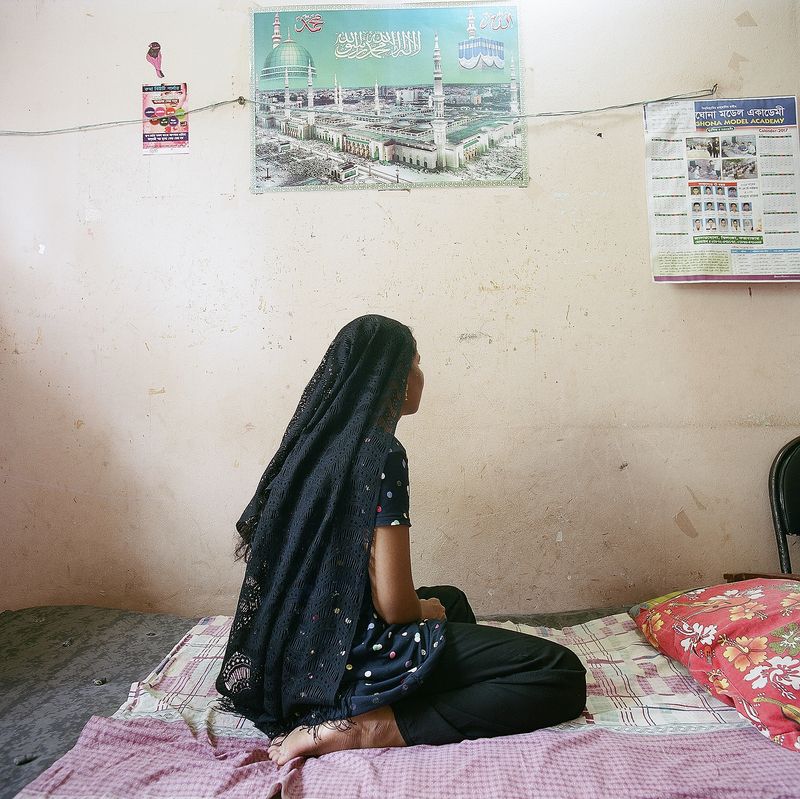
Rihaa sits in the bedroom at her parents house near the border of India. Rihaa was deceived by her friend's husband who promised three women jobs in India then abducted them and kept them locked in a house for several days awaiting the men they were to be sold to. Rihaa escaped and is a vocal advocate against trafficking.

© Misty Keasler - Image from the Jibita photography project
i

Nadim left voluntarily on a fishing boat for a job in Thailand. He was then put on a large boat with over 2,000 people and subjected to beatings and harsh conditions. When the traffickers got word the authorities were after them they disabled the large boat and fled on smaller speed boats. Nadim and the other people floated on the sea for close to two weeks without food and water before being rescued by Thai coast guards.

Jibita by Misty Keasler

Prev Next Close