It is then possible to risk dreaming
-
Dates2017 - 2021
-
Author
- Location Montreuil, France
I surveyed the Parc des Beaumonts in Montreuil, Seine-Saint-Denis as a heterotopia where contemplation can take place, daydreaming can flourish and the imagination can project itself.
It is then possible to risk dreaming
"Presence in the garden implies a naked mind and an exposed body. It is then possible to risk dreaming." Gilles Clément
Over the past few years, my work has explored our relationship with the living world, the sensitive links we forge or reweave with nature; it also questions the landscape and its representation.
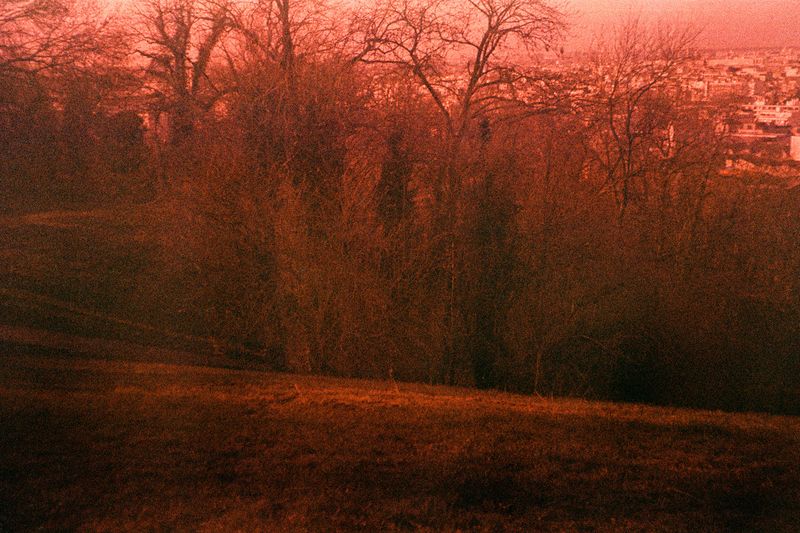
I've been surveying the Parc des Beaumonts in Montreuil, Seine-Saint-Denis, (France) in an almost daily and emotional relationship - it's the park where I grew up and where I later brought my family. The park is a green lung in the midst of the dense, saturated urban fabric of the Paris conurbation; 22 hectares of meadows, woods, flat areas and hills overlooking the city; 11 hectares of which have been set aside as a protected natural area under the Natura 2000 label.
The park is a "different space" in the face of urban sprawl and peri-urbanization, a heterotopia where contemplation can take place, daydreaming can flourish and the imagination can project itself. It offers moments of retreat and escape. It's an island where you can reconnect with nature, experience it for yourself. For Gilles Clément, the garden is "the one and only place where man meets nature, where dreaming is permitted". There's a dimension of resistance in the garden: within it, we escape all constraints, all necessities, the logic of consumerism and profitability. It is "a mental territory of hope". It is the memory of our first relationship with the world - before the Great Divide, the expression of our imagination and its meanders. Etymologically, a garden is a closed place, an "enclosure" in which we protect what we think is most precious: the garden is a park, a paradise.
In this garden of images, which invite to stroll and daydream, I wish to replay the original state of a porous relationship with the living world, the state of the child dreamer, explorer, who maintains an imaginative relationship with the world. I try to rekindle our sense of wonder and intensify our presence in the world. My attachment to the idea of a form of reverie is borrowed from Bachelard's thinking, when he claims reverie as an invitation to "a form of attention and ultimately of awakening" (Jean-Philippe Pierron).
My sensual immersion in the materiality of the park is envisaged as a phenomenological experience, a crossing, a dreamlike adventure in which reality can be metamorphosed.
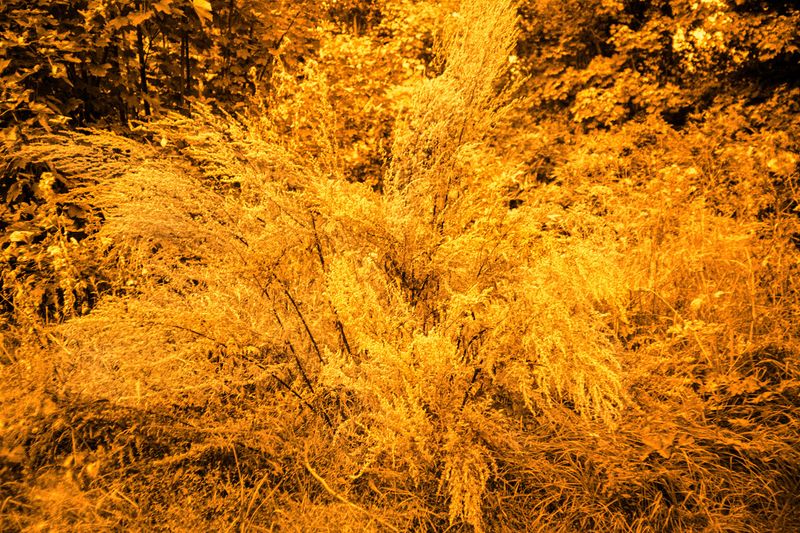
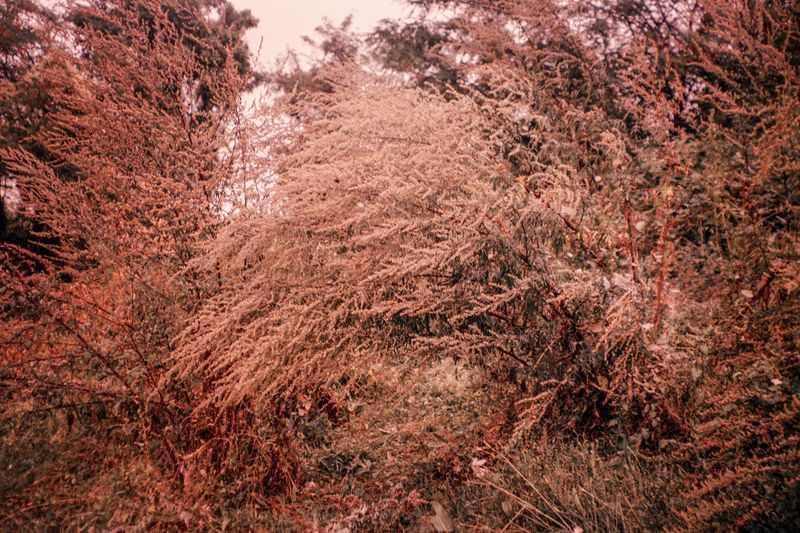
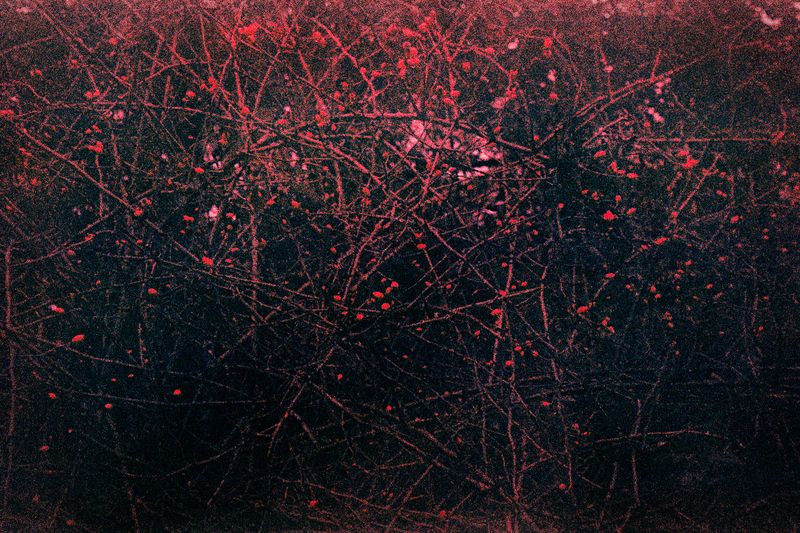
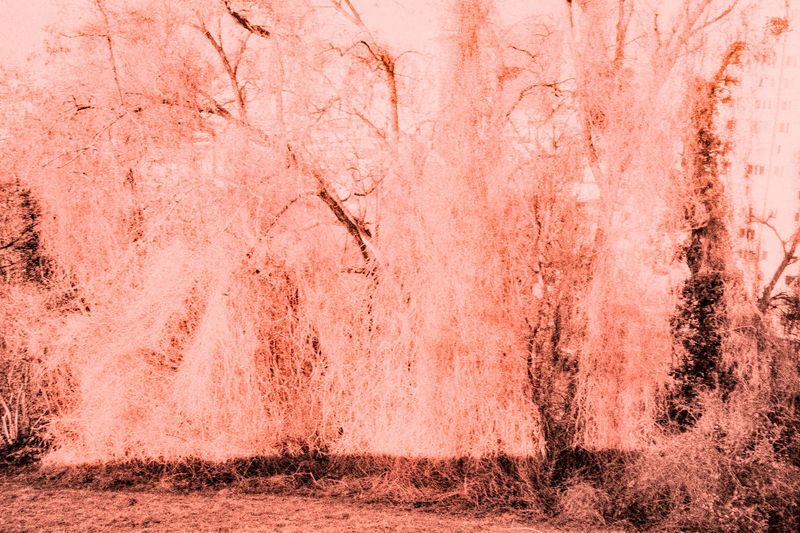
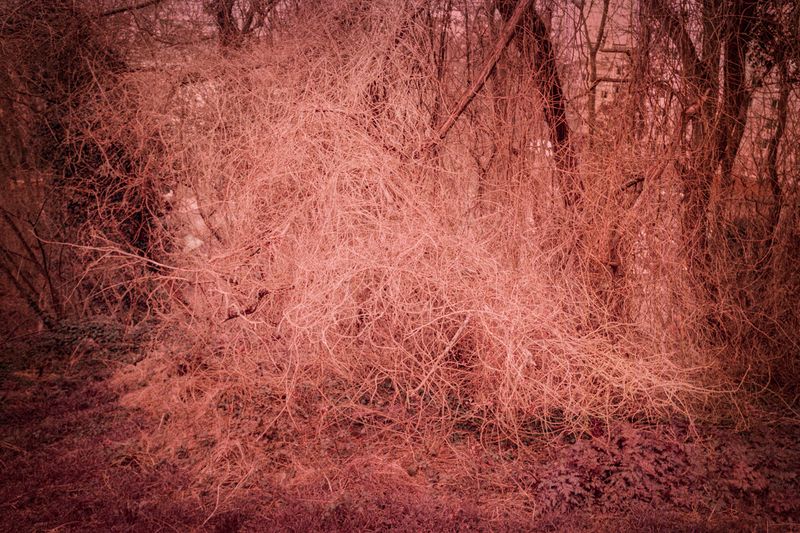
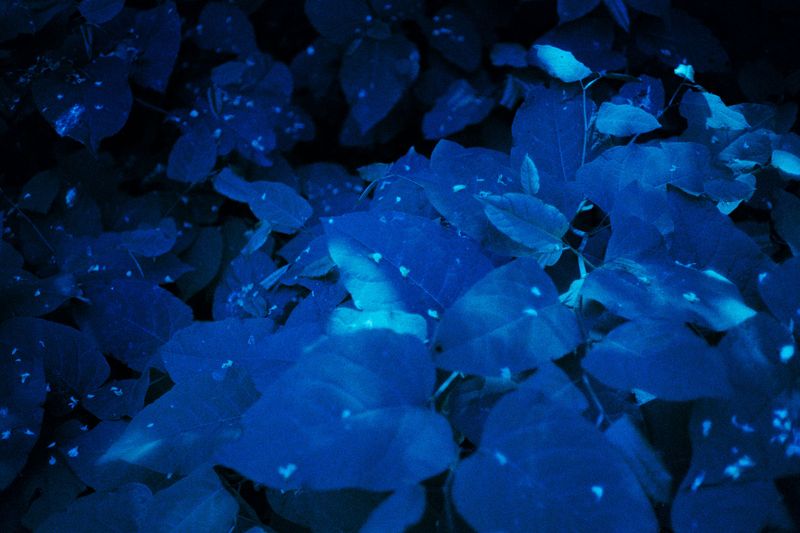
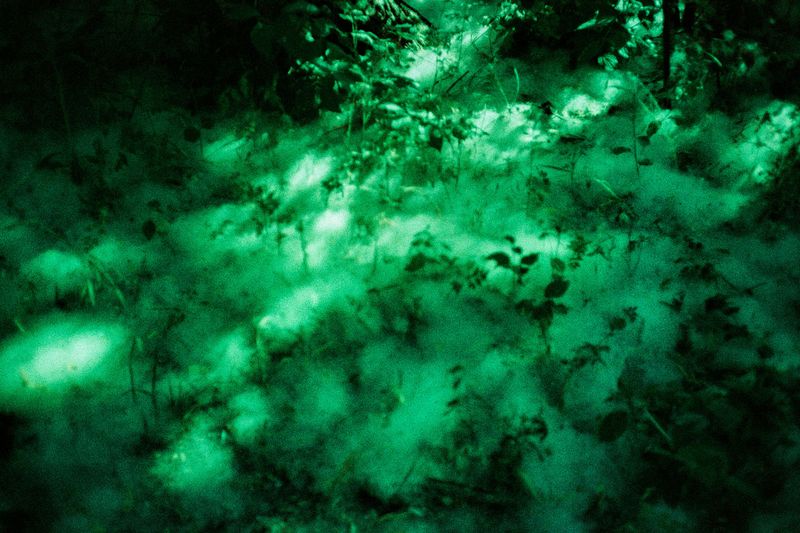
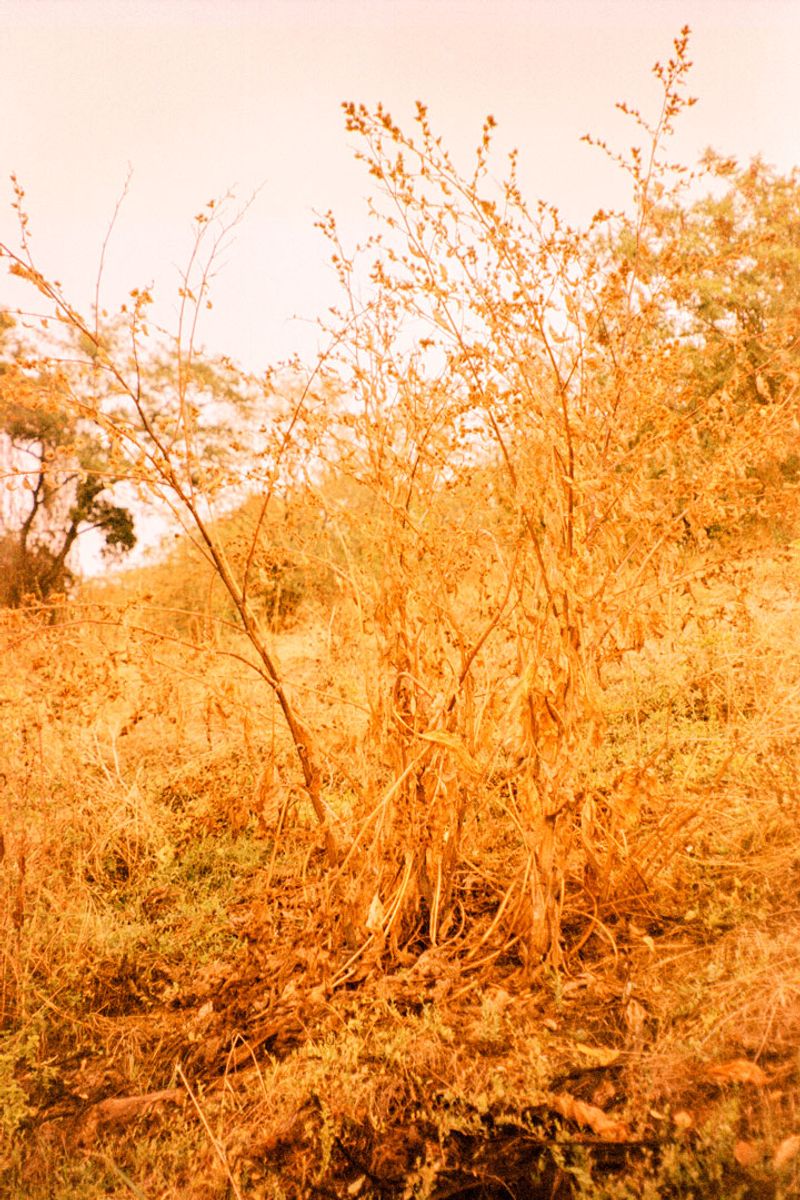
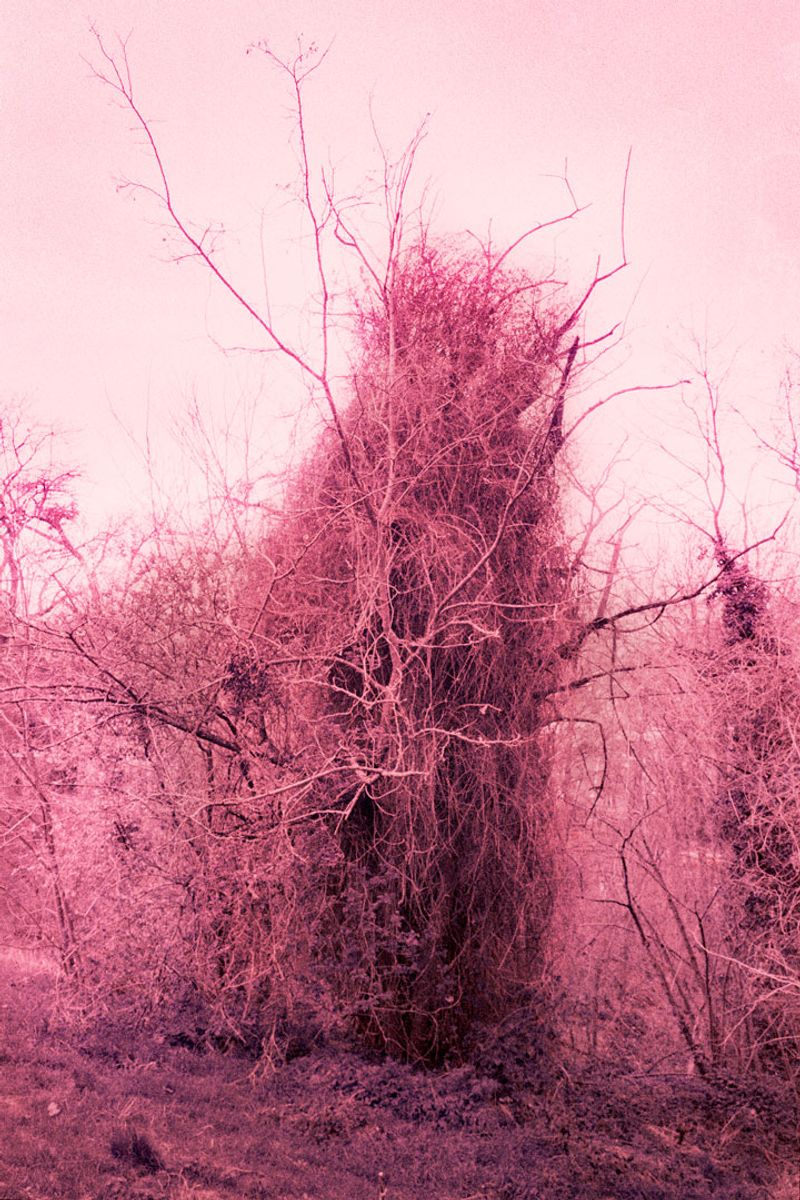
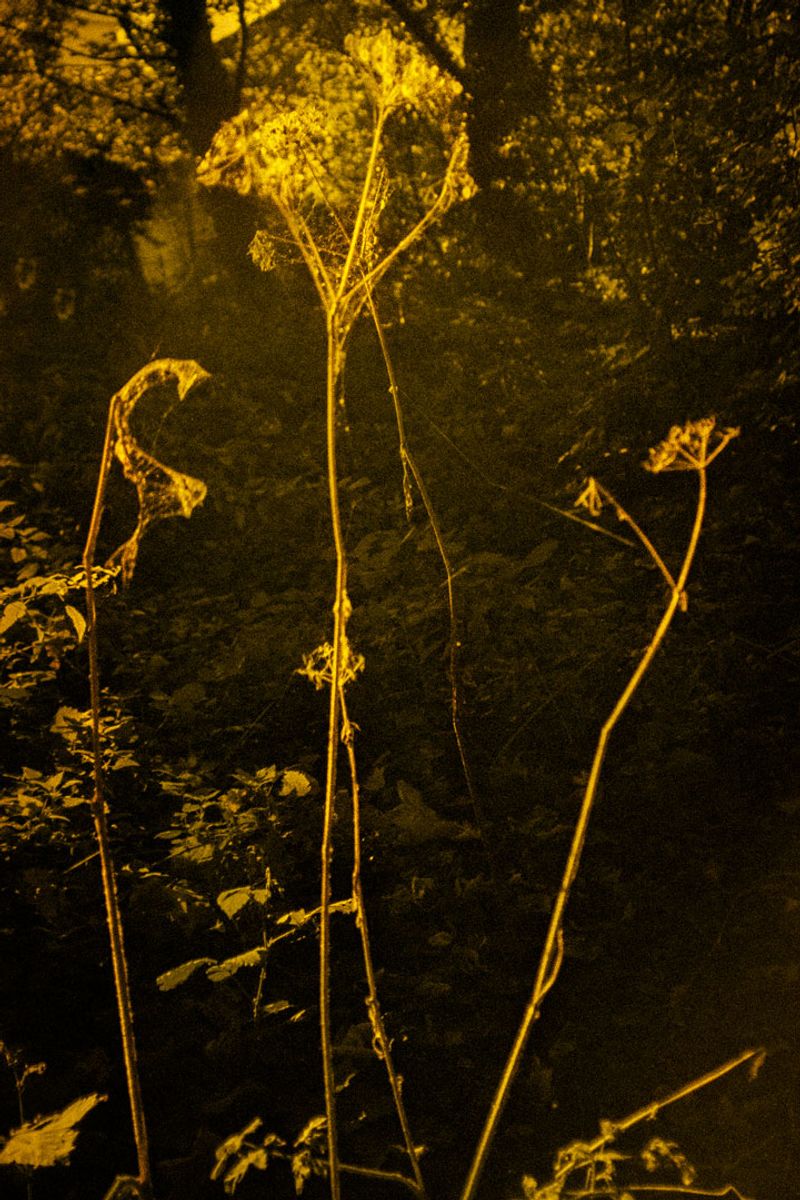
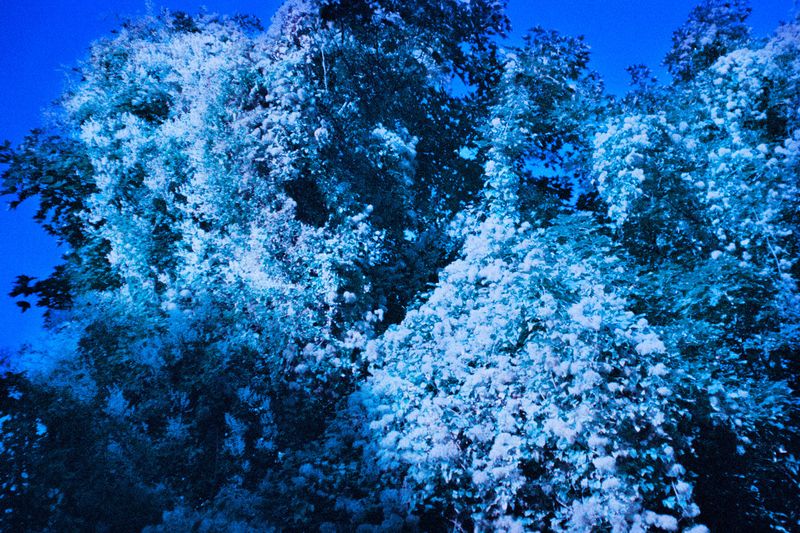
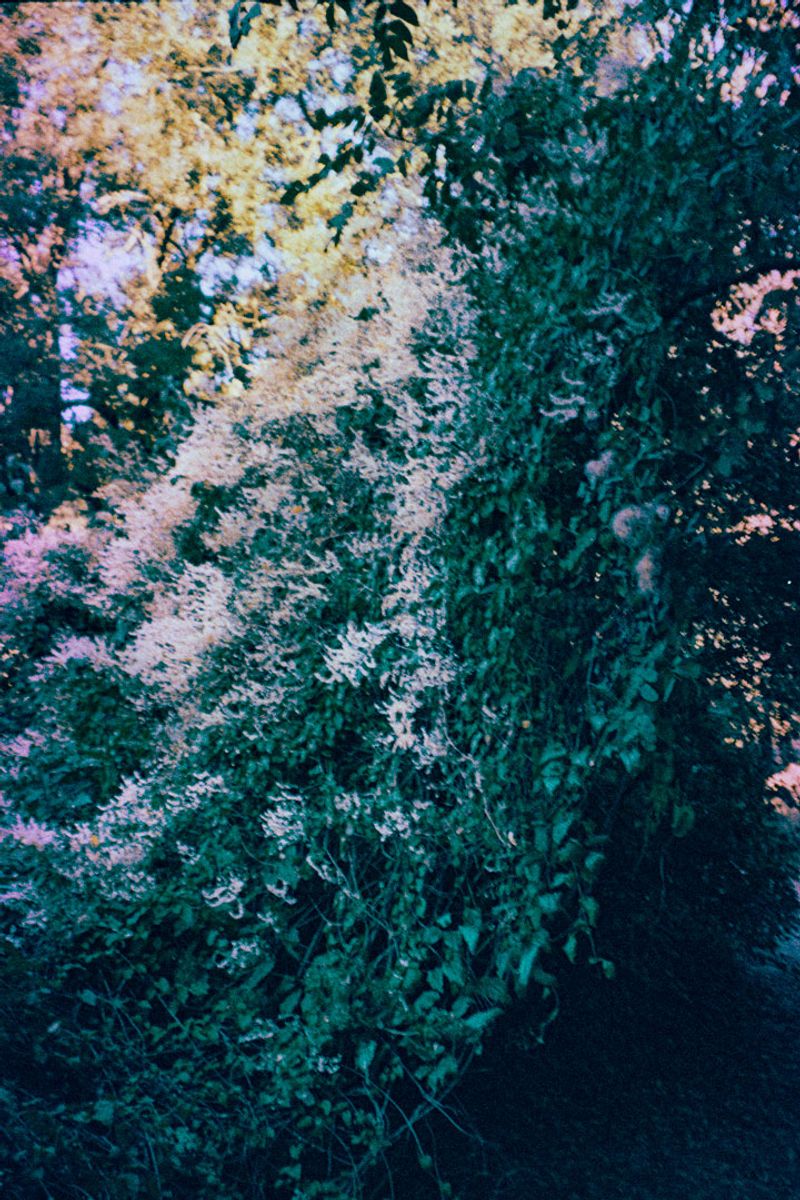
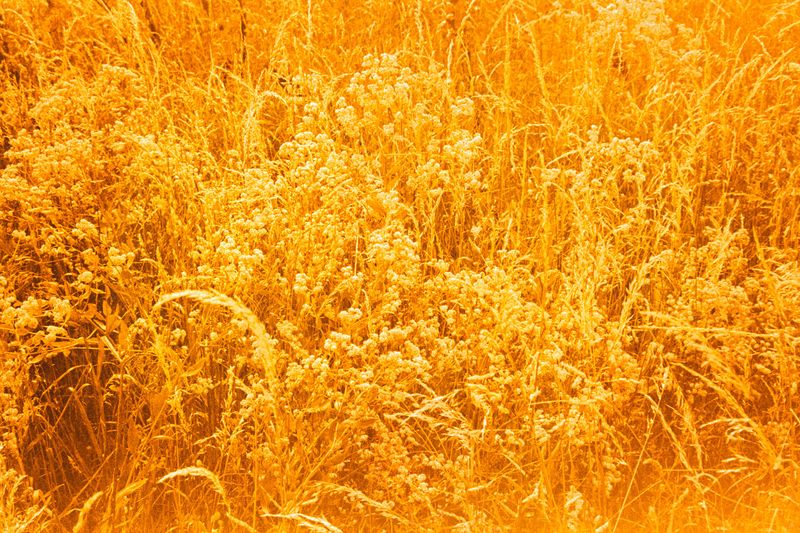
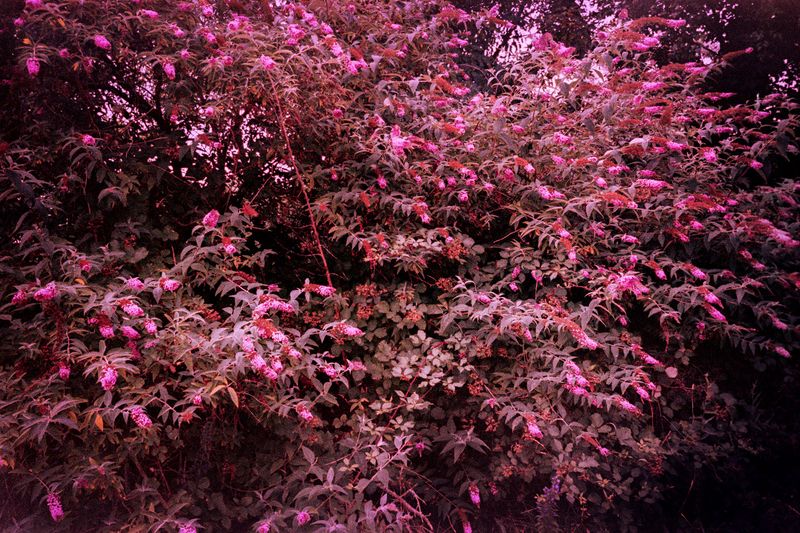
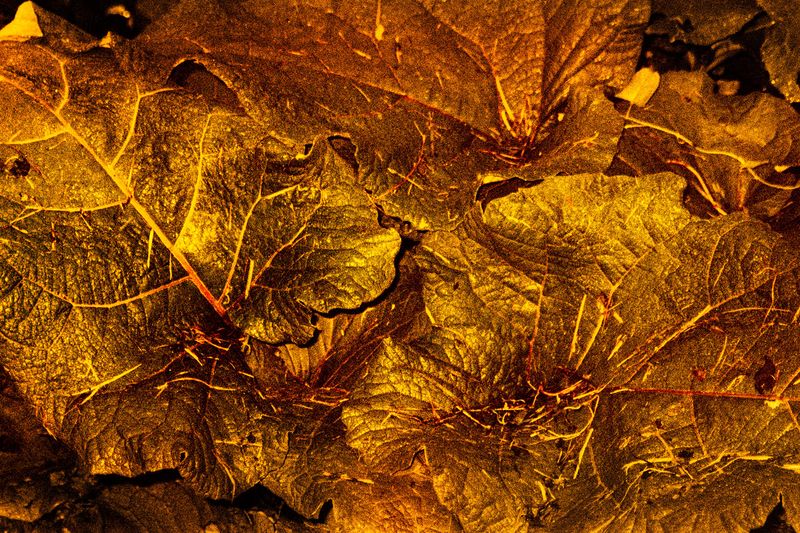
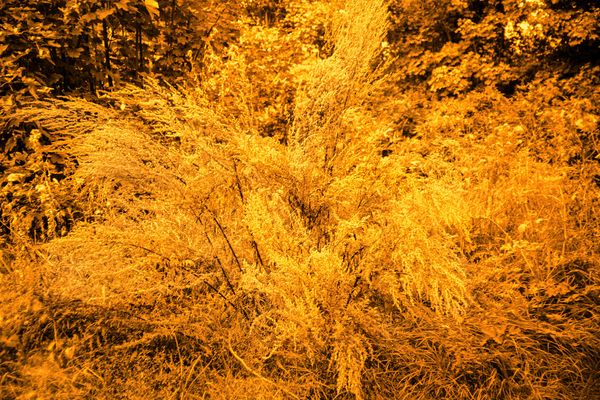
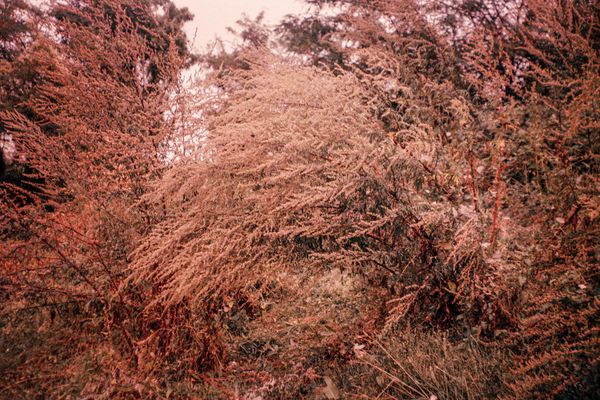
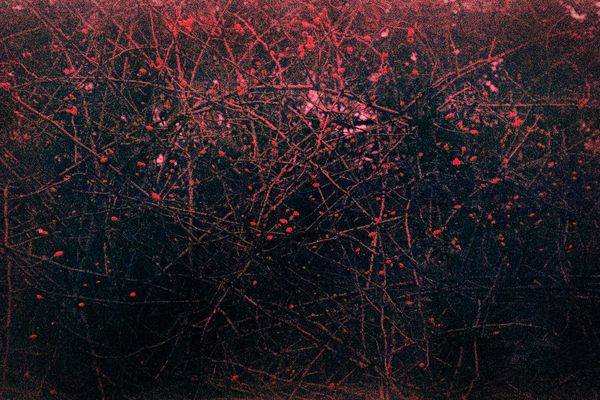
The photographs, with their sensitive, material thickness, are more evocations than descriptions, attempting to retain the idea of a living landscape. I convey atmospheres, sensations and impressions. The chroma of my images allows me to work on the imaginary and the perception of space. Borrowing from the telluric power of nature, some of my photographs offer a less conventional representation of the landscape, making it more than just a pleasant setting to admire, by abolishing perspective and focusing on details of vegetation. These close-ups act as synecdochs and dream materials, allowing the viewer to lose his or her bearings - echoing my own wanderings as I explore in search of undefined spaces. These proposals for a new position of the gaze, open to the imagination, reveal images of a hidden, invisible and poetic world.