Irene
-
Dates2020 - Ongoing
-
Author
- Locations Italy, Portugal
Ancient Greeks believed that melancholy was a physiological illness that even affected heroes like Hercules, to the point of being referred to as a sacred disease by Aristotle.
Precisely because the melancholic personality is haunted by death, it is the melancholics who best know how to read the world. (S. Sontag)
The contemporary view of melancholy has gradually moved away from its medical, religious or even astral component, towards a more egocentric or even hereditary aspect and a fundamental part of the individual's consciousness and personality.
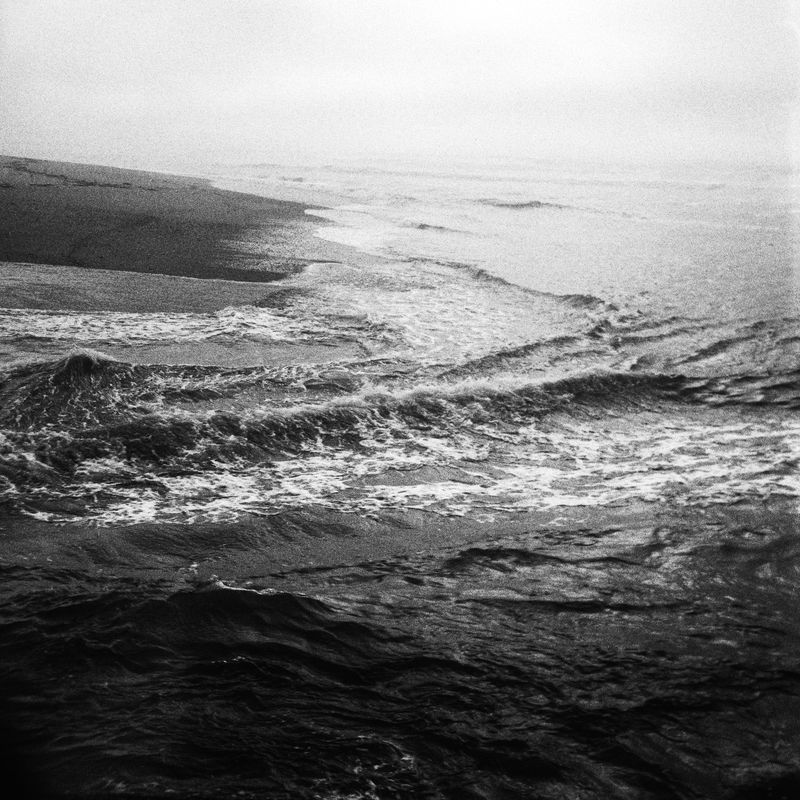
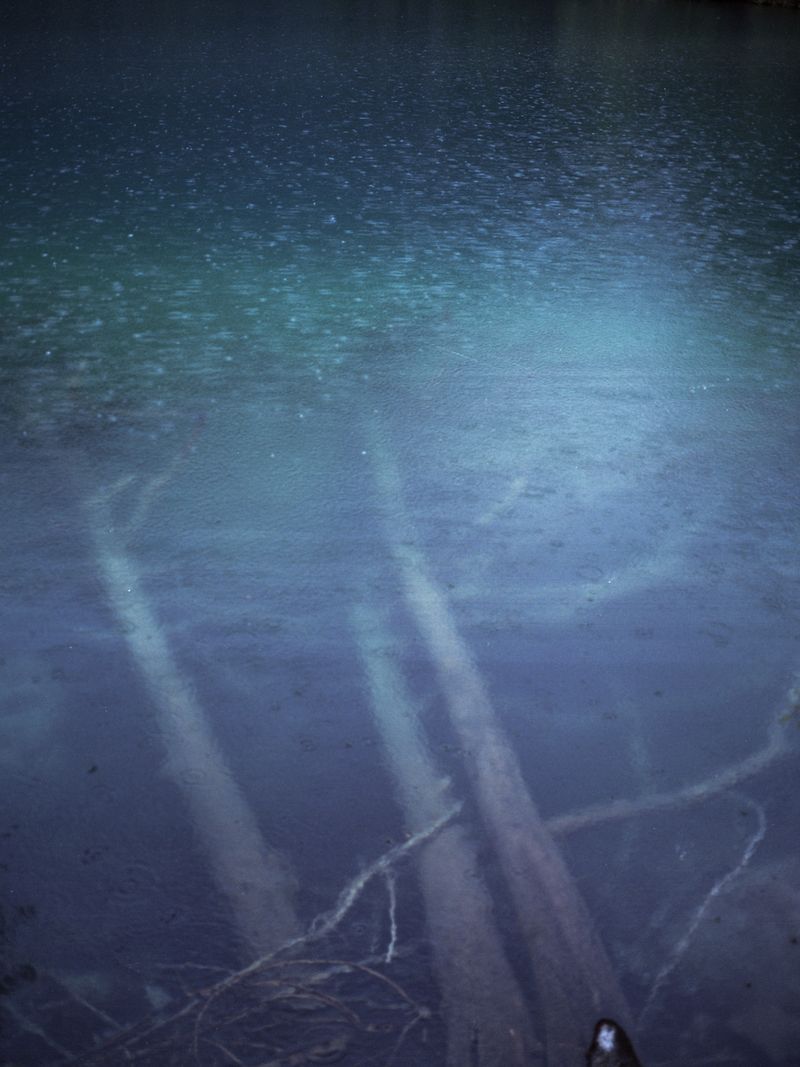
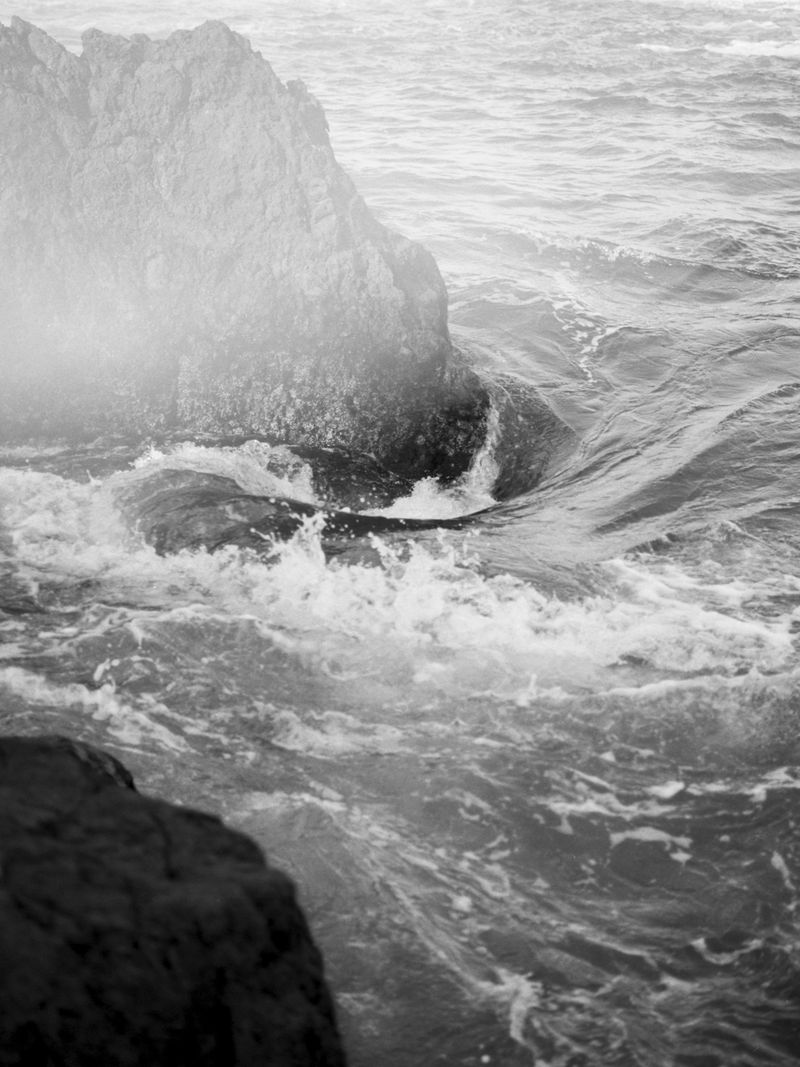
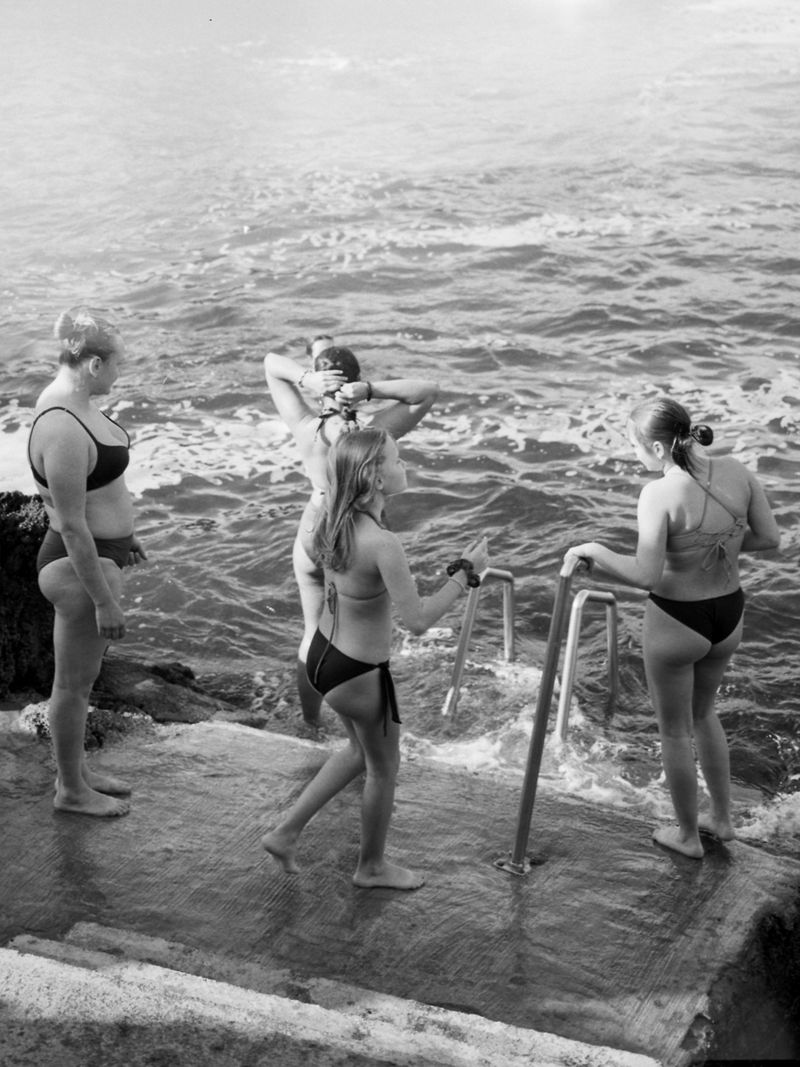
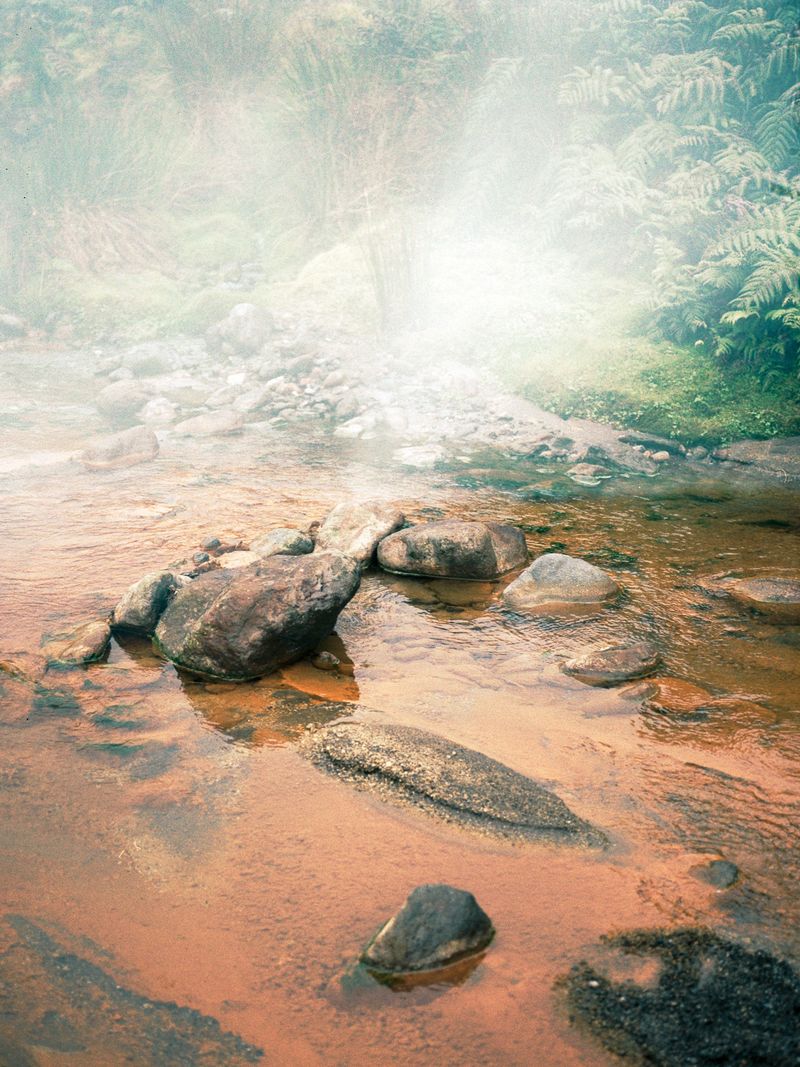
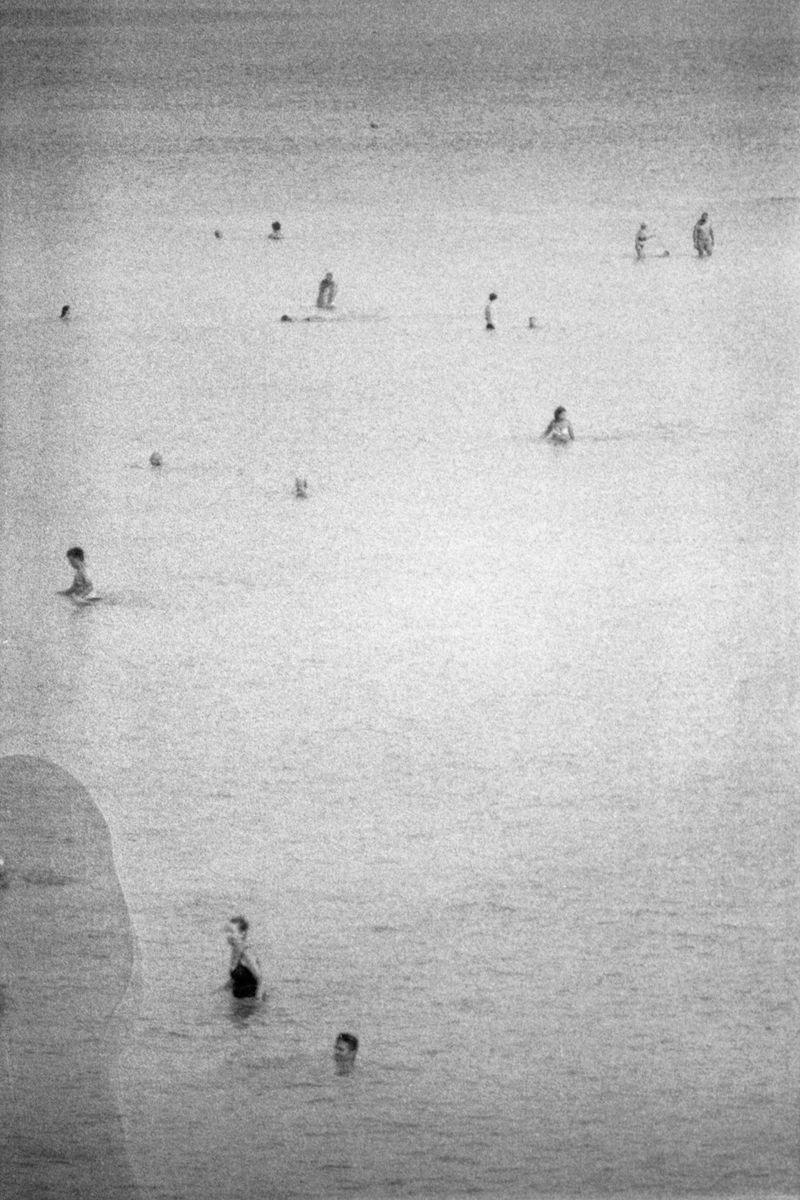
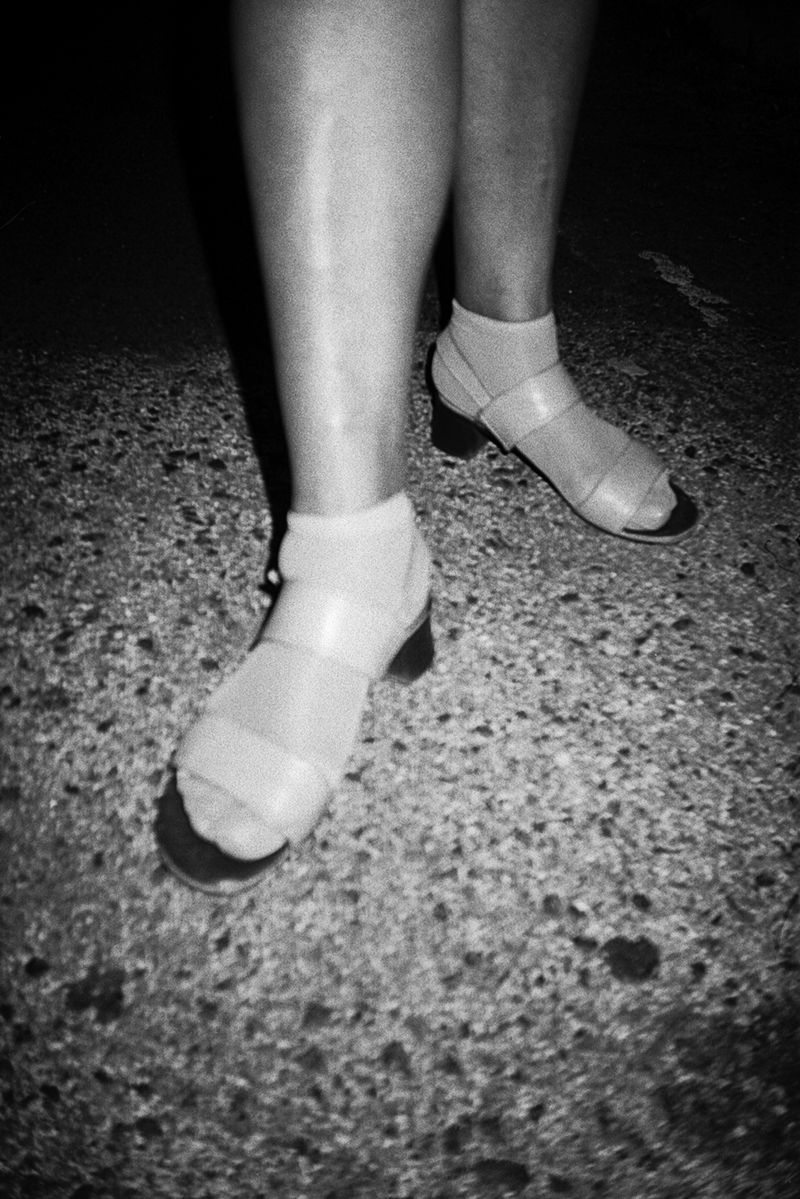
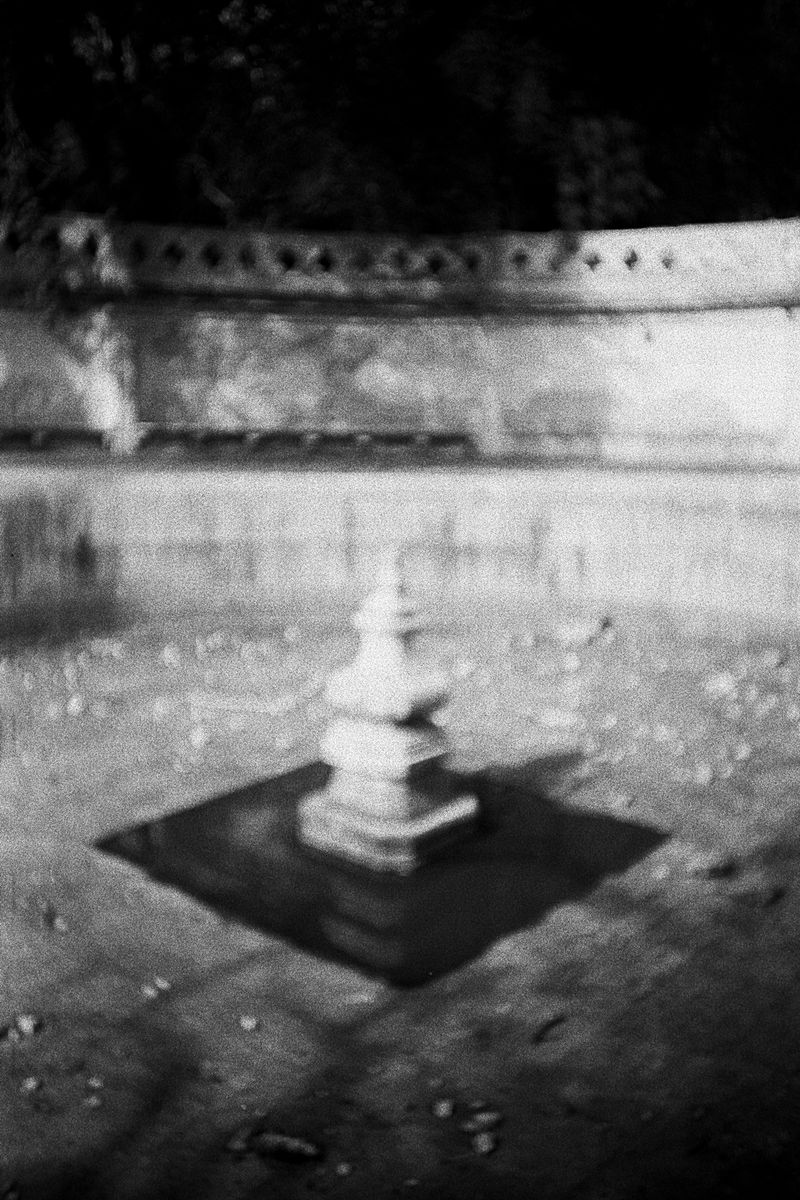
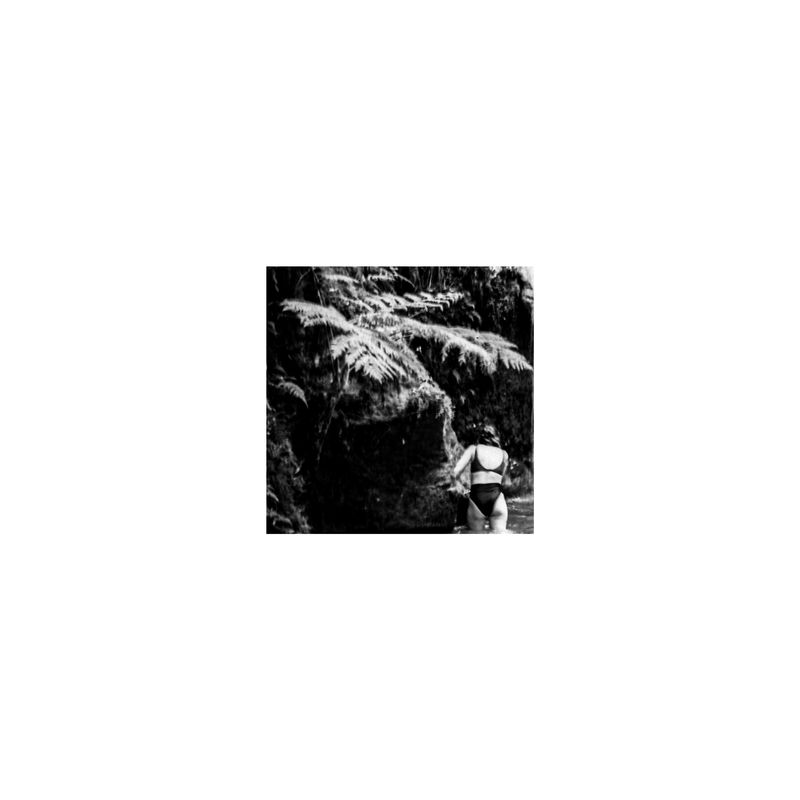
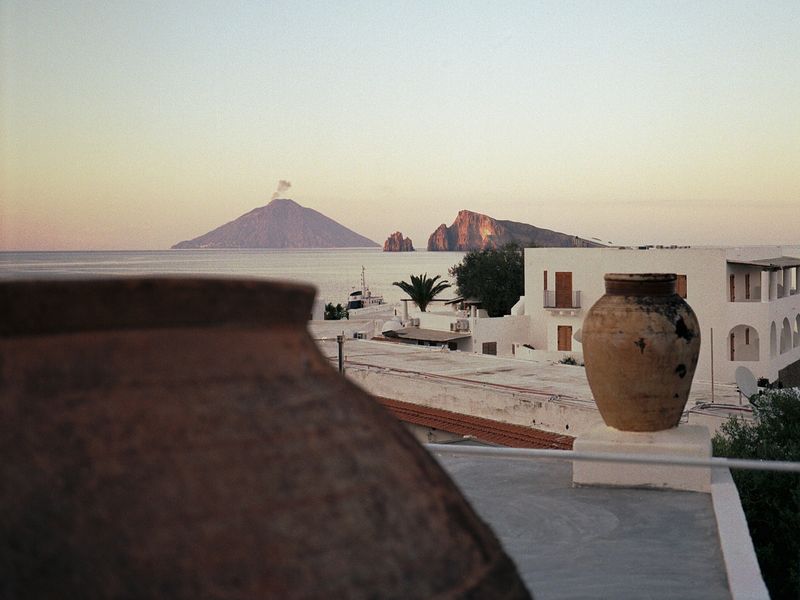
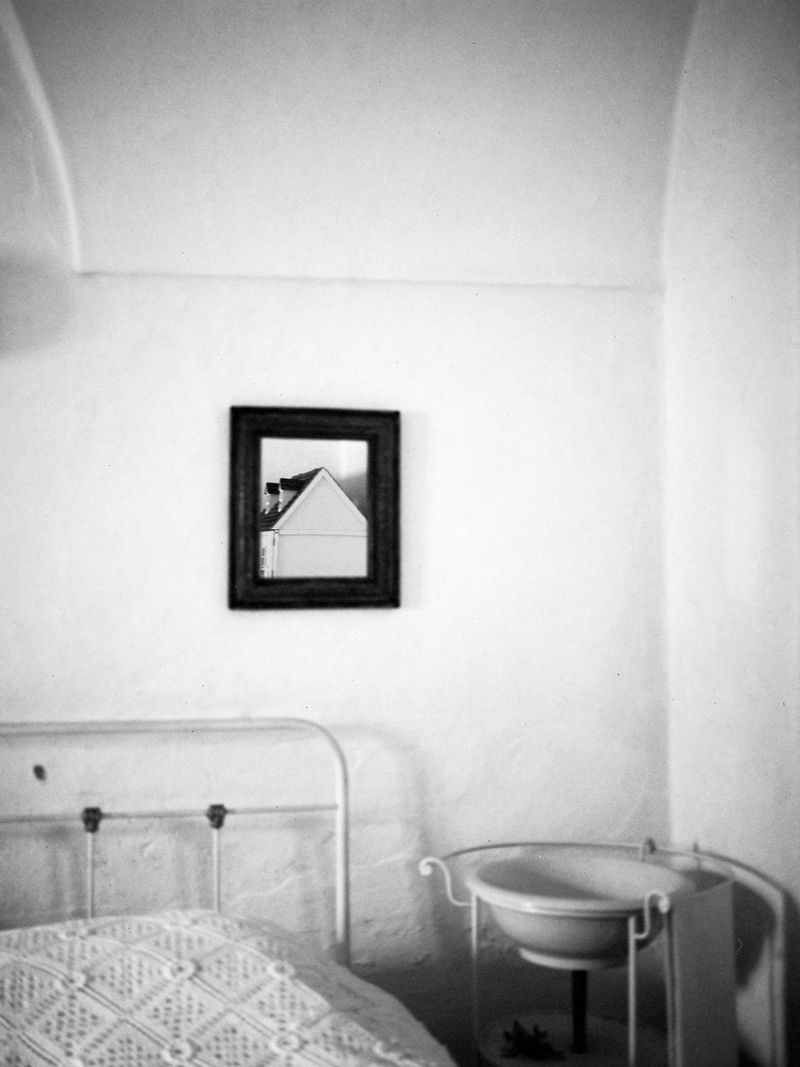
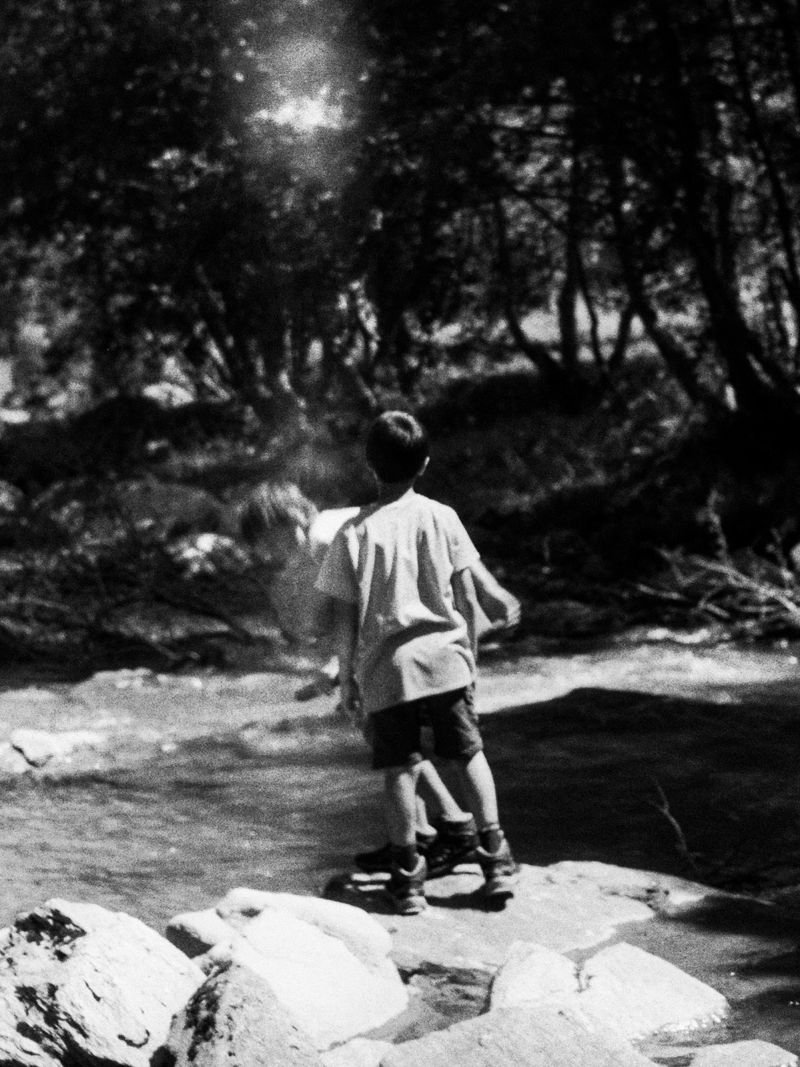
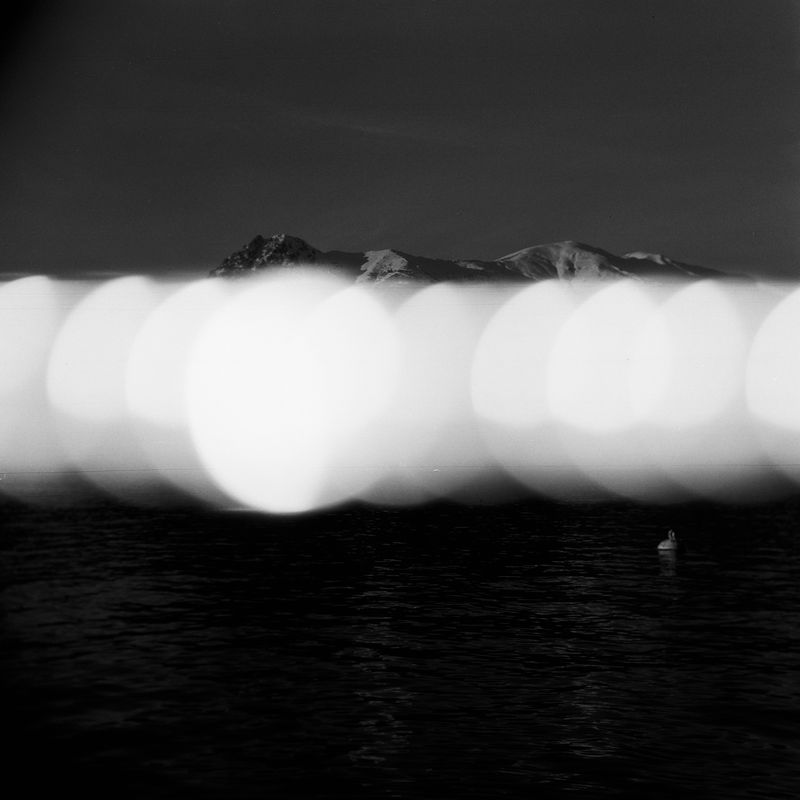
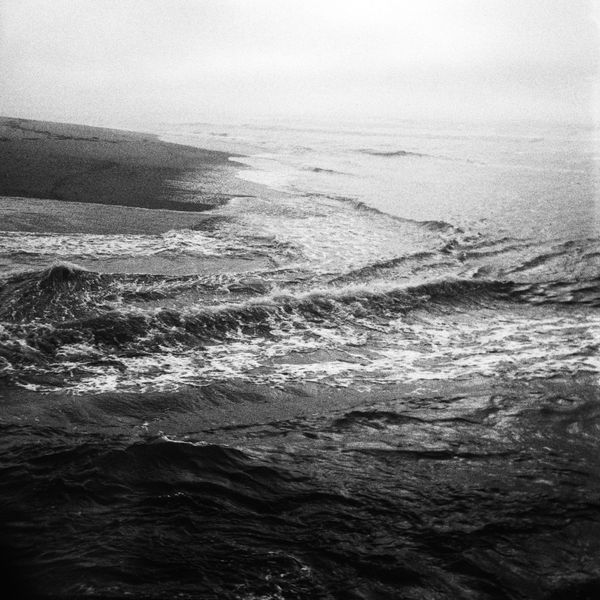
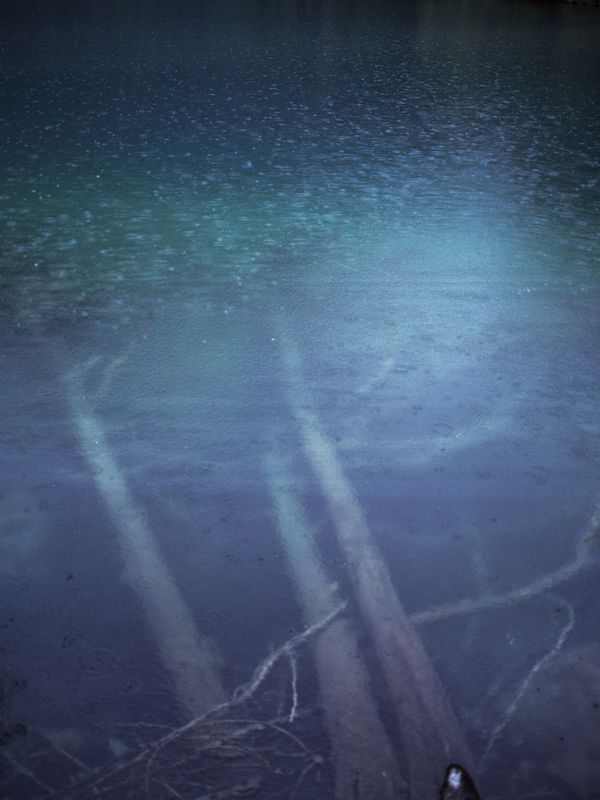
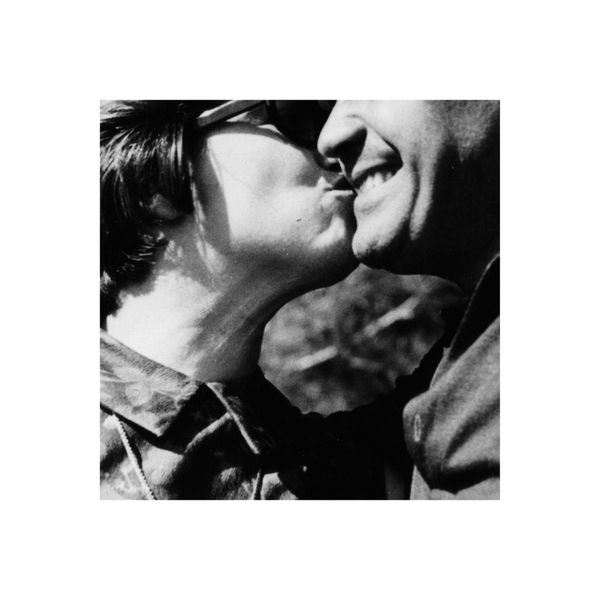
If, as Calvino states, “melancholy is sadness that has become light”, I can clarify that this photo essay is nothing more than a compliment to lightness, and to the role that memory has in the construction of a present nostalgia.
Invisible cities by the same author are for many one of the most beautiful accounts of lost civilizations and fictional architecture. For me, it is paradigmatic in the temporal issue because it is a present- time report about something past, and about how the role of memory almost always has an episodic and autobiographical appearance.
Within the various themes, grouped by chapters, there is one that makes an analogy between cities and the sense of place and identity. Irene is one of those cities, one “is the city where you arrive for the first time; and there is another city which you leave never to return”. Taking identity as a mutating part of an individual, memory is what is left behind, and therefore I think there is no better concept than that of this fictional city to express the duality between a present nostalgia and a past nostalgia.
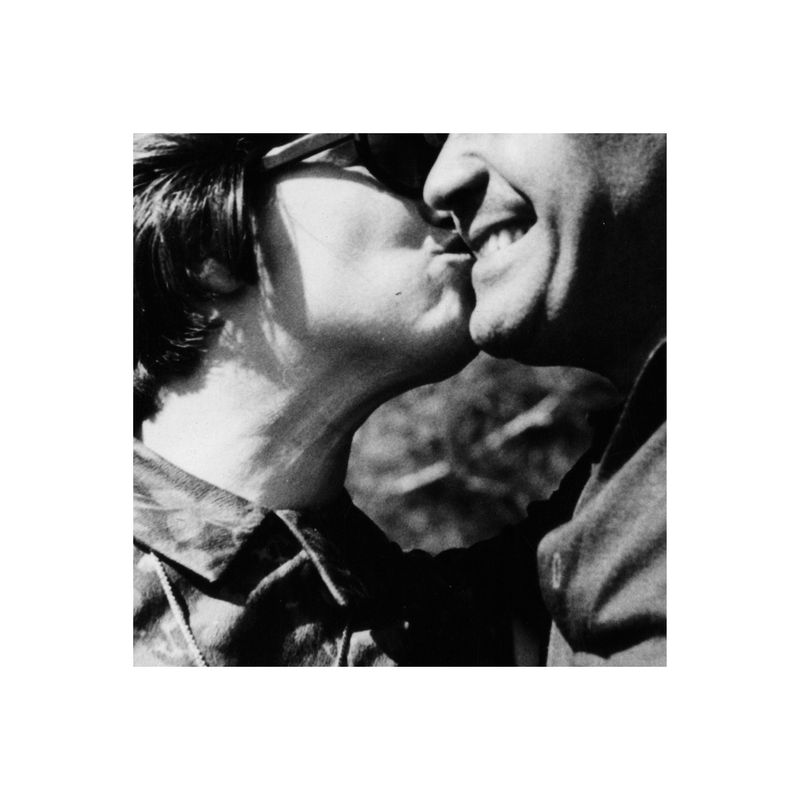
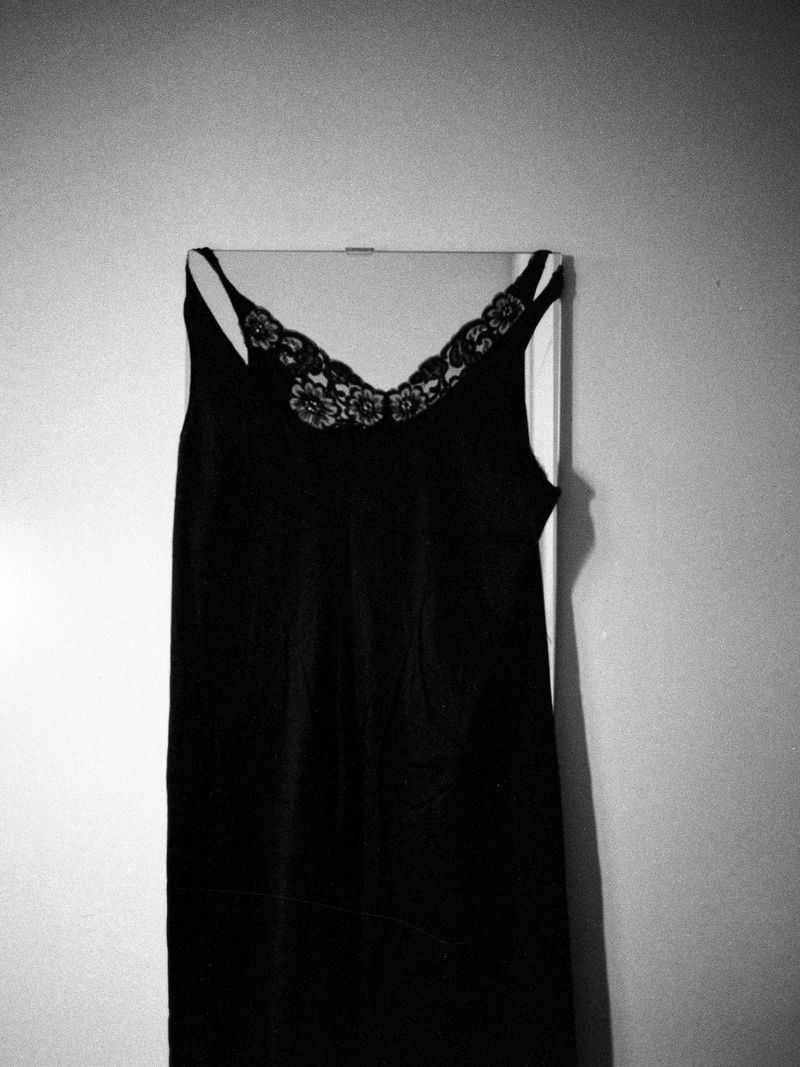
Irene was also the name of my grandmother.
___
CALVINO, Italo, Le città invisibili, 1972
CALVINO, Italo, Six Memos for the Next Millennium, 1988
SEIXAS LOPES, Diogo, Melancholy and Architecture – On Aldo Rossi, 2016
SONTAG, Susan, Under the Sign of Saturn, 1980