In-Between

  • Dates
    2022 - Ongoing
  • Author
  • Topics Daily Life, Documentary, Landscape, Nature & Environment, Portrait, Social Issues
  • Locations Poland, Świętokrzyskie Voivodeship

Long-term documentary project on the transformation of the Polish countryside, focusing on peripheral regions and the tensions between its agricultural past and contemporary forms of life and work.

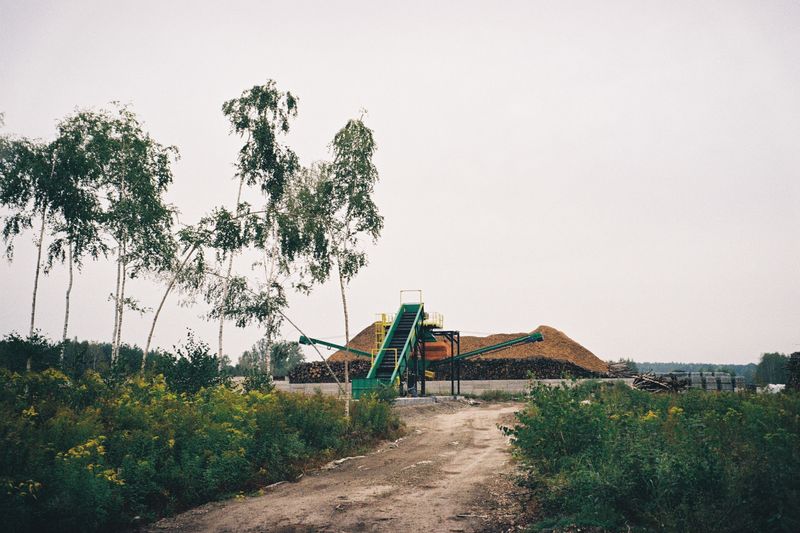
In-Between is a documentary project about the contemporary landscape of rural Poland, with special attention to the Świętokrzyskie Voivodeship. In recent decades, rural areas have undergone profound demographic, social, and economic changes linked, among other factors, to the political transformation, European Union accession, and processes of de-agrarianization. The countryside, historically based on agriculture, is becoming a multifunctional space in which non-agricultural employment, migration, and connections to industry and regional infrastructure are gaining importance.

The project focuses on peripheral areas, where these processes take on a particularly complex and often ambivalent character. Alongside improvements in infrastructure and rising living standards, there are visible phenomena of depopulation, population ageing, and the disappearance of local economic activity. At the same time, the development of industrial and investment zones introduces new employment models, reshaping the relationship between place of residence and place of work. As a result, the countryside now functions as an in-between space – between agriculture and industry, locality and mobility, continuity and change.

In-Between documents these processes through the observation of everyday practices, landscapes, and traces of transformation visible in space. It combines images of agricultural work, industrial infrastructure, the presence and absence of inhabitants, and elements indicating social exclusion and limited access to services. The juxtaposition of these motifs allows for capturing the heterogeneity of the contemporary countryside and the tensions arising from overlapping economic and social orders.

The project has been carried out since 2022 and is based on long-term fieldwork as well as the analysis of existing data, including reports on rural transformation processes. The photographs form a sequential documentary narrative in which individual images function as elements of a broader structure describing the changing social landscape. In-between attempts to organize and visually translate processes that – although widespread – often remain dispersed and difficult to grasp in a clear, unified way.
© Angelika Gad - Image from the In-Between photography project
i

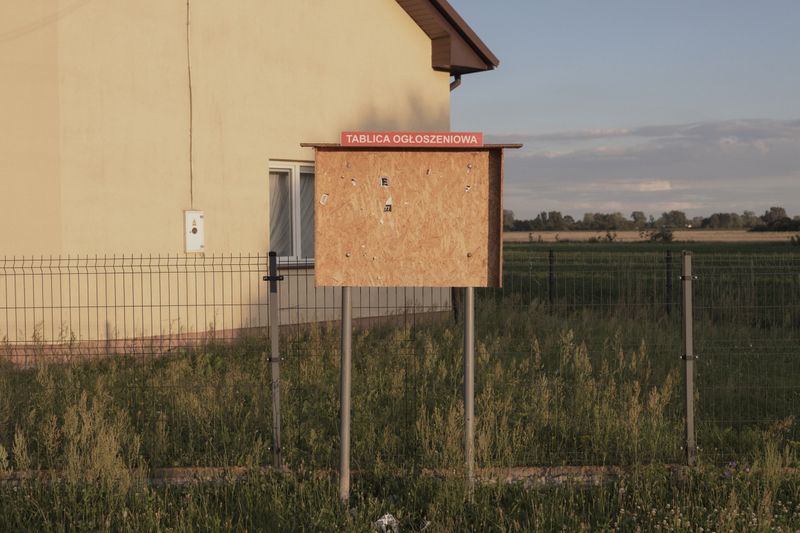
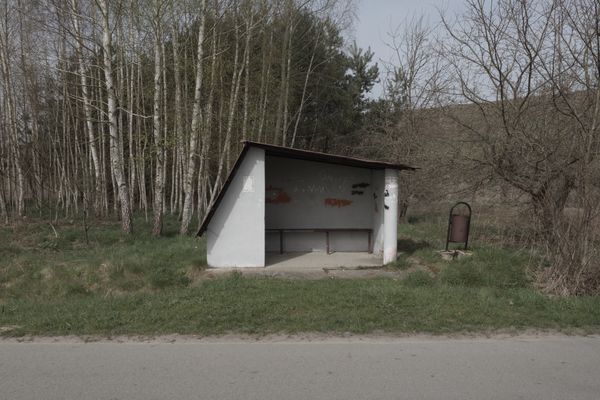
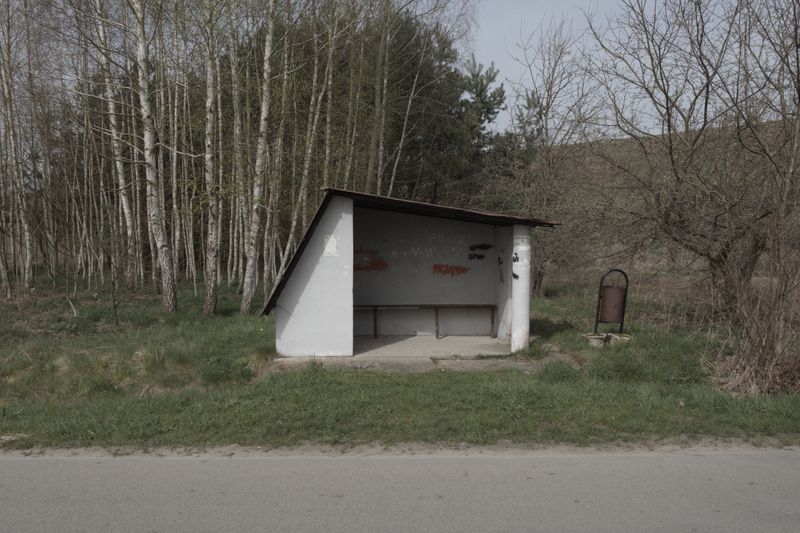
Trzcianka is a small village in Staszów County, Poland, with a declining and ageing population (210 in 2000 to 197 in 2021). It reflects broader rural depopulation and functions as a peripheral area with weakening agricultural roles and limited integration into new economic systems. **Bus stop, Trzcianka, 2024**

© Angelika Gad - Image from the In-Between photography project
i

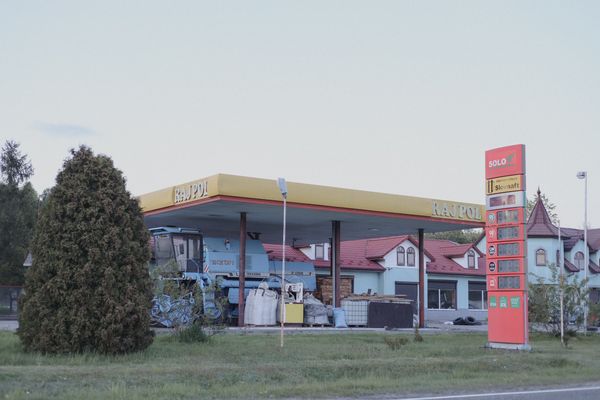
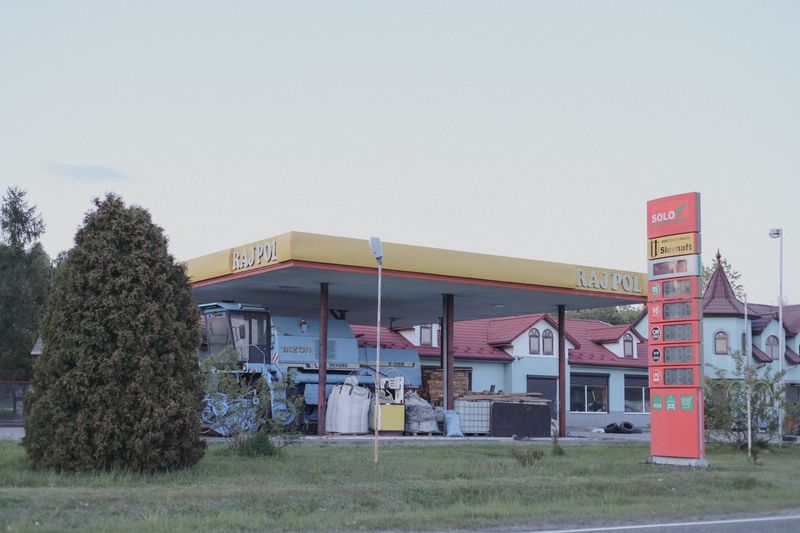
The former Raj-Pol gas station in the village of Przeczów, now used as a garage for a combine harvester, illustrates the decline of small independent businesses in rural areas that are unable to compete with larger corporate chains.**Gas station, Przeczów, 2024**

© Angelika Gad - Image from the In-Between photography project
i

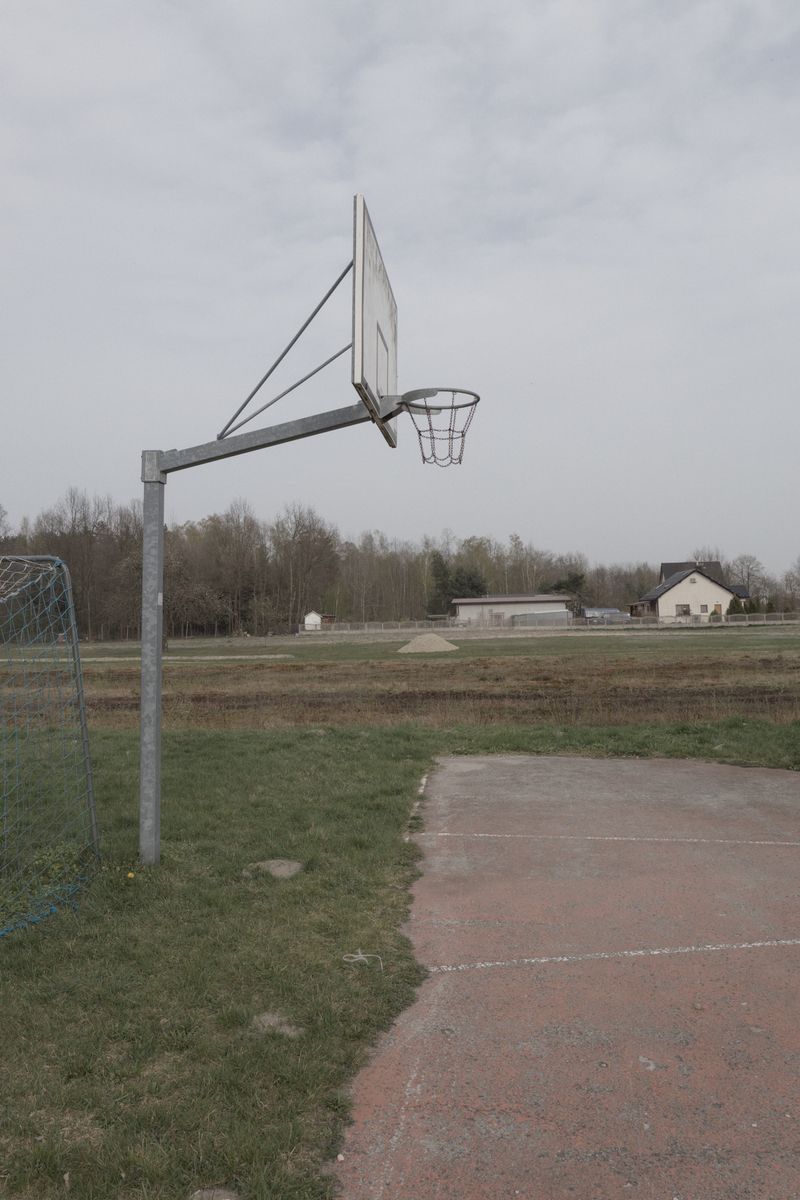
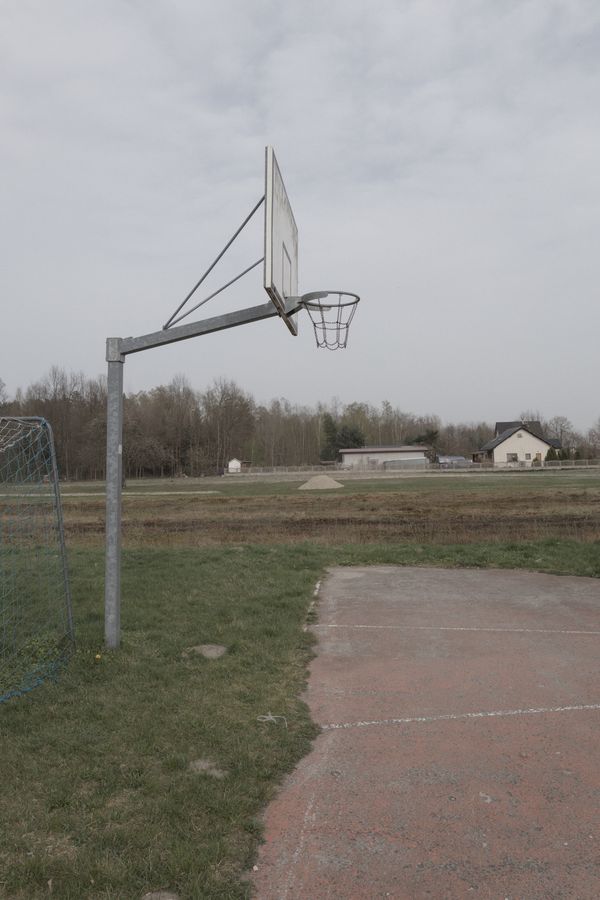
In peripheral rural areas, the number of children is declining due to migration and demographic change. Despite investment in playgrounds and sports facilities, these spaces often remain empty, reflecting the gradual disappearance of children from public space.**Empty basketball fields, Zdzieci Nowe, 2024**

© Angelika Gad - Image from the In-Between photography project
i

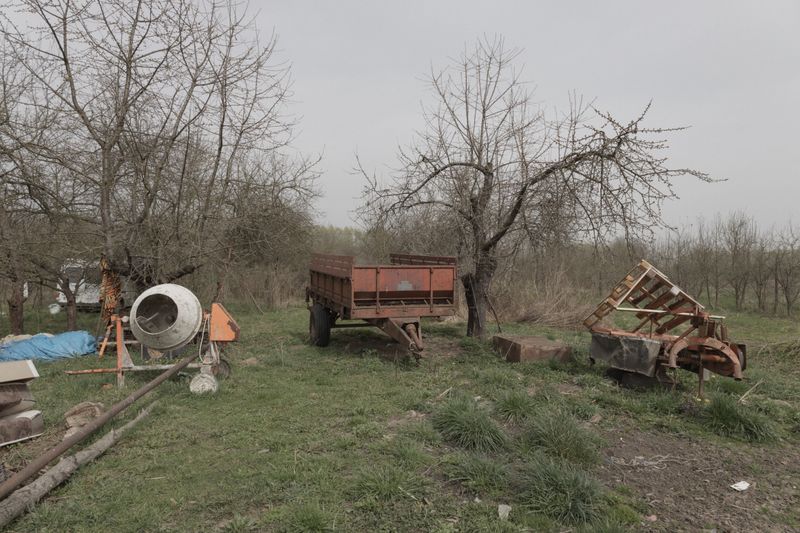
Unused agricultural machinery has become a visible trace of the decline of small farms in Poland. Left abandoned and deteriorating, these machines reflect the changing role of the rural landscape.**Unused machinery in a farmyard, Trzcianka Nakol, 2024**

© Angelika Gad - Image from the In-Between photography project
i

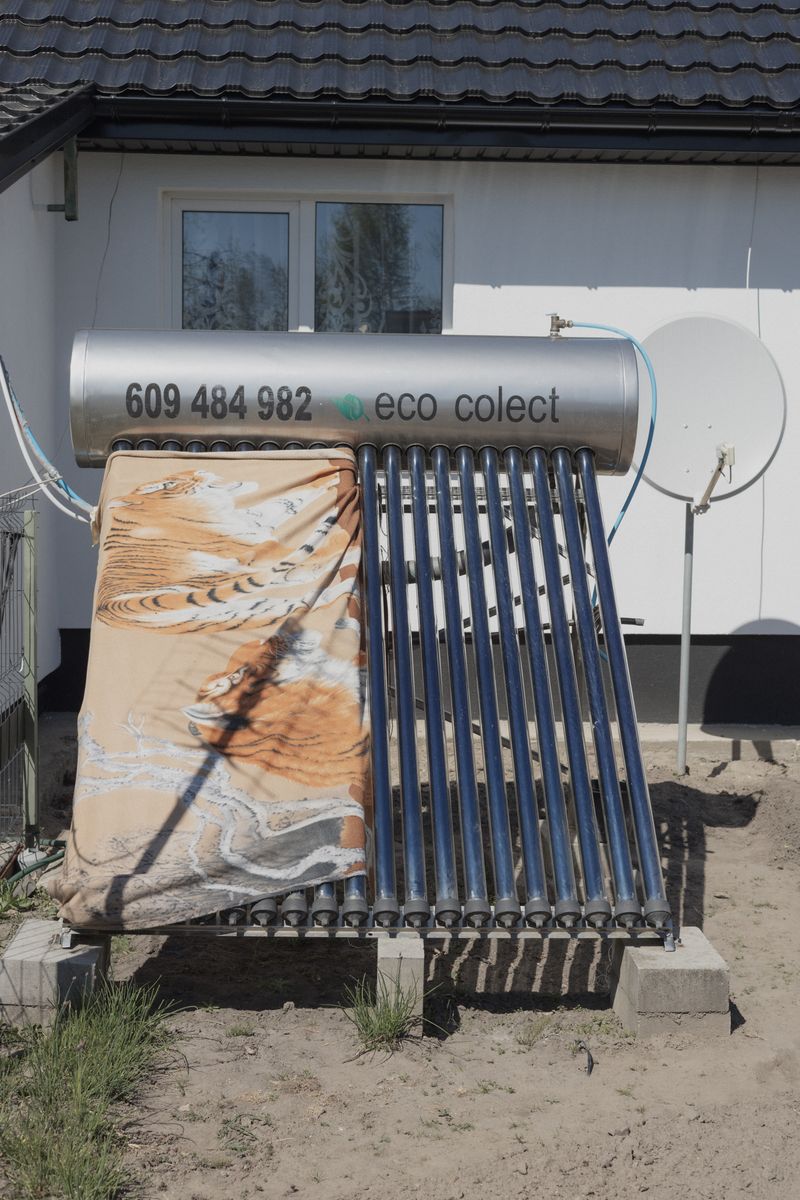
Photovoltaic installations have rapidly increased in rural Poland due to government subsidy programs. Their presence reflects the transformation of the countryside from a space of agricultural production into one increasingly associated with energy production and technological modernization.**Small photovoltaic in the Świętokrzyskie countryside, 2024**

© Angelika Gad - Image from the In-Between photography project
i

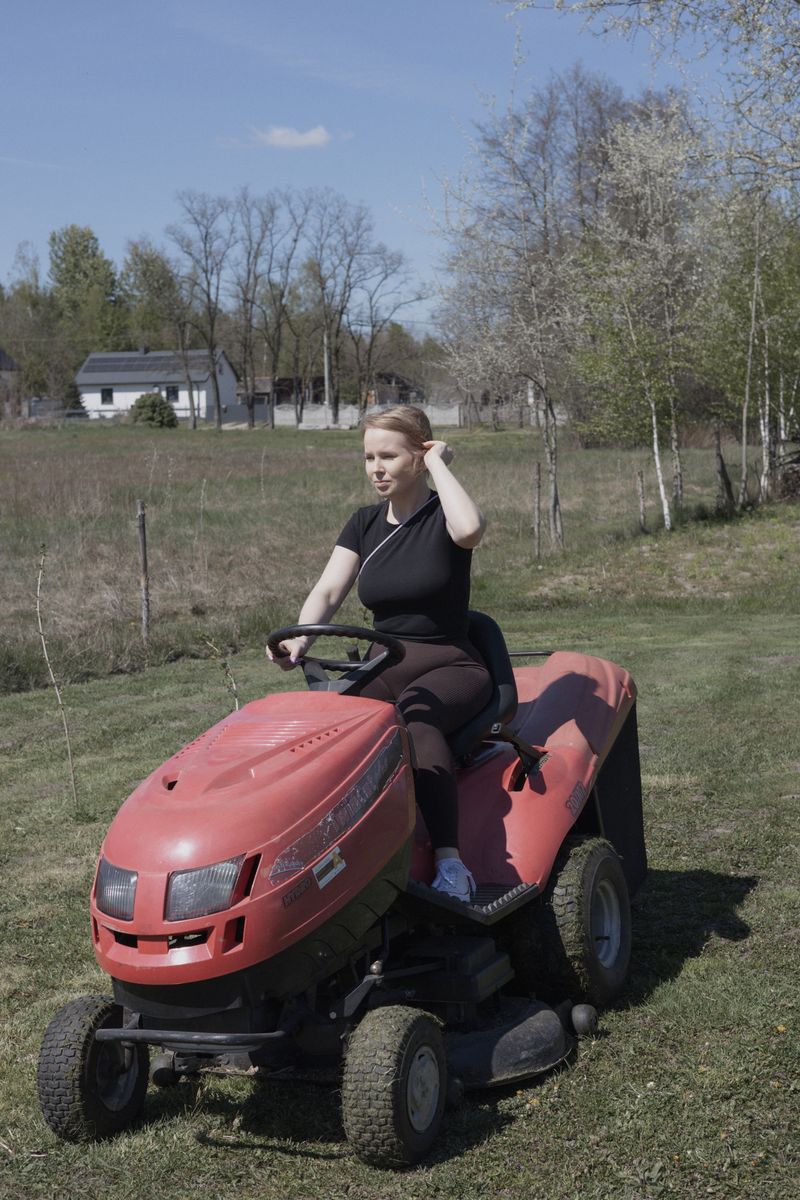
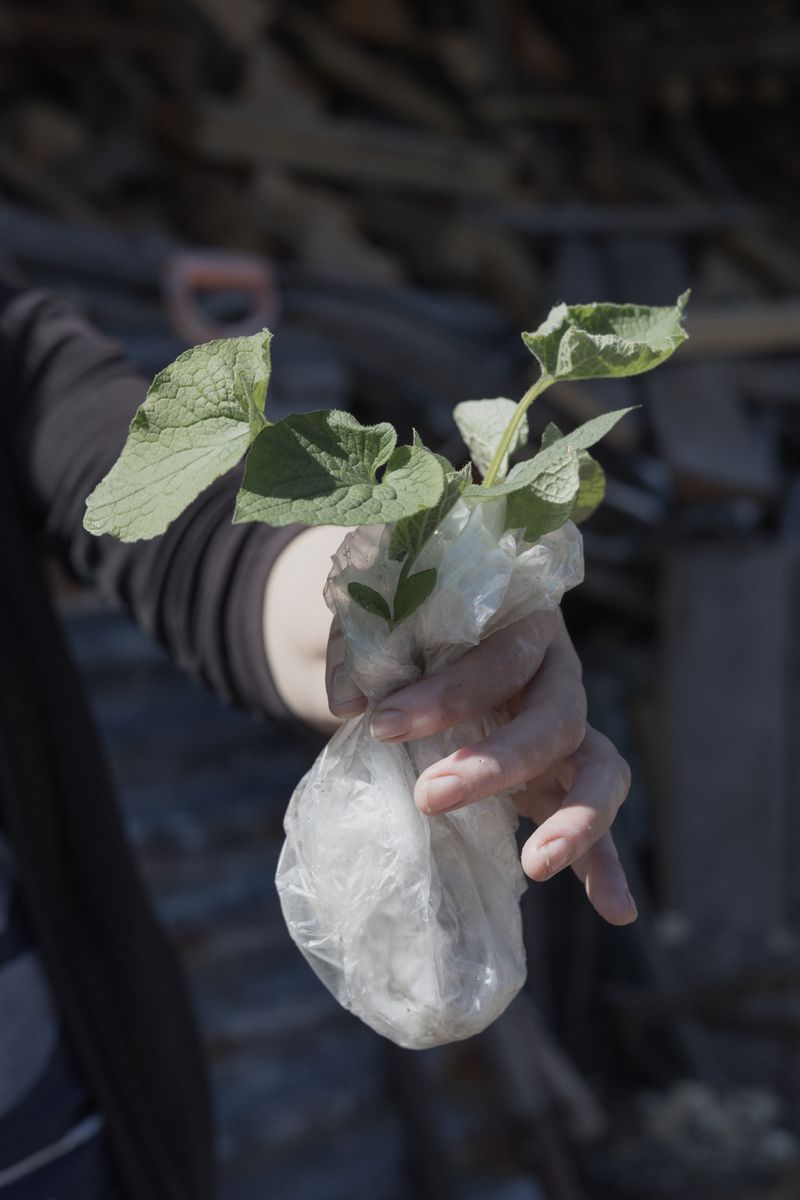
Small farms in rural Poland increasingly depend on occasional help from younger family members living in cities. The phenomenon reflects the ageing of rural communities and the gradual decline of family-based agriculture.**Klaudia helping on her parents’ farm, Trzcianka, 2026**

© Angelika Gad - Image from the In-Between photography project
i

Village community centers and rural clubs have become increasingly common in rural Poland, often funded through public and EU programs. Built in areas affected by depopulation and ageing, they attempt to sustain local social life despite the gradual decline of rural communities.**Village Community Club, Matiaszów, 2025**

© Angelika Gad - Image from the In-Between photography project
i

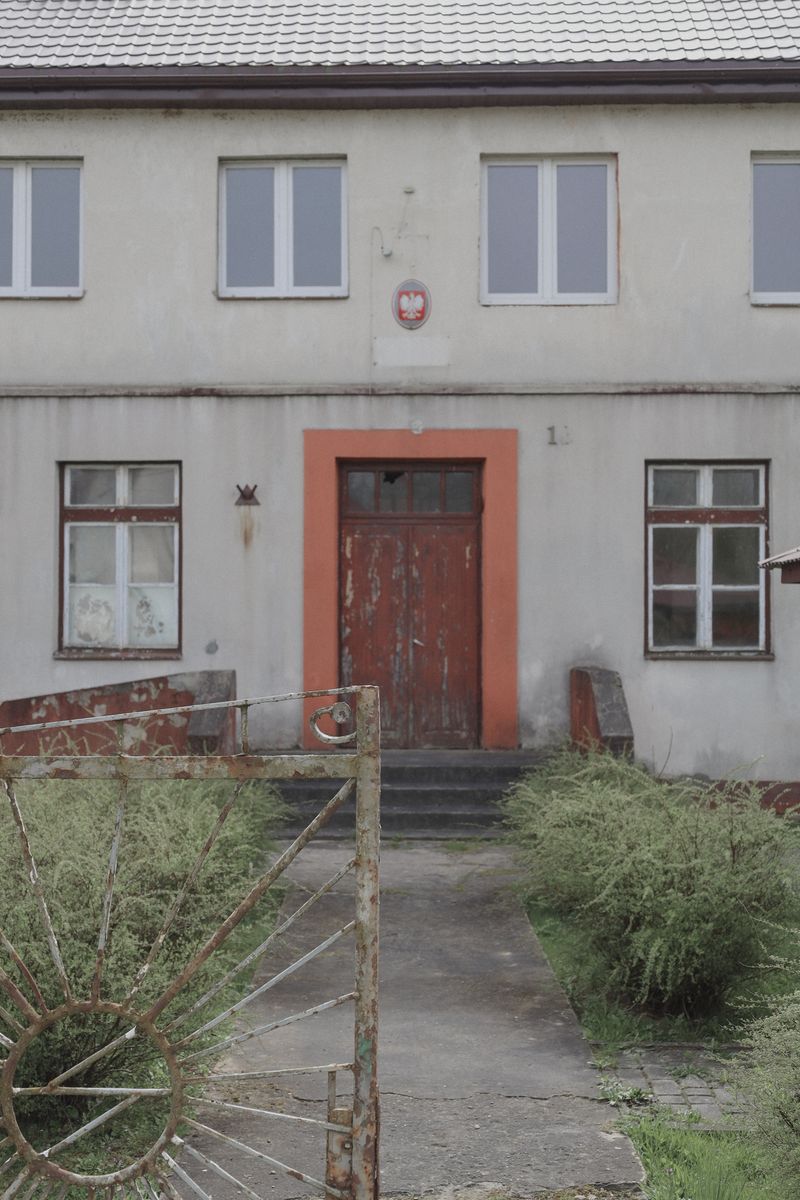
The former primary school in Sworoń was closed due to demographic decline and the decreasing number of children in the village. Today, the building houses social apartments and a senior care home. Its transformation reflects broader changes affecting peripheral rural areas in Poland, including population ageing and depopulation. **Closed school, Sworoń, 2024**

© Angelika Gad - Image from the In-Between photography project
i

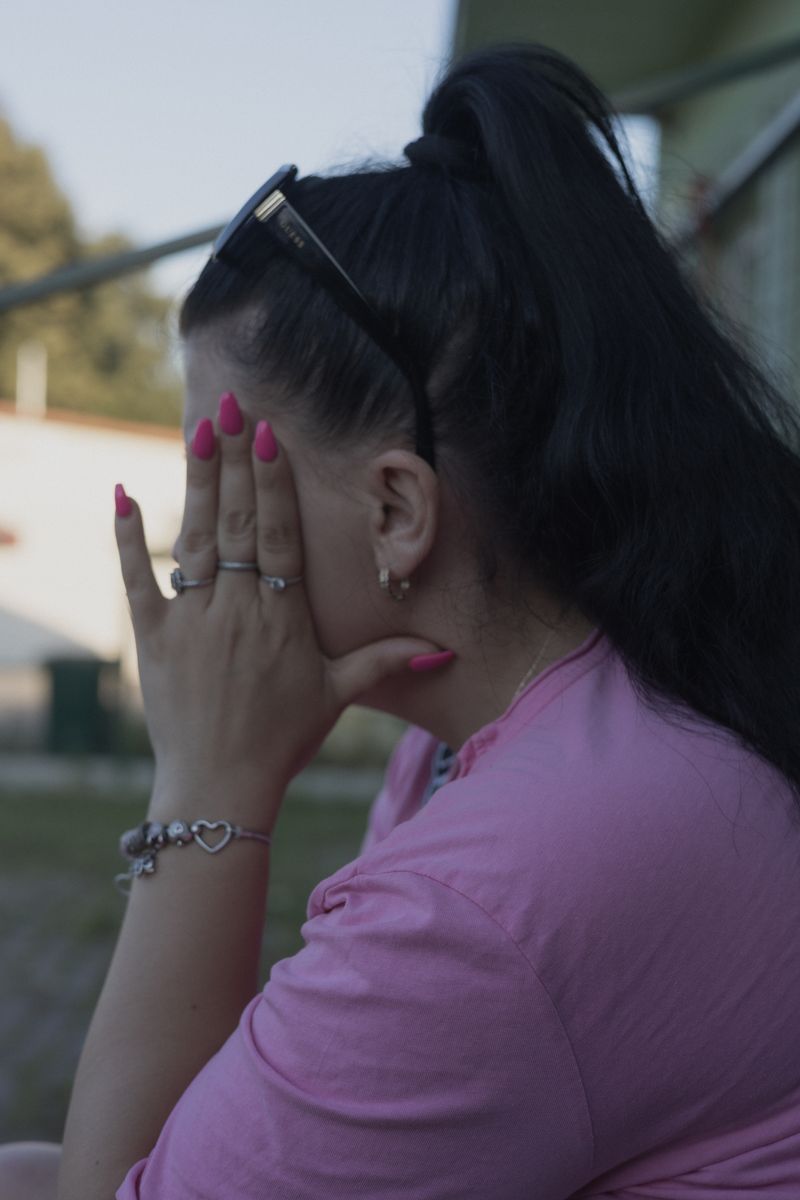
Monika has lived in the village her entire life and works in the Special Economic Zone in Mielec, commuting daily outside her place of residence. Although she grew up in a rural area, she has never worked in agriculture. Her story reflects the changing role of the village — increasingly becoming a place of residence rather than work.**Monika, Szwagrów, 2025**

© Angelika Gad - Image from the In-Between photography project
i

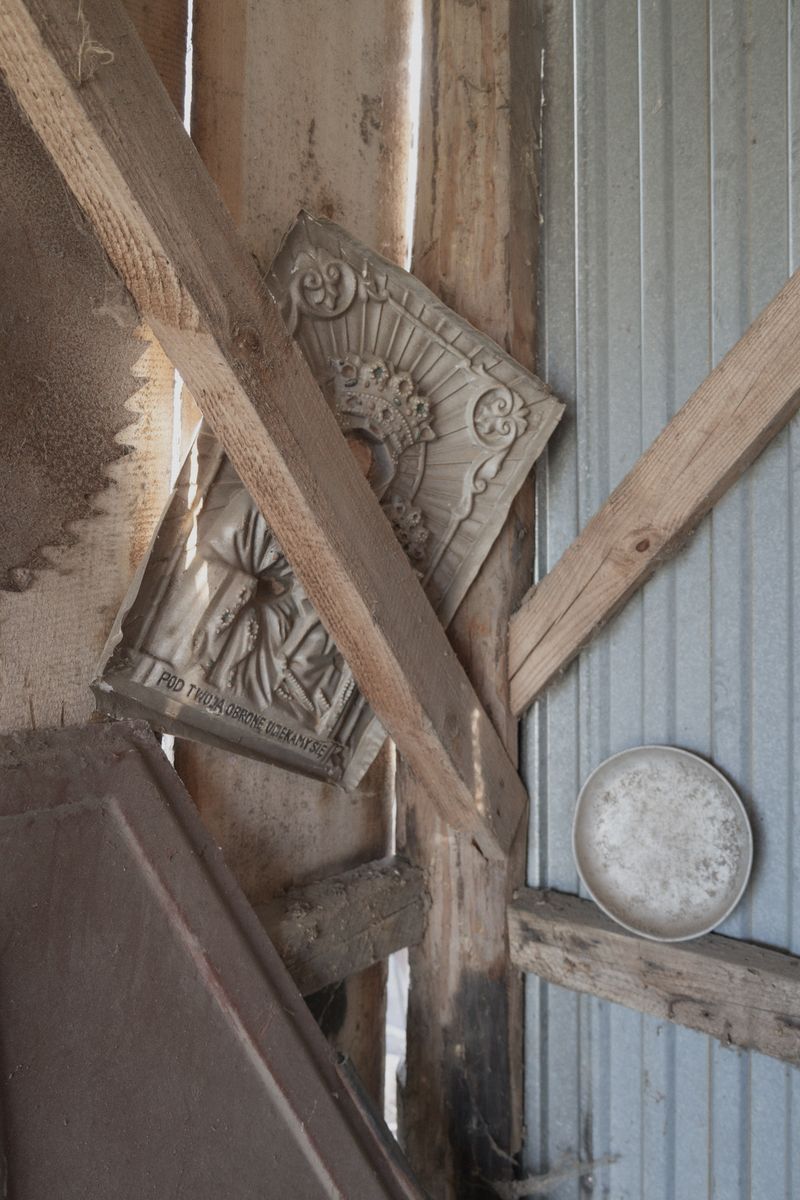
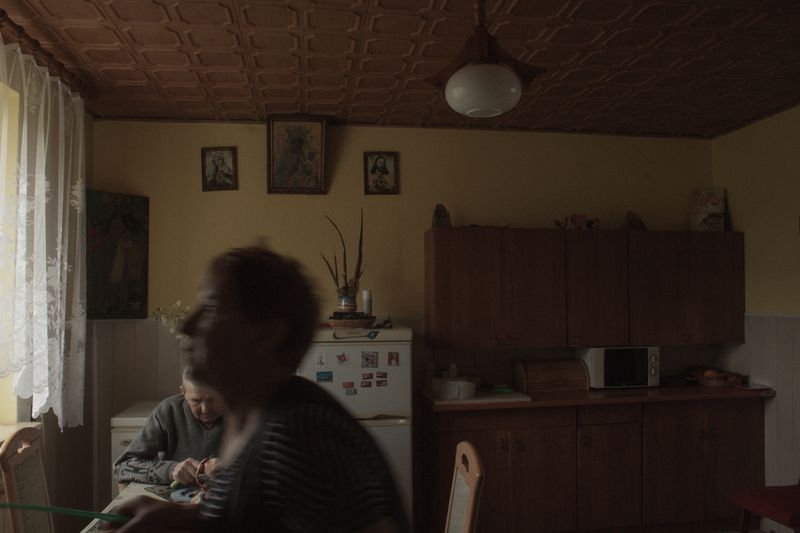
Religious images and symbols remain a constant element of many rural homes in Poland. While villages continue to undergo demographic and economic change, these objects persist as enduring markers of cultural continuity within private spaces.**Garage, Trzcianka, 2024**

© Angelika Gad - Image from the In-Between photography project
i

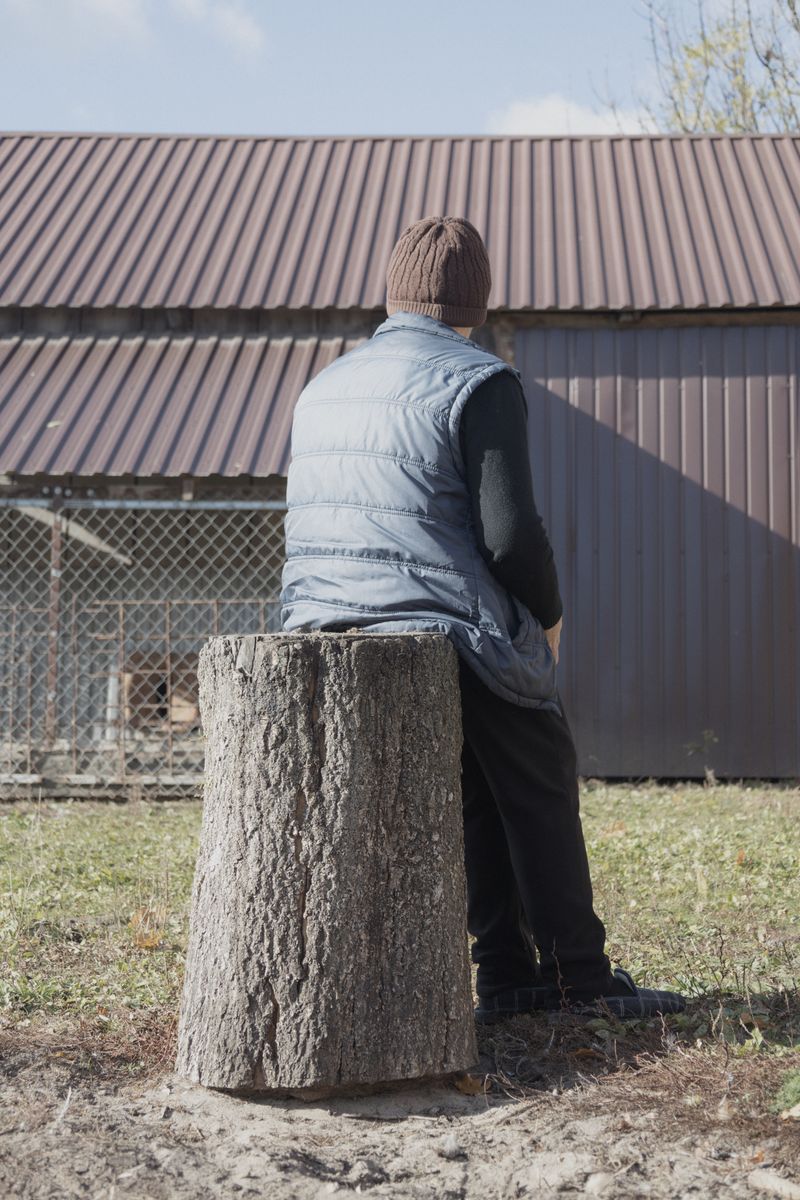
My mother, Marysia, worked in agriculture her entire life and now lives alone in a peripheral village. Without a driving license, limited access to shops and healthcare reflects the growing problem of ageing and transport exclusion in rural Poland.**Marysia, Trzcianka, 2024**

© Angelika Gad - Image from the In-Between photography project
i

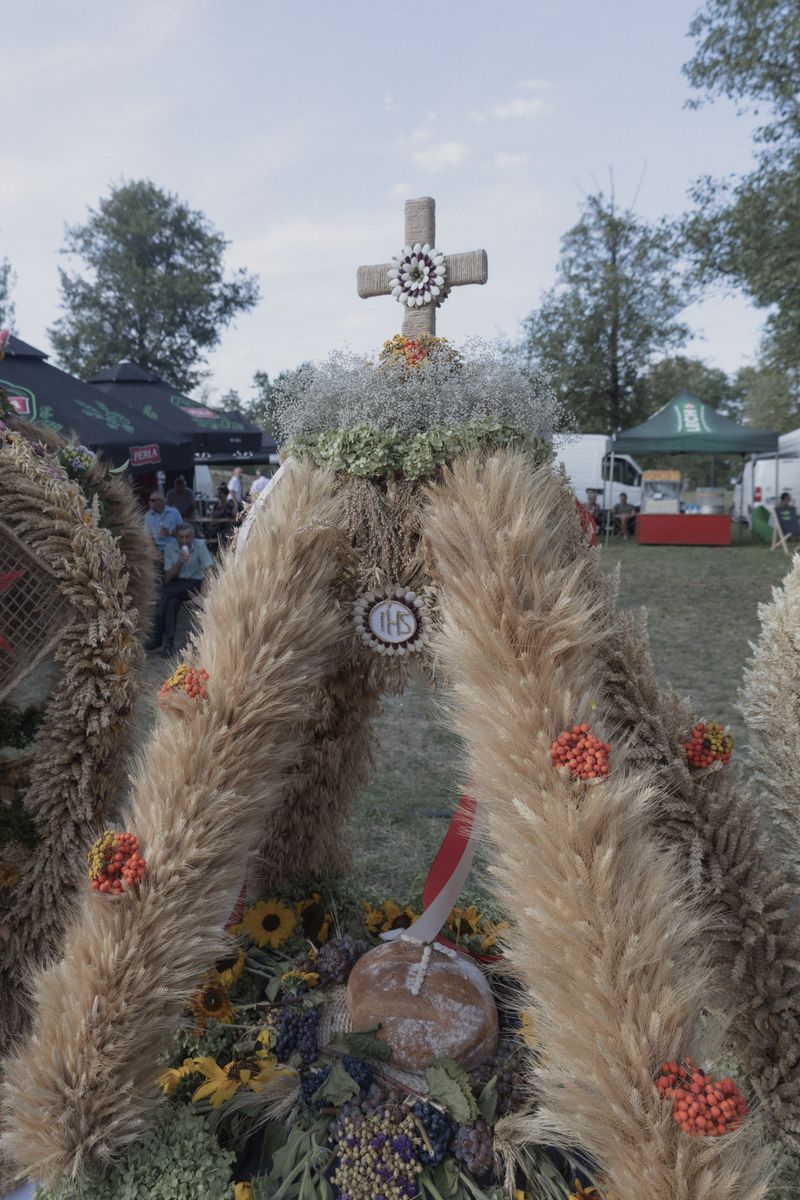
Since 2018, the number of Rural Housewives’ Associations in Poland has rapidly increased, supported by public funding programs. In many villages, they have become an important form of local community activity, combining traditional rural culture with contemporary institutional support.**County Harvest Festival, Rytwiany, 2024**

© Angelika Gad - Image from the In-Between photography project
i

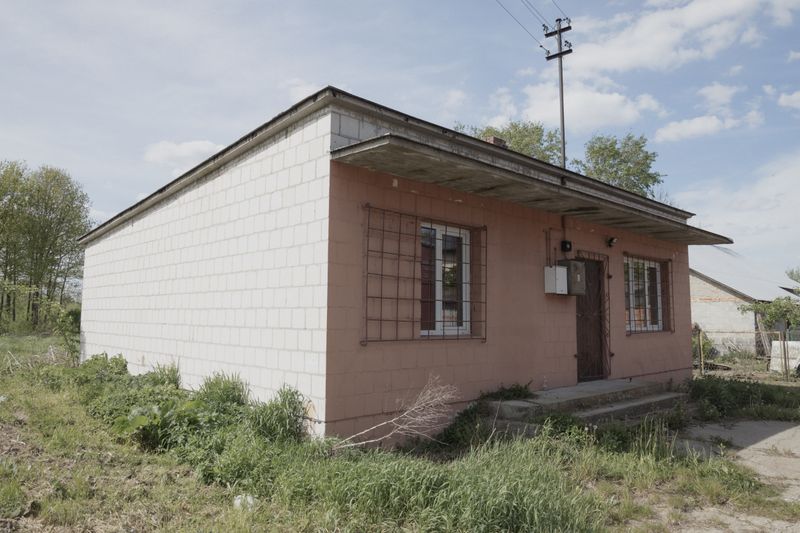
The number of small rural shops in Poland has been steadily declining. Between 2015 and 2025, more than 40,000 local stores closed, and today every third village has no shop at all. For many elderly residents, access to basic services now requires traveling several kilometers, increasing dependence and social exclusion.**Closed shop, Matiaszów, 2024**

© Angelika Gad - Image from the In-Between photography project
i

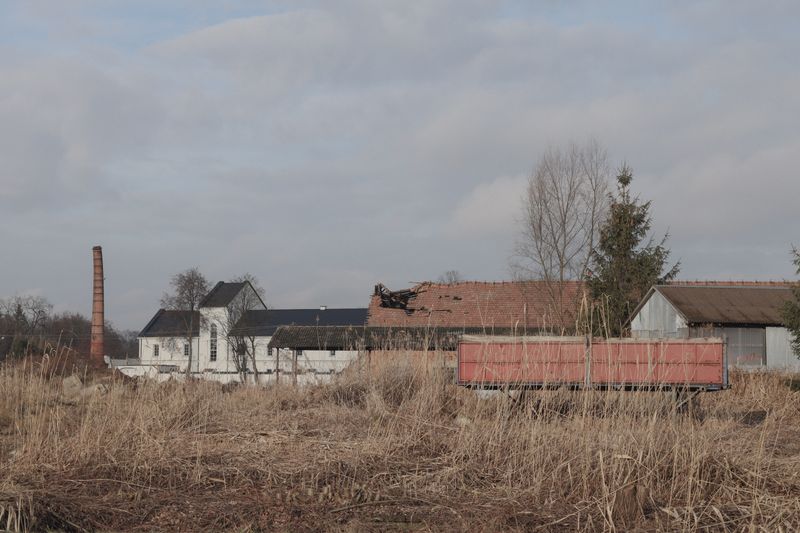
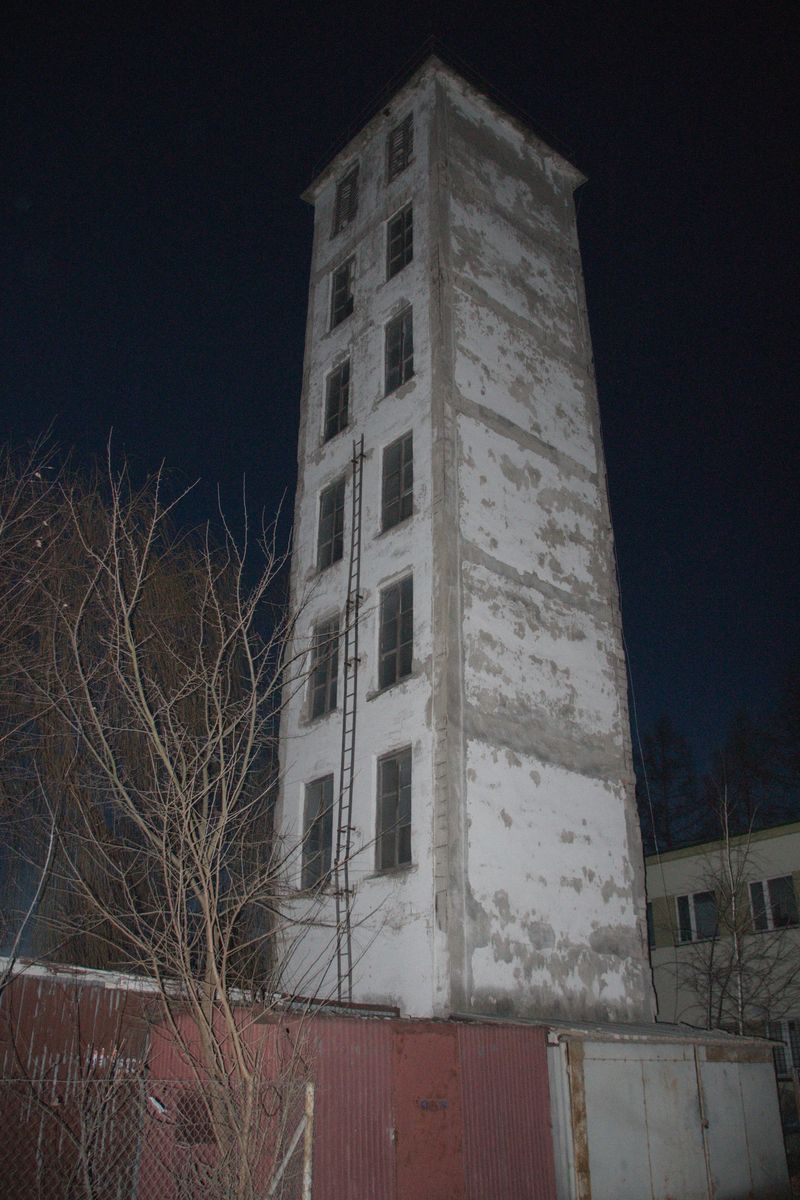
A former distillery was transformed into a restaurant, shifting its role from production to services. This adaptation reflects broader rural changes, including the decline of local industry, the growth of the service sector, and the changing function of agricultural infrastructure.**Former distillery converted into a restaurant, Rytwiany, 2025**

© Angelika Gad - Image from the In-Between photography project
i

A former sulfur mine transformed into a lake — an example of how industry can completely reshape the landscape and later disappear, leaving behind a new form of space.**Former sulfur mine, Tarnobrzeg, 2020**

© Angelika Gad - Image from the In-Between photography project
i

Tree planting and reforestation have become increasingly common in rural Poland, especially on abandoned or low-profit agricultural land. The process reflects the decline of small farms, ageing farmers, and changing land use from agricultural production toward environmental and landscape functions.**Young forest plantation, 2025**

© Angelika Gad - Image from the In-Between photography project
i

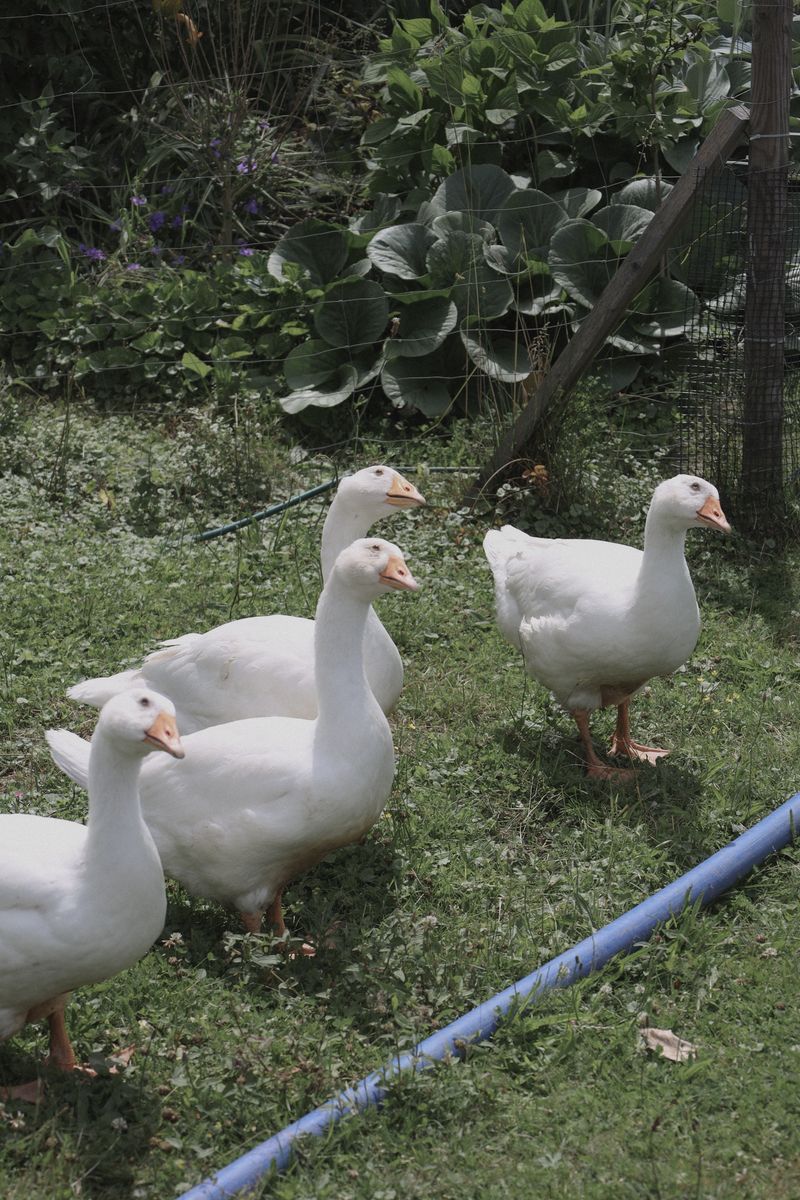
The number of animals kept in small farms in Poland has steadily declined. Livestock breeding, once central to rural life, is now often limited to a few chickens or animals kept for personal use. The process reflects the decline of small-scale agriculture and the ageing of rural communities.**Small farm animals, Trzcianka, 2023**

© Angelika Gad - Image from the In-Between photography project
i

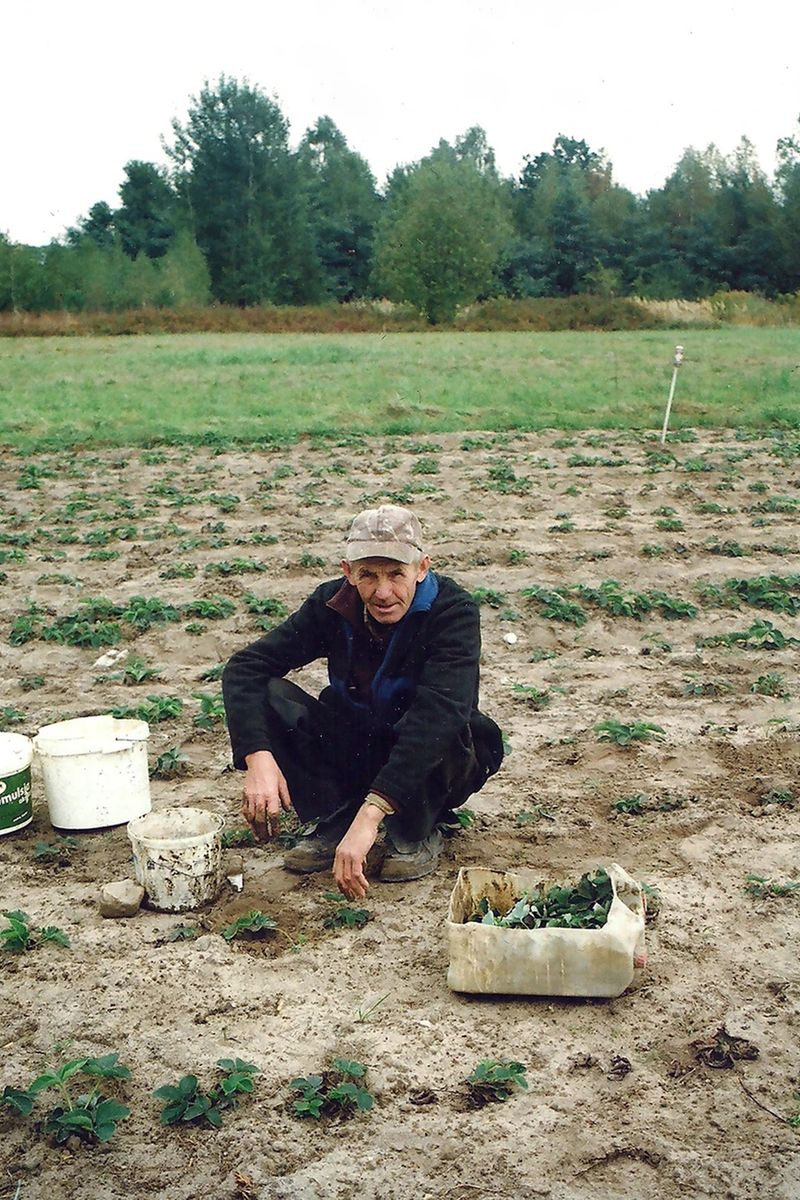
My father cultivated strawberries for many years as part of a small family farm. After his death, the plantation disappeared and the land was no longer farmed.His story reflects the decline of small family agriculture and the lack of generational succession in rural Poland.**Former strawberry field, 2025**

© Angelika Gad - Image from the In-Between photography project
i

Investment Zone C in Połaniec reflects the transformation of agricultural land into industrial space. Its development has created new jobs while contributing to the decline of small farms and the growing role of commuting in rural life.**Investment Zone C, Połaniec, 2025**

© Angelika Gad - Image from the In-Between photography project
i

The interiors of rural Polish homes often combine objects from different periods — religious images, furniture from the socialist era, contemporary appliances, and traces of everyday life. These spaces reflect both material conditions and the continuity of rural habits and aesthetics despite ongoing social change.**Interior of a rural home, 2025**

In-Between by Angelika Gad

Prev Next Close