I'm so Blue
-
Dates2024 - Ongoing
-
Author
- Location Poland
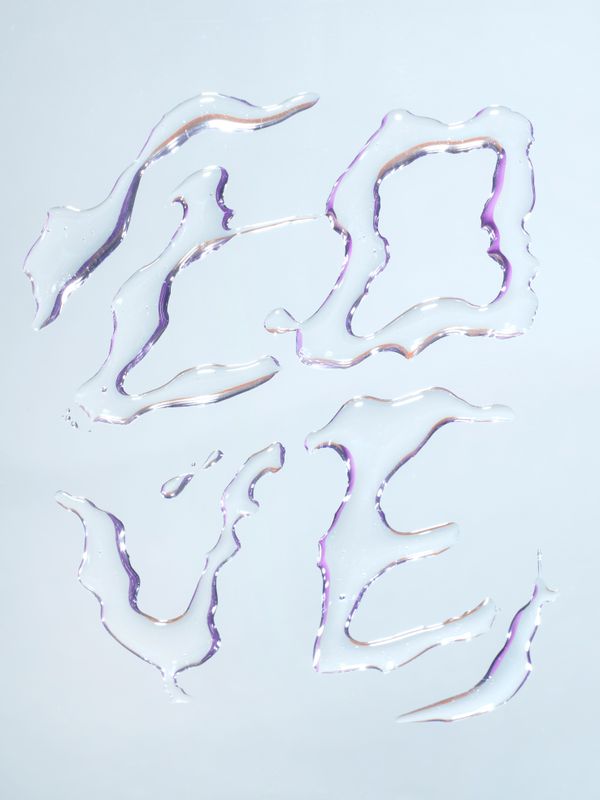
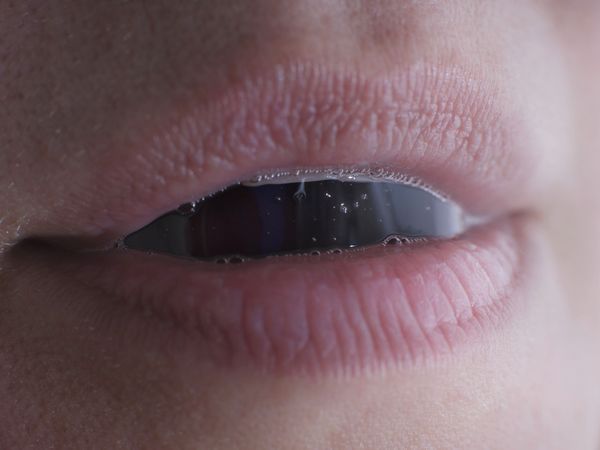
The "I'm so Blue" it a story about toxic love. The project flows like a river: love develops, but tragedy also deepens. Water becomes memory, desire, and a system where emotion, ecology, and our toxic relationship with nature meet.
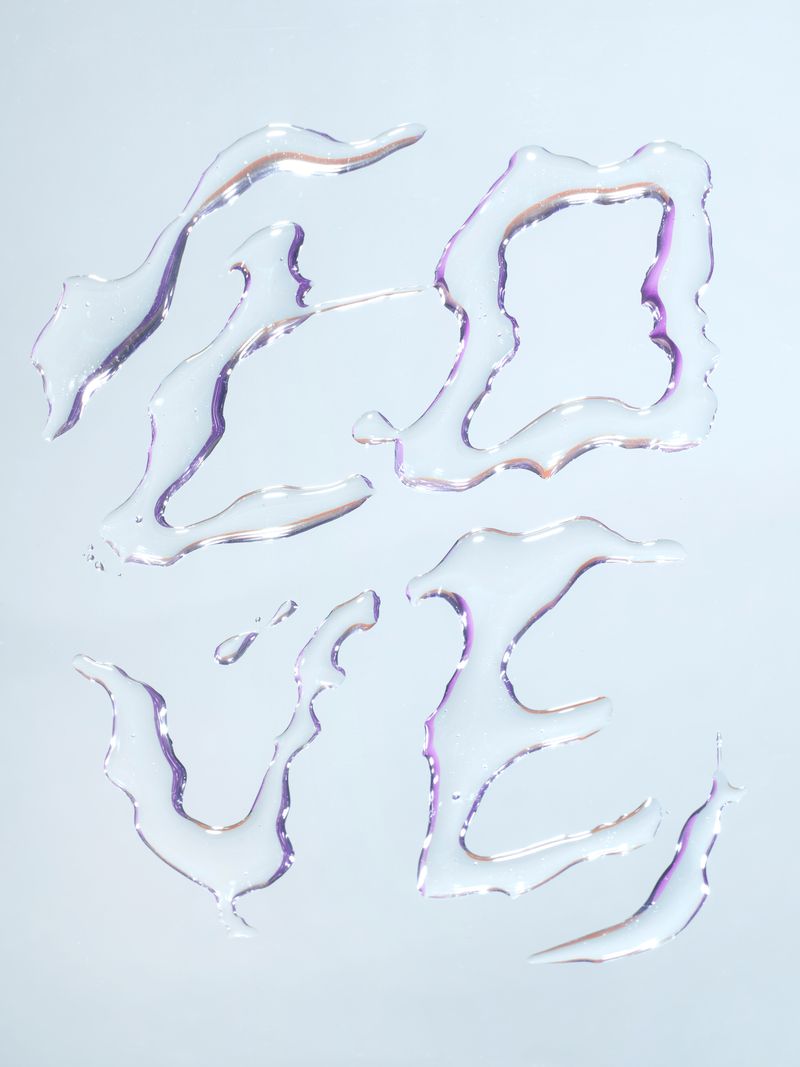
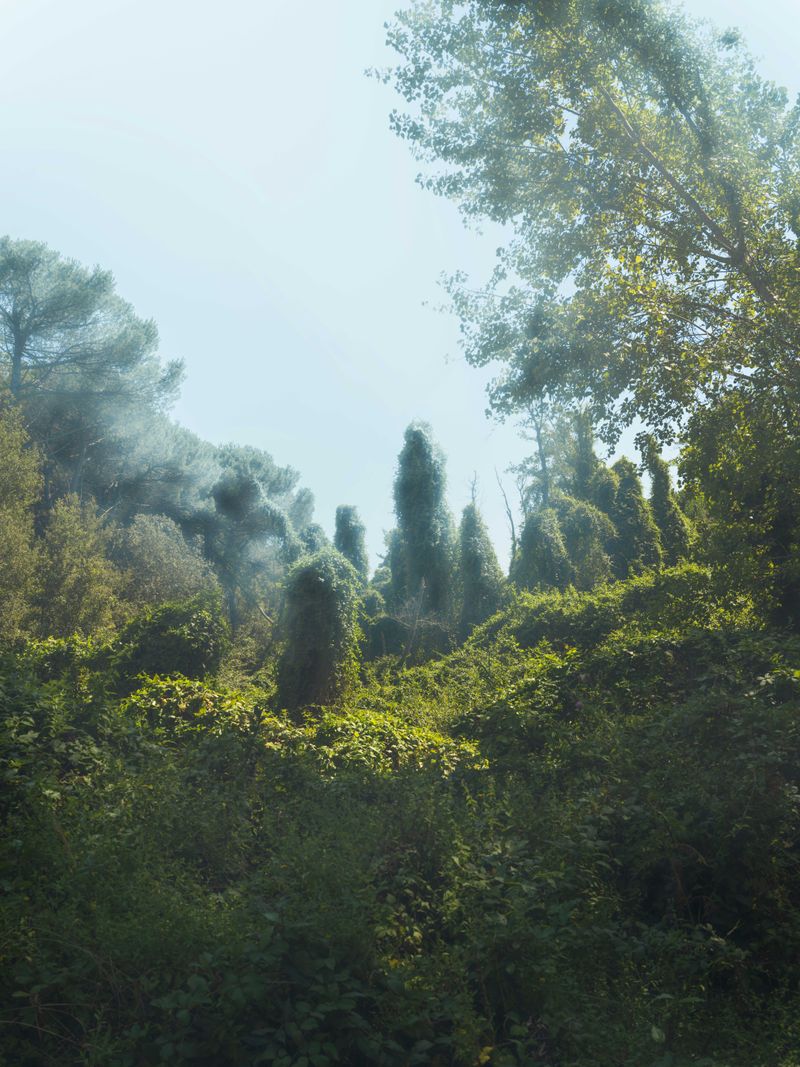
I’m so blue is a long-term multimedia project about the relationship between humans and nature, told through the motif of water. Water functions here simultaneously as a real ecological problem, a cultural symbol, an emotional state, and a carrier of memory. The project examines how Western culture has shaped our imagination of nature — romanticized, idealized, desired, but also controlled and exploited. I am interested in the contradiction between our love for nature and the violence hidden inside everyday human habits, consumption, tourism, and systems of comfort.
The narrative unfolds through two parallel trajectories. The first follows the development of a romantic relationship that gradually transforms into a toxic one. The second traces the slow degradation of nature and deepening ecological collapse. Both lines evolve simultaneously and ultimately lead toward confrontation. I imagine this structure as a river: meandering through emotions, myths, memories, and images, before flowing into a larger body of water where all consequences accumulate. This final space becomes a place of reflection, grief, therapy, and possible transformation.
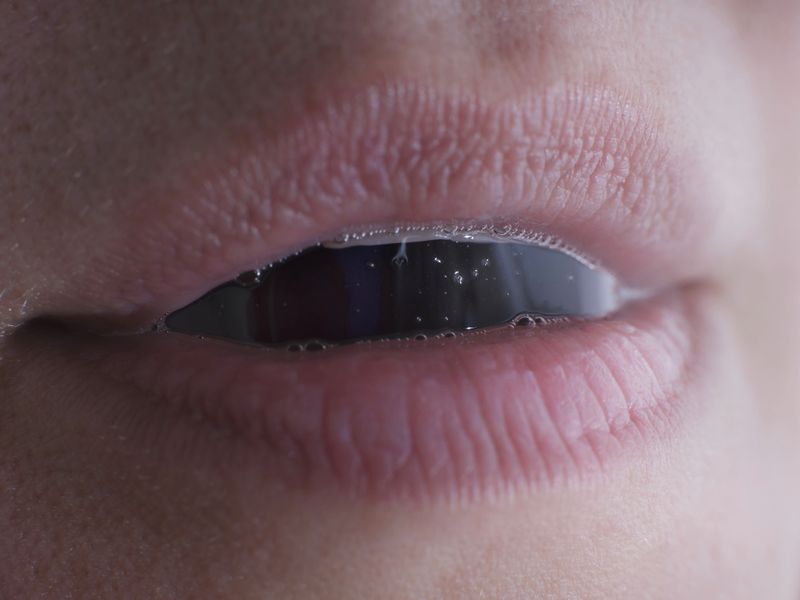
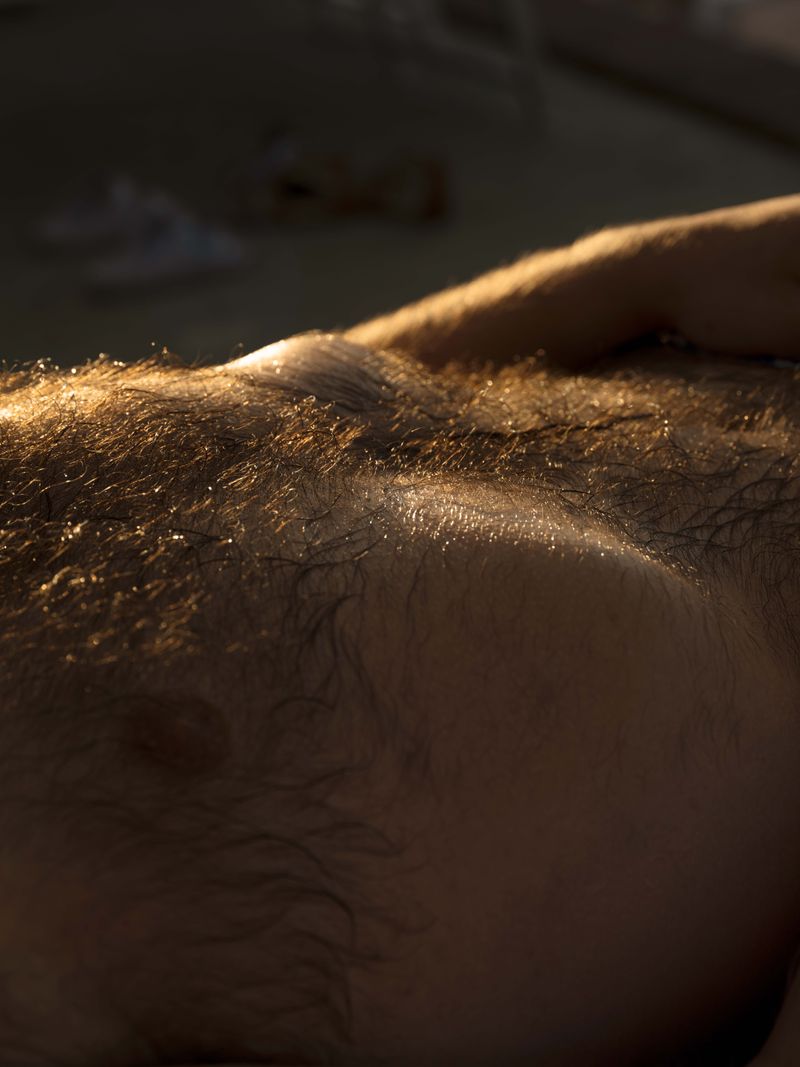
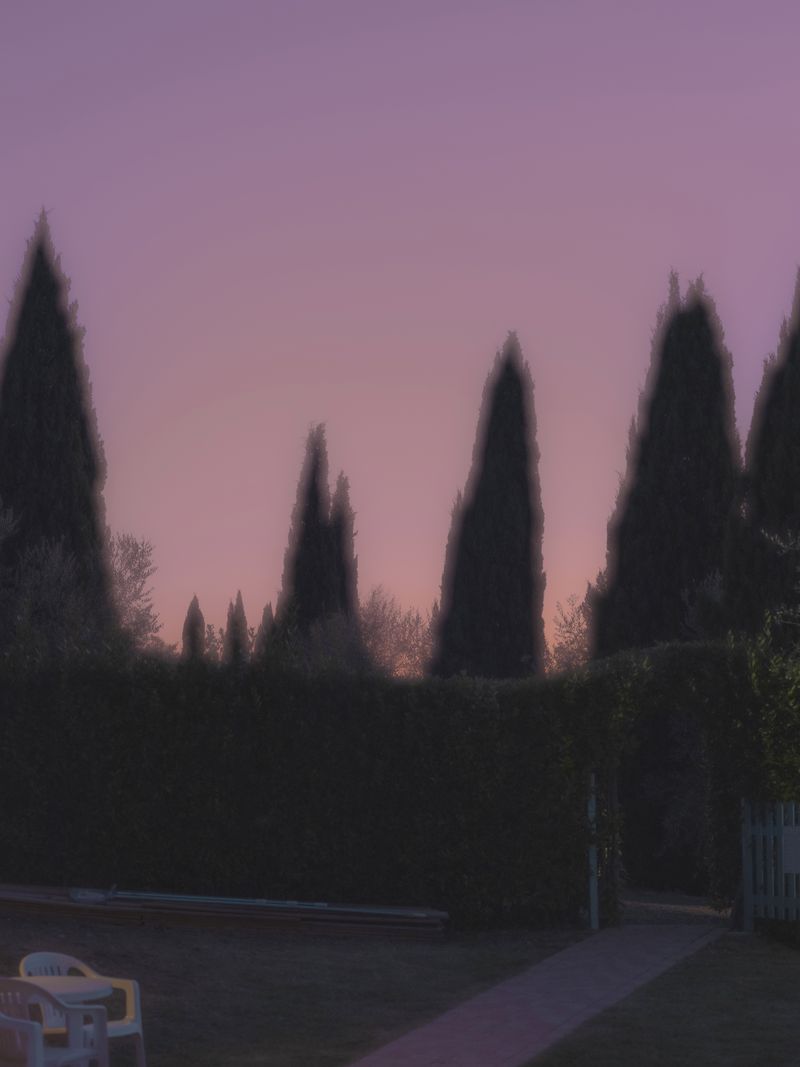
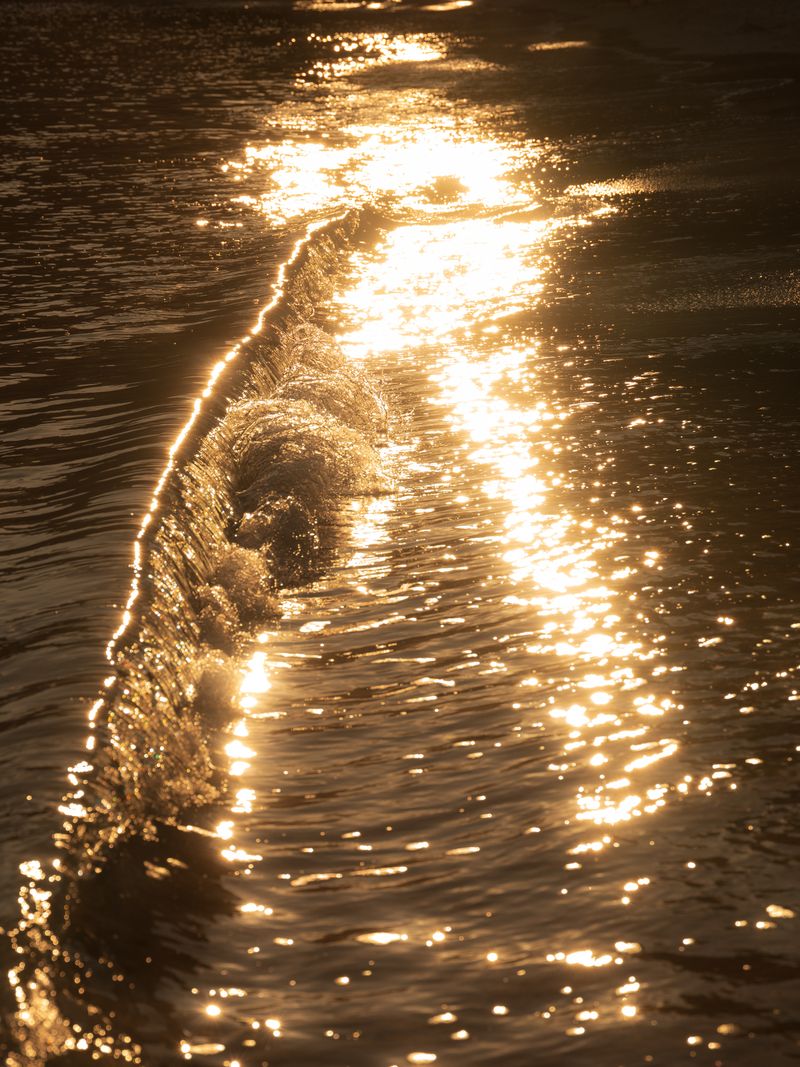
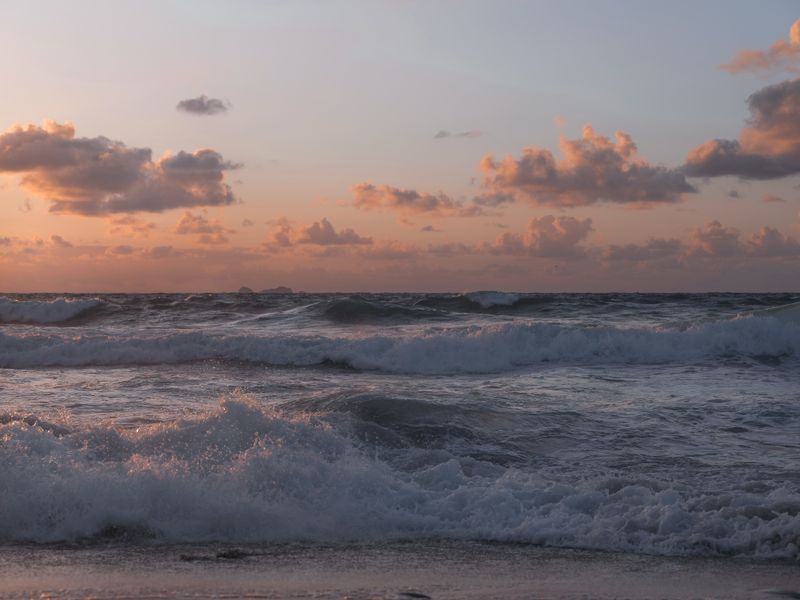
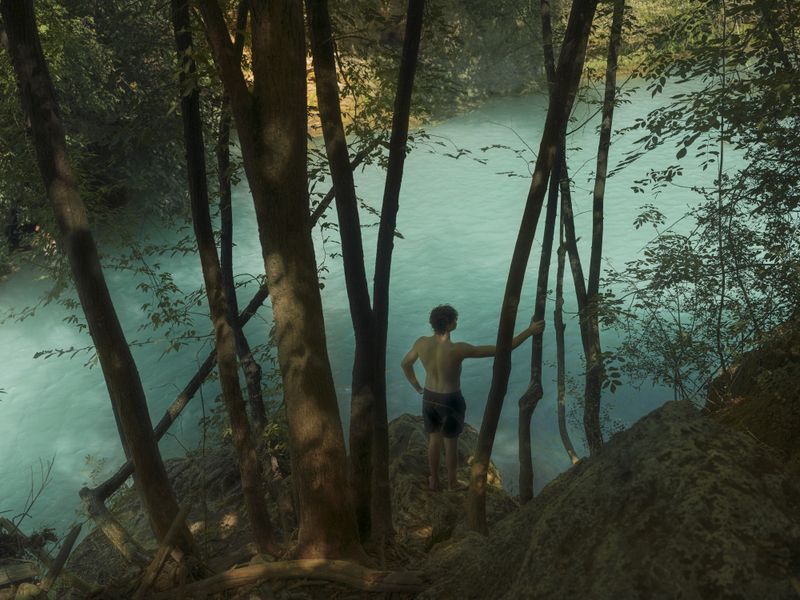
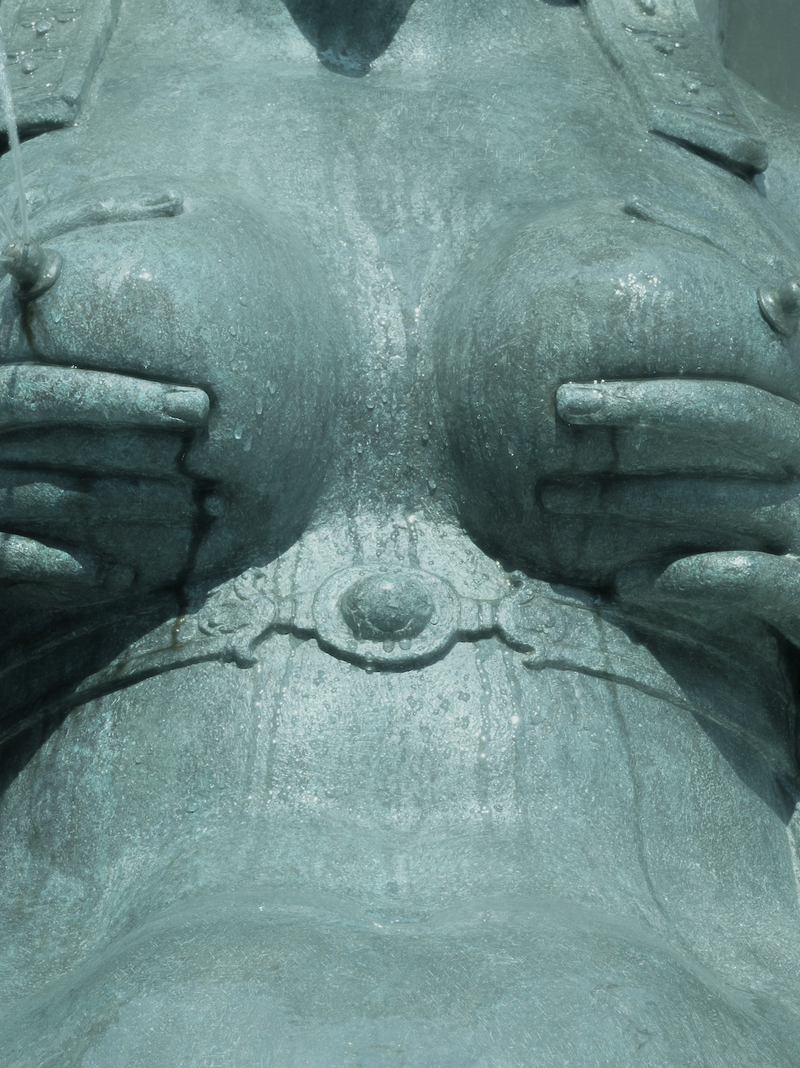
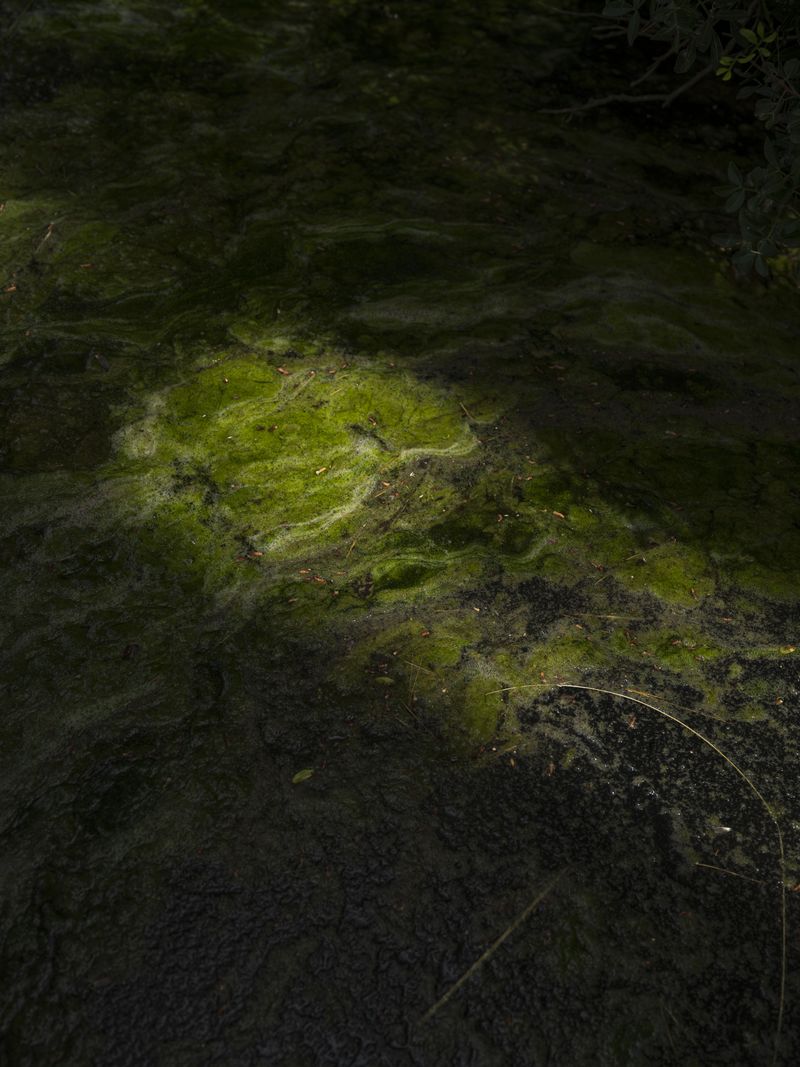
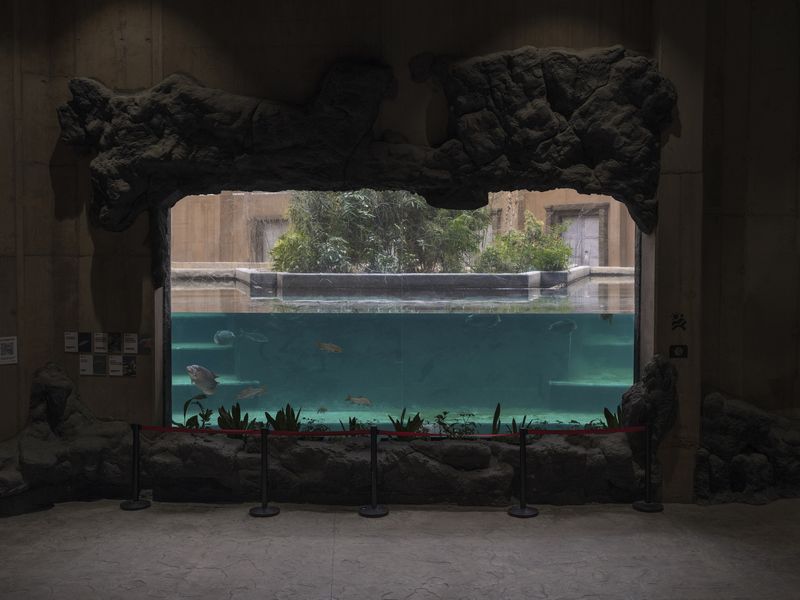
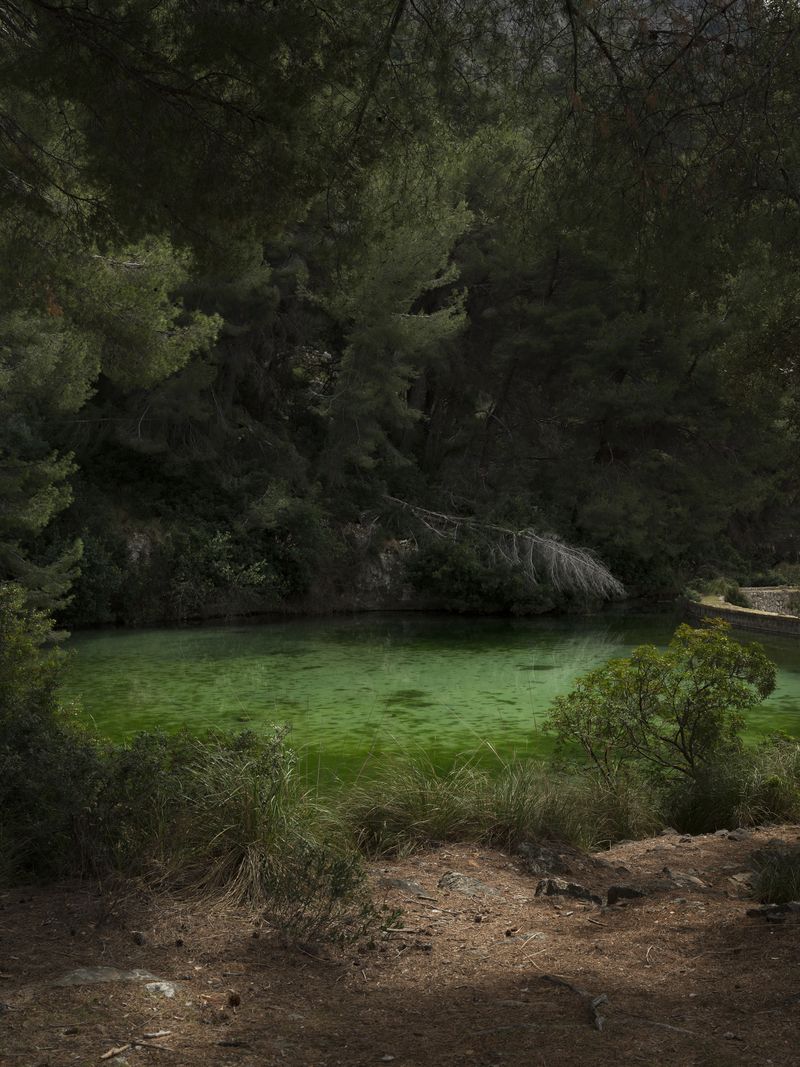
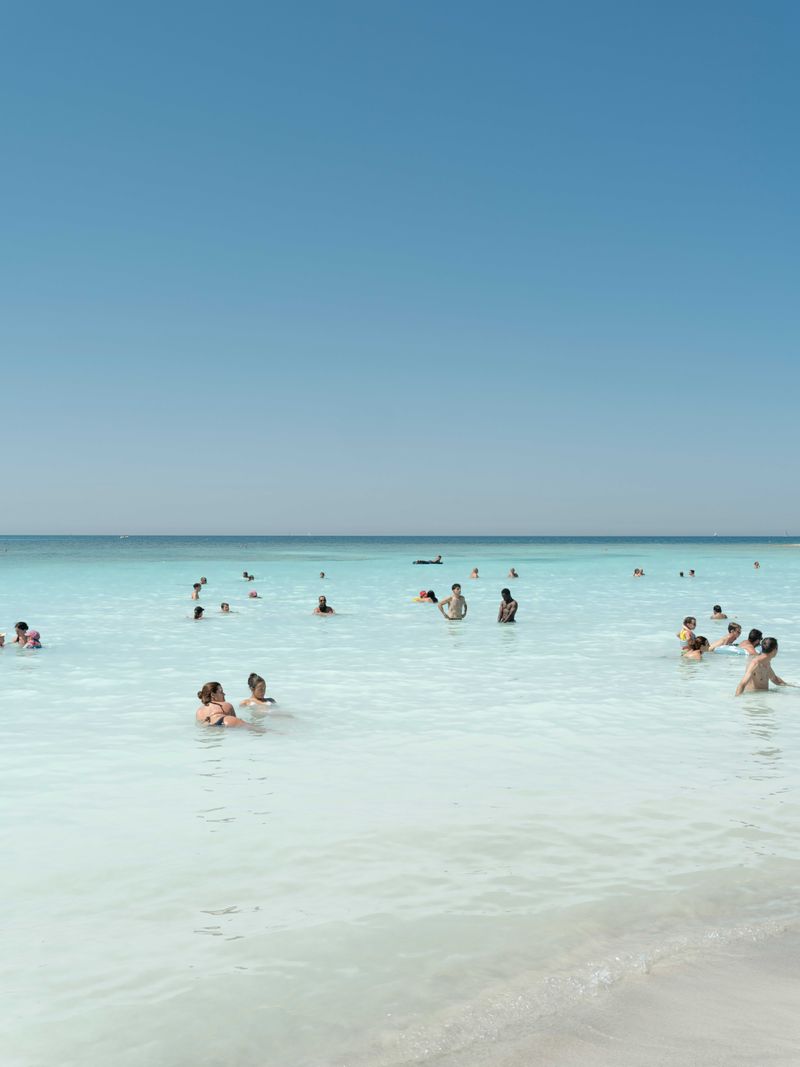
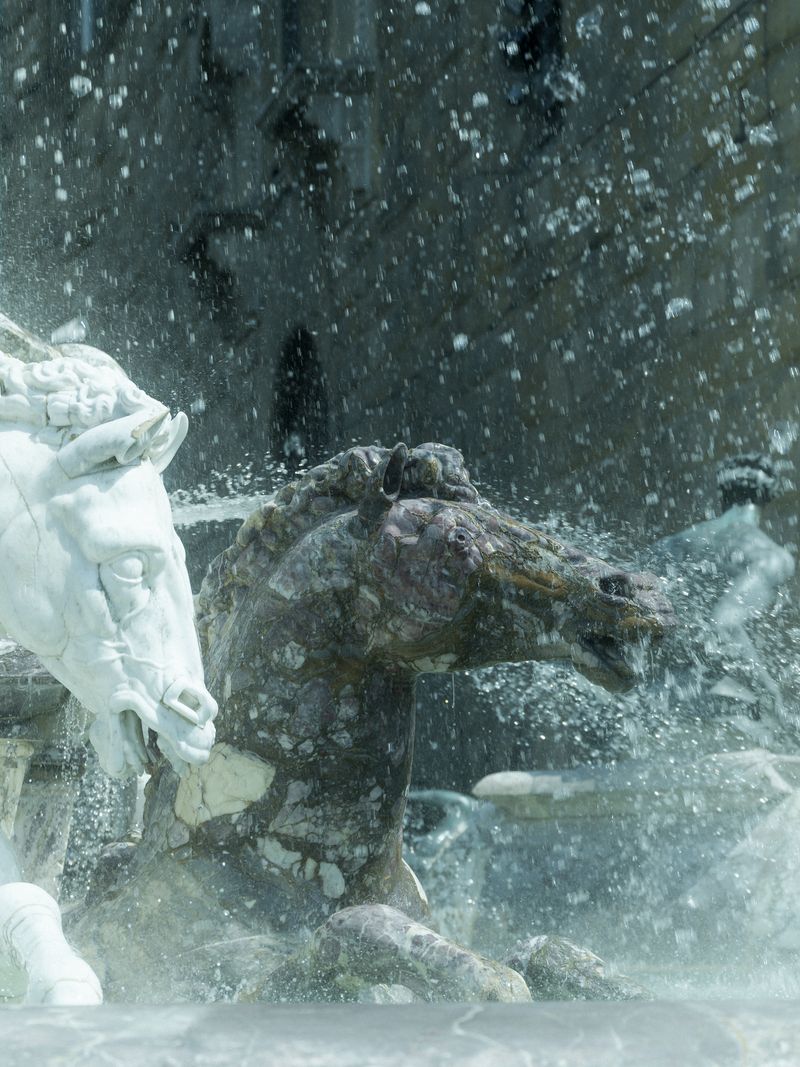
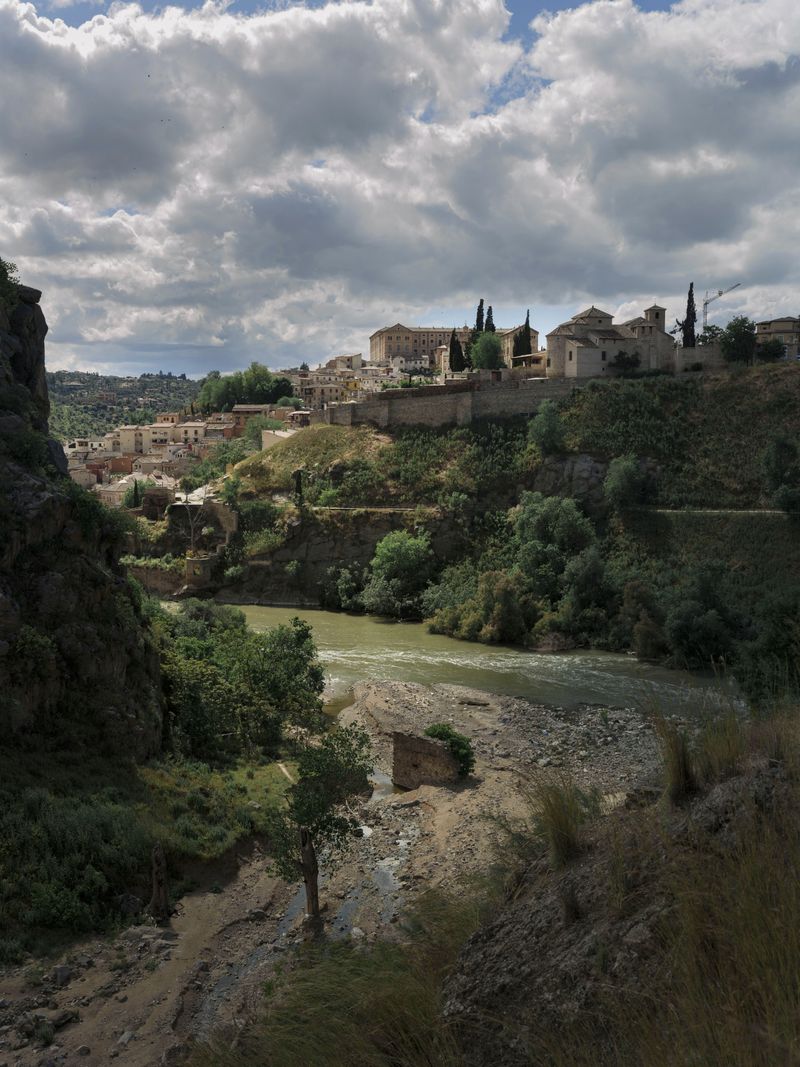
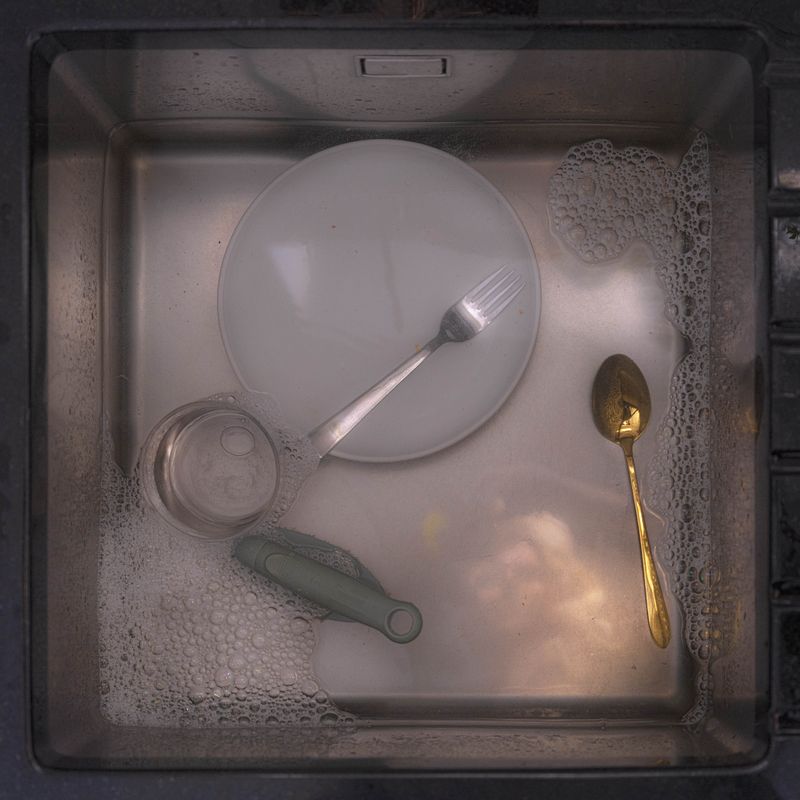
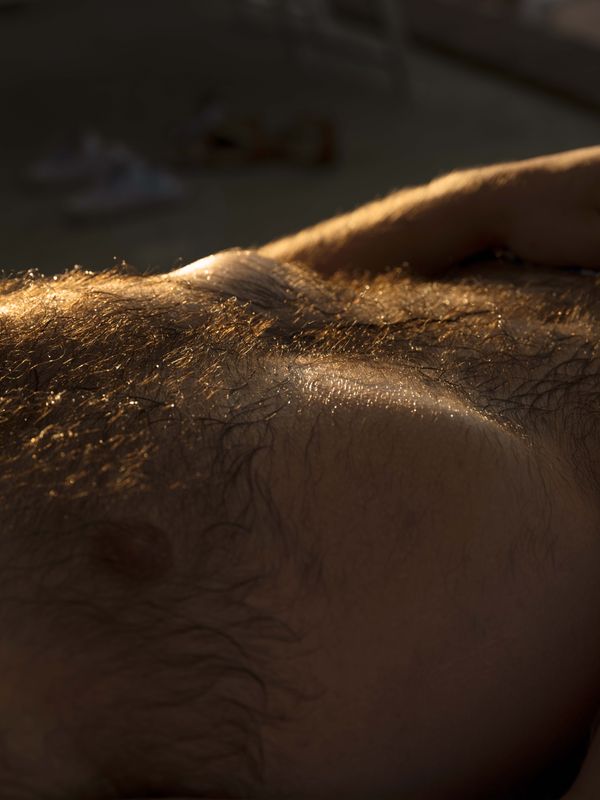
The project moves between emotional, conceptual, and ecological layers. On one side, water appears as desire, intimacy, sensuality, tears, sweat, longing, and healing. On the other, it becomes evidence of crisis: drought, contamination, disappearing rivers, overtourism, and the exhaustion of ecosystems. I photograph dried landscapes, tourist infrastructures, swimming pools, fountains, aquariums, and Mediterranean spaces marked by environmental pressure — especially Mallorca, where luxury tourism and water scarcity expose the contradictions of contemporary Europe. Paradise becomes an artificial construction sustained by exploitation.
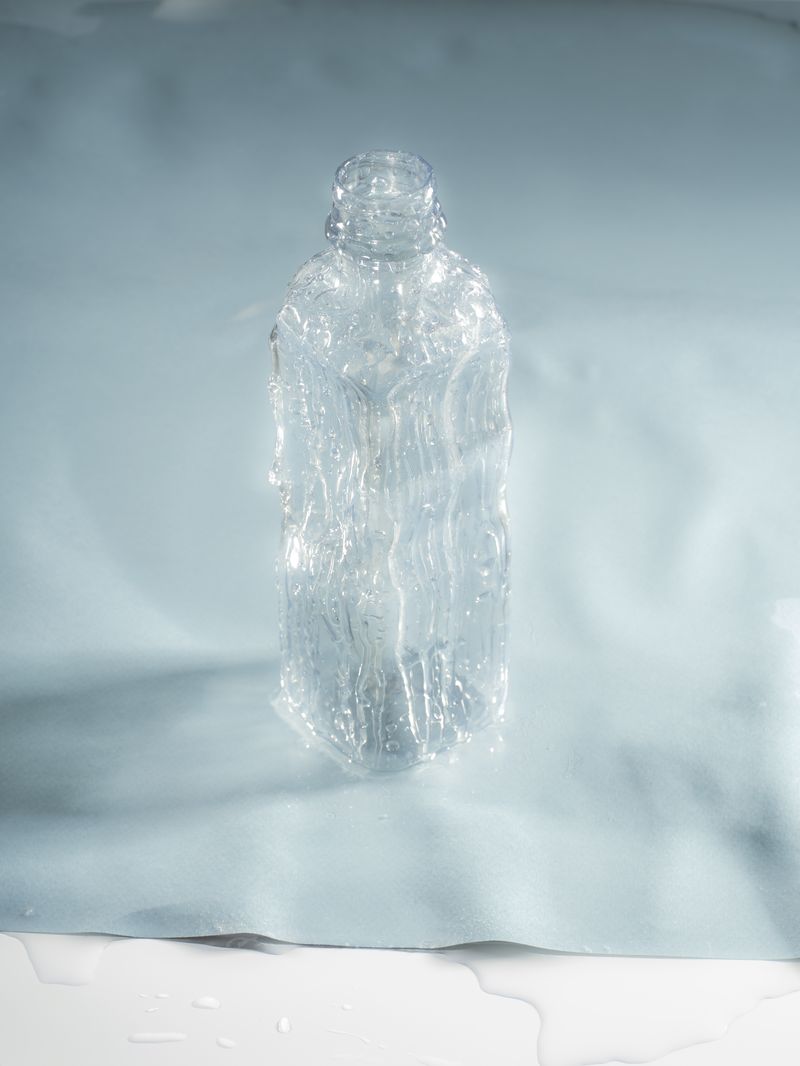
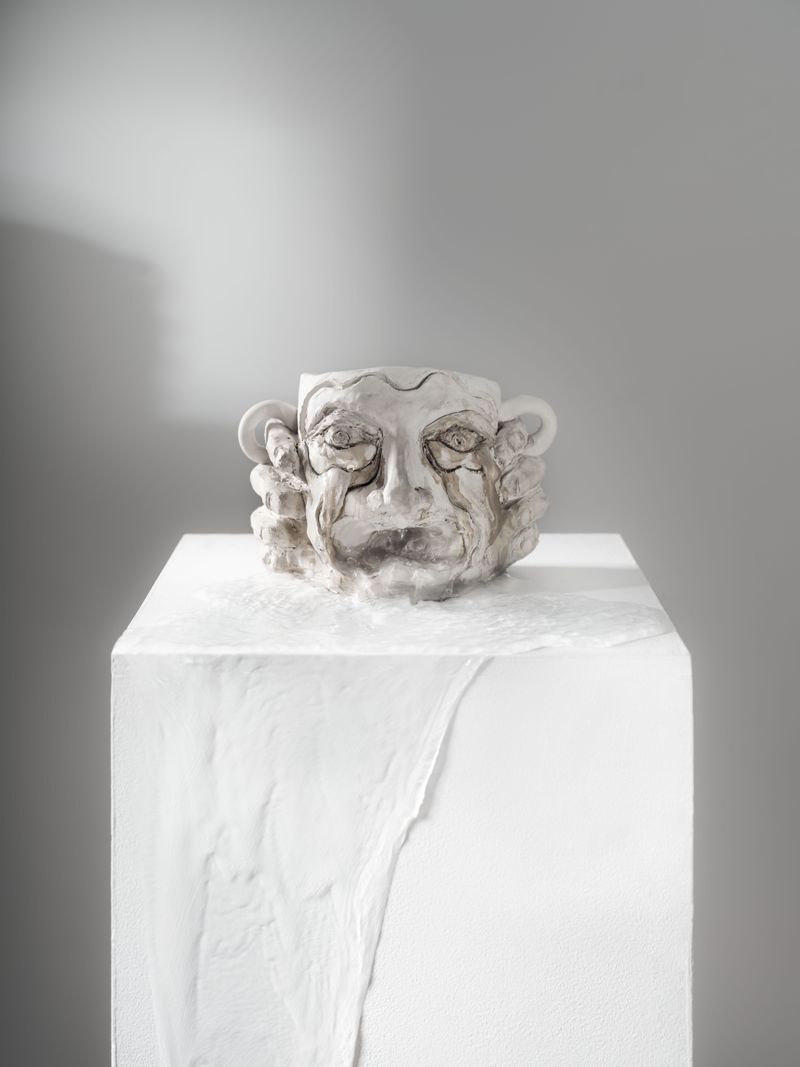
Formally, the project combines staged photography, documentary strategies, archival research, sculpture, and moving image. I draw connections between mythology, religion, hydrofeminism, blue humanities, ecology, psychology, and popular culture — especially love songs and cinematic narratives about failed relationships. References to David Hockney’s iconic swimming pools become crucial here: once symbols of pleasure, freedom, and desire, today they resonate differently, revealing questions of resource consumption, privilege, and ecological anxiety. I also draw on Mieke Bal’s concept of “preposterous history,” using temporal displacements and recontextualization to confront historical cultural archetypes with contemporary environmental catastrophe.
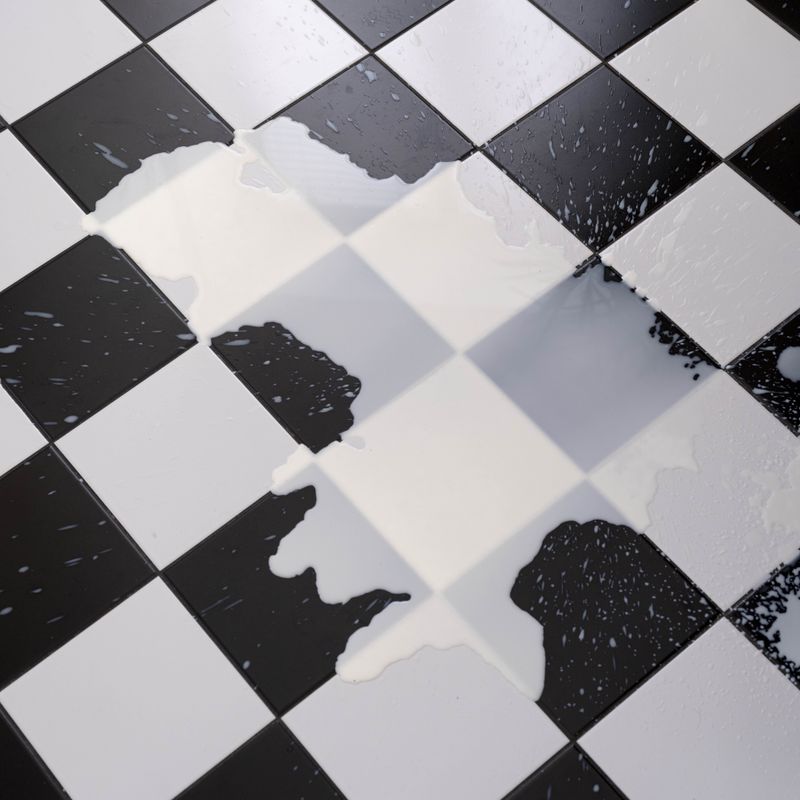
In the project, nature is personified because human emotions remain the primary language through which we understand the world. The relationship between humans and water becomes intimate, dependent, obsessive, and destructive — almost like a toxic love affair. The body itself functions as a water archive: carrying memory through tears, sweat, fear, panic, and physical reactions. “We are water bodies” becomes both a poetic statement and a biological fact.
At its core, I’m so blue is an attempt to understand the emotional condition of a contemporary European generation — raised inside anthropocentric culture, aware of ecological collapse, yet deeply entangled in systems that continue to produce it. I do not moralize or propose simple solutions. Instead, I create a space where beauty and catastrophe coexist, where fascination turns into discomfort, and where the viewer is invited to confront both tenderness and guilt. The project asks whether reflection, apology, and change are still possible before the relationship fully collapses.