IDENTITY
-
Dates2025 - 2025
-
Author
- Location Saltillo, Mexico
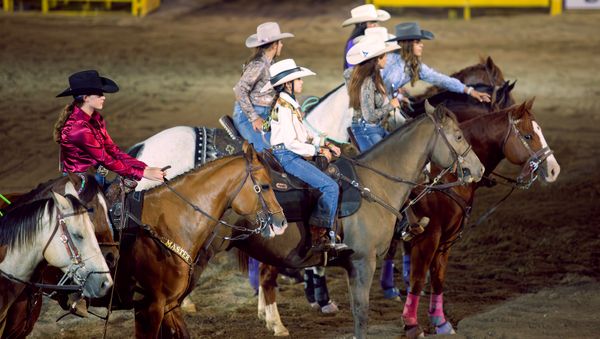
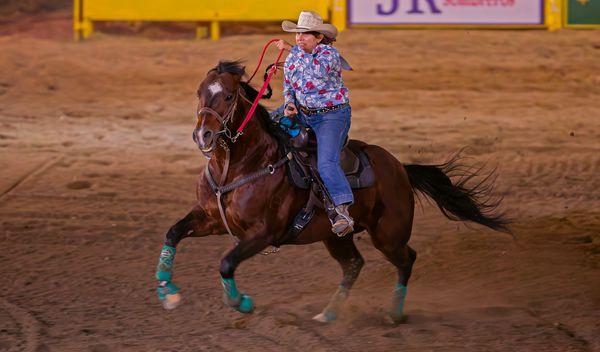
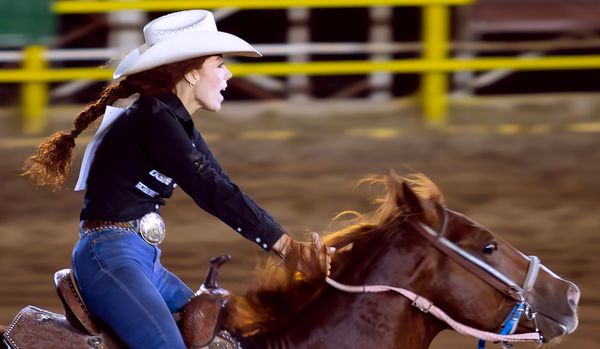
An identity is officially born. The intersection between a 448 years old city an a tradition that has its roots in the 16th century. A "vaquera" city is born, hence a "vaquero" citizen is born as well. A northern mexican industrial town adopts in 2025
Saltillo’s story does not unfold in isolation. It rises from dust, from wind crossing the semi-desert plains of northern Mexico, from hoofbeats that echo across centuries. Founded in 1577 as the Villa de Santiago del Saltillo, the city began as a frontier settlement—an outpost where Spanish settlers, Tlaxcalan allies, and Indigenous communities negotiated survival in a vast and demanding landscape. Frontier is not only a geography; it is a temperament. It requires endurance, adaptability, and a collective will to persist.
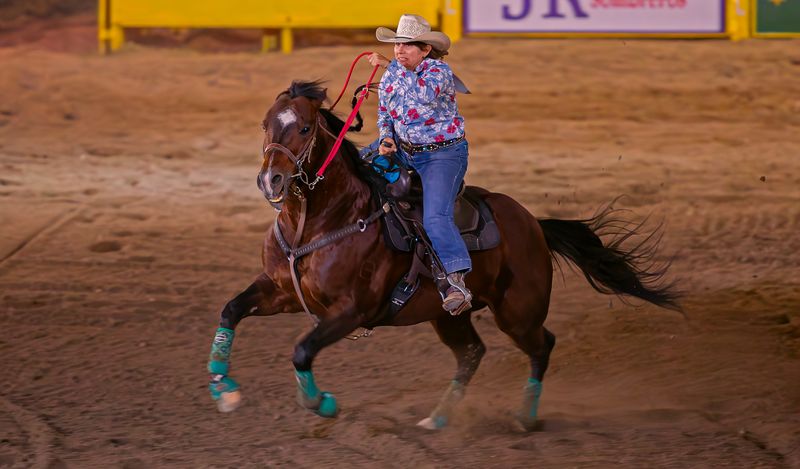
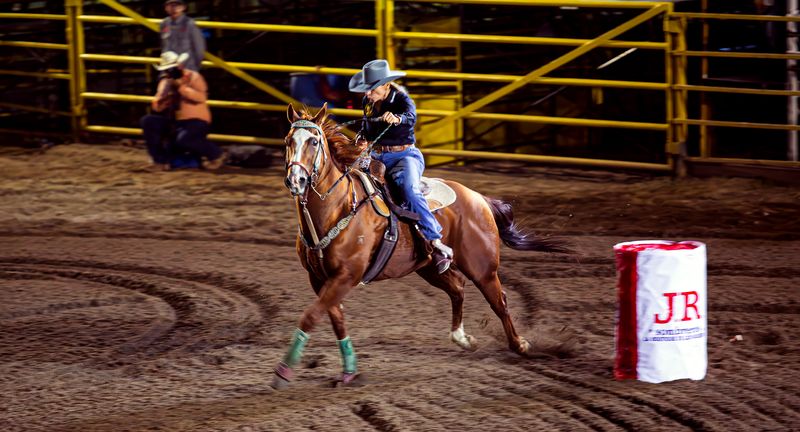
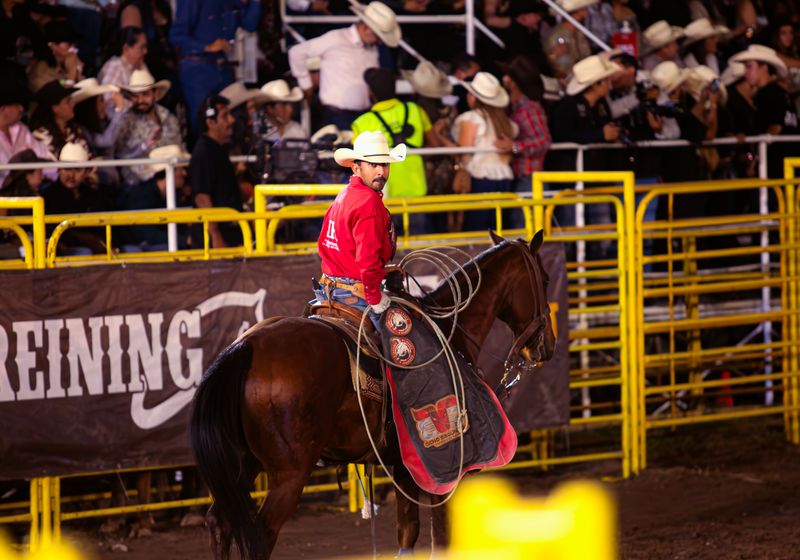
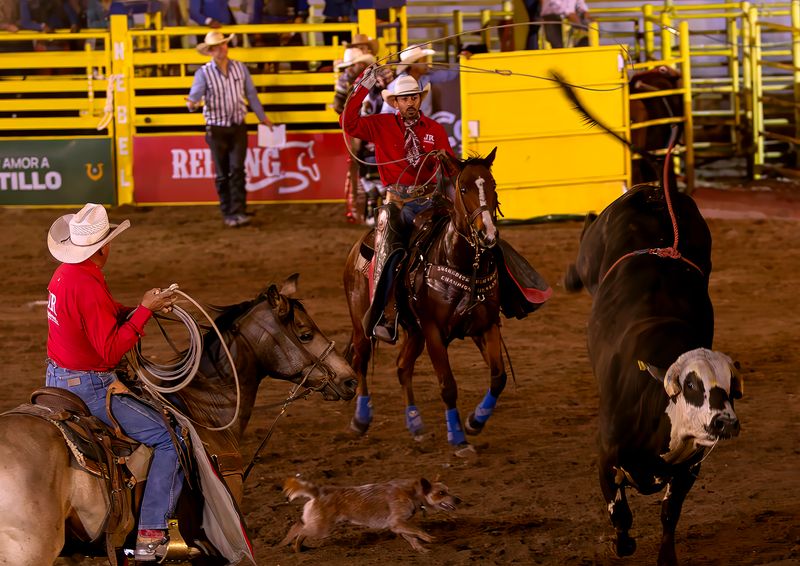
In this arid terrain, cattle became more than livestock—they became continuity. Ranching shaped the rhythms of daily life: dawn rides, the choreography of lassos, the intimate knowledge between rider and horse. Long before the rodeo became a staged event with grandstands and spotlights, it was embedded in labor. Roping, branding, breaking horses—these were gestures of necessity that slowly evolved into rituals of skill and pride. Work transformed into performance; performance into tradition.
As Saltillo matured—emerging as an industrial and intellectual center, home to several education institutions its rural memory did not recede. Instead, it intertwined with modernity. The proximity to Texas fostered an exchange of ranching practices that influenced the formalization of rodeo culture in northern Mexico. Yet the rodeo that took root in Saltillo was not imitation; it was reinterpretation. It absorbed the cadence of norteño music, the aesthetics of Mexican horsemanship, the solemn pride of the desert.
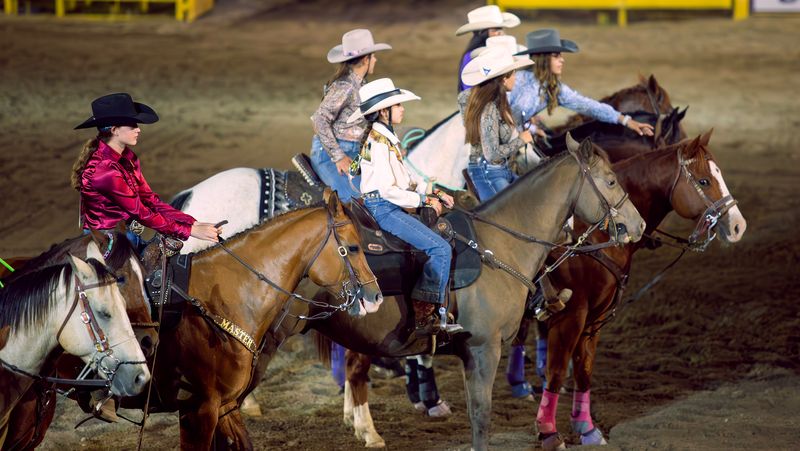
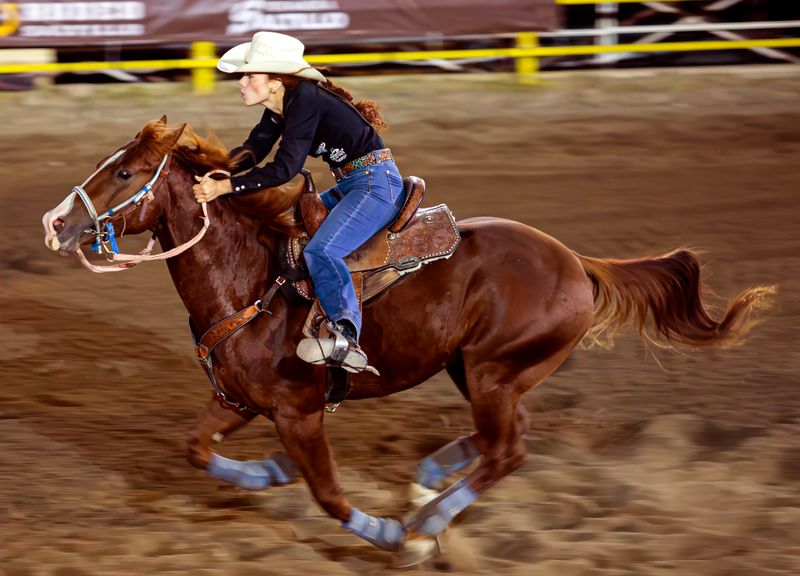
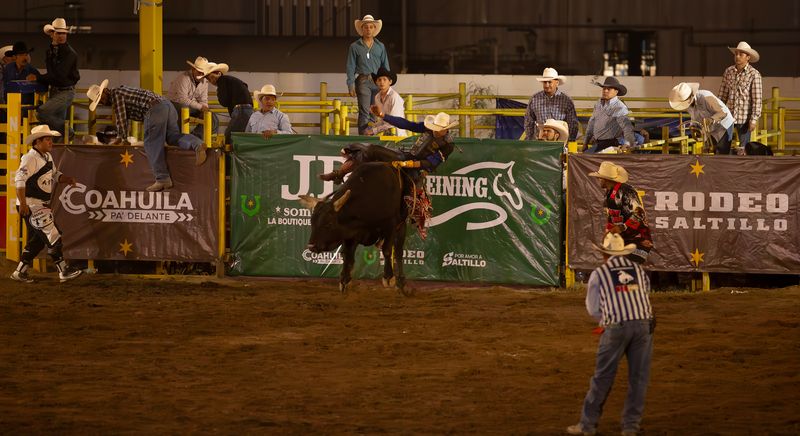
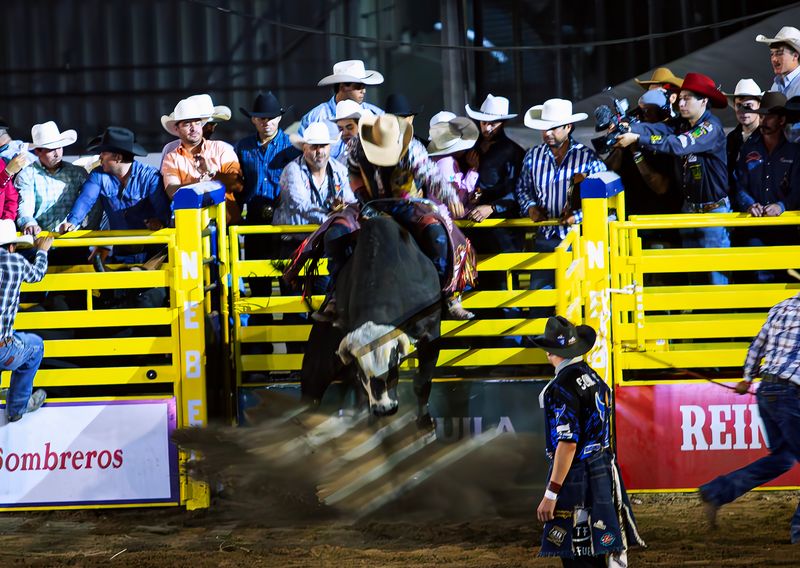
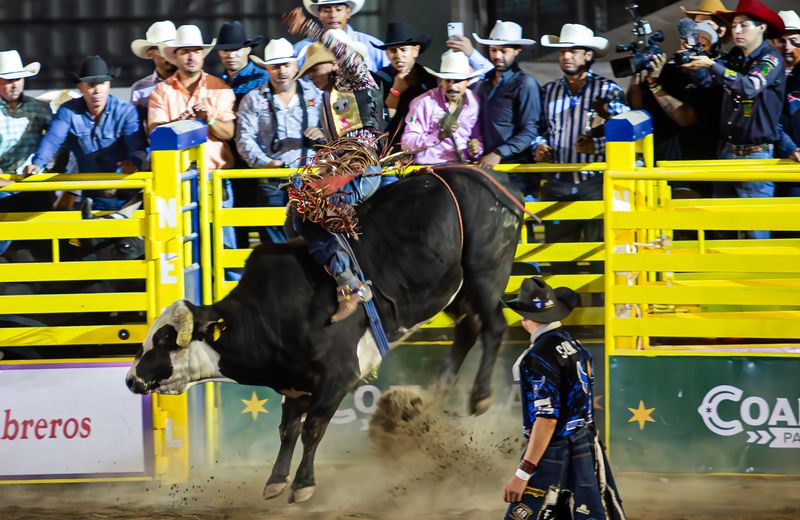
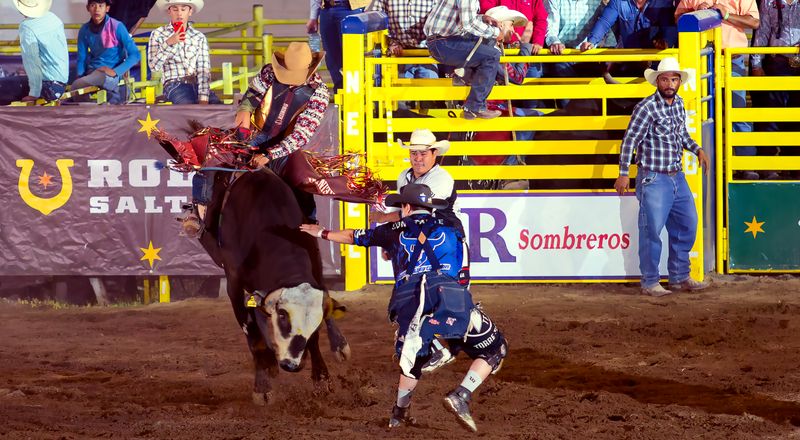
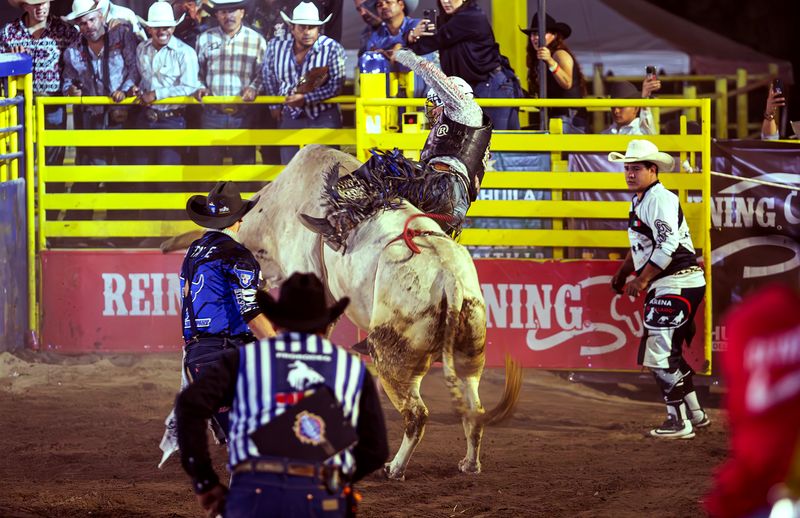
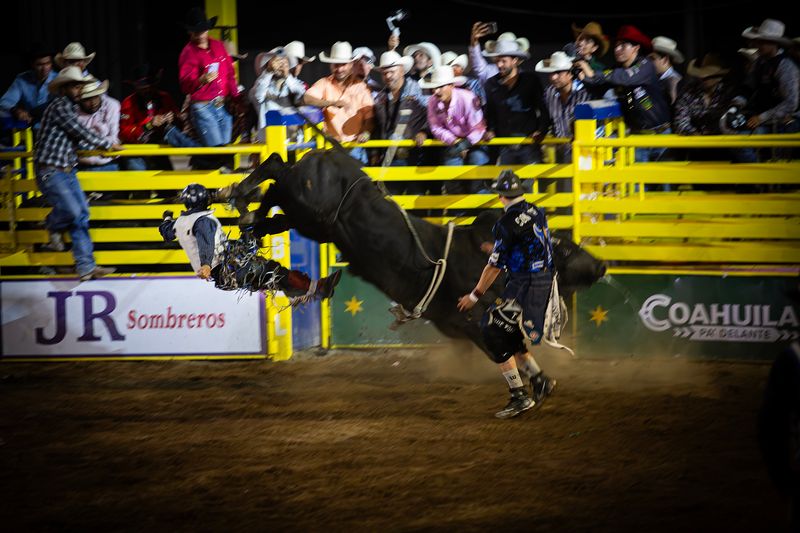
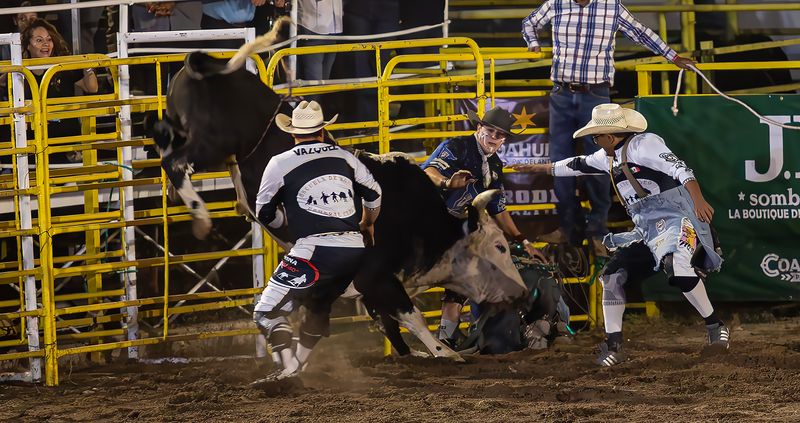
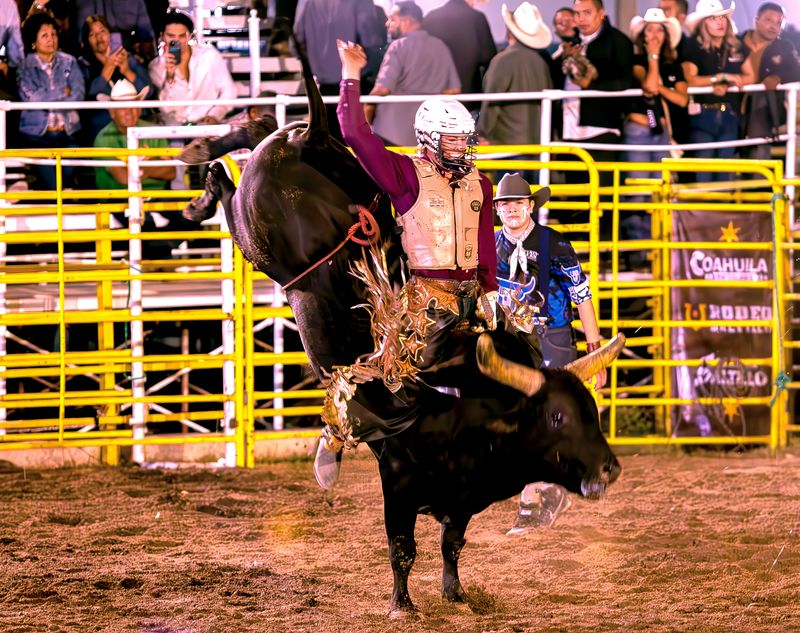
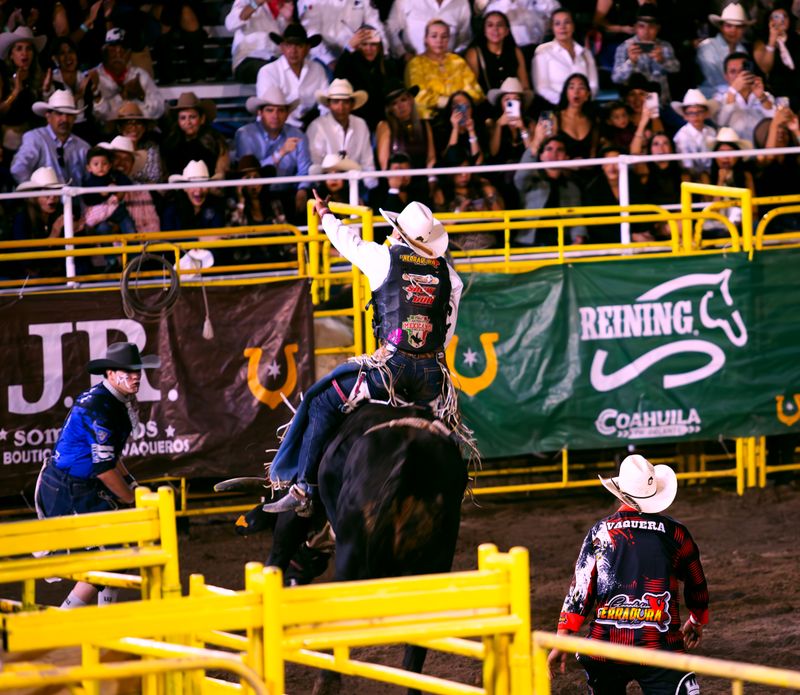
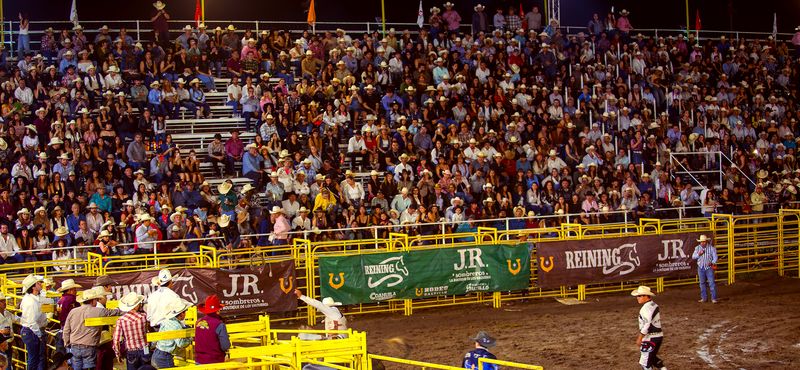
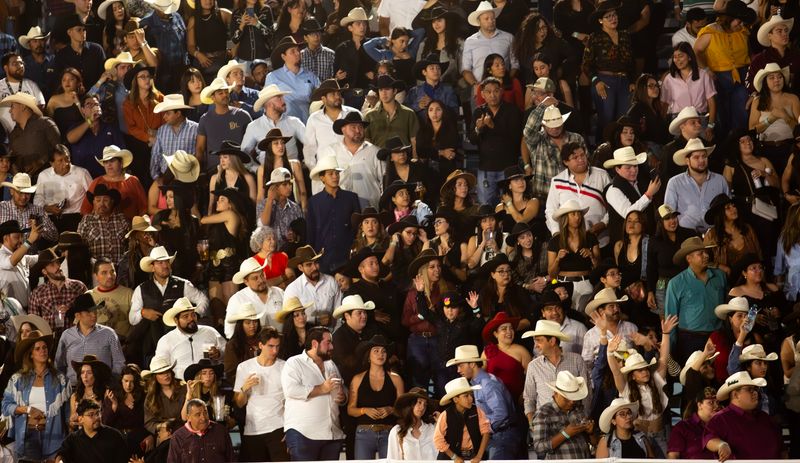
Today, gatherings like the Rodeo Saltillo are more than entertainment. They are acts of remembrance. Families fill the stands not only to witness competition, but to recognize themselves in it. A rider gripping the flank of a bucking bull becomes an emblem of defiance. A lasso cutting through air draws an invisible line between past and present. Dust rises, illuminated by late-afternoon light, and in that suspended haze one can glimpse the layered identity of the city.
Saltillo lives in a dual register. On one hand, assembly lines, universities, and expanding neighborhoods signal progress. On the other, boots press into arena sand with the same conviction as generations before. This intersection does not fracture identity—it fortifies it. The saltillense is shaped by both factory steel and saddle leather, by academic discourse and unspoken codes of ranch life.
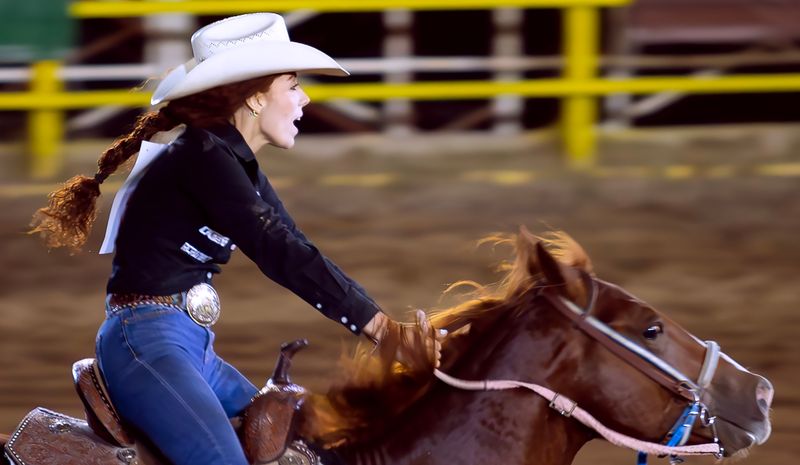
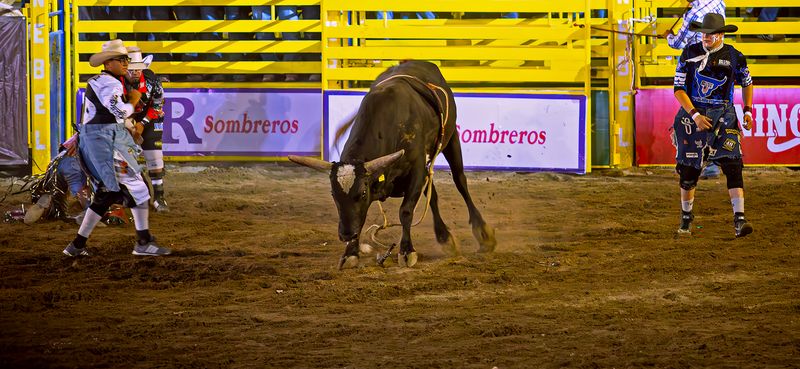
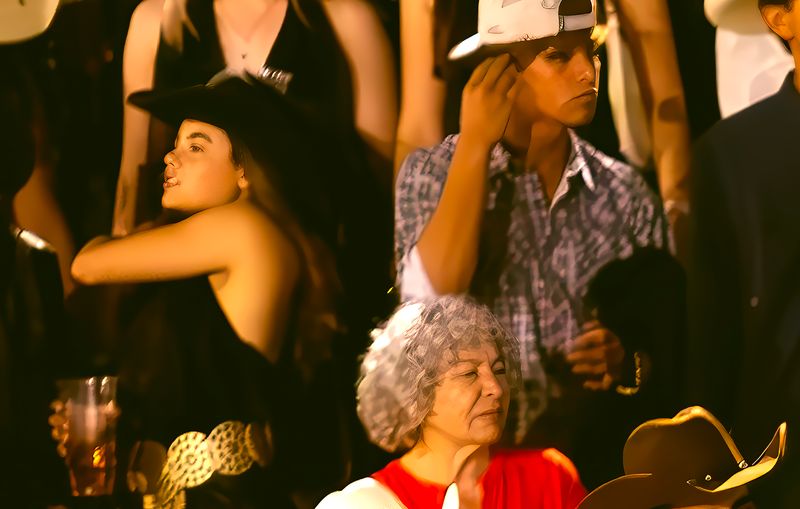
In photographic terms, this convergence is visible in contrasts: polished chrome beside weathered wood; youthful faces beneath wide-brimmed hats; urban skylines dissolving into open ranchland at the city’s edge. The rodeo is not merely an event—it is a living archive. Every scar, every stitched glove, every crease in a cowboy’s hat carries a narrative of resilience.
To document Saltillo is to trace the dialogue between permanence and motion. The city stands, yet the dust keeps moving. The arena fills, empties, and fills again. In that cyclical choreography, the saltillense finds a sense of self: modern yet rooted, vulnerable yet unyielding. The history of Saltillo and the history of the rodeo intersect not as spectacle, but as shared memory—an identity forged in sunlight, sweat, and the enduring will to remain mounted when the ground trembles beneath.