Housing
-
Dates2018 - 2025
-
Author
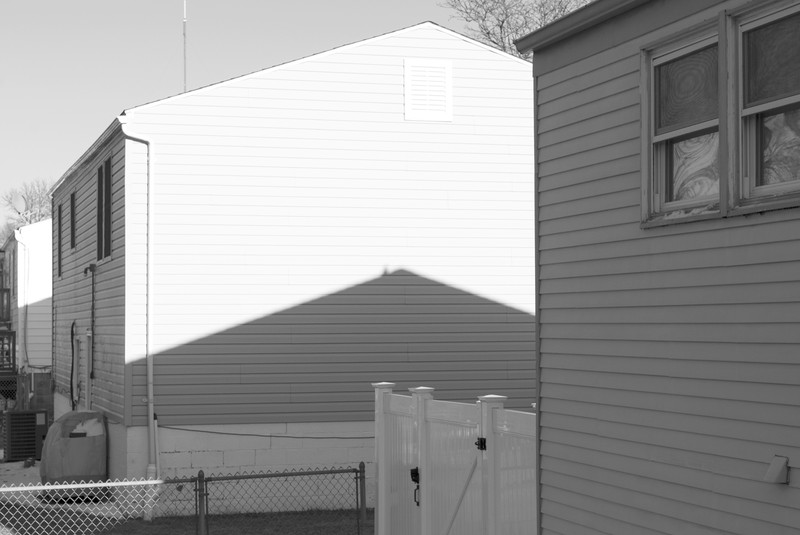
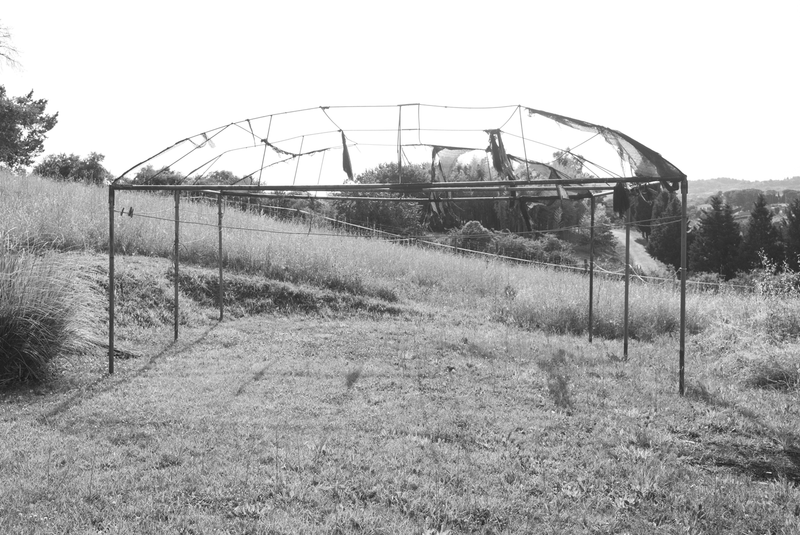
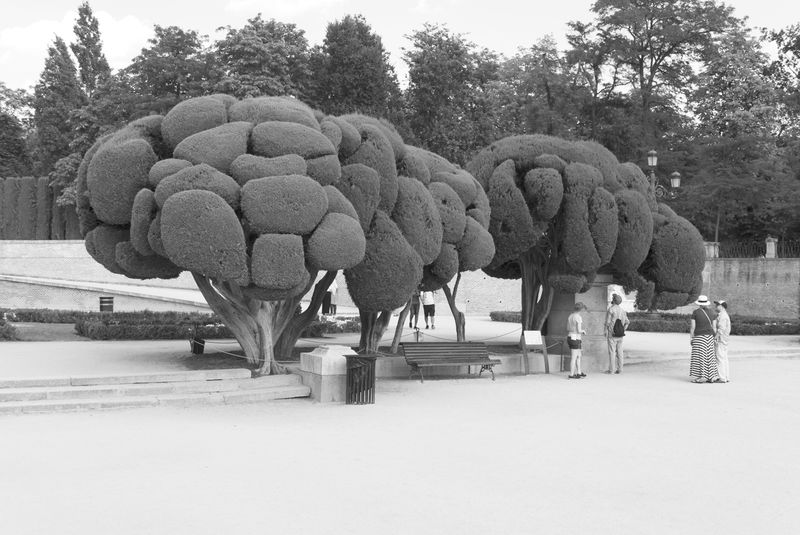
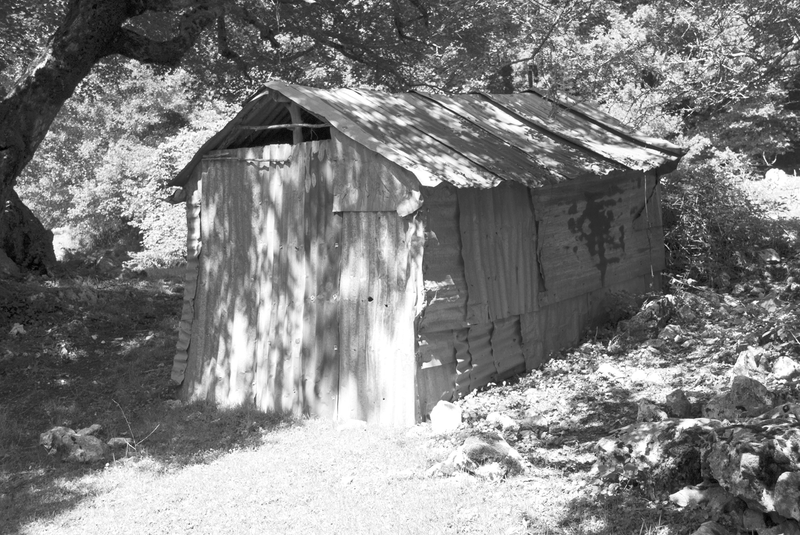
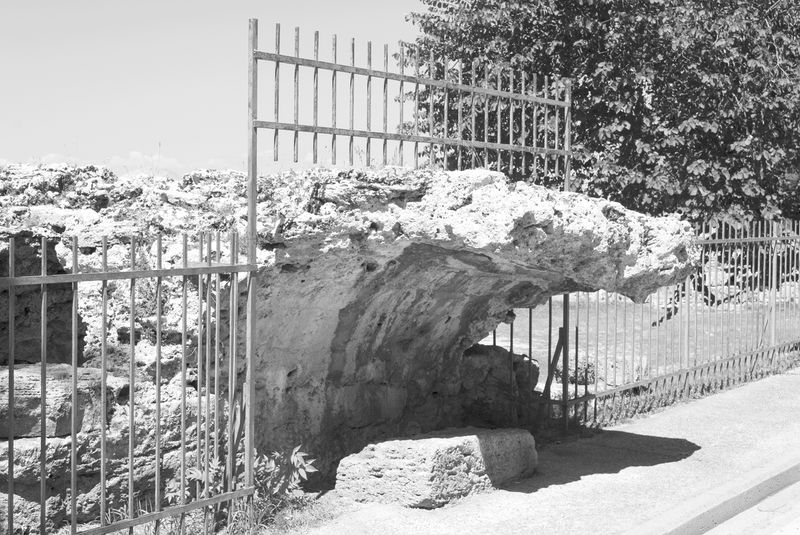
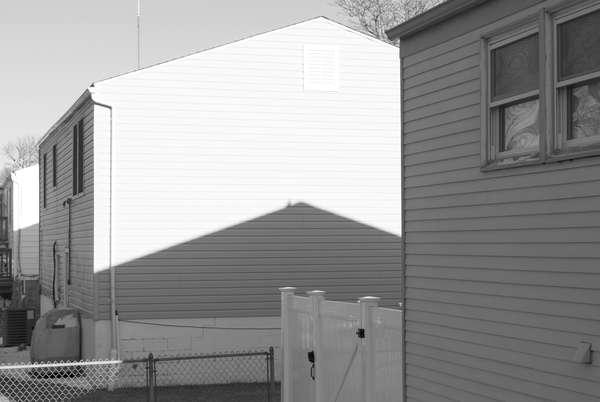
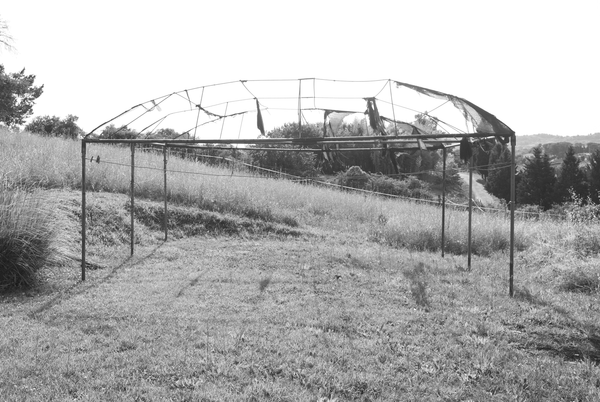
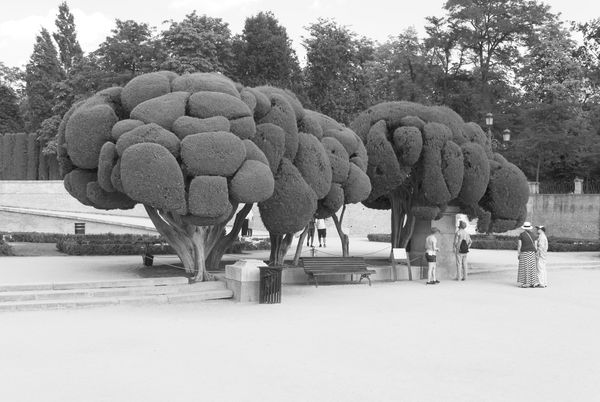
Housing reflects the idealization of homeownership, revealing both economic and psychological consequences. It pictures the oddities and contradictions of nature, cities, and the self, revealing the tensions between public and private spaces.
Affordable housing is a goal for many, but for an increasing number of people, it’s becoming more difficult to achieve, and in many cases, nearly impossible.
Housing addresses this crisis by focusing on property ownership in today’s society, reflecting on the roles of both private and public living spaces within the city and its surrounding areas.
As the Italian architect and theorist Pier Vittorio Aureli states in his 2013 essay Less is Enough, "private property and its accumulation became not simply a means of power, but a sort of transcendental instigation for people to become more focused, and thus dependent, on their economic condition."
Ownership and its implications have always shaped not only our material reality, but also our mental and emotional focus, delivering profound effects on our economic and psychological boundaries.
Housing does not attempt to directly respond to these issues, but rather serves as a display for the idealized perceptions of homeownership, private property and their failures, while observing designed environments, picturing their oddities and contradictions within nature and the self.