Hibakujumoku
-
Dates2025 - Ongoing
-
Author
- Location Nagasaki, Japan
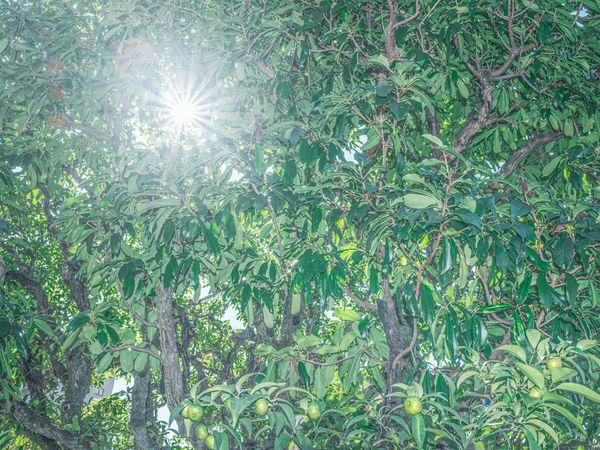
Hibakujumoku examines trees that survived the atomic bombs in Hiroshima and Nagasaki as living memorials. Staged with flash photography, the project explores traces of trauma, memory and the nuclear present between destruction and resilience.
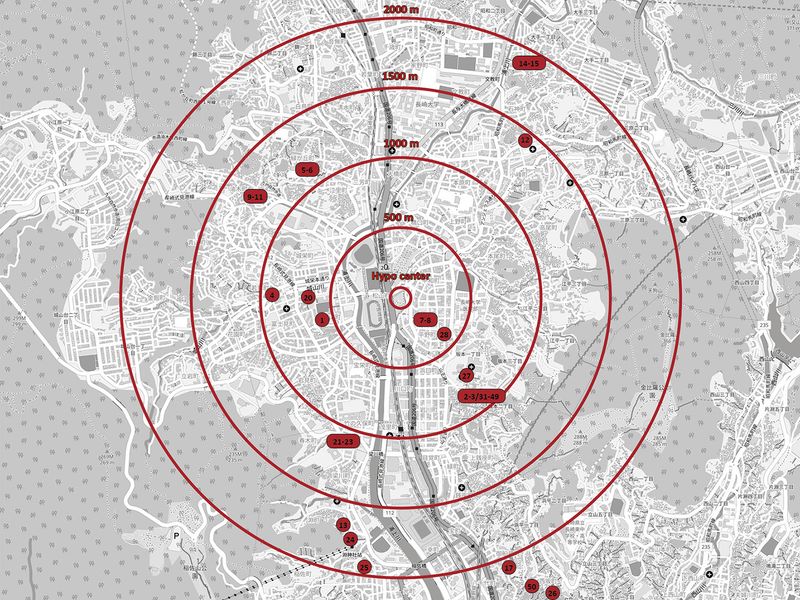
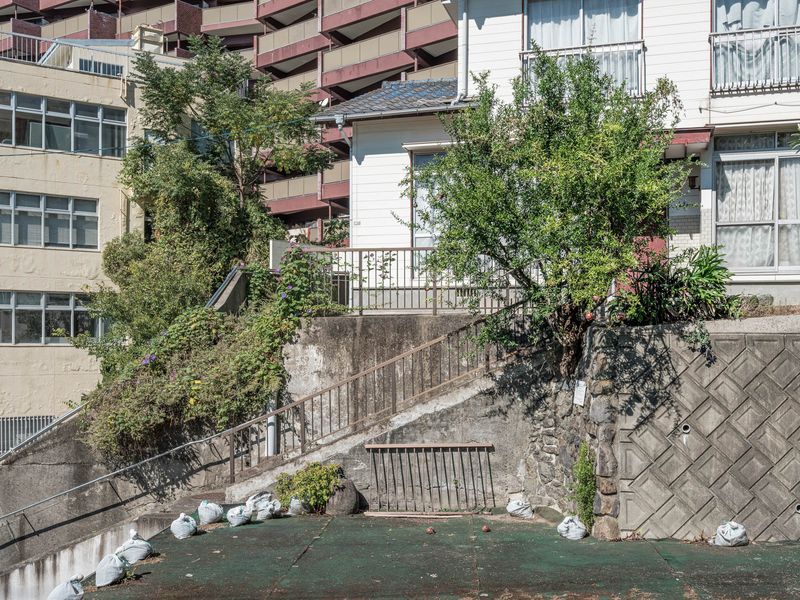
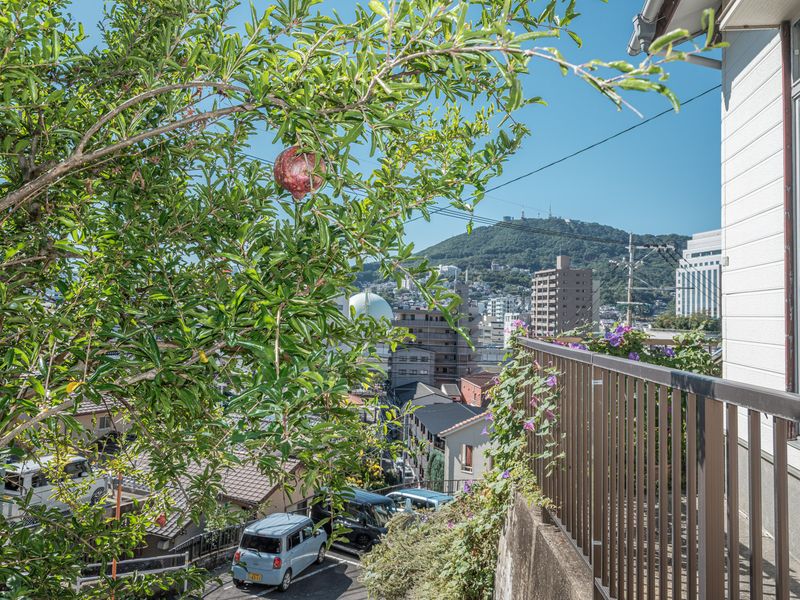
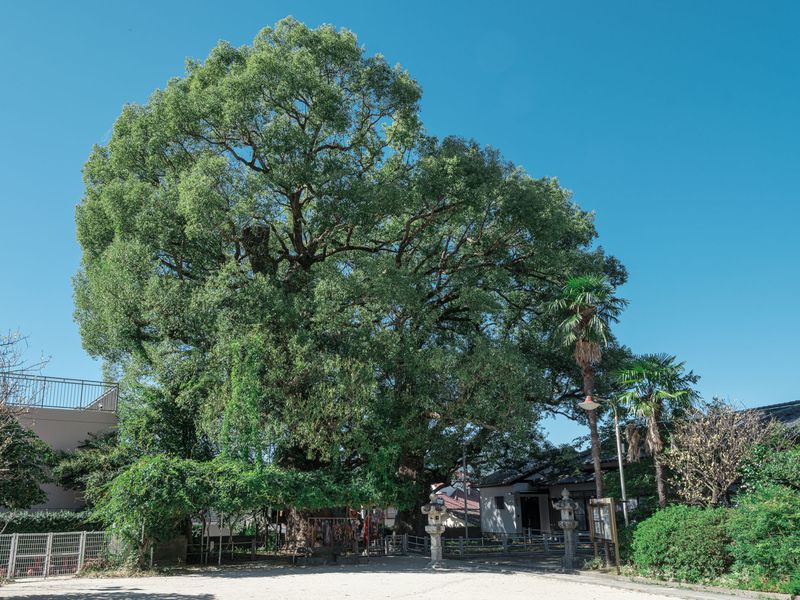
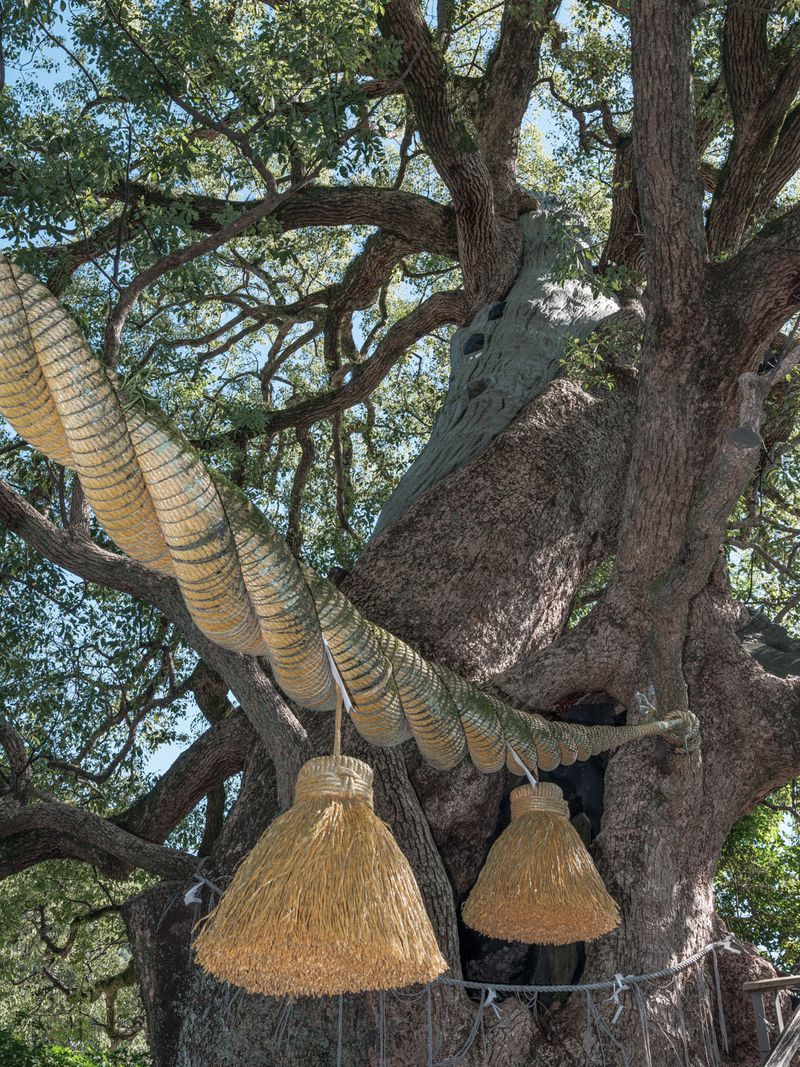
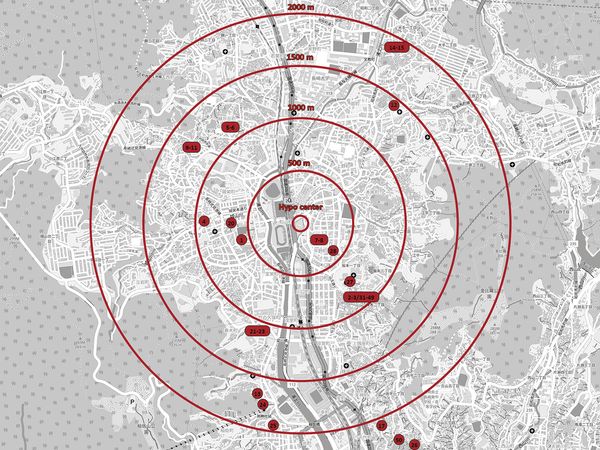
Hibakujumoku refers to trees in Hiroshima and Nagasaki that survived the atomic bombings in August 1945. Despite extreme heat, the shock wave and radioactive contamination, they remained standing and some of them continue to grow to this day. These trees are silent witnesses to a historic turning point that is deeply engraved in the collective memory of humanity. My photographic project has so far focused on the hibakujumoku in Nagasaki and will be expanded in a next step to Hiroshima and other places of the nuclear age. In addition to the surviving trees, I see this expansion as a visual search for traces: for inscriptions of history in the landscape, city and nature, as well as the people who still inhabit these places today – for traces of the invisible, such as radiation, trauma and memory.
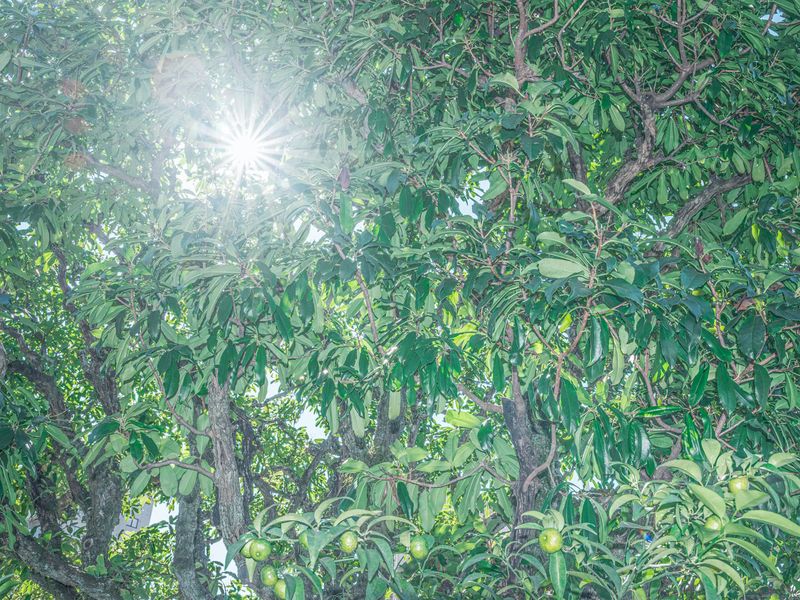
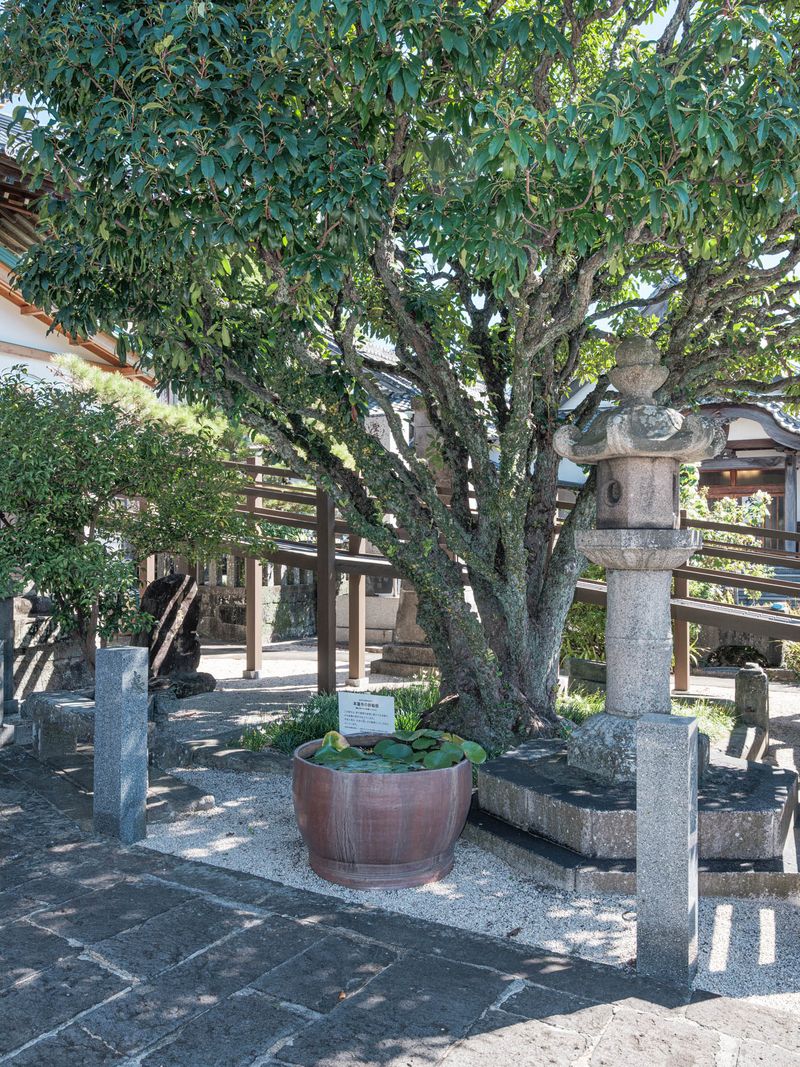
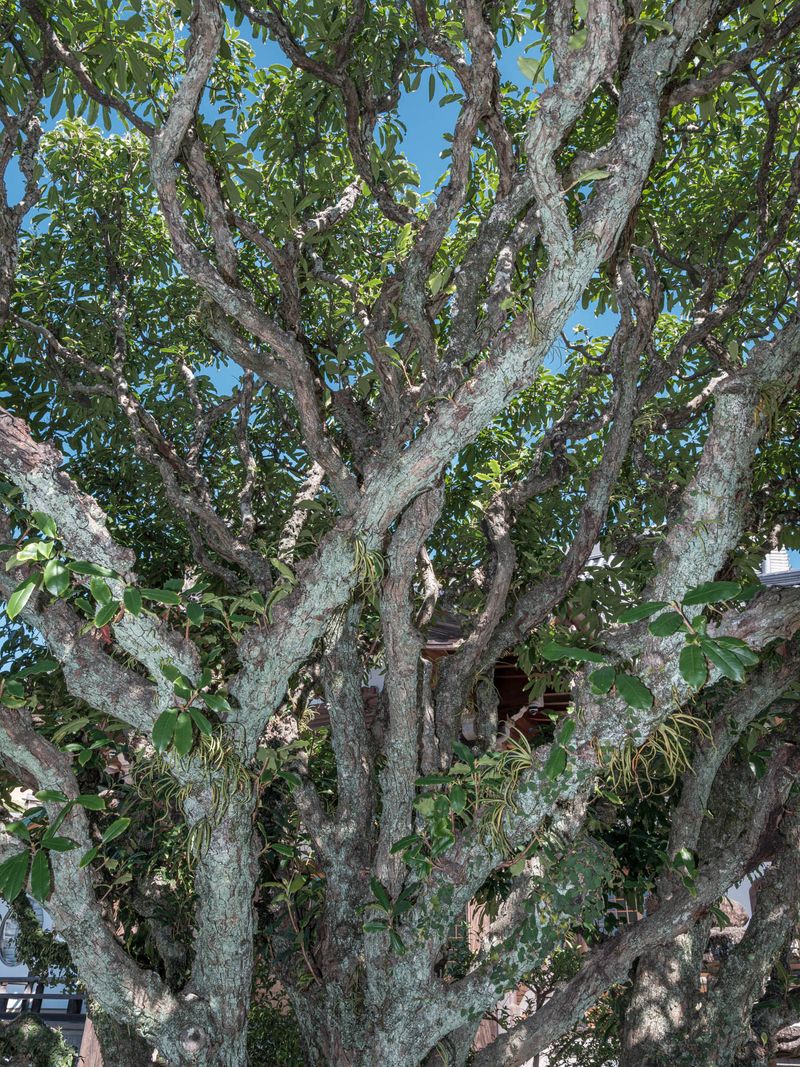
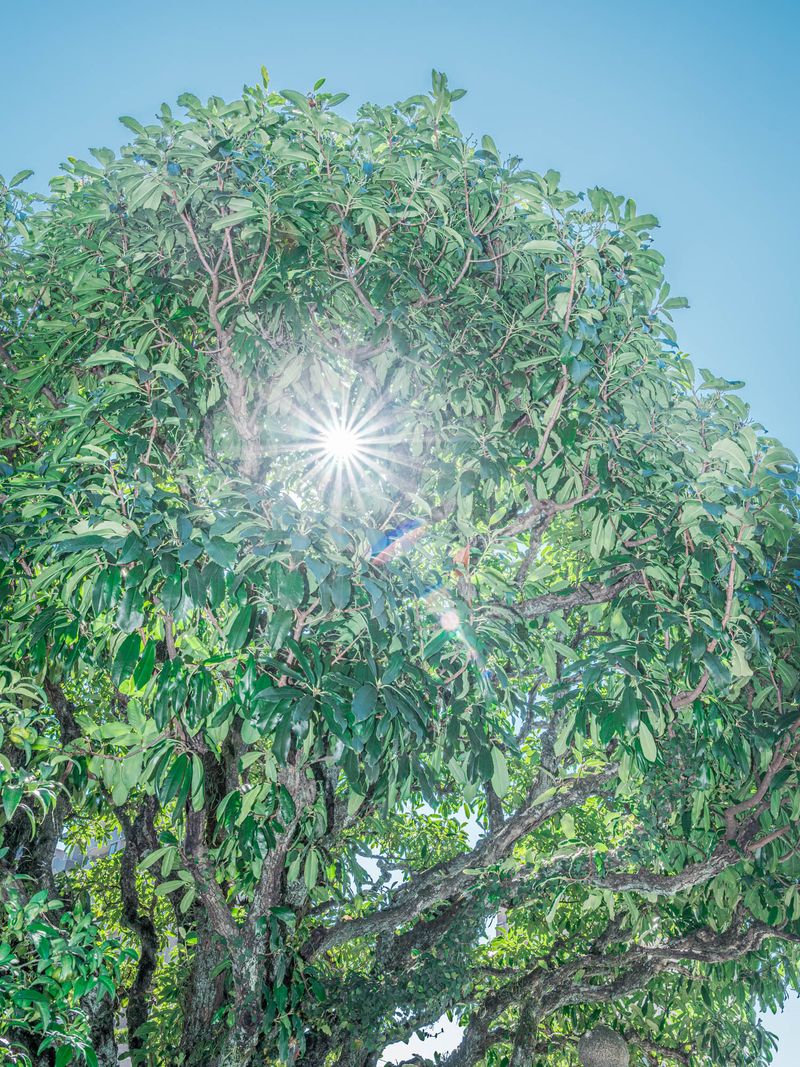
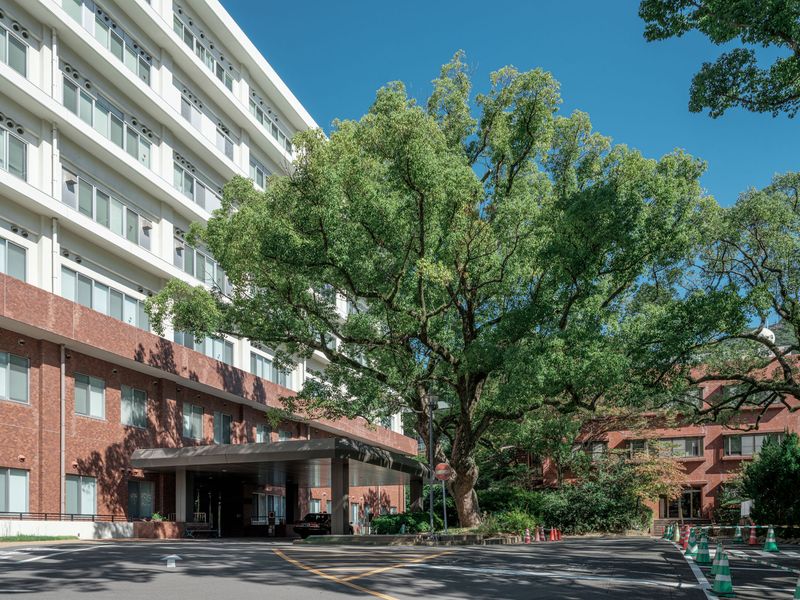
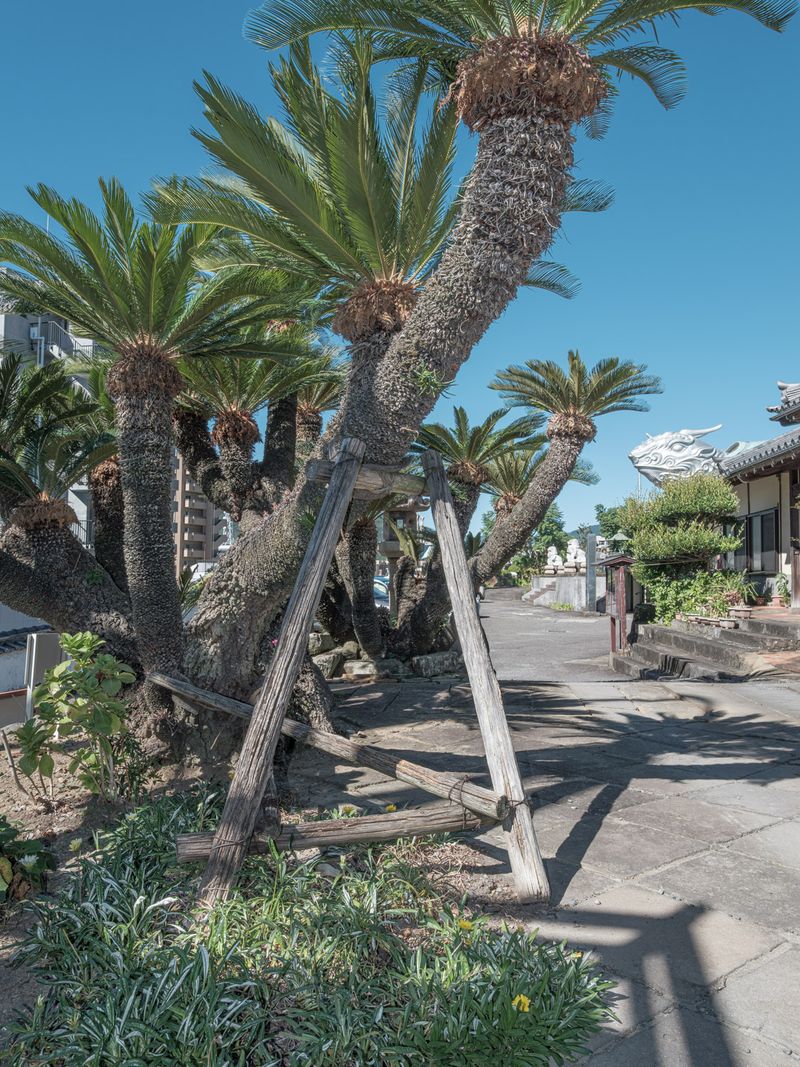
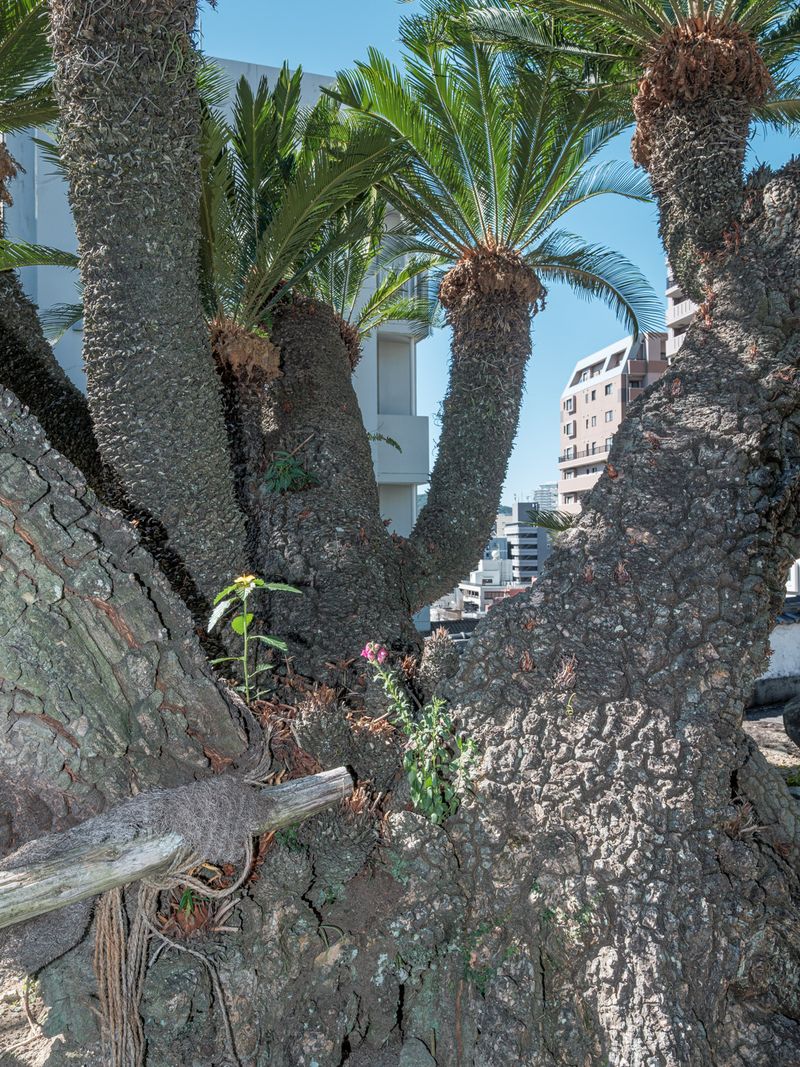
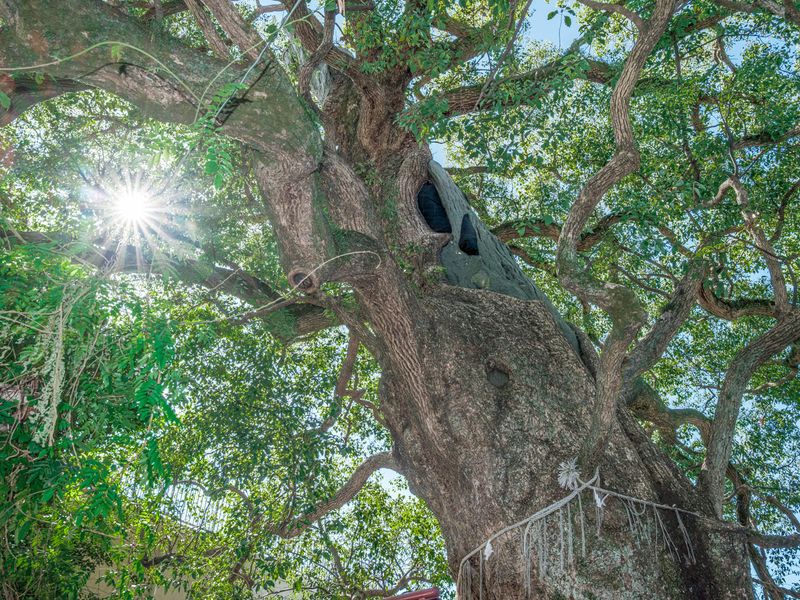
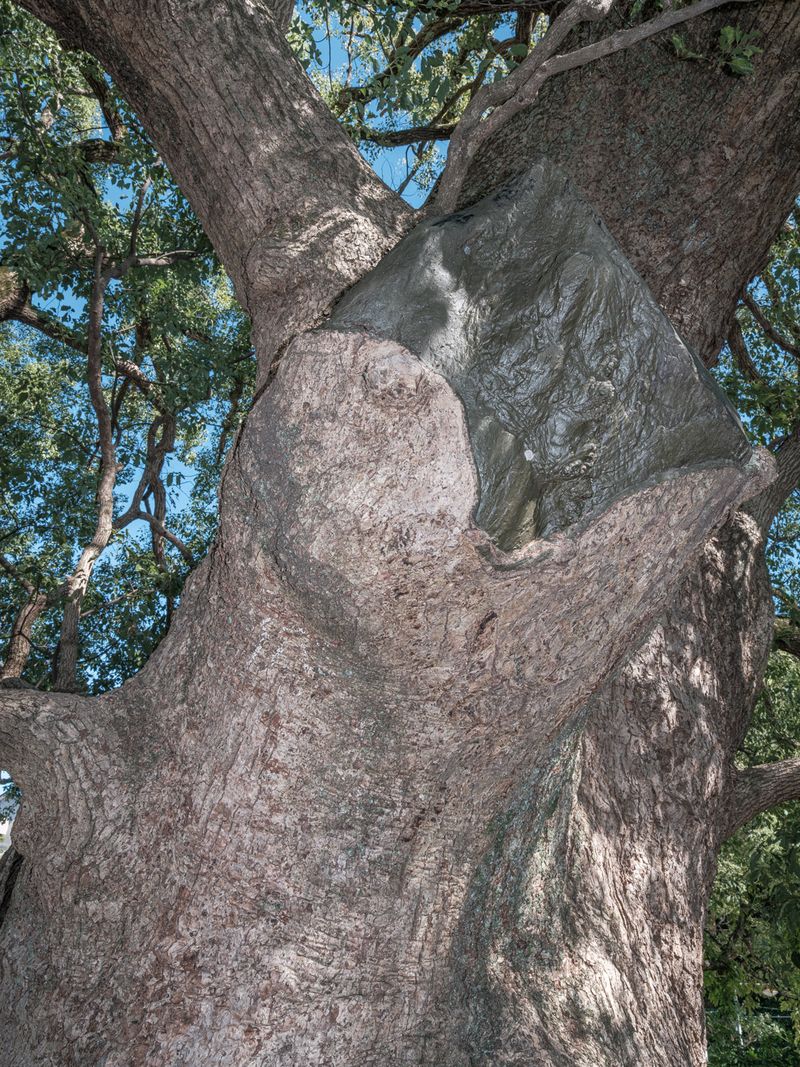
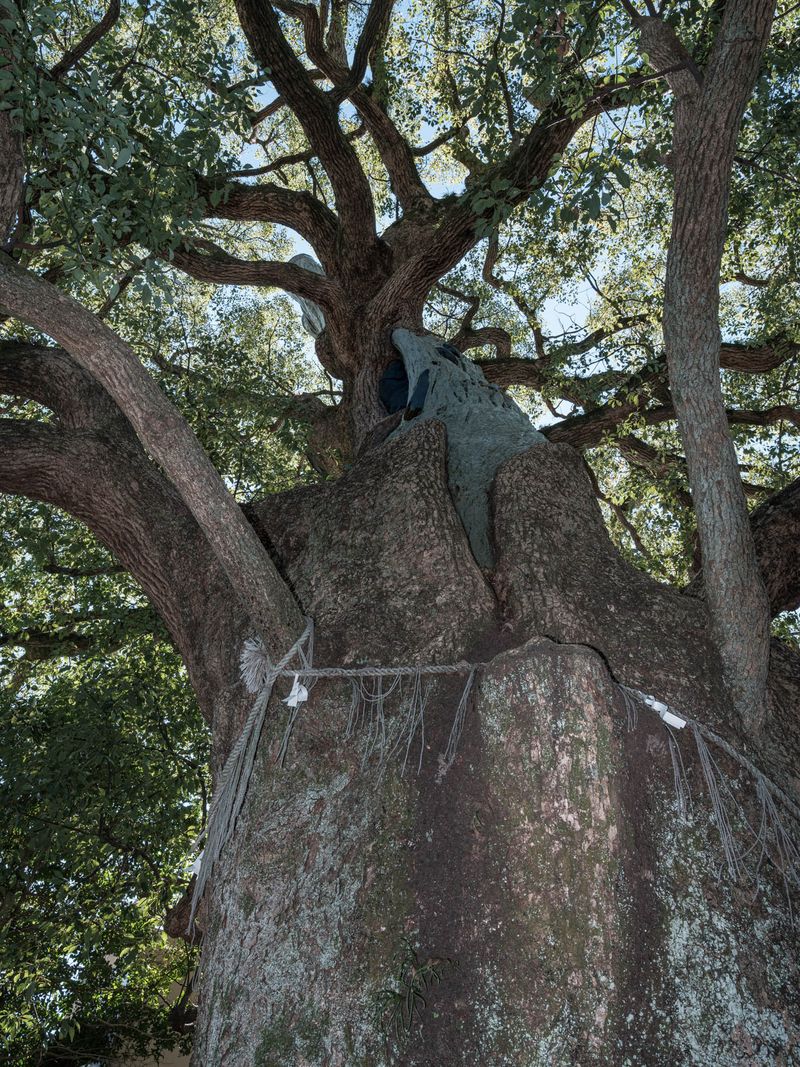
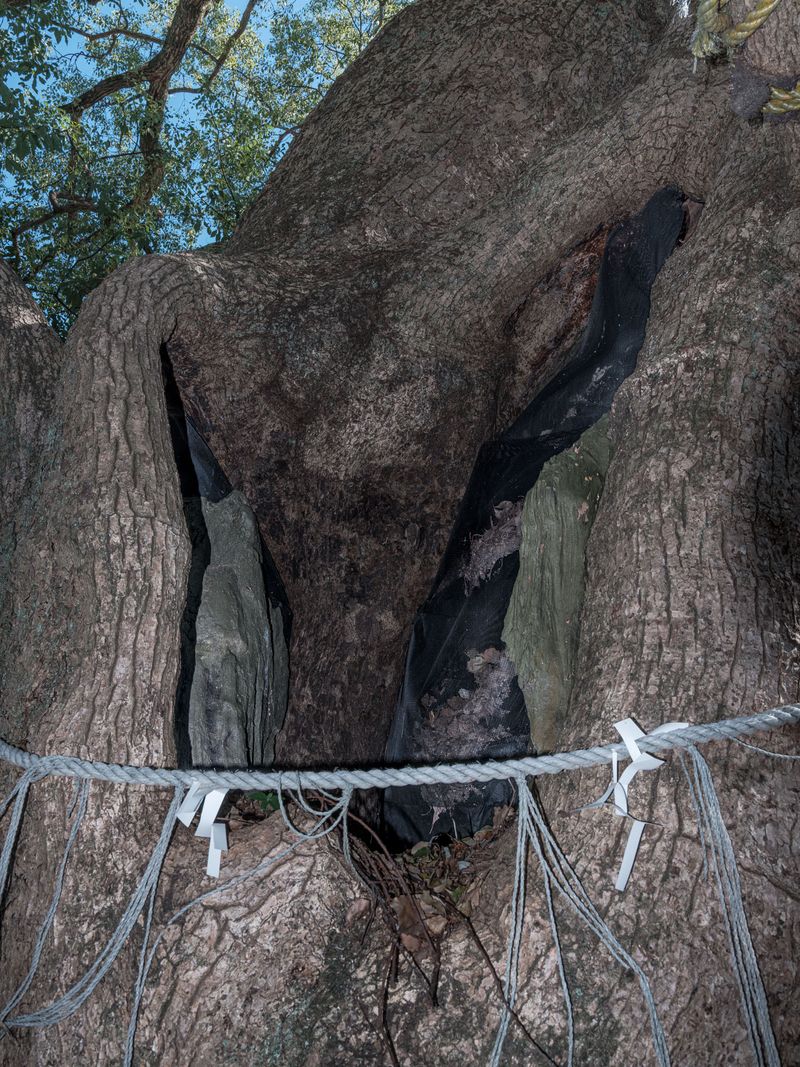
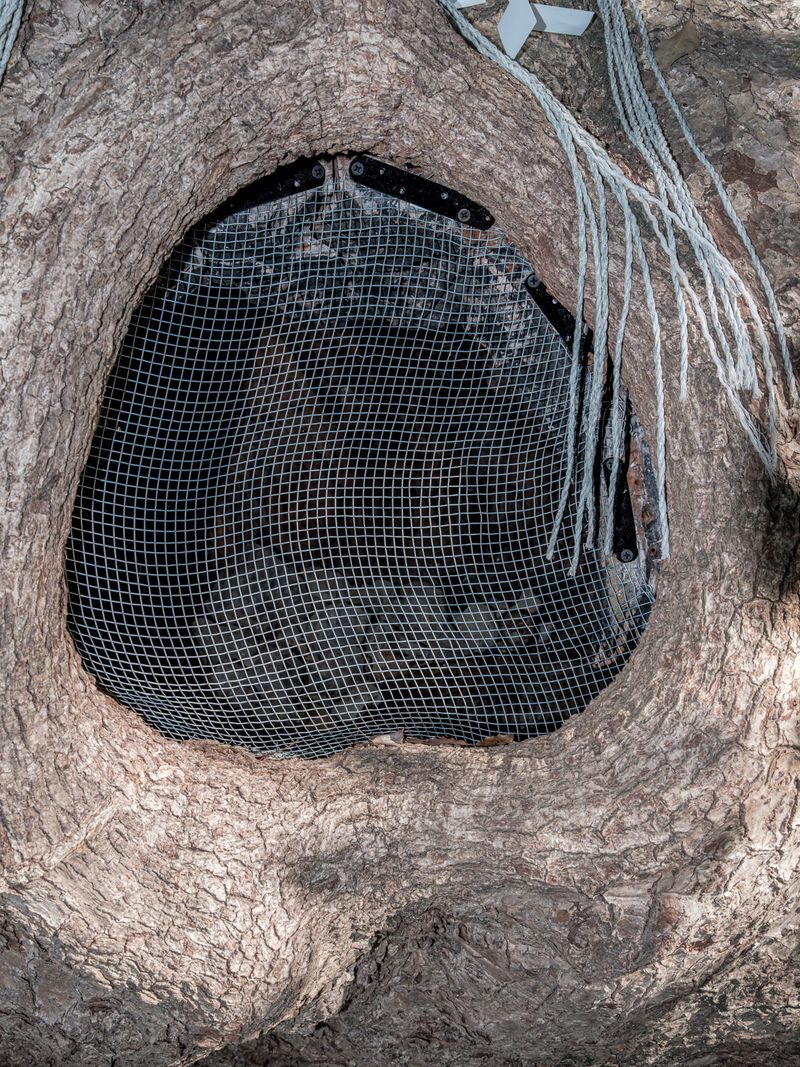
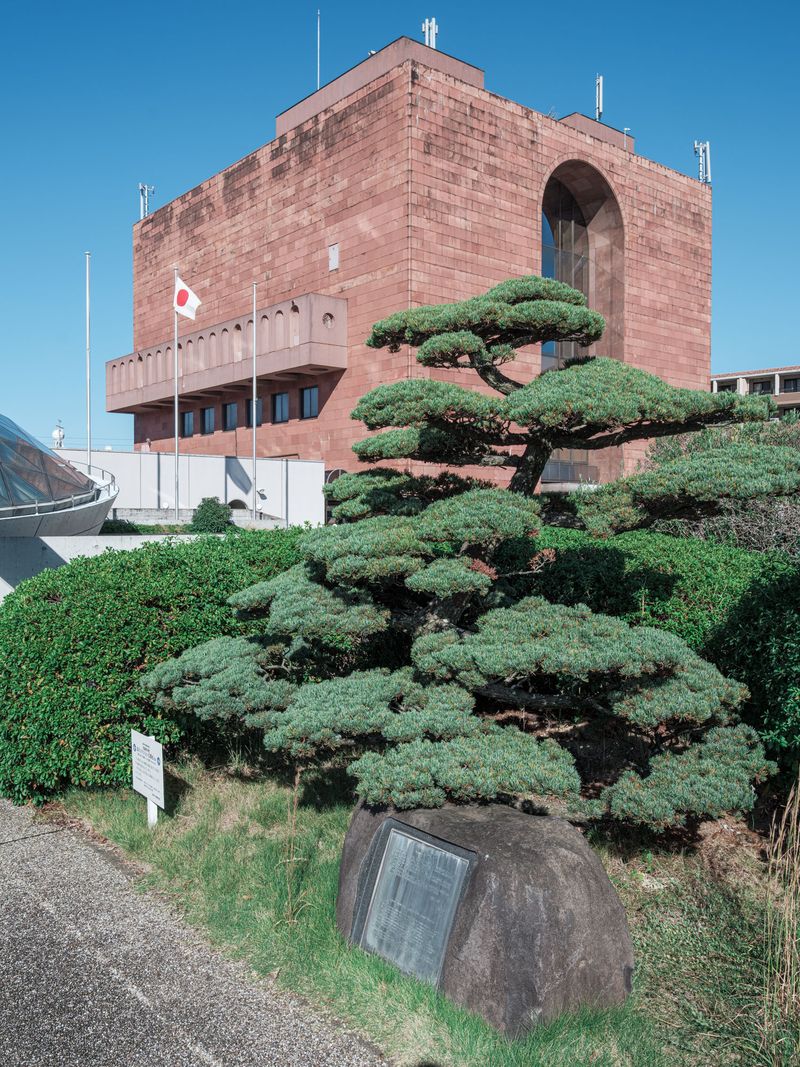
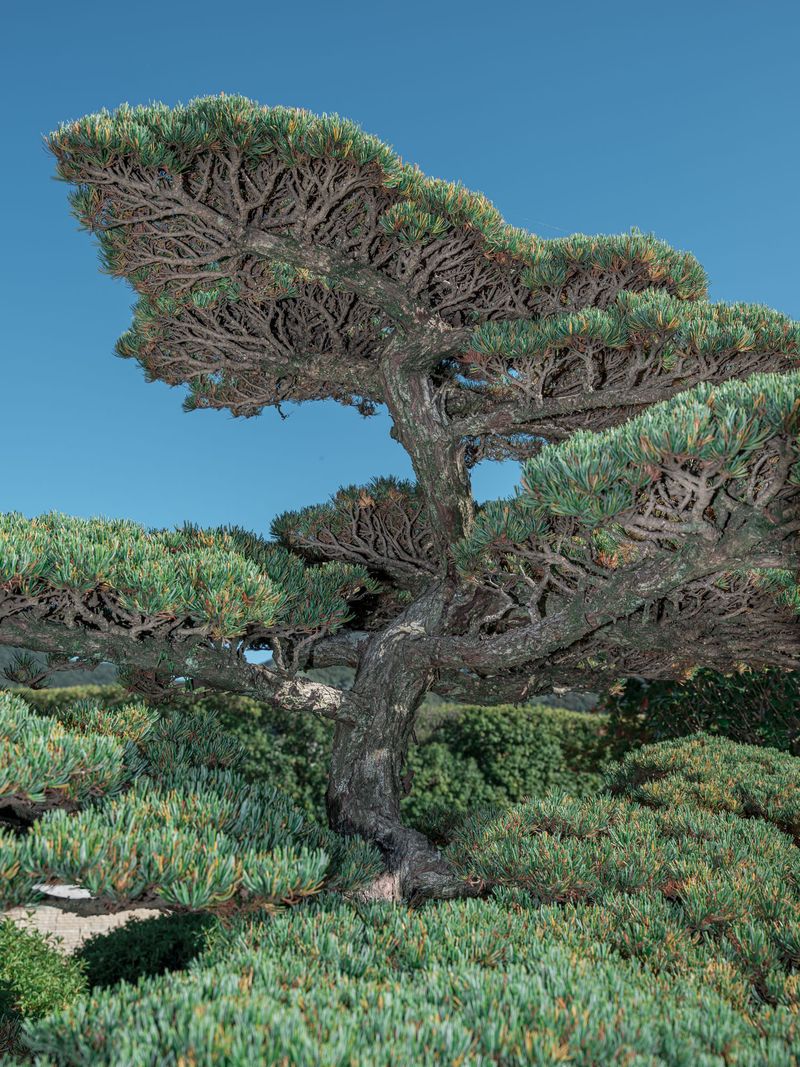
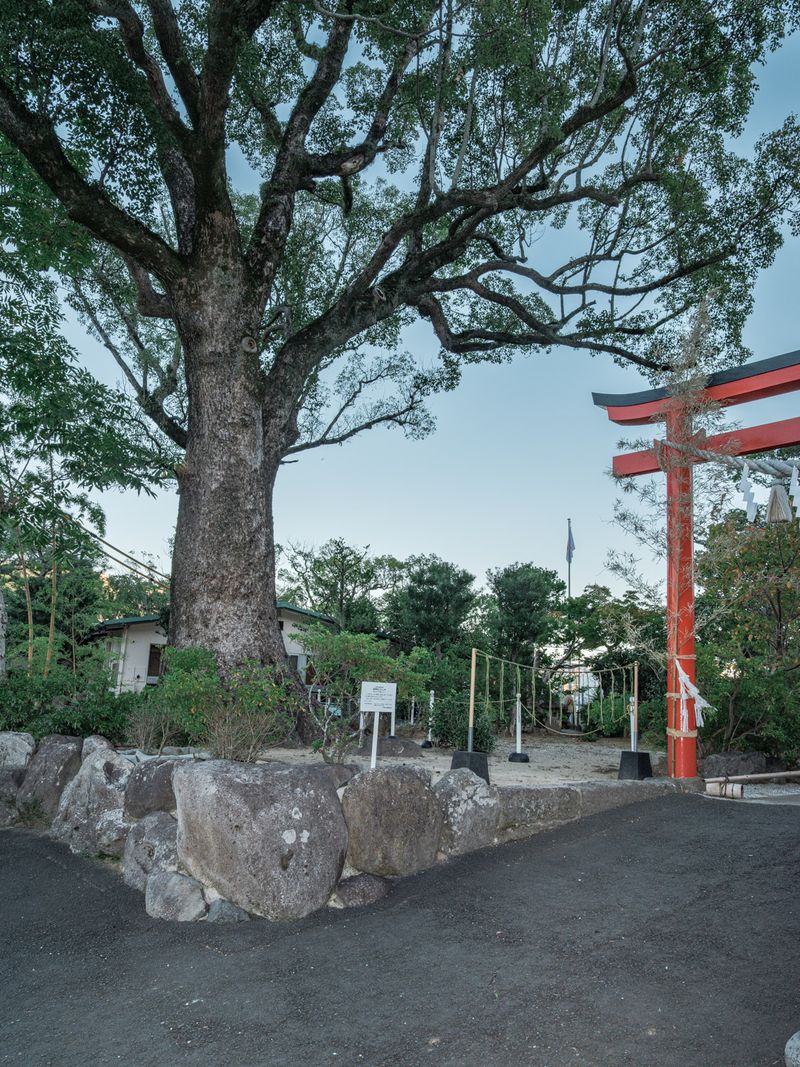
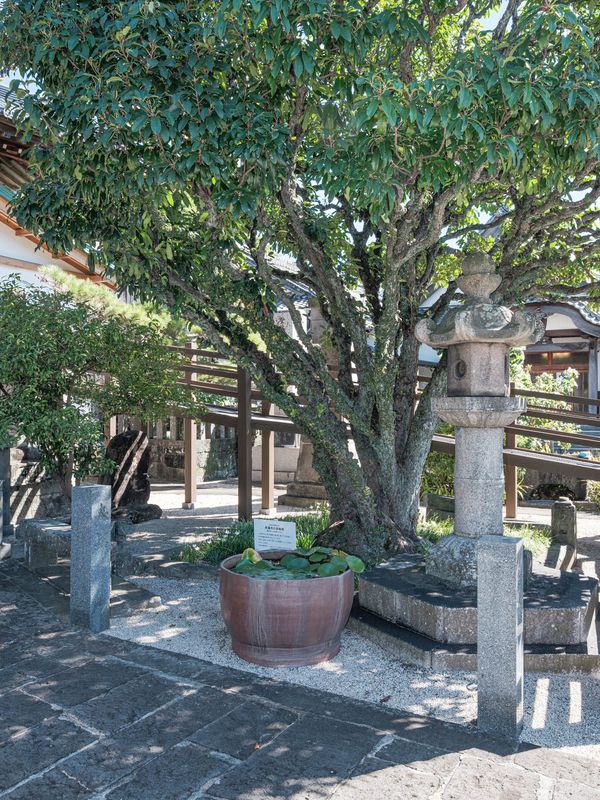
The work approaches the trees both as botanical objects and as carriers of memory, injury and resilience. Many of the trees still bear visible traces of the explosion: asymmetrical growth patterns, scars and inclinations that point to the hypocentre. At the same time, they are alive – they sprout, cast shadows and stand in the middle of a modern city. This simultaneity of destruction and continuity is a central tension of the project.
The debate surrounding the atomic bombings is inextricably linked to human suffering, loss and collective trauma. The hibakujumoku trees offer a different, often overlooked perspective: they do not represent immediate death, but survival under the most extreme conditions. As silent witnesses, they serve as a projection surface for memory and confront us with the violence that befell them, without moralising.
Photographically, I deliberately work with flash, backlighting situations and the representation of the sun as a direct light source. These formal means create a visual exaggeration and irritation and refer to the destructive intensity of the explosion without directly depicting it. The flash isolates the trees from their surroundings, emphasises textures, scars and fractures and creates a tension between natural growth and artificial lighting.
The presentation is designed for both the exhibition space and a later book format. Different image formats work together: a large-format opening image provides immediate access, while other works are presented on washi paper made by myself. The washi refers to Japanese craft traditions as well as aspects of time, resilience and cultural continuity.
The fact that the hibakujumoku still exist today is not only an expression of their natural resilience, but also the result of continuous human care. In Hiroshima and Nagasaki, they are firmly embedded in public spaces: they stand on school routes, in parks and residential areas, and their history is already being taught to children. While they are hardly known outside Japan, they are living memorials locally.
The resilience of hibakujumoku is ambivalent: it stands for hope and renewal, but at the same time for the permanence of injuries. Against the backdrop of a renewed tense geopolitical situation, the project takes on additional urgency. Hibakujumoku makes visible how long the consequences of nuclear violence continue to have an impact – and how present the nuclear age remains.