Heartburn
-
Dates2022 - Ongoing
-
Author
- Topics Daily Life, Documentary
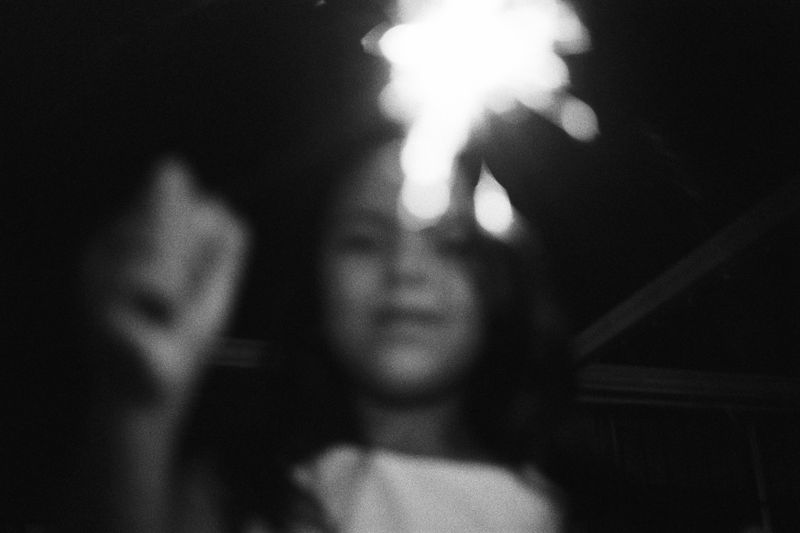
Heartburn is about memory as the only place that can hold onto what disappears when there is no one left to remember with.
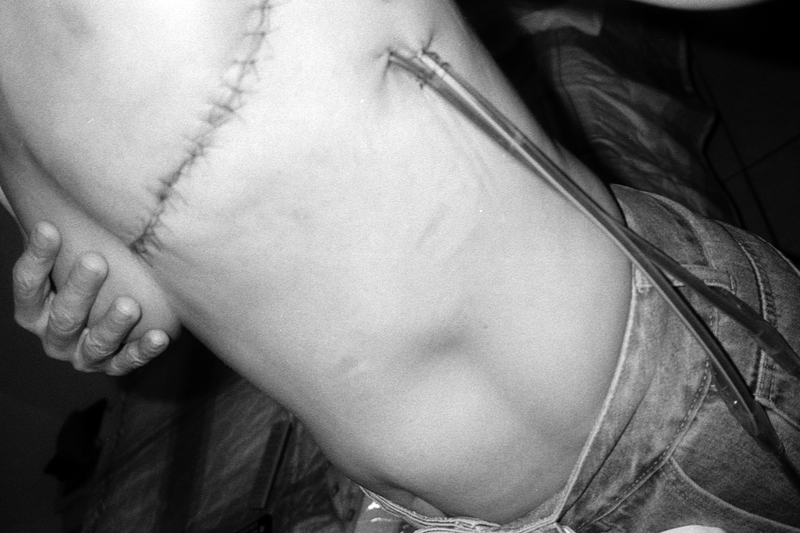
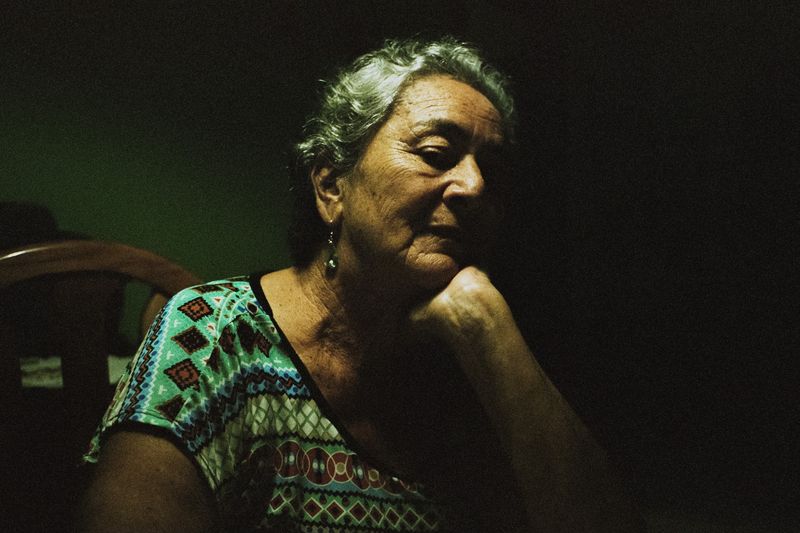
The project emerged after the death of my mother, an event that fractured my sense of time, safety, and reality. In the aftermath, photography became the only language I could access. Not as expression, but as a form of quiet survival — a way of registering life without having to confront it directly. The camera allowed me to remain close to the world while keeping an emotional distance from what I could not yet name.
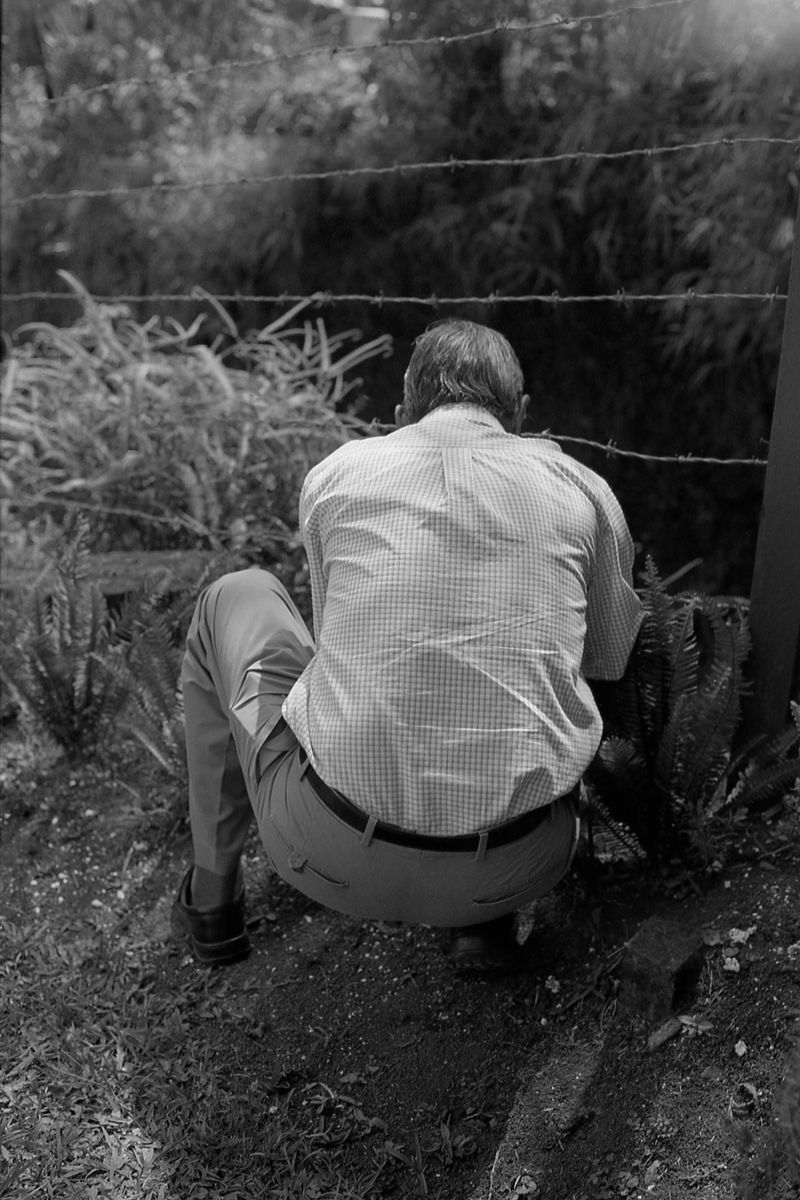
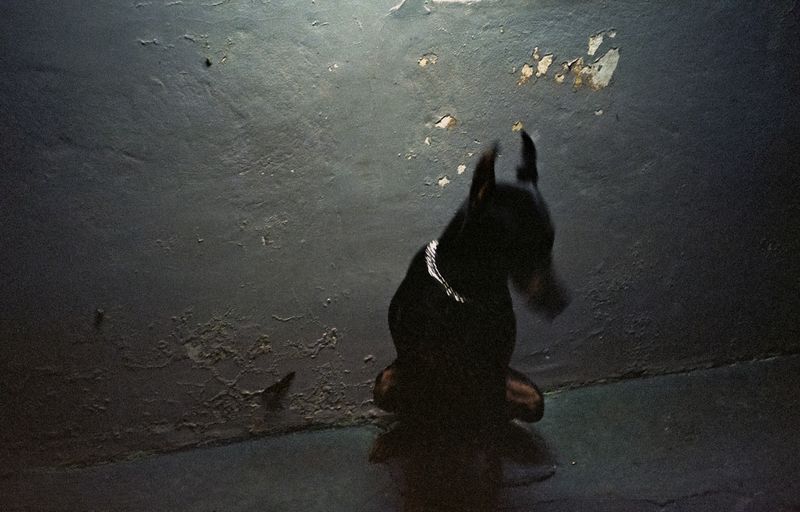
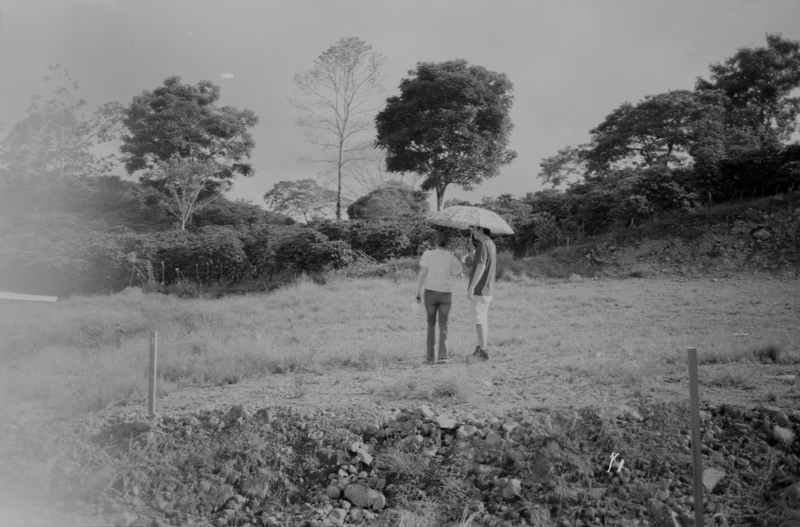
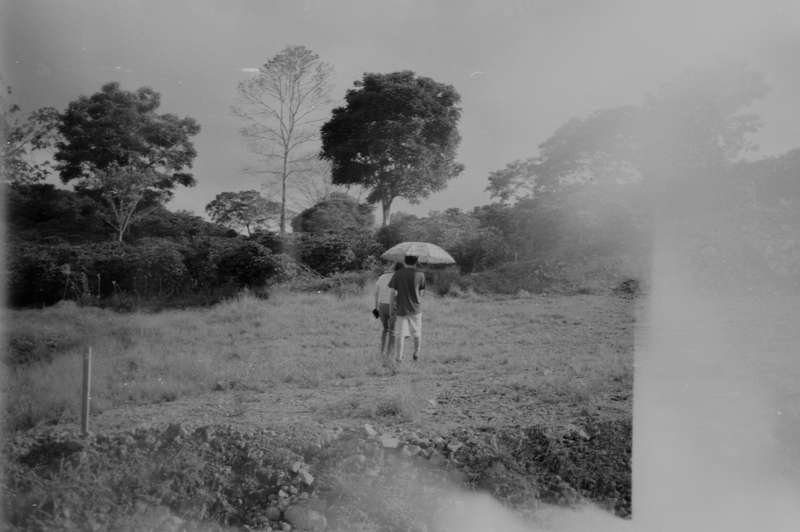
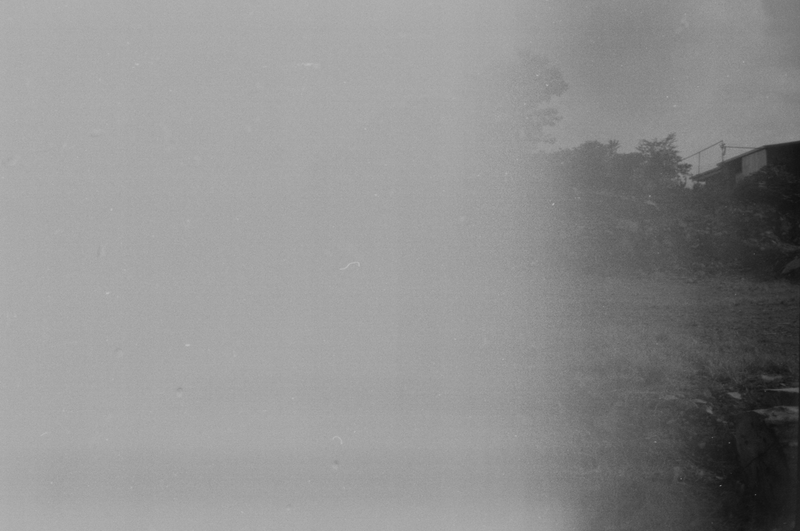
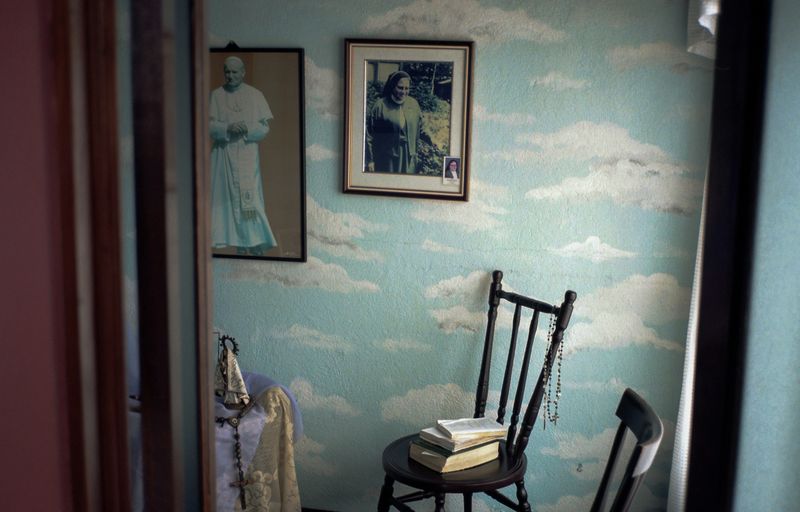
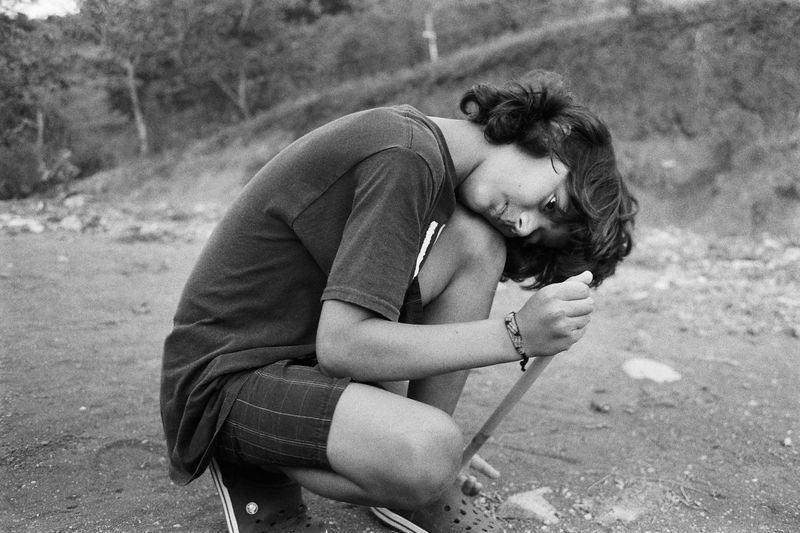
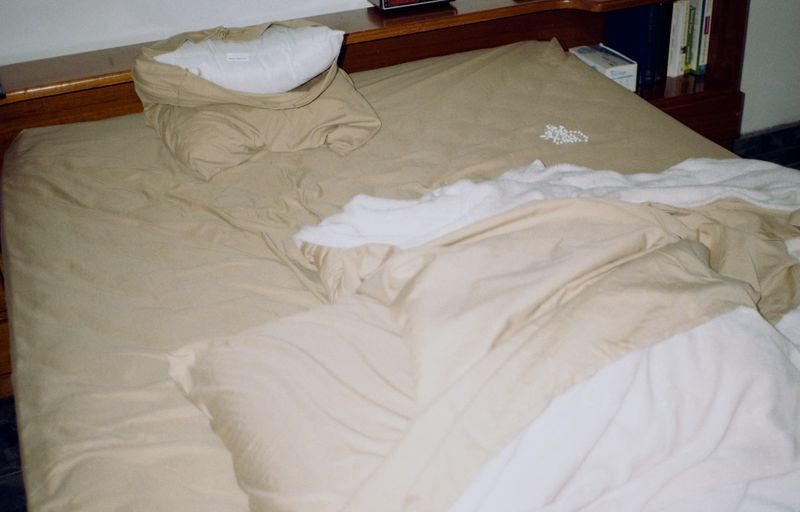
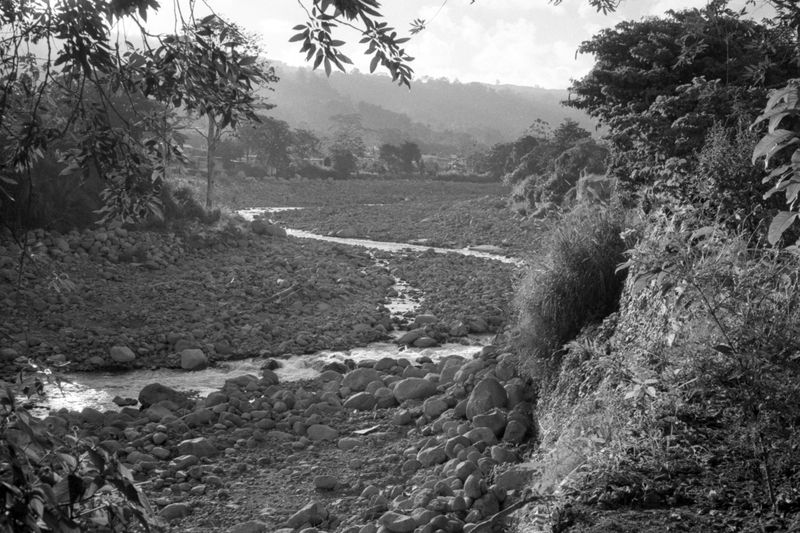
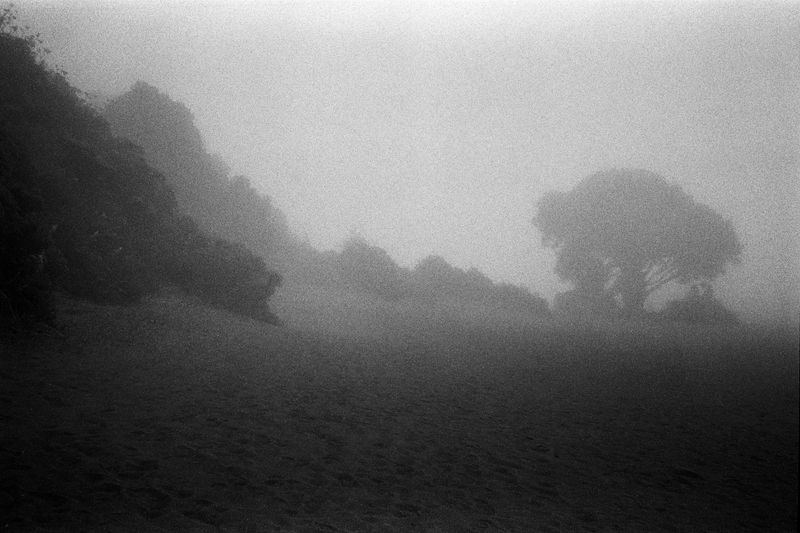
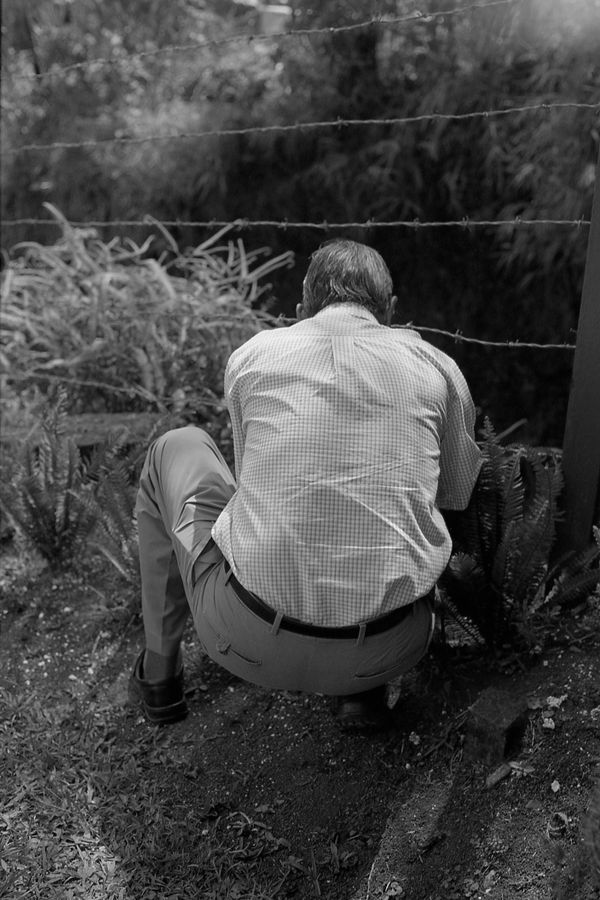
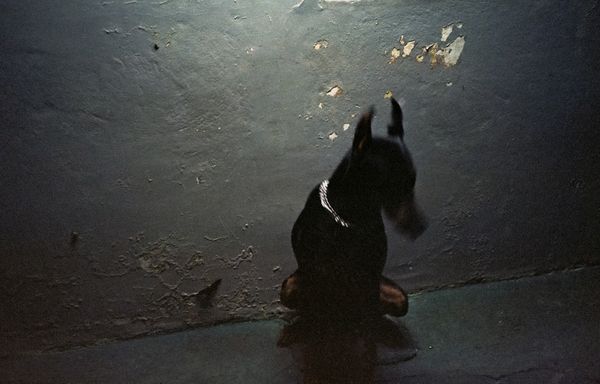
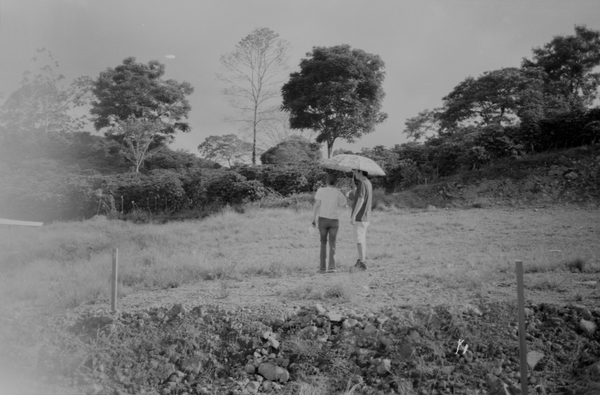
At its core, Heartburn is driven by a fear of forgetting. The images linger on what remains: ordinary spaces, fleeting gestures, residual light. Photographing becomes a way of staying close to what is already slipping away, without attempting to preserve it intact or assign it meaning. The act of making images is less about holding on than about remaining present, inhabiting the space between presence and disappearance.
This urgency to remember is mirrored by my grandfather’s progressive memory loss, unfolding in real time as I accumulate images. While I record obsessively, his memories disappear. Between accumulation and erasure, Heartburn situates memory as a fragile, vulnerable territory.
The project does not seek closure. It does not attempt to repair loss. It exists in the continuity of grief. In the slow, uneven life that follows an irreversible rupture. Heartburn is not about death, but about what it means to remain when the person who anchored your sense of safety is gone.