Halabja 1988-2013

On the 16th of March 1988, an Iraqi military strike hit the Kurdish town of Halabja with the greatest attack of chemical weapons ever used against a civilian population.

On the 16th of March 1988, an Iraqi military strike hit the Kurdish town of Halabja with the greatest attack of chemical weapons ever used against a civilian population. The weapons used were a "cocktail" of mustard gas and the nerve agents sarin, tabun and VX. These chemicals drenched the skin and clothes of the targeted people, affected their respiratory tracts and eyes and contaminated their water and food.

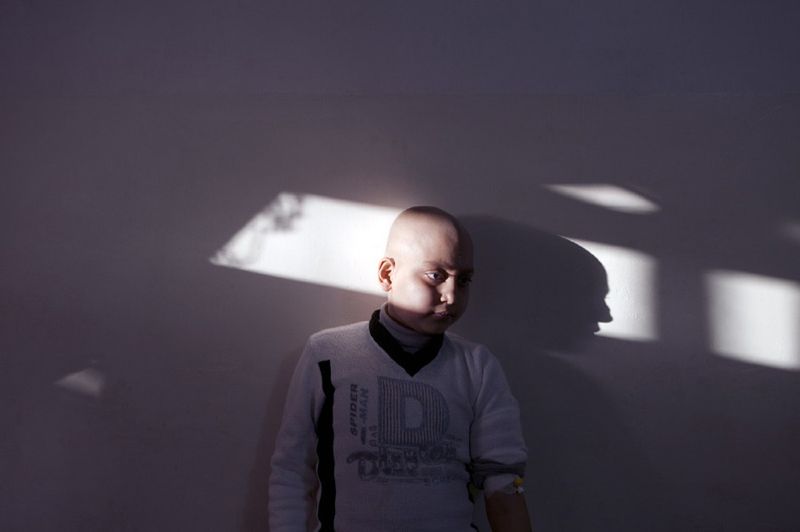
But a generation later, the strike on Halabja is still killing people. An increasing number of children are dying each year of leukemia and lymphomas. The cancers are more frequent in children and teenagers in Halabja than elsewhere in Iraqi Kurdistan, and many people have aggressive tumors.

No chemotherapy or radiotherapy is available in this region. The attack has left thousands people wounded physiologically too. Some statues and monument in Halabja are based on the pictures taken on the day of the attack and often show dying people instead of triumphant men in a context of greatness.

The entire city carries this legacy on its shoulders.
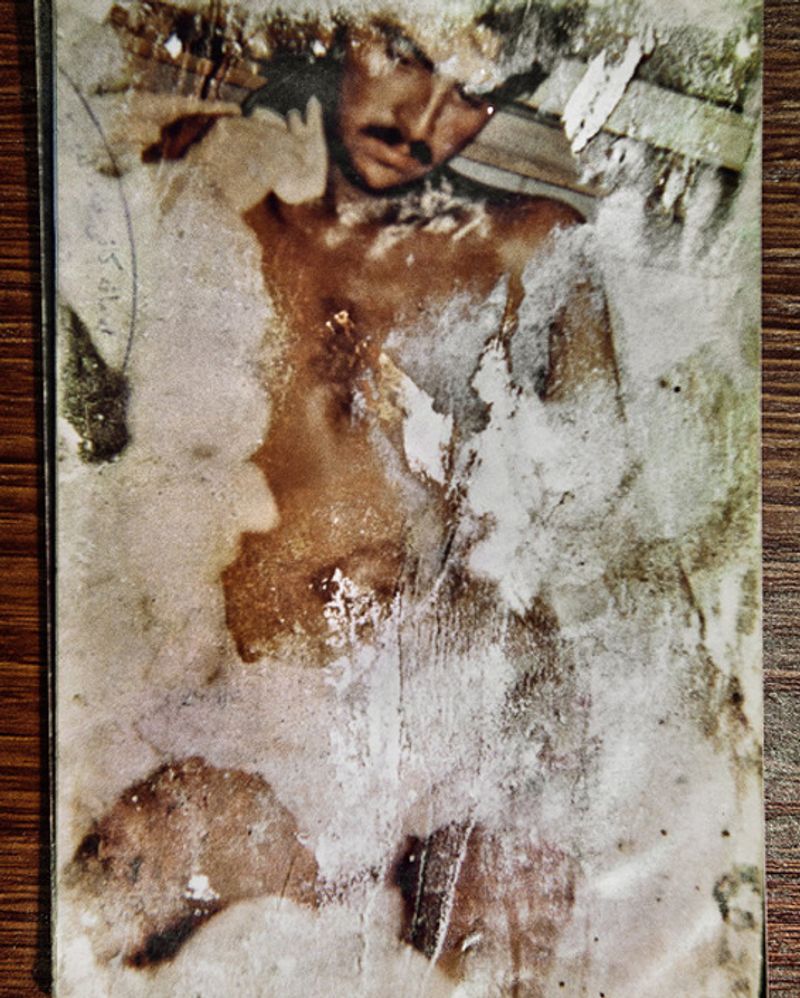
© Antonio Zambardino - A picture of Loqman Abdulkader Mohammad the day of the attack. He lost his entire family and survived. He is now 42.
i

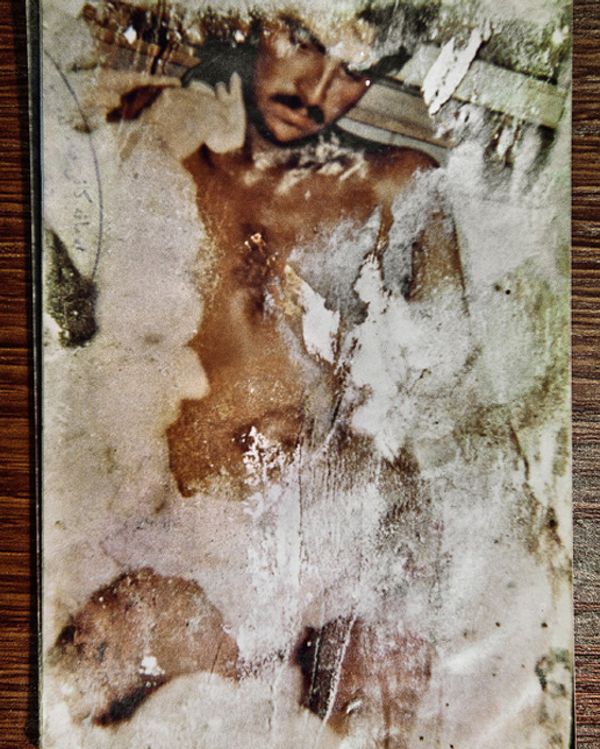
A picture of Loqman Abdulkader Mohammad the day of the attack. He lost his entire family and survived. He is now 42.

© Antonio Zambardino - The Halabja chemical victims society building.
i

The Halabja chemical victims society building.

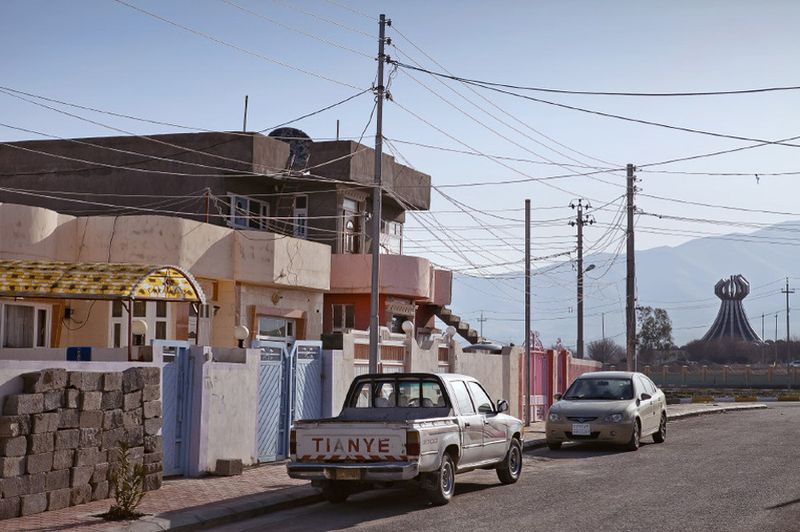
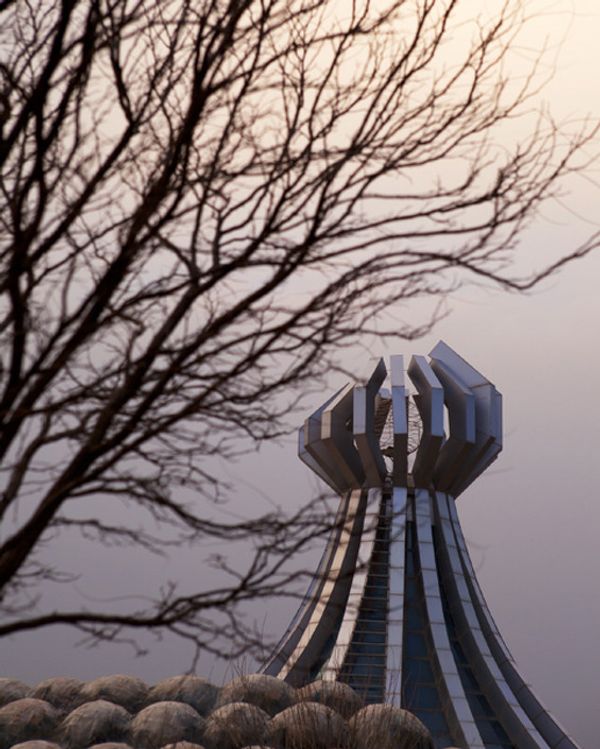
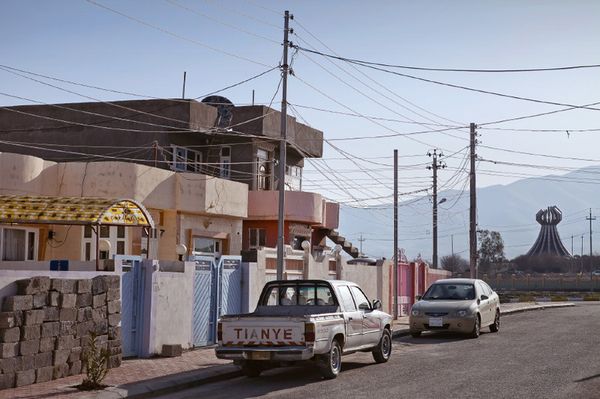
© Antonio Zambardino - halabja02 Neighborhoods around the memorial of the attack on the city
i

halabja02 Neighborhoods around the memorial of the attack on the city

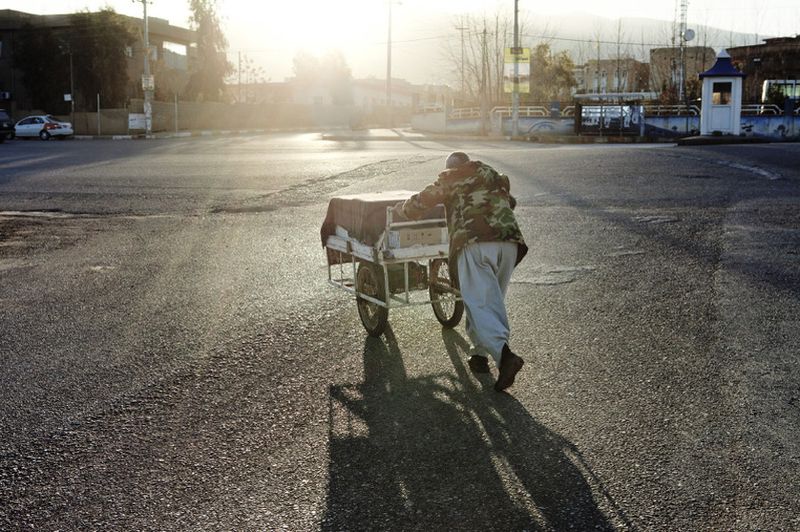
© Antonio Zambardino - Dawn in Halabja. Man with a push-cart shouts to sell kitchen knives in the streets.
i

Dawn in Halabja. Man with a push-cart shouts to sell kitchen knives in the streets.

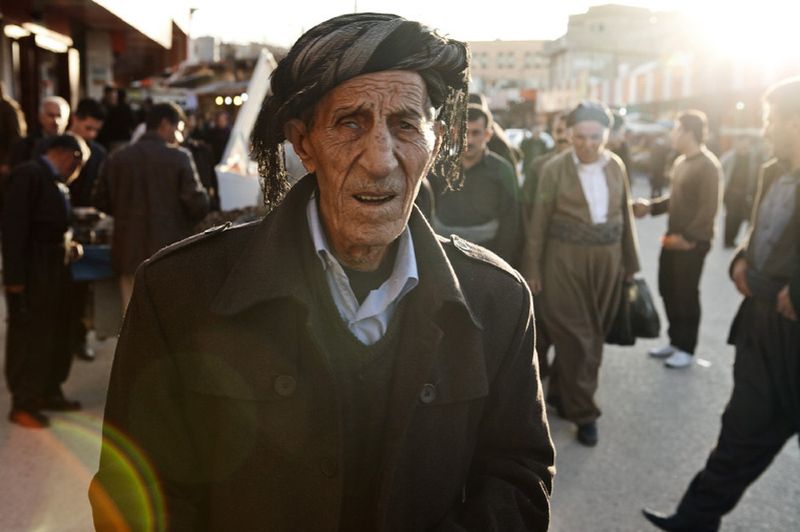
© Antonio Zambardino - halabja20 On Saturday men are walking in the city center of Halabja. Passerby at dusk.
i

halabja20 On Saturday men are walking in the city center of Halabja. Passerby at dusk.

© Antonio Zambardino - Image from the Halabja 1988-2013 photography project
i

Arish Aziz Ali (boy) was born with a congenital malformation of the right foot. He can walk, however the right leg is shorter than the other. Jian Aziz Ali, 25. She was born the day of the attack. 16 March 1988. She studies Sport Education at the Halabja University and plays volleyball in the Halabja city team.

© Antonio Zambardino - Five Peshmerga pose for a group portrait in the military Headquarter of Halabja.
i

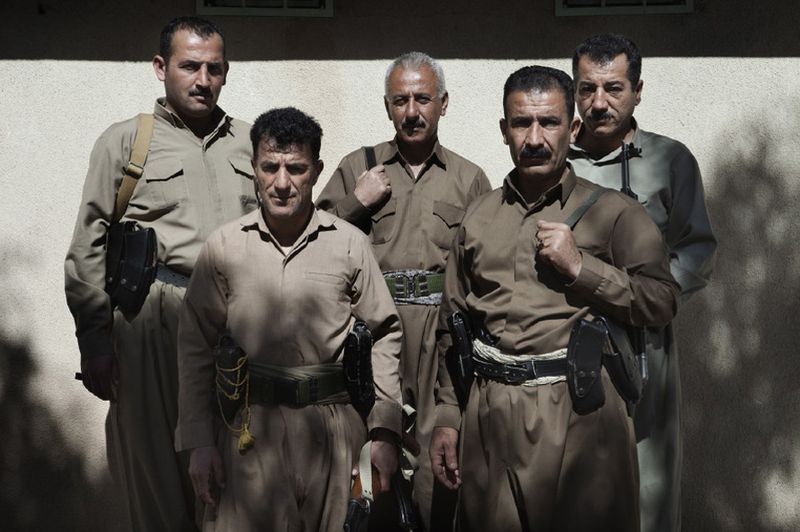
Five Peshmerga pose for a group portrait in the military Headquarter of Halabja.

© Antonio Zambardino - Image from the Halabja 1988-2013 photography project
i

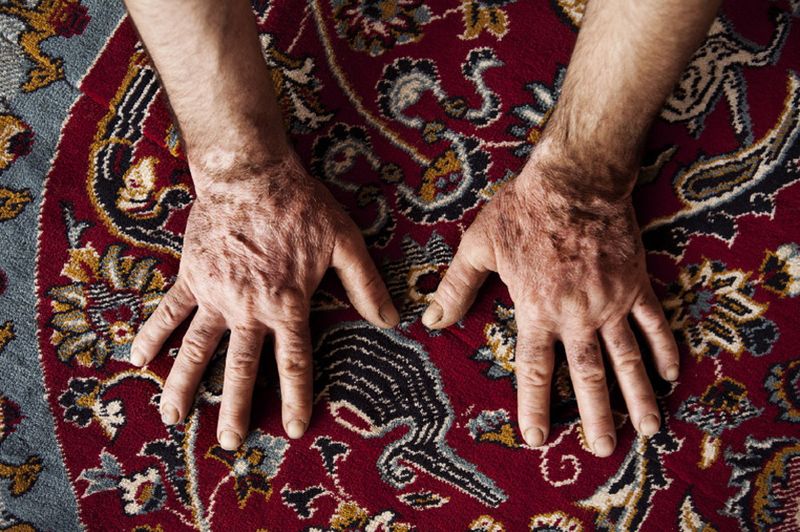
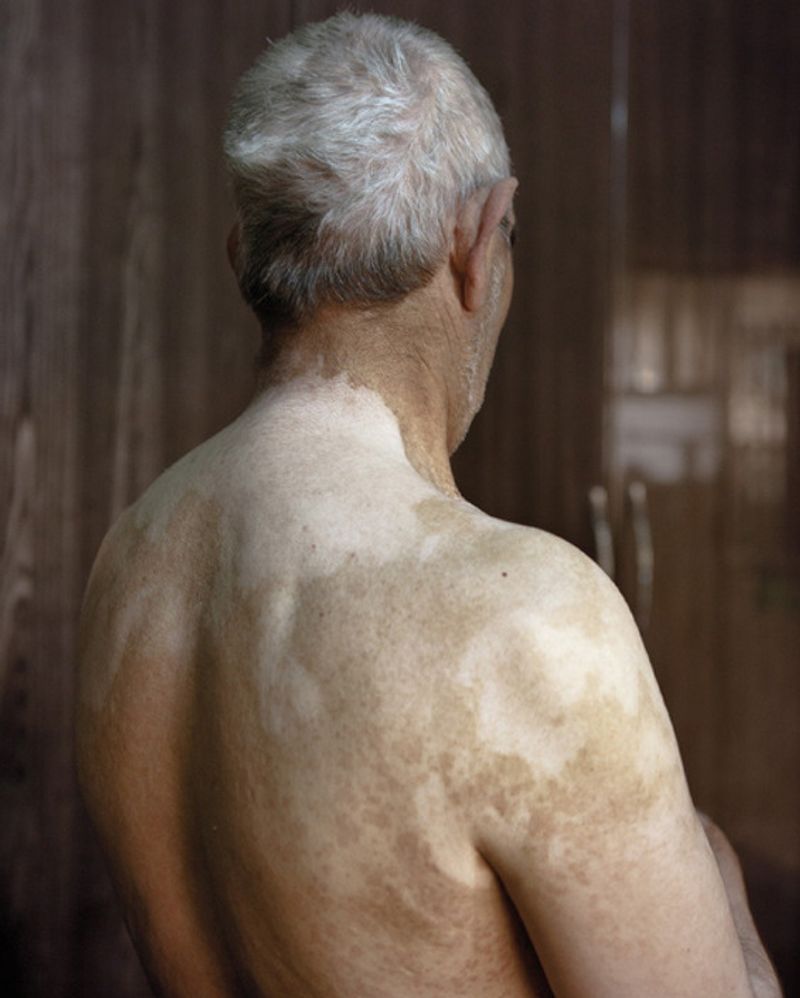
Amhed Baker's hands. He was in Halabja the day of the attack, when the gas cleared out he helped around the city. Most of his body is affected by a skin condition. This is very common among the survivors.

© Antonio Zambardino - Image from the Halabja 1988-2013 photography project
i

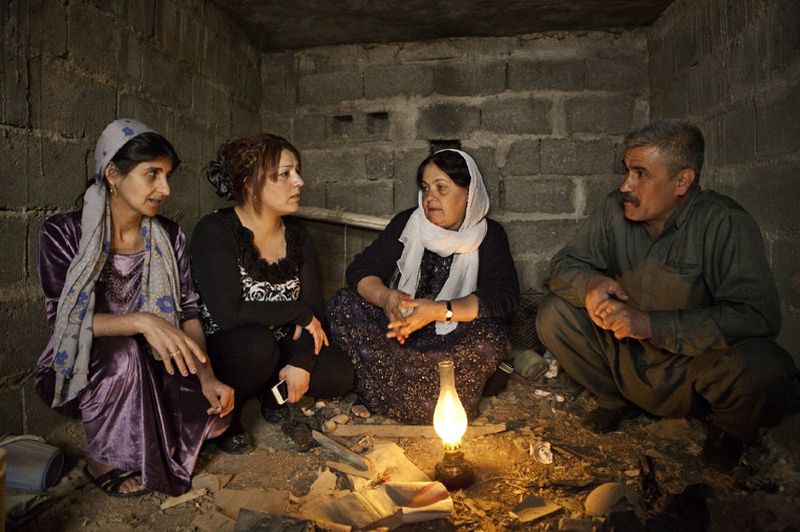
Nermin Hama, Hamin Masoon, Sartak Hama Nazim Sardas Fathallago back to the bomb shelter where they hid in 1988 during the attack.

© Antonio Zambardino - Image from the Halabja 1988-2013 photography project
i

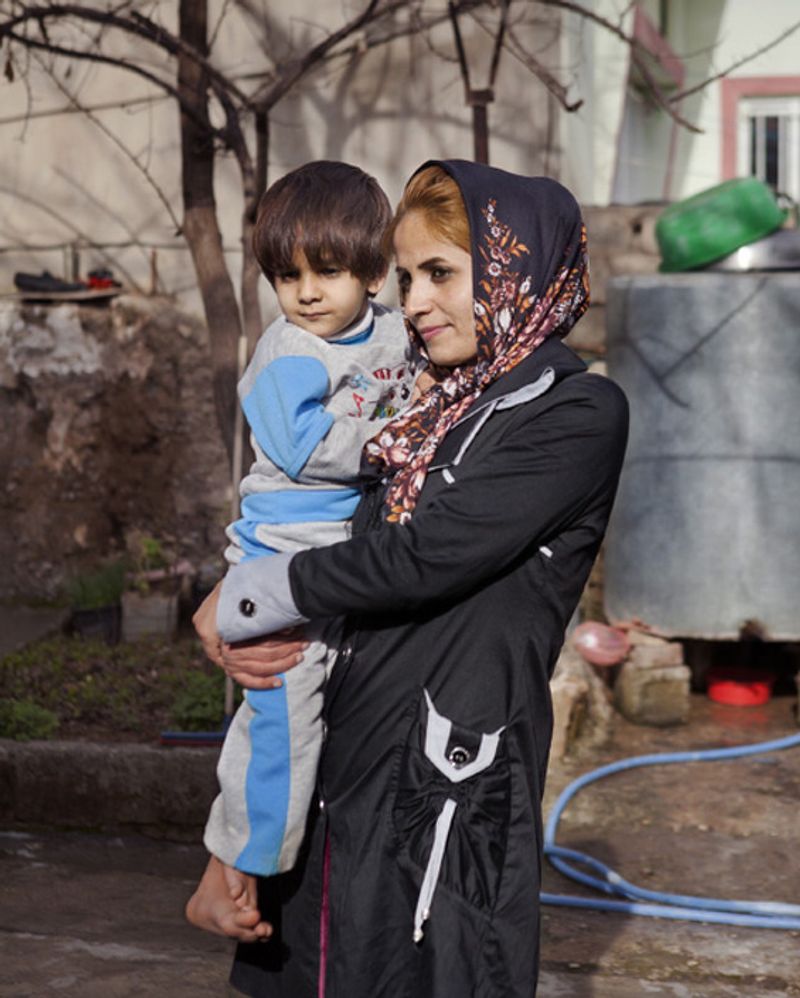
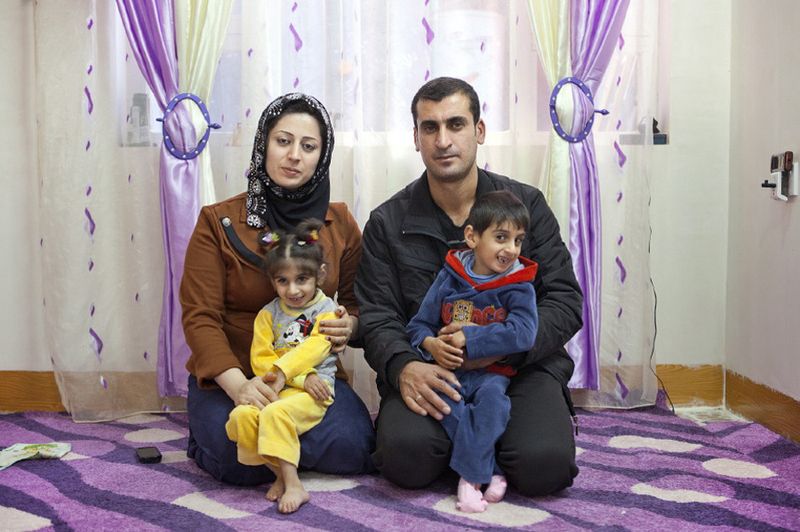
Aram Karim Hama Hussein (boy) and Ana Karim Hama Hussein (girl) age 4. Born Microcephalus are unable to walk and to develop their speaking. The siblings are in their parents harms. The father Amat Hama Hussein and his wife Jino.

© Antonio Zambardino - Image from the Halabja 1988-2013 photography project
i

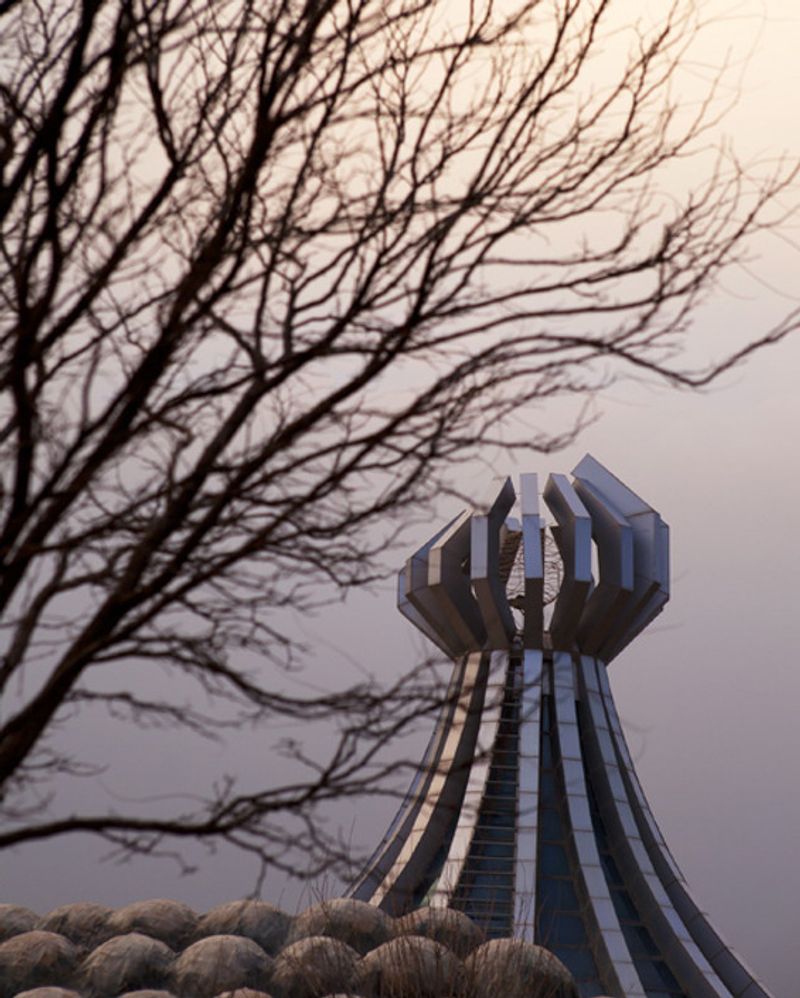
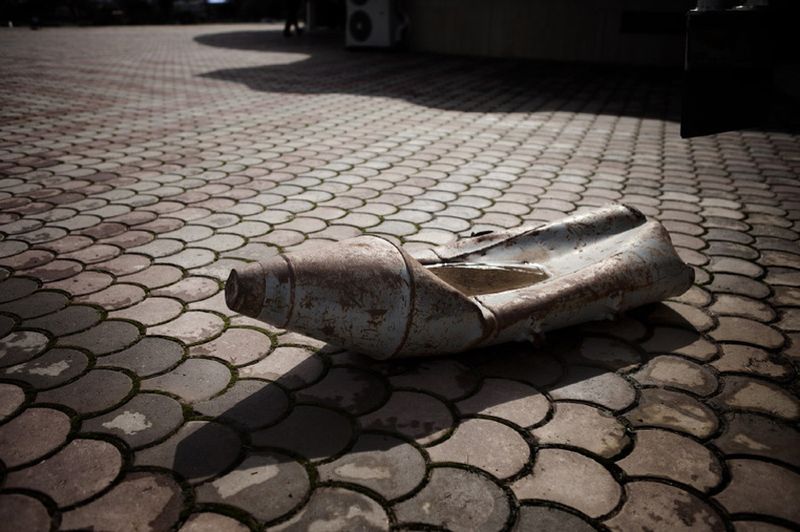
One of the shells that hit Halabja the day of the attack. The empties of the shell ahve became a permanent istallation at the Memorial of the Halabja Gas attack that occured on 16/3/1988.

© Antonio Zambardino - Mr. Sarxel. President of The Memorial of the Halabja Gas attack that occured on 16/3/1988
i

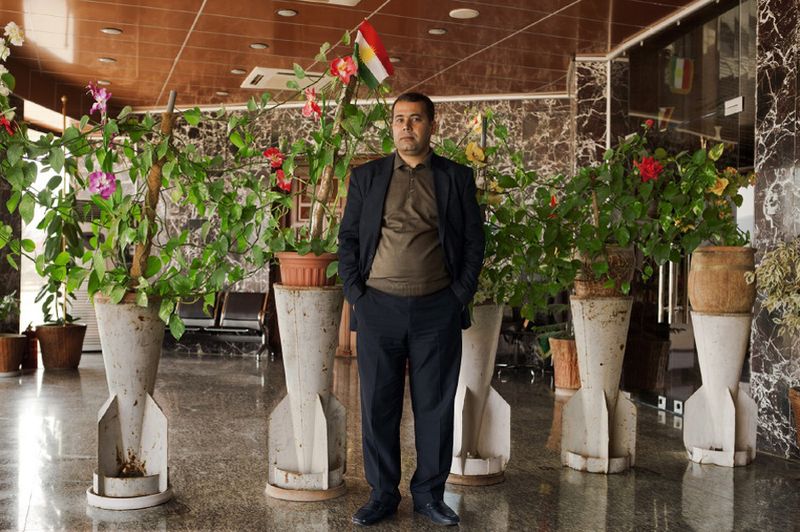
Mr. Sarxel. President of The Memorial of the Halabja Gas attack that occured on 16/3/1988

© Antonio Zambardino - Relative of Mr. Baker. Praying in the kitchen.
i

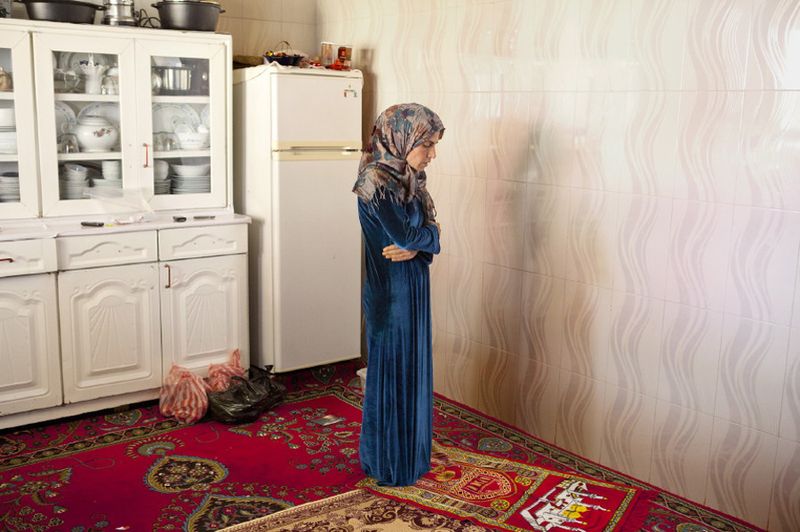
Relative of Mr. Baker. Praying in the kitchen.

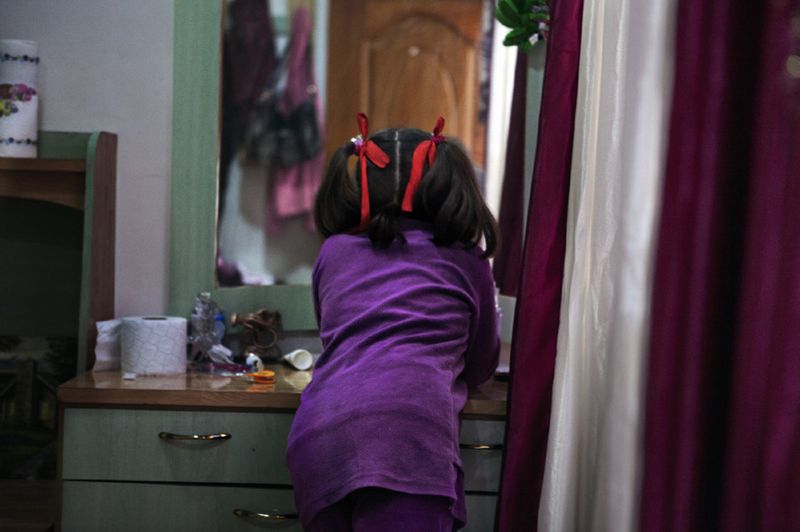
© Antonio Zambardino - halabja16 Aunt of Aram Karim Hama Hussein and Ana Karim Hama Hussein.
i

halabja16 Aunt of Aram Karim Hama Hussein and Ana Karim Hama Hussein.

© Antonio Zambardino - Image from the Halabja 1988-2013 photography project
i

Mr. Baker's back. He was in Halabja the day of the attack, when the gas cleared out he helped around the city. Most of his body is affected by a skin condition. This is very common among the survivors.

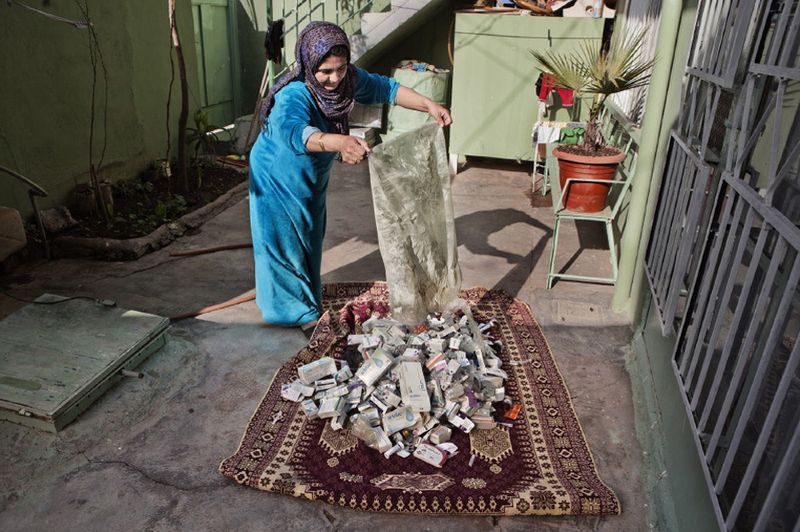
© Antonio Zambardino - The wife of Mr Ali Mahmoud Muhammad Empties their collection fo empty med-boxes on a carpet
i

The wife of Mr Ali Mahmoud Muhammad Empties their collection fo empty med-boxes on a carpet

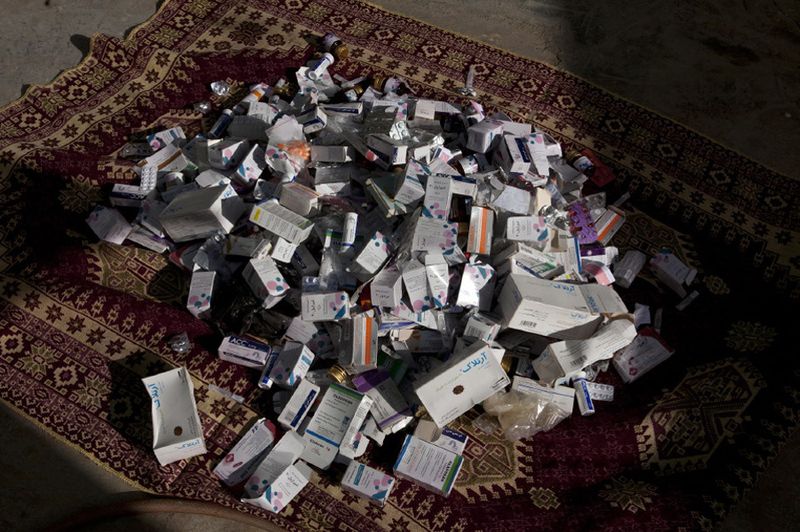
© Antonio Zambardino - Empty med-boxes on a carpet
i

Empty med-boxes on a carpet

© Antonio Zambardino - Image from the Halabja 1988-2013 photography project
i

Alande Hameed Hama Ali, 11. Is affected by Leukemia, was diagnosed at the age of 6. His was in the center of Halabja in her house when the attck on the city occured, she then fled to Iran seeking refuge, like many others. She had 7 miscarriges

© Antonio Zambardino - Halabja. View of the city and the eastern hills and mountain range towards Iran.
i

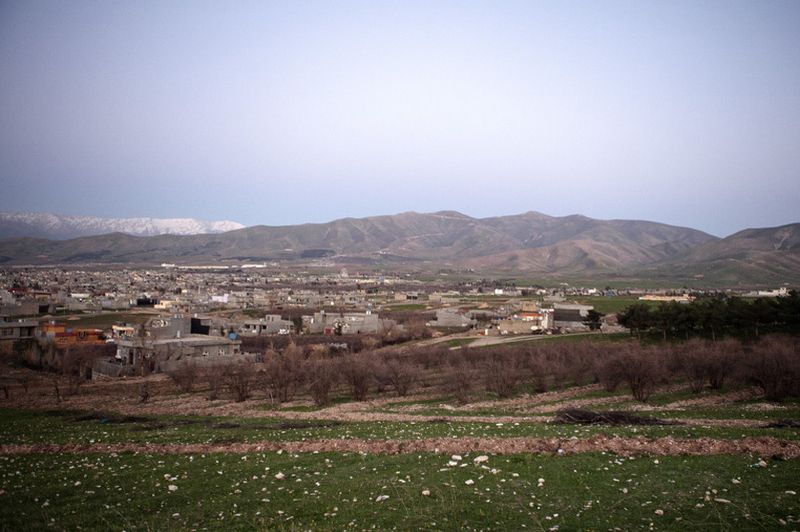
Halabja. View of the city and the eastern hills and mountain range towards Iran.

© Antonio Zambardino - Image from the Halabja 1988-2013 photography project
i

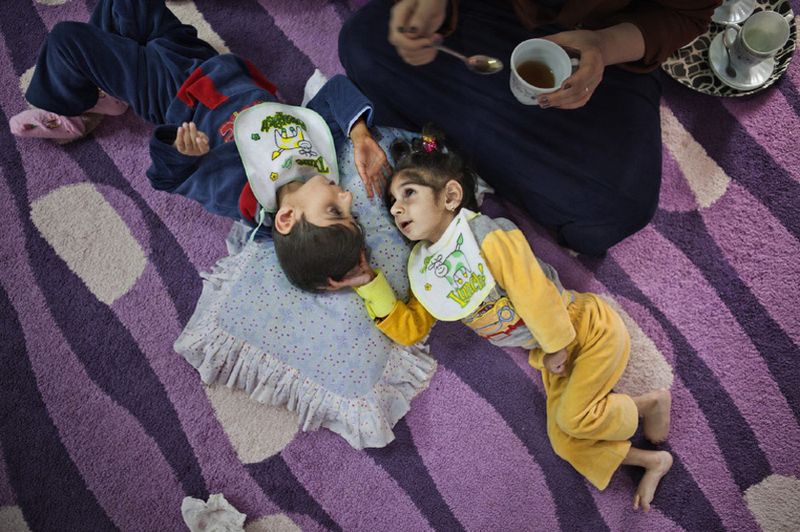
Aram Karim Hama Hussein (boy) and Ana Karim Hama Hussein (girl) age 4. Born Microcephalus are unable to walk and to develop speaking abilities.

© Antonio Zambardino - Sunrise in Halabja, Empty street
i

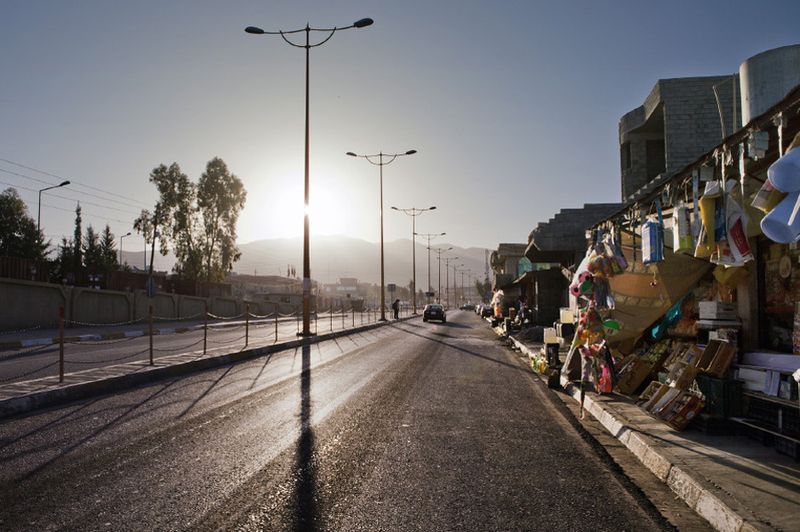
Sunrise in Halabja, Empty street

© Antonio Zambardino - Image from the Halabja 1988-2013 photography project
i

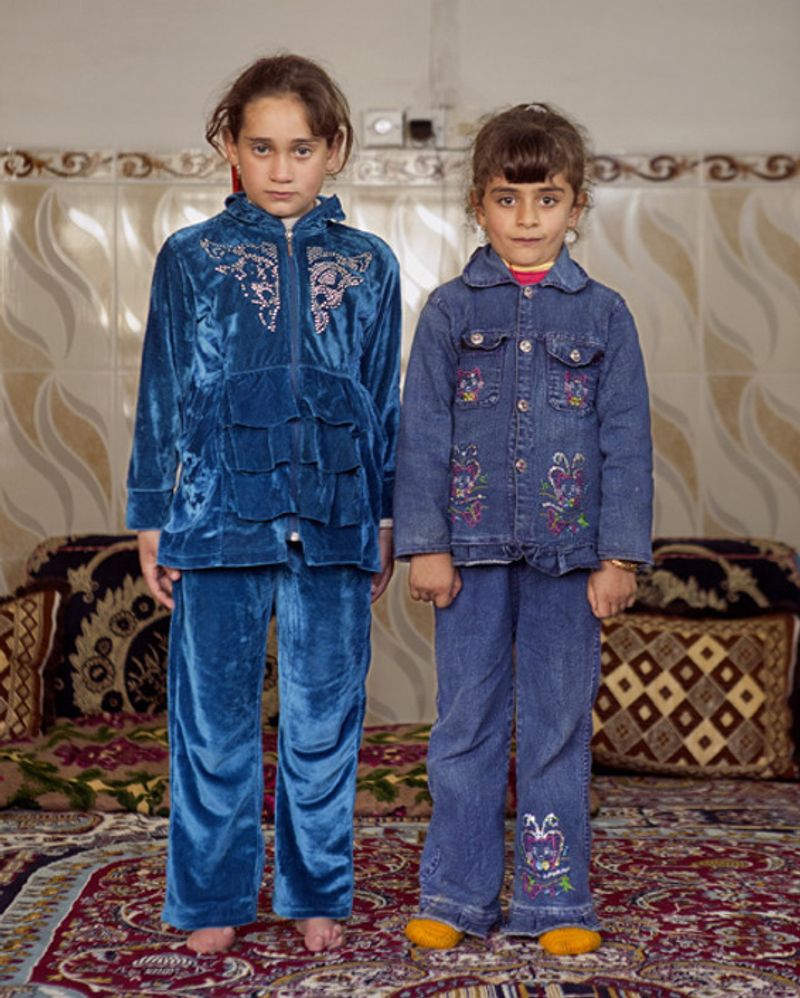
On the left. Hanar Baker, 9. Born on Feb 2 2004. She has a congenital malformations of the feet. On the right Iran Soran Salah,5.

© Antonio Zambardino - Image from the Halabja 1988-2013 photography project
i

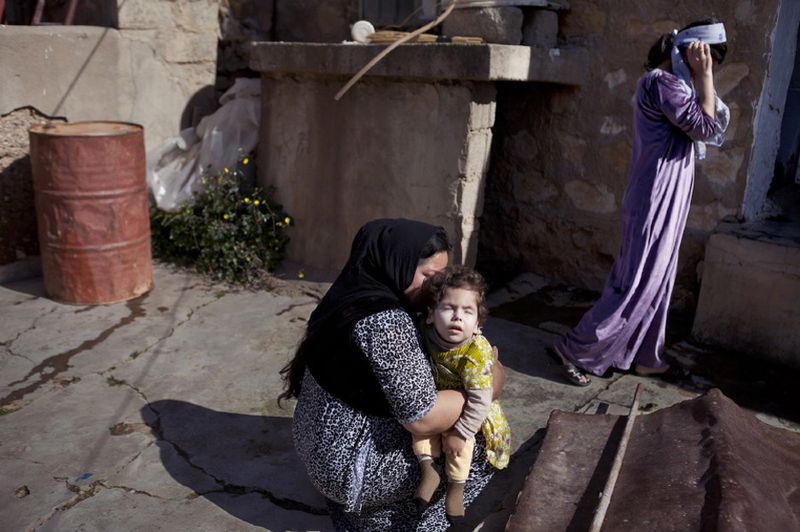
halabja17 Sheena Fathalla with hel in her mother's harms. She was born blind (24 Feb 2010) She was immediatly diagnosed Hydrocephalus. She's unable to walk, but she might be able to have surgery at the age of 14.

© Antonio Zambardino - The feet of Hanar Baker, 9. Born on Feb 2 2004. She has a congenital malformations of the feet.
i

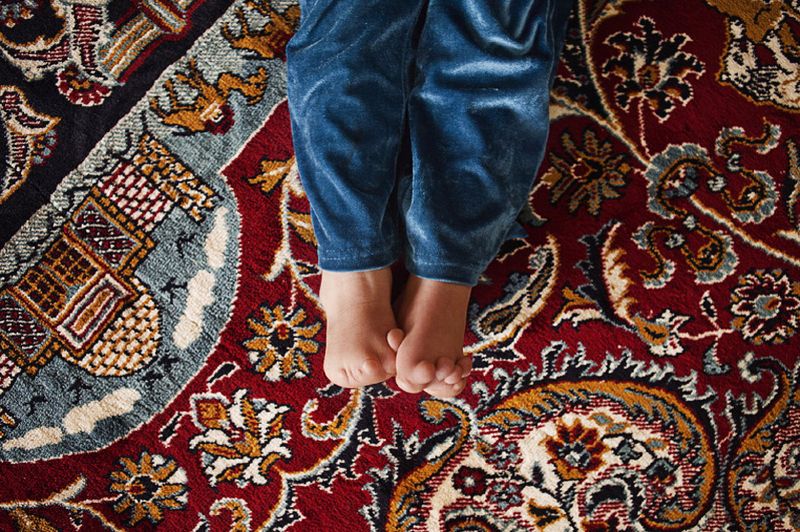
The feet of Hanar Baker, 9. Born on Feb 2 2004. She has a congenital malformations of the feet.

Halabja 1988-2013 by Antonio Zambardino

Prev Next Close