Flying Over the Myth. The Emerging Landscapes of the Phlegraean Fields
-
Dates2023 - Ongoing
-
Author
- Locations Pozzuoli, Italy, Naples, Bacoli, Monte di Procida
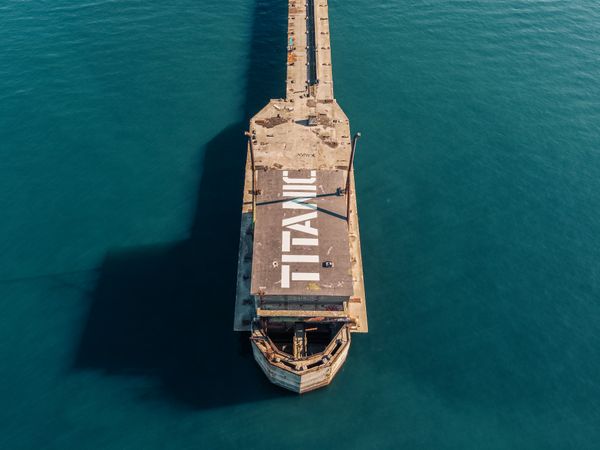
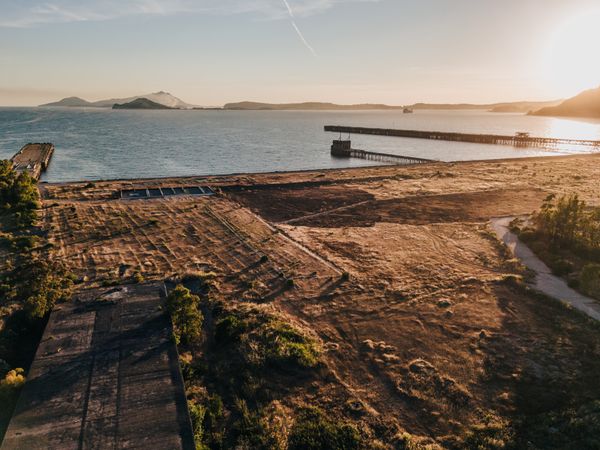
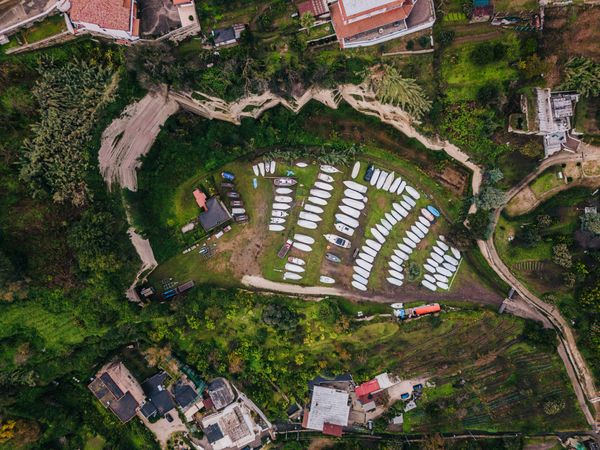
An aerial survey of the Phlegraean Fields: an unstable landscape between water and fire, where geology, ruins and cities surface and shift. A visual atlas of stratification, risk and everyday life.
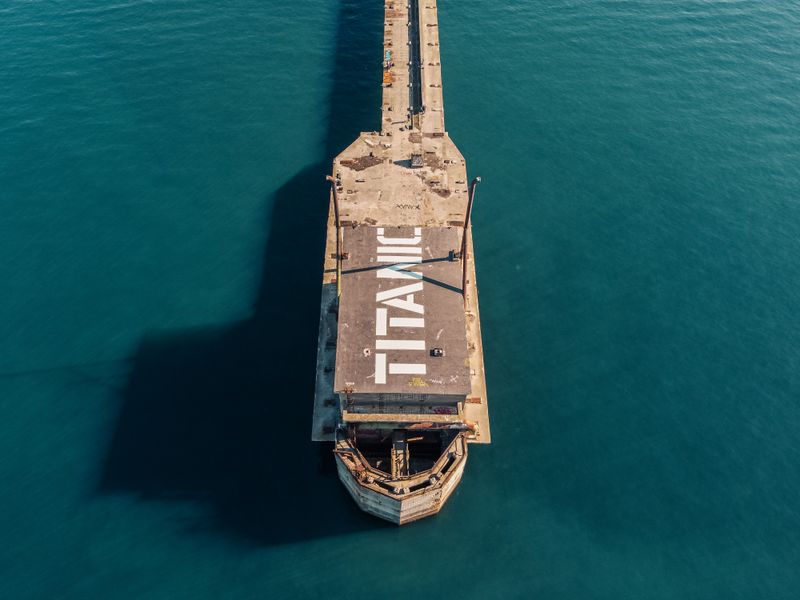
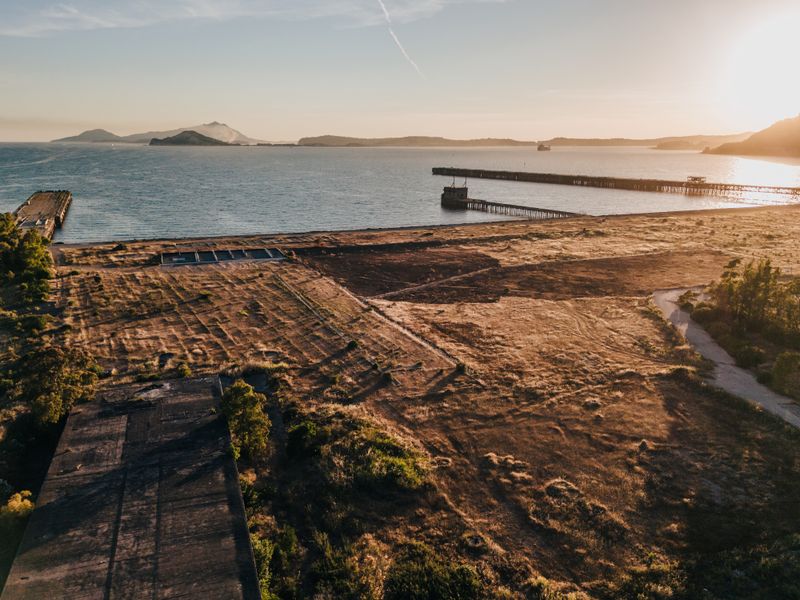
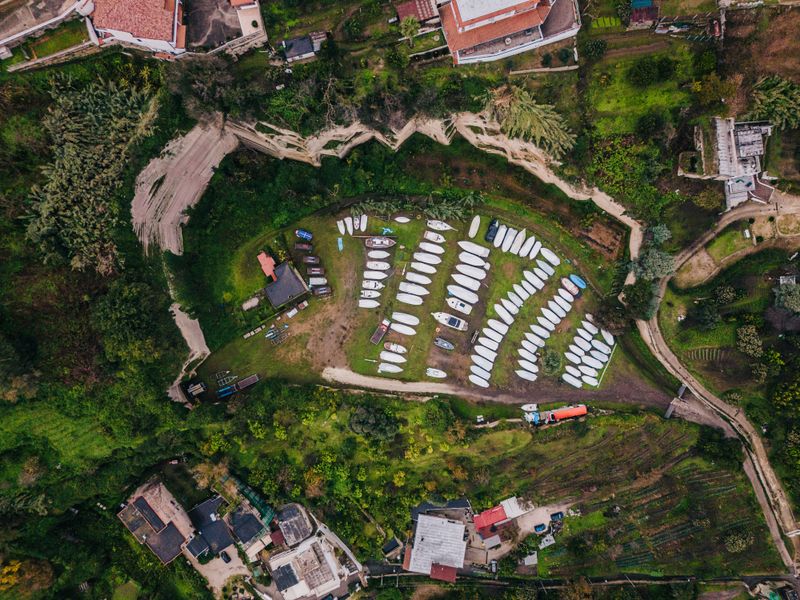
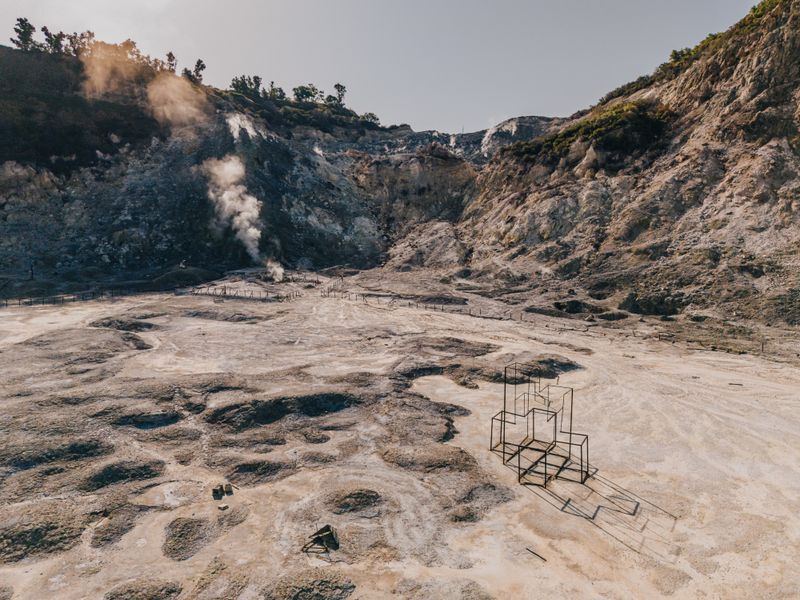
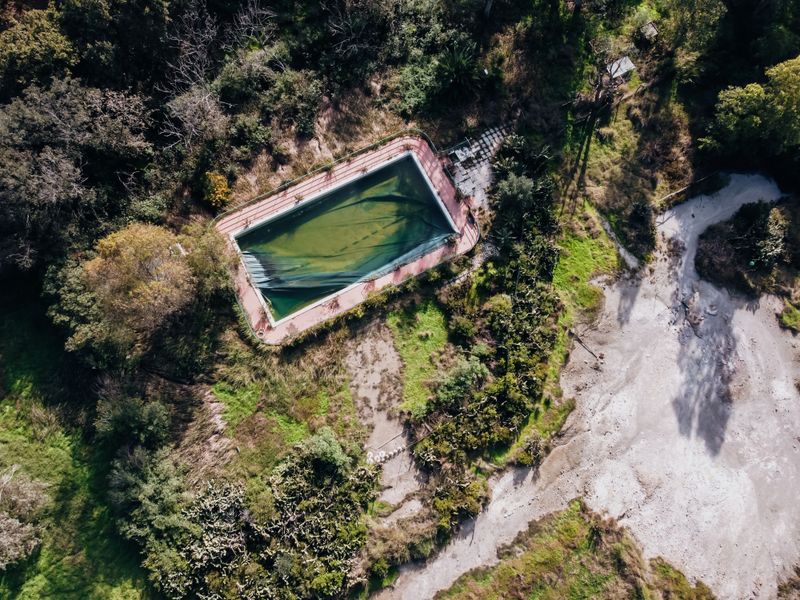
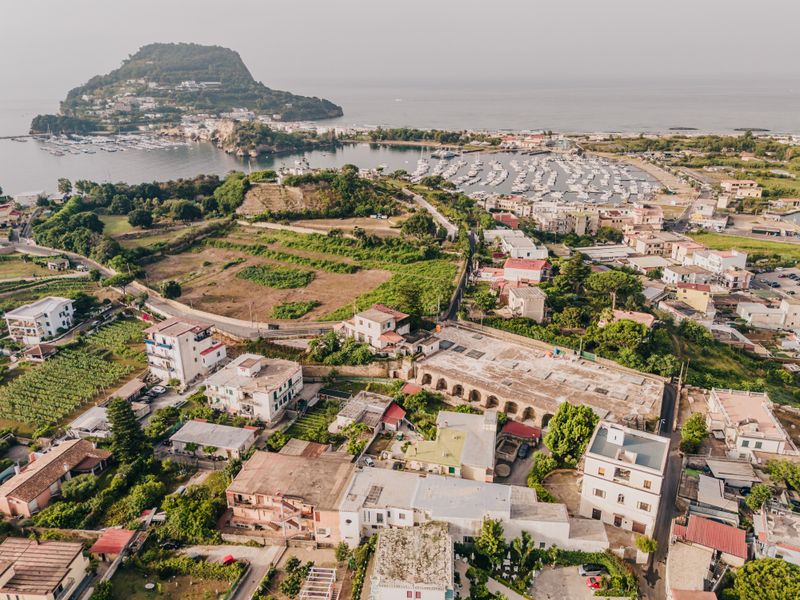
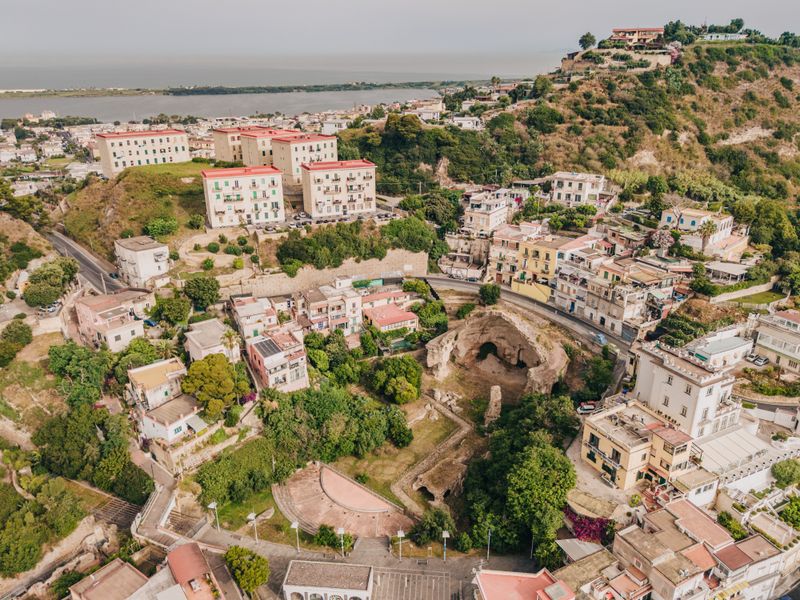
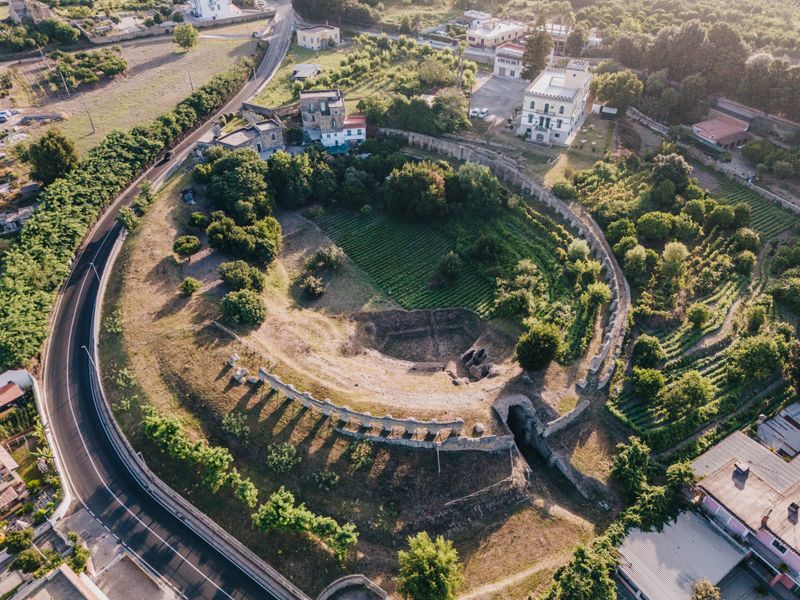
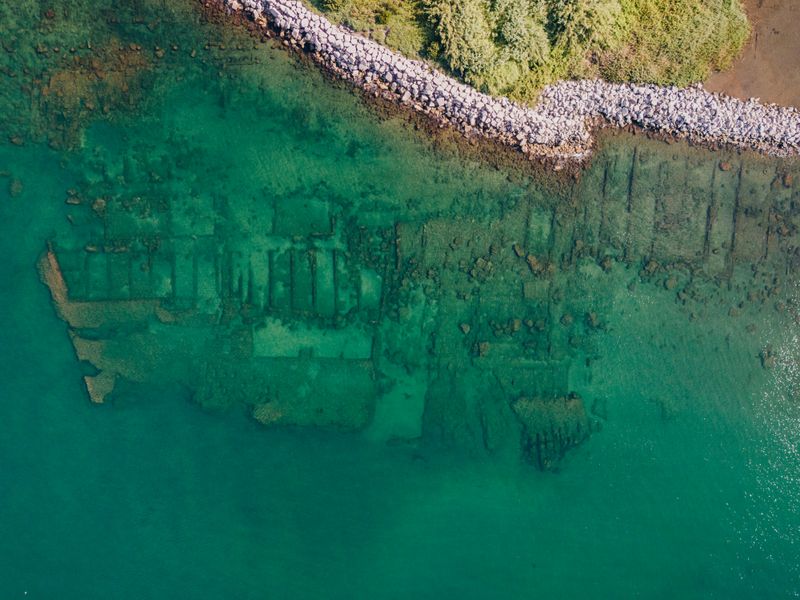
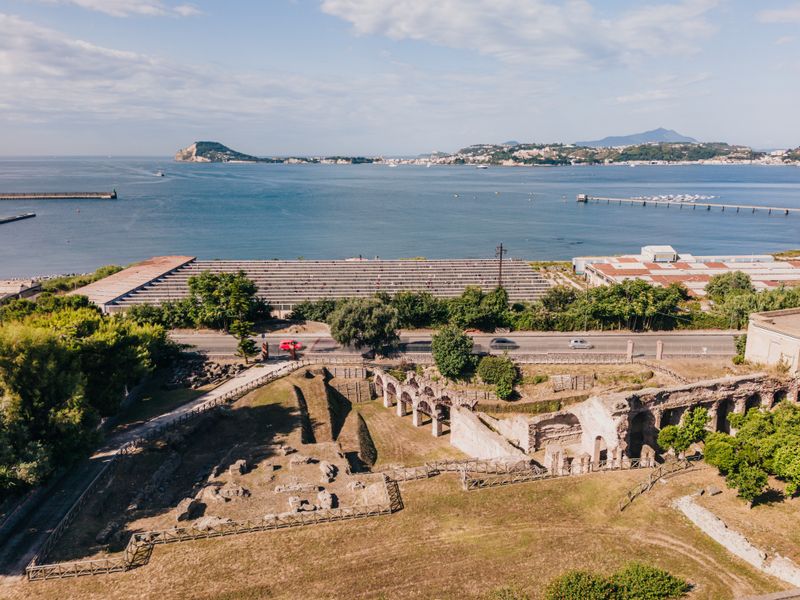
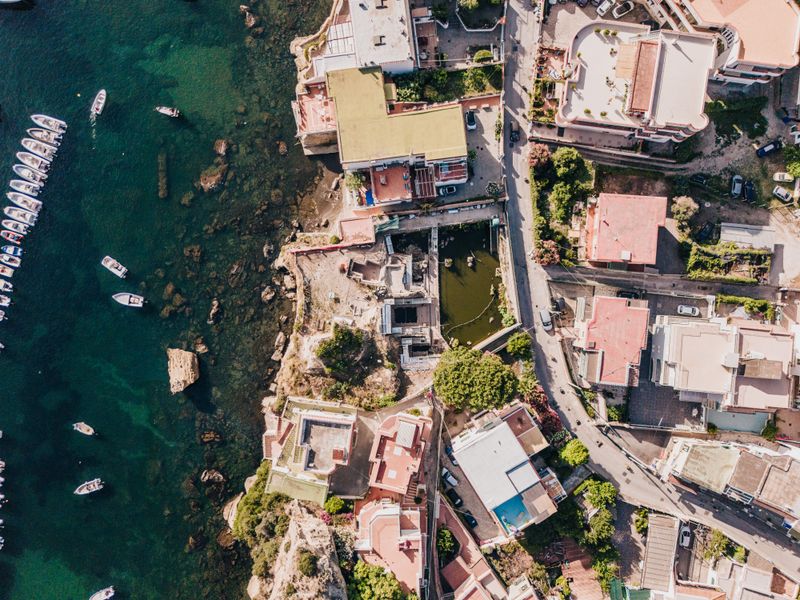
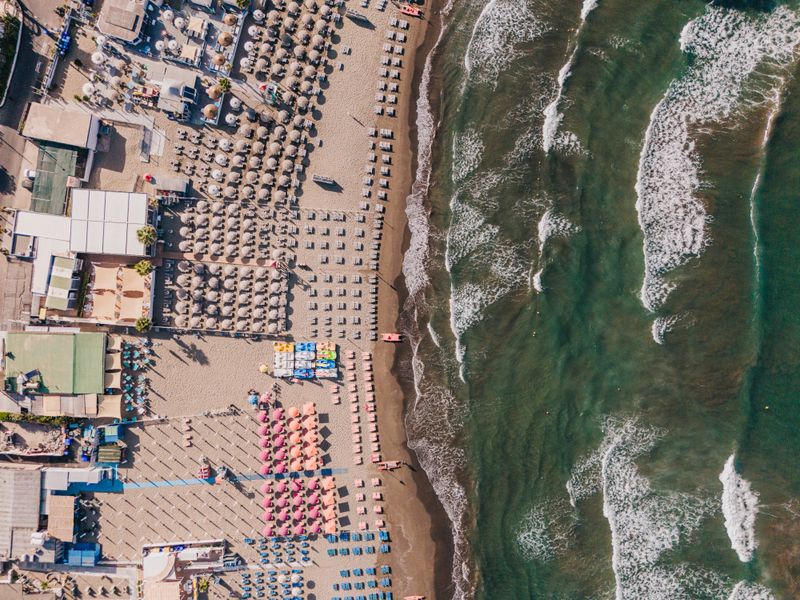
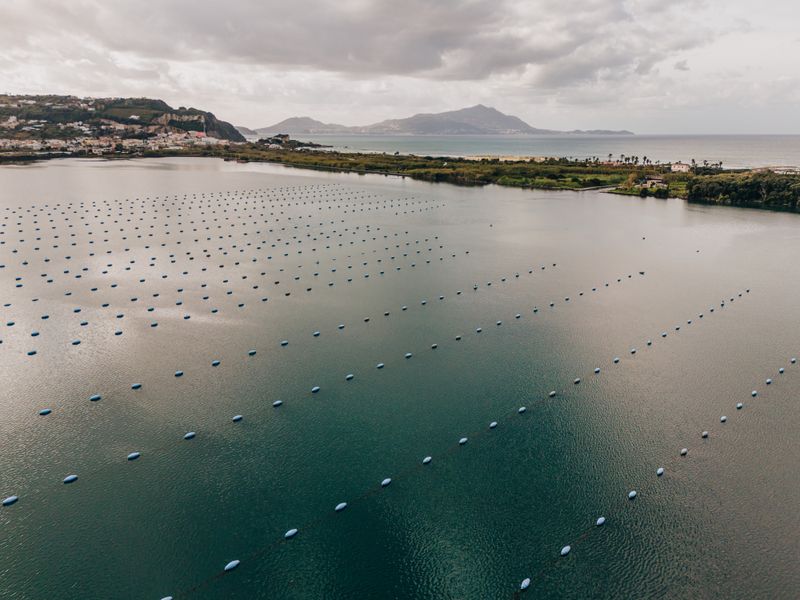
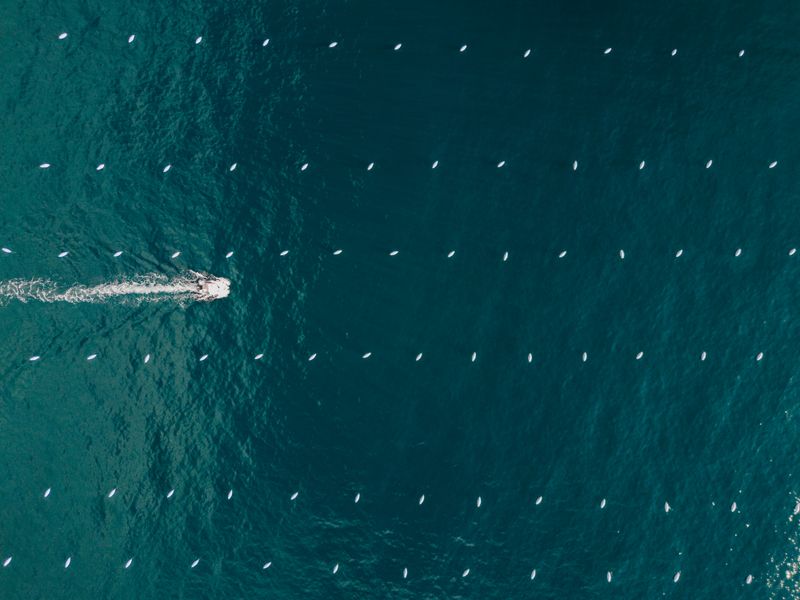
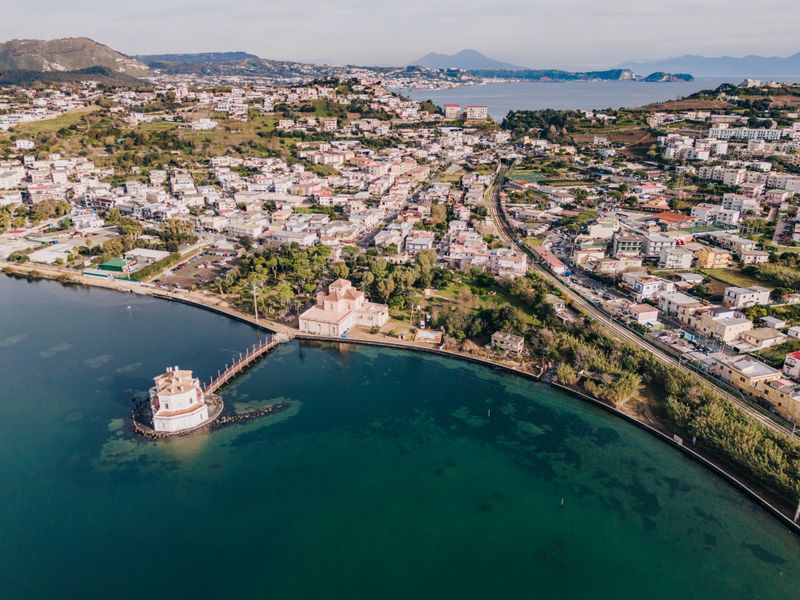
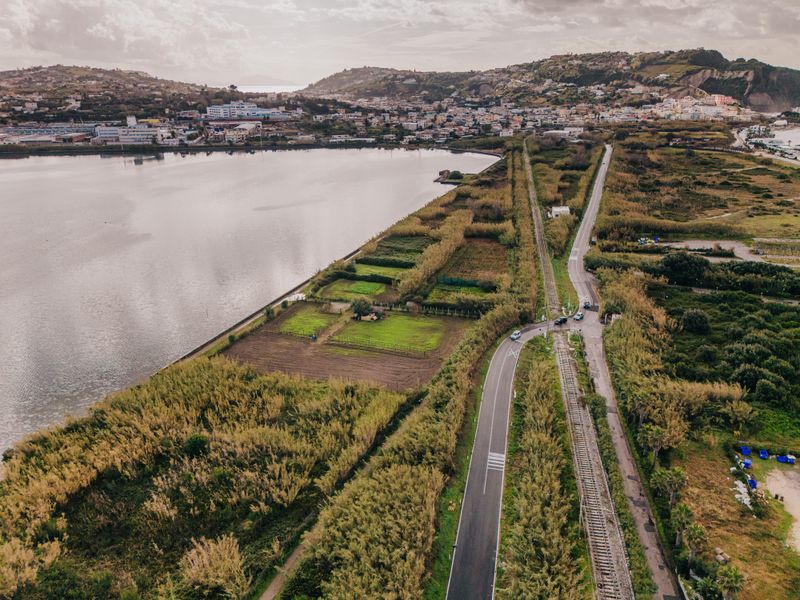
Flying Over the Myth looks at the Phlegraean Fields as a landscape in perpetual motion, suspended between water and fire, between submerged lands and emerged lands. From above, the photographs pursue a fragile and stratified geography, where craters, lakes, archipelagos, and cities surface as signs of a deep and changeable memory. This is not a panorama that can be possessed: it is an unstable organism, a living palimpsest in which forms shift in position and meaning, and where what appears today as a margin can become tomorrow’s centre.
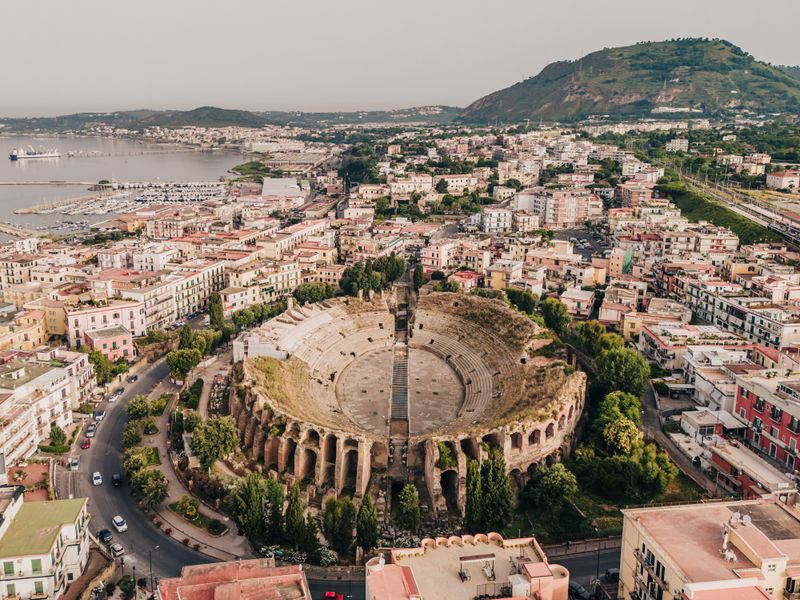
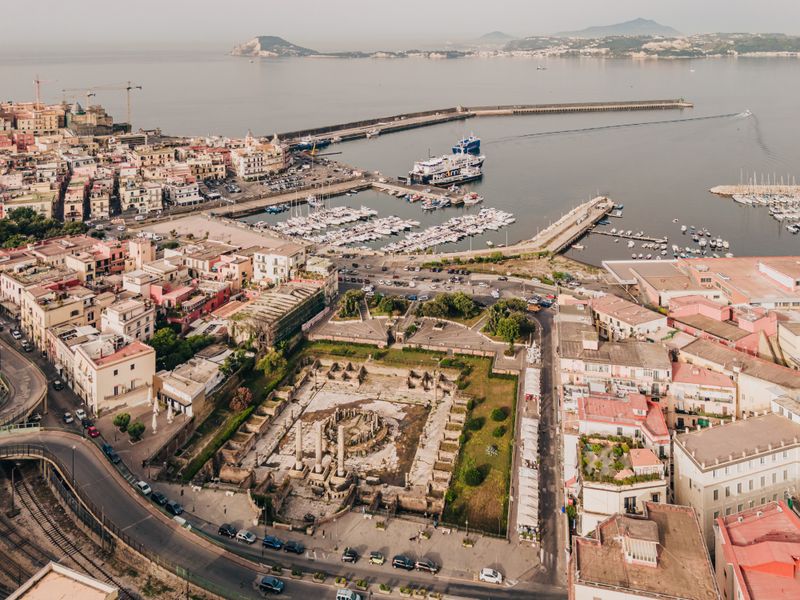
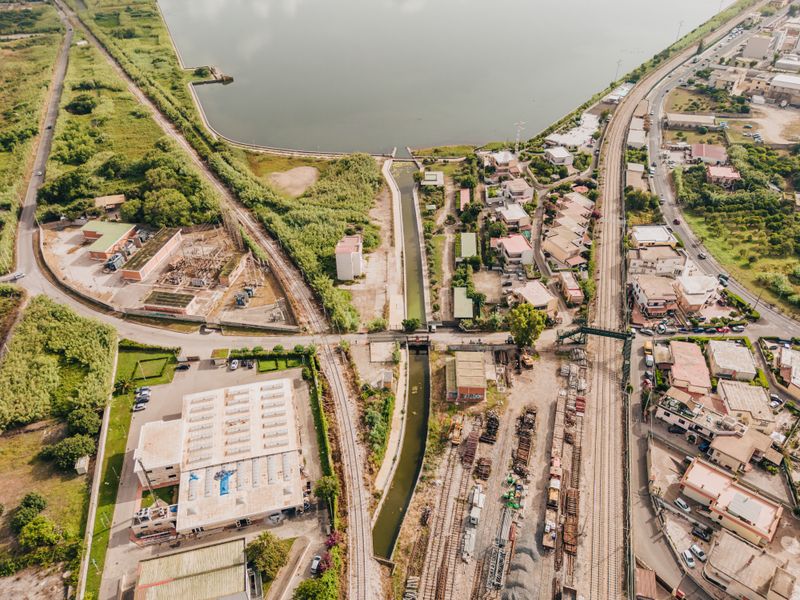
Here, “to emerge” is a verb that is literal and, at the same time, a perceptual gesture: matter emerges (soils, coasts, waters, voids), traces re-emerge (lines, scattered ruins, intermittent archaeological edges), narratives are reactivated. Stratification is not a “theme” of the territory: it is its everyday grammar, the way past and present incorporate and transform one another, often without announcement, within urban fringes and ordinary infrastructures.
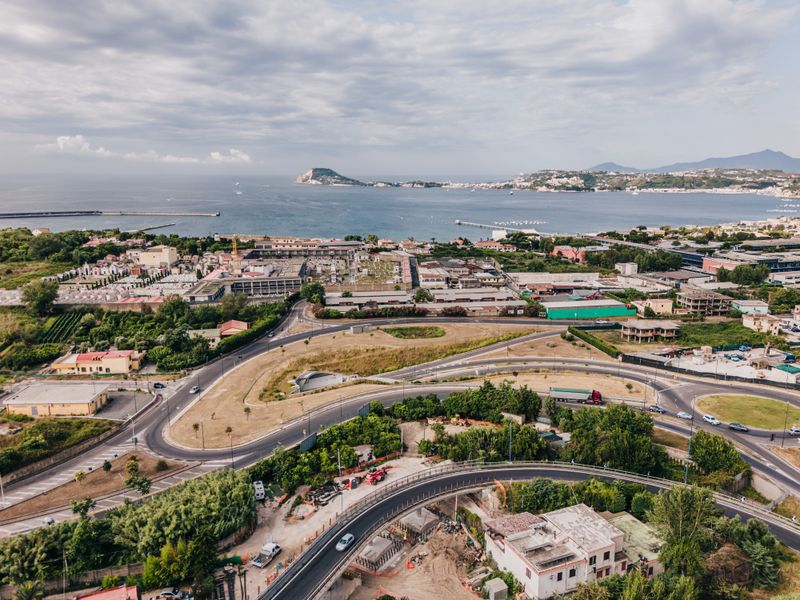
The overflight is not a purely aesthetic choice, but a threshold. The aerial view does not claim to explain the territory nor to put it in order: rather, it attempts to make legible the textures, continuities, and ruptures that on the ground appear fragmented. This distance, however, is not neutral: every framing is a cut and every cut is an interpretation. For this reason, the gaze does not seek a reassuring synthesis, nor does it confuse the clarity of forms with the clarity of meaning: it remains within complexity and accepts ambiguity as a material of knowledge.
Within this geography, present relations also emerge: possible and missed connections, impermeable margins, gaps that do not exist, waters as promise and limit. And risk emerges as the form of the ground and the pressure of the built environment: not an abstract category, but a condition of inhabiting, a fragile balance between instability and density. In filigree, the ordinary measures of liveability also emerge — services, maintenance, public space, accessibility — as qualities that are either diffuse or denied, shaping the territory’s possibilities.
Flying over the myth does not mean pursuing an iconography nor producing a postcard. It means reactivating the imaginary without becoming its prisoner: bringing closer what seems distant and distancing what we think we know, allowing stratification to emerge again as an ordinary condition of the landscape. Looking from above in order to recompose, yet staying close enough to feel the density of places: holding together precision and uncertainty, and remembering that, in an unstable territory, seeing is already a way of caring.