Flood Me, I'll Be Here
Resilience, climate adaptation, and coexistence with the Brahmaputra and its floodplain shape life on Majuli amid accelerating environmental change.

“Flood Me, I’ll Be Here” is a long-term photographic exploration of Majuli, the world’s largest river island in Northeast India, which is gradually shrinking due to erosion, flooding, and the shifting course of the Brahmaputra River. For centuries, the river’s powerful flow has shaped the island’s geography, history, and cultural identity, defining both territory and daily life.

Rather than just focusing on catastrophe, the project offers an intimate portrait of communities shaped by spiritual continuity, cultural memory, and a long-standing coexistence with water. Life on Majuli follows a cyclical rhythm governed by monsoons and the river’s unpredictability, where adaptation has long been part of survival.

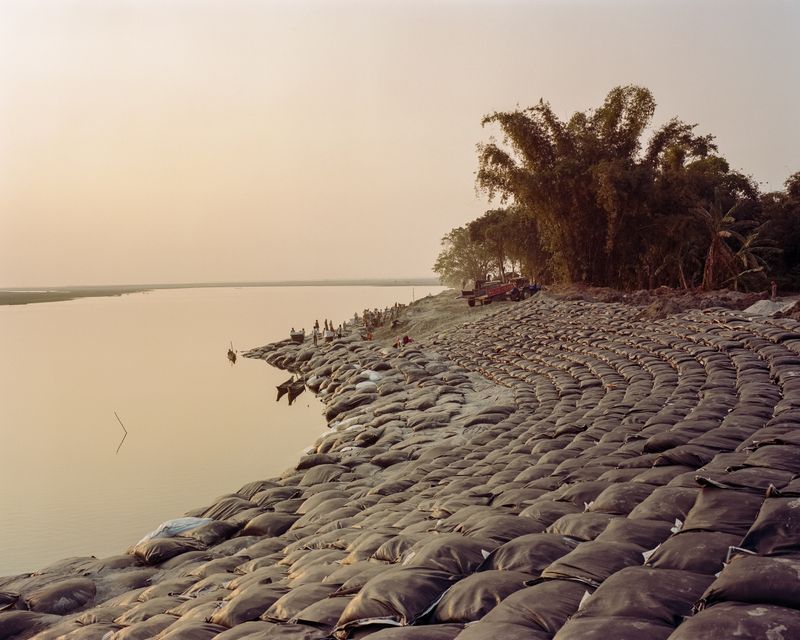
In recent decades, this balance has come under increasing pressure. The island has lost nearly two-thirds of its land to erosion, forcing thousands of families to relocate. Floods are becoming more frequent and intense, monsoon patterns are less predictable, and new infrastructure—bridges, embankments, and sandbag barriers—is altering the river’s ecosystem and traditional ways of life.

Since 2020, this work has documented communities living on the island’s floodplains, where homes, crops, and livelihoods remain constantly exposed to the river’s movements. While vulnerability is increasing, daily life reveals persistence rather than collapse. The islanders’ relationship with the River Brahmaputra and its anabranches is not only about control but also about adaptation—knowing when to move, rebuild, or endure. Through this fragile yet enduring coexistence, the project presents resilience not as resistance to nature, but as a complex way of living with it amid accelerating climate change.

Photographs were taken between 2020—2025.

© András Zoltai - Image from the Flood Me, I'll Be Here photography project
i

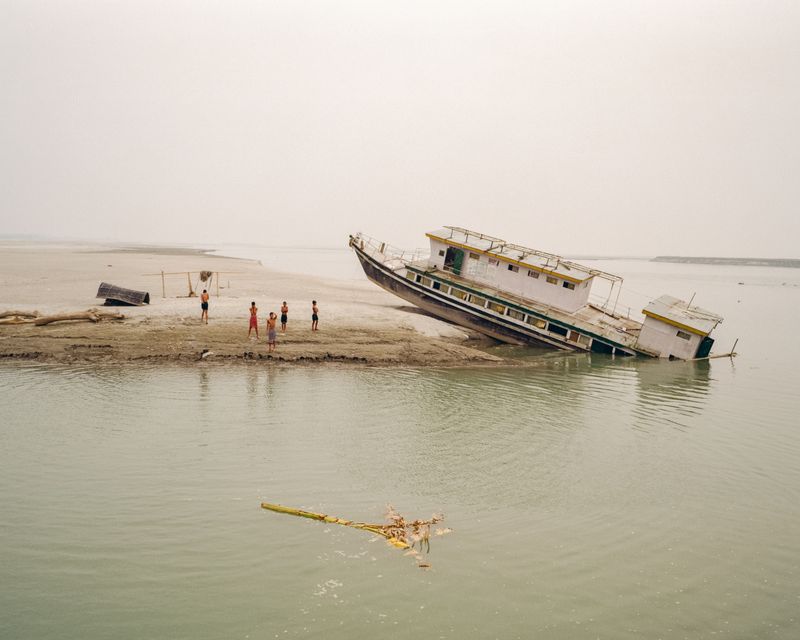
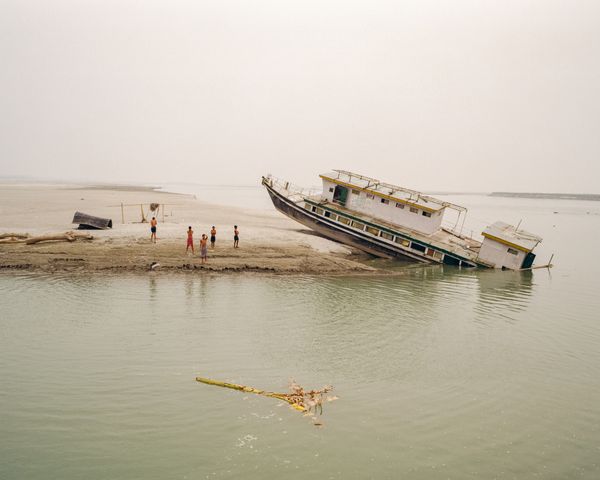
Children play on a temporary sandbar in the Brahmaputra floodplain near a stranded ferry at Ahato Guri. The river constantly deposits and removes sediment, shaping shifting sandbars and the landscape. The original village has been relocated many times due to erosion, and the current settlement will likely face the same fate as the river continues to reshape Majuli’s banks.

© András Zoltai - Image from the Flood Me, I'll Be Here photography project
i

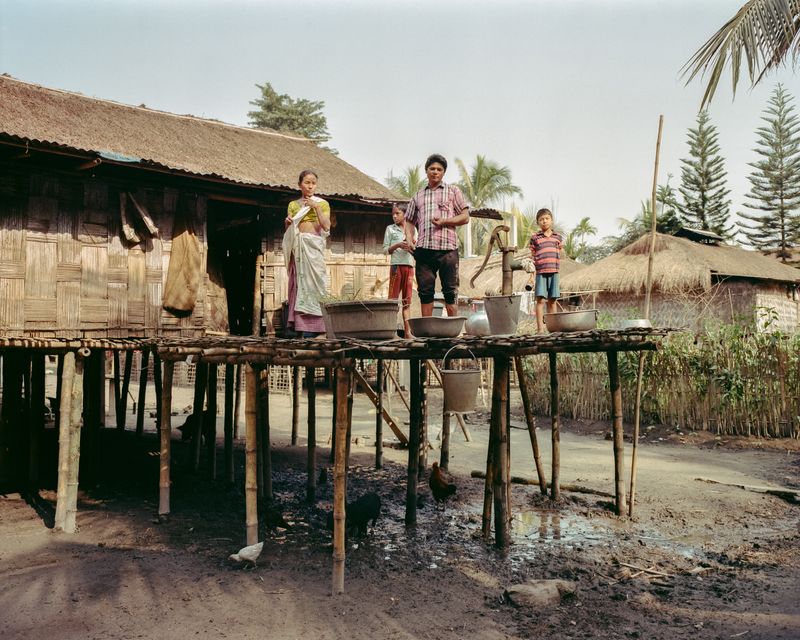
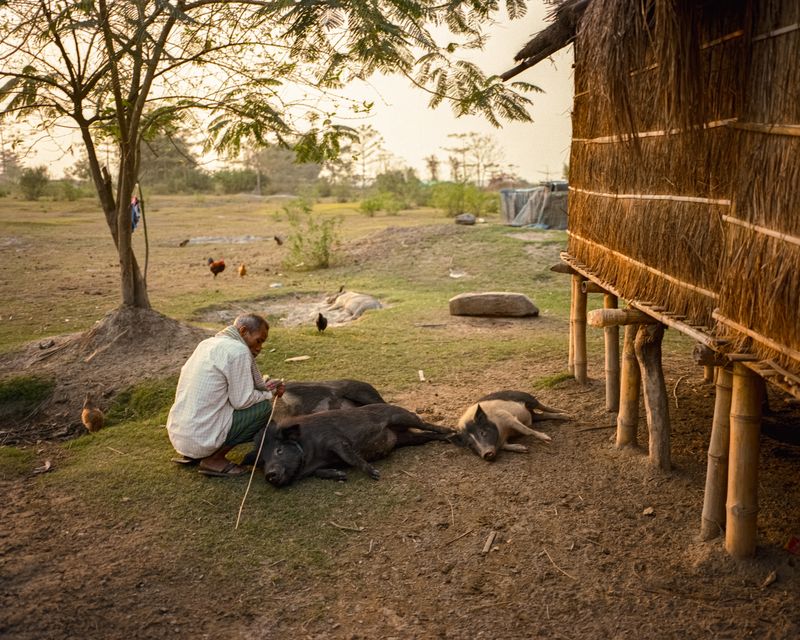
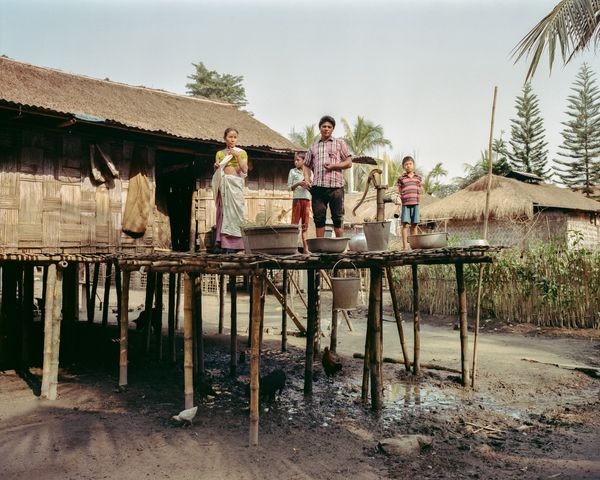
The indigenous Mishing tribes use traditional bamboo architecture to skillfully adapt to the Brahmaputra’s dynamic flood patterns.

© András Zoltai - Image from the Flood Me, I'll Be Here photography project
i

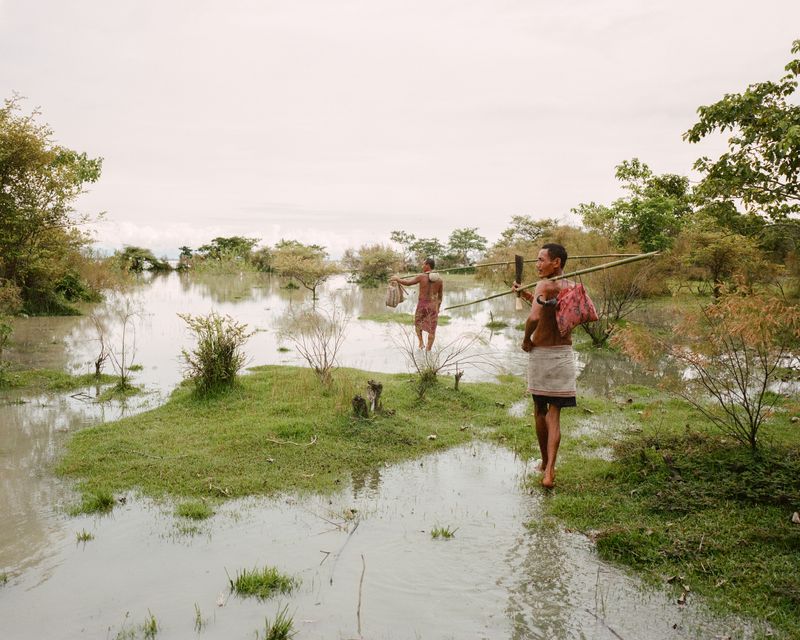
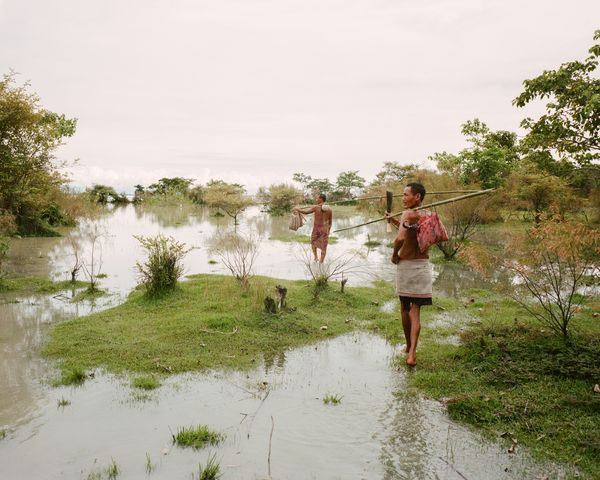
Three Mishing fishermen set out barefoot across submerged fields to check their nets in the swollen Brahmaputra. Forced to relocate countless times by erosion and floods, and living in stilted bamboo houses threatened by water, they navigate the shifting river landscape with an instinctive certainty, their daily ritual bound to the river that both sustains and endangers their everyday lives.

© András Zoltai - Image from the Flood Me, I'll Be Here photography project
i

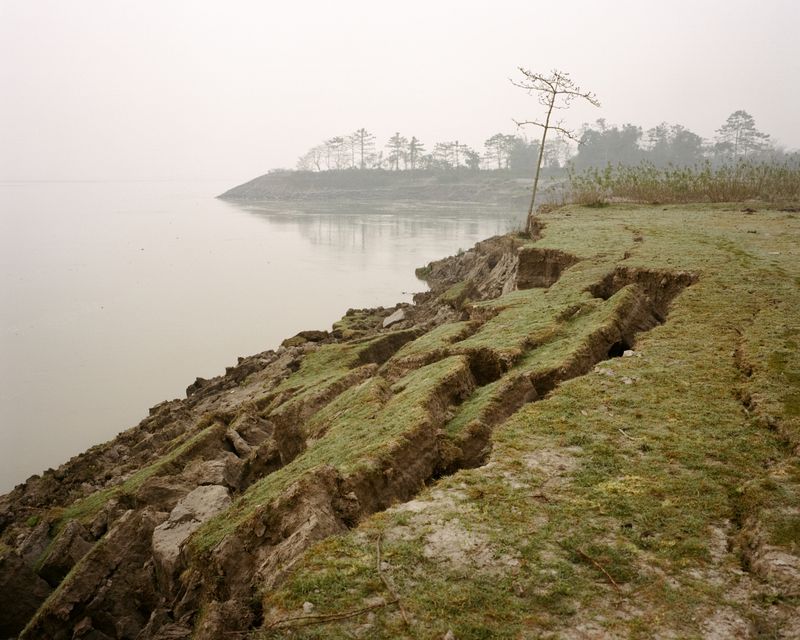
A cracked and continuously eroding riverbank at the village of Salmora. Here the Brahmaputra bends, and the strong current crashes into the sandbank, constantly eroding land and threatening homes. Majuli has been shrinking dramatically due to Brahmaputra erosion — from about 1,250 km² to roughly 483 km² over the 20th century.

© András Zoltai - Image from the Flood Me, I'll Be Here photography project
i

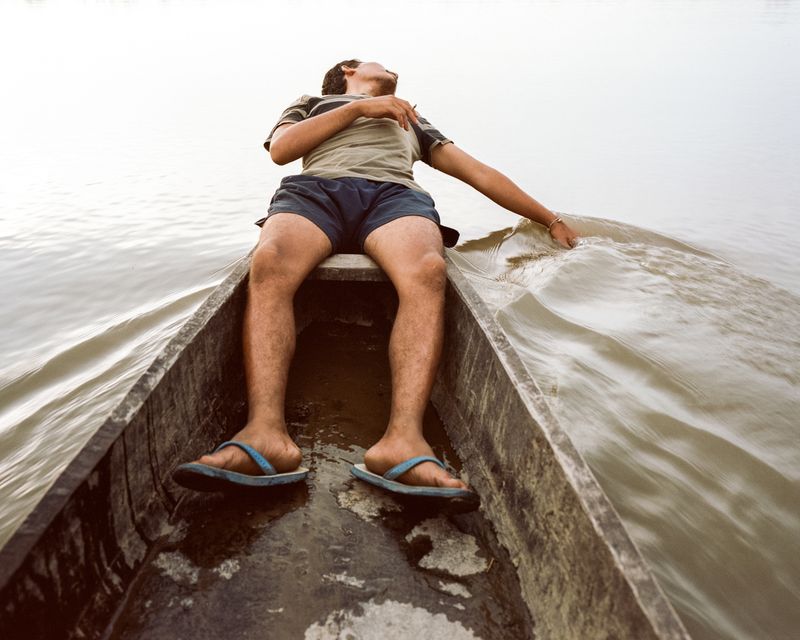
Nitish Doley crosses the Subansiri River in a boat to a temporary sand island, or Chapori, part of the floodplain. His daily movement across the shifting waters reflects the intimate, adaptive relationship that communities on Majuli maintain with the river and its ever-changing landscape.

© András Zoltai - Image from the Flood Me, I'll Be Here photography project
i

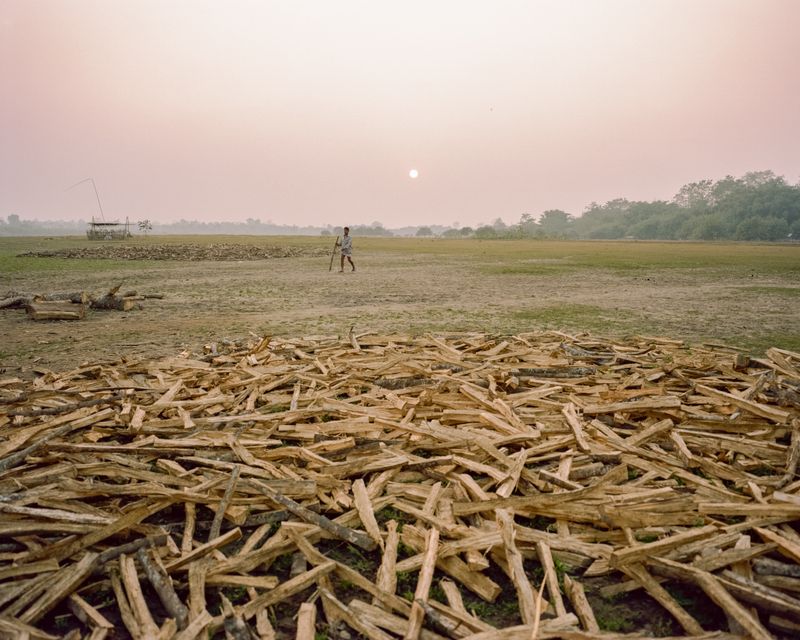
Daily routine of Titi Pegu, a Mishing farmer who migrates each day to cultivate his land on the Kherkata River's temporary floodplain. Each morning begins with crossing the river to check and feed his animals, connecting him to the rhythms of nature. The driftwood he has collected is already cut and dried, nearly ready for the next season.

© András Zoltai - Image from the Flood Me, I'll Be Here photography project
i

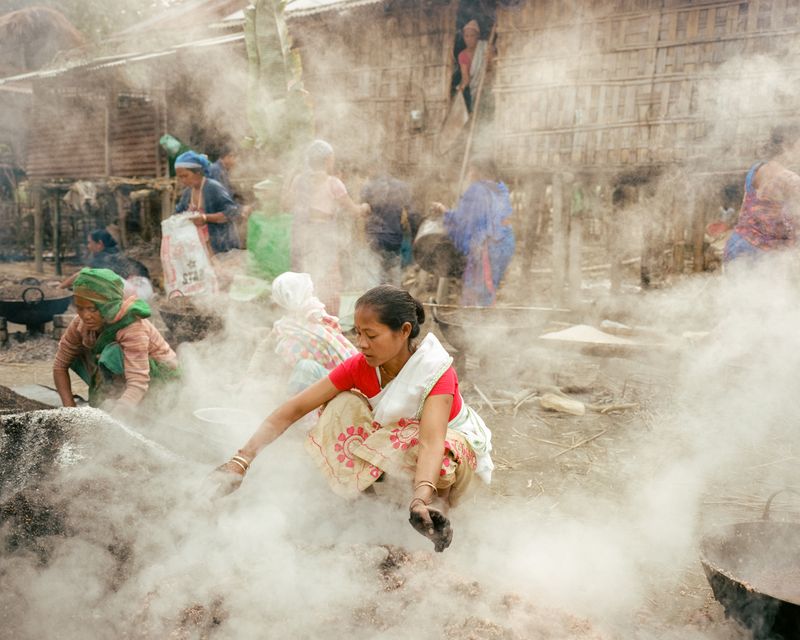
The Mishing community regularly gathers to prepare Apong, a traditional rice‑based alcoholic drink. They hand‑mix cooked rice with a fermented locally gathered plant ingredients from the floodplain, then let it ferment. Every Mishing family keeps Apong at home, and the drink reflects the community’s shared traditions, social bonds, and centuries‑old local knowledge of the riverine ecosystem.

© András Zoltai - Image from the Flood Me, I'll Be Here photography project
i

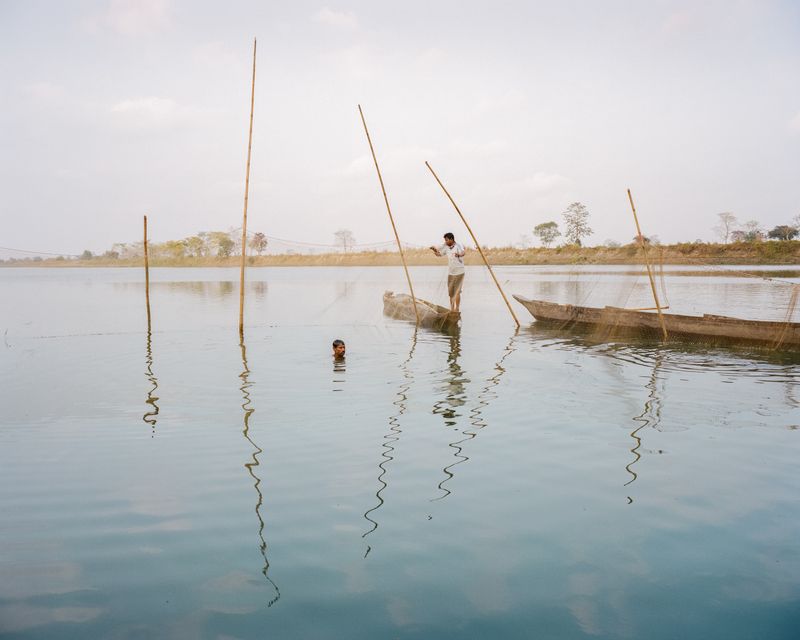
Men fish on the Kherkata River, one of the inner branches of the Brahmaputra. Villagers work together to fence off areas in the slow-moving river and guide fish into the trap. The catch is often harvested weeks later, and fishermen sometimes dive underwater for long seconds to free and gradually tighten the nets, ensuring the fish are fully contained before sharing the haul among the community.

© András Zoltai - Image from the Flood Me, I'll Be Here photography project
i

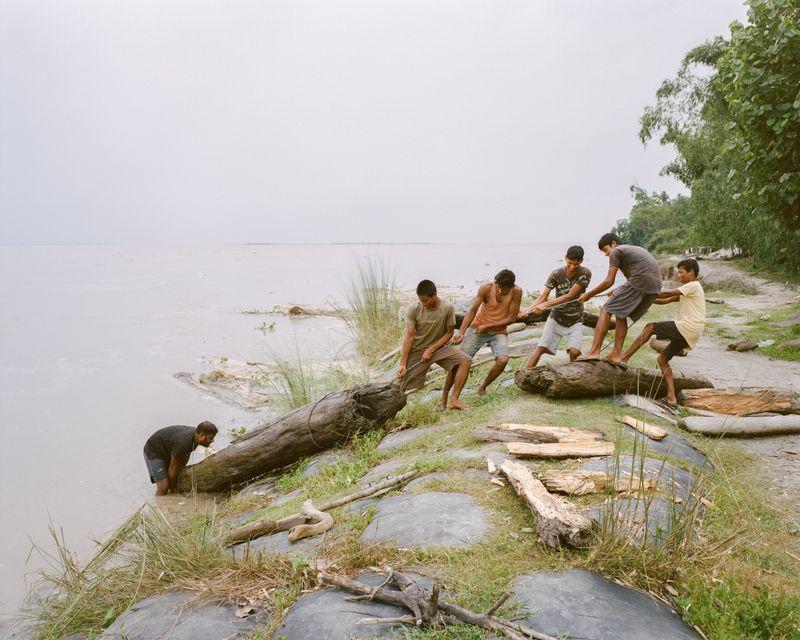
Villagers pulling a several-hundred-kilogram driftwood log from the flooded bank of the Brahmaputra, likely carried downstream from the mountains. They approach the floating logs by boat—a task often dangerous—then pull them ashore, cut and dry them, and sell them to earn income.

© András Zoltai - Image from the Flood Me, I'll Be Here photography project
i

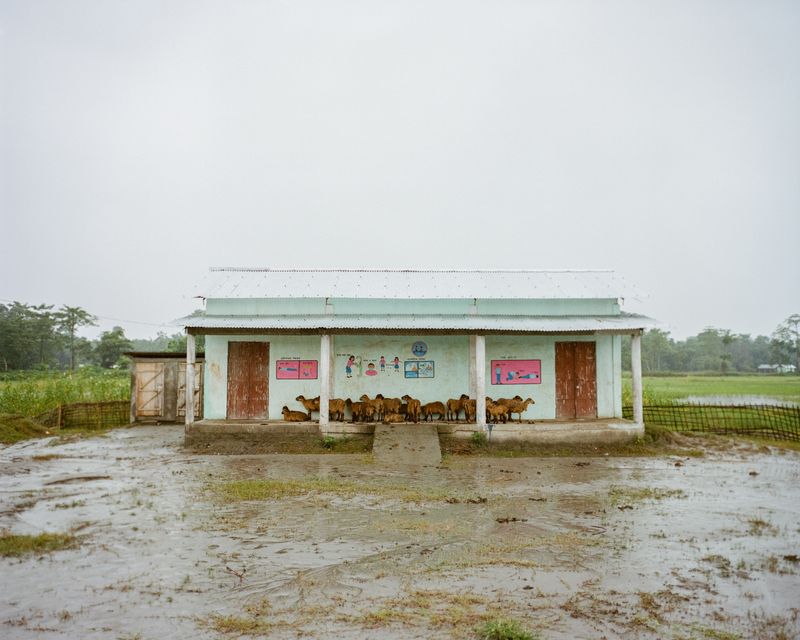
Irregular monsoon patterns are creating new challenges for farmers and livestock. Locals reported unprecedentedly low rainfall over the summer of 2021, and when heavy rain finally fell, even a flock of sheep took refuge on a school terrace.

© András Zoltai - Image from the Flood Me, I'll Be Here photography project
i

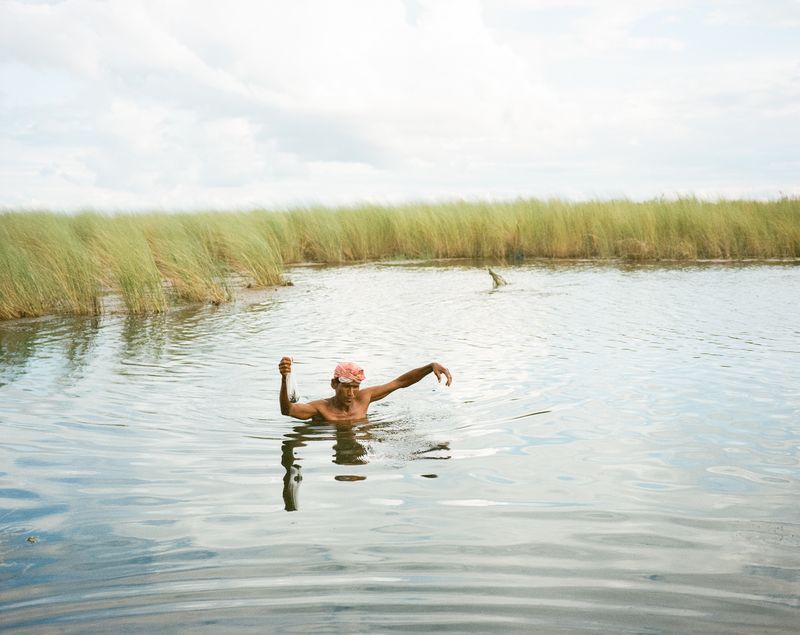
Nimol Pegu is collecting fish from his net on a temporary sand island (chapori) on the Brahmaputra, where he has lived his entire life, in symbiosis with nature, constantly adapting to the most extreme conditions.

© András Zoltai - Image from the Flood Me, I'll Be Here photography project
i

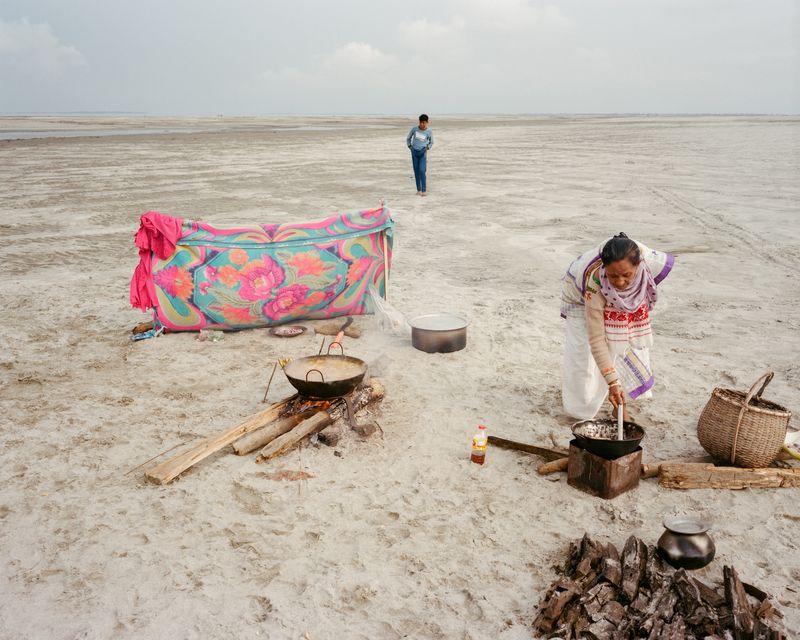
Arima Das is cooking a festive lunch on a newly formed sand island for his family and friends. After morning fishing, they spend the day together—praying to the river gods for abundant fish, sharing rice, tea, and buffalo milk on the fine sand of the Brahmaputra’s riverbed.

© András Zoltai - Image from the Flood Me, I'll Be Here photography project
i

New sight of the riverbank at Kumar Gaon. As part of erosion and flood mitigation, more than 100 km of embankments (earthen and reinforced structures) have been constructed around parts of the island to prevent landslides.

© András Zoltai - At a small brick factory, locals shape and fire thousands of bricks each day.
i

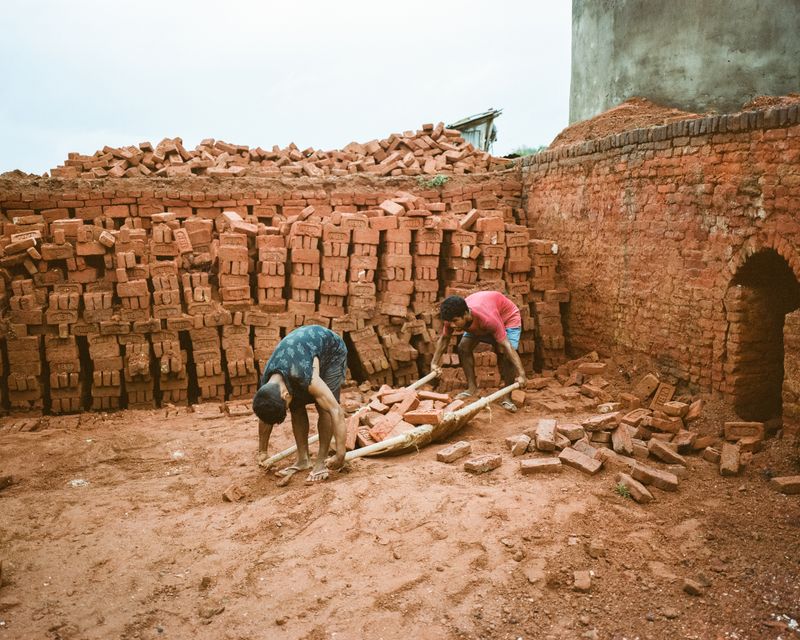
At a small brick factory, locals shape and fire thousands of bricks each day.

© András Zoltai - Textbooks are laid out to dry in the schoolyard, preserved from the wet conditions of the floodplain.
i

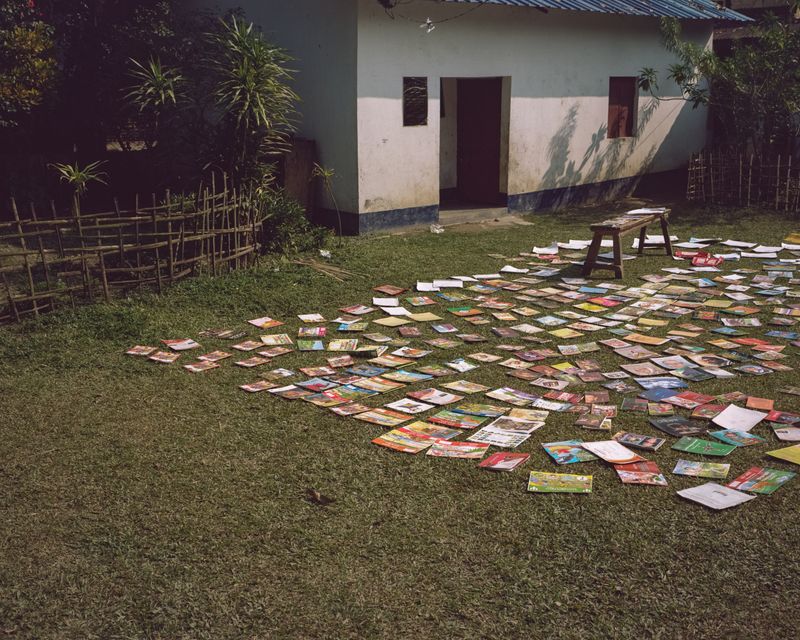
Textbooks are laid out to dry in the schoolyard, preserved from the wet conditions of the floodplain.

© András Zoltai - Image from the Flood Me, I'll Be Here photography project
i

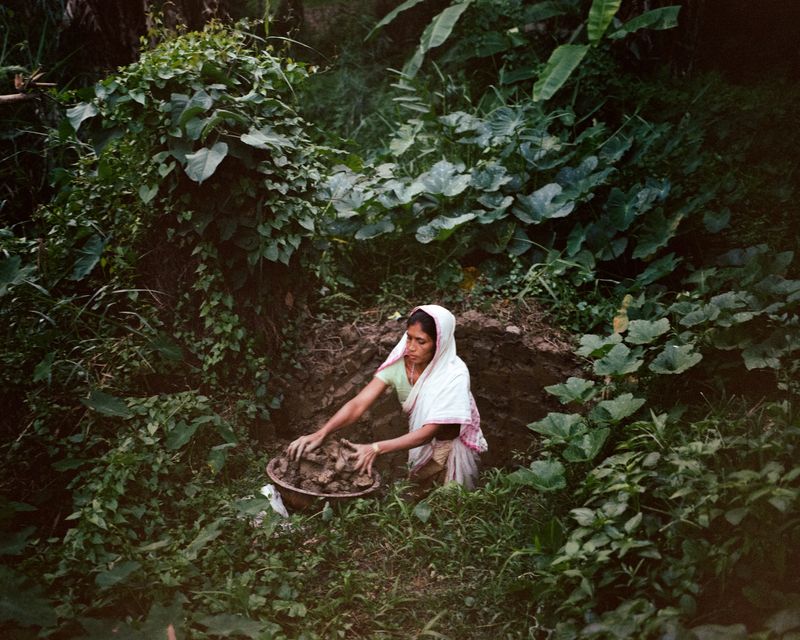
An Assamese woman digs up the clayey sediment deposited by Brahmaputra from a pit near her house. A centuries-old tradition here is for women to mould hundreds of pots of fresh clay, which the male members of the family burn and sell. Salmora is the settlement most exposed to the ravages of soil erosion. The families living here are directly affected by the changing dynamics of the river.

© András Zoltai - Image from the Flood Me, I'll Be Here photography project
i

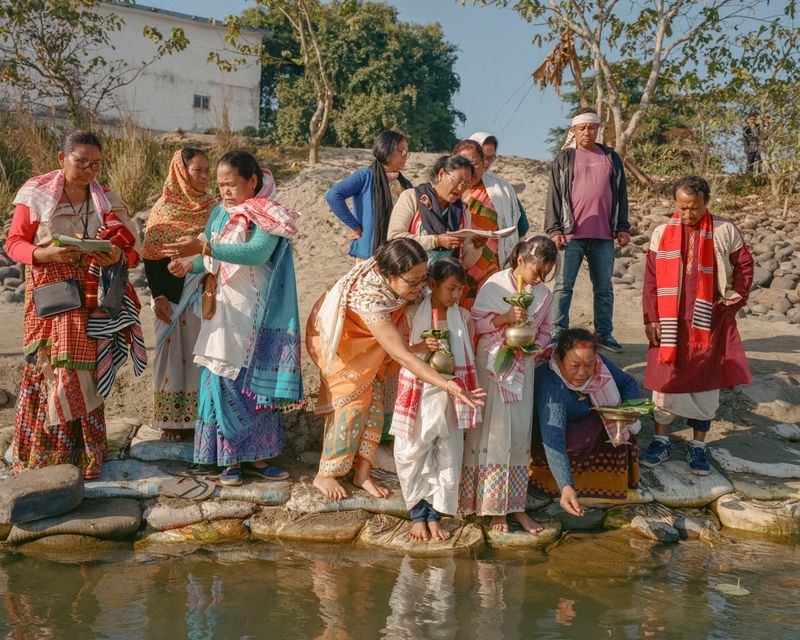
Wedding ritual on the banks of the Kherkata River. Female family members march singing to collect water from the sacred river, later used to wash the groom. The communal act honors river spirits and the symbolic power of water.

© András Zoltai - A Mishing woman having a rest at rice harvest in Jengrai Chapori.
i

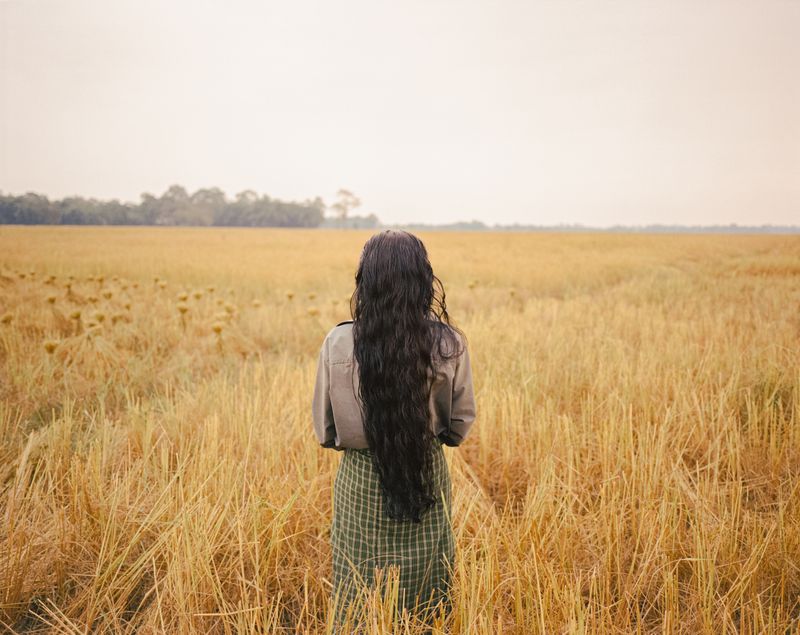
A Mishing woman having a rest at rice harvest in Jengrai Chapori.

© András Zoltai - A Mishing herder rests with his animals at sunset on the floodplain, as the day’s work settles into quiet routine.
i

A Mishing herder rests with his animals at sunset on the floodplain, as the day’s work settles into quiet routine.

© András Zoltai - Image from the Flood Me, I'll Be Here photography project
i

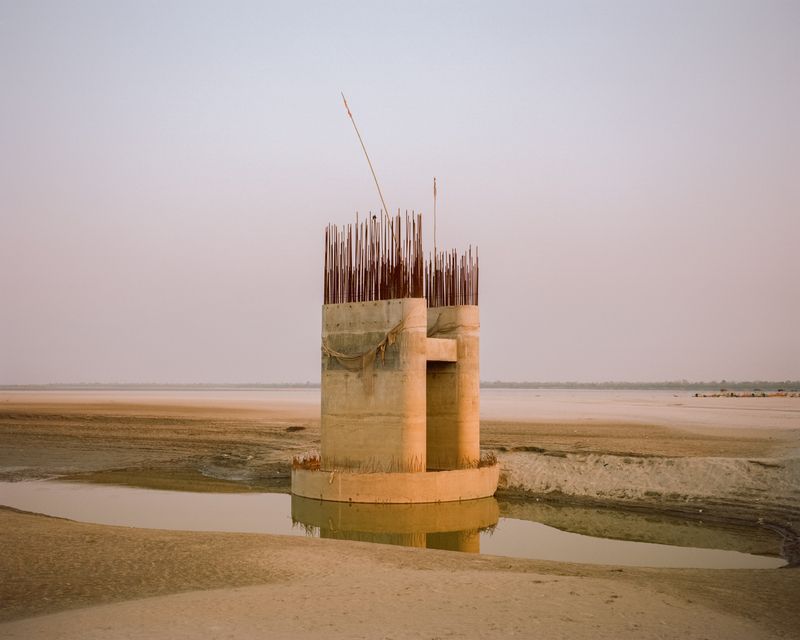
The unfinished pillar of the new Majuli–Jorhat bridge, spanning about 6.8 km across the Brahmaputra, signals a major change for the island. Locals have mixed feelings: many welcome the long‑awaited link for easier access and economic opportunity, while others worry that this infrastructure will disrupt Majuli’s delicate ecosystem, cultural rhythms, and peaceful way of life.

Flood Me, I'll Be Here by András Zoltai

Prev Next Close