FAKE BIRD CLOWN

-
Dates2024 - Ongoing
-
Author
- Topics Documentary, Nature & Environment, Photobooks
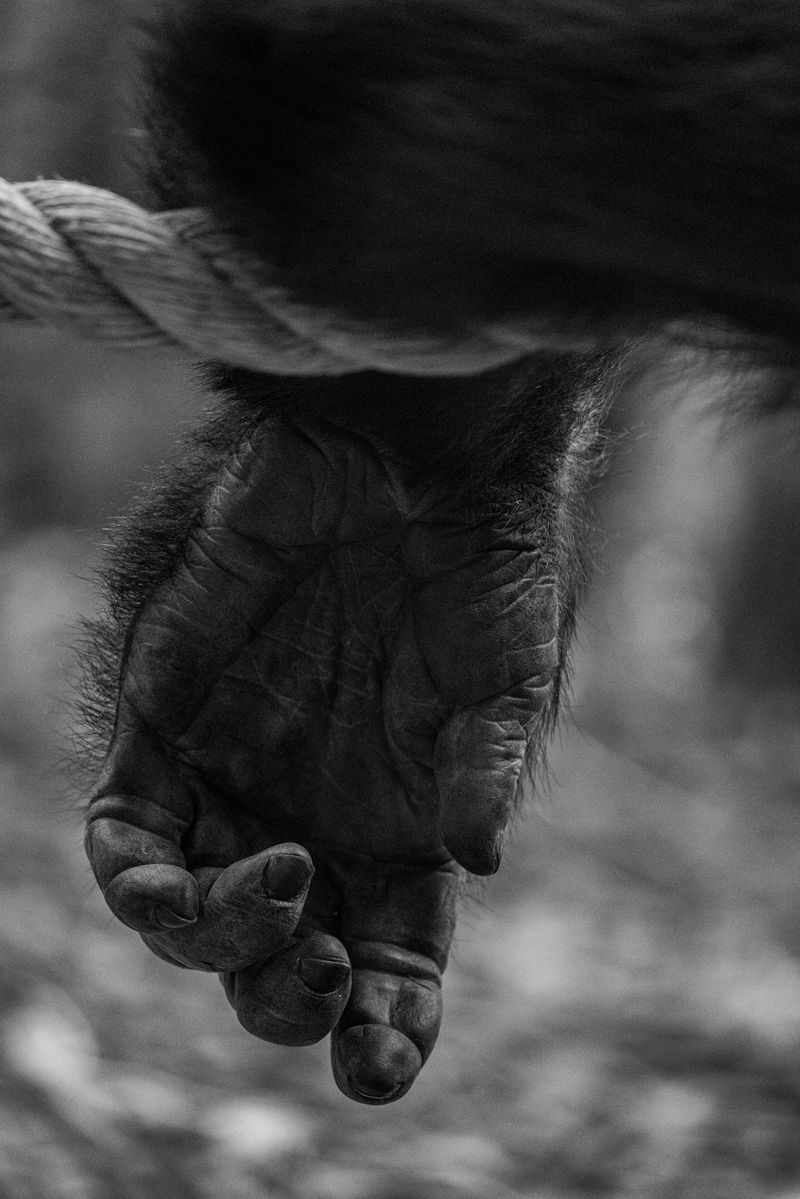
FAKE BIRD CLOWN is a fictional story that explores the relationship between non-human creatures and humans in the context of culture, science, and tourism.
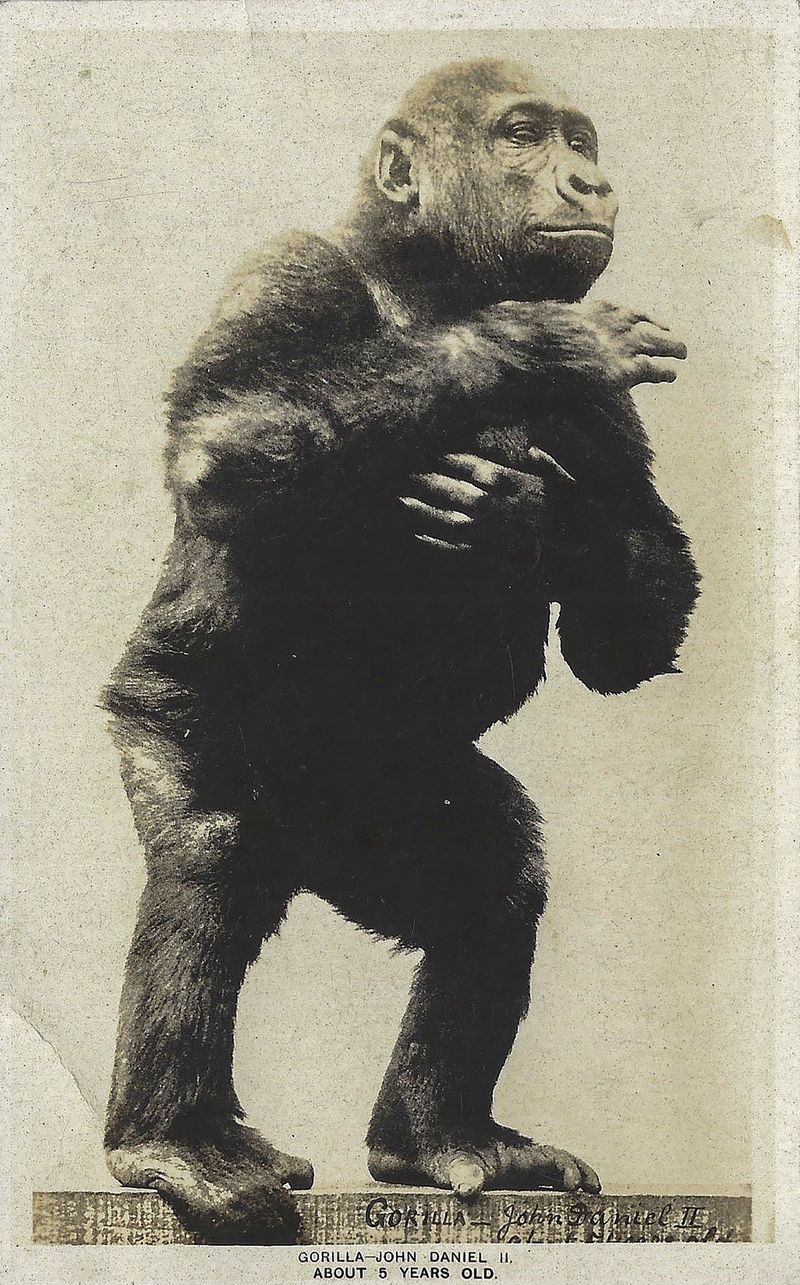
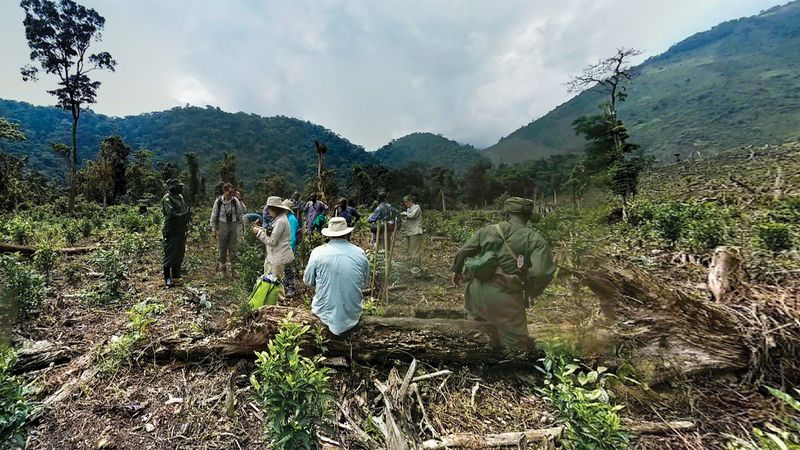
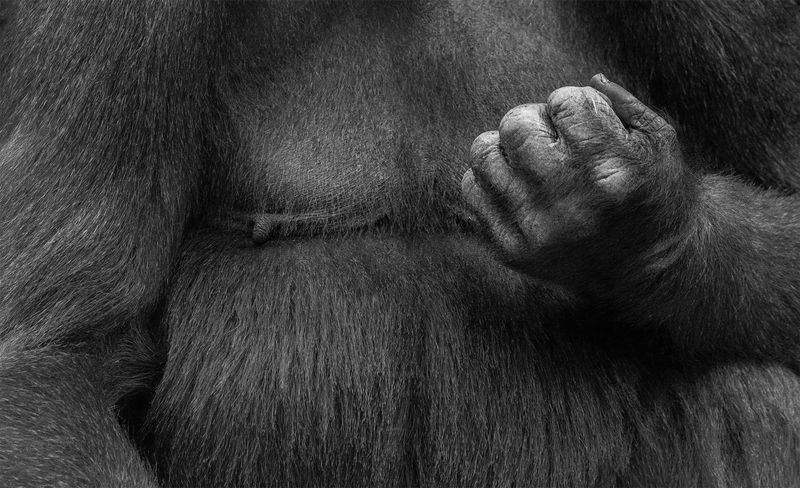
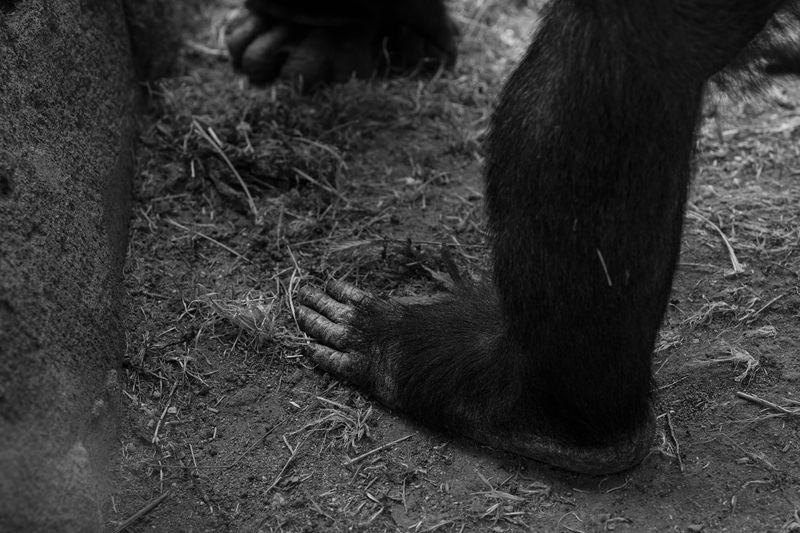
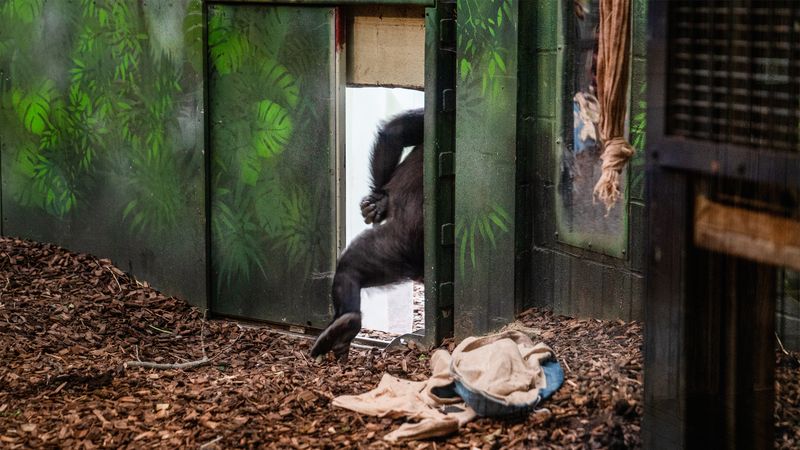
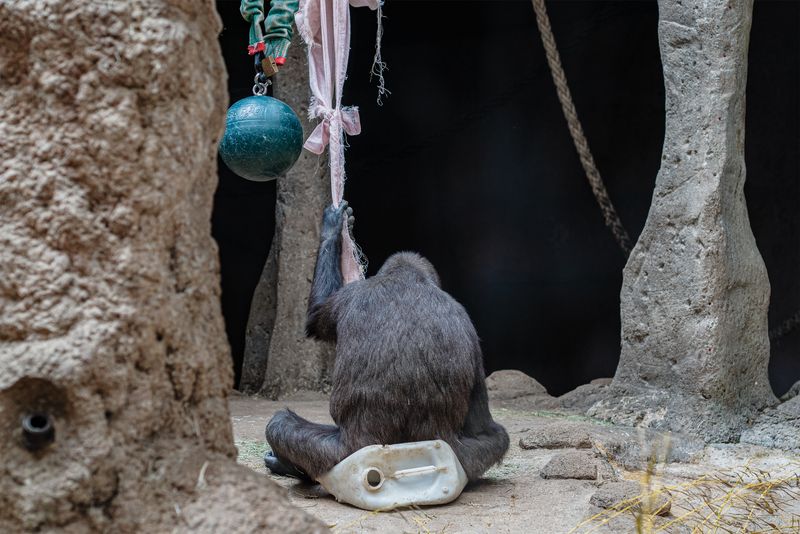
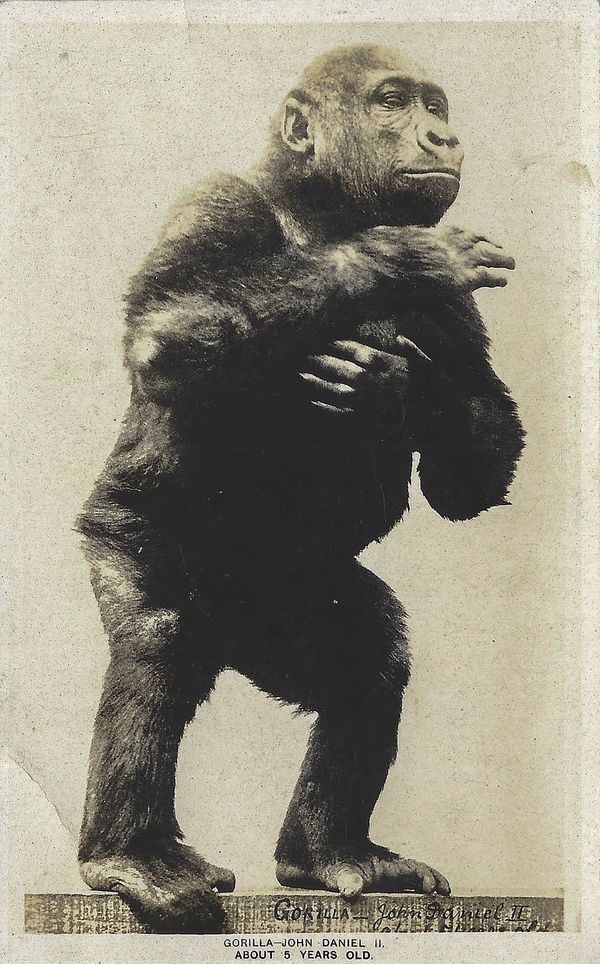
The narrative examines whether humankind’s technological ambitions bring species together or push them apart, to the detriment of all life on earth. It focuses on the gorilla, which shares a genome sequence of 98.3% with humans, establishing them as our closest relatives with similar cognitive and behavioural traits. Gorillas are classified as critically endangered. Their populations are declining because of human activities such as deforestation, poaching, and bushmeat consumption.
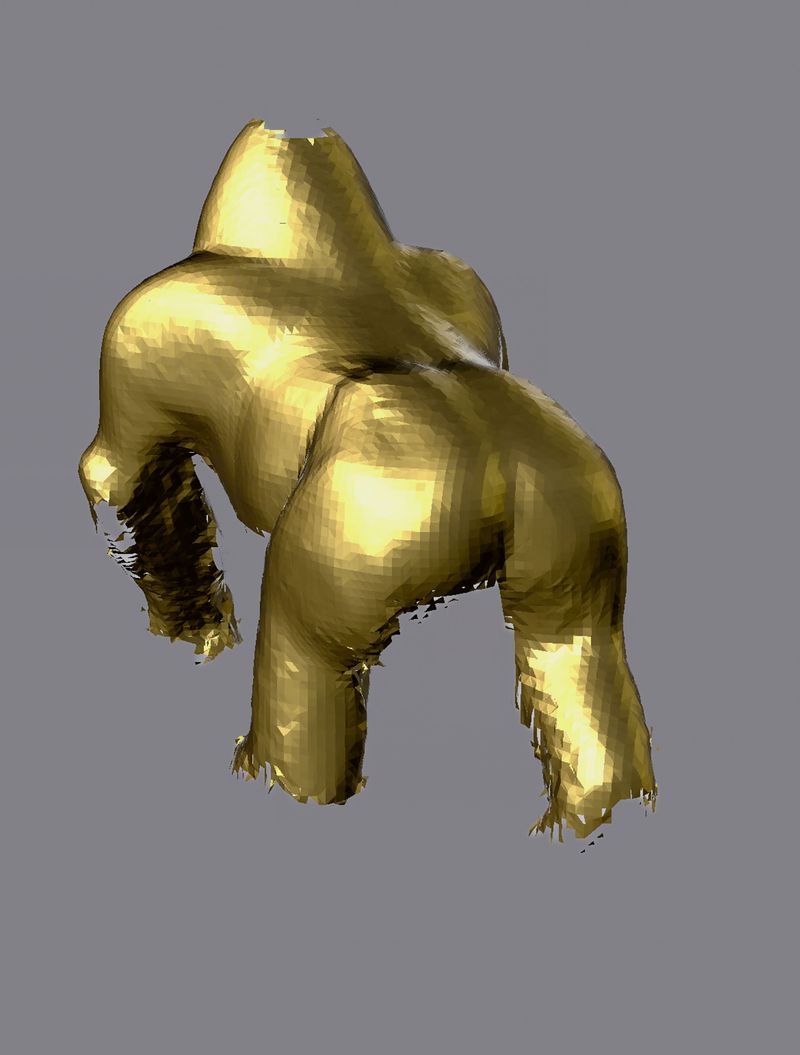
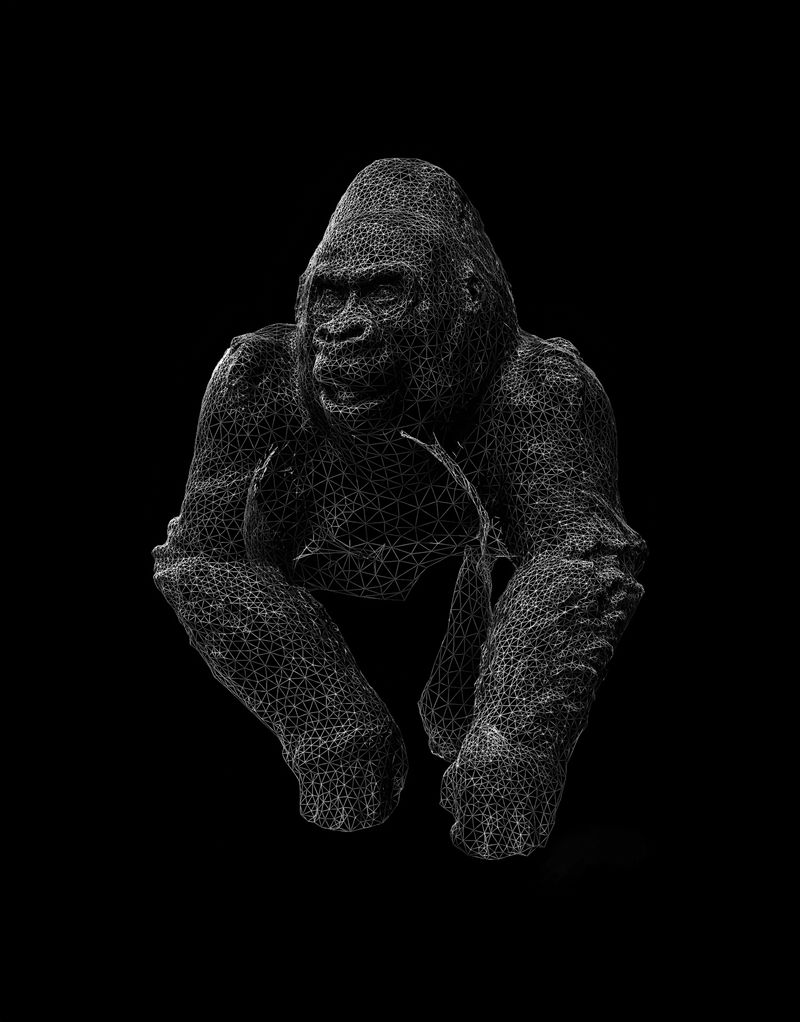
The narrative was co-authored with the large language model ChatGPT-4, and some images were created with Midjourney. It amplifies a non-human perspective on the journey from ape to human, while exploring the impact of this transformation on the gorilla’s sense of being and belonging in the world.
The project is inspired by Franz Kafka’s 1917 short story ‘A Report to an Academy’ about an ape captured in the Congo and trained by humans to mimic civilised Western behaviour, exploring themes of identity, assimilation, and the human condition.
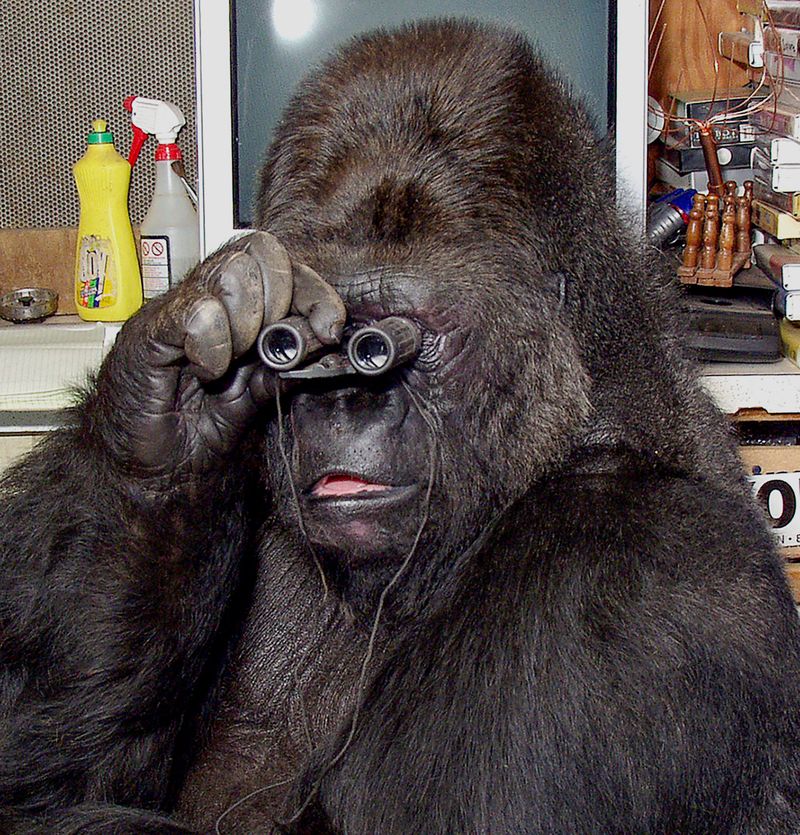
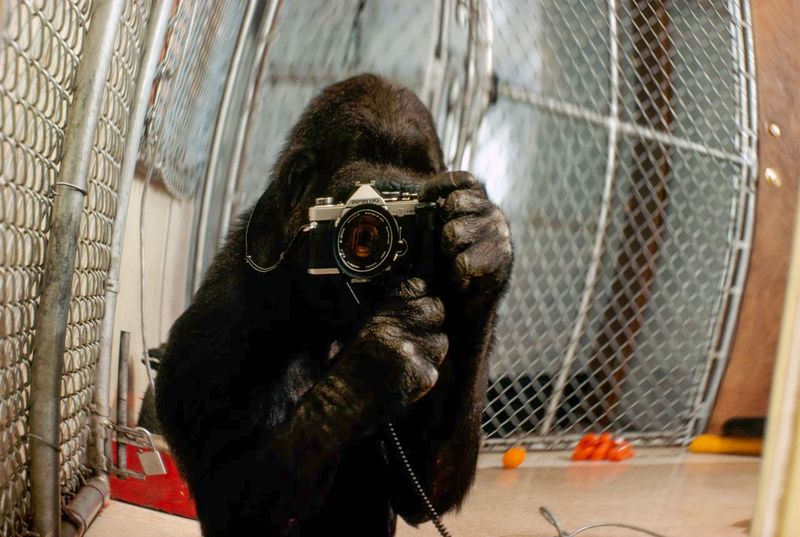
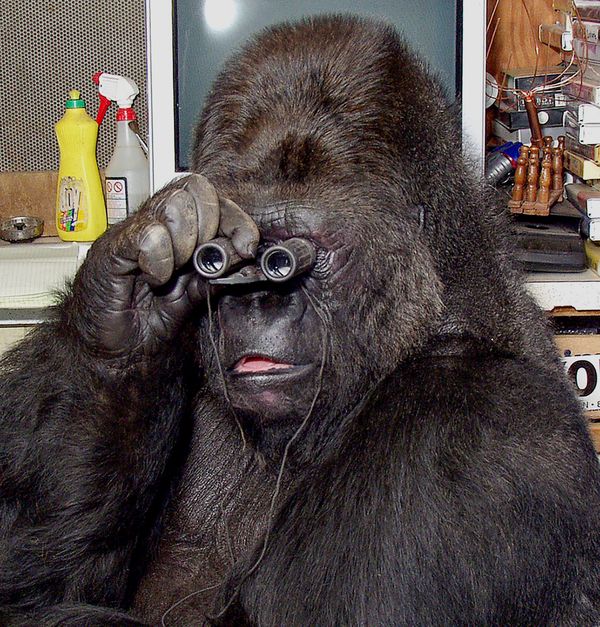
The title FAKE BIRD CLOWN refers to a sign language exchange between a gorilla named KOKO and her caregiver. KOKO identified a photograph of a bird as a picture of herself as a bird and not a gorilla. KOKO appeared to use irony, suggesting that communicating using human-centred methods may prevent us from fully understanding the minds of other species.
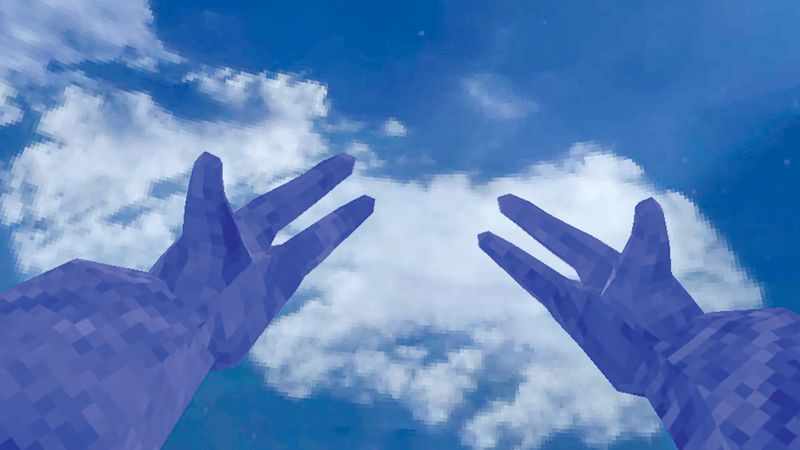
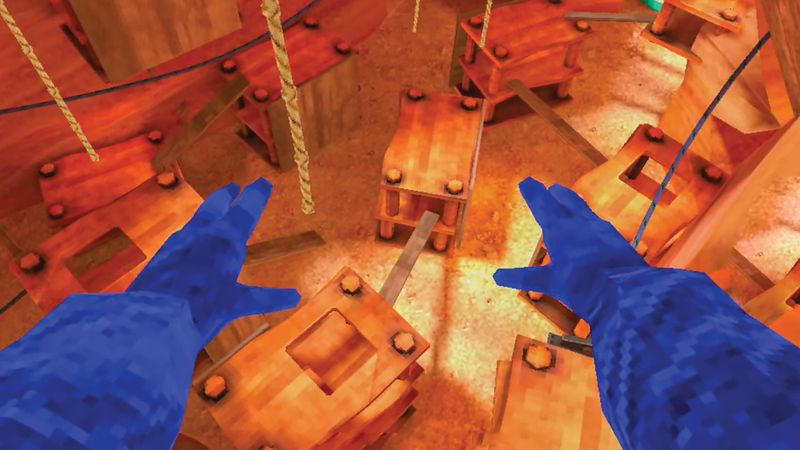
The book offers a multi-layered and playful journey that weaves between real-world engagement and virtual gaming realities; three-dimensional virtual social environments where gamers take on the physical embodiment of a gorilla avatar. It reveals the ecological and technological vulnerabilities between species and the challenges we face in finding a common ground of equitable understanding in which the non-human need not suffer.
As James Bridle notes in his book ‘Ways of Being’, humankind’s challenge is to acknowledge all multiple forms of intelligence through mutual entanglement that manifests new associations. We need an awareness of other systems of communication and interaction beyond our present-day artificial encounters with the more-than-human world.