Errant
-
Dates2023 - Ongoing
-
Author
- Topics Daily Life, Portrait, Street Photography, Travel
- Locations Biarritz, Bidart, Anglet
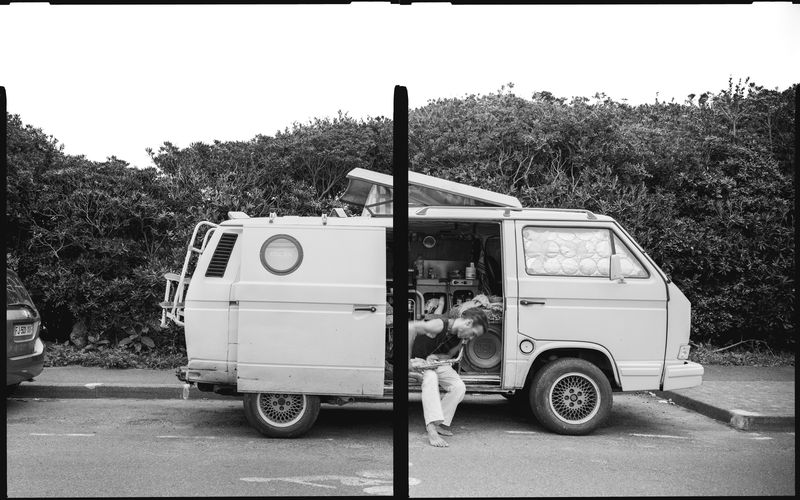
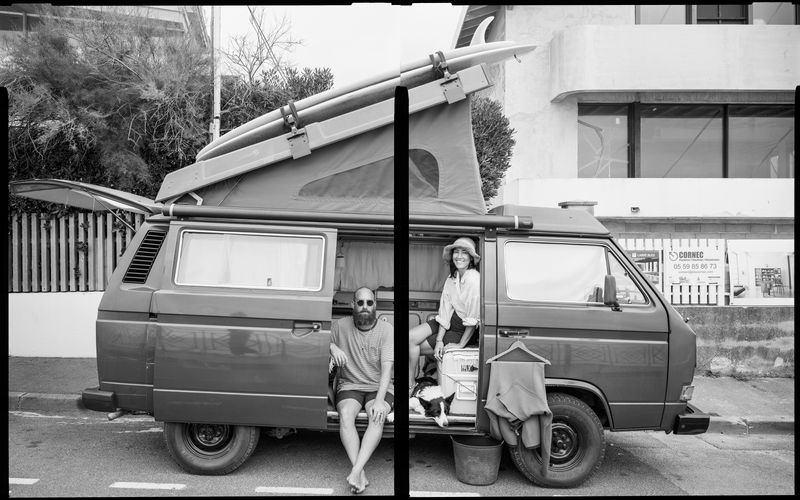
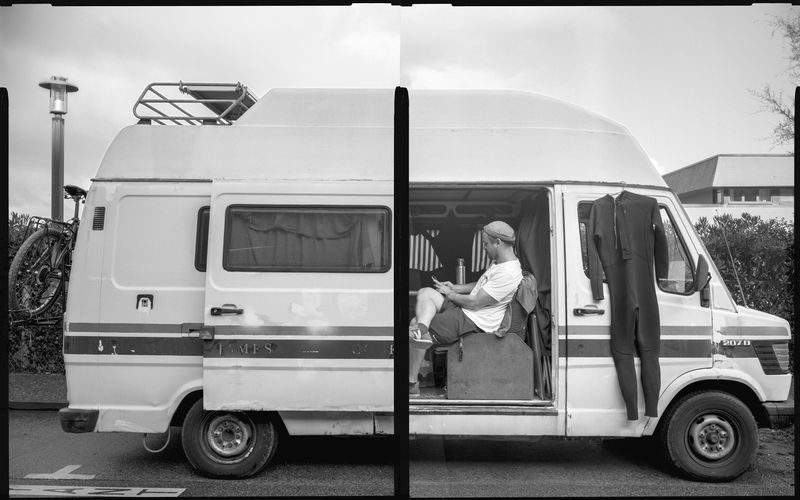
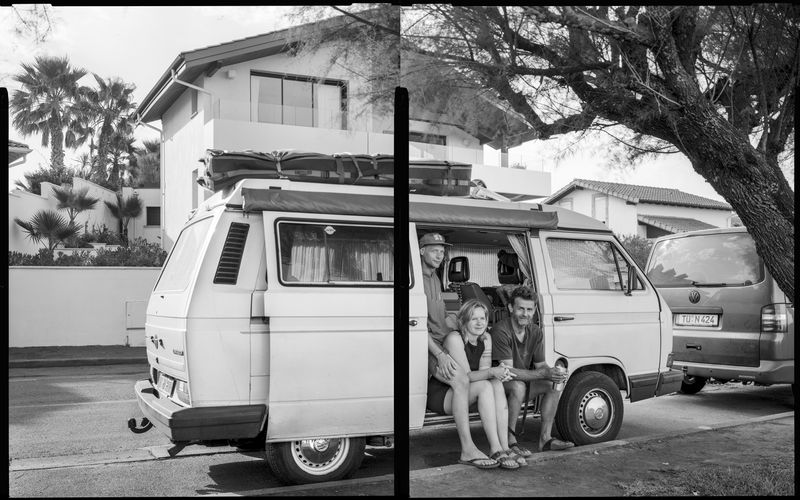
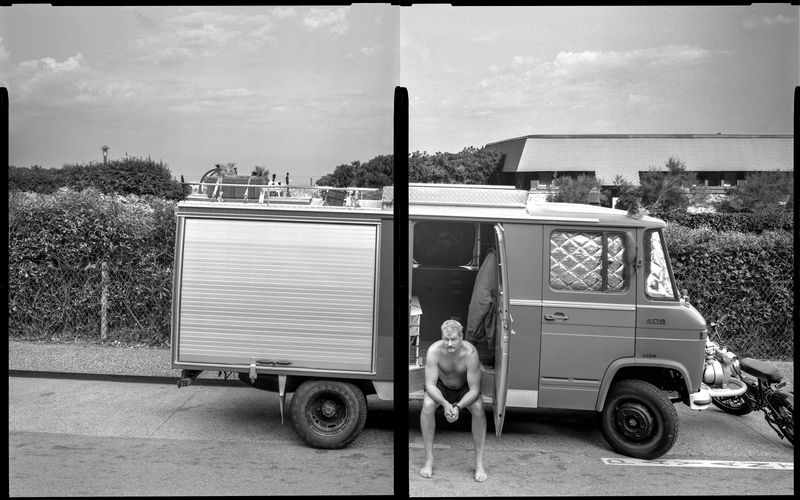
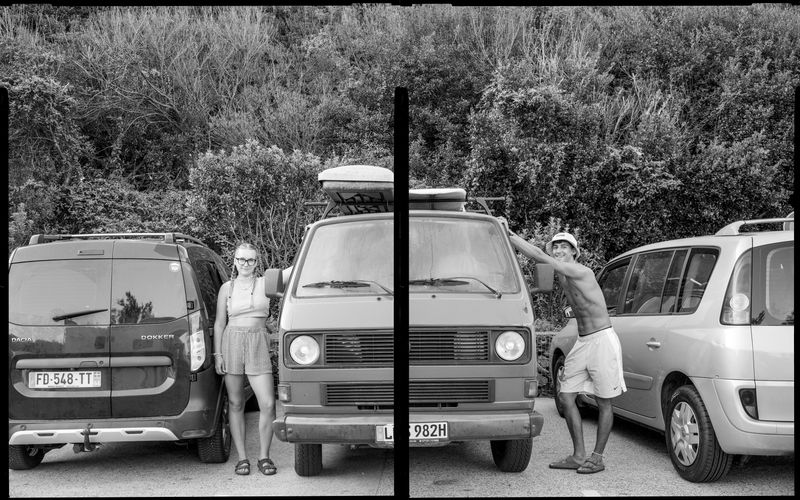
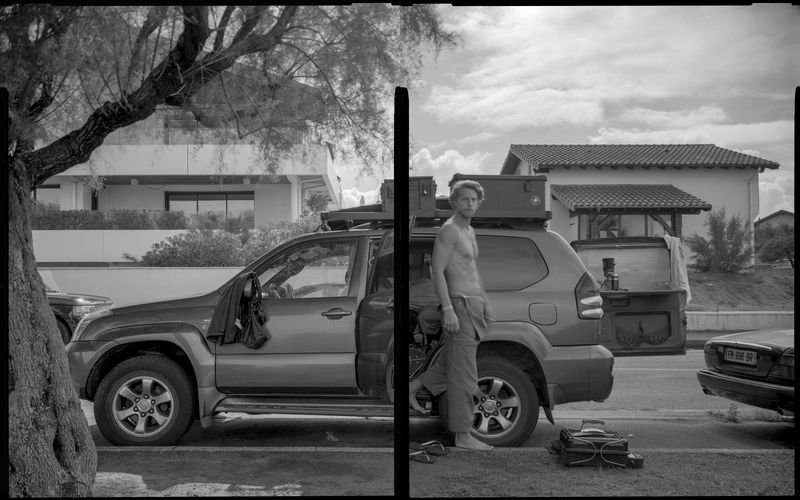
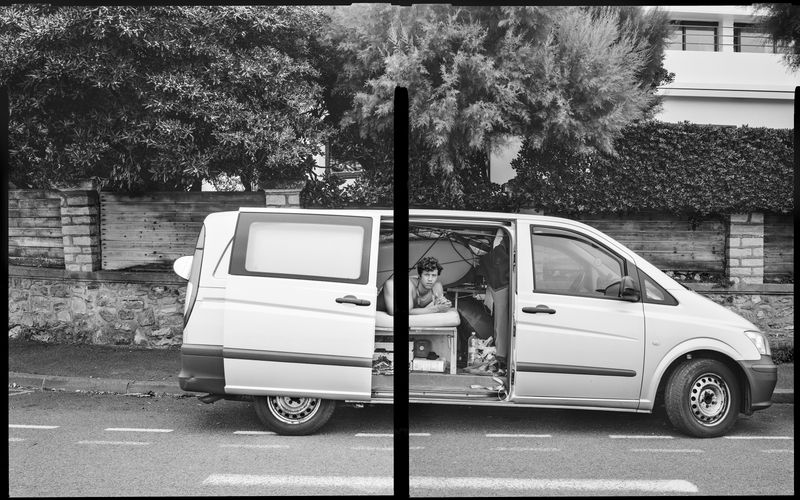
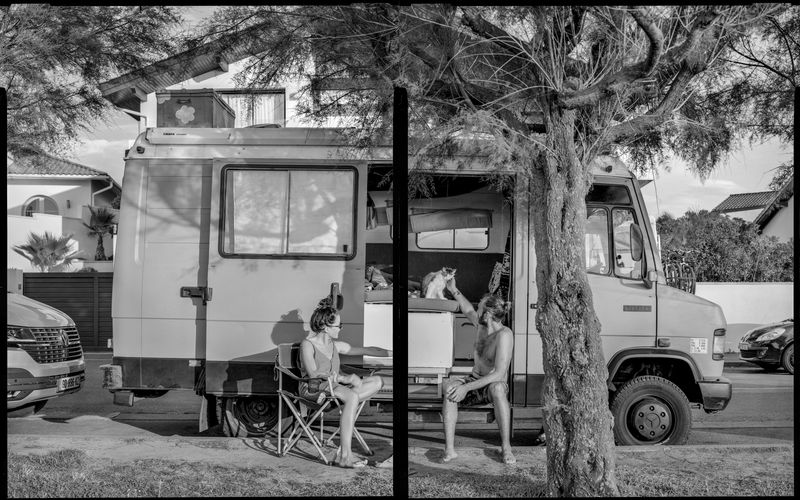
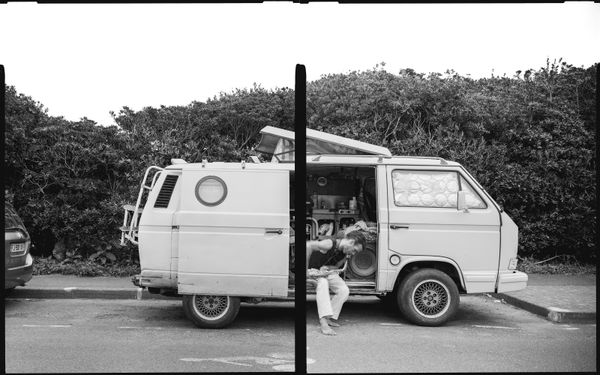
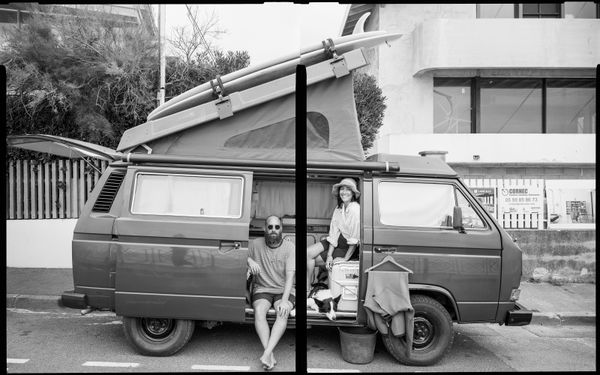
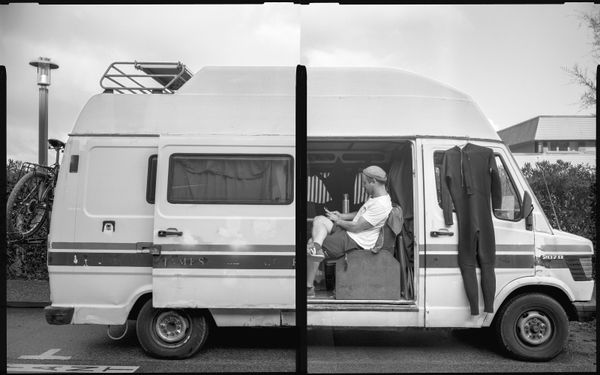
Candid portraits of people who converted their vans in mobile homes.
Errant
CHOOSE THE RIGHT WORD
wander, roam, rove, range, stray
These words all denote walking or moving in some way that is not a direct line. Some imply more energy and purpose than others.
■ Wandering denotes movement that is not purposefully directed towards a particular goal. This lack of purpose may result from indecision or lack of energy, or may simply indicate that someone is not in a hurry (she wandered aimlessly about the living room: | wandering around looking at different displays: ).
■ Those who roam move around with little forward planning but generally show more energy than the wanderer (packs of savage dogs roamed the streets: | dark lanes where gangs roamed: ).
■ Rove is a rather old-fashioned word meaning ‘travel constantly without a fixed long-term destination’ (he had roved the district in search of cinematic distraction: ) but is now most commonly used as roving, which conveys quite a strong sense of purpose (a roving busload of activists who went all over Europe: ). Roving often means ‘employed to work in many different places’ (communication with a roving agent was always fraught with difficulties: ).
■ Range is a less common word, indicating movement that is free from restrictions or constraints and is usually over a wide area but is nevertheless purposeful (railway entrepreneurs ranged the globe in search of trade: | they ranged over the Pacific in outriggers: ).
■ Stray denotes movement away from where one should be (if you stray off the route it's almost impossible to get back: | for an instant her tired mind strayed: ), or into a wrong or inappropriate place (the military arrested anyone who strayed into the exclusion zone: ).
*Citation from the English Thesaurus