Entre dos Tierras
-
Dates2022 - Ongoing
-
Author
- Location California, United States
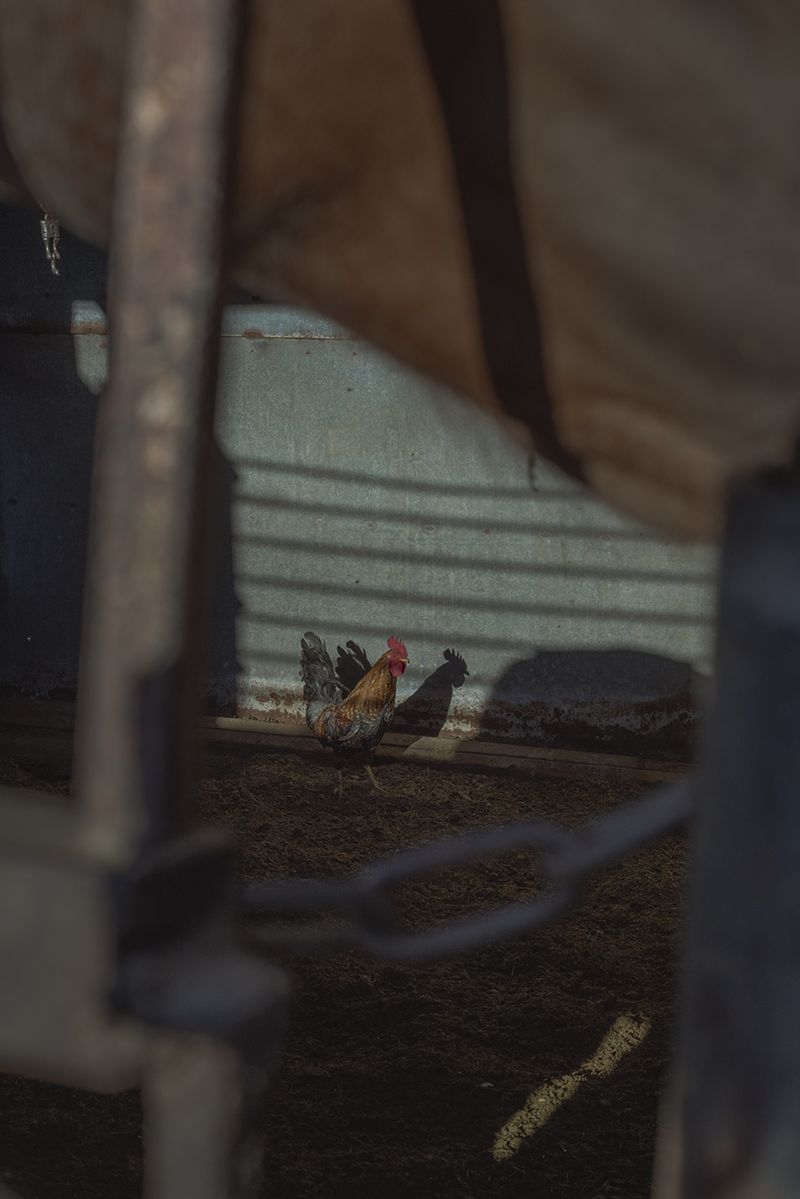
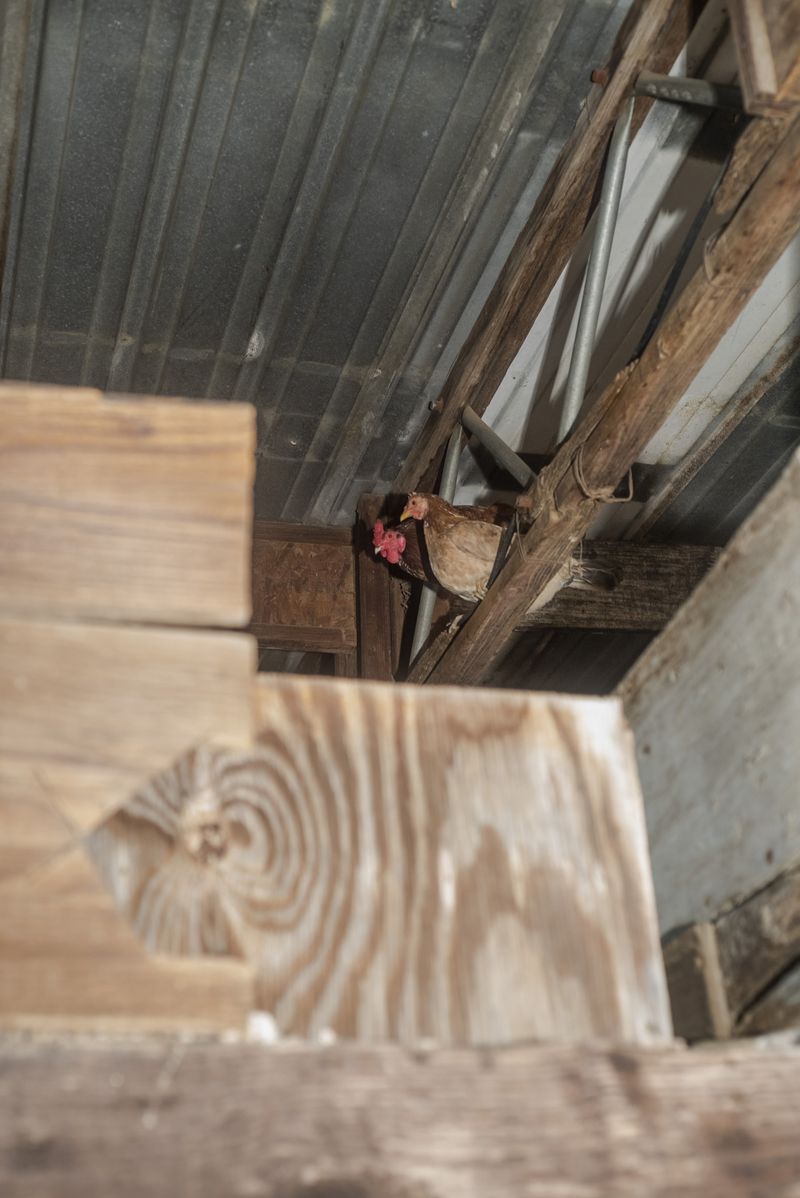
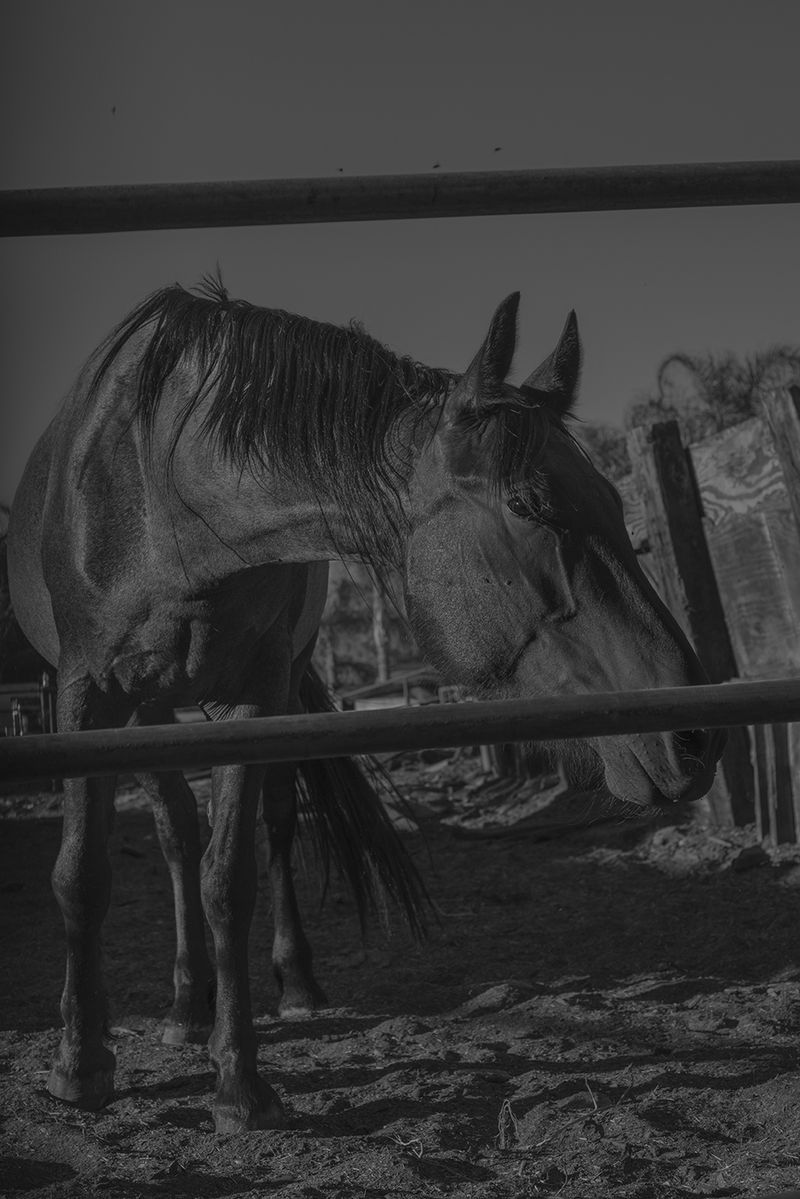
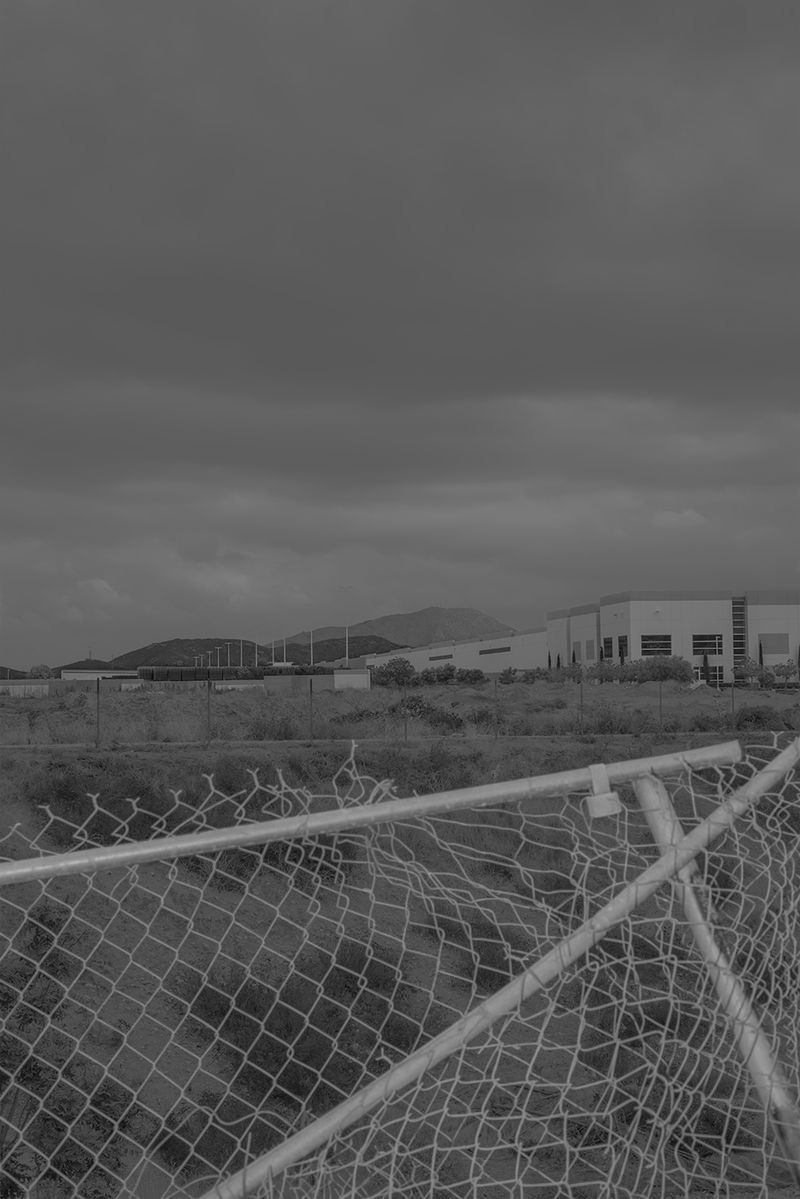
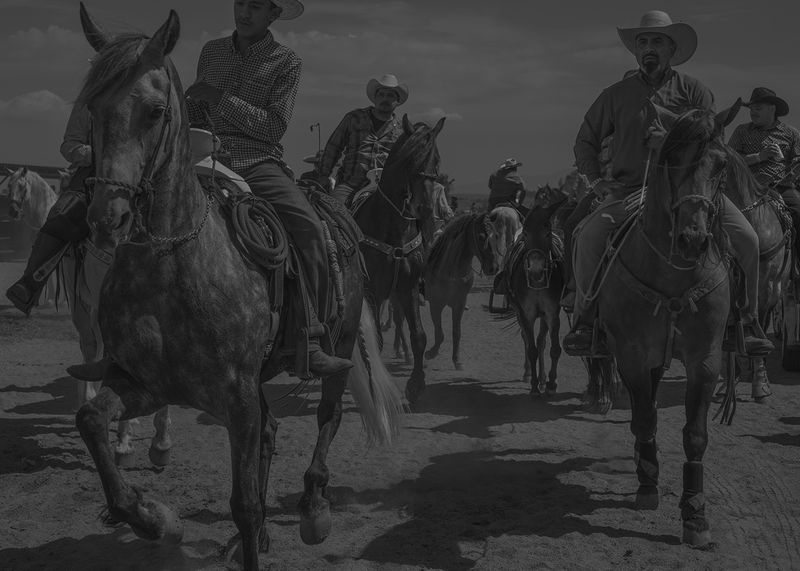
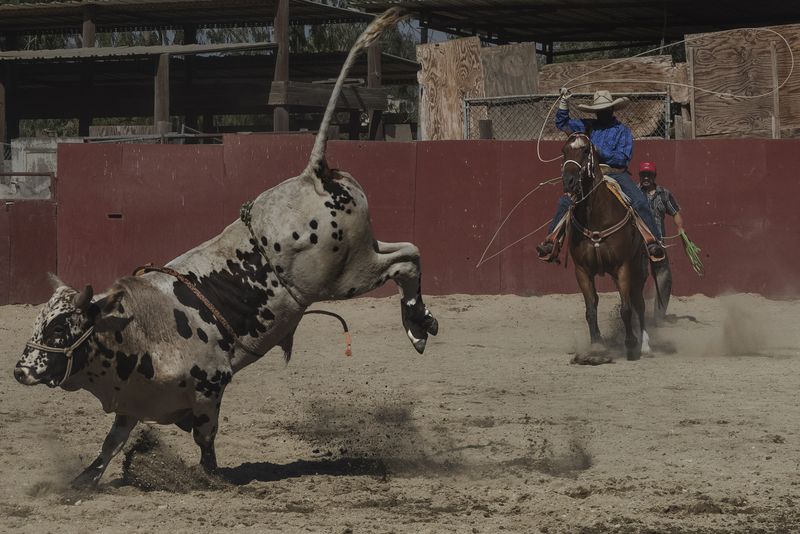
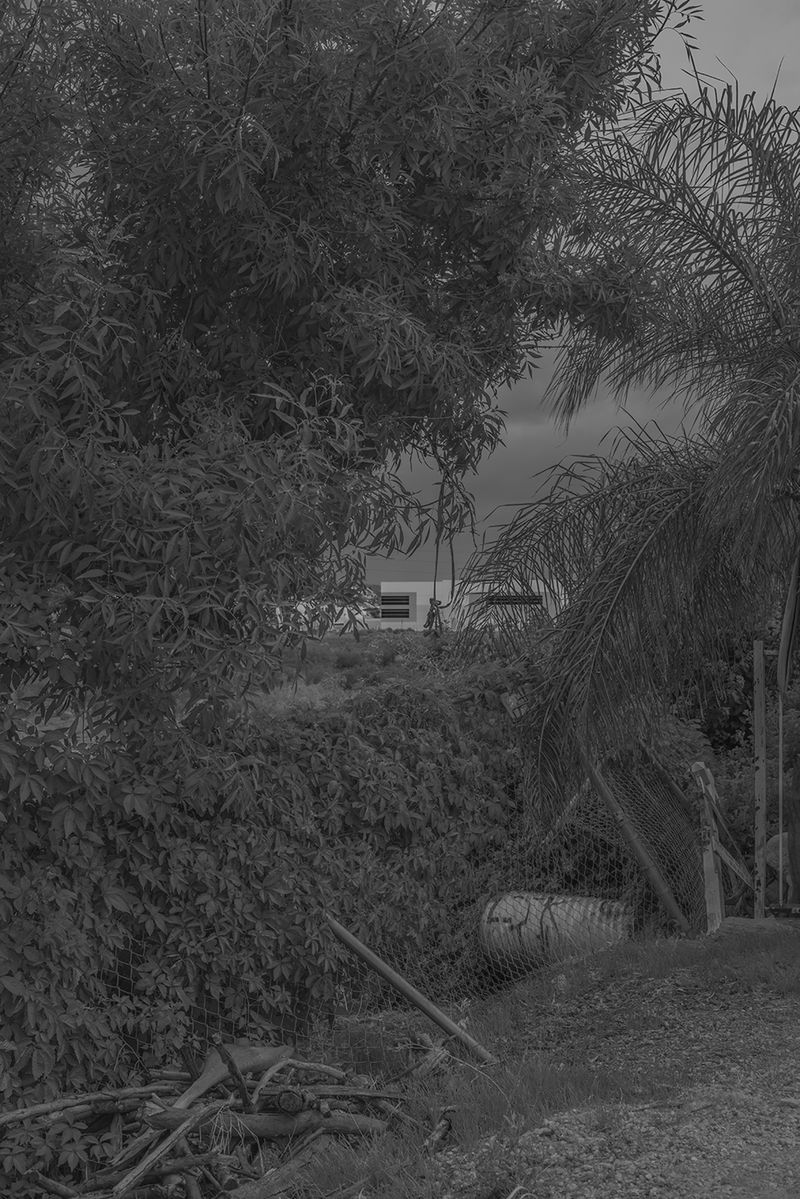
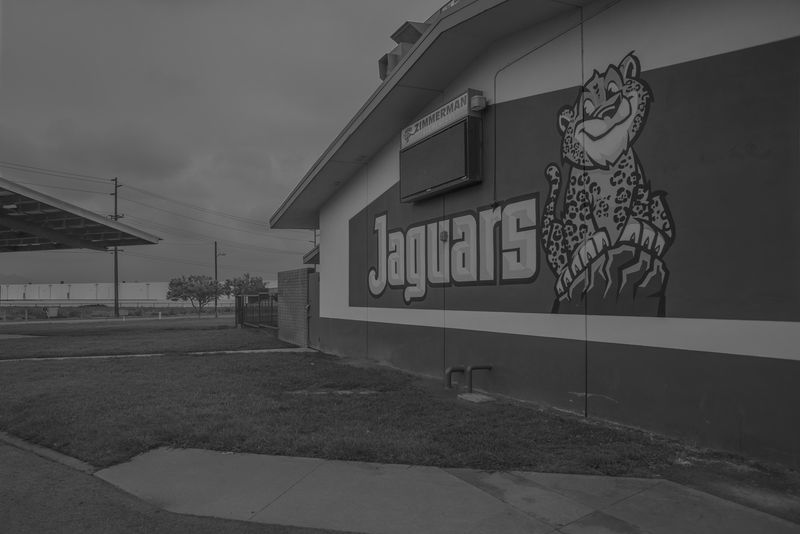
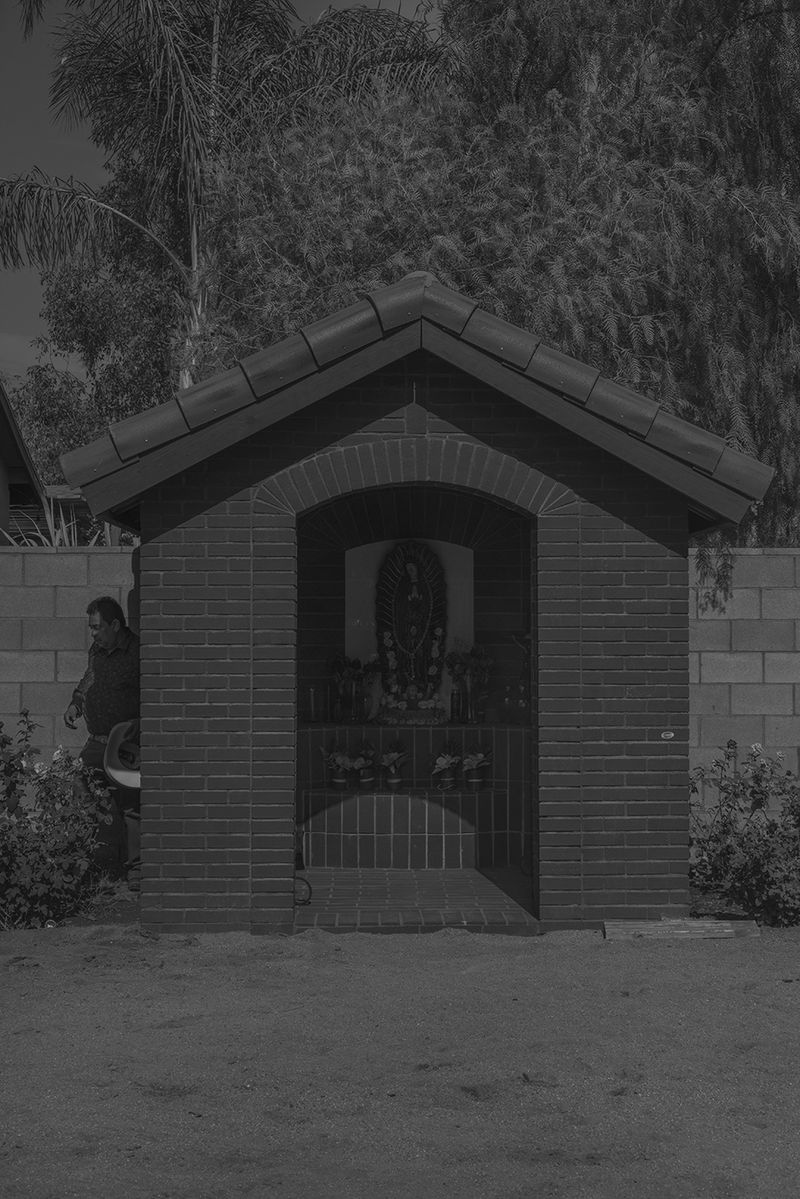
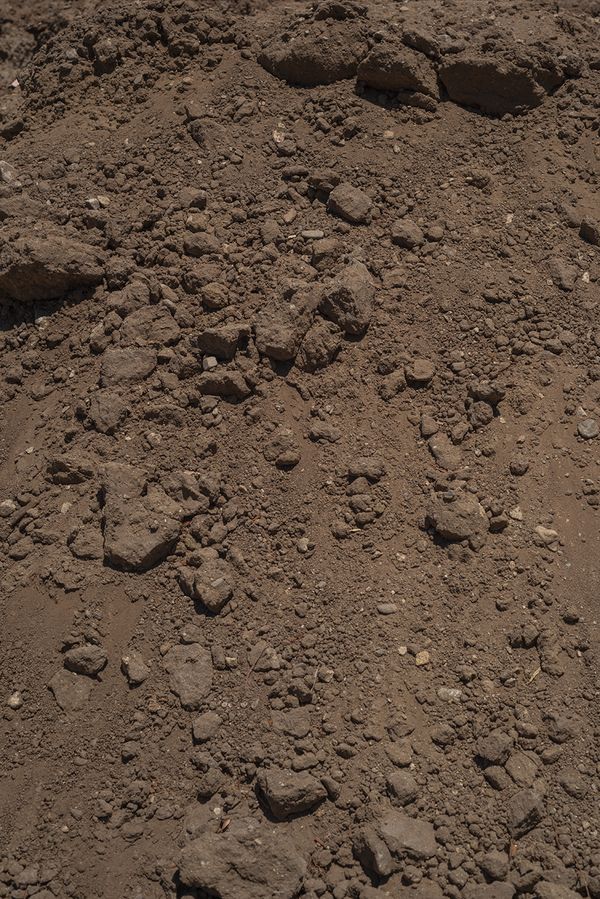
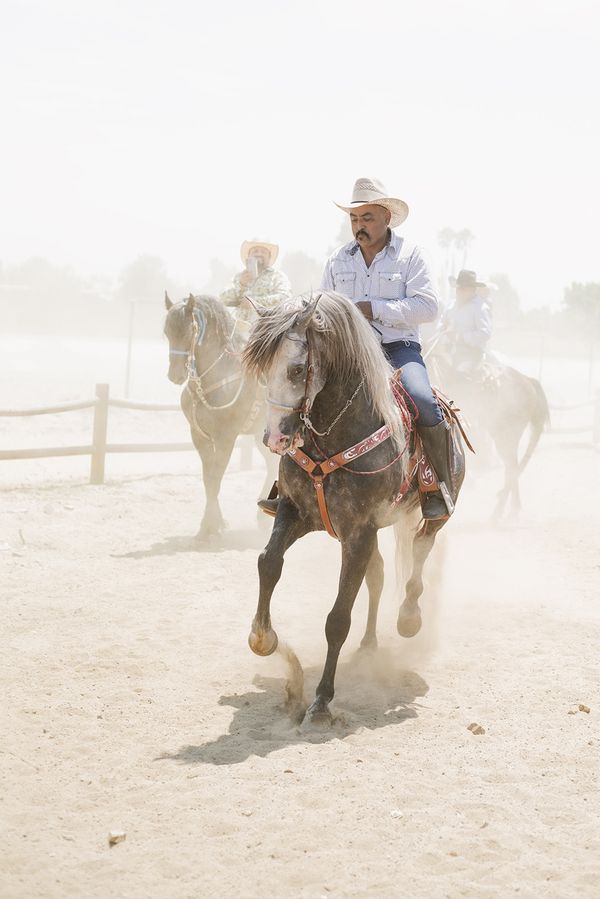
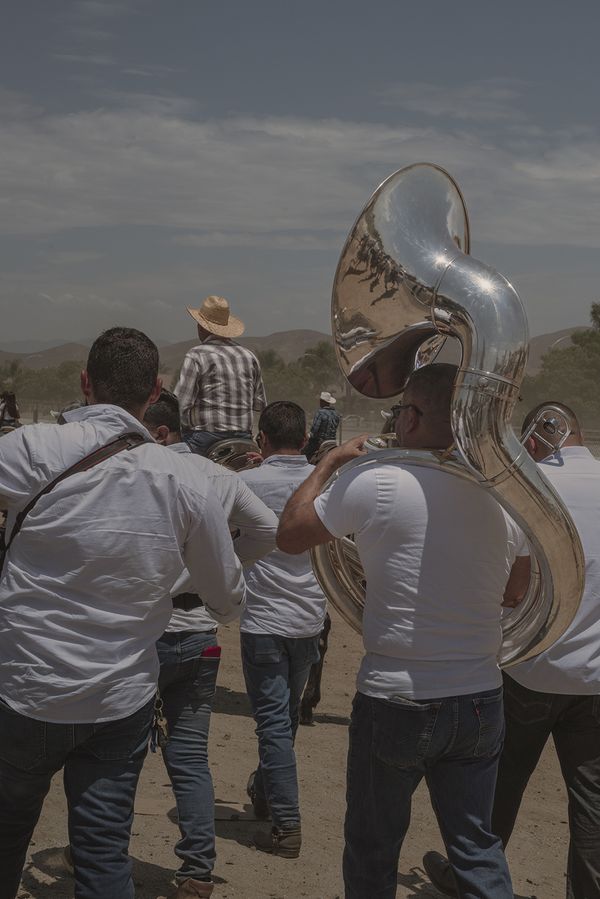
This project aims to create a visual archive of the Ranchero legacy in the Inland Empire, investigate and document the imminent expansion and construction of warehouse facilities and its effects on the landscape, environment, and immigrant community
Entre Dos Tierras (working title)
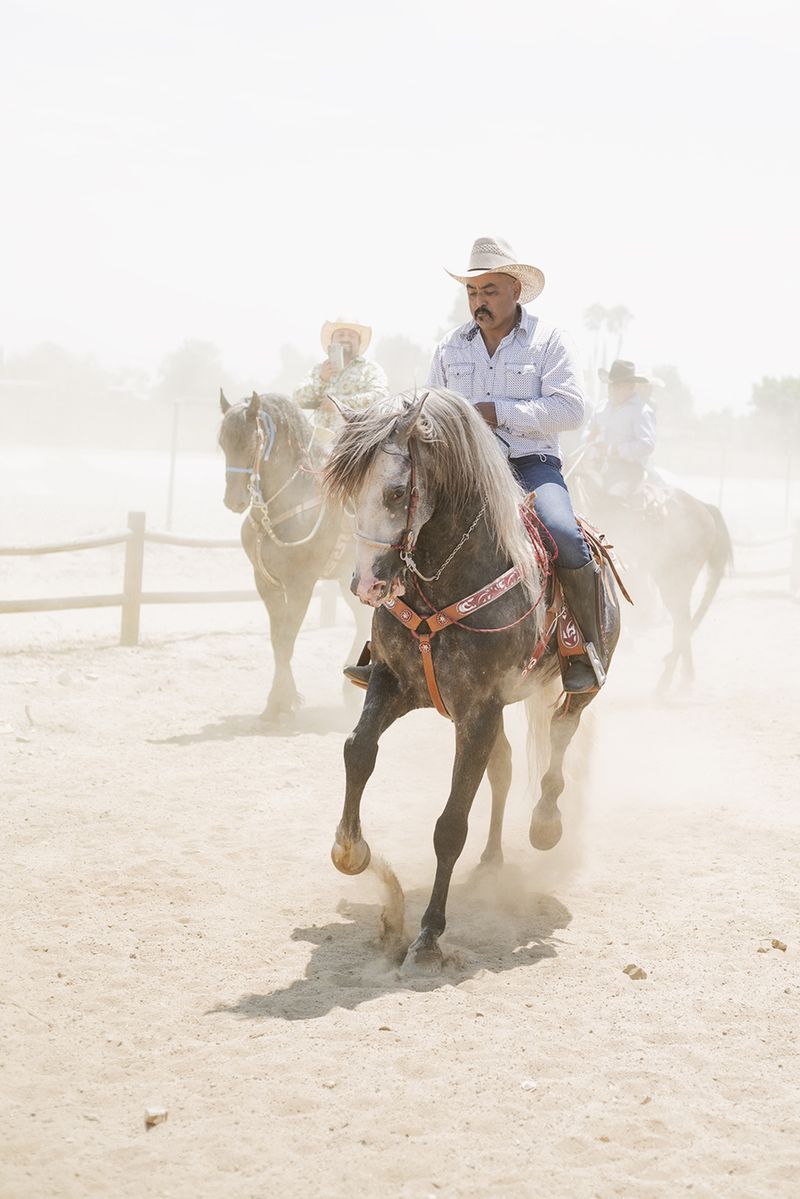
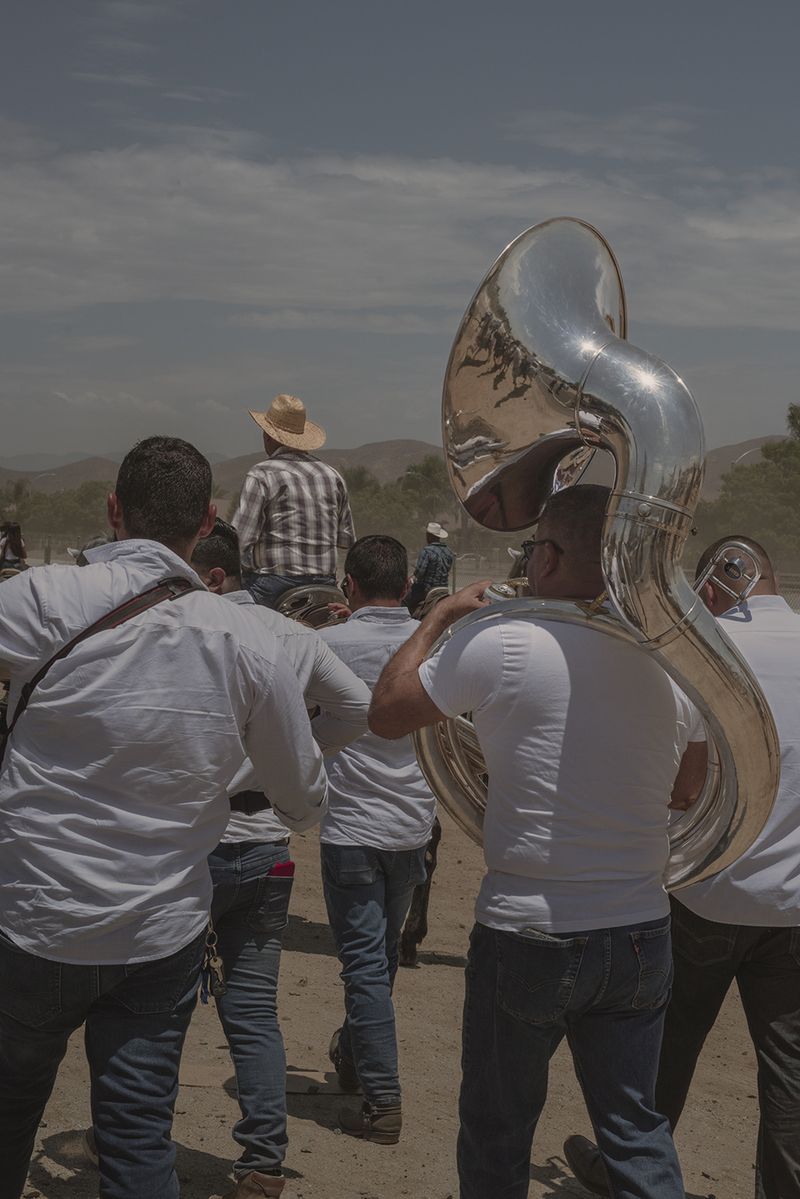
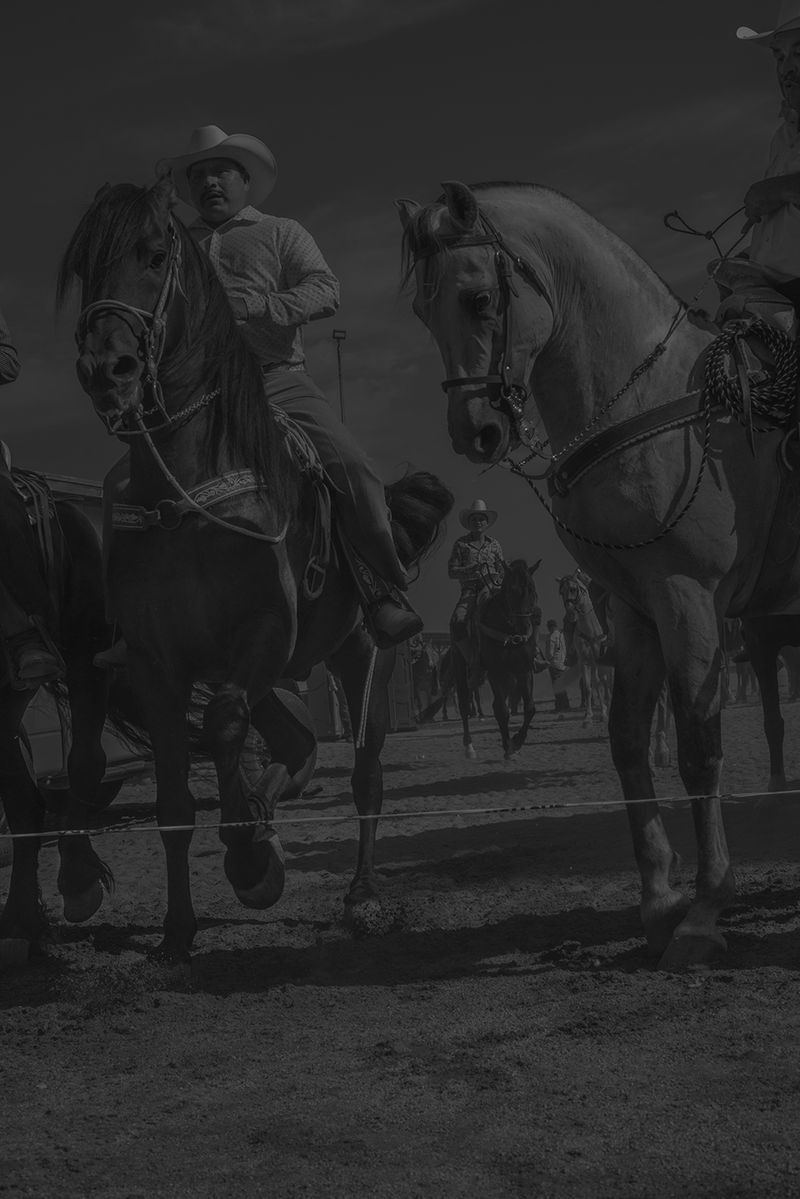
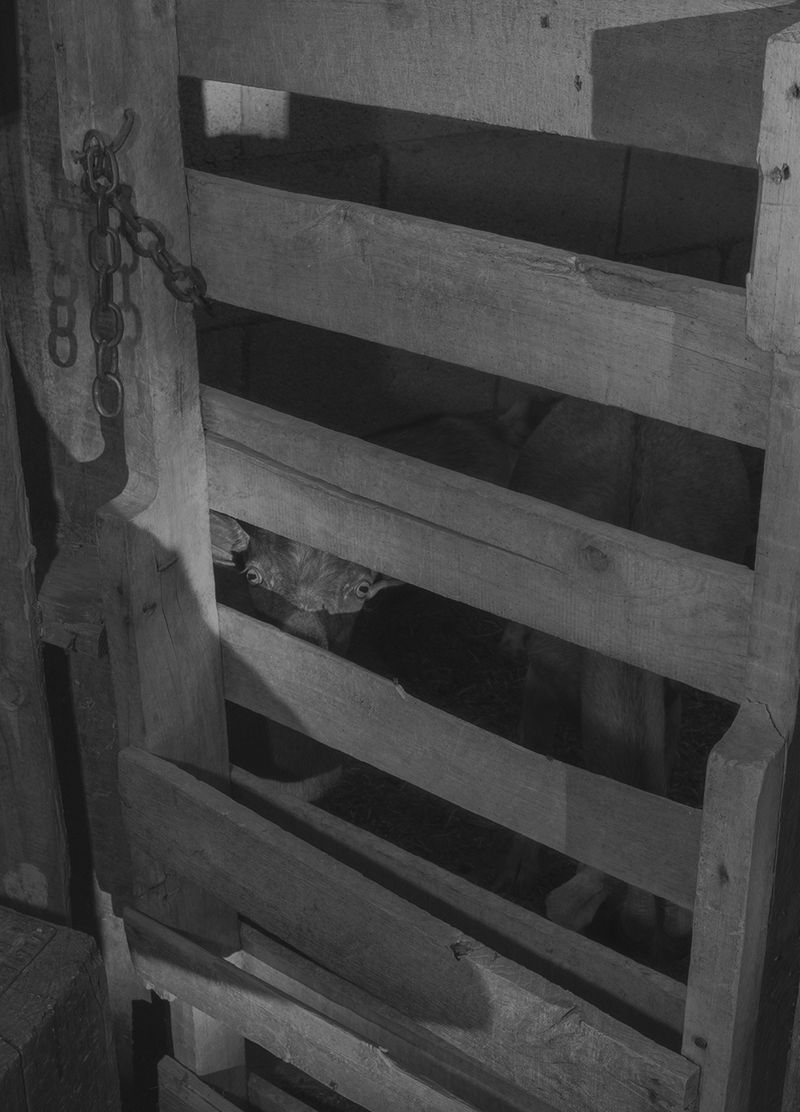
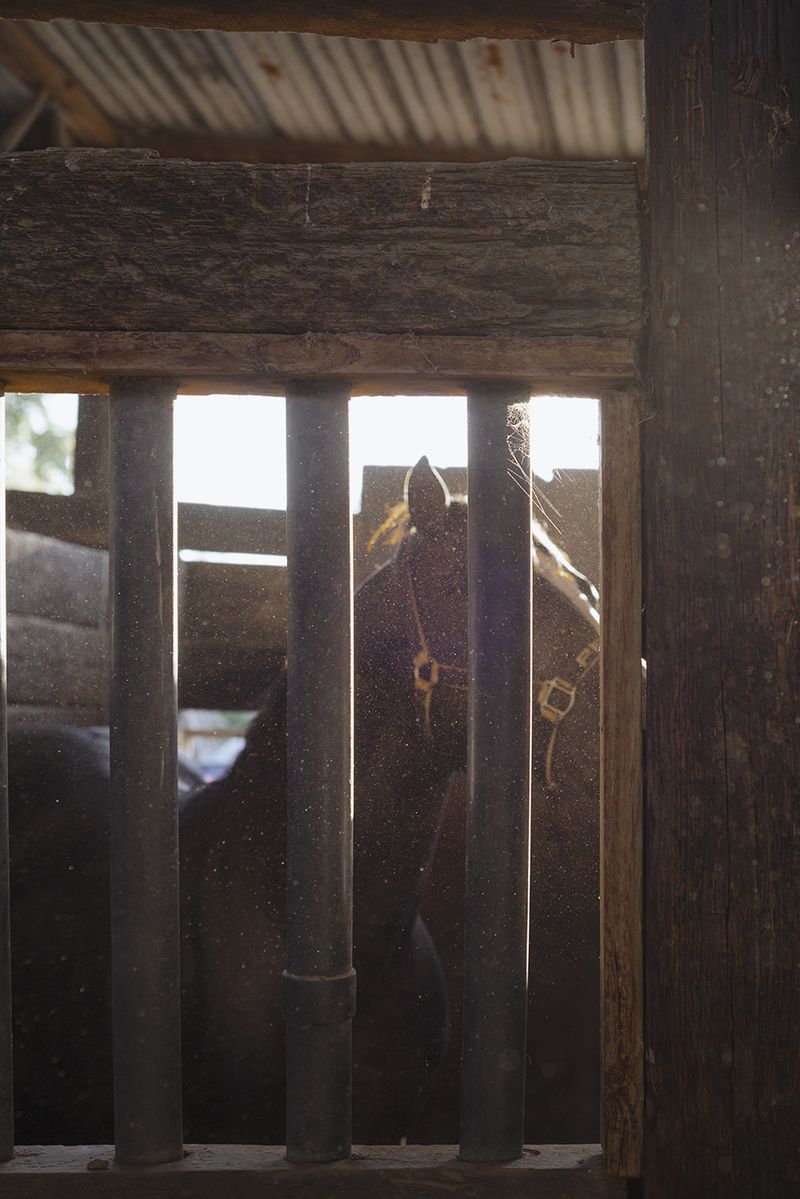
For decades, the Inland Empire region in Southern California has been the home of thousands of Mexican immigrants and newer Chicano generations embracing the traditional rural and equestrian lifestyle, many of them relocated from Los Angeles due to the low living costs, which presented the opportunity to buy land and establish their ranchos embracing their identities, and for some of them the chance to make a living from the land.
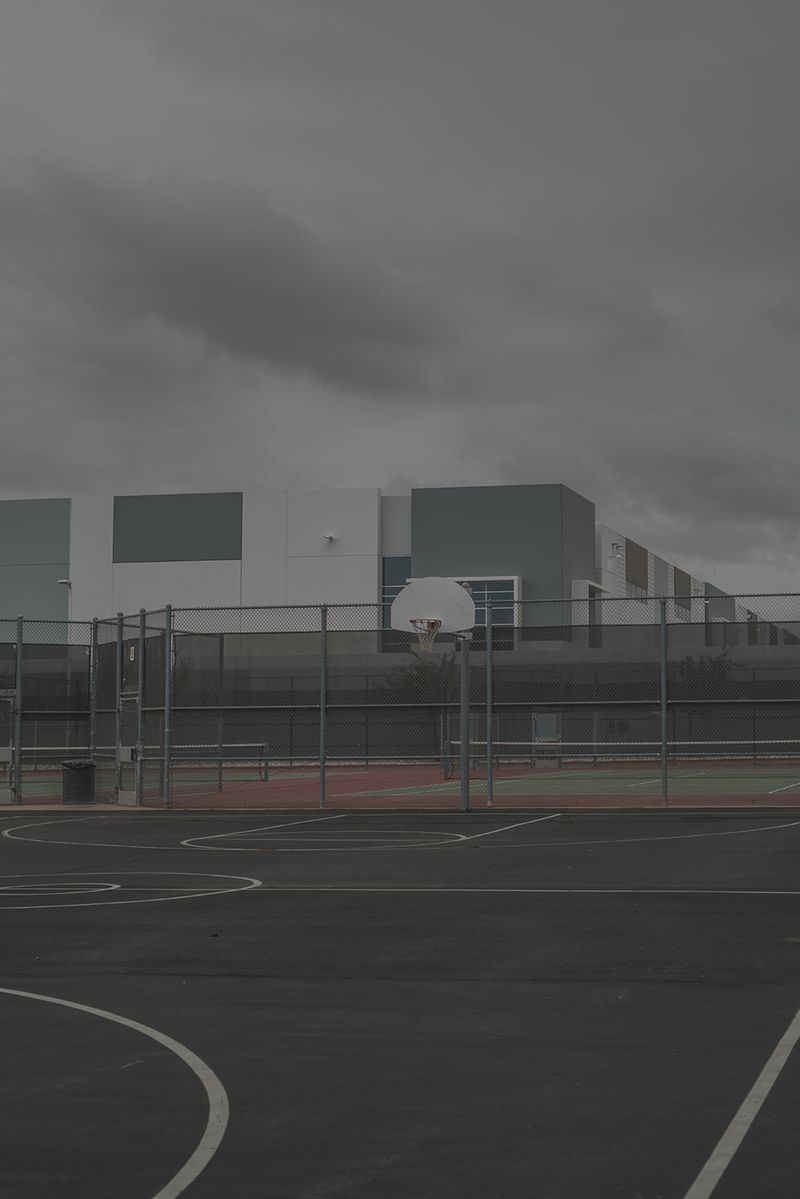
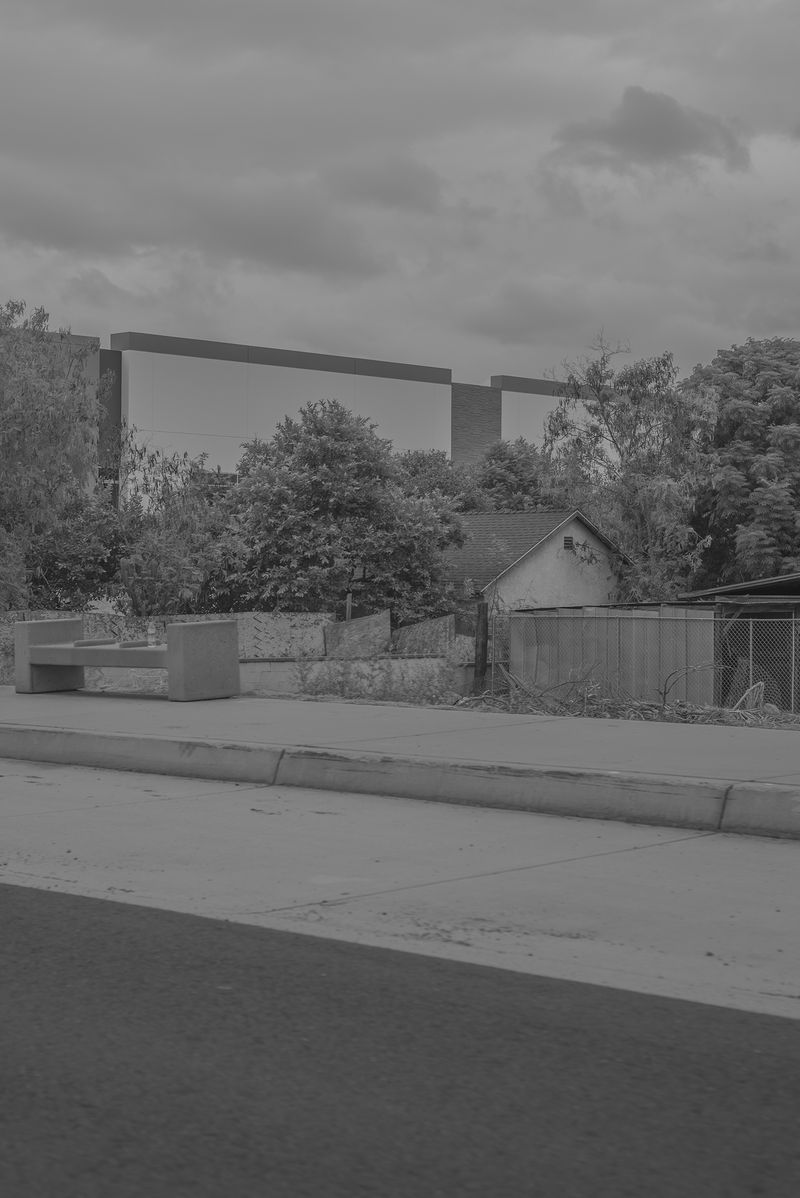
The Inland Empire region is famously known for agricultural production; however, because of its geographical location and access to freight railroad lines and existing supply chain routes, this region has sparked the interest of real estate developers and multinational logistic companies such as FedEx, Amazon among others, leading them into building and expanding warehouse facilities. Although this industrial expansion has been present for decades, it has recently exacerbated generating employment where the working conditions of fulfillment centers are far from ideal, lacking essential benefits, and employees are at constant risk of workplace injuries, hence resulting in business unionism
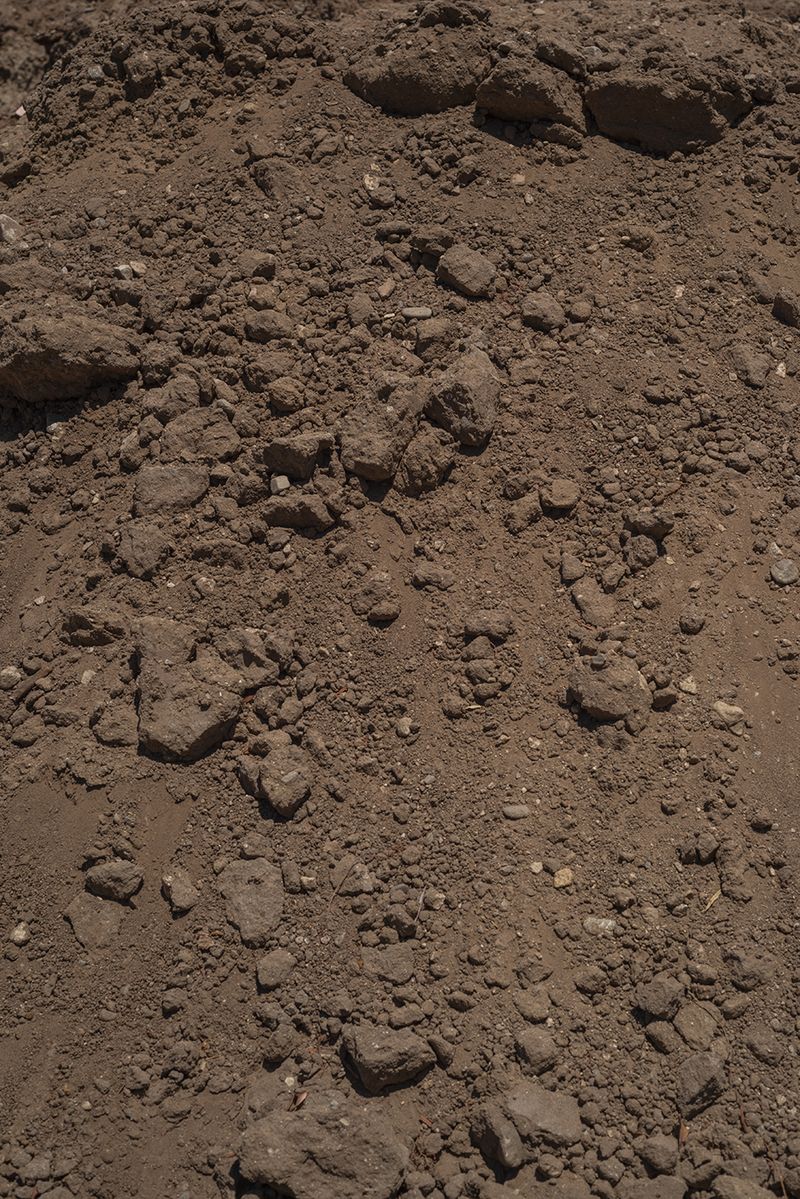
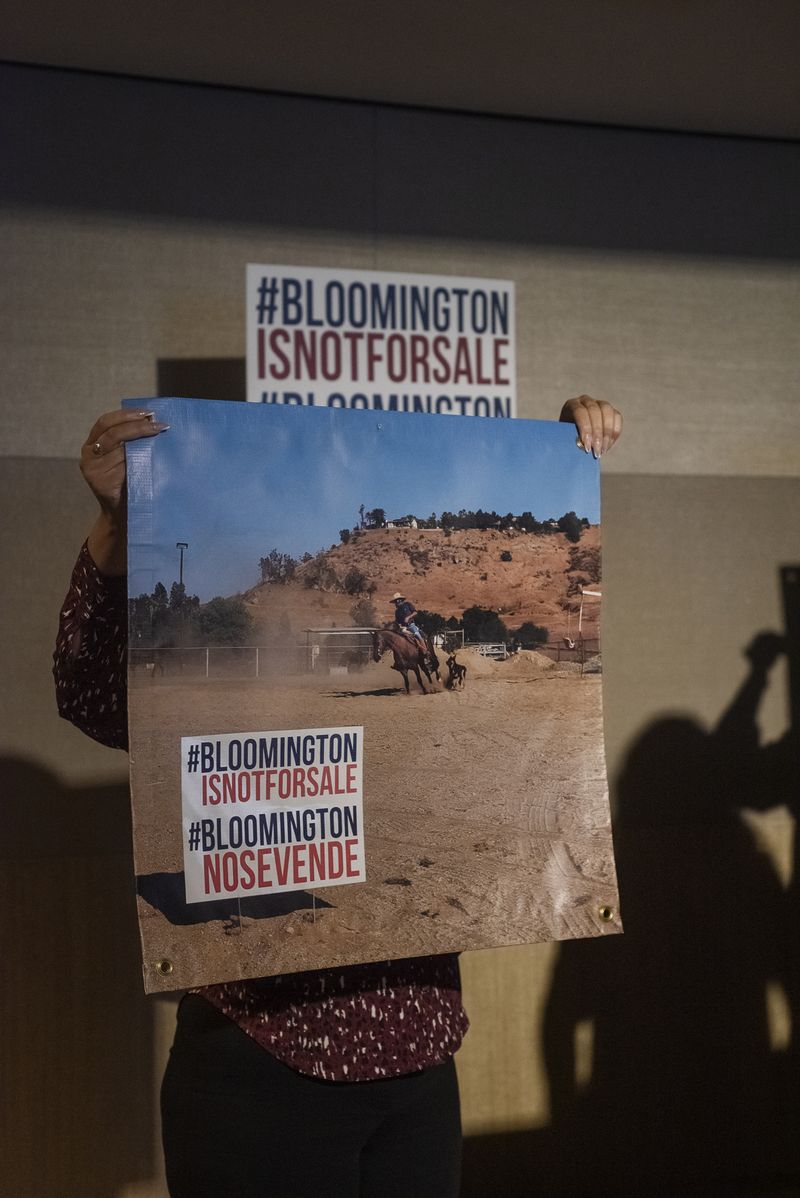
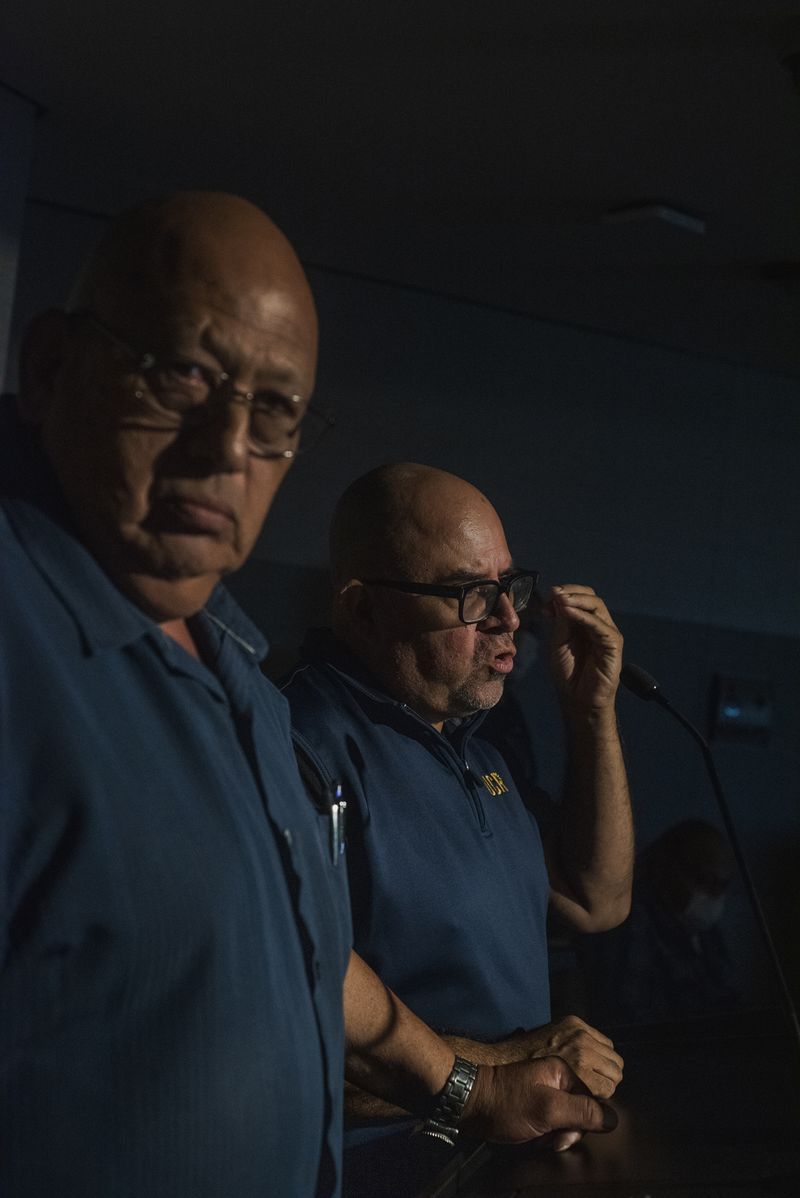
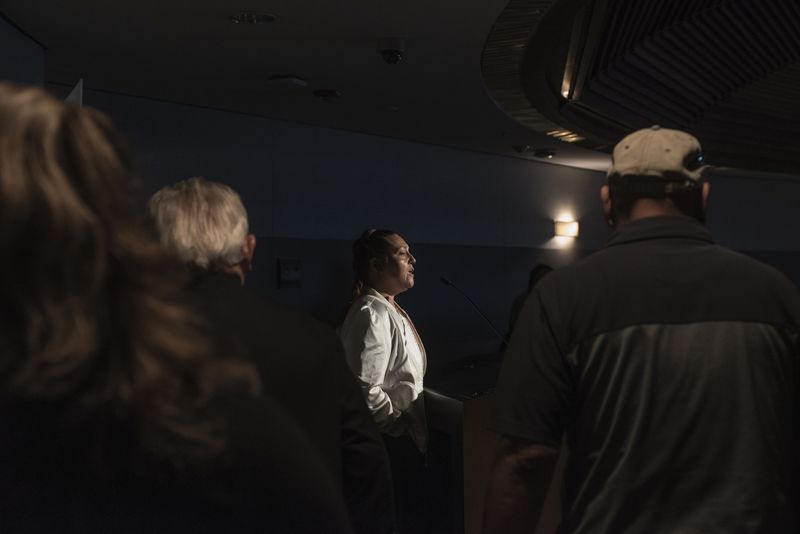
Industrial gentrification has shifted not only the economy of the region but also the landscape, environment, and cultural aspects; rancheros and other communities are constantly harassed and coerced to sell their properties, and regulations were put in place to limit the number and type of animals allowed in a property, bad air quality exposes people to respiratory diseases, and neighborhoods become surrounded and fragmented by warehouses resulting in high traffic, hostile urban environments, deficient public services and infrastructure as obstacles for healthy community development. However, Rancheros in Bloomington, Jurupa Valley, Fontana, and other cities are fighting to preserve the traditional rural lifestyle by organizing protests in public hearings, fundraising events, and organizing community members to fight for their heritage and legacy. This project is an effort to preserve the richness of these communities beforehand their imminent erasure due to the current political climate and rapacious greed.