EMOTIONS IN TRANSIT
-
Dates2022 - Ongoing
-
Author
- Locations United States, Italy, New Zealand
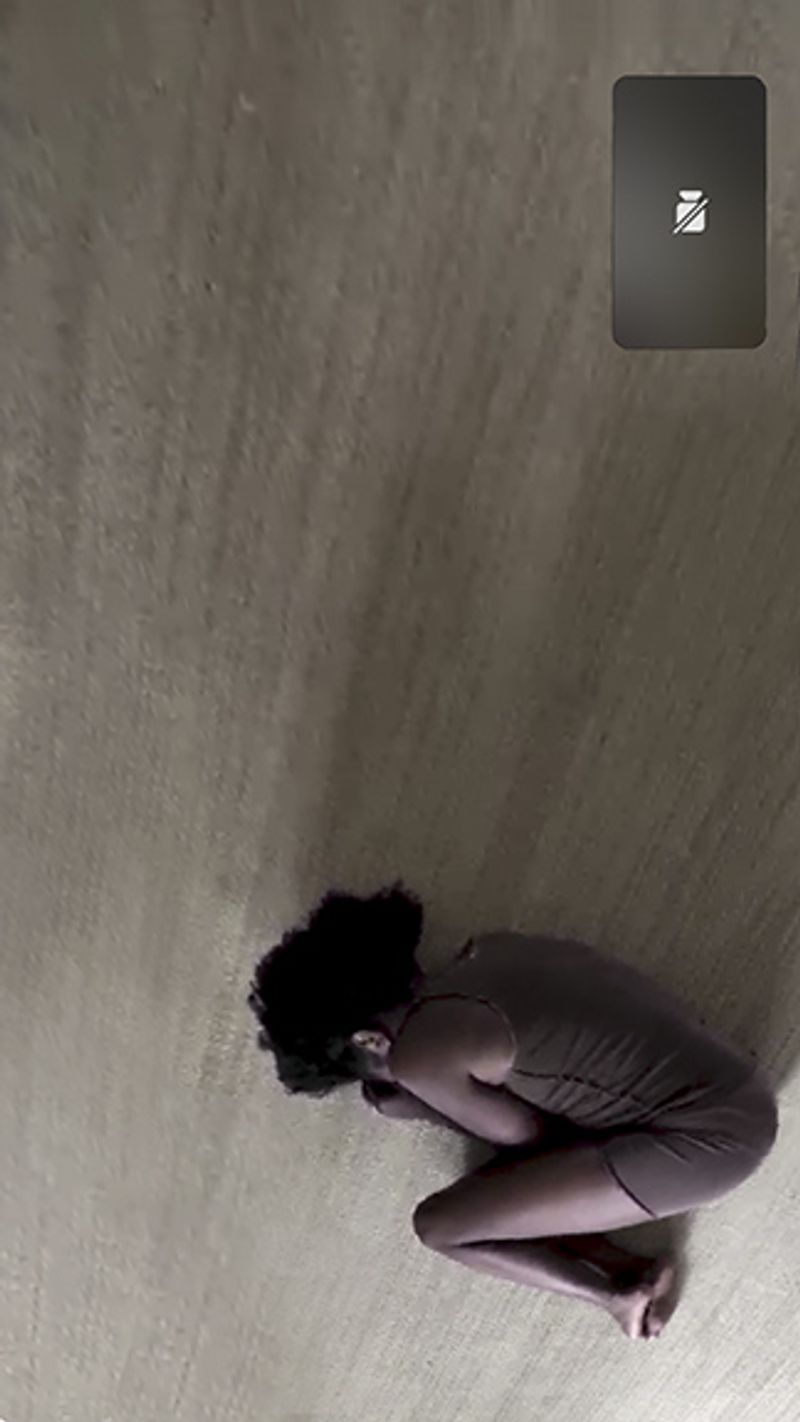
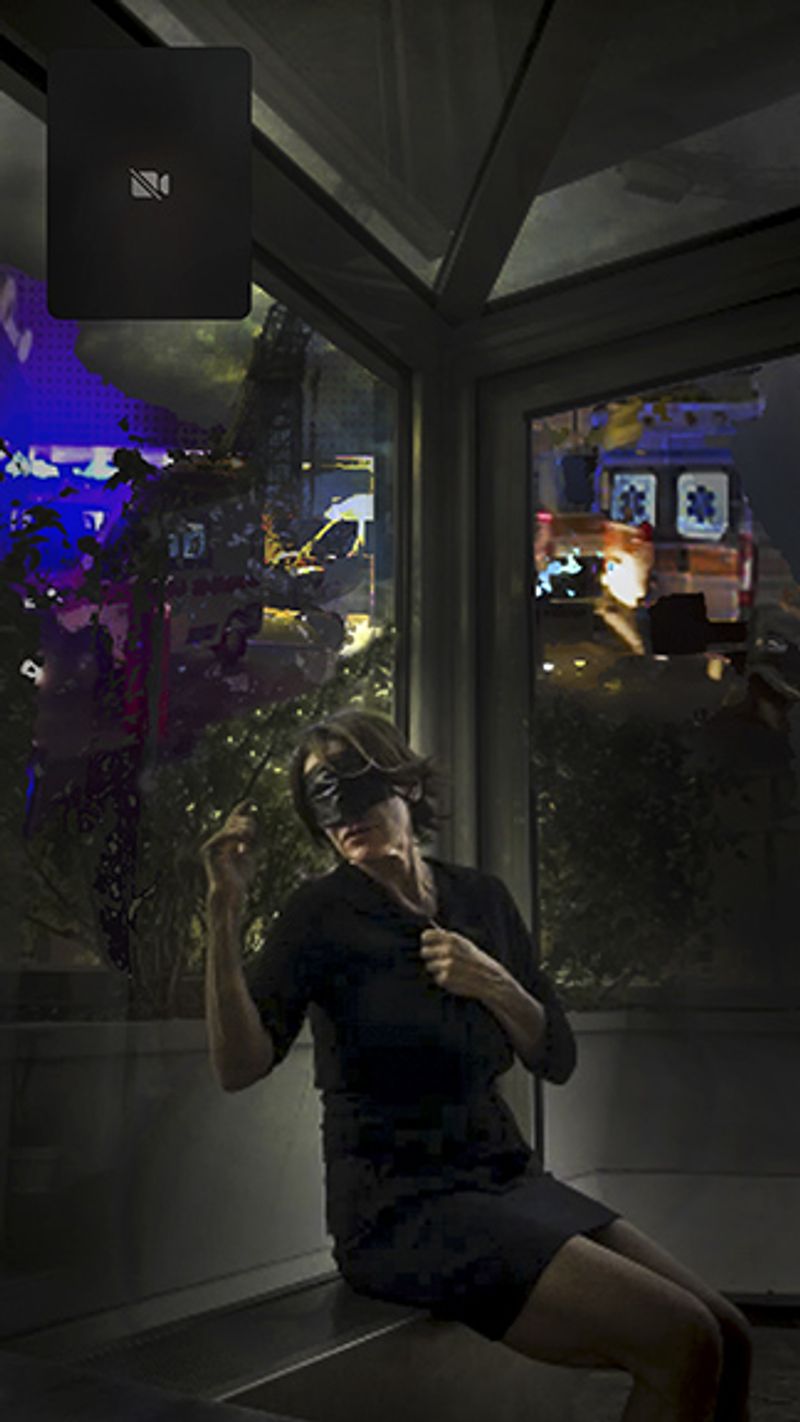
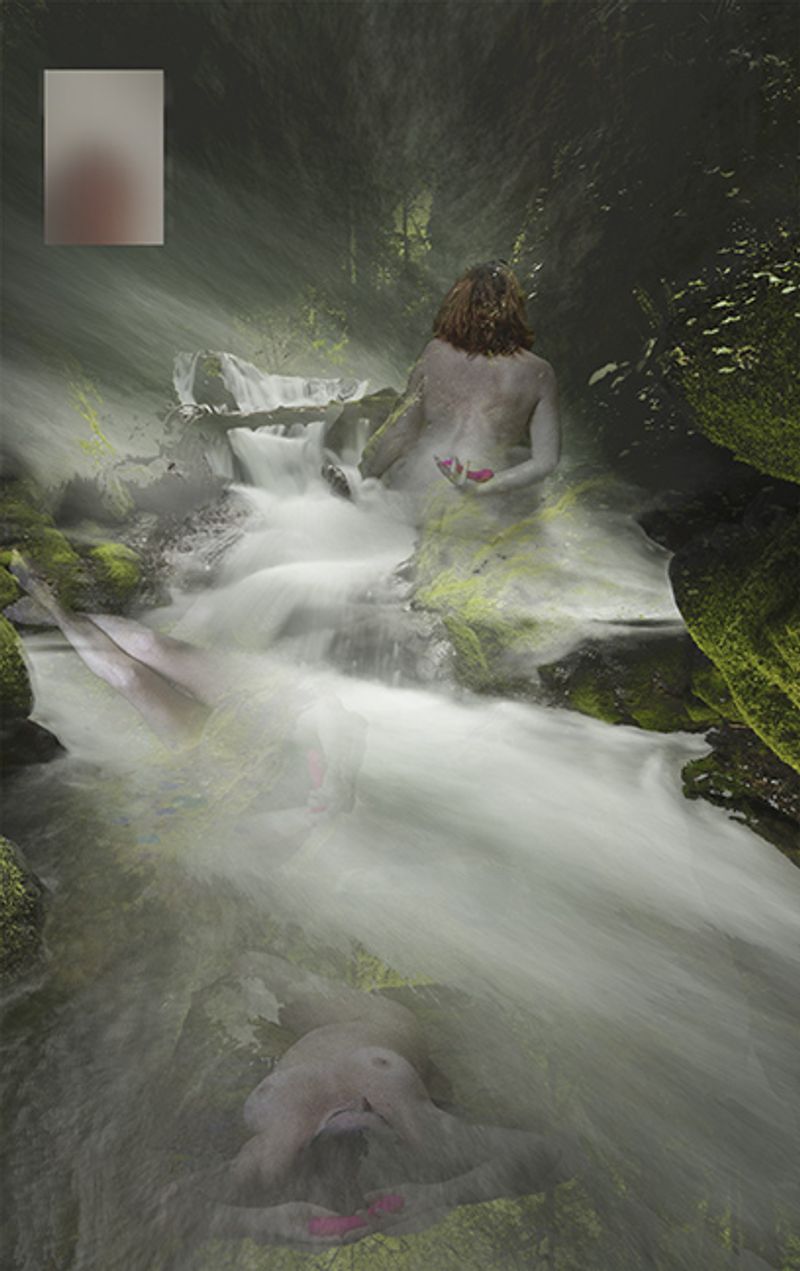
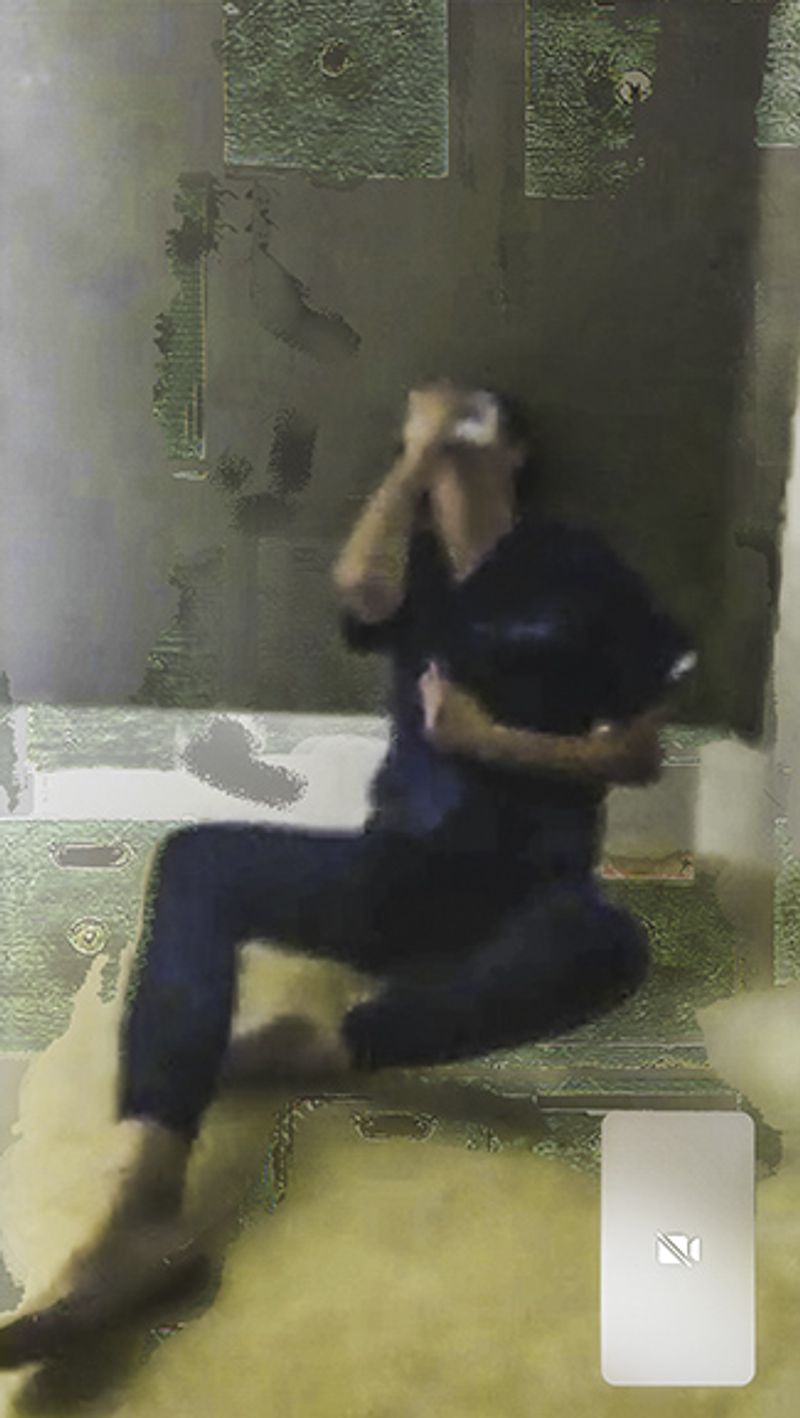
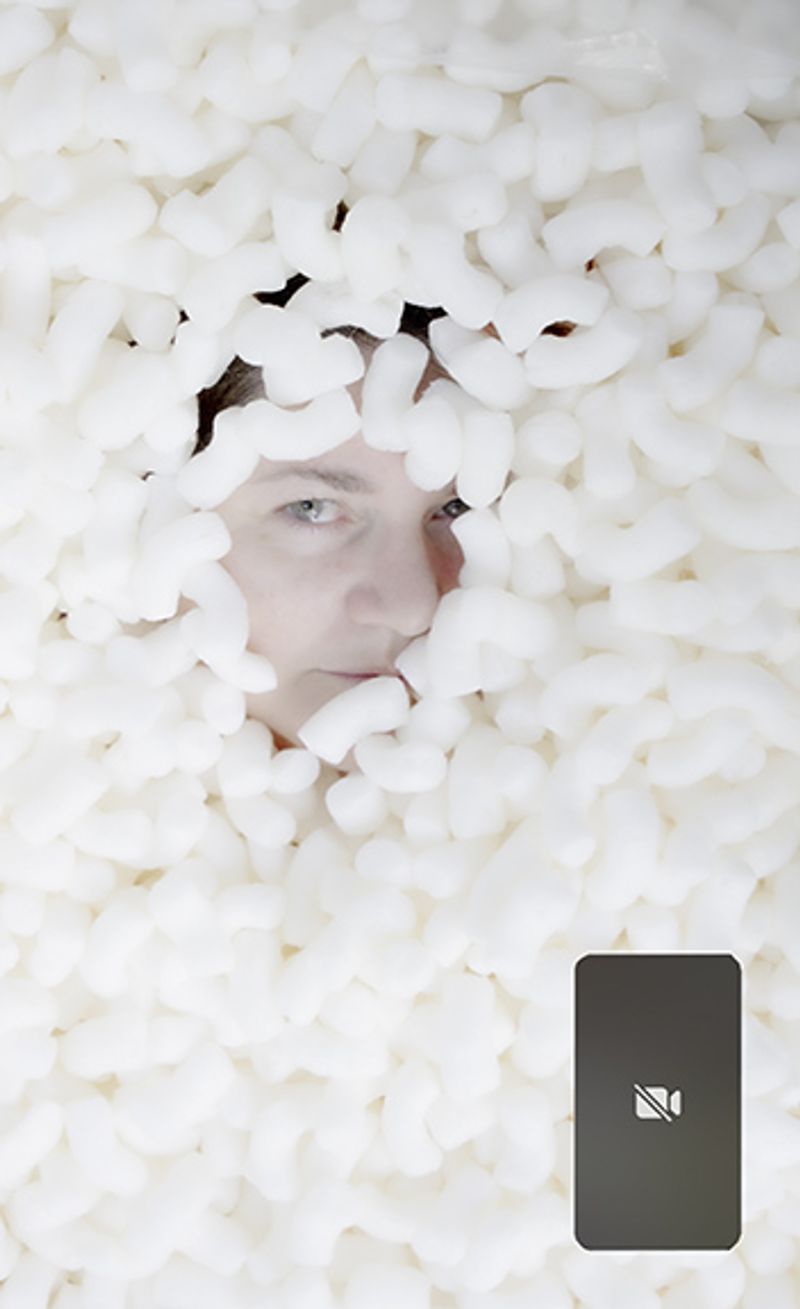
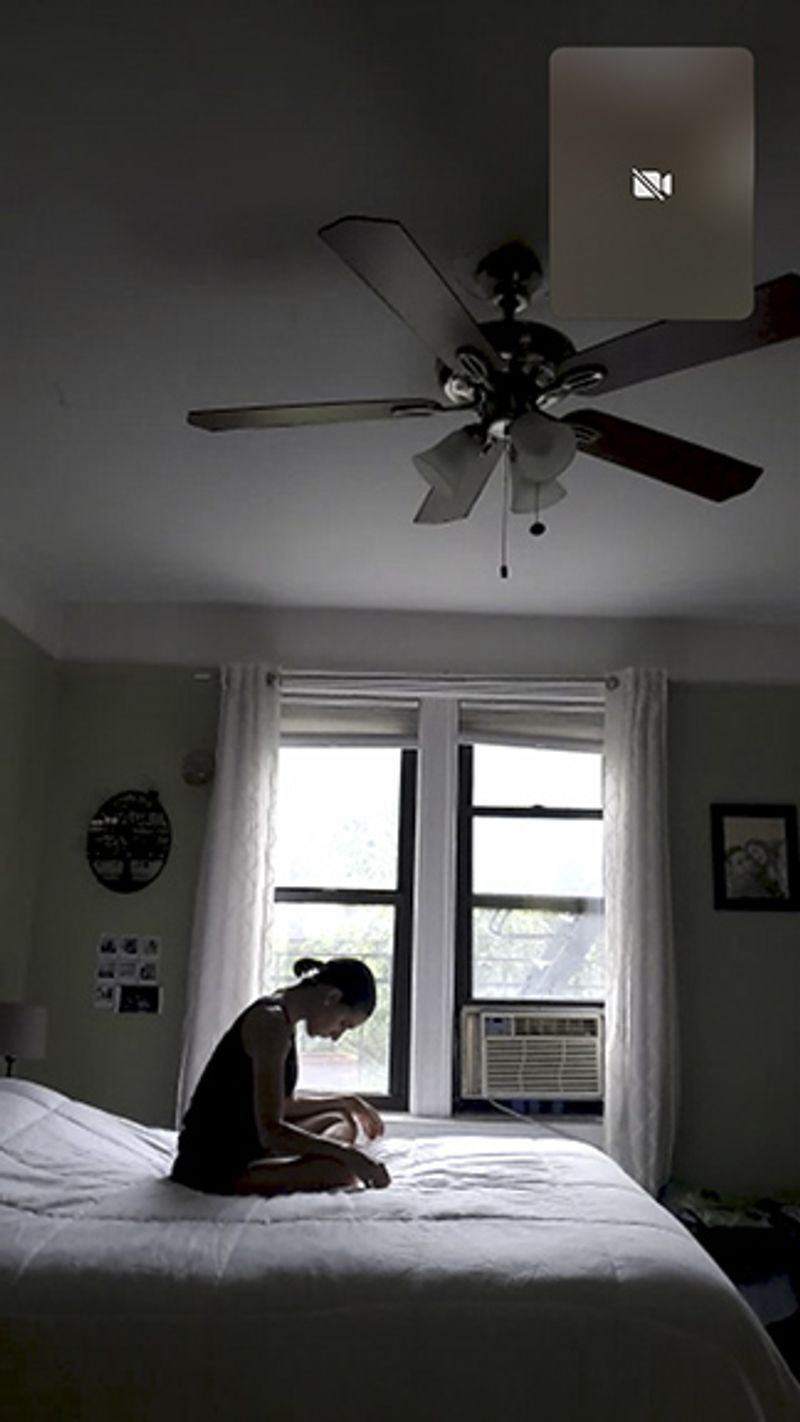
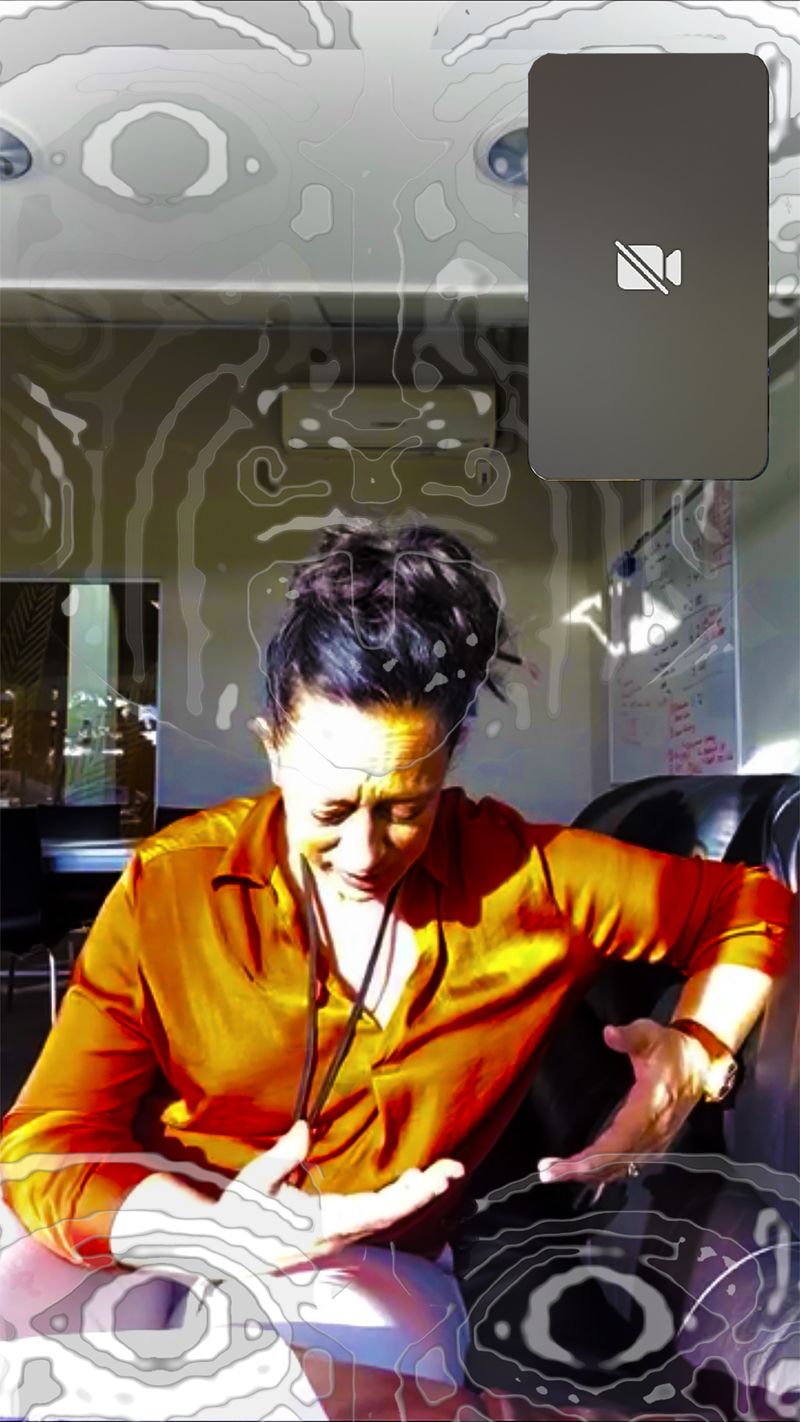
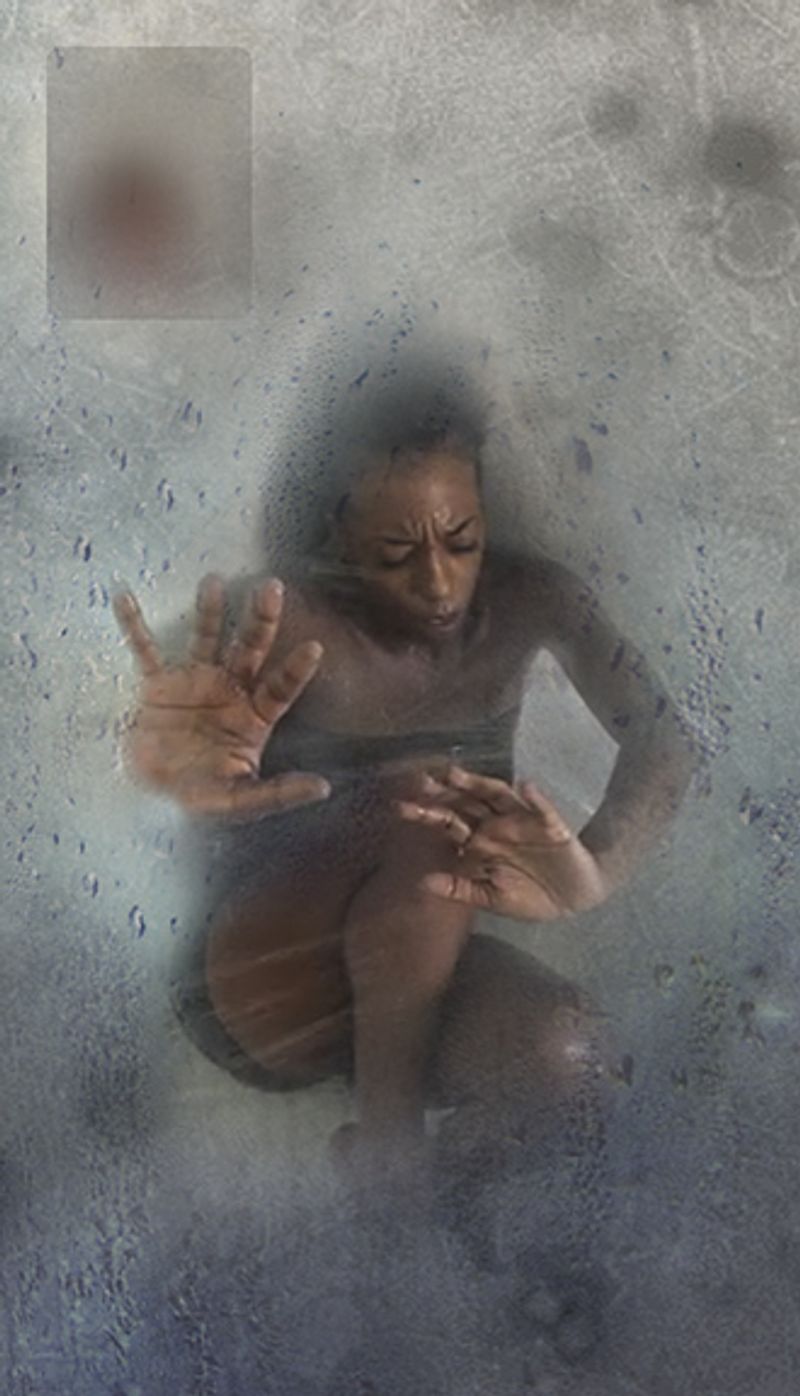
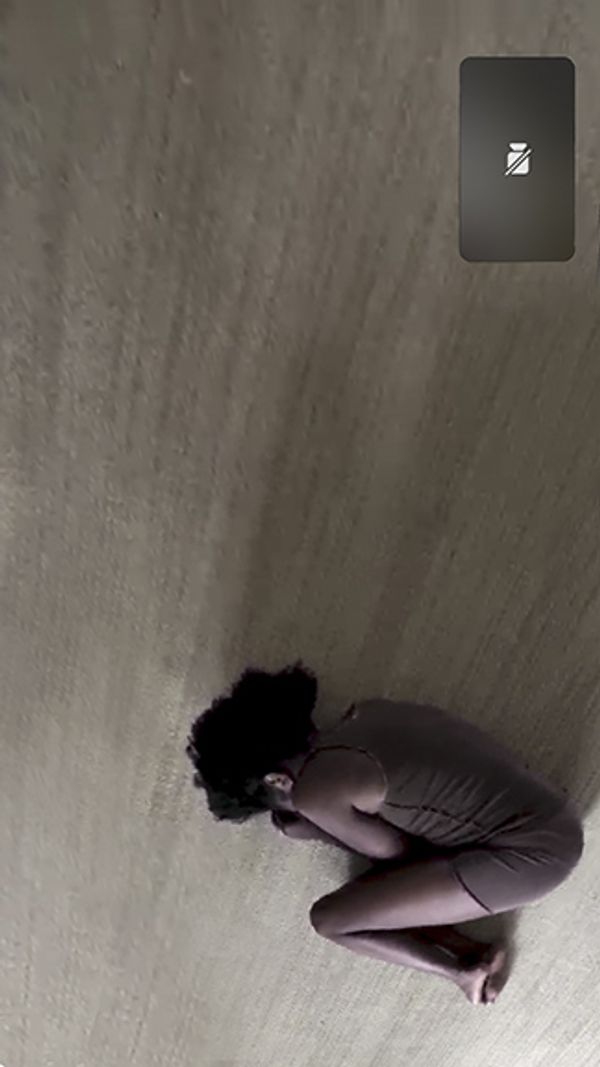
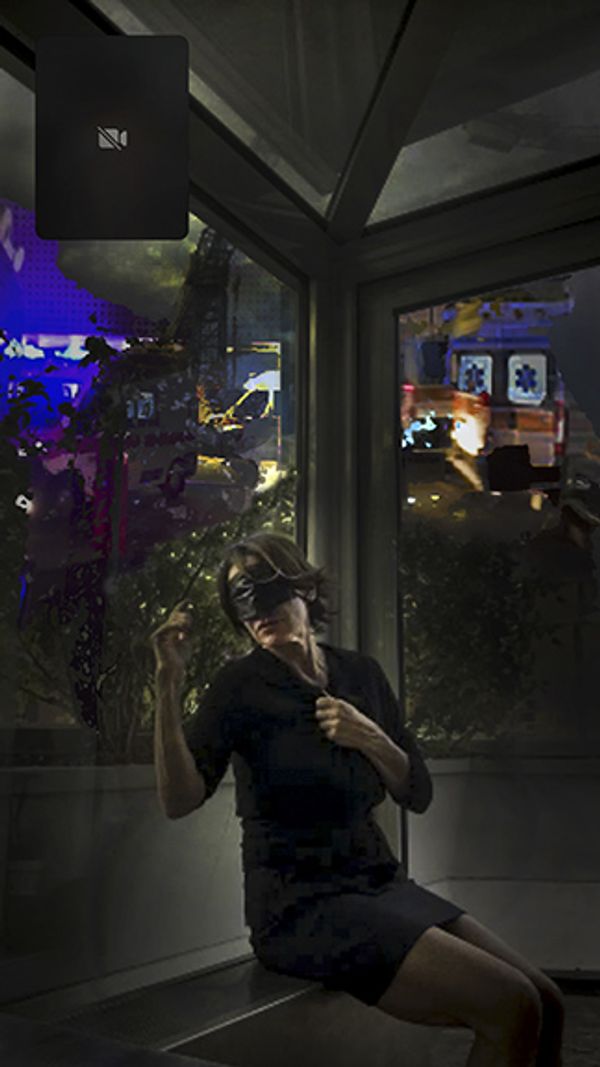
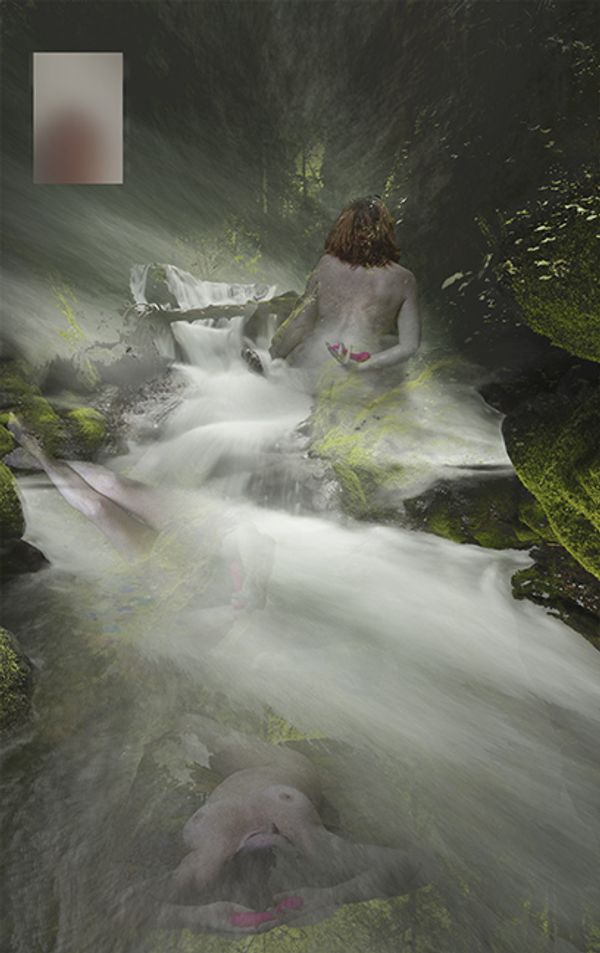
**Emotions in Transit: Women During the Pandemic** *Emotions in Transit* is a photographic project exploring the emotional and psychological experiences of women during the COVID-19 pandemic. As physical separation became part of everyday life, the pande
Emotions in Transit (women during the pandemic)
The pandemic brought physical separation into my life and into the world, while forcing us to turn inward. Thinking and feeling became unavoidable: emotions were exposed, no longer buried beneath the frantic pace of everyday life. It was a kind of intensification of the inner experience, where thoughts and emotions that had once been constantly overshadowed by daily routines were finally given space to emerge. This gave rise to uncertainty, grief, ambiguity, and a constant recalibration between living, surviving, and responding—or taking action. For me, it uncovered old dormant wounds and a sense of uselessness within the hierarchy of needs, where social commitment, healthcare, and basic necessities seemed to take precedence over everything else. Being a mother and being spiritually engaged no longer felt enough. Once again, I turned to art as an outlet and began to wonder how other women around the world were experiencing this same moment. I made a list of friends with whom I could share this journey, ask questions, and create a photographic series. These women lived in different cities, different countries, and across several continents. I asked each of them a series of questions about their experience of the pandemic, inviting them to identify the emotions that had become most amplified during that time. Once those emotions had been named, we worked together to locate them within the body, giving each feeling a physical presence. From there, a journey around the world began—with a single destination: the mobile phone. During the pandemic, travel and in-person encounters were simply not possible, so every photograph had to be created remotely, photographs traveled when people could not. So I asked to be taken on a virtual tour of their homes while we created the images. We coordinated across time zones, paid close attention to the available light, and relied on someone in their immediate environment—a child, a partner, or another loved one— to follow my directions and pause whenever I recognized the image I was looking for. I captured screenshots throughout the process to preserve the moments that felt right. For the first time, I had to relinquish part of my control over the making of these photographs, trusting another person's hands and accepting that the phone could not always be placed exactly where I would have chosen. For them, the process became a release. For me, it became a language of expression. And within that distance, emotions found a form they could inhabit.