EBOLI
-
Dates2022 - 2023
-
Author
- Location Italy
The project presented here originated from a commission between 2022 and 2023 by the Central Institute for Cataloging and Documentation in Rome - ICCD.
Concept
Following a now well-established trend in major monotheistic religions, Catholicism in Italy is rapidly moving towards a configuration of the Church as a "minority practice." The presence of fewer and fewer believers and, consequently, the challenging maintenance of the current number of open churches seems to be a trend that is difficult to reverse. Inevitably, a change of this magnitude will also have repercussions on the territory and the landscape, not only limited to a material modification but even more in the ways places of worship are used and their aggregative role, even within urban contexts.
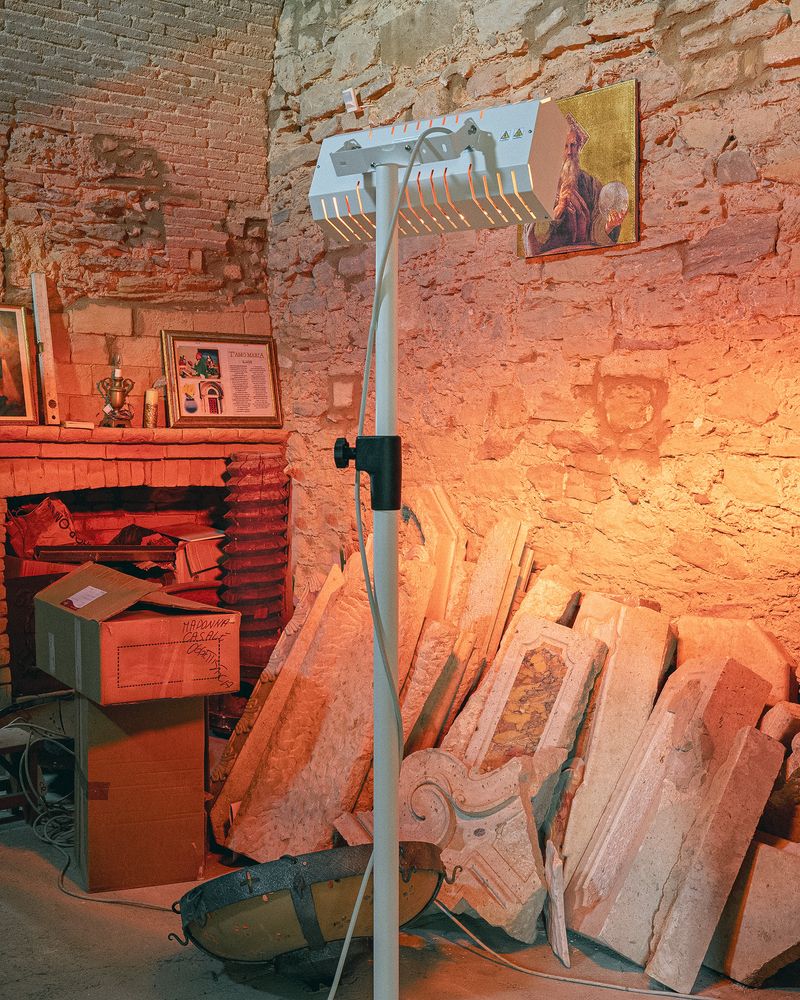
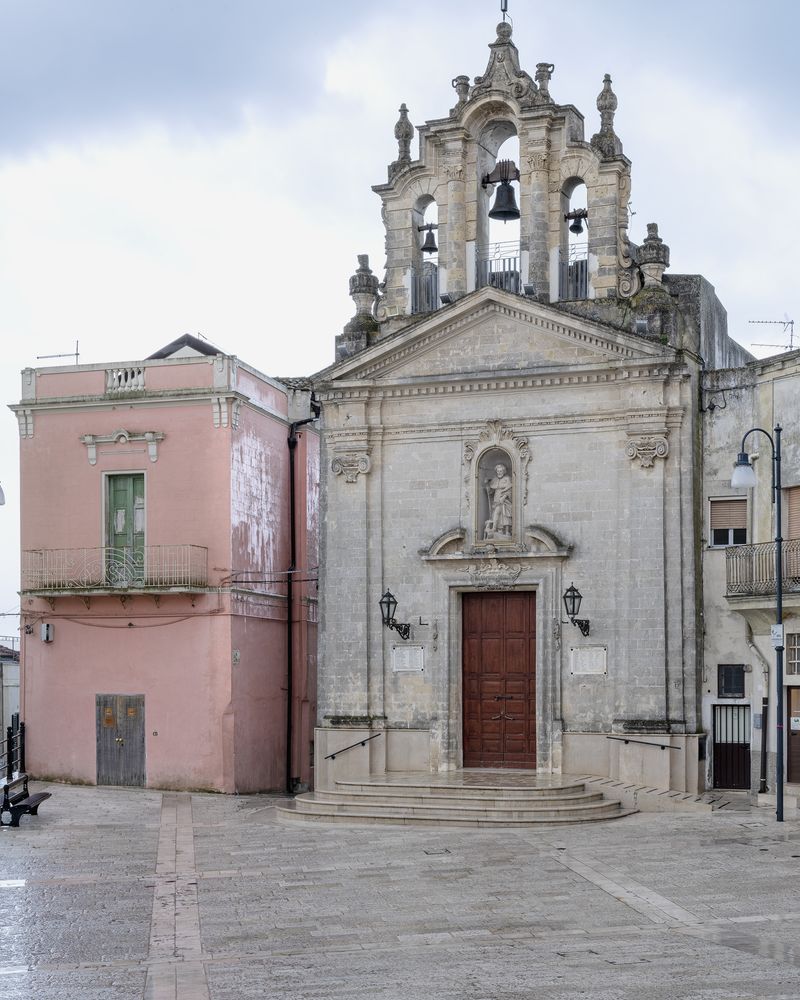
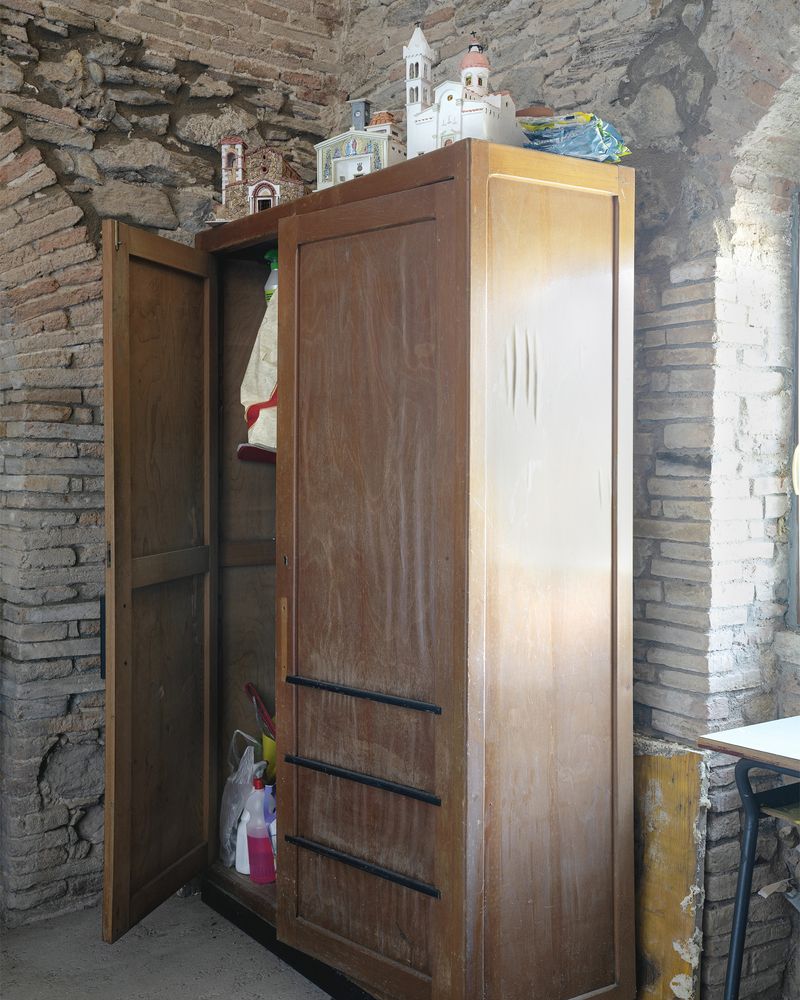
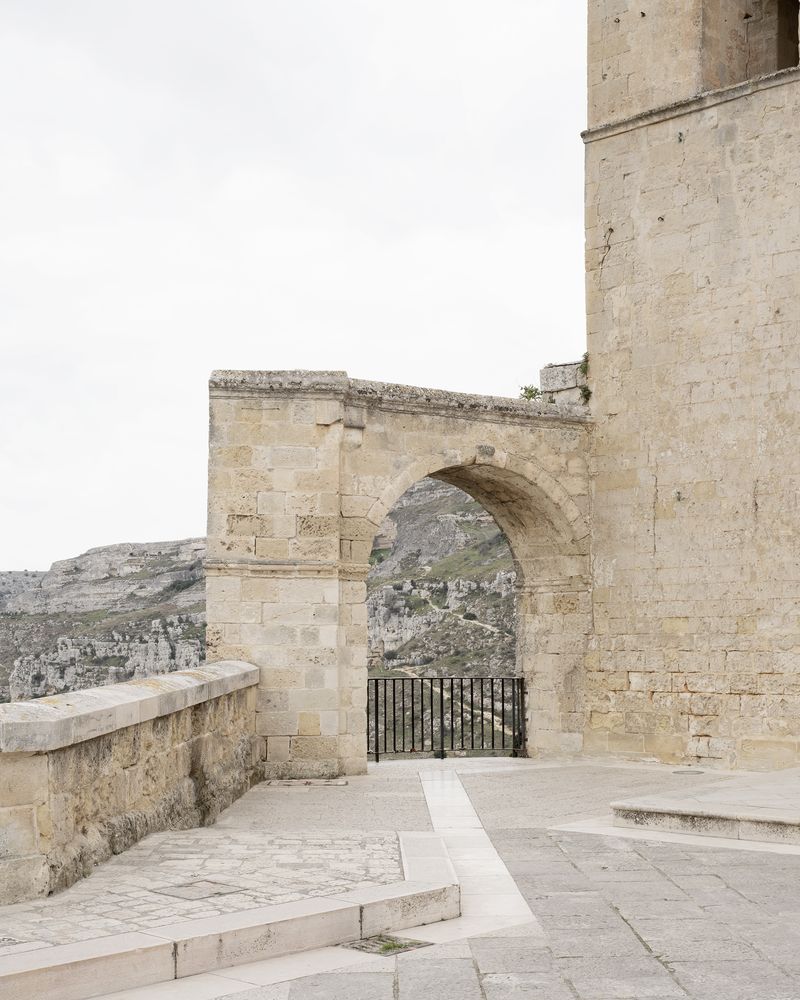
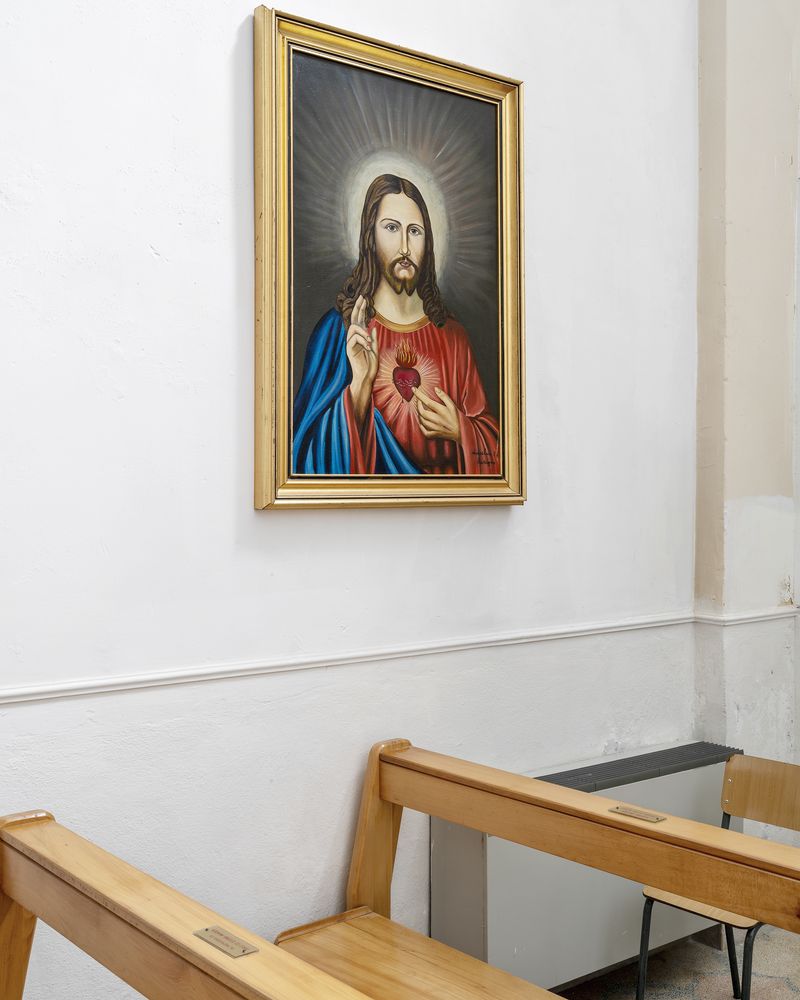
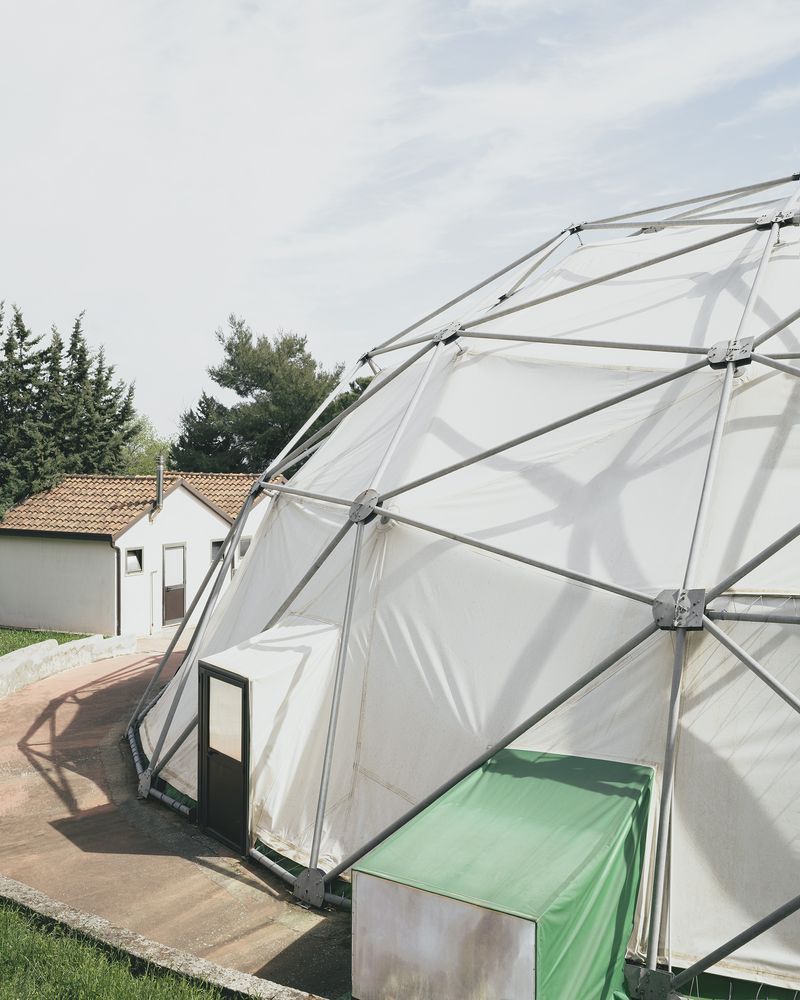
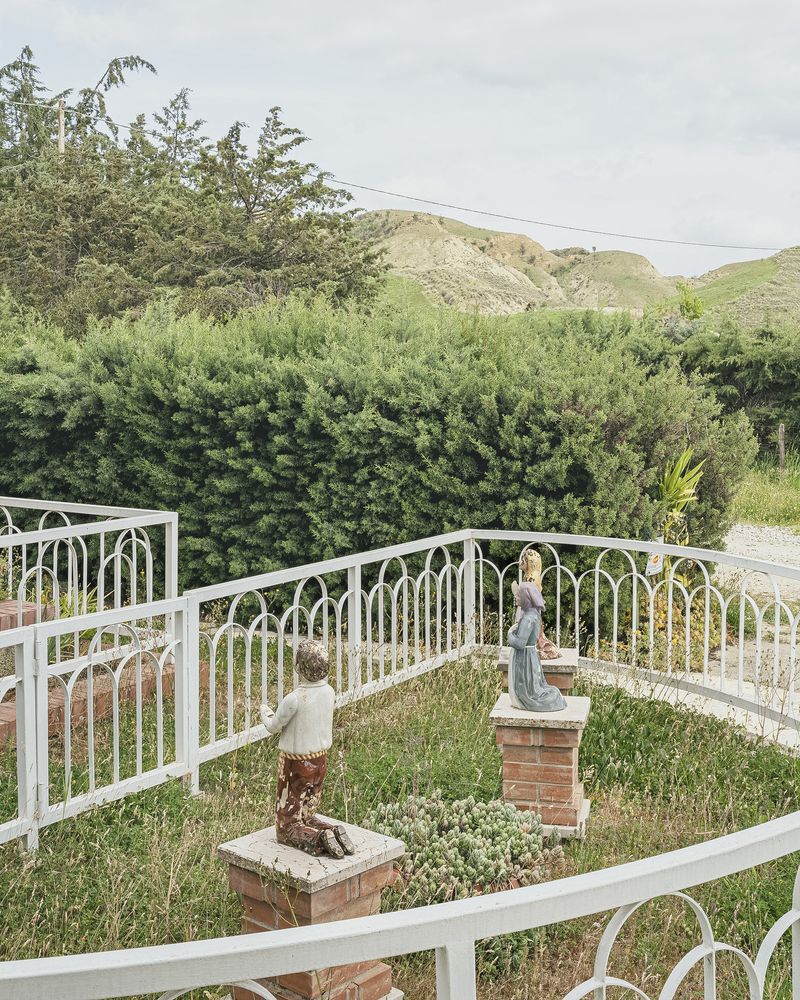
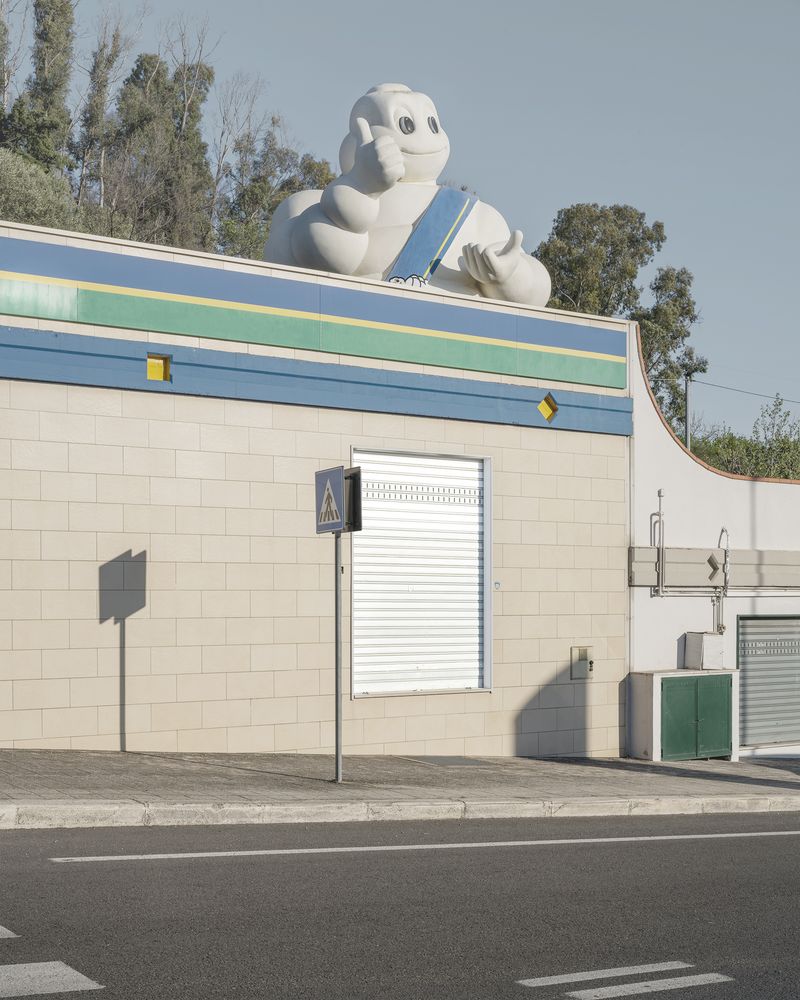
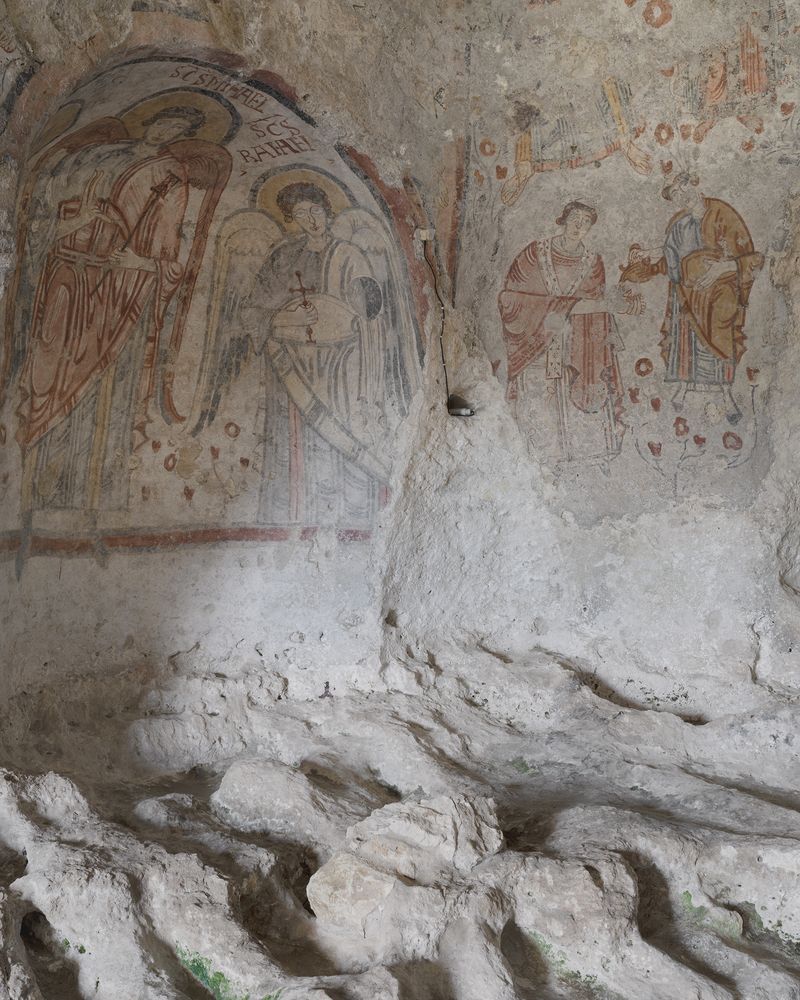
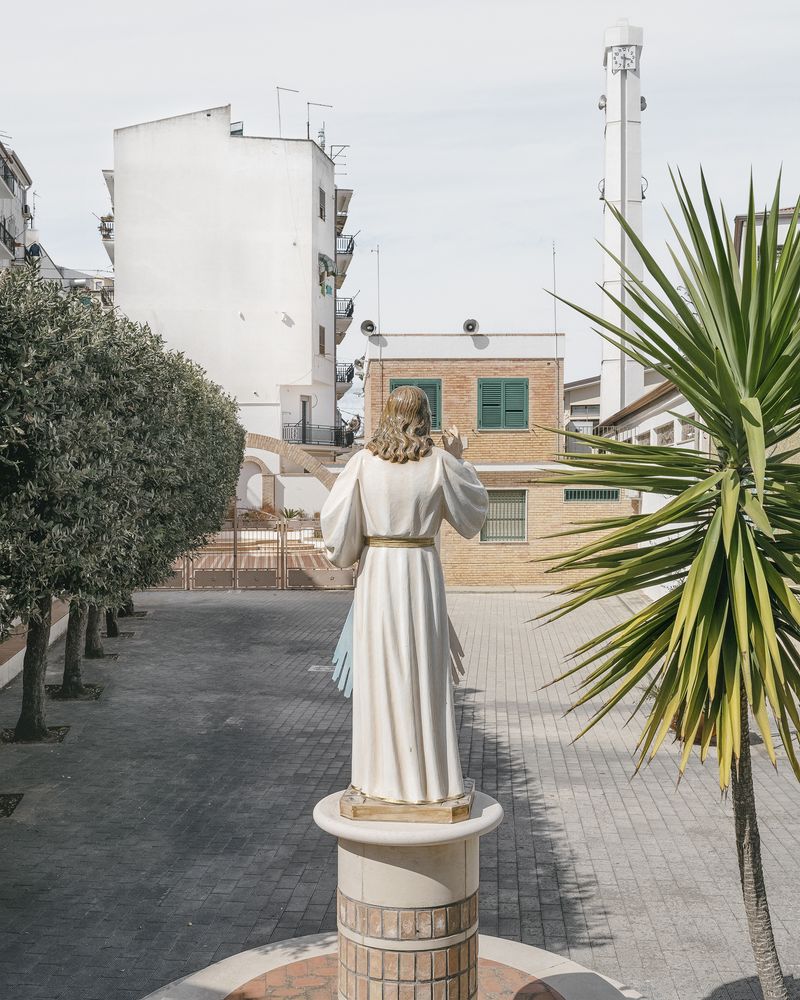
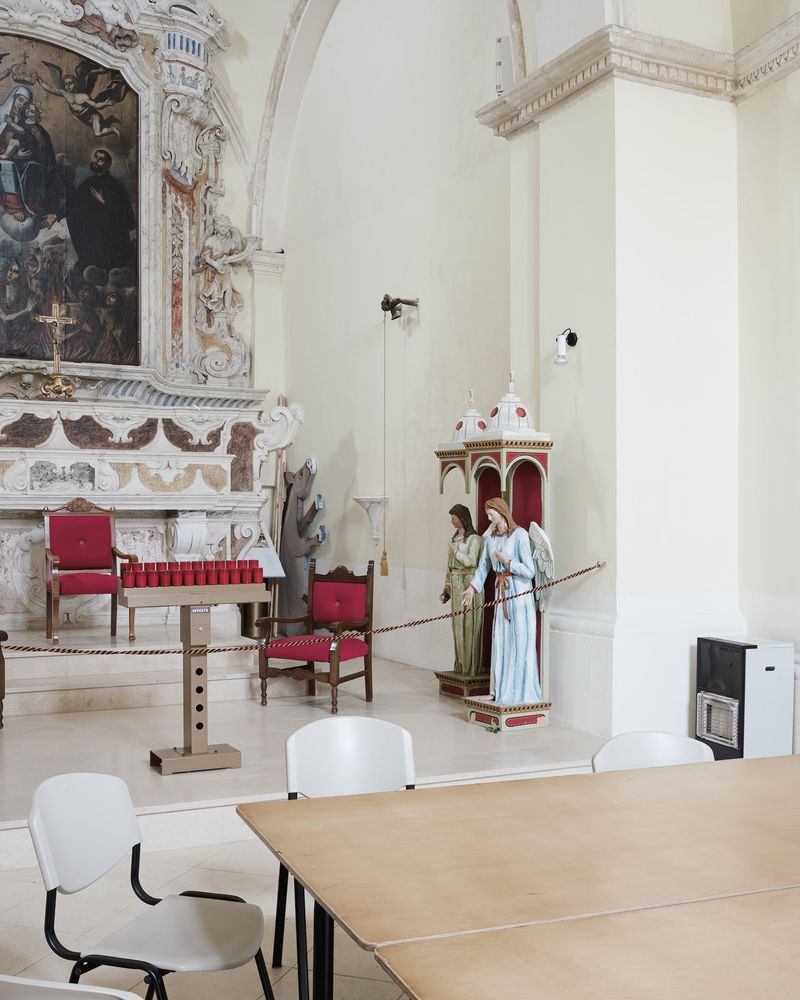
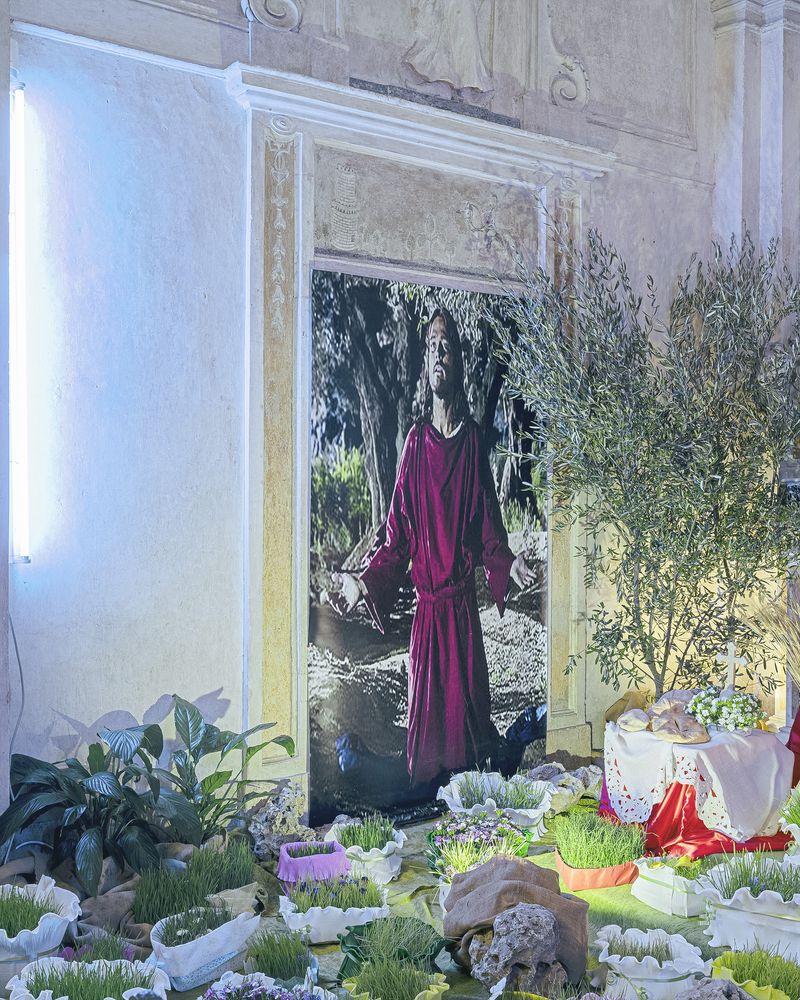
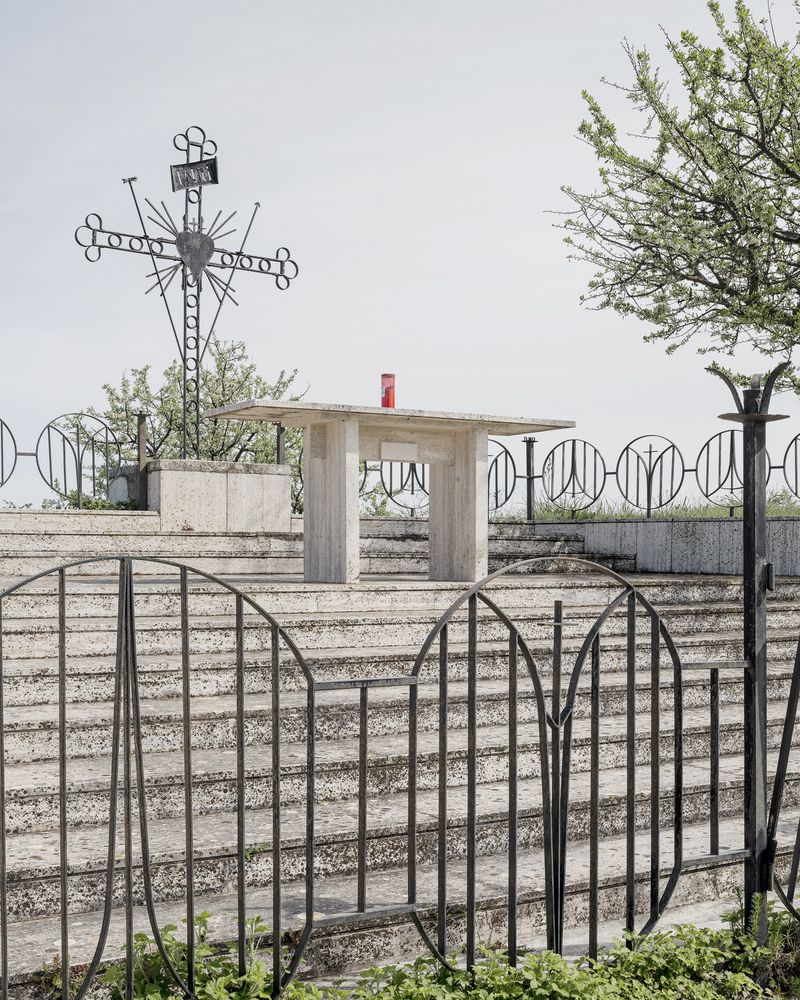
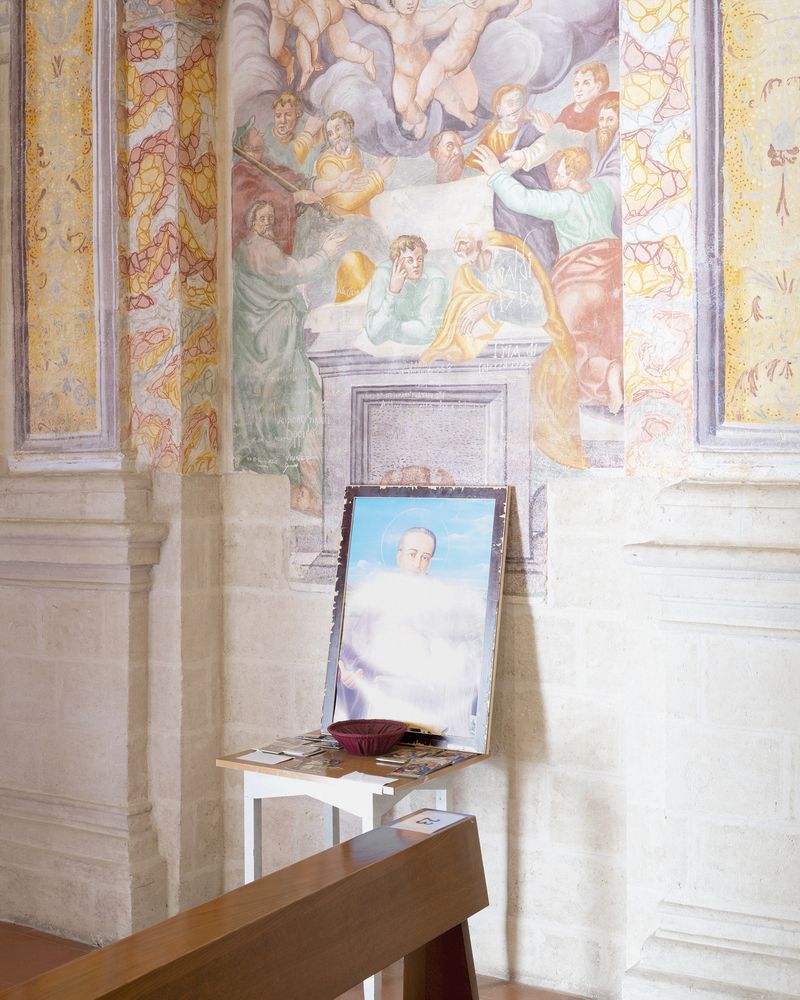
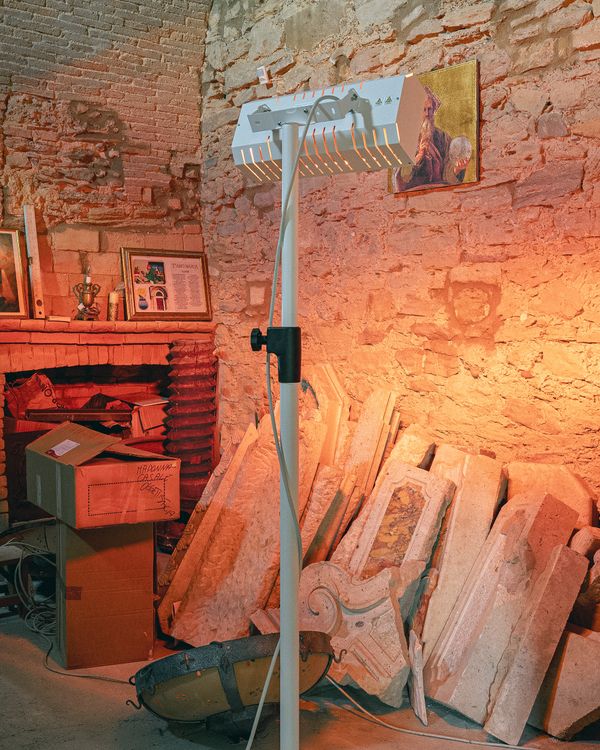
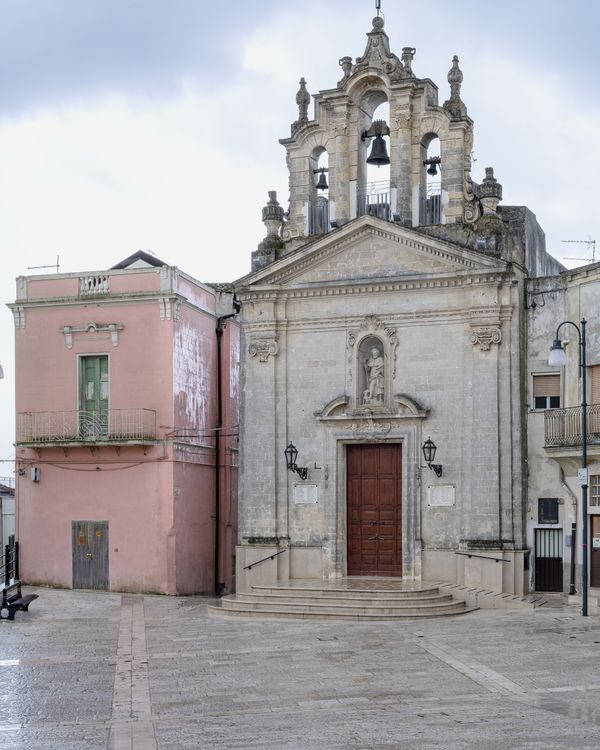
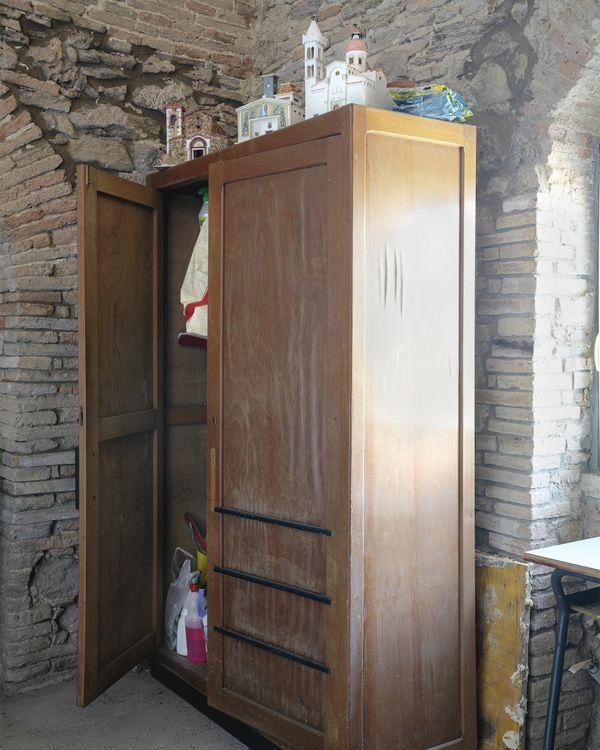
However, considering this phenomenon of Germanization to be all-encompassing of the entire national territory could be misleading. In the southern regions of Italy, and especially in the Matera territories shown here, this process does not seem to manifest itself clearly but. In contrast, a reverse process seems to be underway. The high density of Catholic places of worship and their frequent attendance by large segments of the population has generated a kind of "religious bulimia" that influences the perception of the landscape in elements that are not purely religious. This aspect is evident in the images of the Eboli project presented here. In highlighting this characteristic, no superstructure has been applied; the Catholic religion is fully lived by the local population in every aspect, even in the most remote areas of the landscape, and this natural and not just formal practice influences the visual representation of the resulting territory.
While the book "Christ Stopped at Eboli" by Carlo Levi mainly described the division between two coexisting yet vastly distant worlds, here the distinction is different. This highlights how, unlike other sectors of the country, the landscapes of Southern Italy are fully regulated by widespread religious practices, which indeed influence both the territory and social relationships, shaping the characteristics of what could be called a ‘religious landscape’.
Genesis
The PON Digital Itineraries is a European project coordinated by ICCD that primarily aims to map and investigate three southern Italian regions (Puglia, Basilicata, and Calabria) with the purpose of mapping cultural assets in their broadest sense. The task was assigned to sixteen young Italian photographers, each assigned to different portions of the territory.
Starting from lists of real estate assets and the photographic archive of the ICCD, the challenge for the authors was also to understand, through an intense communication process with various stakeholders in the territory, what elements could be added. This aimed to identify, on one hand, known objects and emergences of the historical and cultural heritage, and on the other hand, submerged elements that allowed them not to fossilize on a stereotyped image of the places but to integrate aspects related to their individual research into the commission’s request.
It is from this second aspect that the work proposed for this application arises. While the assigned work mostly involved a diagnostic investigation of the territory, also collecting and recording geolocation data for each image, it was almost inevitable to deeply immerse into the photographed reality, deriving visual considerations different from those strictly directed towards cataloging.
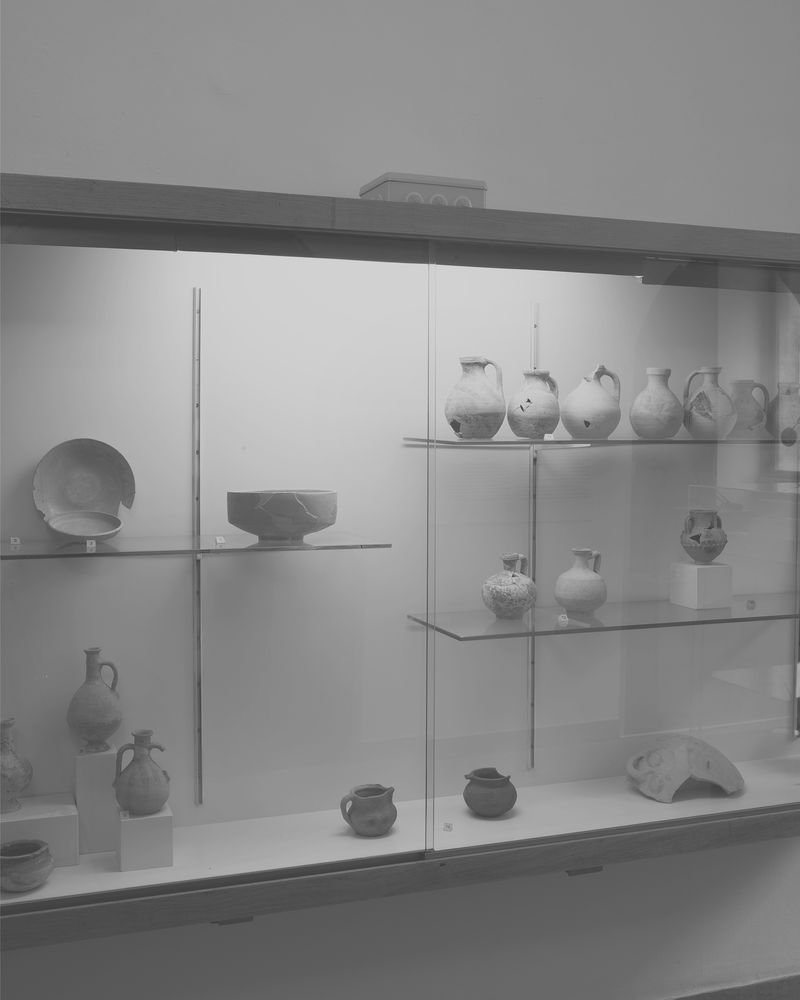
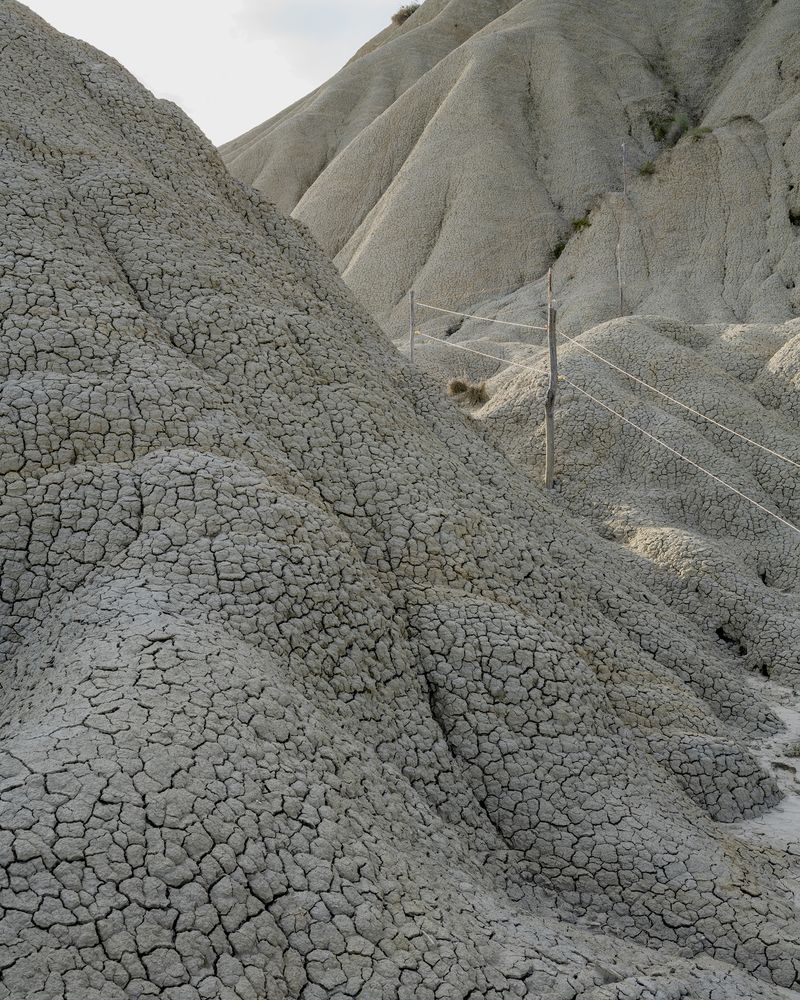
The EBOLI project presented here, carried out in Basilicata and particularly in the Matera area and surrounding areas, responds to this second tension, exploring the landscape and intercepting the social contexts it inevitably contains. Attention was particularly paid to the significant signs of the presence of the Christian religion; these, as they traverse the depicted places, consequently impact the ongoing social practices. This aspect, which constitutes the true concept of the project, will be extensively discussed in the next section of the presentation.
Regarding the development of the material delivered to the ICCD, the institute itself is currently processing the overall flow of photographs, which amount to almost ten thousand, to shortly publish an interactive online platform collecting all the images and the related information.