East of Plow
-
Dates2025 - Ongoing
-
Author
- Location Poland
East of Plow rejects Poland’s cult of martyrdom. Instead of sacrifice and ruins, it centers folklore, land, and everyday ritual, challenging nationalist myth and reclaiming cultural memory through the ordinary, the bodily, and the shared.
East of Plow
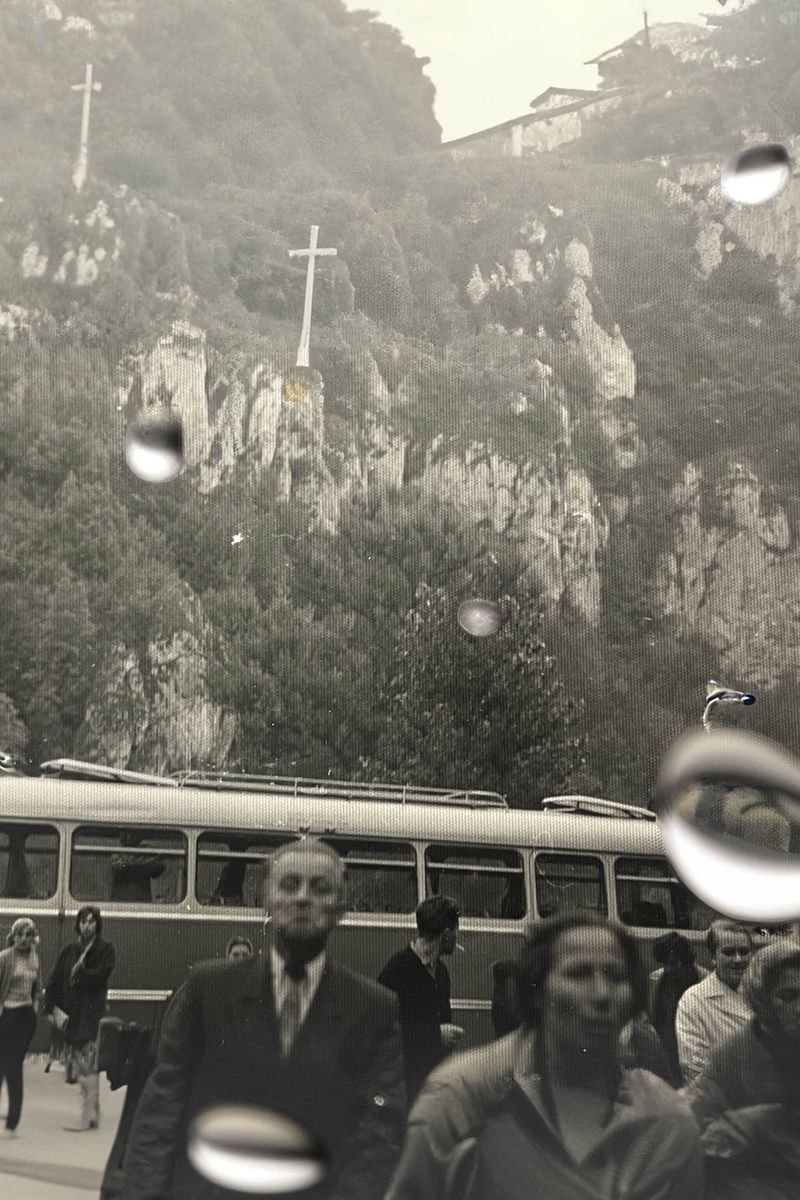
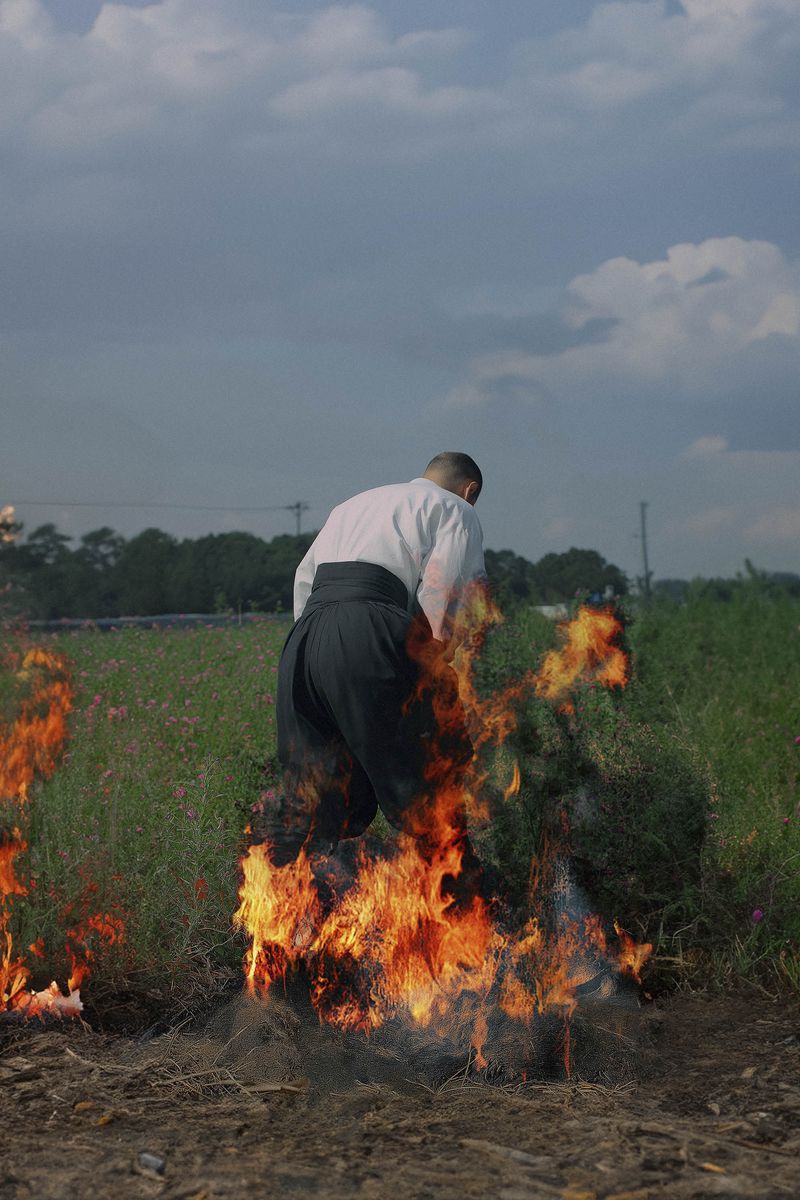
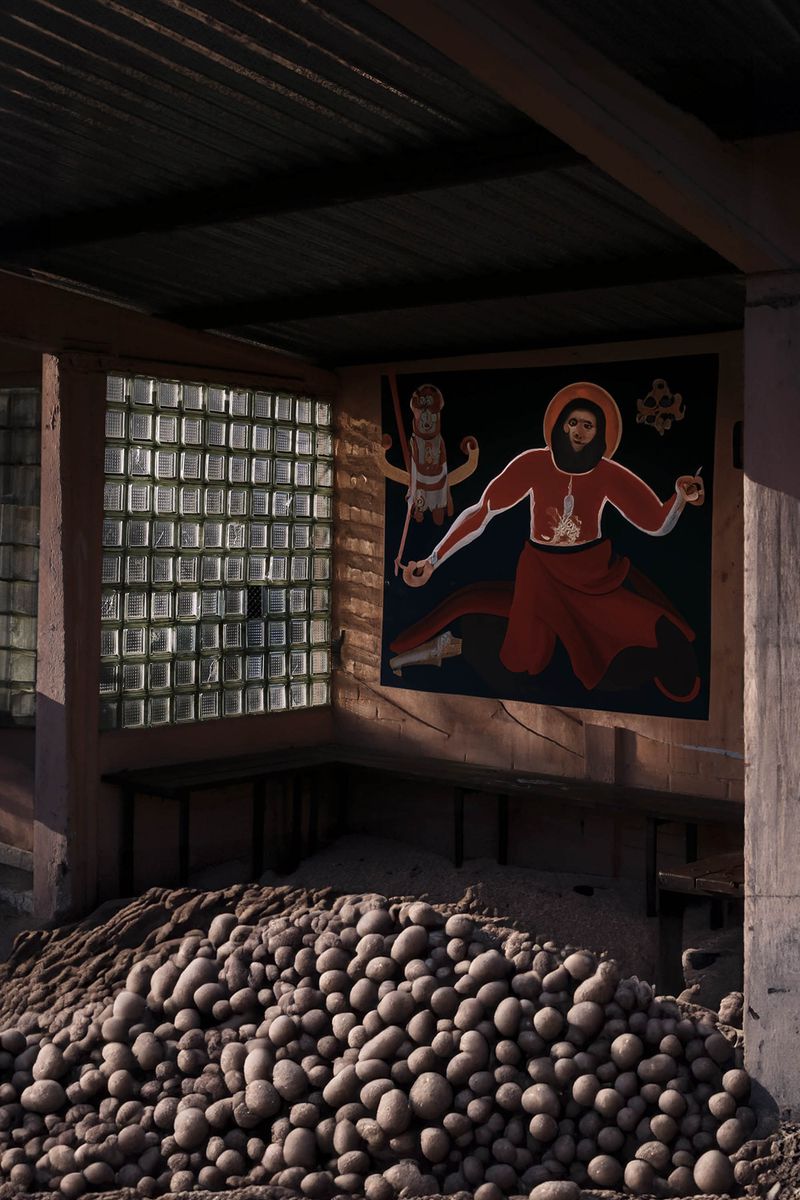
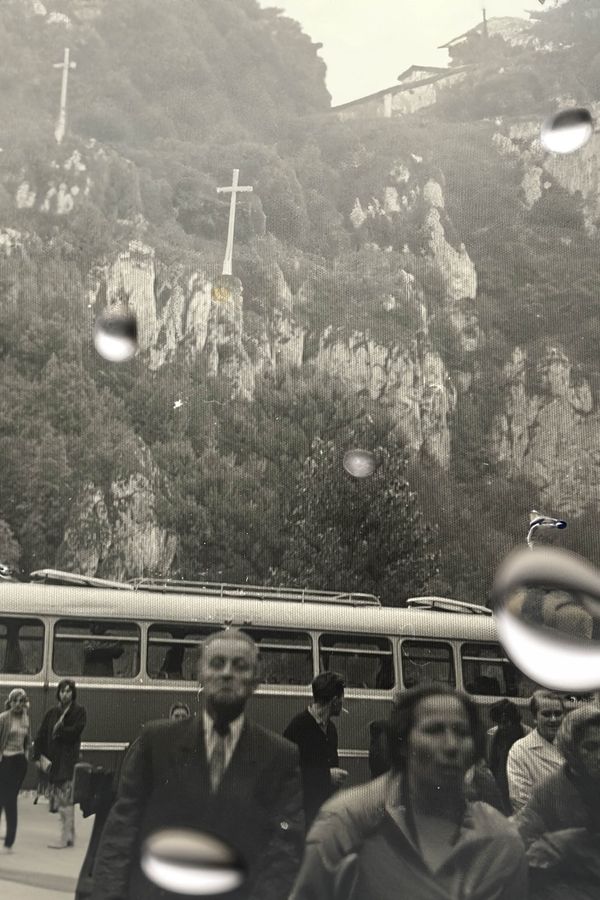
Polish cultural memory is saturated with martyrdom: crucifixions, ruins, wounds, sacred funerals. These images, repeated across history, shape how the nation sees itself- as victim, sacrifice, redeemer. This project asks what happens if we look sideways, if we excavate artifacts from a Poland not bound only to holy suffering.
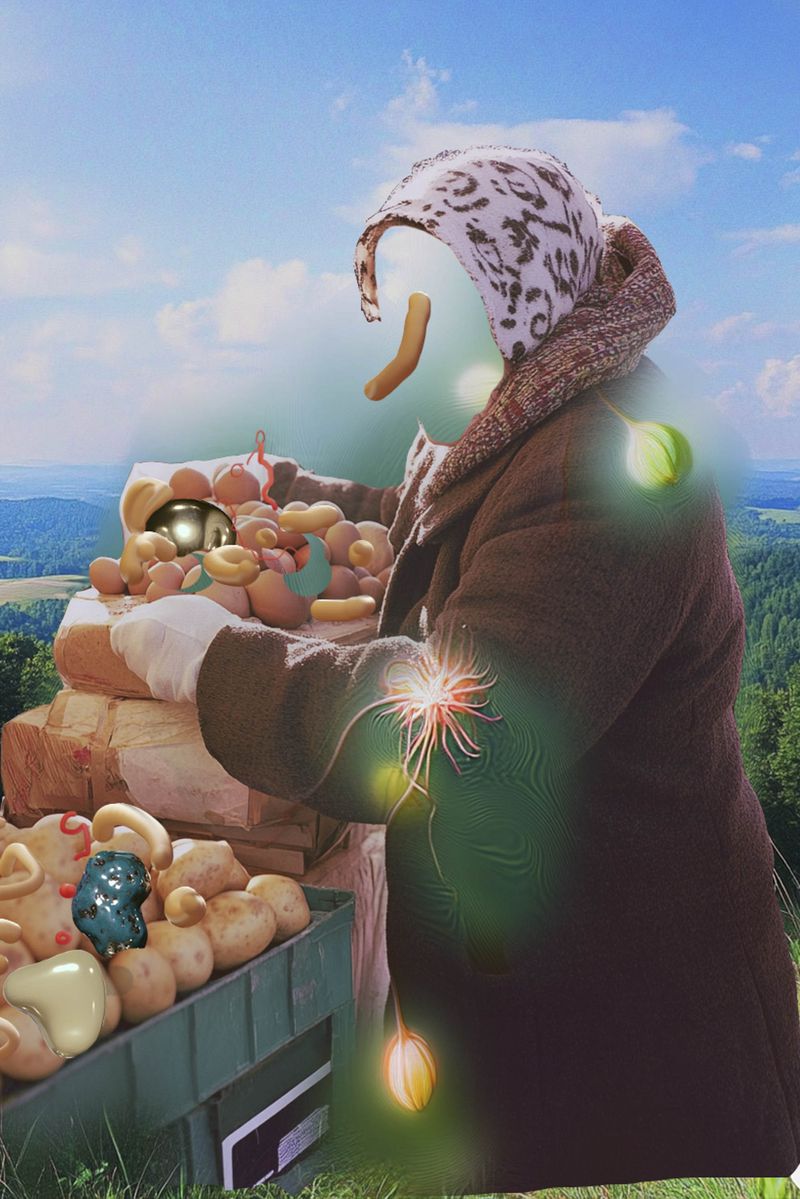
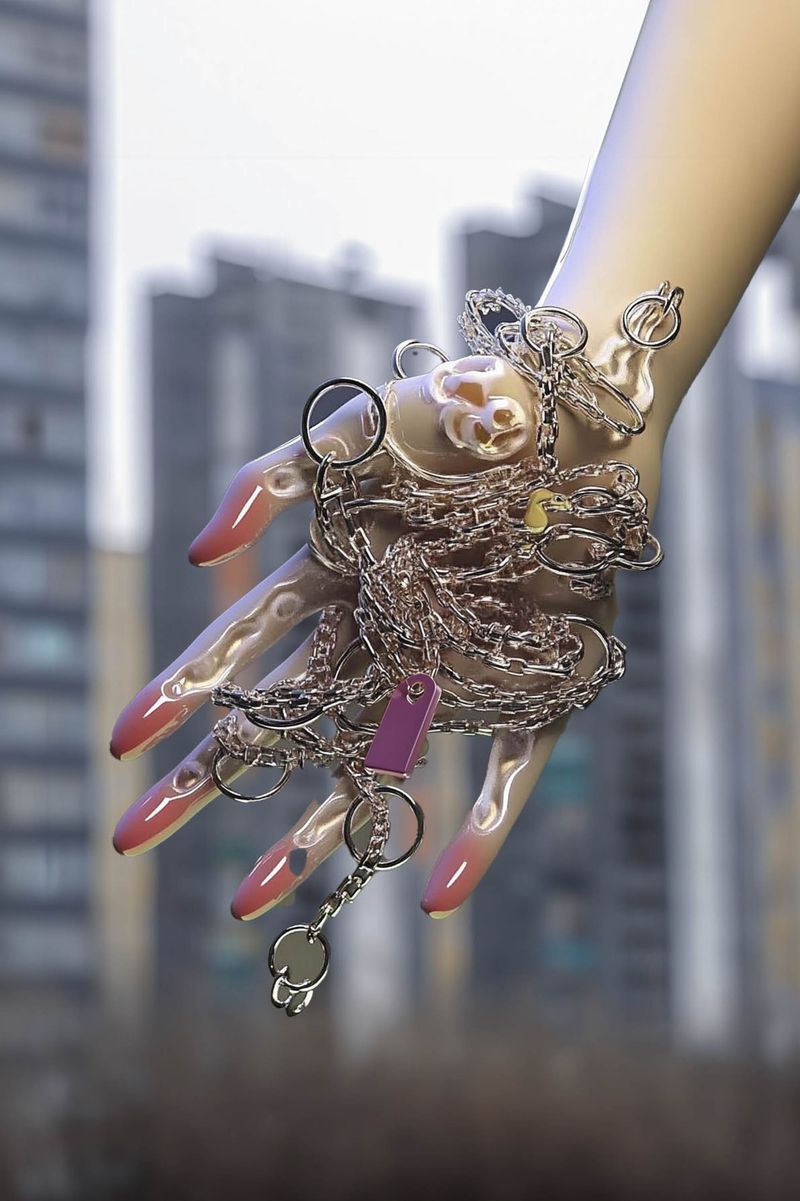
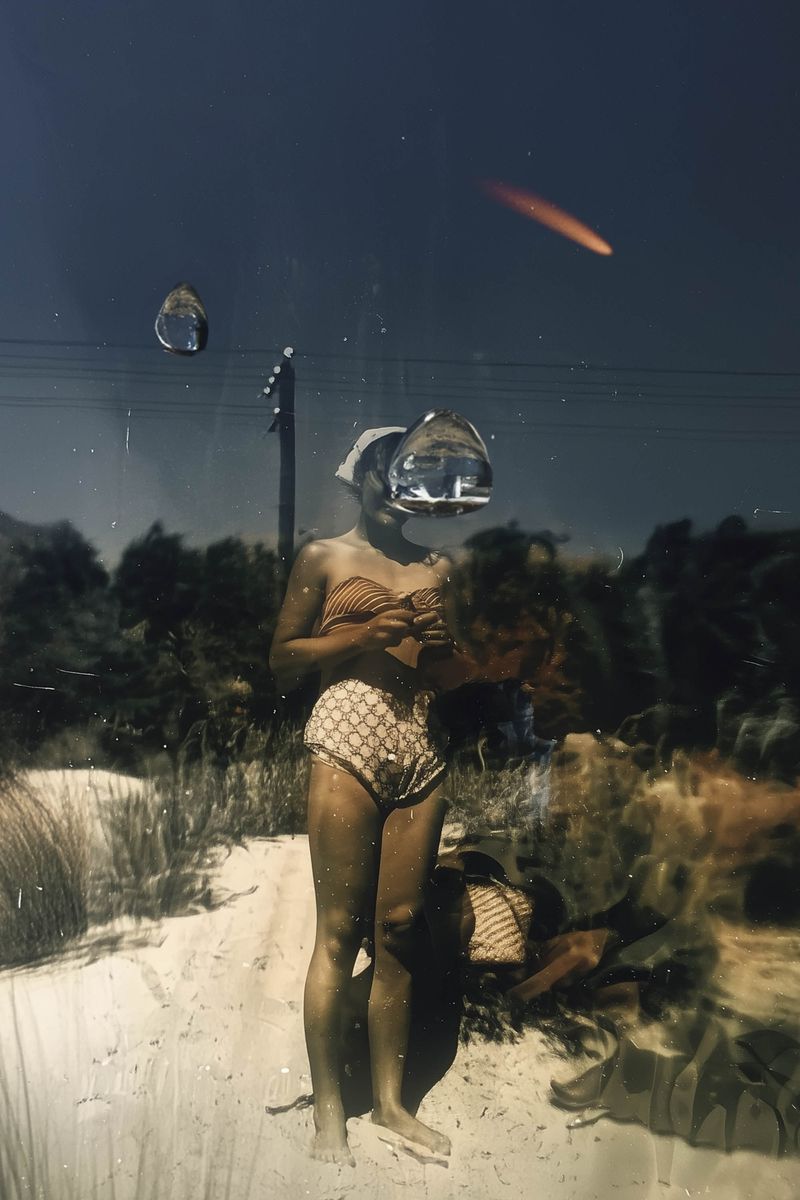
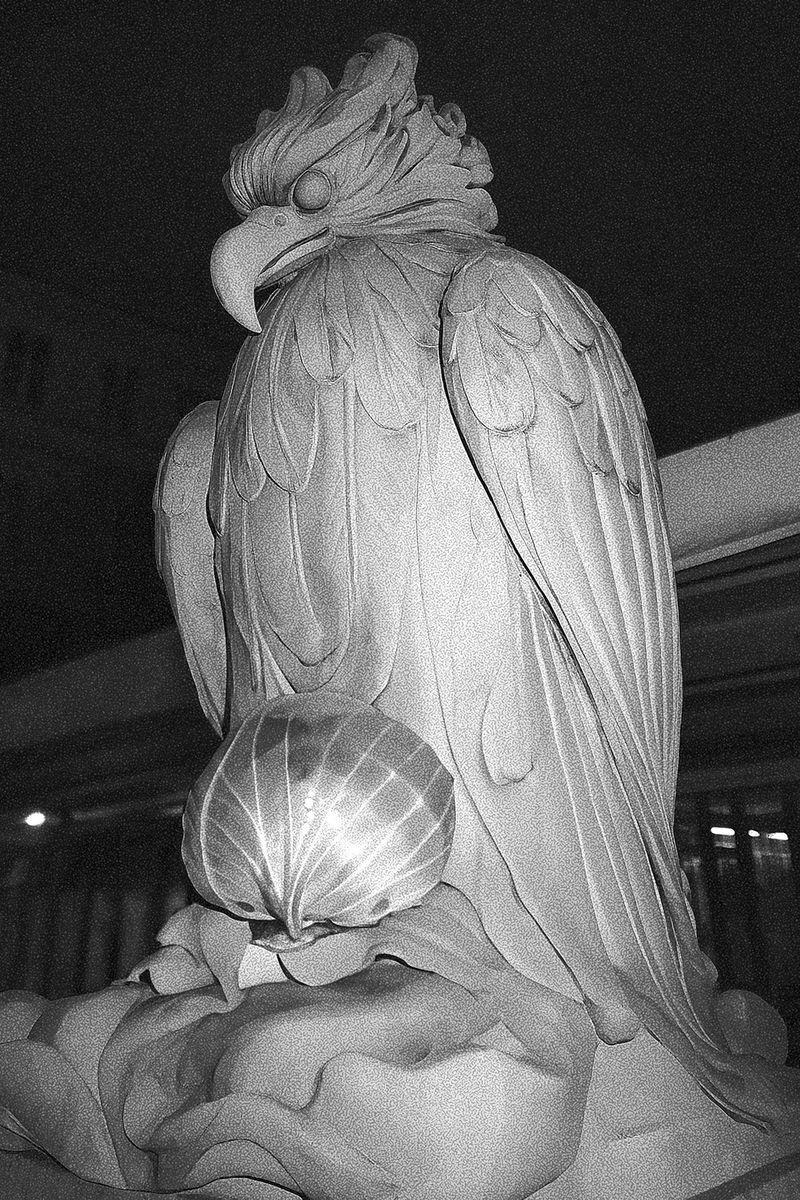
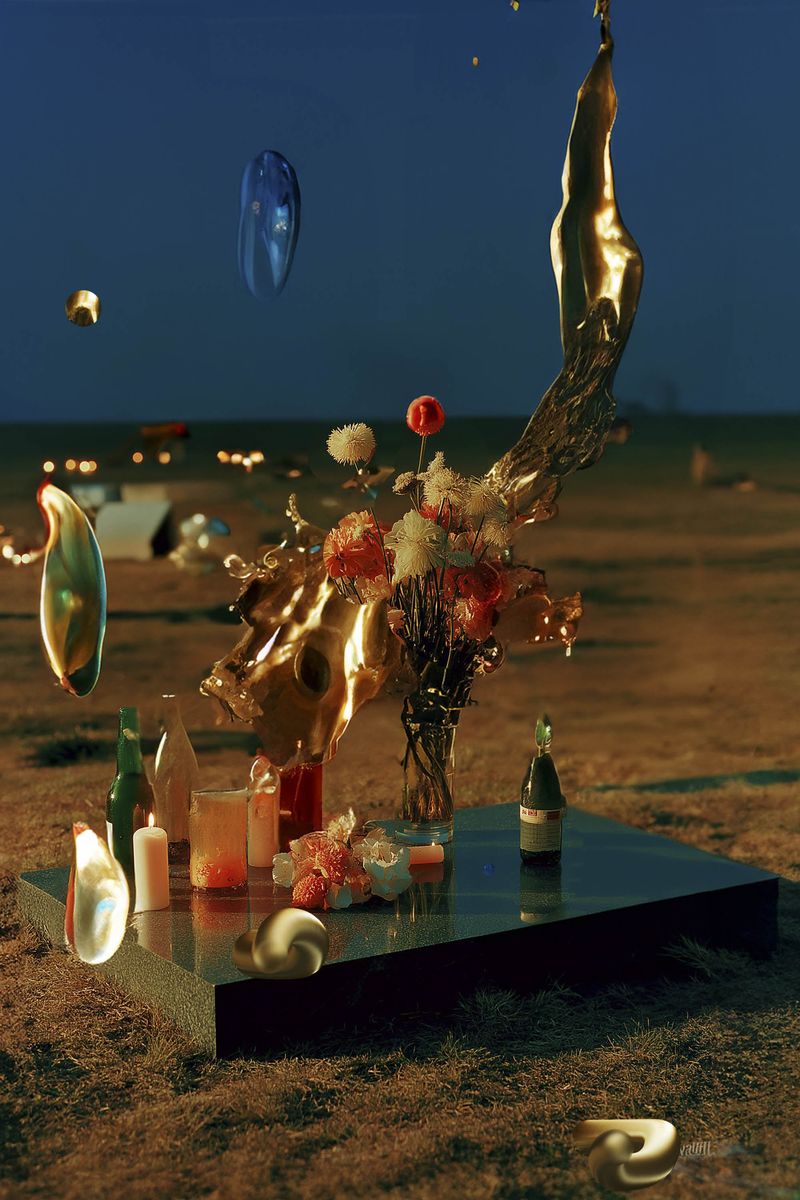
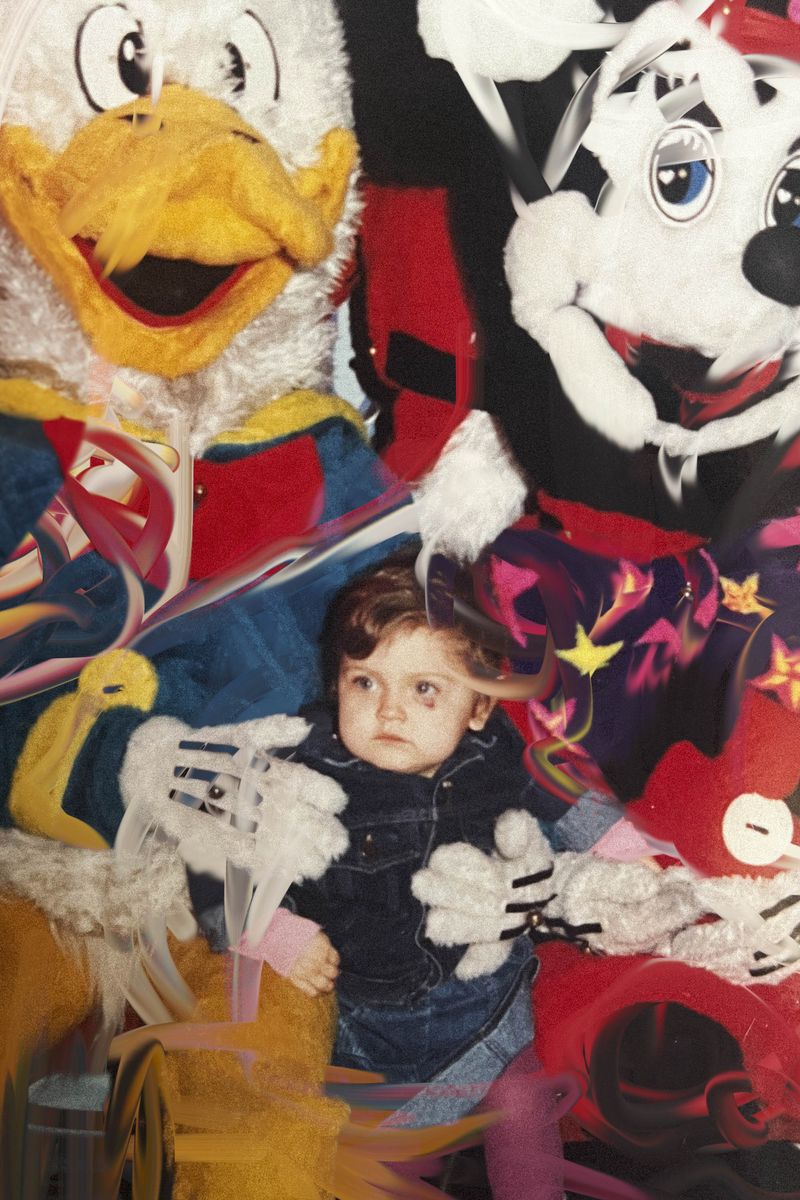
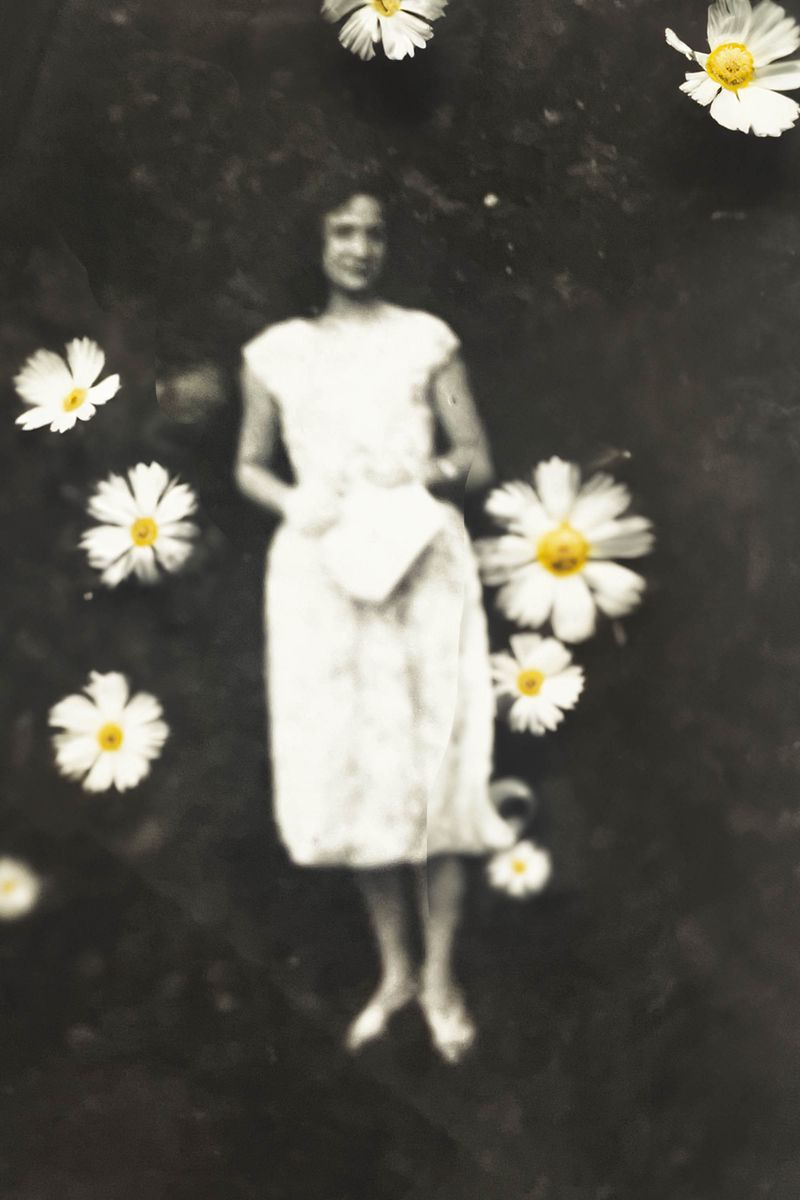
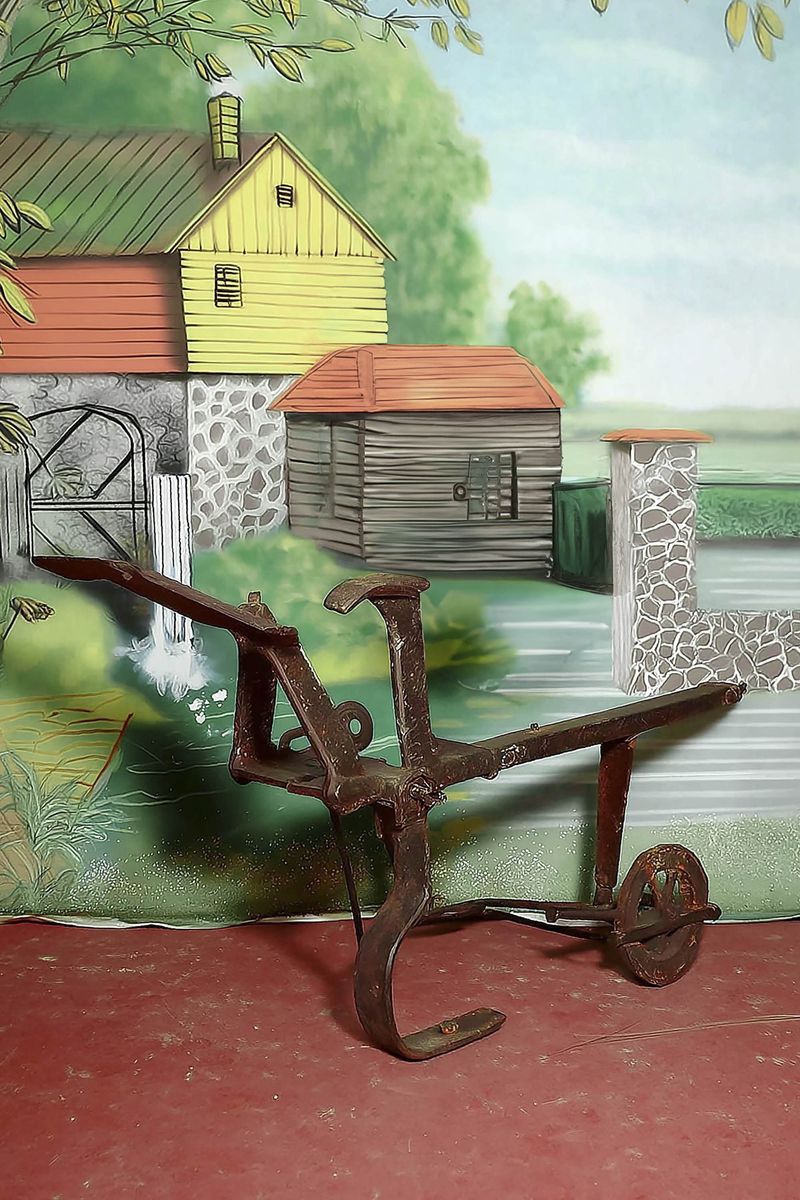
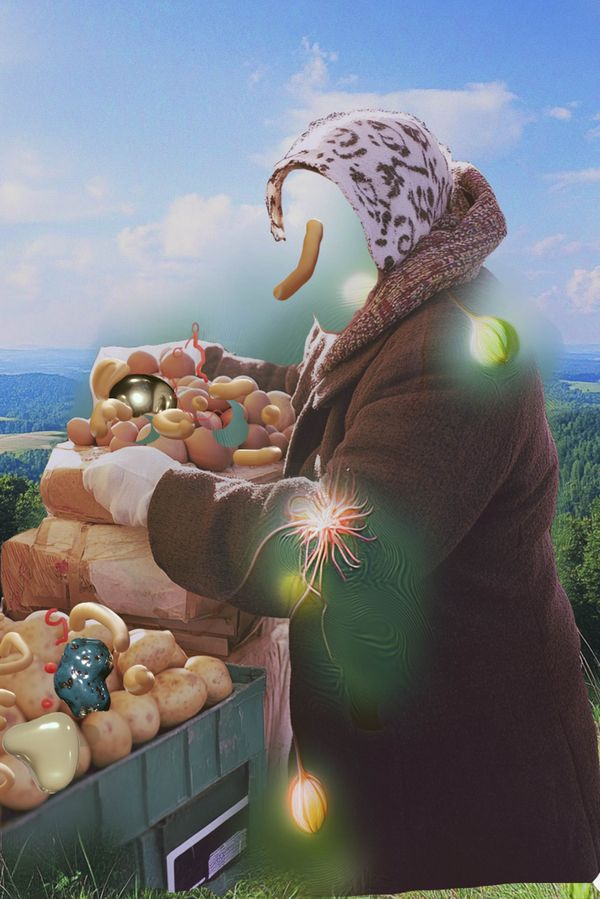
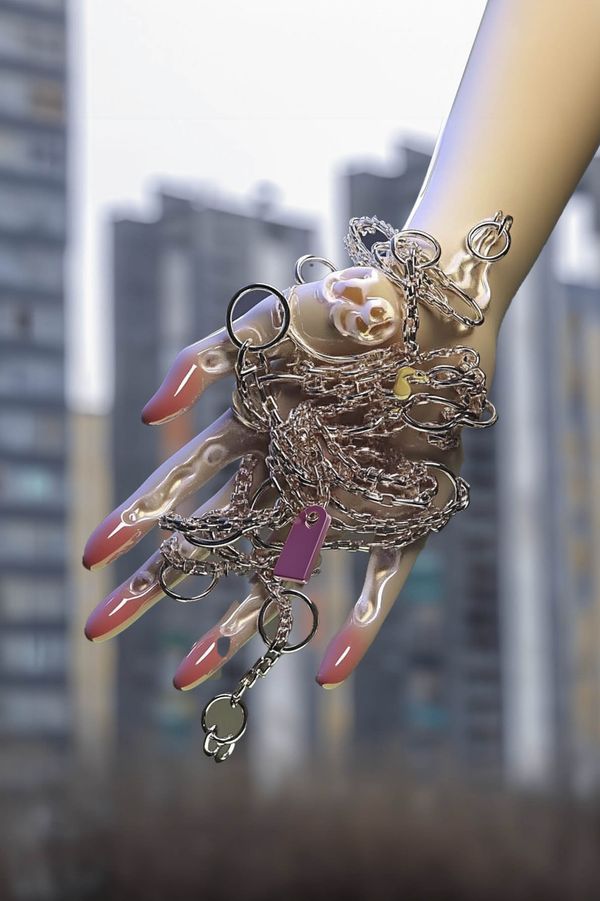
The title refers to a symbolic geography shaped by agriculture, folklore, and political myth across Poland and the broader Eastern European context. Using artificial intelligence trained on my own photographs alongside family archives and images produced during my travels across post-socialist landscapes, I create speculative “counter-relics” that resemble historical documents but belong to no official record. Artificial intelligence functions as a post-photographic darkroom, transforming my own images and archives to question ideas of authenticity, history, and visual truth.
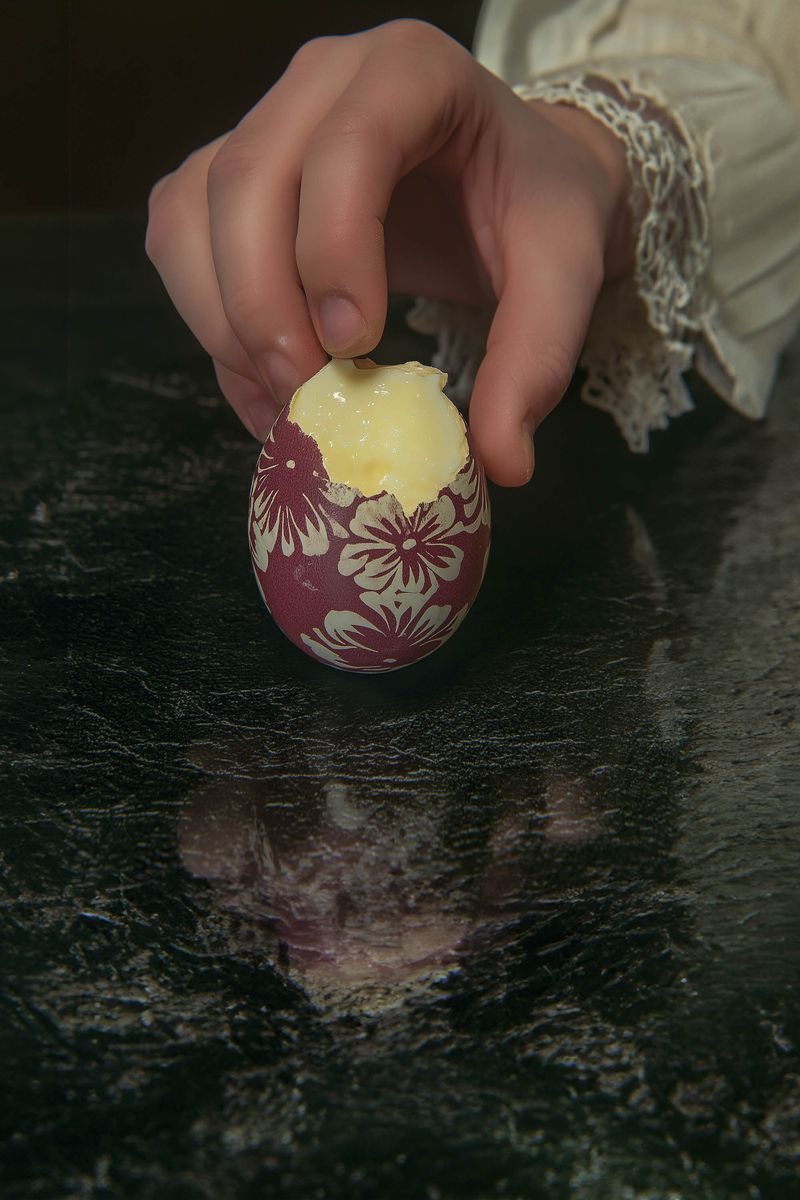
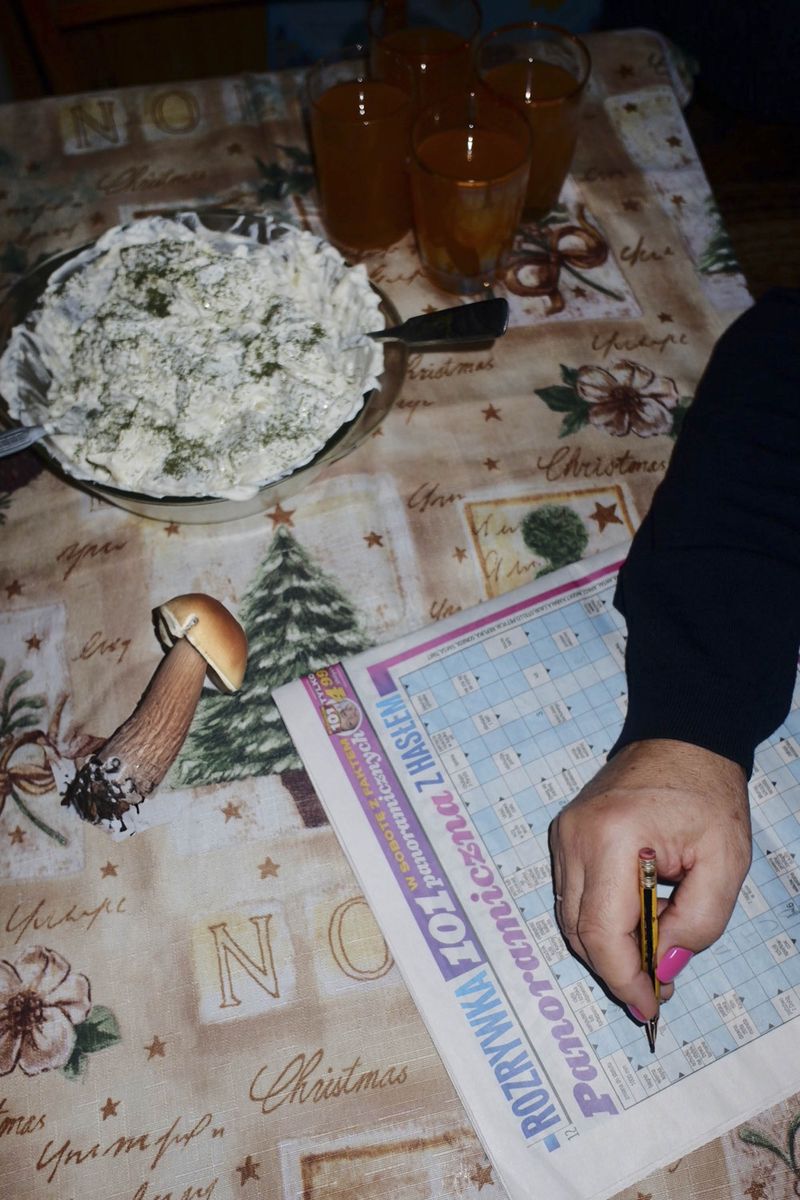
Folkloric objects and domestic rituals become mythological artifacts, shifting the sacred from heroic sacrifice to everyday life. The work questions nationalist mythologies while proposing alternative forms of cultural memory grounded in the ordinary, the bodily, and the shared. The images un-martyrize national symbols without erasing them, transforming the solemnity of sacrifice into uncanny humor, grotesque vitality, and surreal abundance.
East of Plow rejects the Eastern Block's cult of suffering, that was real and deep, but today almost feeds nationalistic, right-wing narratives. Instead of sacrifice and ruins, it centers folklore, land, and everyday ritual, challenging nationalist myth and reclaiming cultural memory through the ordinary, the bodily, and the shared.