Do-li-na
-
Dates2023 - Ongoing
-
Author
Rooted in my grandmother's silenced Slovenian heritage, Do-li-na reconsiders the documentary act through large-format photography, archival reproductions, and nocturnal video, questioning how images shape memory, power, and belonging.
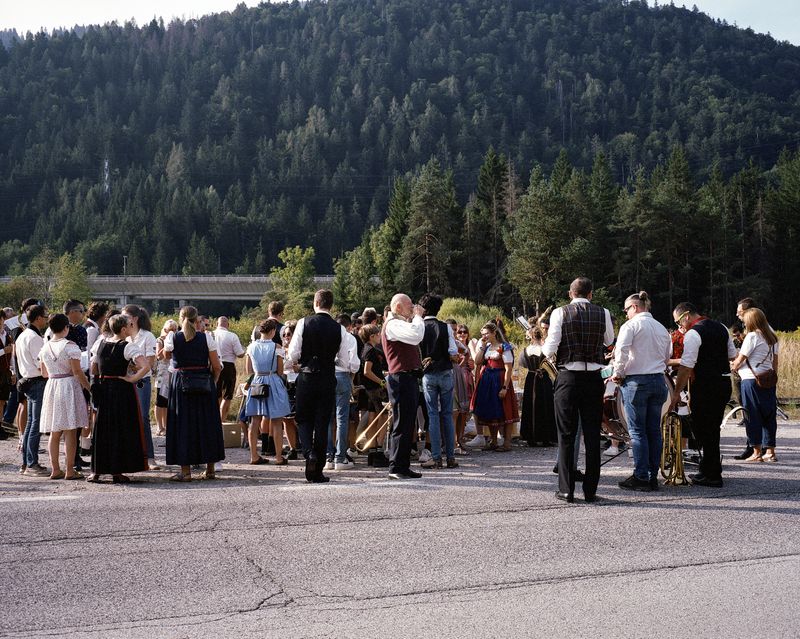
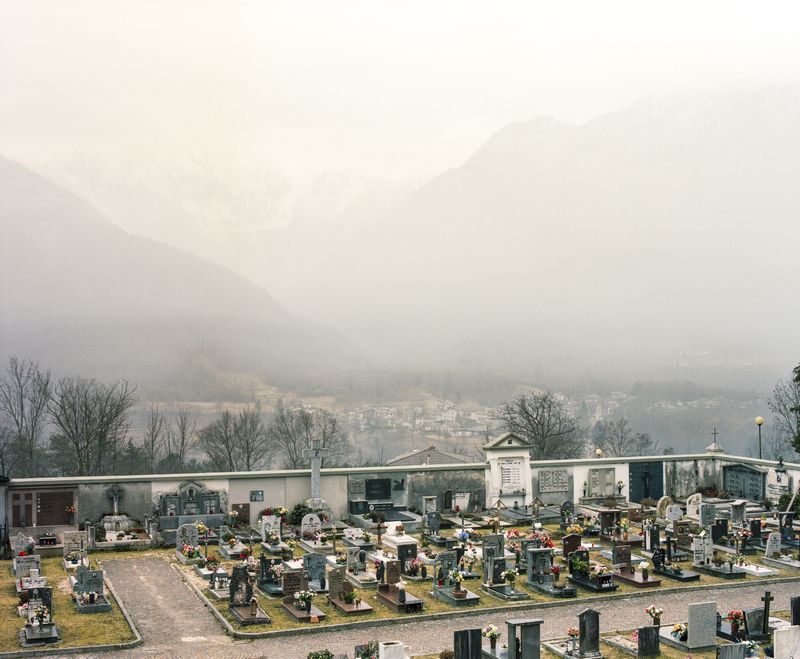
Do-li-na is a visual research that takes Friuli-Venezia Giulia as its point of departure to examine how images shape memory and identity where competing histories and cultures coexist.
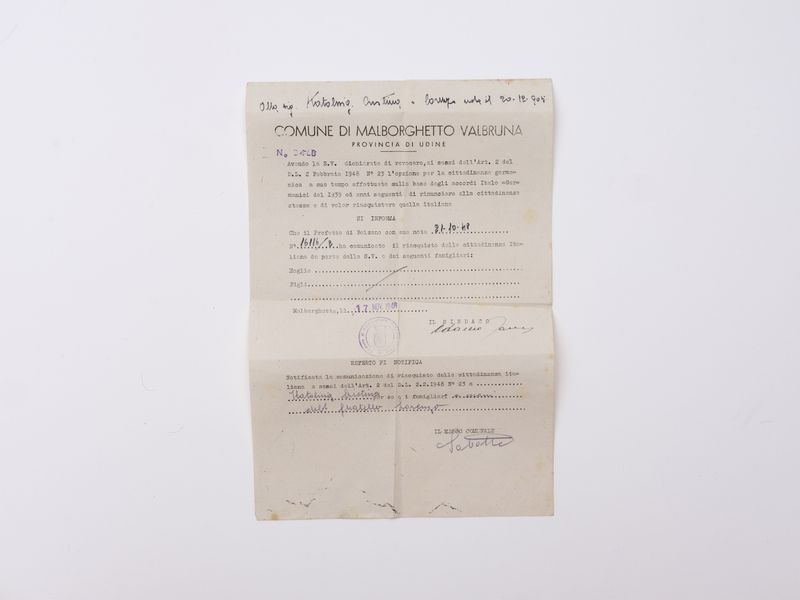
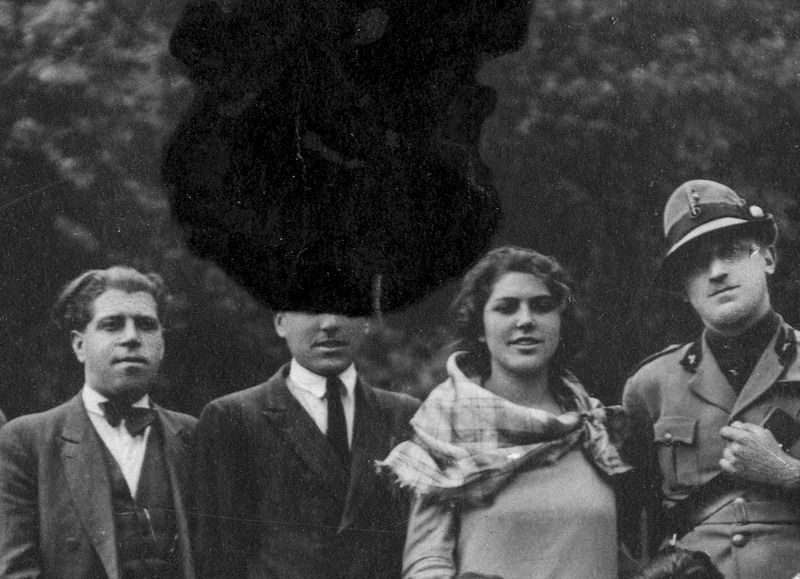
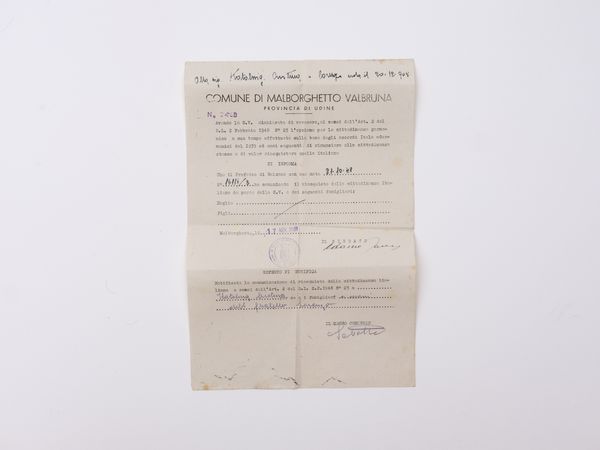
The project began with a personal discovery: only after my grandmother's death did I learn of her long-concealed Slovenian heritage, alongside documents from fascist Italianization policies, particularly those connected to the 1923 Gentile school reform, which systematically sought to erase minority identities in the name of a unified Italian national identity. What first appeared as a private silence gradually revealed itself as part of a wider historical repression, opening a space to investigate how cultural memory is suppressed, transmitted, and remade.
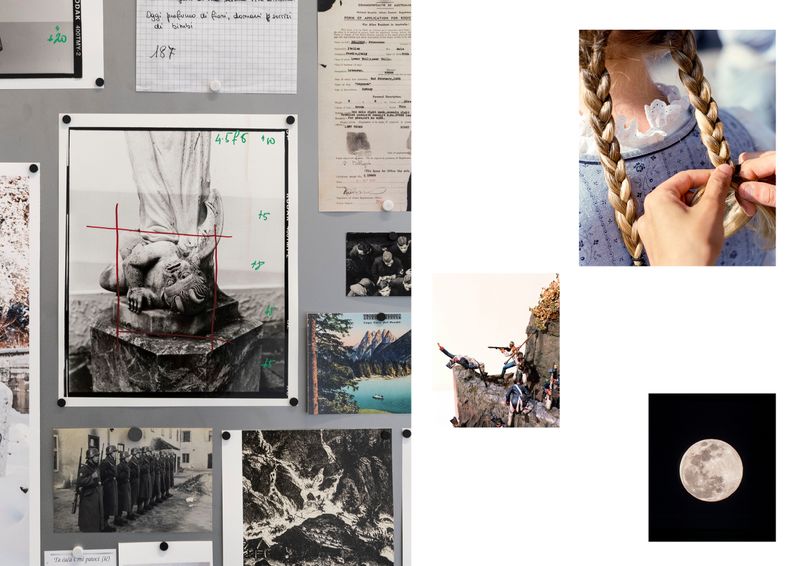
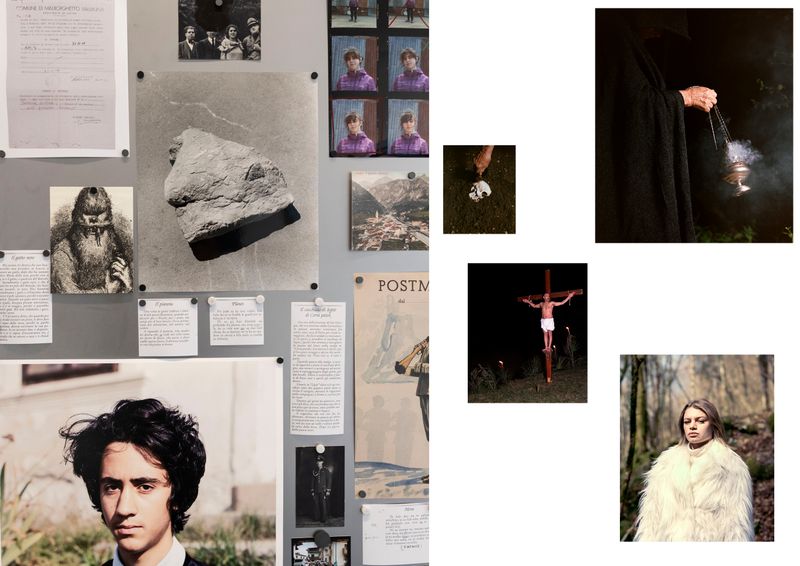
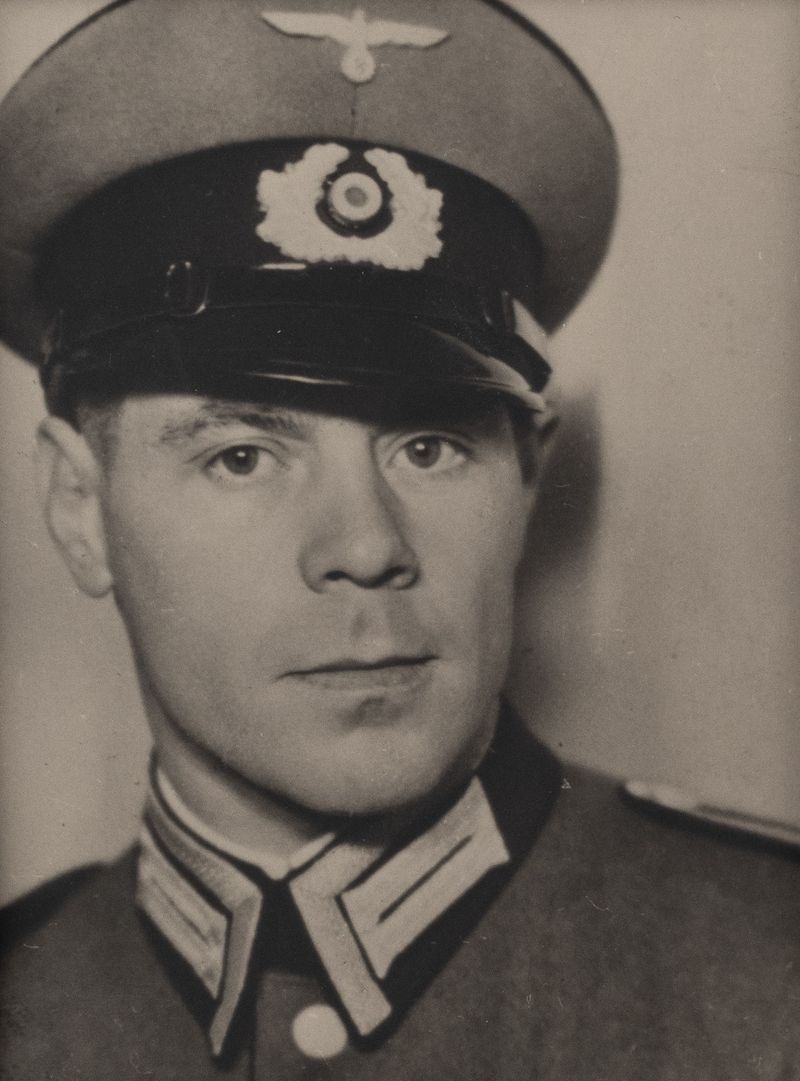
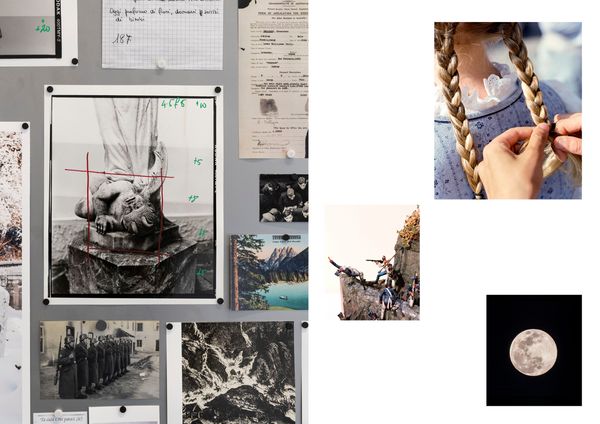
Working with personal and institutional archives, Do-li-na examines how histories are remembered, reshaped, or forgotten, and the role of image production in these processes. My archival research begins from what is absent rather than what survives, approaching images not as neutral evidence but as active agents in the production of meaning and authority.
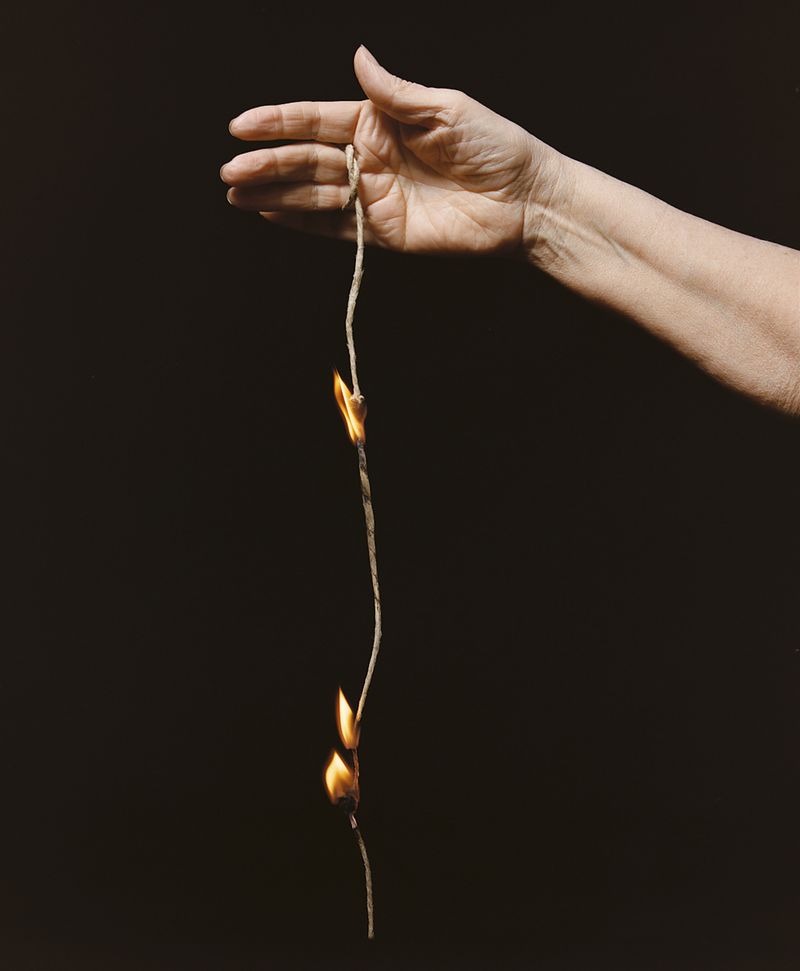
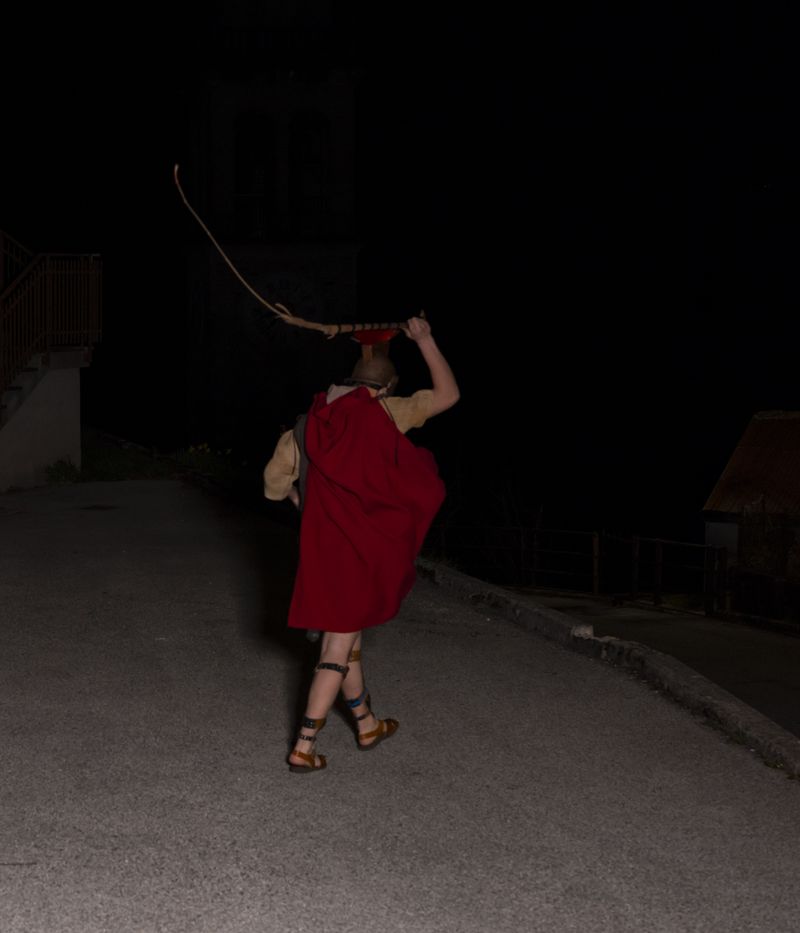
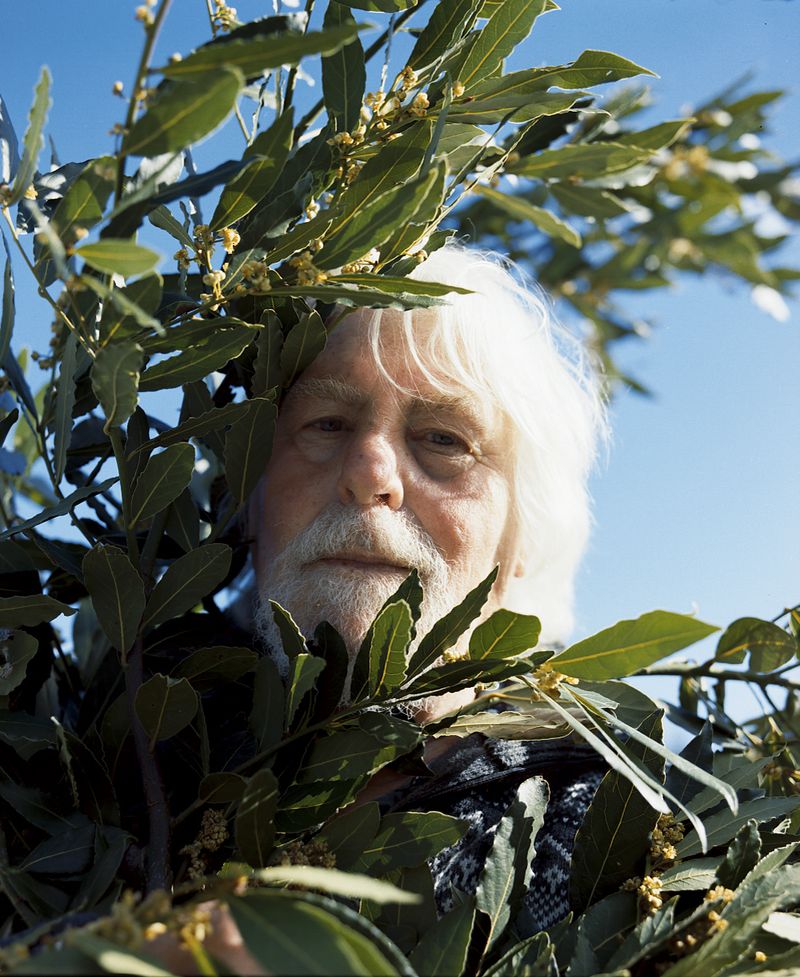
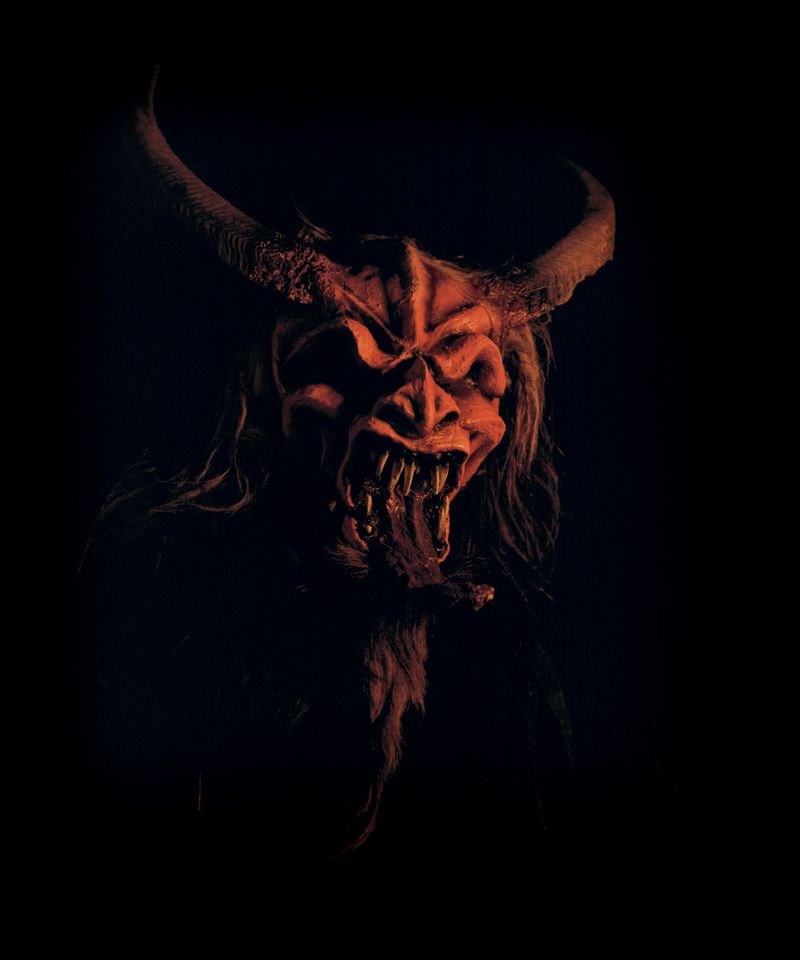
At the heart of the work are oral narratives and popular mythologies: fragments of animist, pagan, and Catholic traditions that continue to shape the region's collective imagination. These stories become a way of rereading history, revealing how cultural knowledge endures in subtle and often overlooked forms.
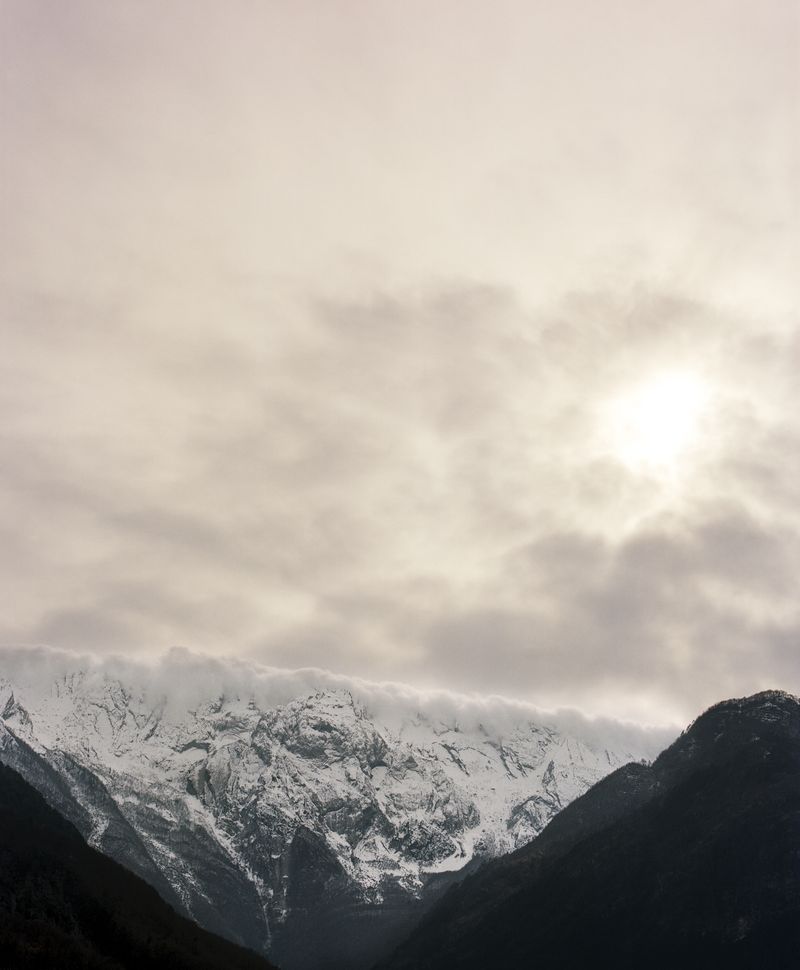
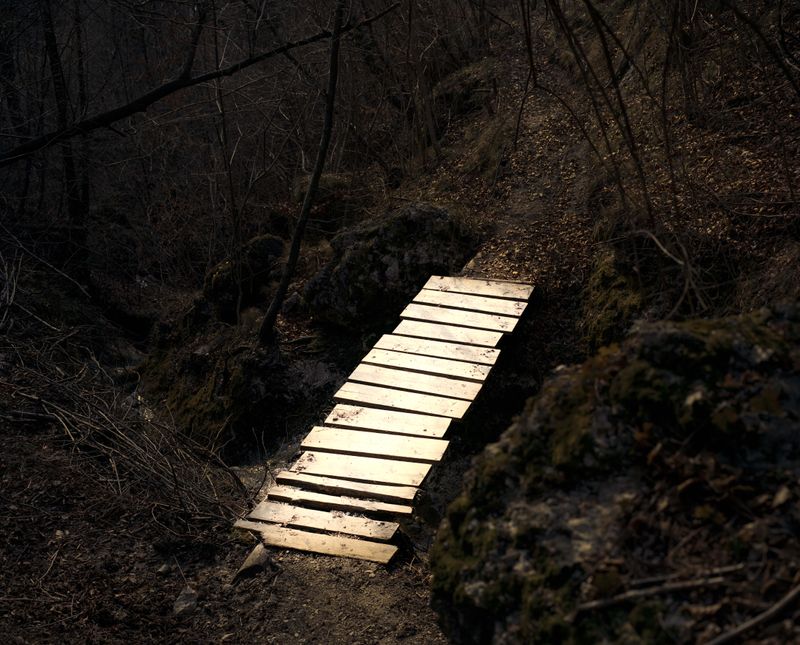
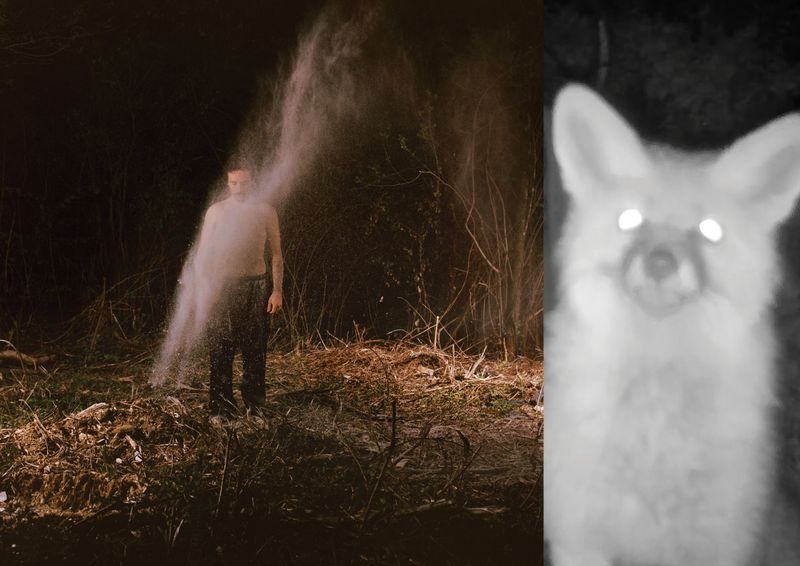
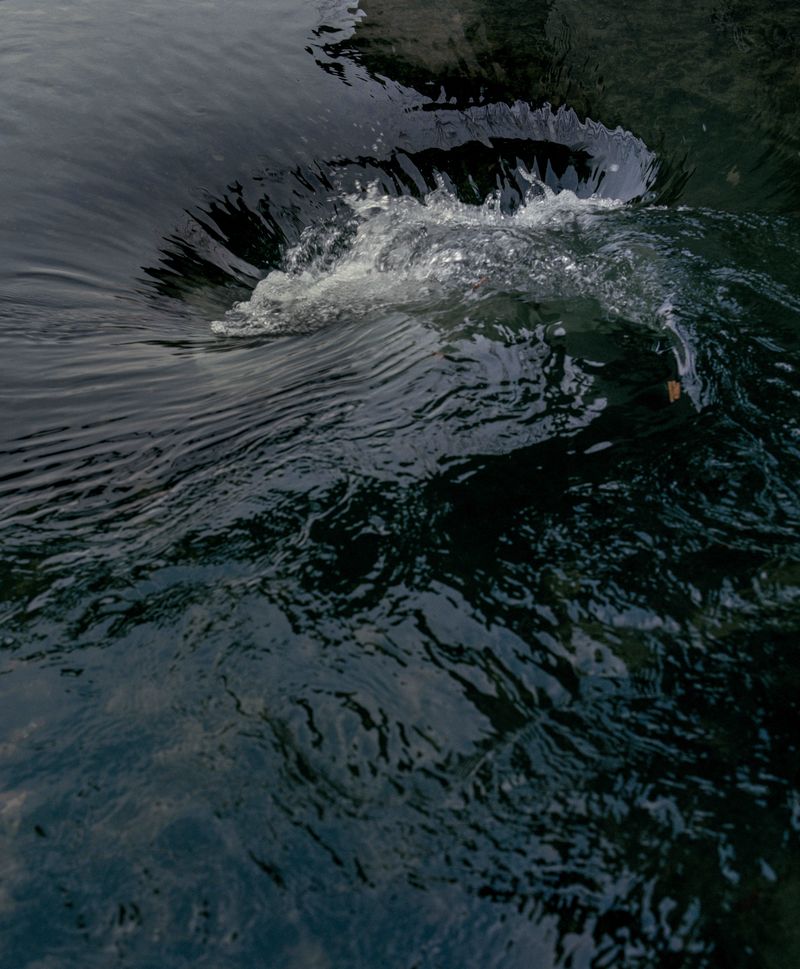
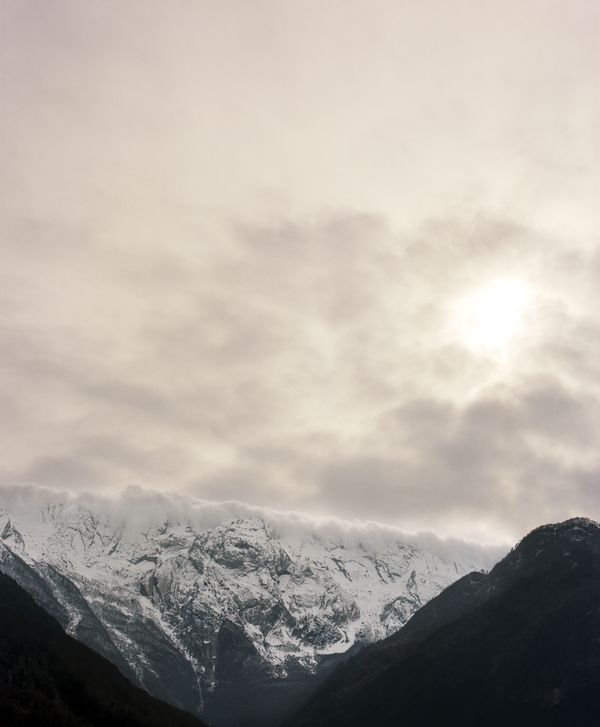
Dolina is not only a karst depression, but also a secluded mountain basin that shelters remote communities. In the forests of Val Canale, Val Resia, and Val Natisone, these layers of memory surface through the presence of animals, whose movements resist interpretation and unsettle the boundary between the visible and the unseen. Like the archive, the margin becomes a place from which dominant narratives can be reconsidered and other forms of memory emerge.
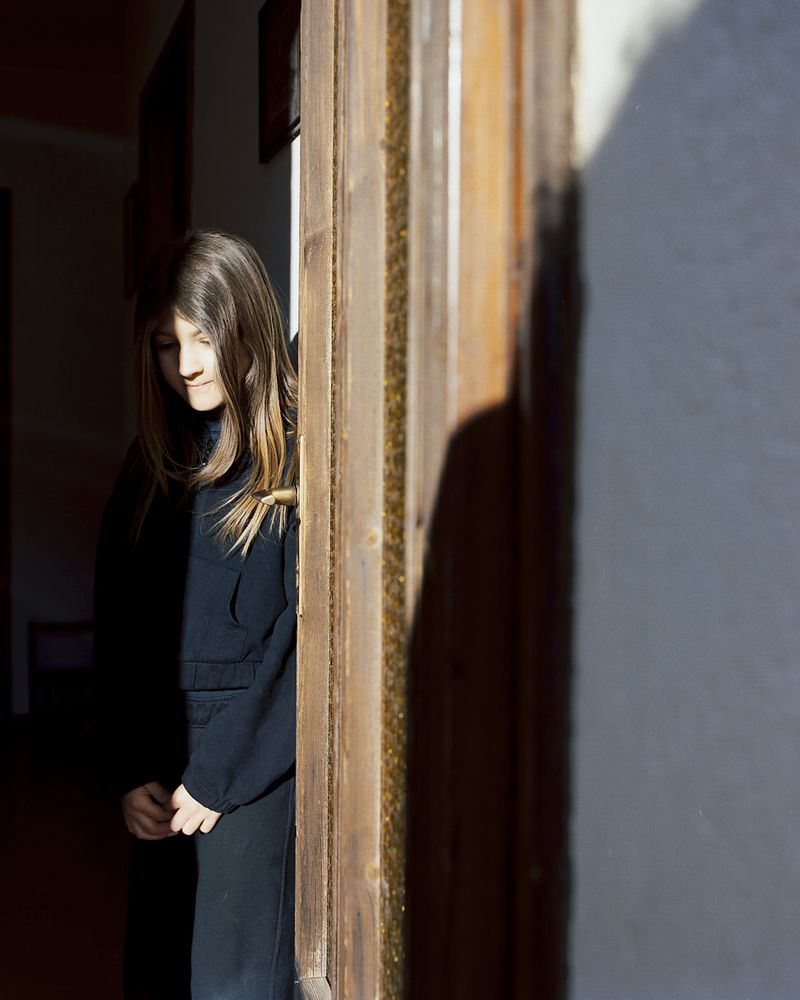
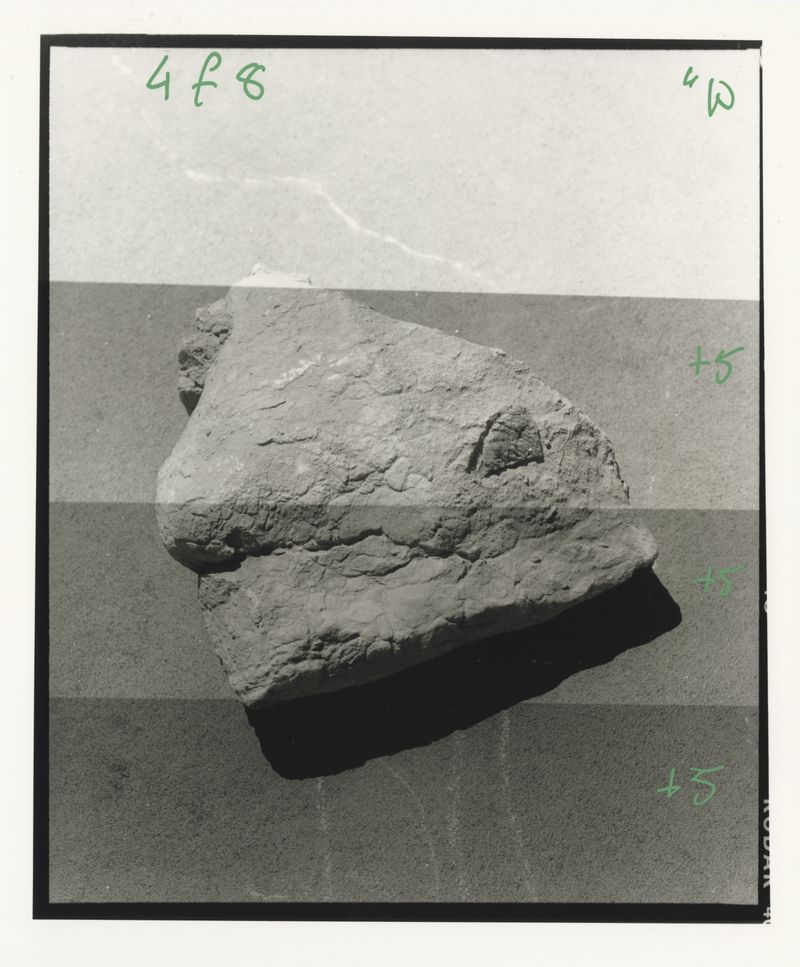
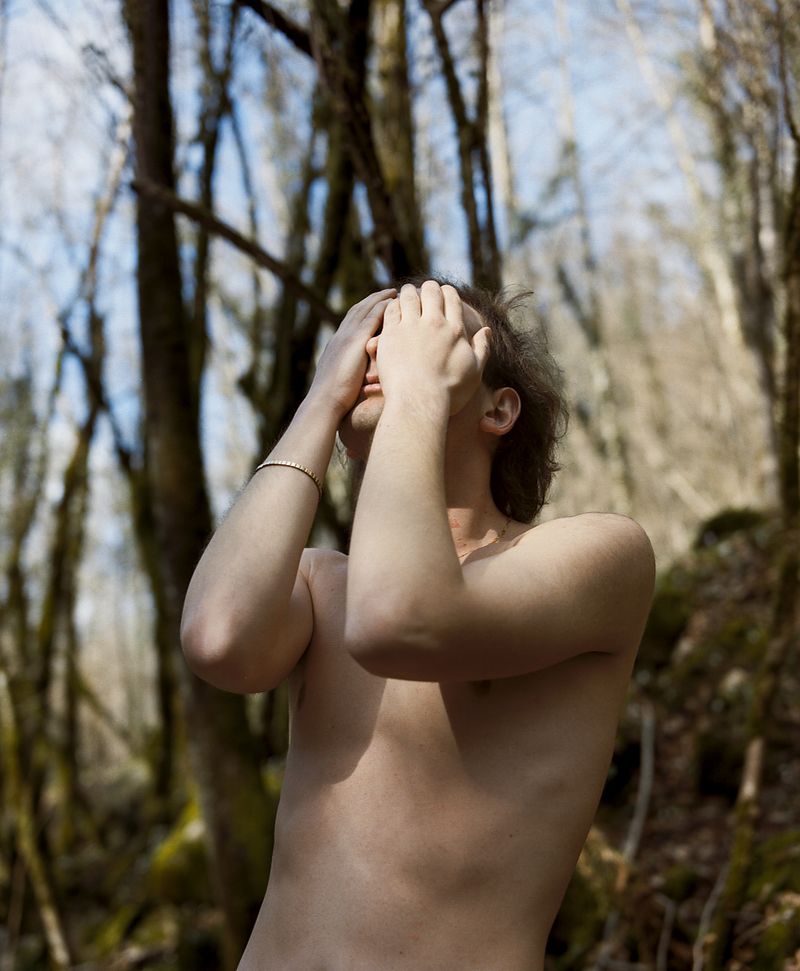
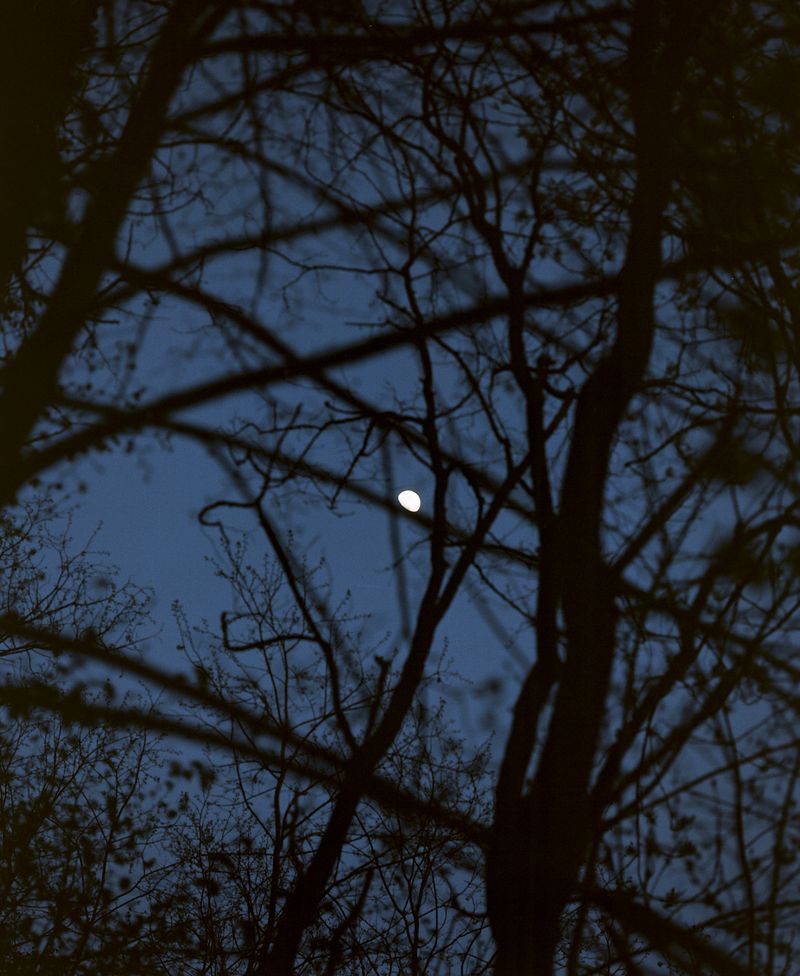
Photography becomes the space through which I reconsider the documentary act. By bringing together large-format photography, archival reproductions, and nocturnal video, I question the medium's historical authority as a transparent witness while constructing visual relationships that move between documentation and imagination. In collaboration with the Guardia Forestale, I installed nocturnal cameras in restricted mountain areas at 2,200 meters, in the Three Borders region where Italy, Austria, and Slovenia converge. Placed alongside oral testimonies, archival materials, and historical documents, these recordings extend the research beyond human history. Rather than confirming familiar symbols, they reveal forms of presence that resist explanation, where human memory, landscape, and animal life exist within the same constellation rather than a single narrative.
Do-li-na positions photography between construction and omission, reality and imagination. It interrogates the medium's historical claim to truth while foregrounding the ethical responsibilities embedded in every act of looking. Ultimately, the project explores what persists in the margins, where memory resists erasure and certainty gives way to ambiguity.