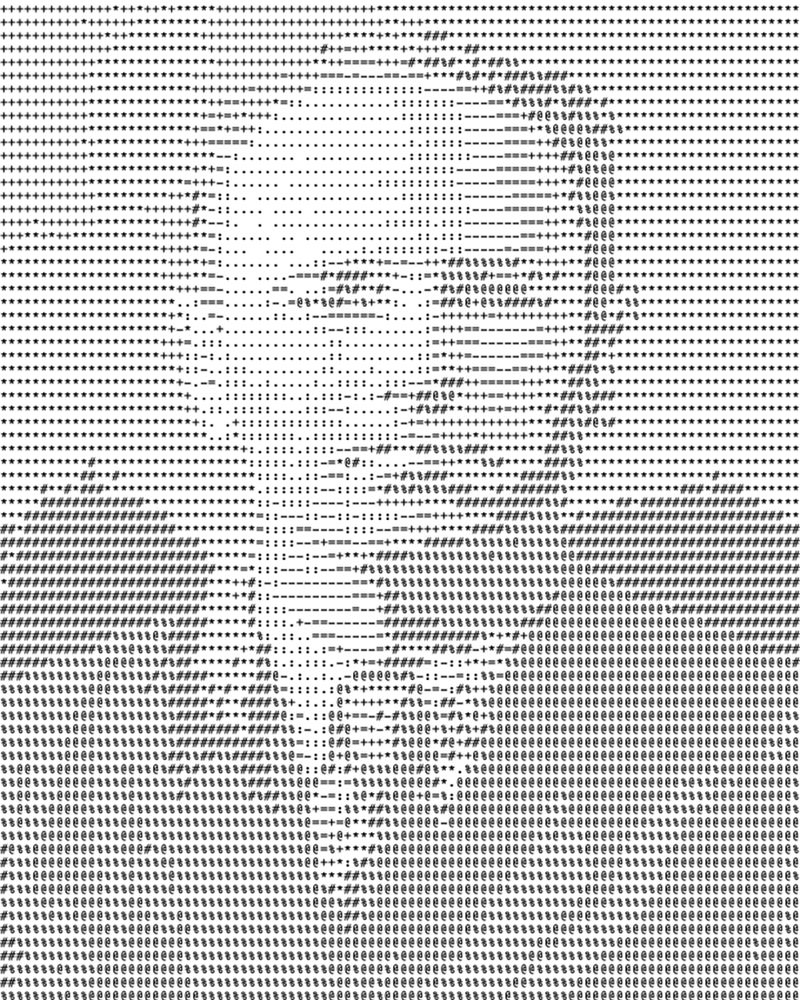
Digital shadows of words

-
Dates2024 - Ongoing
-
Author
- Topics Contemporary Issues, Archive
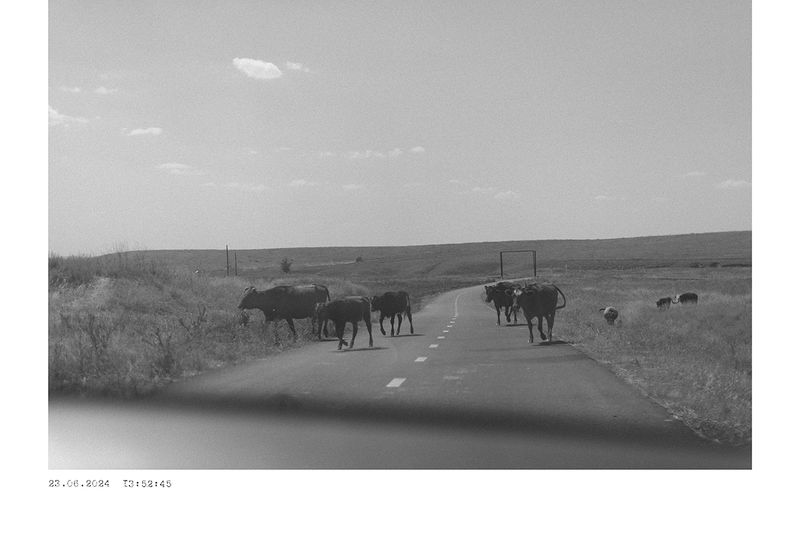
This project is a reflection on the ways of remembering, storing and reproducing the events of the past in classical and new memorial practices. About how we remember the past and how we will be remembered.
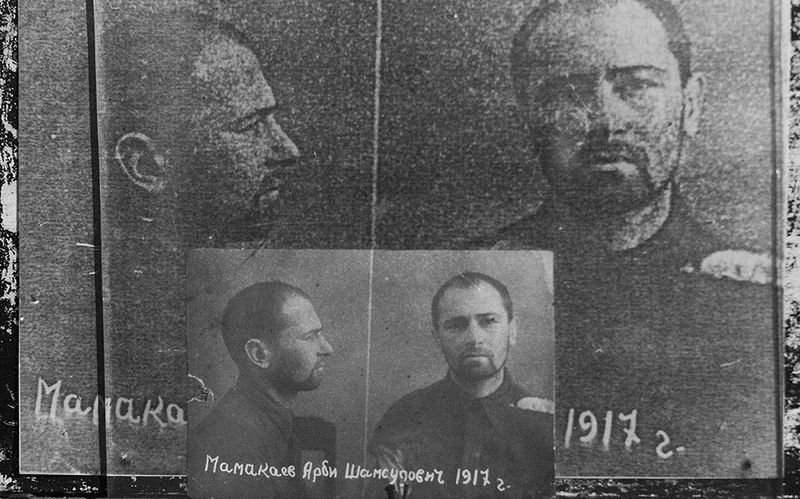
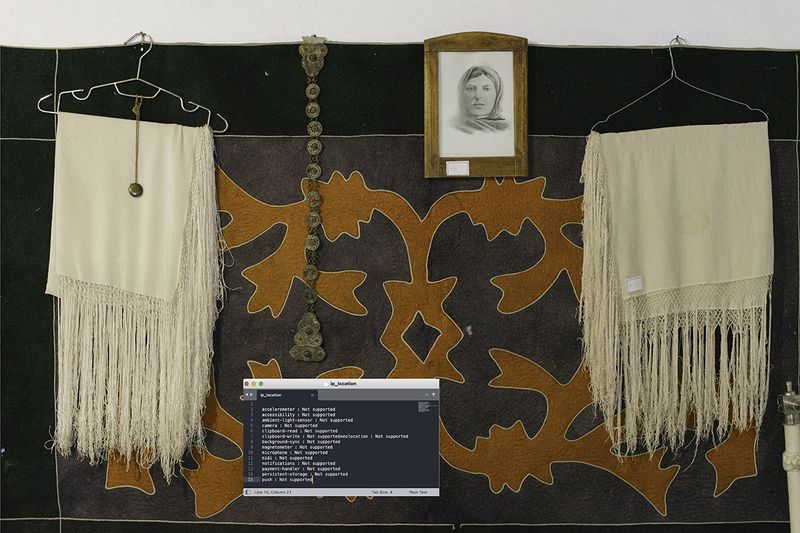
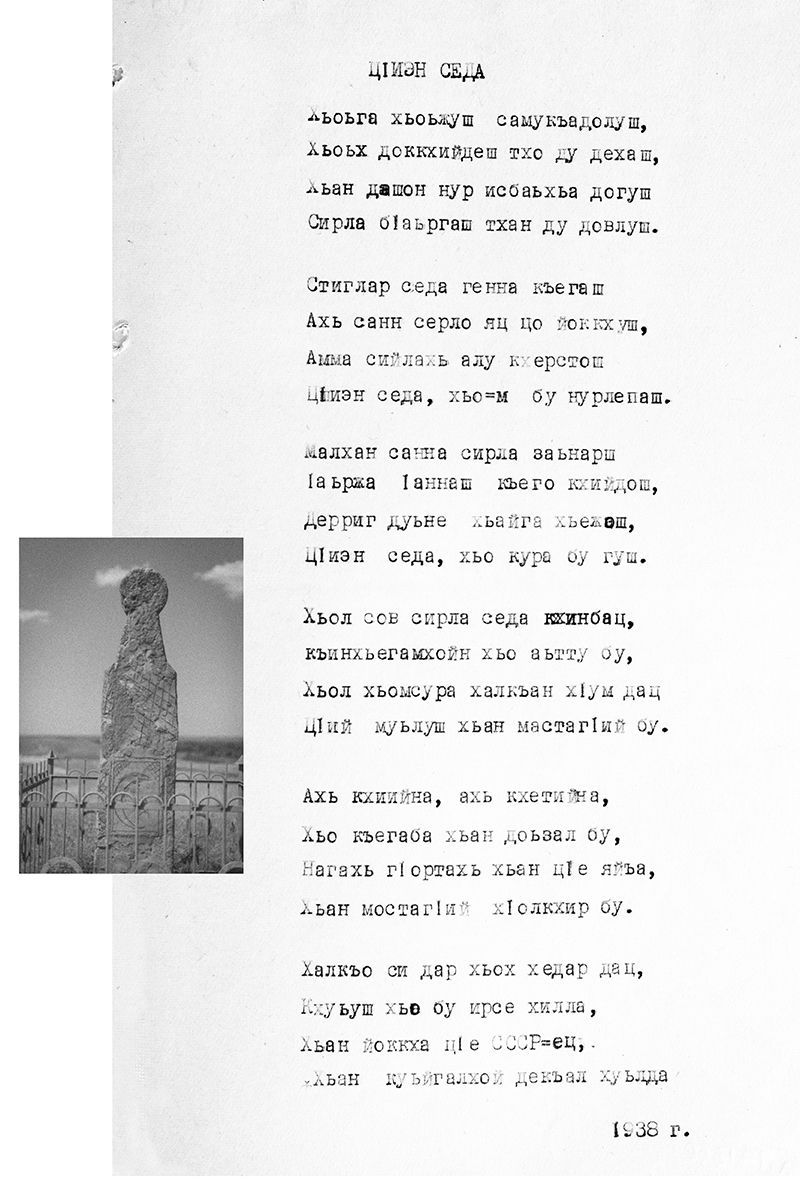
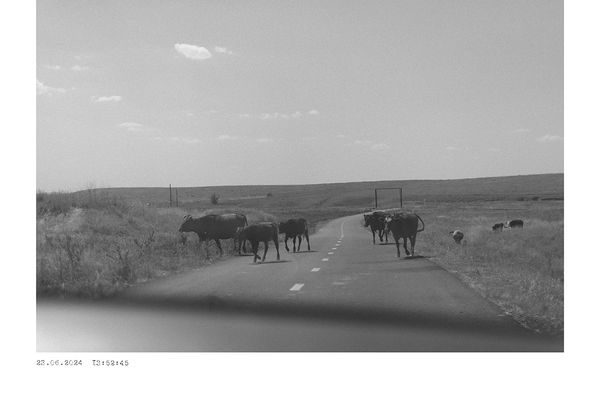
The project about the Chechen poet Arbi Mamakayev began with my visit to an art residence in the North Caucasus. The initial search for information about him was conducted on the internet, but it was unsuccessful. The primary source of information about the poet was the memorial and literary museum that his son had created.
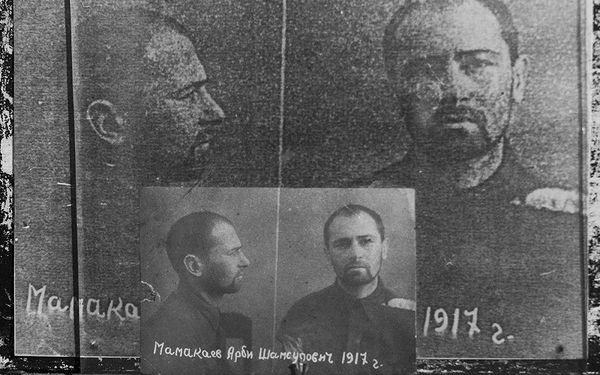
Arbi's biography tells the narrative of a man who lived during a terrible period of change. He was born in 1918 in the village of Nadterechnoye, Chechen-Ingush ASSR. Following his father's death, he spent time in an orphanage before enrolling in the workers' faculty and later working for a newspaper. Arbi's first poetry was published in 1934, and his first book appeared in 1941. He started working on radio after winning an announcer competition. Until 1941, his life was going well; his contemporaries dubbed him "the darling of fate" and "the Chechen Yesenin." However, in 1941, Arbi was imprisoned on a denunciation and banished to Magadan, where he remained for 15 years, until 1956. The poet didn't write a word during this period. He recovered and returned home in 1957, but he died only a year later, in 1958, before reaching his 40th birthday.
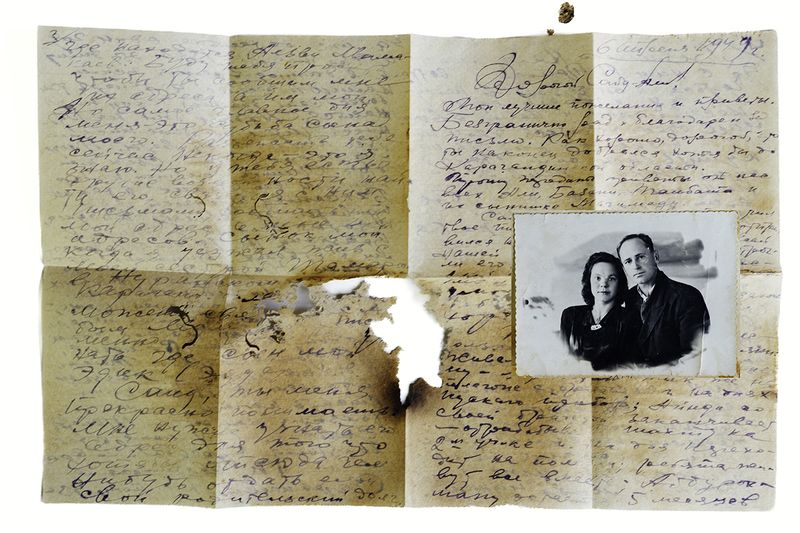
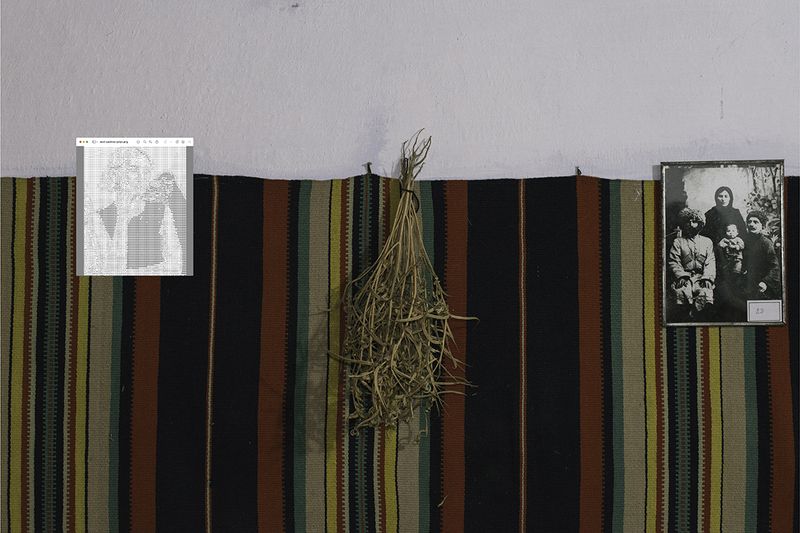
A visit to the local history museum in Nadterechnoye (Chechen Republic) helped to fill in some of the poet's biographical gaps. The entirety of the material information about Arbi Mamakayev is gathered in this location of memory. This is Magadan's scrapbook, which includes pictures and letters to his son, Maya, his second wife, and friends. This is Magadan's album of images, messages to his son, second wife Maya, and friends. In addition to documents and personal possessions. The museum also houses copies of poems and verses written by Arbi before and after the Gulag.
There were elements of Arbi Mamakaev's biography that I could never wake up to. Some were lost in time, some were taken away by his family, and some were absorbed by the GULAG's nothingness. I researched Arbi Mamakayev's life and the evidence he left behind in order to write this book. Since they are all memory culture artifacts, the narrative about them may adhere to the recognizable visual patterns.
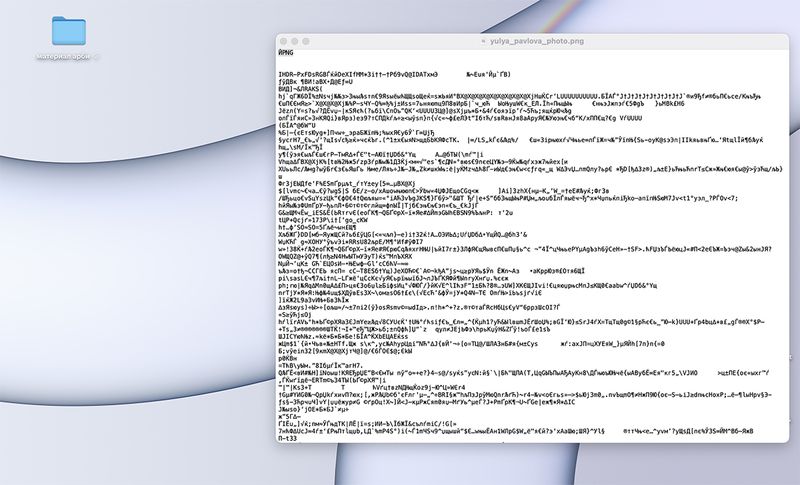
As a representative of the new digital era, researching Arbi's life got me thinking about the legacy I leave behind. All of my letters, photos, and documents are digital. I am from a different era than Arbi Mamakayev. However, our paths unexpectedly intersected at one point.
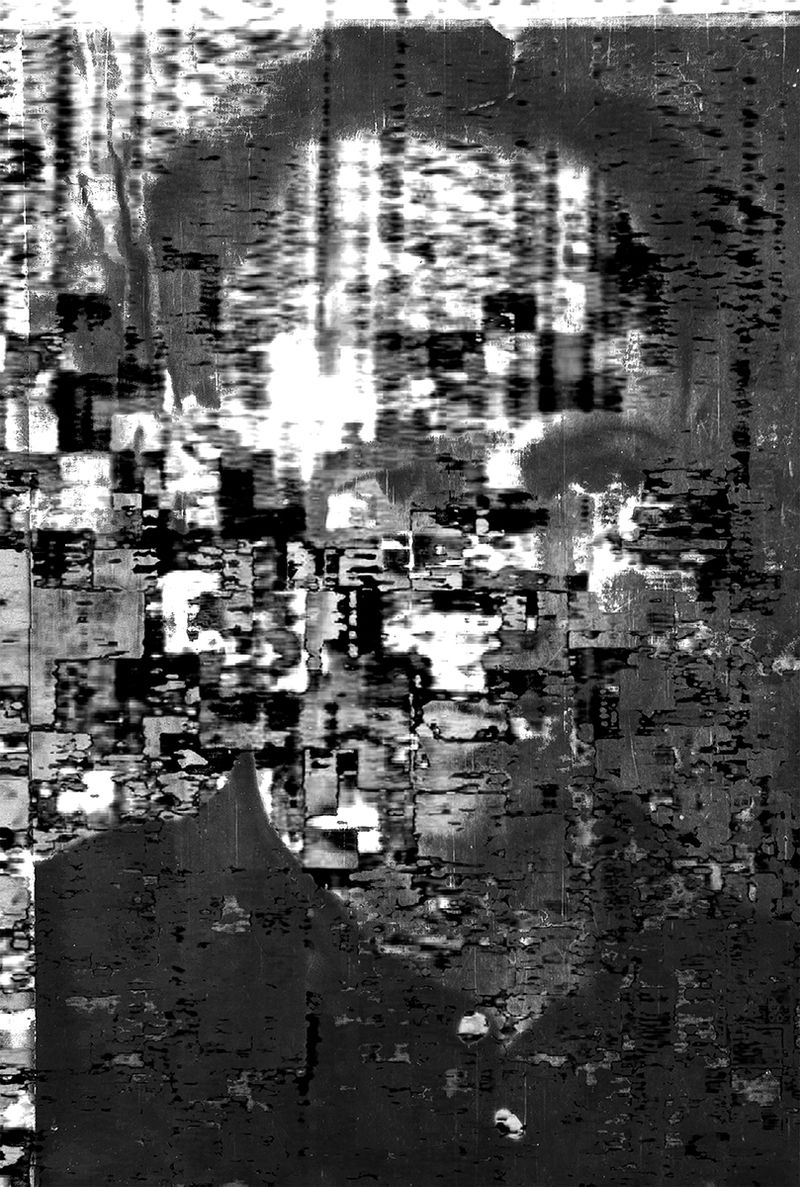
This book is a reflection on the ways to remember, store and reproduce events of the past within the framework of classical and new memorial practices. About how we remember and how we will be remembered. What traces do we leave behind now, creating a digital trace by which we will be recognized in the future.
This book is also a dialogue between me and Arbi Mamakayev, in which I give him a voice in the present, weaving him into the modern digital dimension. And I myself fall into his narrative of the past.