Digital shadows of words
-
Dates2024 - 2025
-
Author
- Topics Photobooks
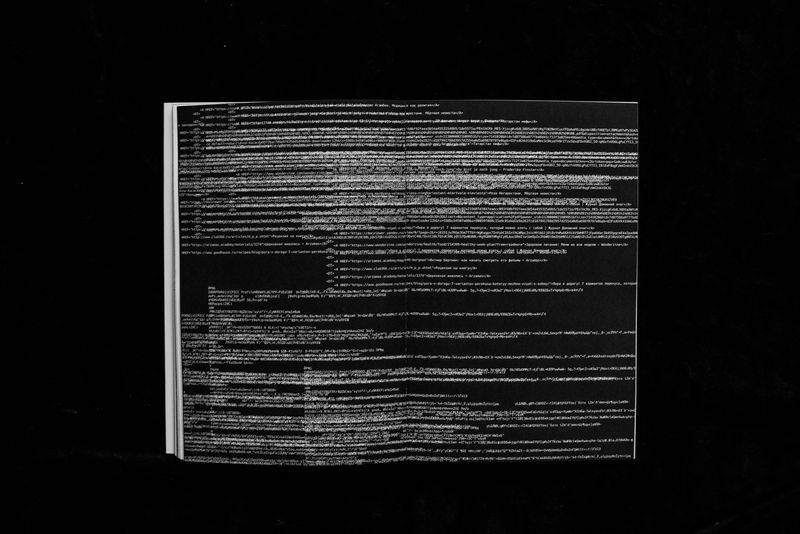
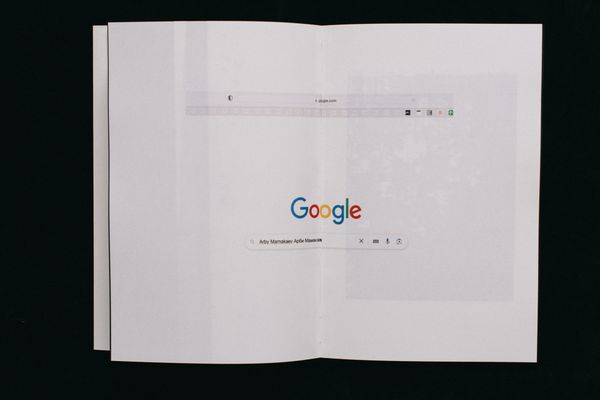
The project raises the question of what forms of memory are preserved today, when physical media lose their significance and digital ones remain unstable and vulnerable to manipulation.
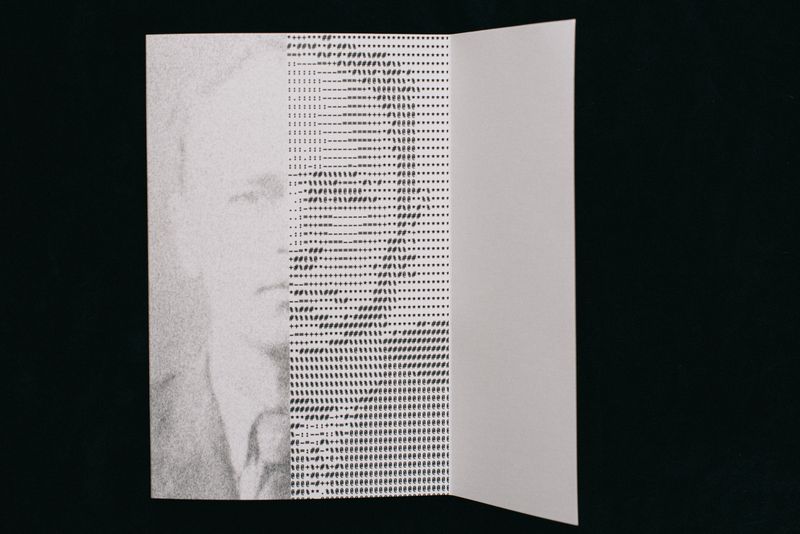
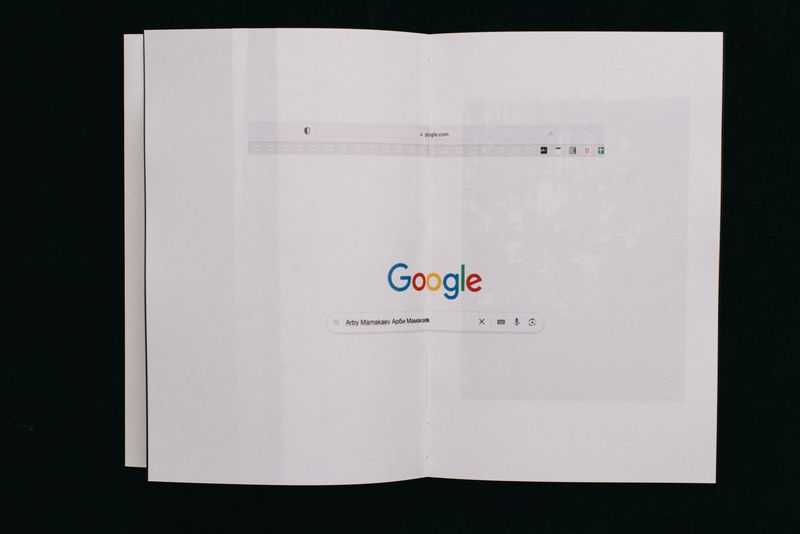
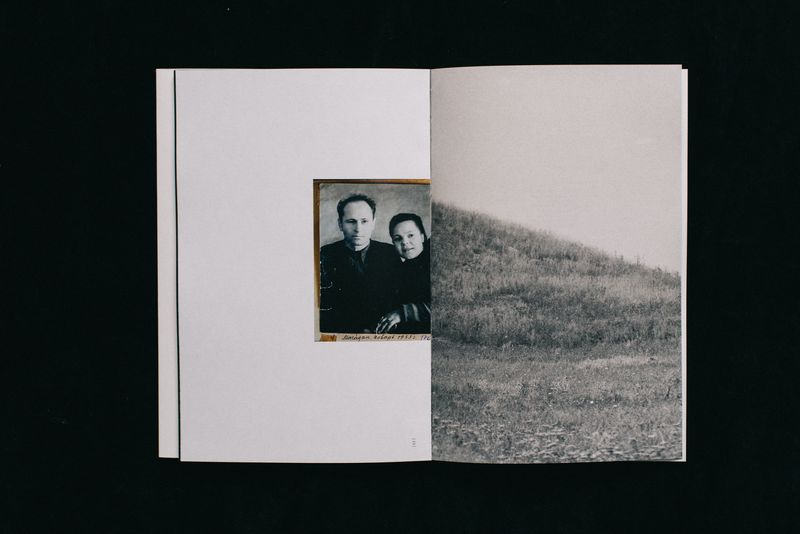
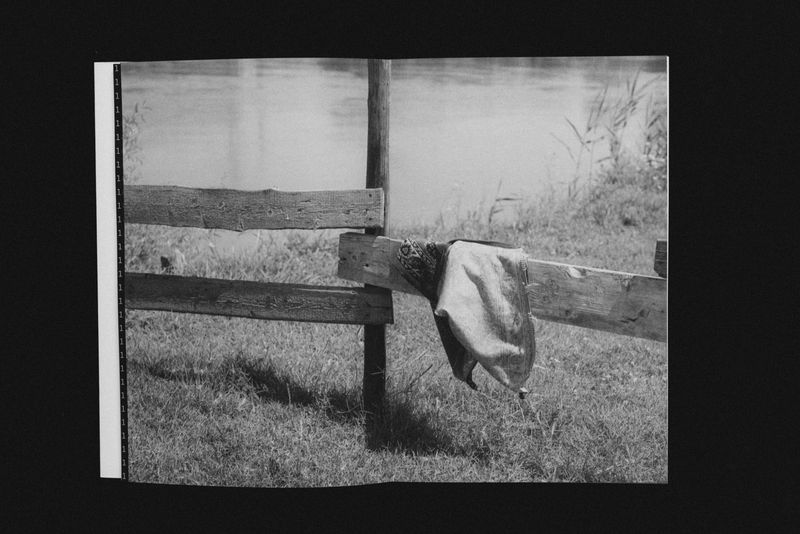
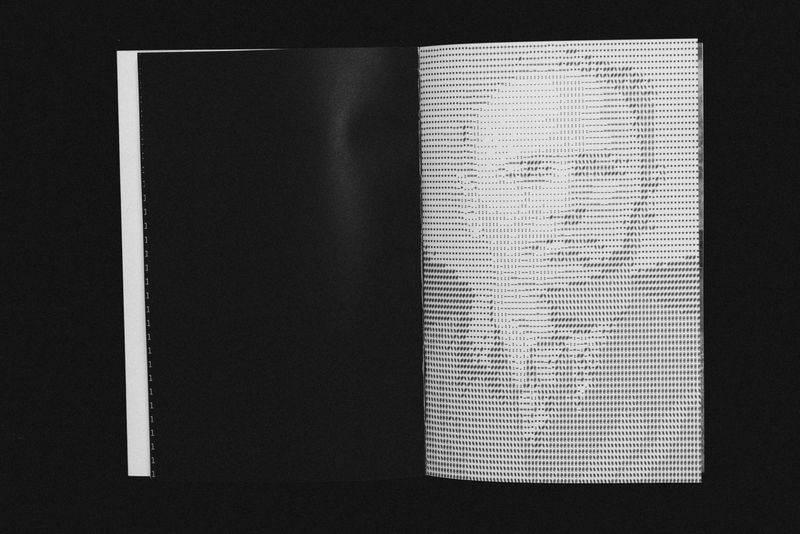
This work is an exploration dedicated to the memory of Chechen poet Arbi Mamakayev and an attempt to rethink how methods of preserving and reproducing the past are shaped today. The project raises the question of what forms of memory are preserved today, when physical media lose their significance and digital ones remain unstable and vulnerable to manipulation. In the past, material traces had a stable foundation in objects; the digital trace, by contrast, is fluid, unstable — but also the most active.This work also touches on the issue of archival justice.
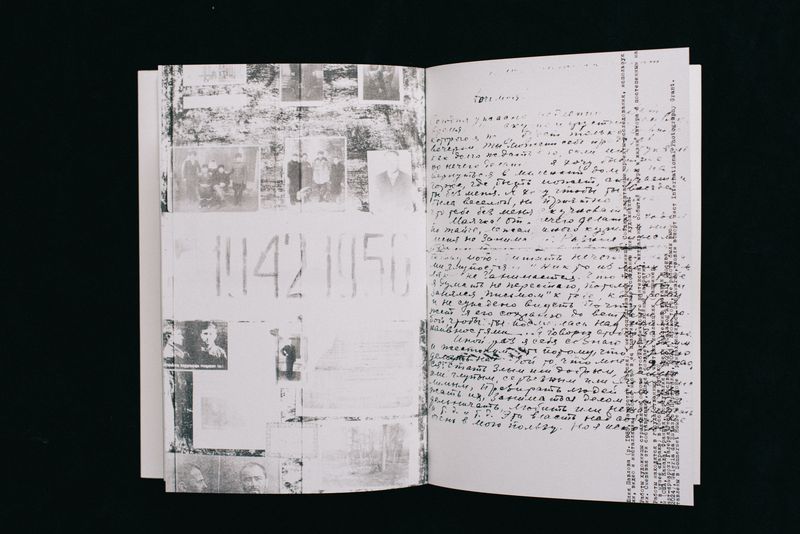
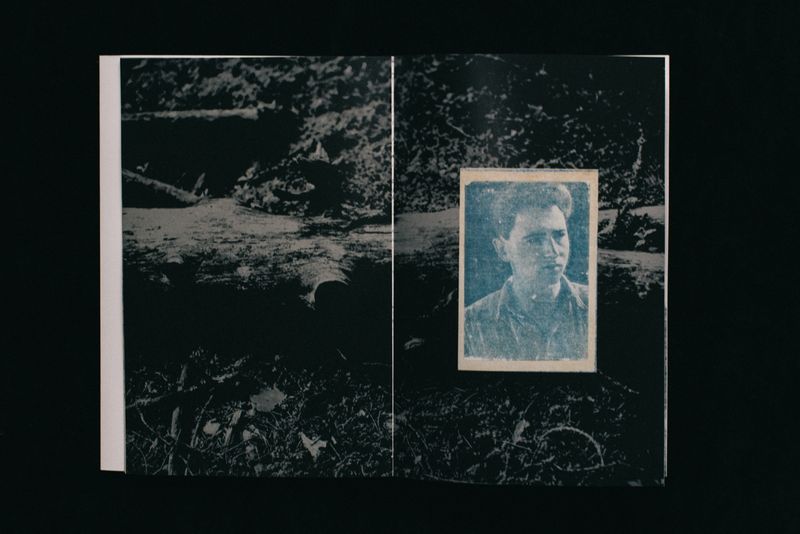
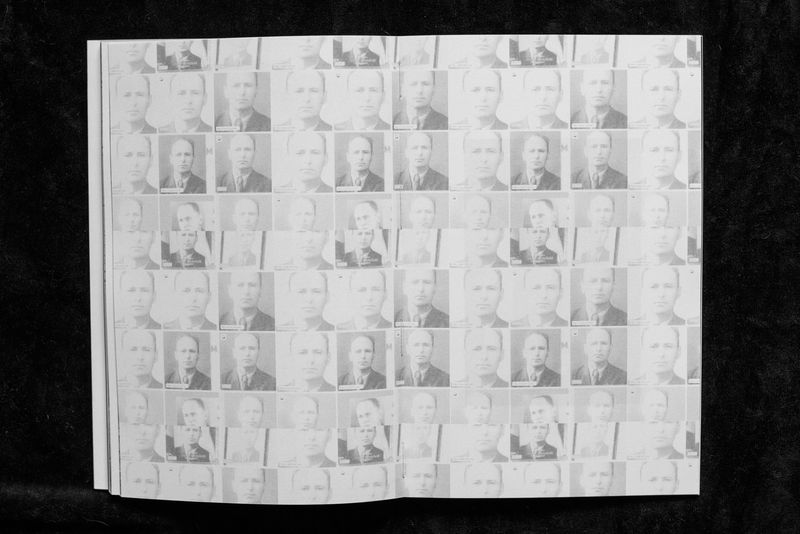
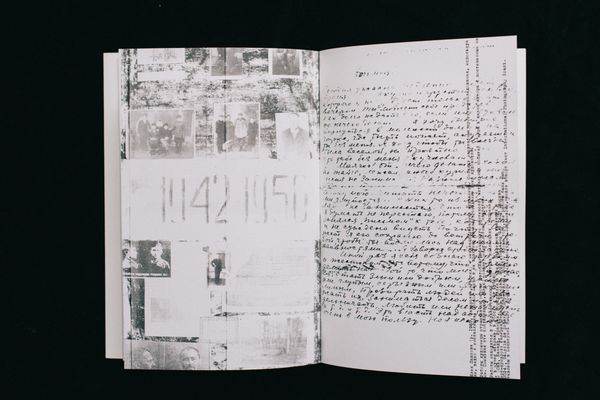
The biography of Arbi Mamakaev tells the story of a man who lived during a time of great transition. He was born in 1918, and after the death of his father, he was placed in an orphanage. Later, he joined a workers' faculty and eventually found work at a newspaper. Arbi’s first collection of poems was published in 1934. His life was progressing well until 1941. That year, however, he was arrested, accused of a crime, and exiled to Magadan, where he remained until 1956. During those fifteen years, the poet did not write a single line. He was rehabilitated and returned home in 1957. He passed away in 1958, barely reaching the age of 40.
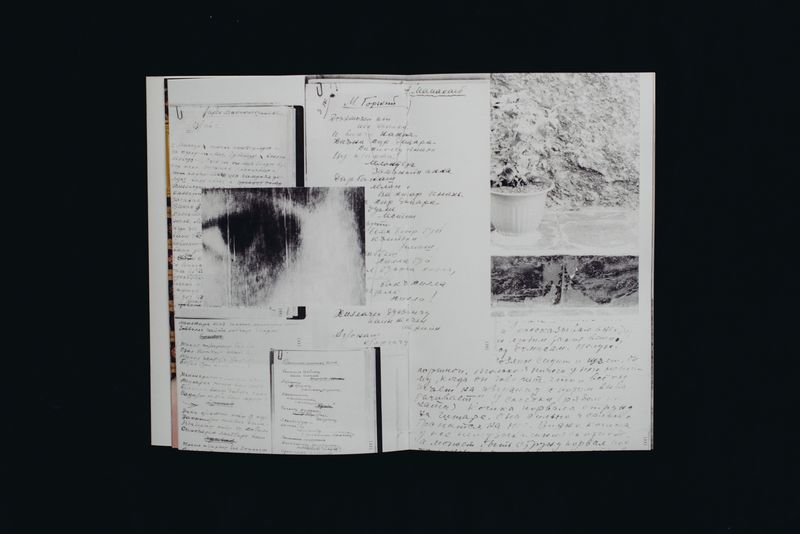
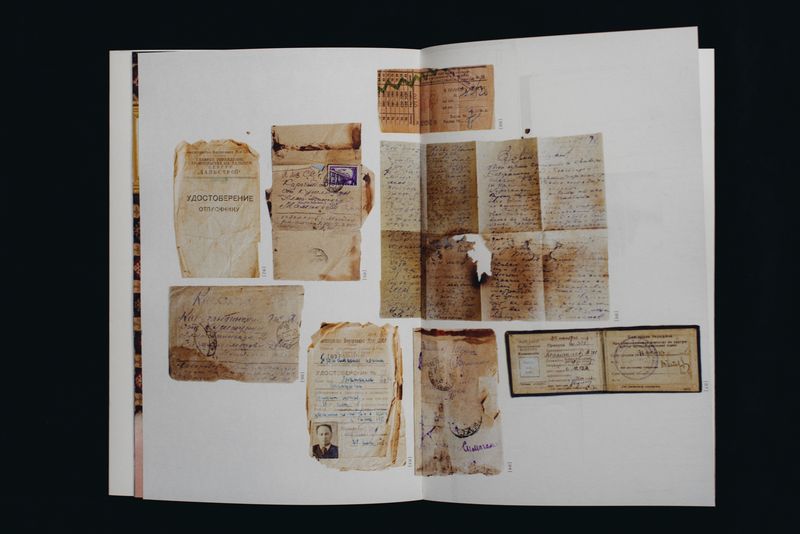
The memorial museum that Arbi’s son Eduard created houses all available material on poet and serves both to preserve and to perpetuate the poet’s legacy. Arbi left behind tangible remnants, and it is through these that his identity is gradually revealed. These remnants lie at the heart of memorial culture, and his story continues to be reproduced according to its traditional canons.
As a representative of the “digital turn” generation, I will be remembered more through media. I belong to a different era than Arbi Mamakaev, yet eventually, our stories intersected.
This research analyzes how both traditional and contemporary memorial rituals approach remembrance, preservation, and the reproduction of historical events. It reflects on our memories of the past and the legacies we leave behind. What digital traces do we create today that will help future generations remember us?
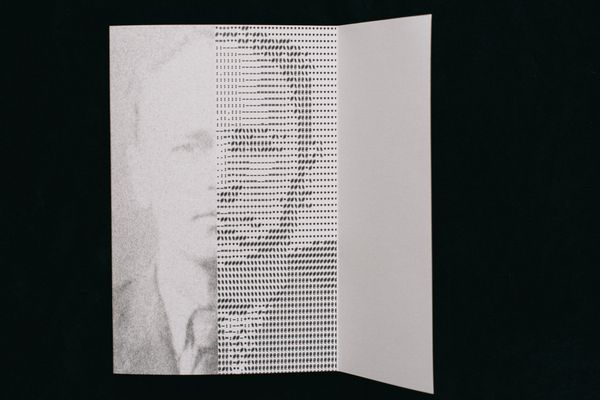
In this work, I also engage in a dialogue with Arbi Mamakaev — giving him a voice in the present and integrating him into the digital realm. In turn, I, too, become drawn into his historical narrative