Cruising In The American; West & East
-
Dates2021 - 2026
-
Author
- Locations United States, Los Angeles, Palm Springs, Providence, Joshua Tree, Wayne, Dover
A photographic study of queer spatial practices, tracing how cruising inscribes memory, absence, and coded presence into landscapes of both refuge and repression, where geography becomes an active archive of intimacy, surveillance, and embodied knowledge.
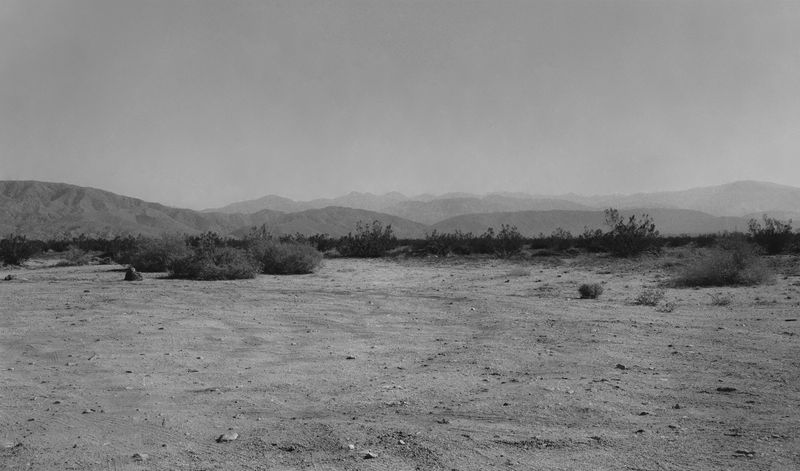
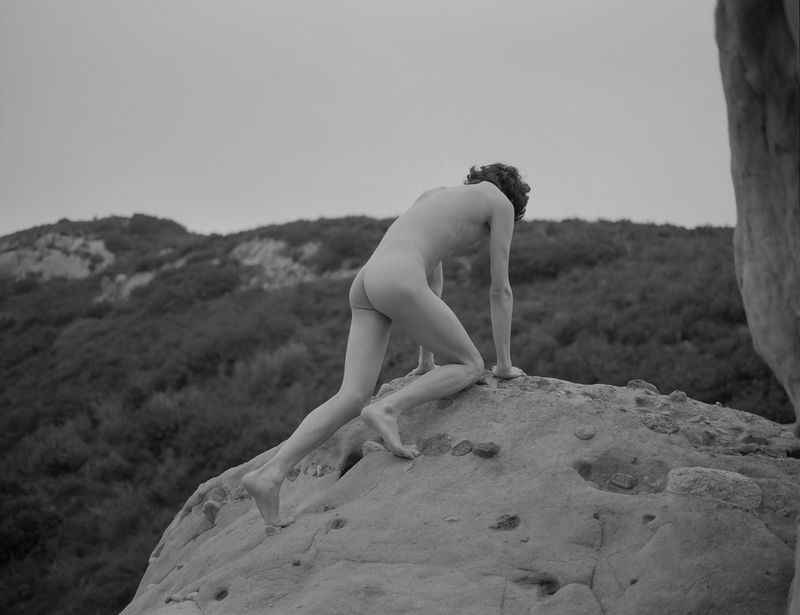
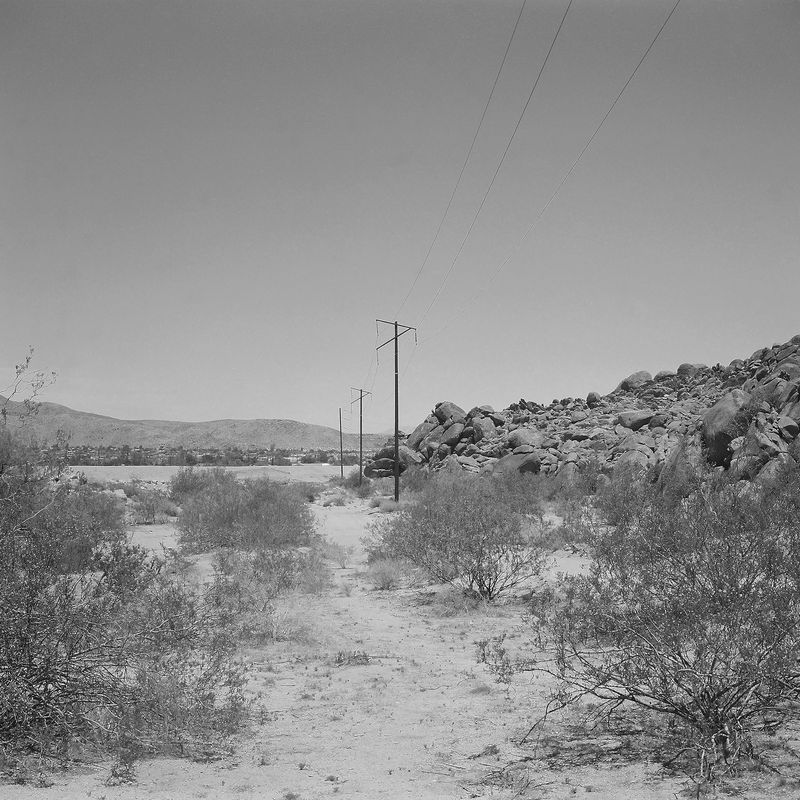
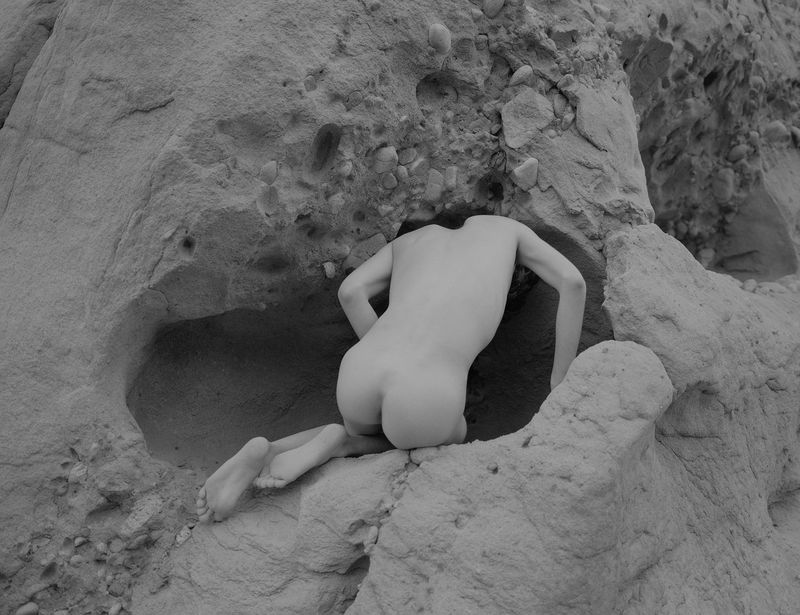
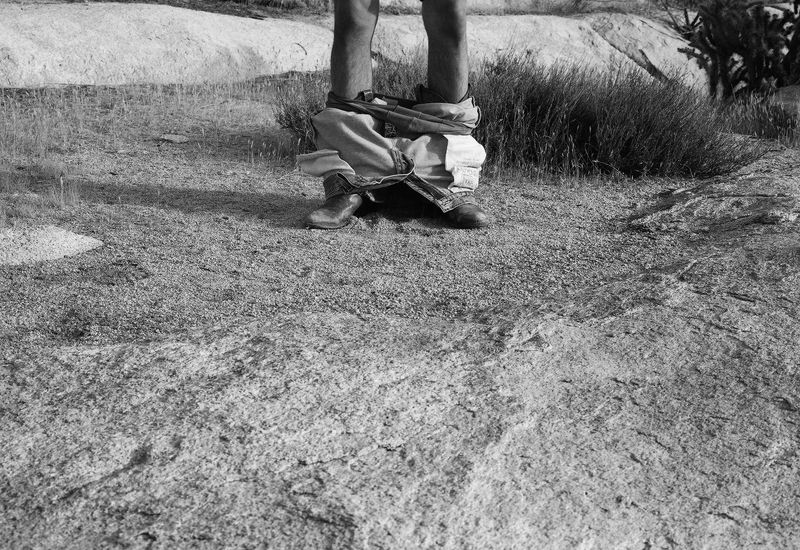
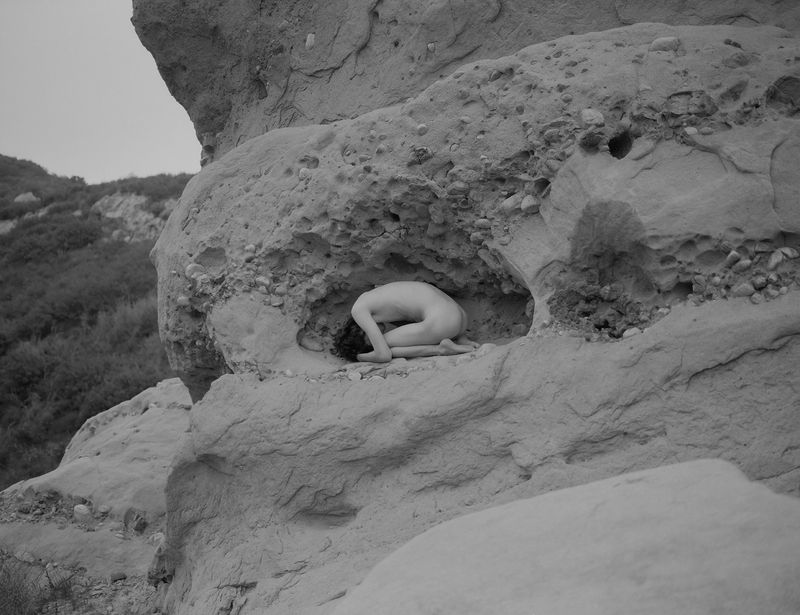
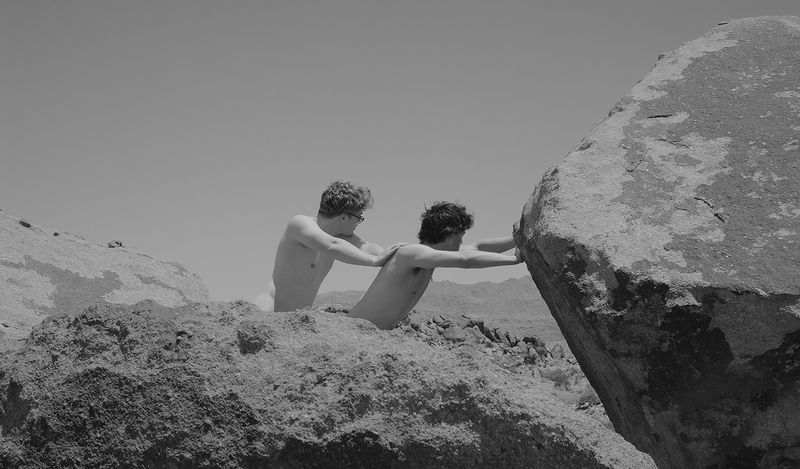
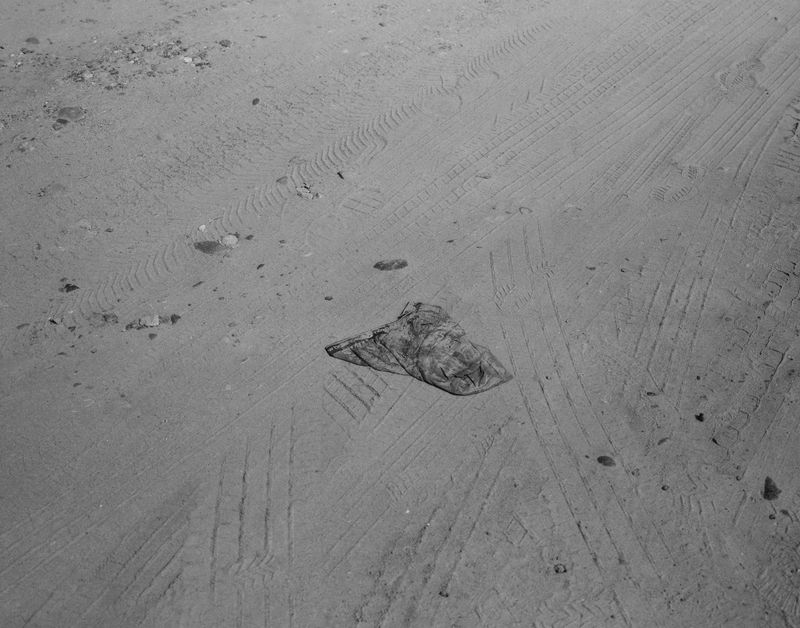
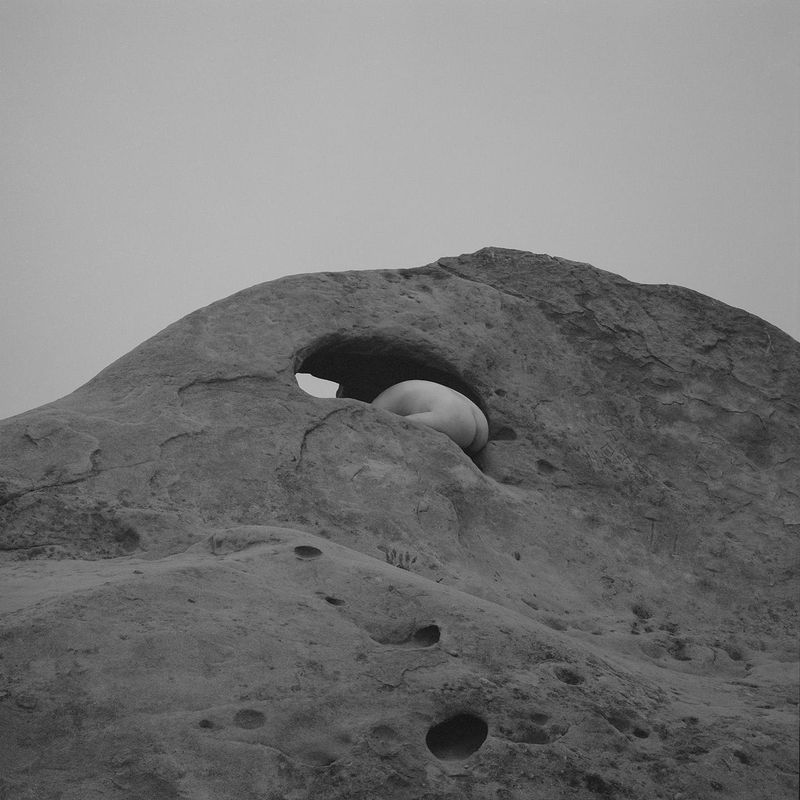
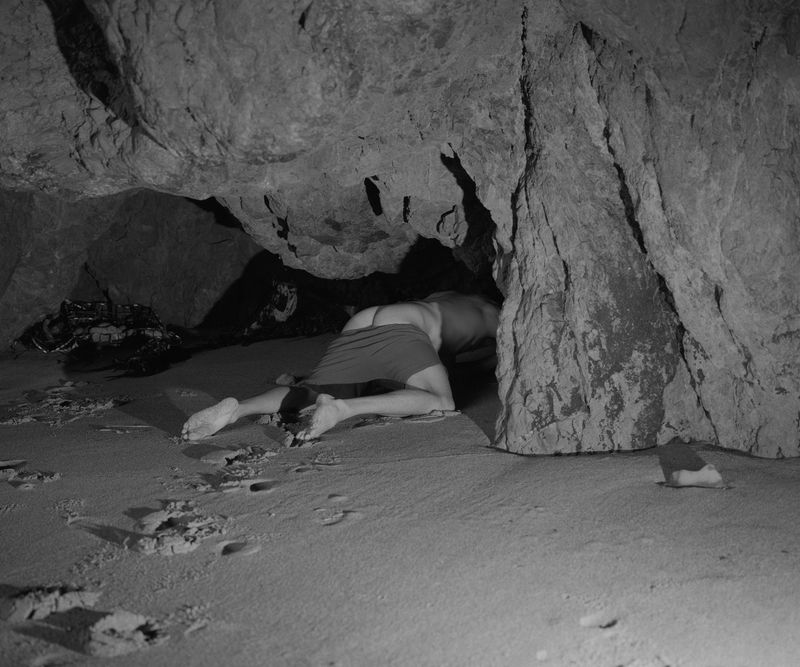
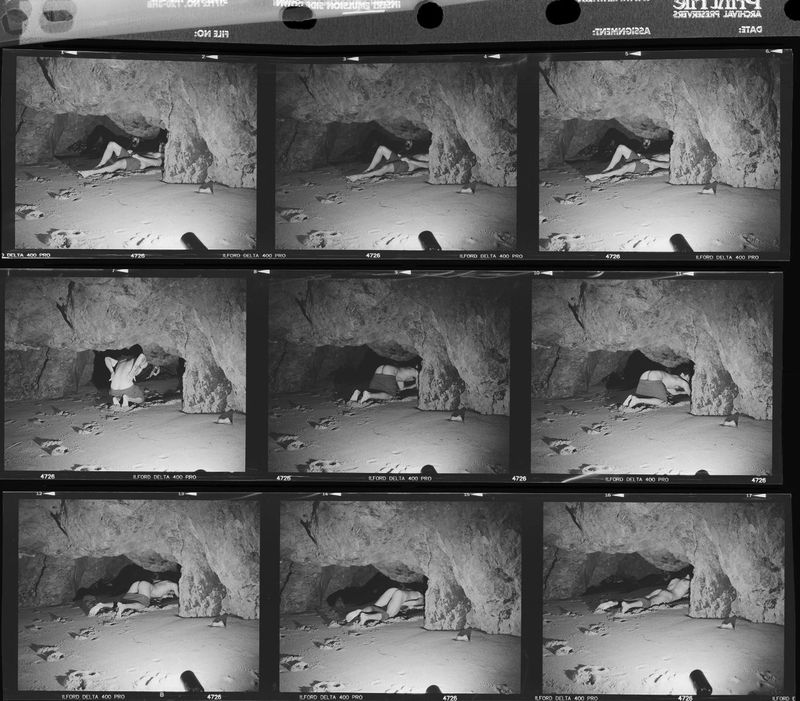
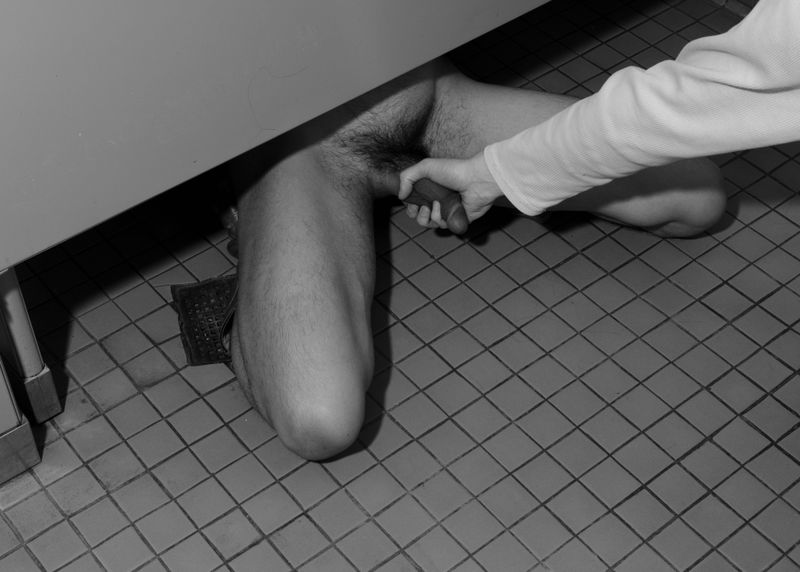
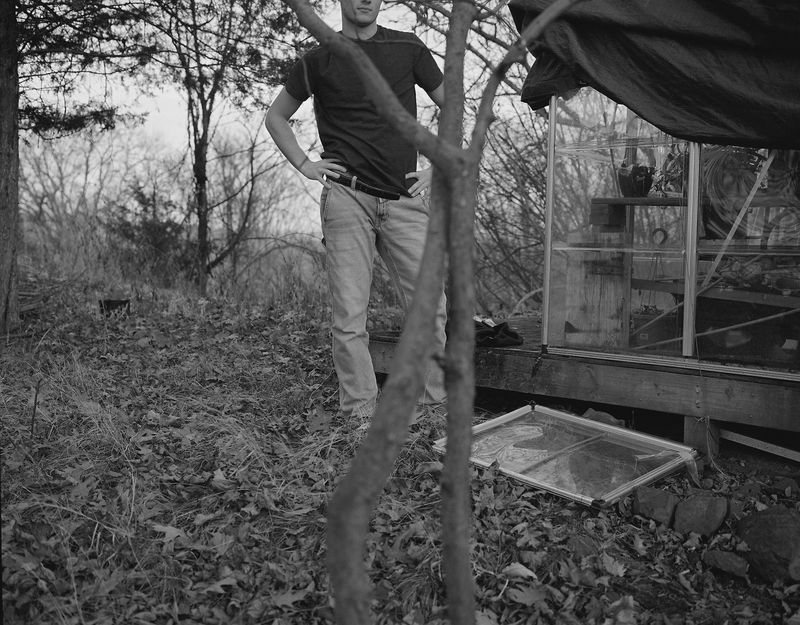
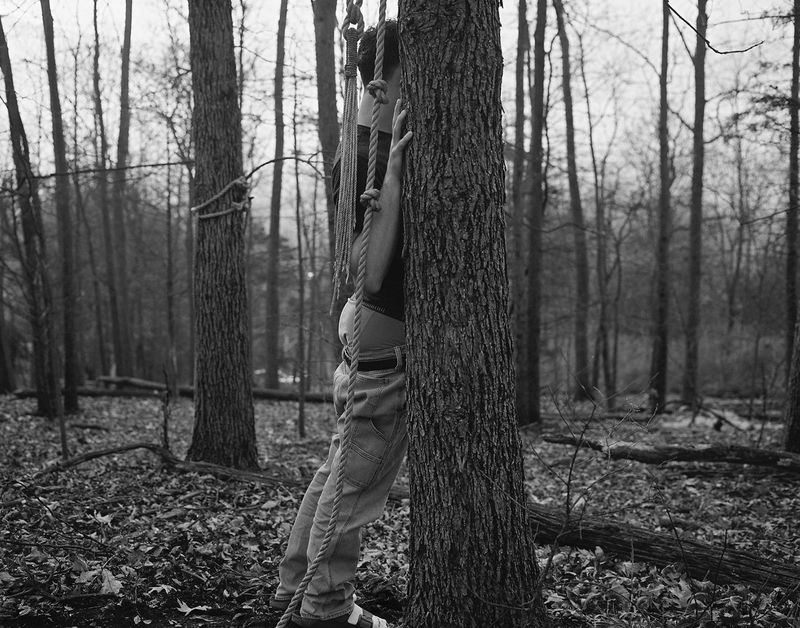
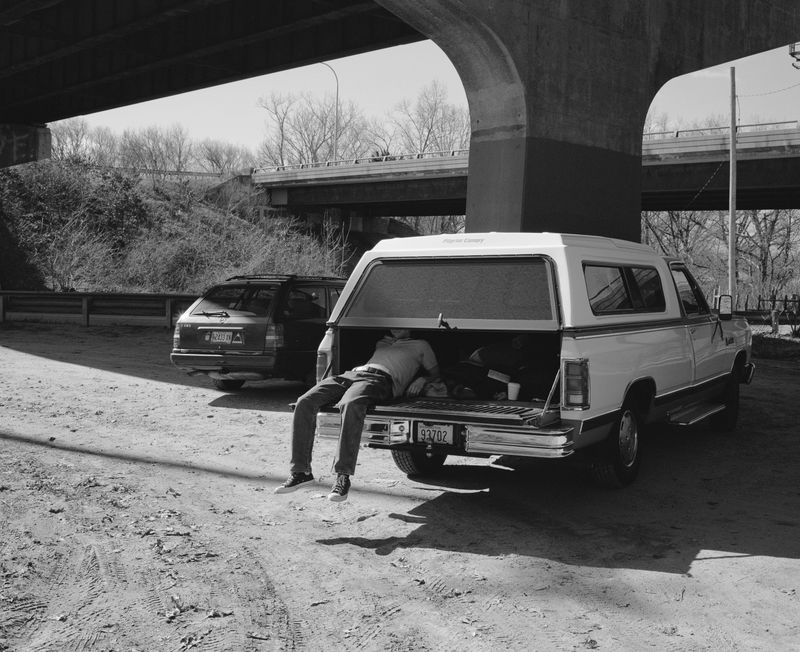
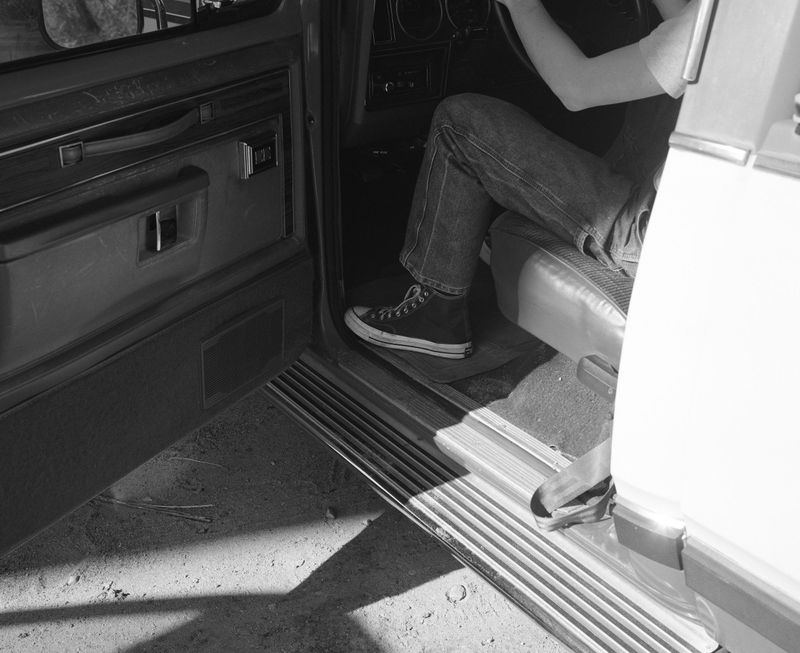
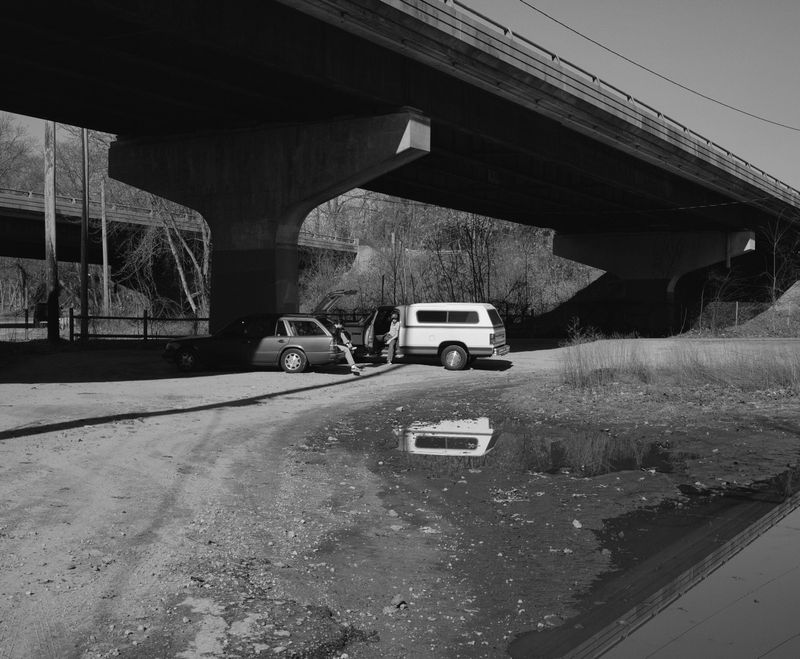
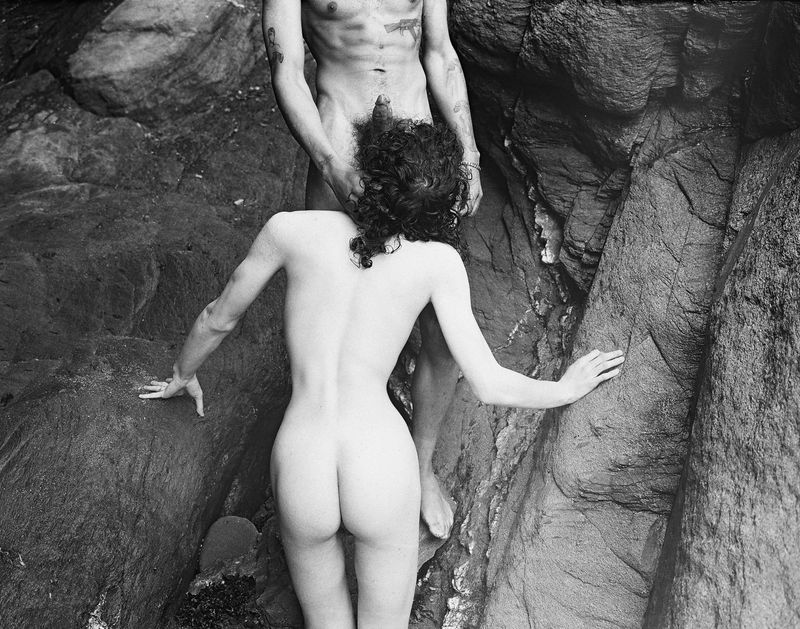
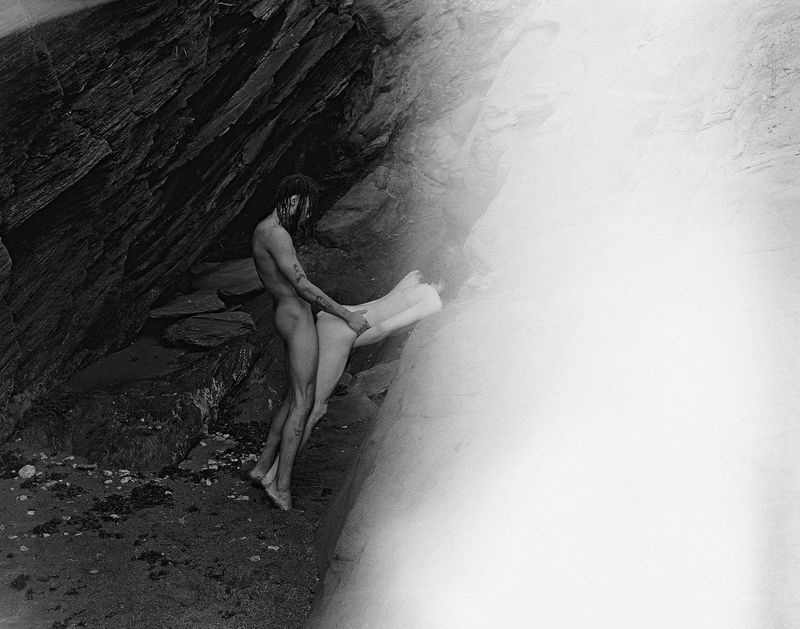
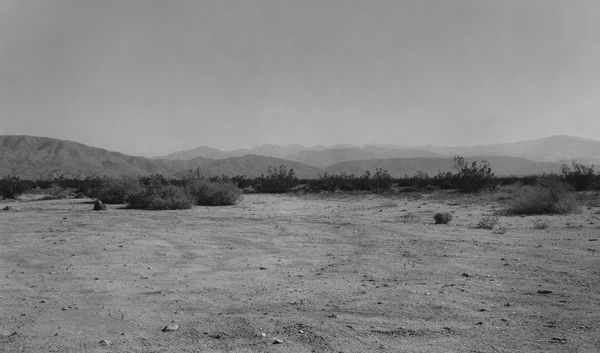
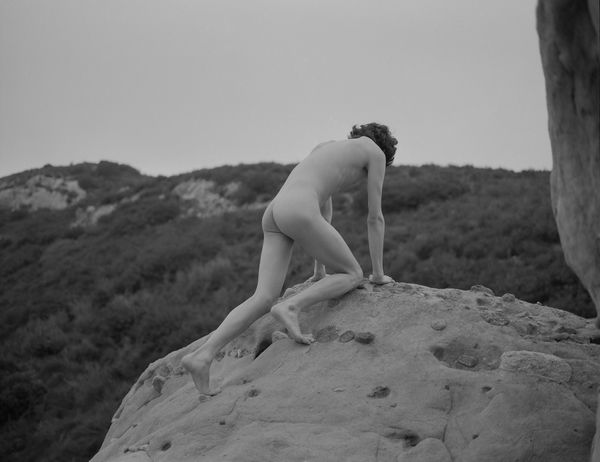
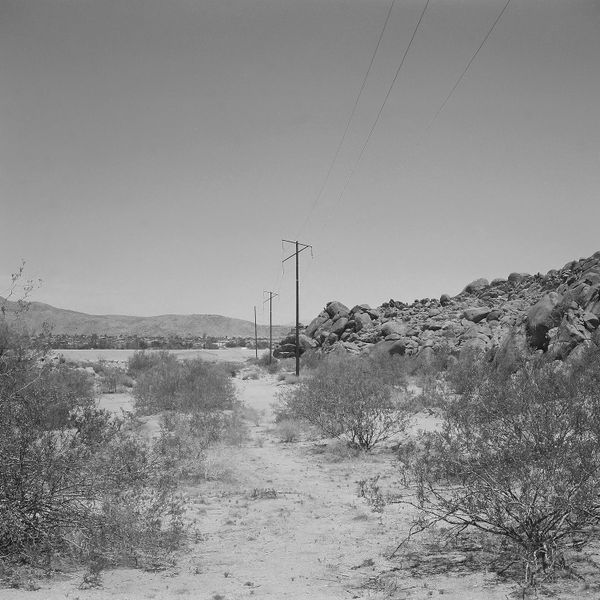
This body of work examines the traces of queer intimacy in public space, shaped by the histories and practices of cruising. I did not photograph people without consent. Instead, I visited known cruising sites during daylight hours, when they were inactive. Some images are quiet observations: discarded objects, disturbed earth, faint paths worn through brush. Others are collaborative reenactments made with gay men, evoking gestures and postures associated with these environments. Together, the photographs form a visual archive that speaks to presence through absence.
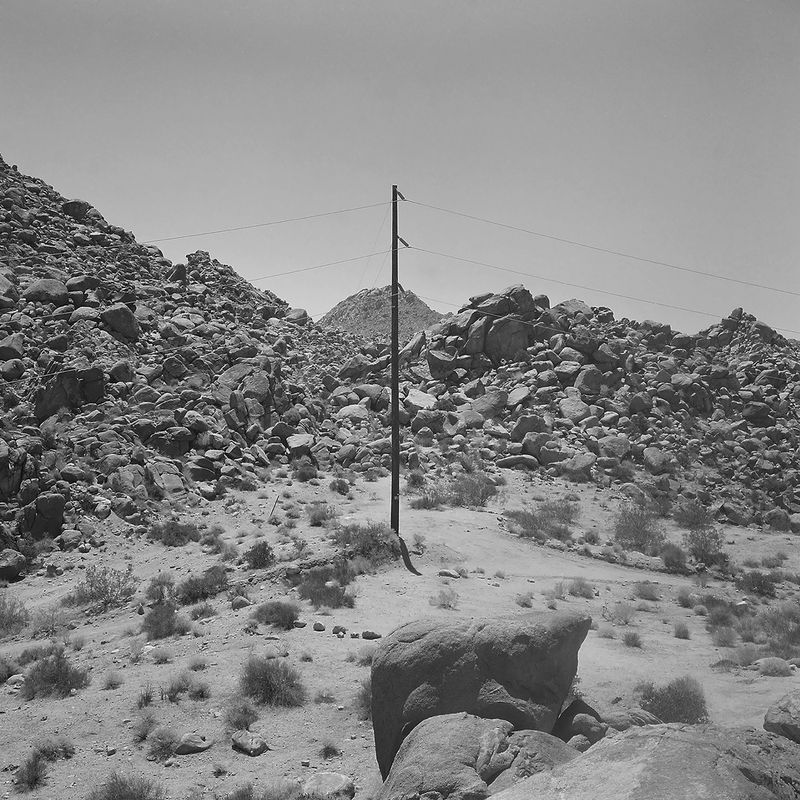
Cruising in the West focuses on landscapes across Southern California. The project considers cruising as both a lived experience and a spatial condition produced through surveillance, criminalization, and migration. Research into the movement of queer people from Los Angeles to the High Desert informs the work. For many, these peripheral geographies offered distance from policing, housing discrimination, and the moral restrictions embedded in mid-century urban life. Palm Springs functioned as an early refuge, particularly for those connected to Hollywood seeking relief from studio morality clauses, and by the 1970s it had become one of the most visible queer enclaves in the United States. The High Desert, by contrast, offered anonymity and a different order of social opacity.
Formally, the photographs draw from the visual language of Group f/64. Deep focus, high resolution, and an emphasis on surface detail render every trace legible. This strategy is not only aesthetic but historiographic. It positions sites of queer encounter within a documentary framework typically reserved for sanctioned heritage, thereby reassigning value to locations that have been culturally disavowed. The desert operates as both subject and index, a material record in which absence functions as evidence.
Cruising in the East extends these concerns into a more personal and historically interior terrain. Rather than distant landscapes, the work returns to suburban neighborhoods, wooded margins, school grounds, and parking lots near where I grew up. These are spaces structured by proximity, regulation, and the diffuse surveillance of everyday life. Desire first emerged here without language, mediated through fear, speculation, and partial recognition. Revisiting these sites foregrounds the relationship between memory and topography, where recollection and physical trace are co-constitutive.
The movement between West and East is not only geographic but epistemological. The desert’s scale produces a logic of dispersal and disappearance, while the suburb organizes visibility through containment and repetition. Yet both environments generate homologous systems of coded behavior, temporal coordination, and spatial negotiation. What appears as environmental difference resolves into a shared set of practices through which queer subjects produce legibility for one another while remaining illegible to dominant structures. Migration and origin, refuge and formation, operate as reciprocal rather than opposing terms.
Across both bodies of work, landscape functions as an archive of embodied knowledge. Traces, paths, and reenacted gestures operate as forms of inscription that exceed conventional documentation. Cruising emerges as a spatial language that is transferable across environments, adapting to distinct regimes of visibility while maintaining a consistent set of relational logics. In this sense, the work does not treat geography as backdrop but as an active participant in the production of queer sociality, where absence, repetition, and material residue index histories that remain otherwise unrecorded.