Cristalândia
-
Dates2008 - Ongoing
-
Author
- Location Cristalândia, Brazil
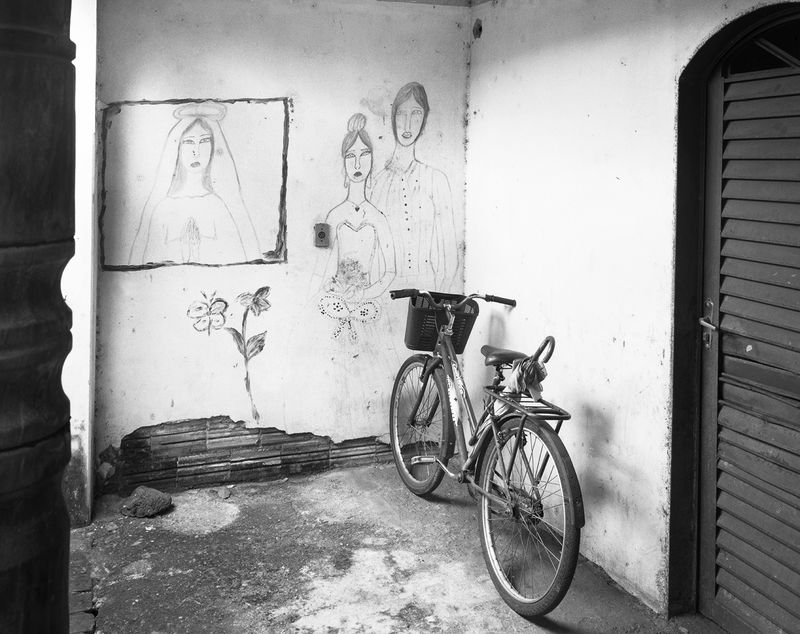
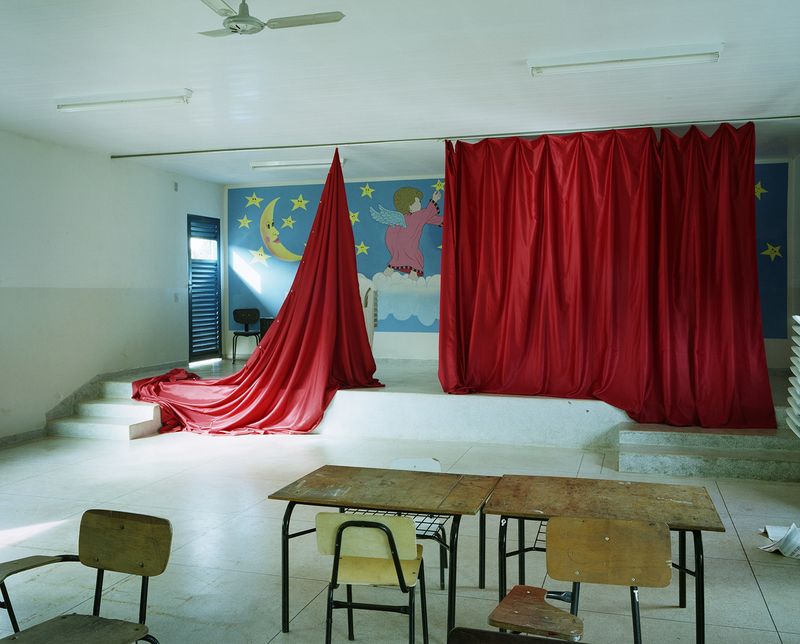
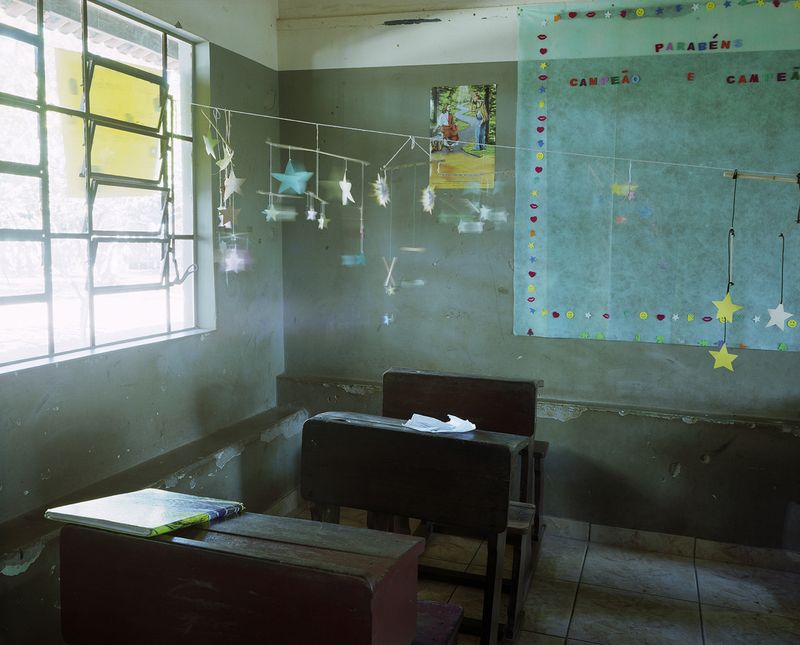
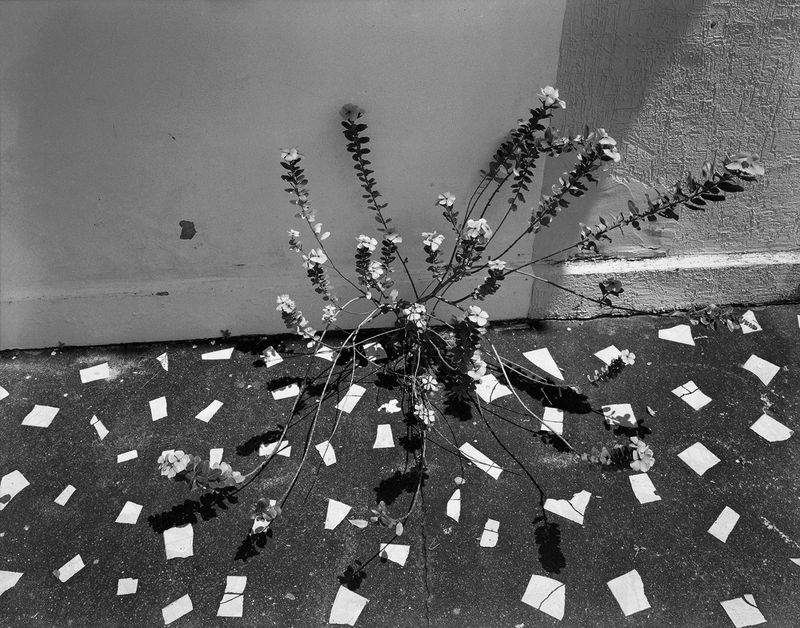
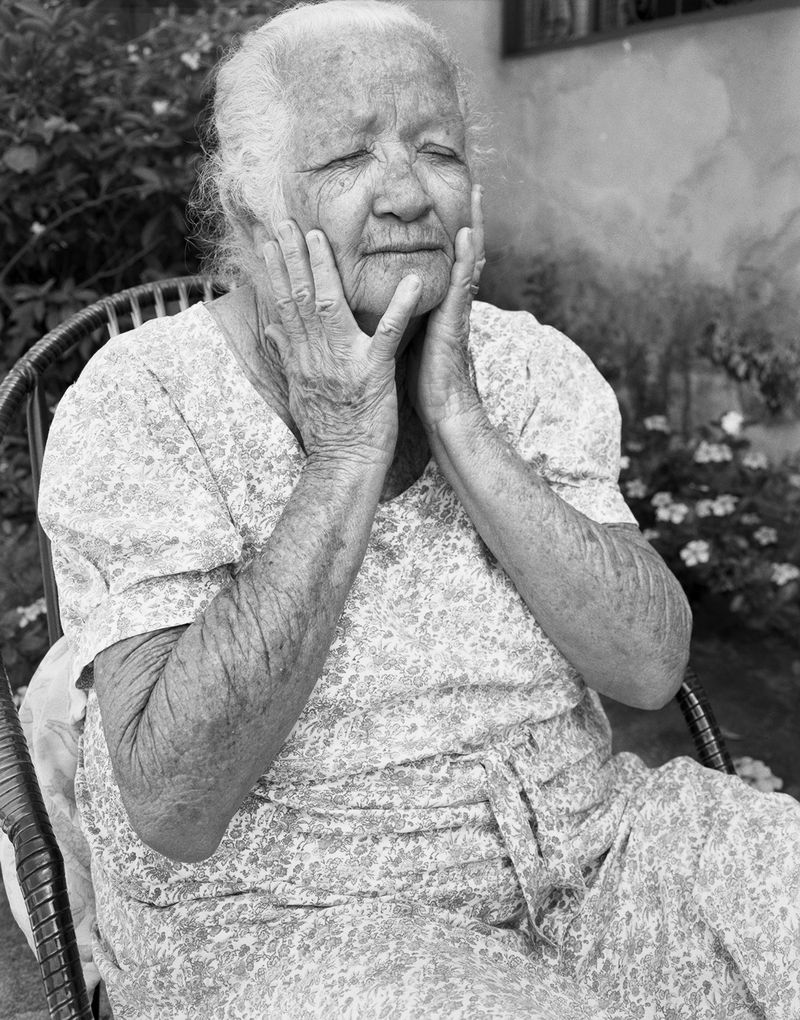
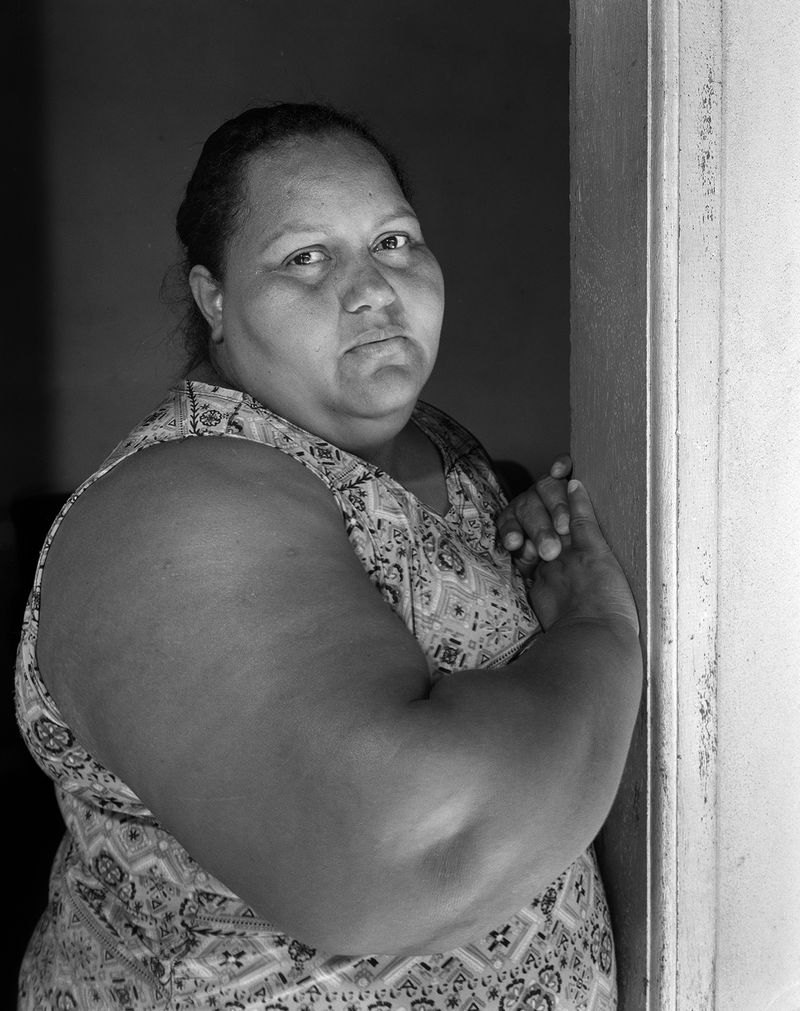
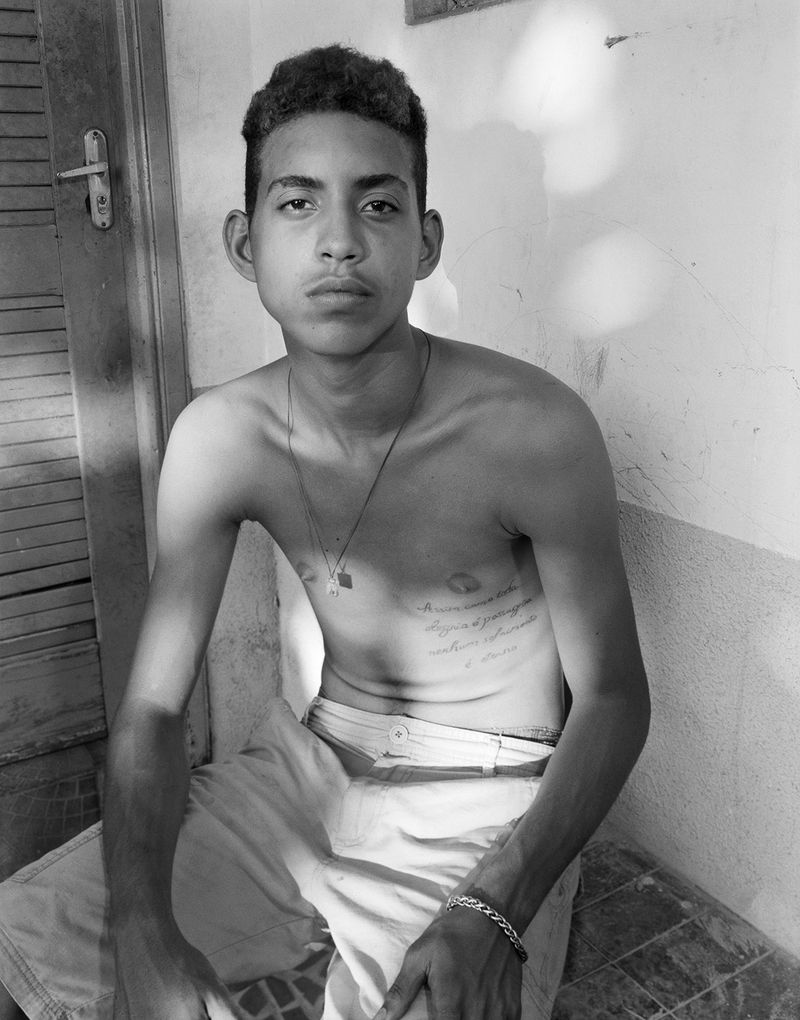
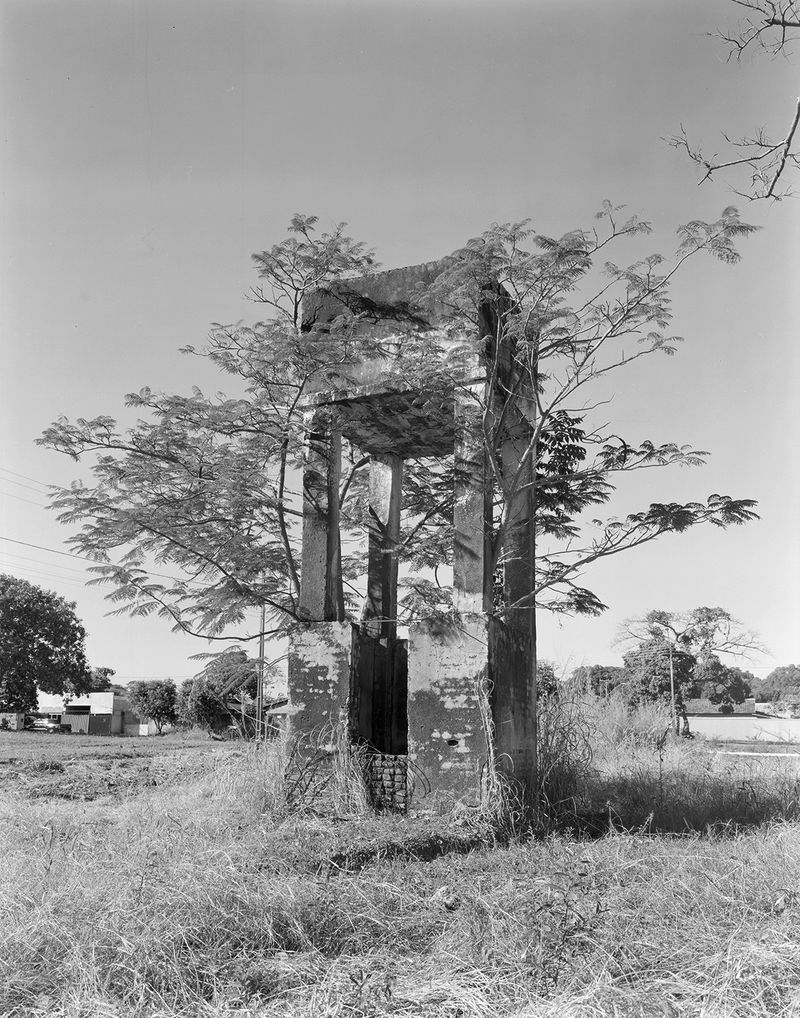
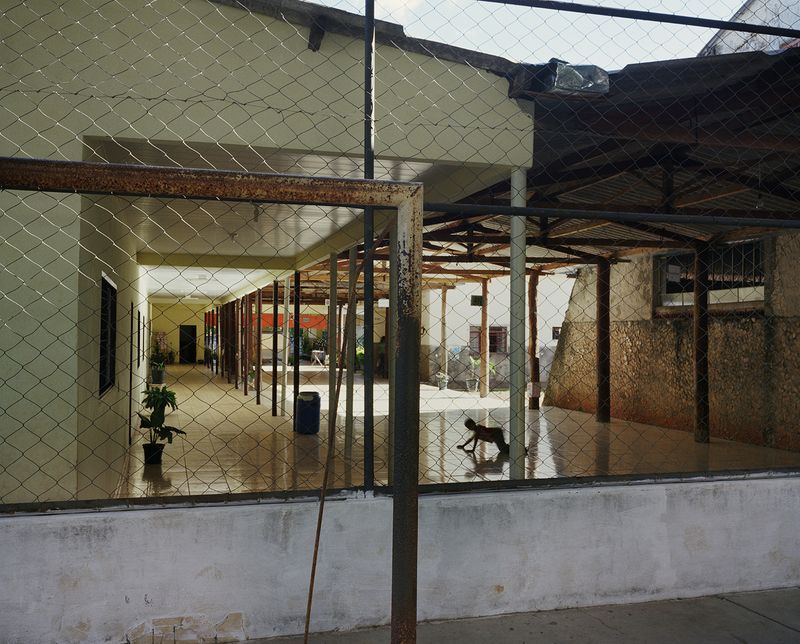
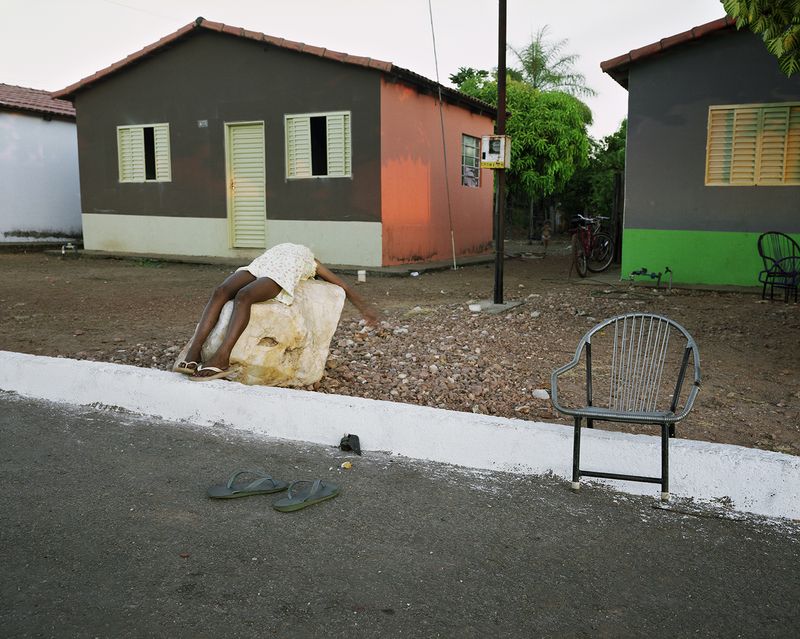
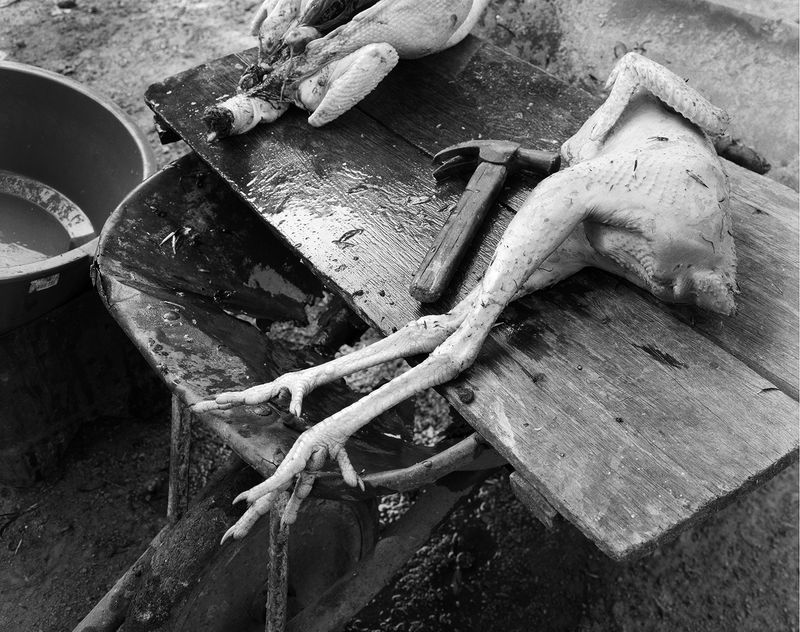
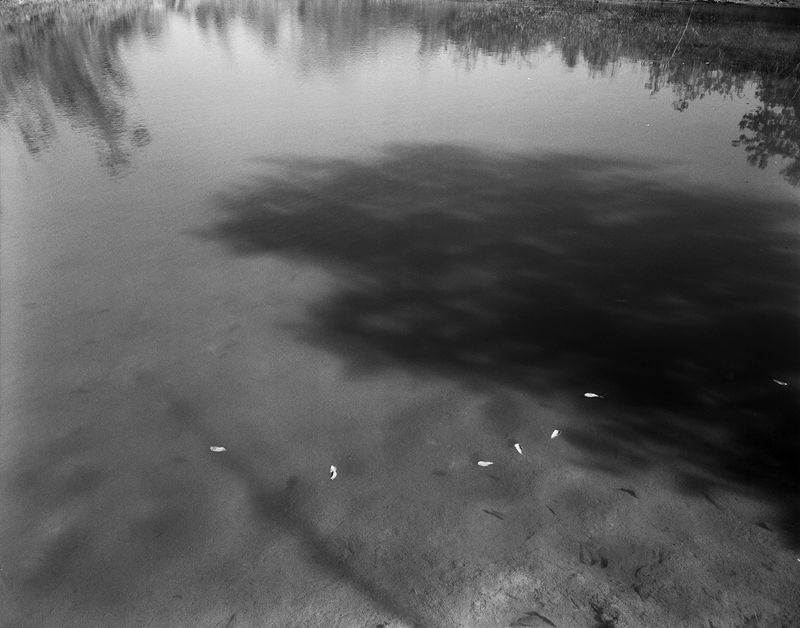
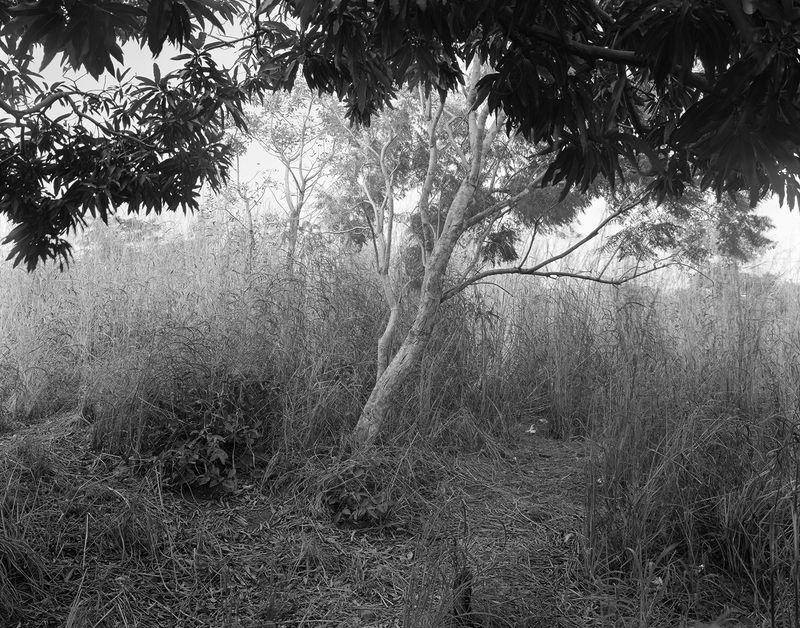
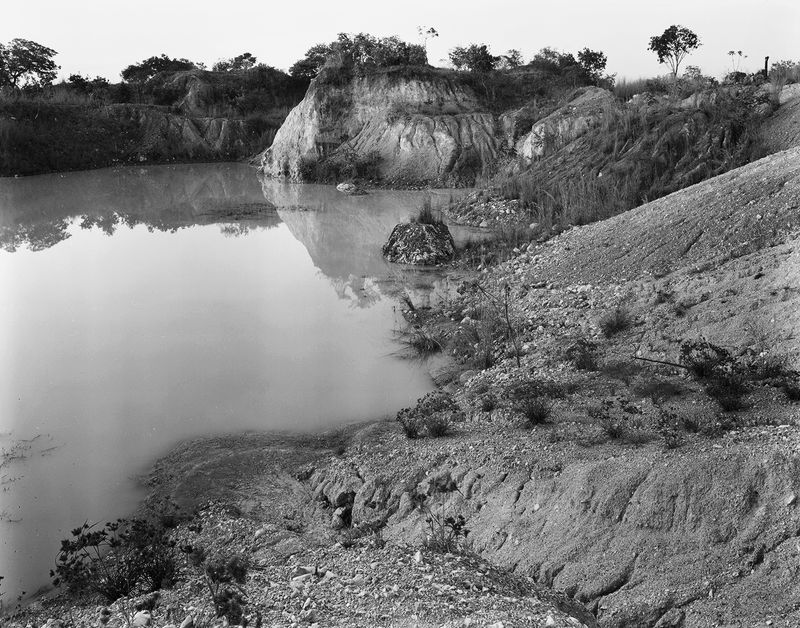
These pictures describe the shared human experience of Cristalândia, Brazil. A dual Brazilian/American citizen, I use the collaborative view camera to build relationships with land and people. Through relationships, we belong – even if momentarily.
I first went to Cristalândia in 2008 because I had no reason to go. I’m a Brazilian who’s never lived in Brazil, and I needed to know why I felt Brazilian in the US but American in Brazil. Growing up in Tennessee, my mom immersed us in Brazilian culture, cooking Brazilian food and teaching us Portuguese before English. We’d spend our summers in Brazil visiting family, stopping into almost every state along the way. But I realized I was there as a tourist. I belonged because my passport and my family tree said I did, not because I’d participated in daily life. In Cristalândia, I knew no one and could build my relationships from scratch. These photographs reflect 18 years of building relationships.
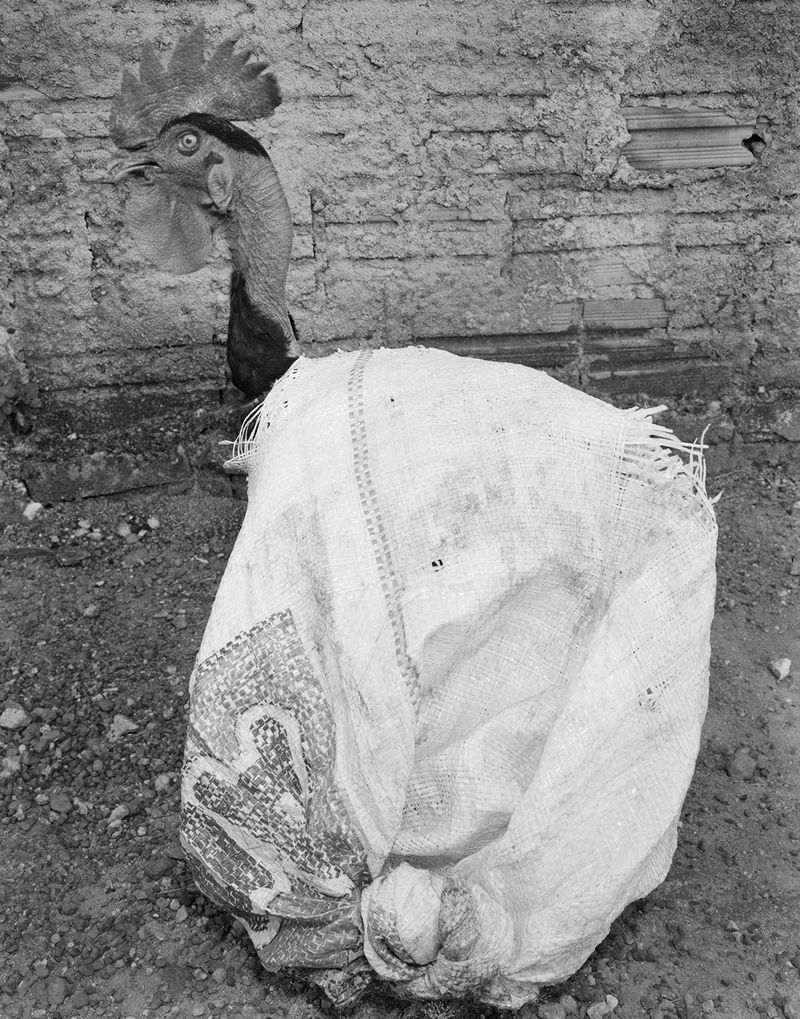
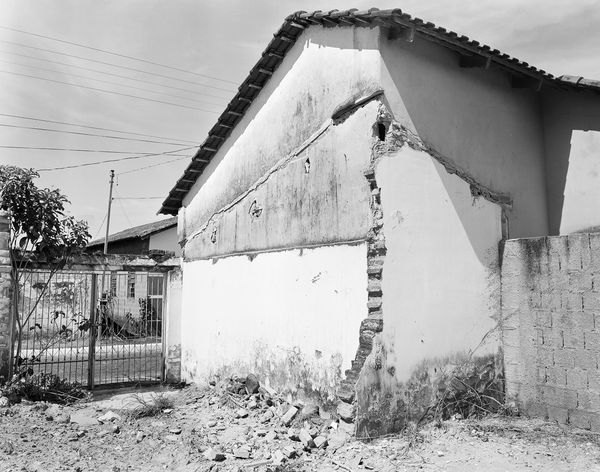
My process is to trespass with curiosity, which just means that I’m purposely moving from the public space into the private space, both physically and emotionally. Each day I wander around town with no purpose, walking into people’s back yards even when they’re not there. My hope is that they ARE there, though, and will come outside to ask, “What are you doing?” Because that’s my chance to start a relationship with them. It’s my chance to ask them about the curious thing I’ve found in their yard. The challenge is that I have to be genuinely interested in the ordinary thing I’ve found. Because when people sense that you're not sincere, they close off the private space. But if they see that your curiosity is real, they open up and invite you into their homes and into their lives. After 18 years, I've been invited to weddings and funerals and family vacations and to simply sit on the back porch.
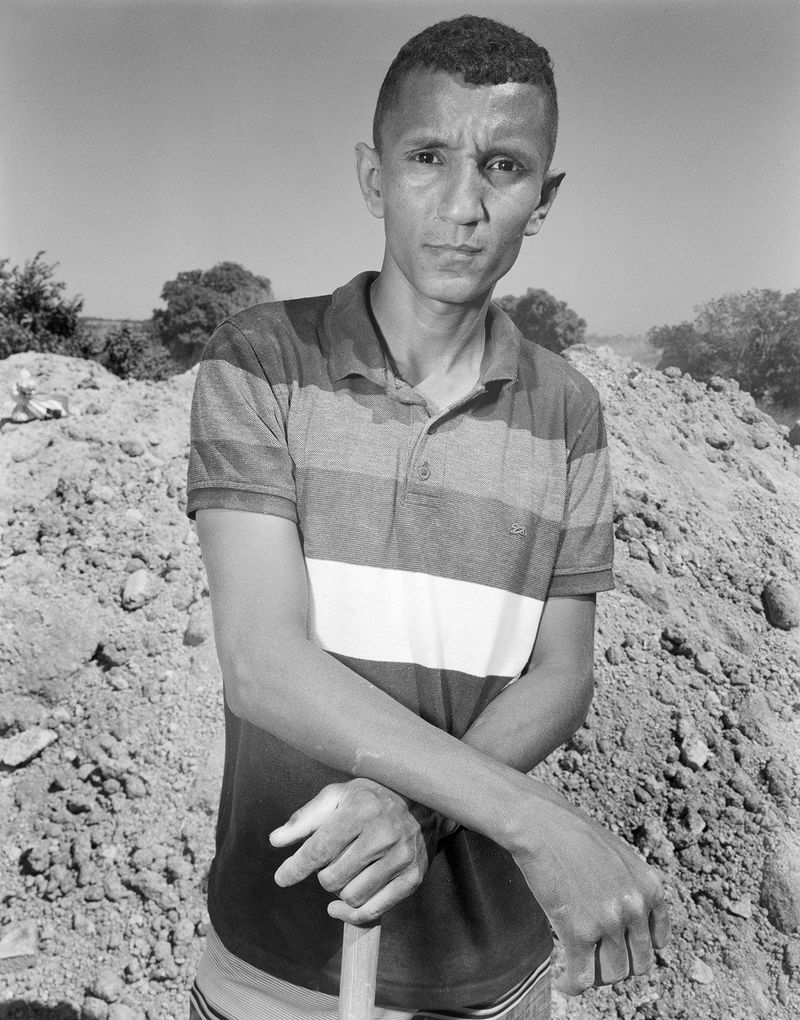
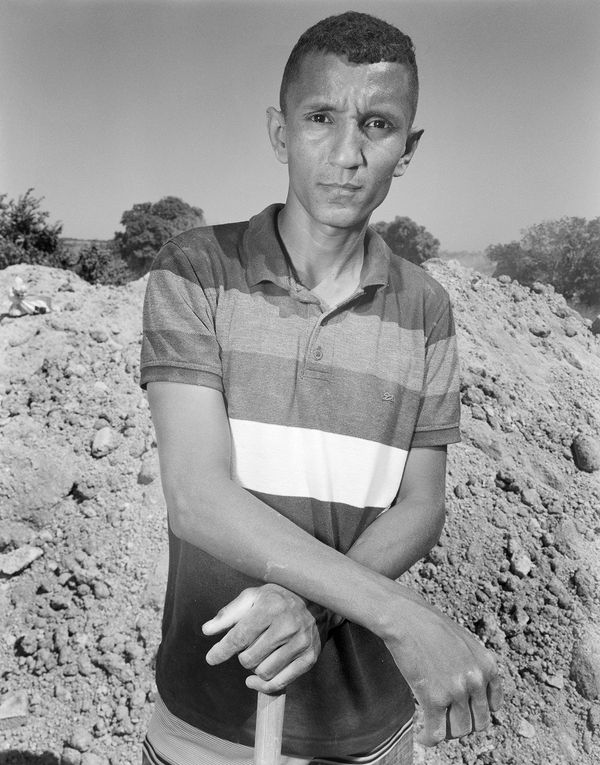
Initially, I used a medium-format camera with slow film, because that’s what I’d been using at home in Tennessee, giving vivid colors to the mountain landscapes. But Cristalândia was the first time I’d used it to photograph people. And I discovered that people’s emotions change during the 10-second exposure that slow film requires, much more than the emotions of a landscape. In those 10 seconds, I could see people’s public veneer start to melt, revealing their private world below. I quickly switched to the 4x5 view camera and now the 8x10, to explore this private space I’d discovered. Too slow to chase people down, the view camera is the antithesis of paparazzi, forcing me to get close and ask people to work with me in making a picture…. forcing me to build a relationship with them. And since there’s no film processing lab anywhere in the area, neither of us can see the result of the picture till much later. In the moment, the measure of our success can’t be the picture but is, instead, our relationship.
So every day, I step out into Cristalândia looking for someone to photograph. But people are hard to find, especially those who are willing to play with you. So I just build relationships with whatever I find along the way.
This project is a model for how to dismantle the binaries of Us vs Them that dictate our world… American vs Brazilian, urban vs rural, native vs foreign, white vs brown, first-world vs third-world… binaries that reduce us to labels that can be easily checked on a form. These pictures are a model for living our lives in constant relationship with the spaces we inhabit and with the life that shares those spaces with us.
In their 2001 book, "Moving Beyond Sectarianism", Irish researchers, Joseph Liechty and Cecelia Clegg, developed an 11-point Scale of Sectarianism to understand how two brothers can grow up in the same household and later justify killing each other as adults, as Ireland had experienced for decades. The first step is “I’m different; you’re different.” And the last step is “You are the devil”. And when you encounter the devil, you kill it, of course. Step 3 is the key step: “In order for me to be right, you have to be wrong.” The remaining steps are a slippery slope toward demonizing anything that’s different from you.
My daily exercise in Cristalândia is to acknowledge the difference all around me and to discipline myself to stay in Step 1: “I’m different; you’re different.” Only there can I build relationships. Only there can I untangle the deep history of colonialism and just listen.
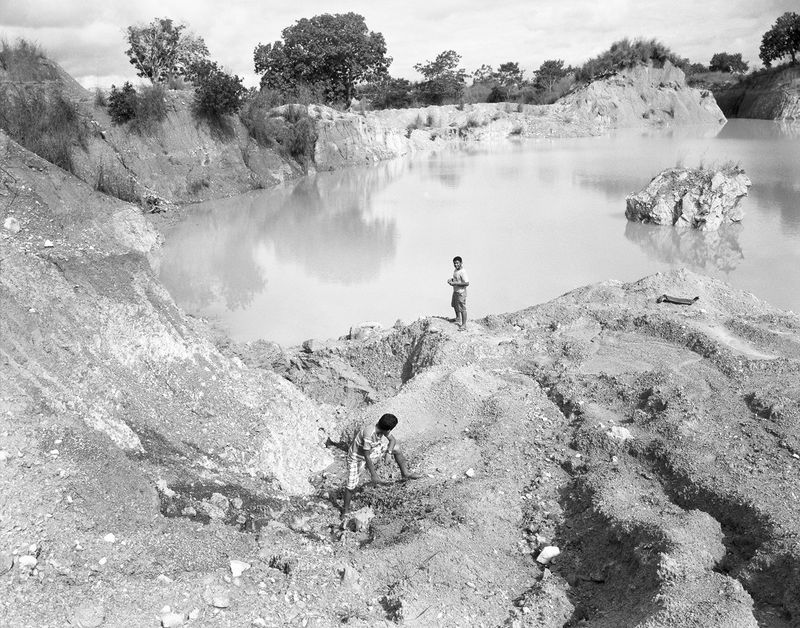
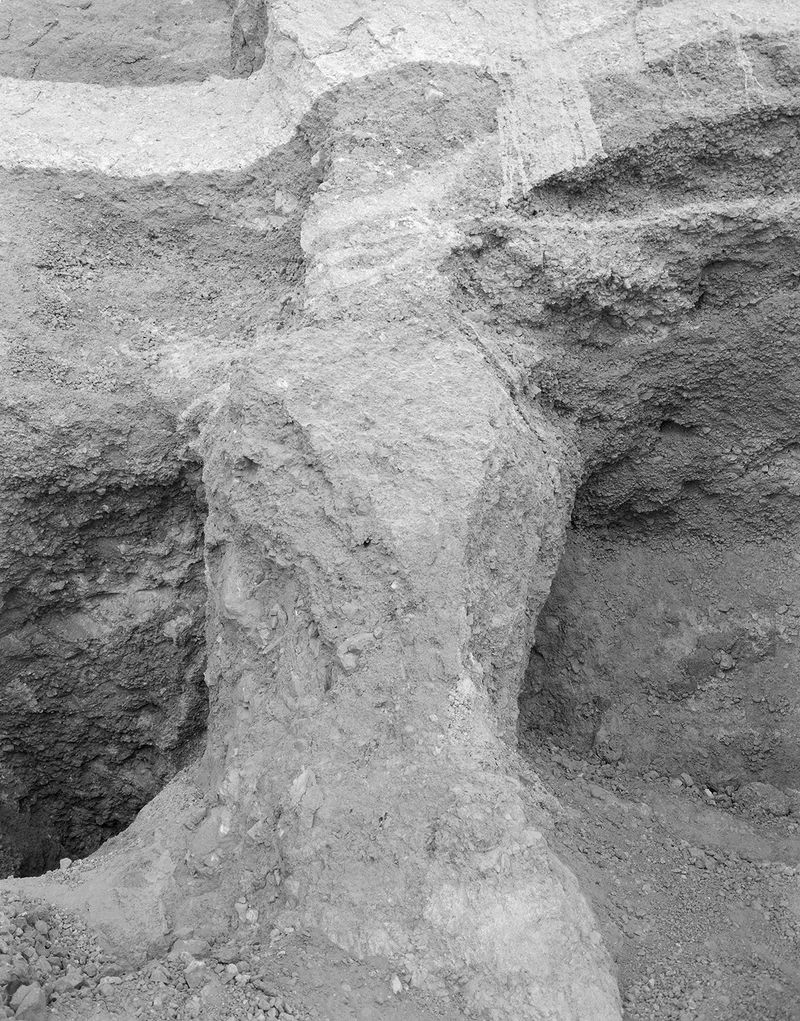
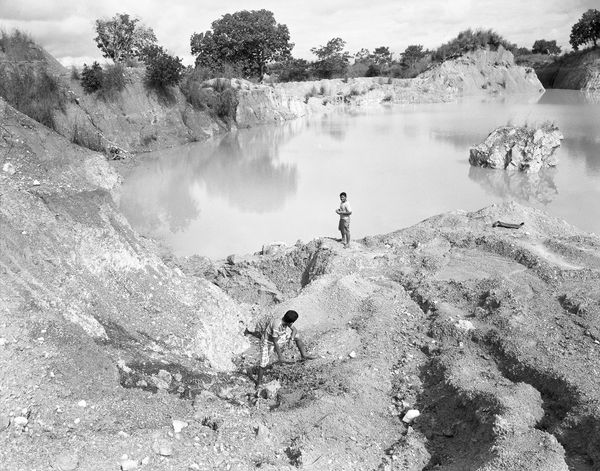
Cristalândia is a mining town whose mining no longer sustains it. Agribusiness now swallows the landscape, eclipsing an old monoculture with a new, mechanized one that needs few workers. In this place, shared human experience, not economic opportunity, holds the town together. In this place, our humanness is outwardly visible where the camera can see it. Only in a rural, tropical community is the climate warm enough to blur the line between inside and outside; between private and public; between the end of life and the beginning. This is especially pertinent in a mining town whose daily business is to commune with the soil, reminding us that we have never really left the earth. In this place, we belong.
This project has been supported by two Fulbright grants, a Light Work fellowship, a Tennessee Arts Commission Fellowship and a residency at Anderson Ranch Arts Center. It has been exhibited at university galleries in the United States and Brazil and recently featured in "Contact Sheet", "Lenscratch", "Fotofilmic" and "Dovetail Magazine".