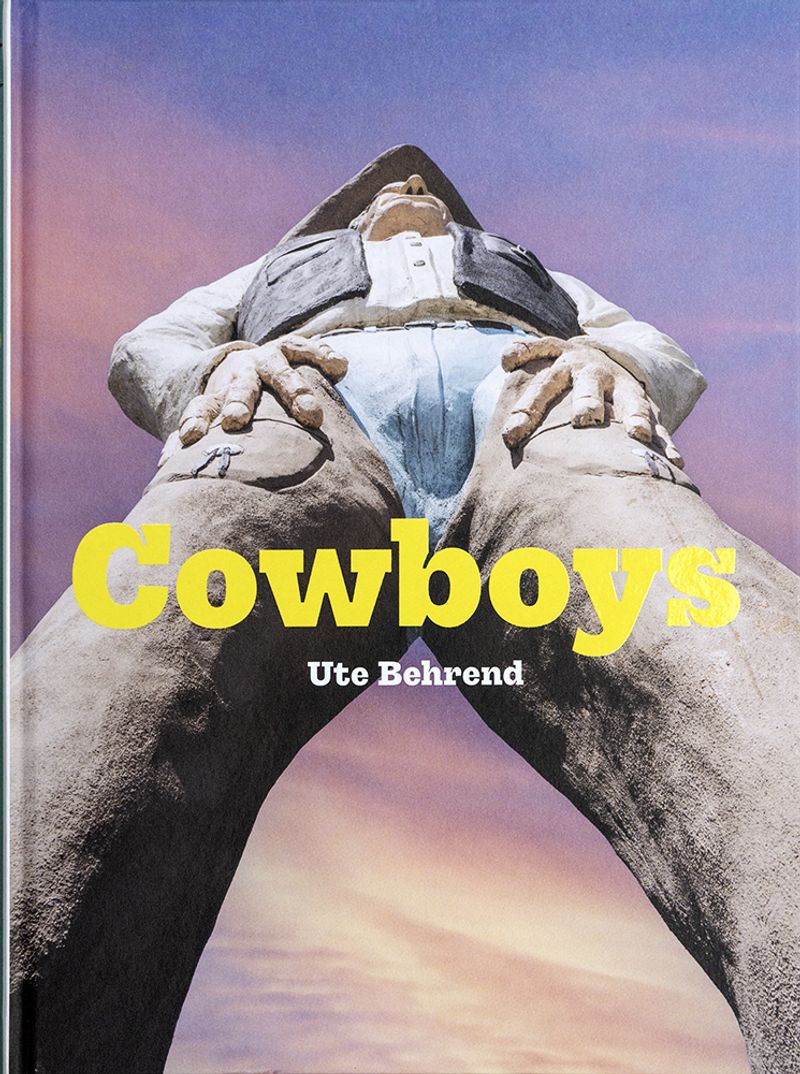
Cowboys
-
Dates2017 - Ongoing
-
Author
- Location Cologne, Germany
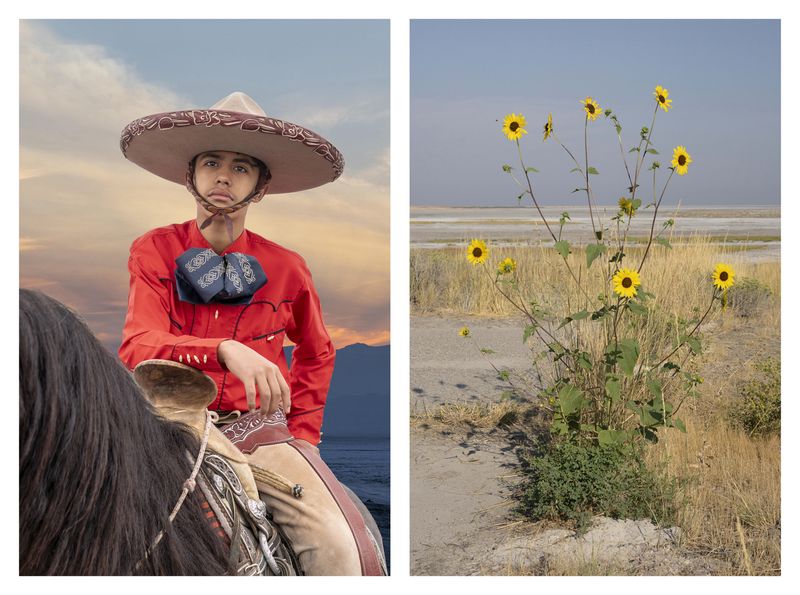
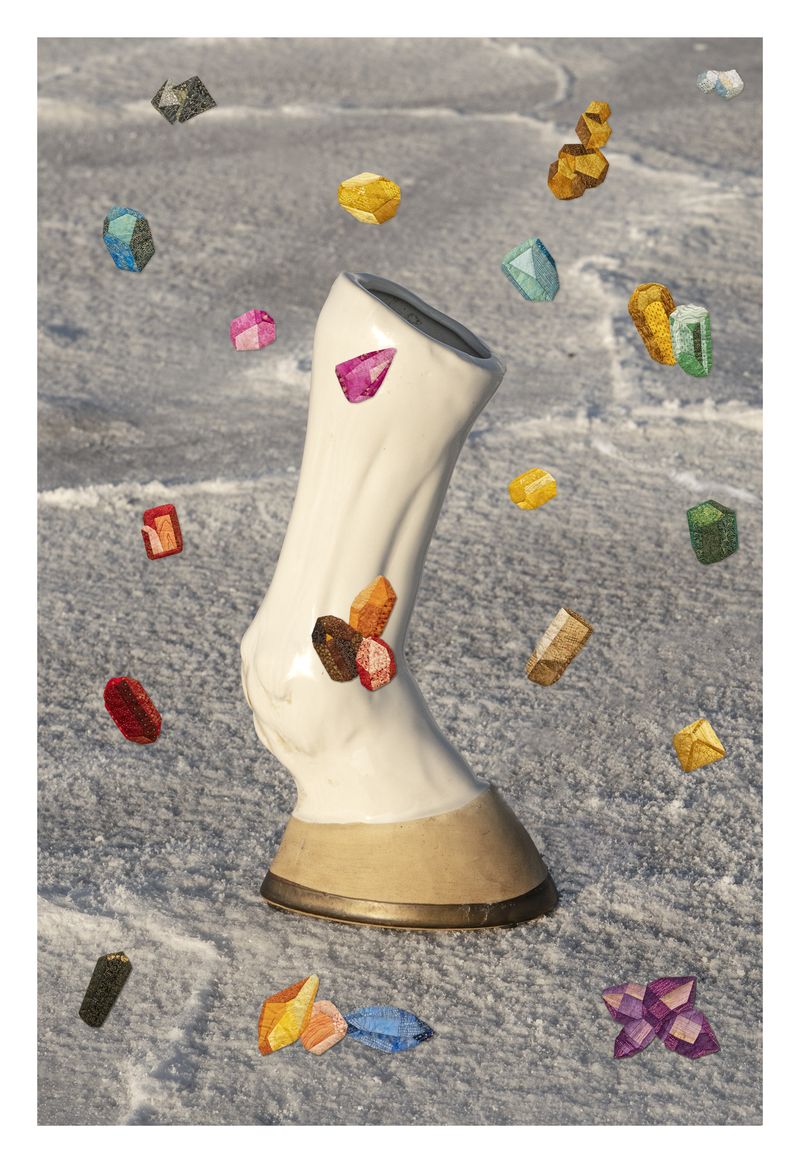
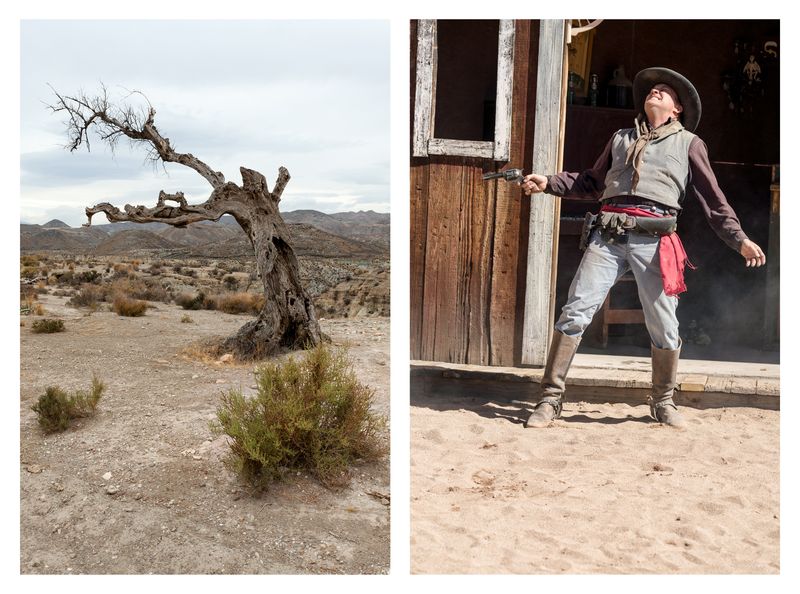
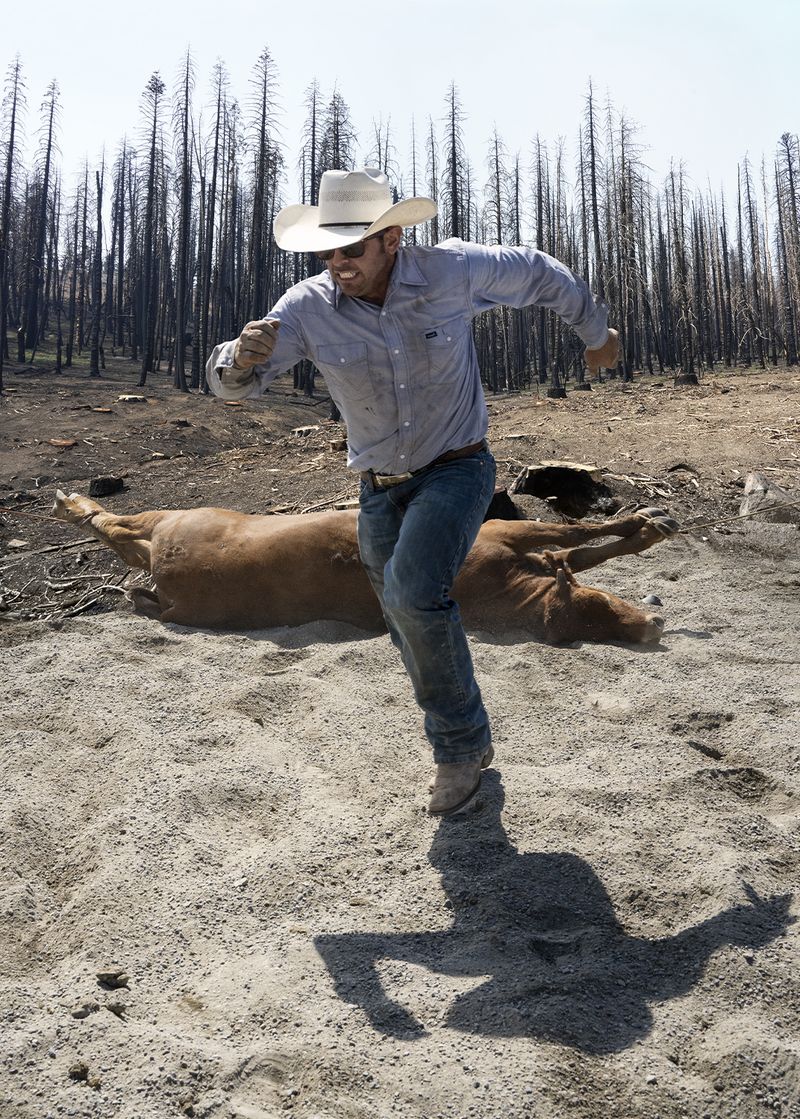
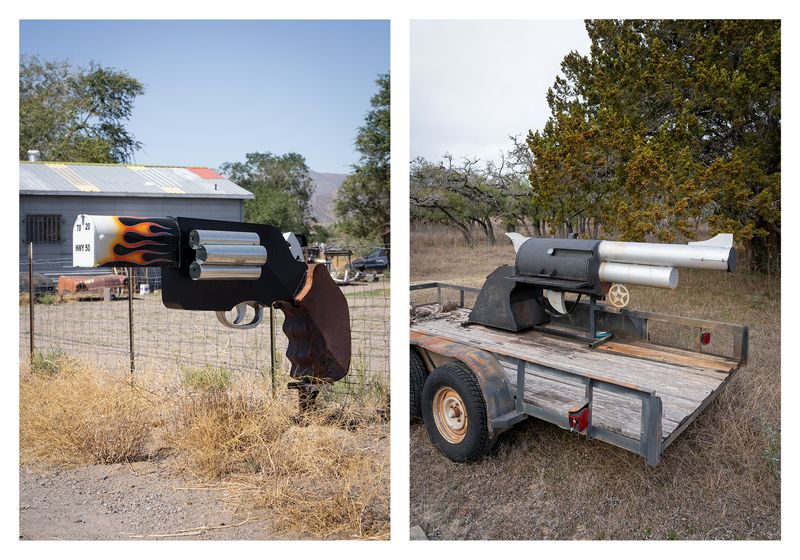
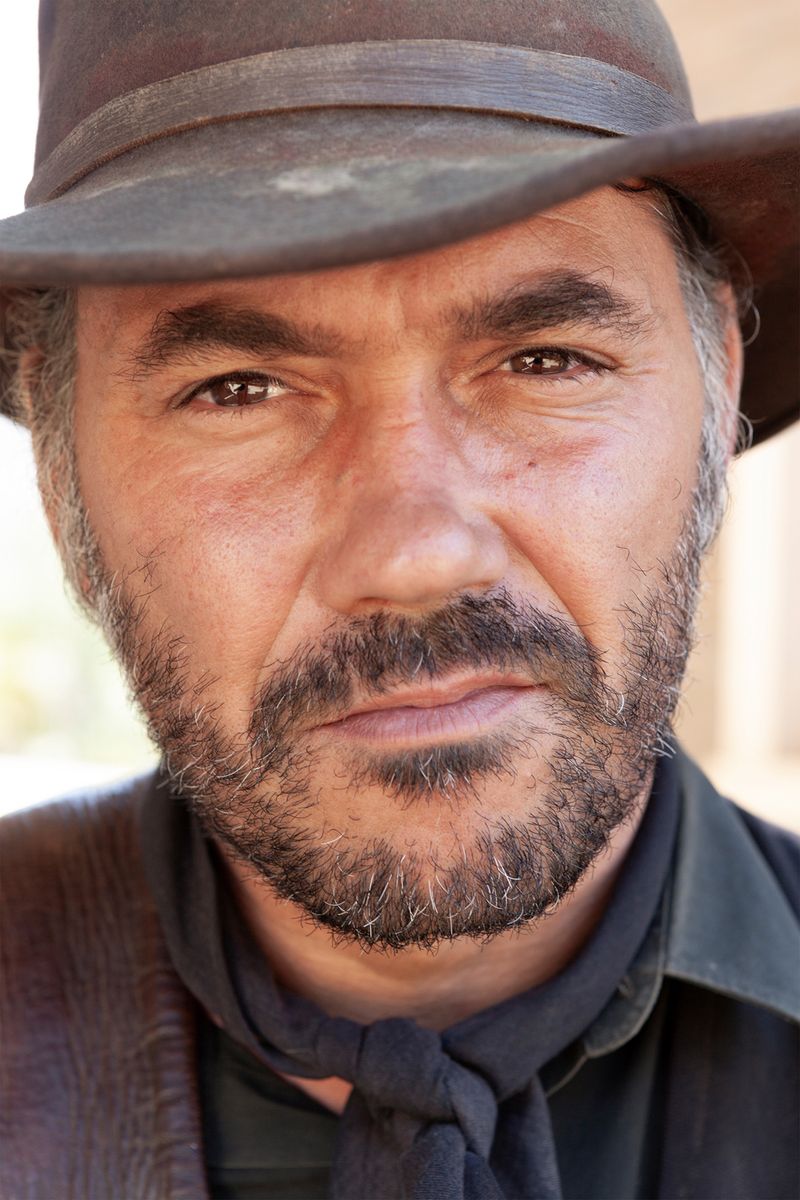
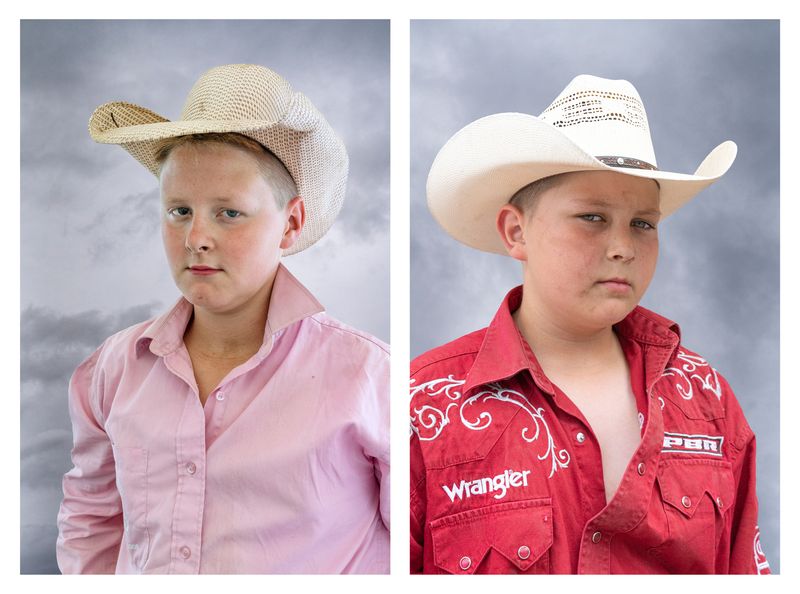
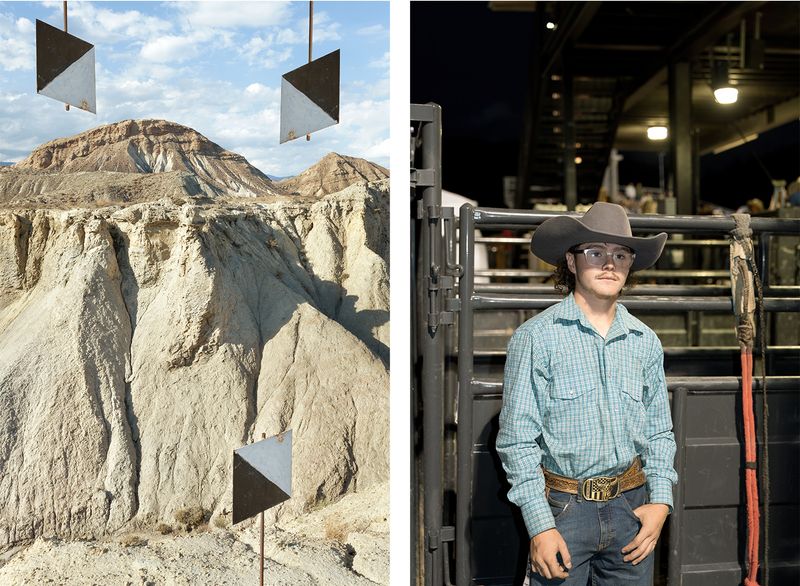
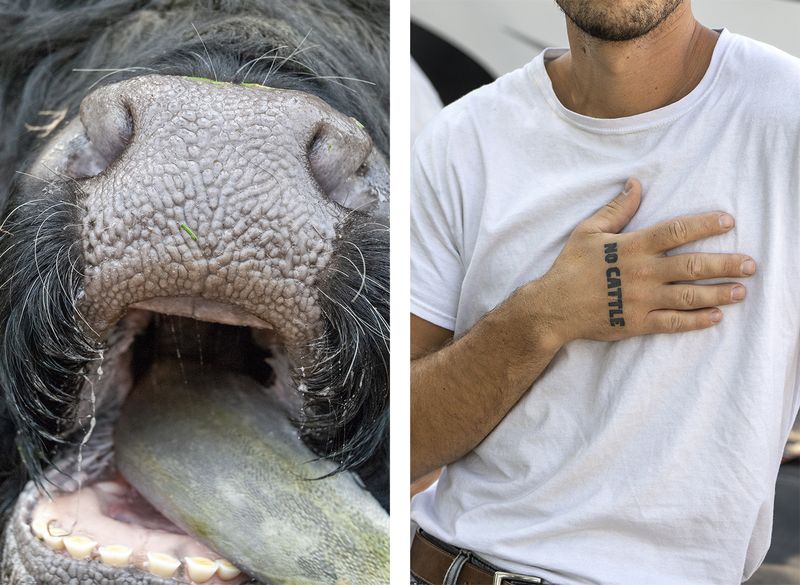
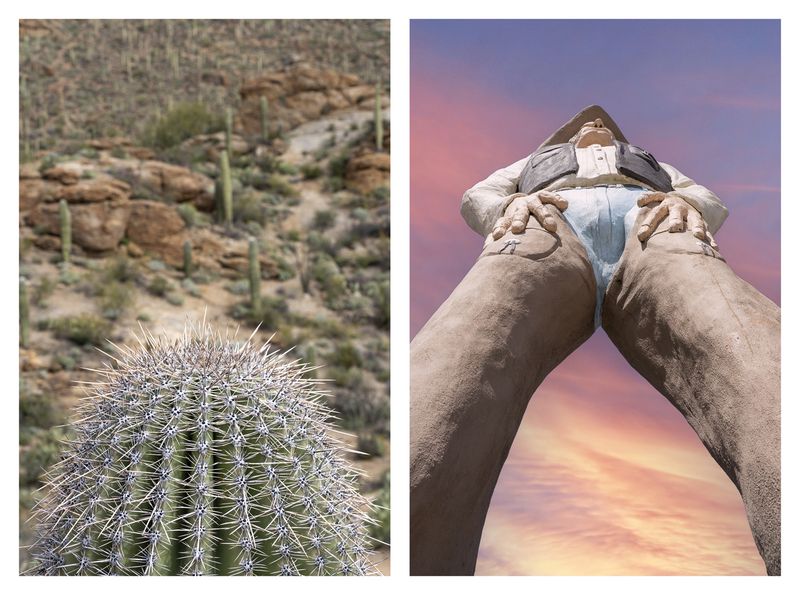
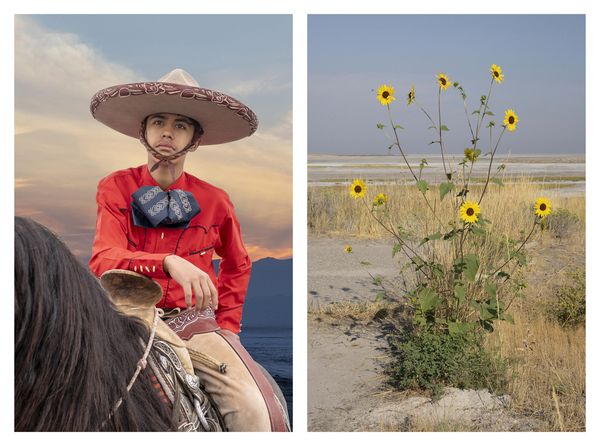
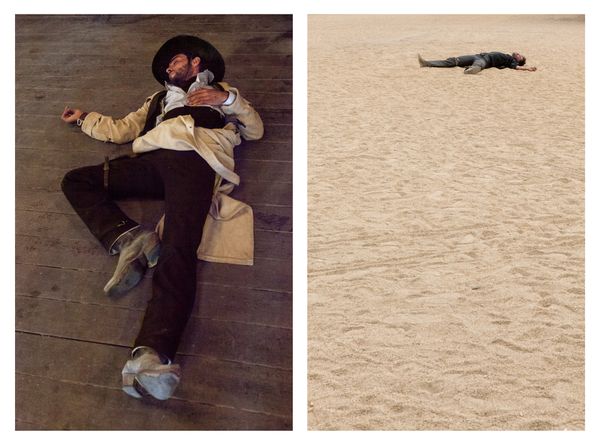
In my work, “Cowboys | After Barbed Wire,” I examine the mythos surrounding the figure of the cowboy. Positioned at the intersection of narrative multiplicity and lived reality, my work interrogates its entanglements with gender and cultural identity.
Cowboys were around for 15 years only
The cowboy is a key figure in the cultural imagination for about 150 years, embodying a romanticised ideal of masculinity, bravery and liberty. Historically, however, the figure of the cowboy only really existed for a short period of time between 1865 and 1880.
During the Civil War, numerous ranchers had let their cattle run loose unable to look after them. These animals reproduced forming wild herds that roamed the country. Cowboys – often former slaves with no property to call their own, Mexicans and Native Americans – took a chance here to earn a living. They recaptured the wild cattle and and started to trade them. By the 1880s, ranchers began fencing their pastures, and the invention of barbed wire in 1873 helped accelerate this process. The traditional cowboy became increasingly superfluous.
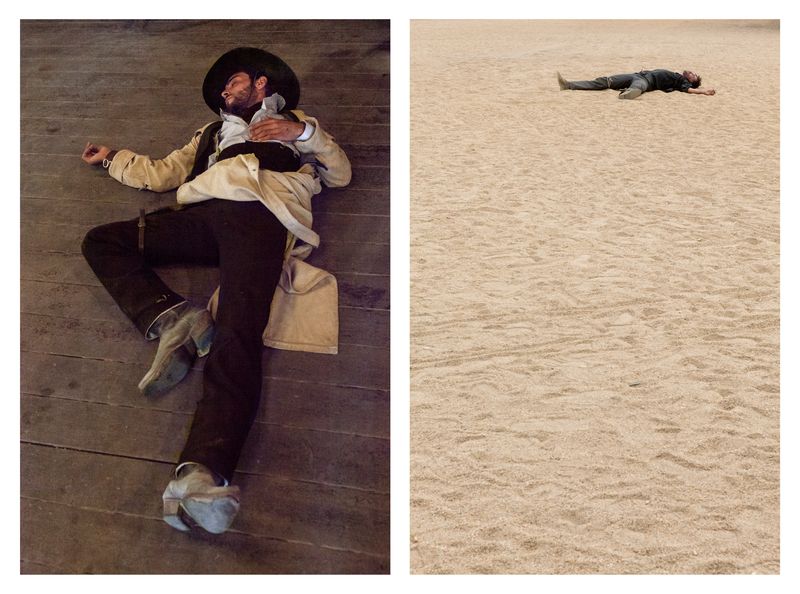
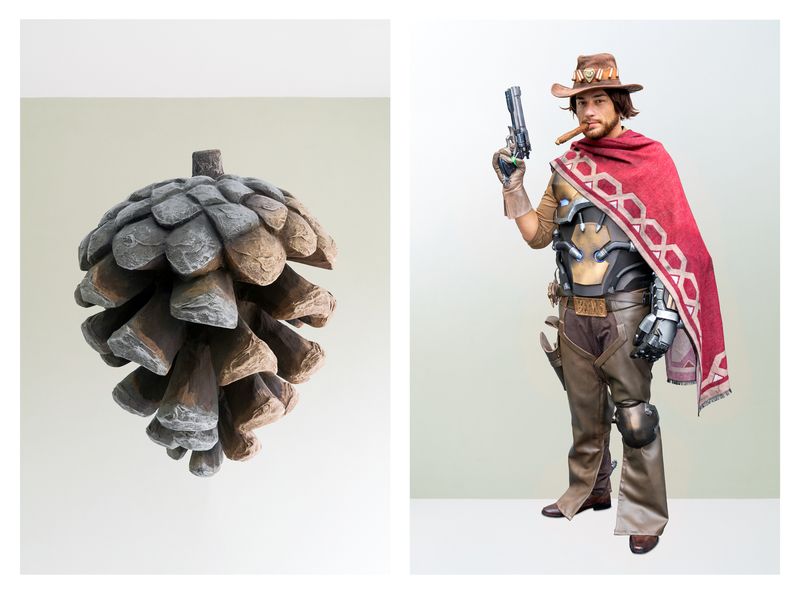
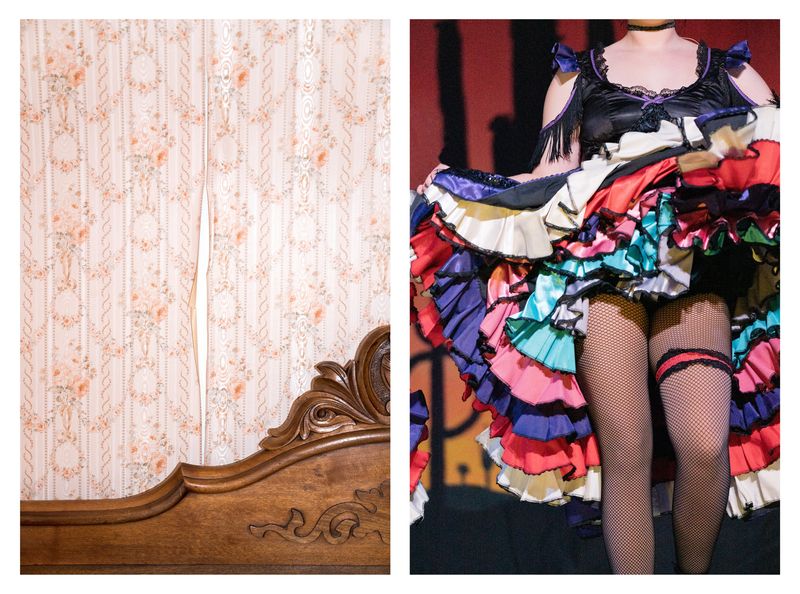
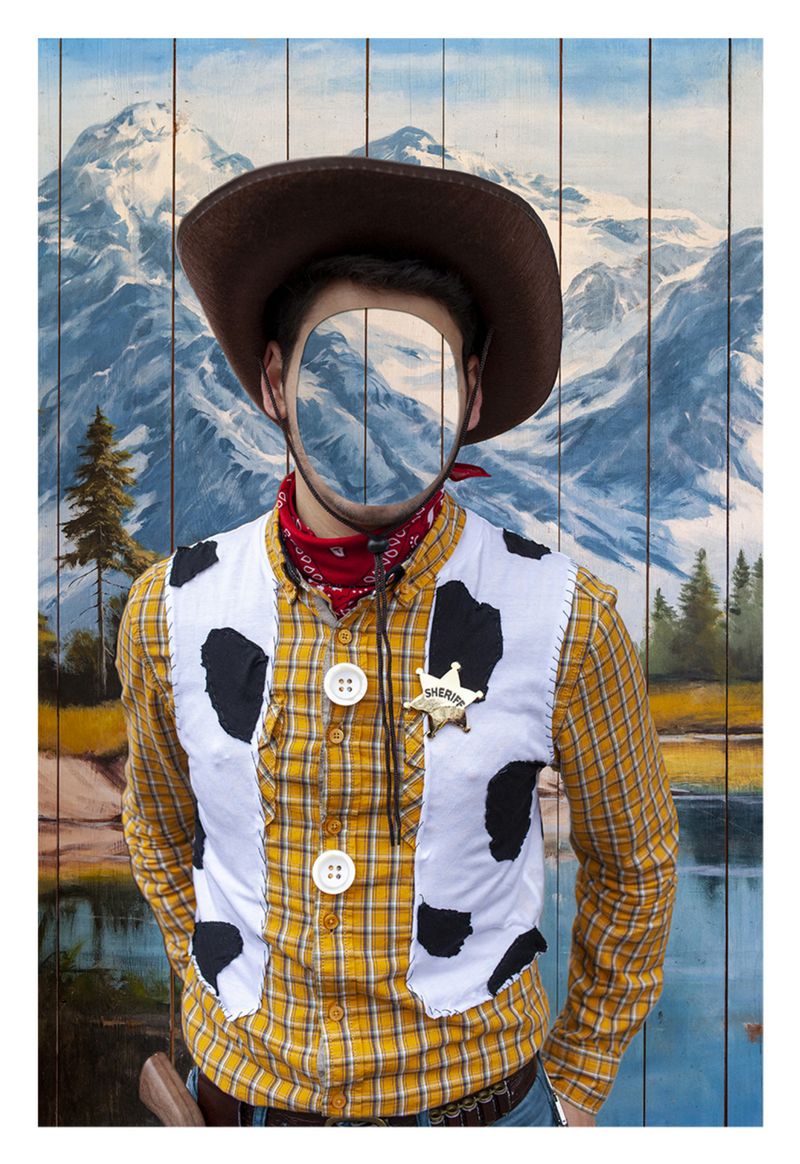
The mythological supercharging of the cowboy would not begin until 1883 thanks to Buffalo Bill and his western shows, which became extremely popular in both America and Europe. These productions were a key factor in making the cowboy one of the most iconic figures in American culture over the next thirty years. Ever since, the Cowboy myth has been constantly reinterpreted in art, the media and everyday life. Be it in rodeo events, in western riding, reenactments, dance events, in western movies, at carnival, in music or in fashion – the figure of the cowboy appeals to people all over the world, regardless of historical realities.
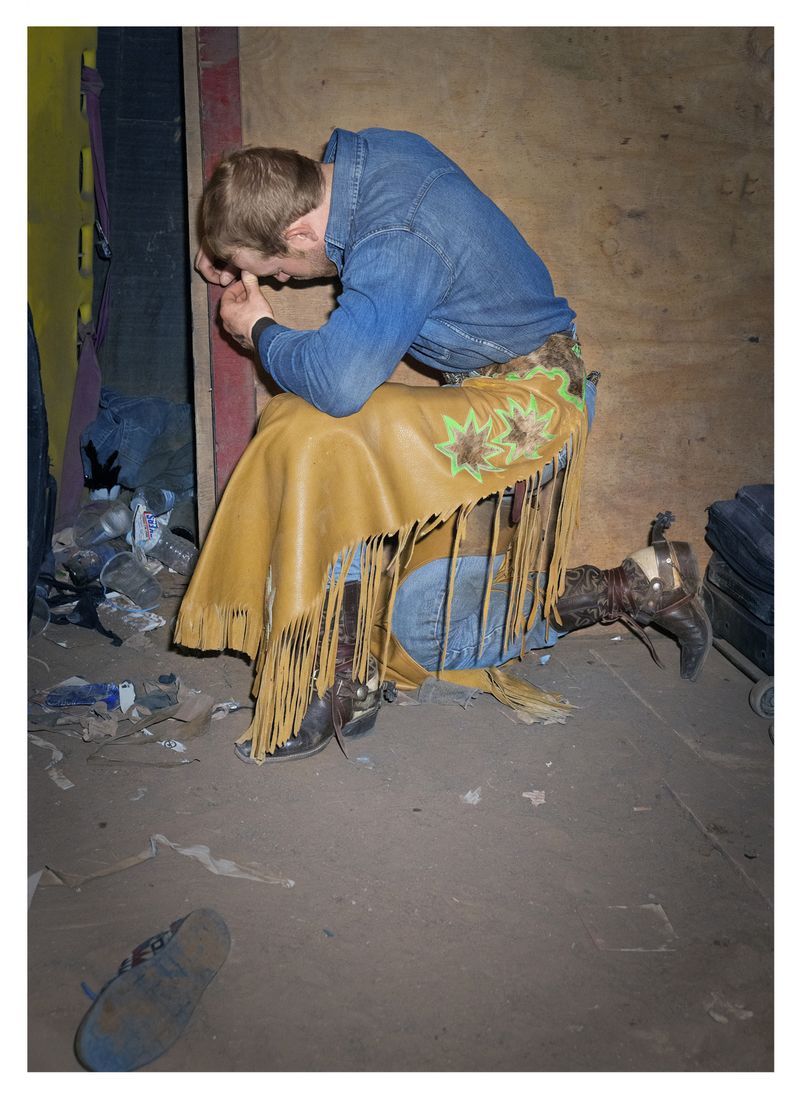
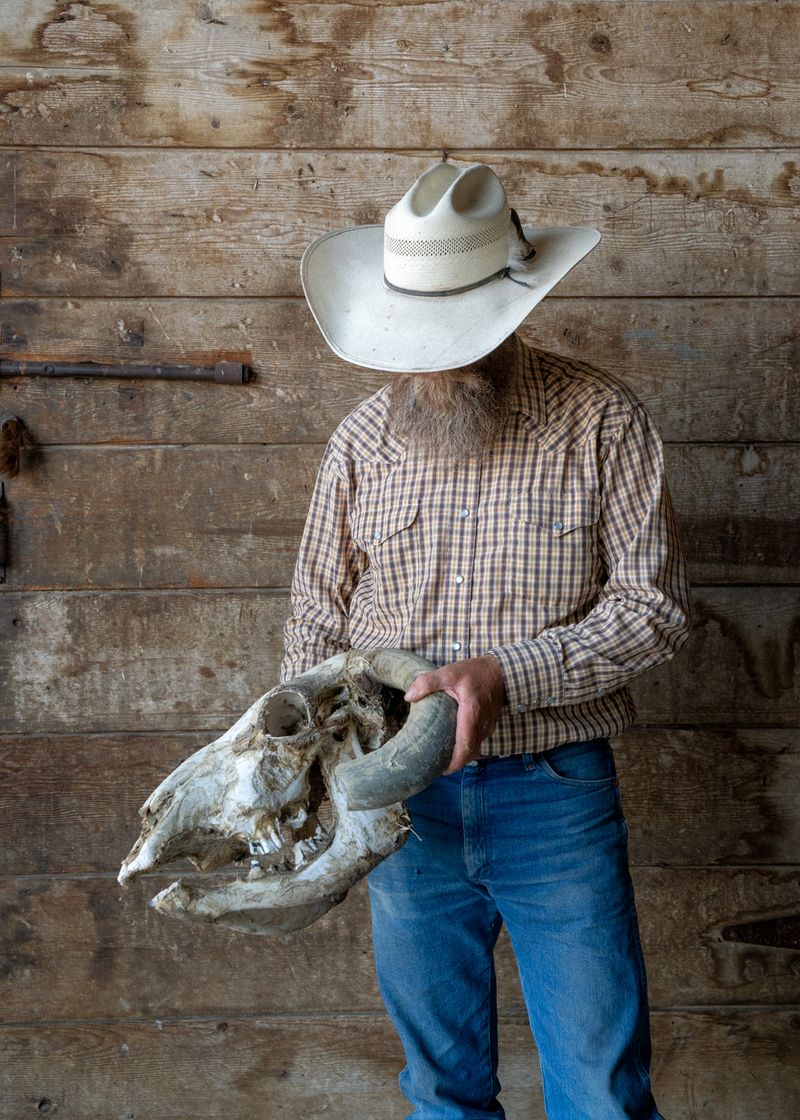
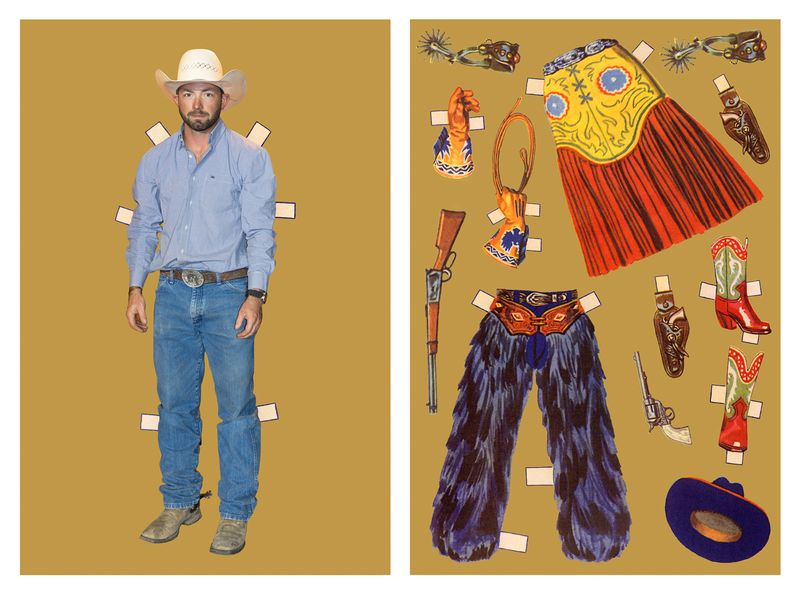
There are, however, also those who consider themselves the true descendants of the cowboys: Farmers, cattle ranchers and professional rodeo riders in the USA. In my work on cowboys, I examine the clichés as well as historical and present-day realities of the cowboy figure and interpret them in regard to gender roles and the impact of international perceptions in the media context.