Come, Come Ye Saints
A genealogical document of Latter-day Saint families using my family as a proxy for both the Mormon Church’s history and contemporary culture.

In modern public discourse, there are largely two contrasting depictions of the Church of Jesus Christ of Latter-day Saints, colloquially known as the Mormon Church: satirical takes on the cultural oddities and polygamist fundamentalists, with little in between except for Mitt Romney, Steve Young, and the Osmonds. I left the faith at 16 and have had to deal with the rift it caused in my family for the better part of half my life. While I have little desire to be affiliated with or connected to a faith which I renounced, I recognize that most of the parts of myself that I consider to be positive character traits come directly from my upbringing within that culture. It was my parent’s values—which in turn were the Church’s values—which helped make me the person I am today. My aim is to bridge the gap between these two extremes and offer a nuanced approach to the culture and social aspects of an oft misunderstood faith. All of the people in these images are my immediate and extended family and have eagerly agreed to participate in my endeavor. Most are devout, some are wavering, and few—if any—have left. Their stance in the church is secondary to their affiliation, which is an identity that cannot be easily shed, no matter how far one wishes to stray from the church and its culture. With these images I aim to be neither Mormon apologist nor critic. I offer no theological answers nor cultural condemnations, and instead urge the viewer to meet these people where they are, as friends, family, colleagues, and neighbors. The people in these images span from Utah and Arizona down to Chihuahua, Mexico. Hopefully those within the church can see themselves, their family, and their peers in these images; those outside of it will hopefully learn something new about their fellow citizens. It is a faith and a culture which exudes Americana and wears it proudly on it’s chest, even though it exists at the edges of what most consider to be “American”.

© alexander laurent rubalcava - Image from the Come, Come Ye Saints photography project
i

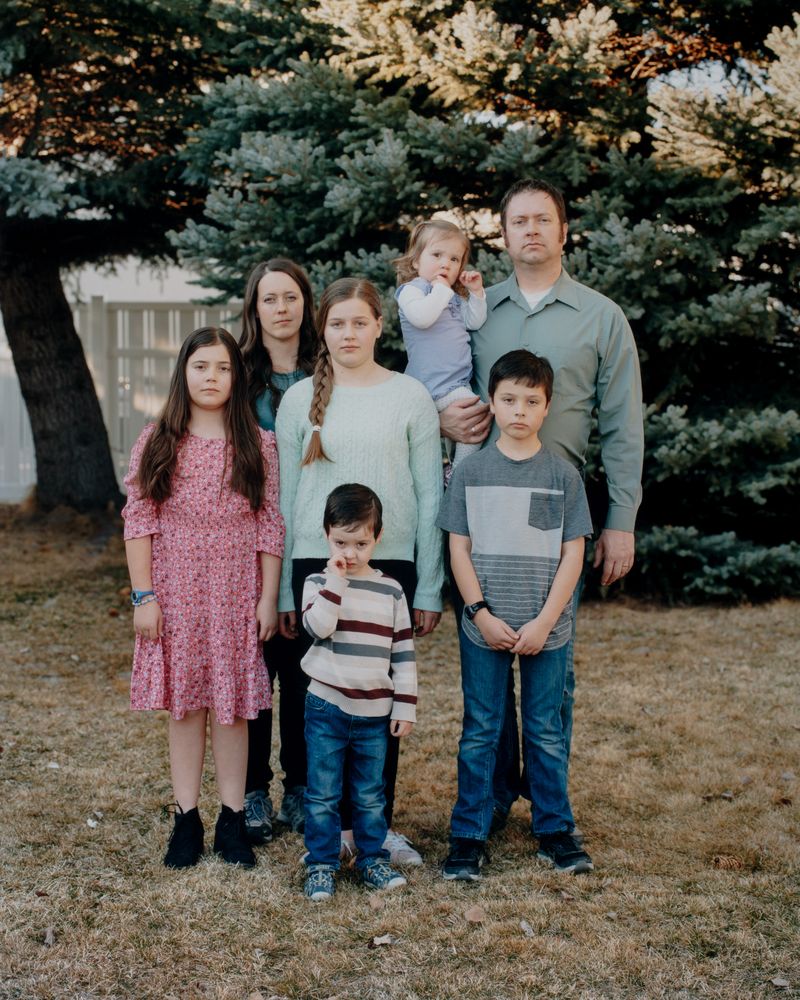
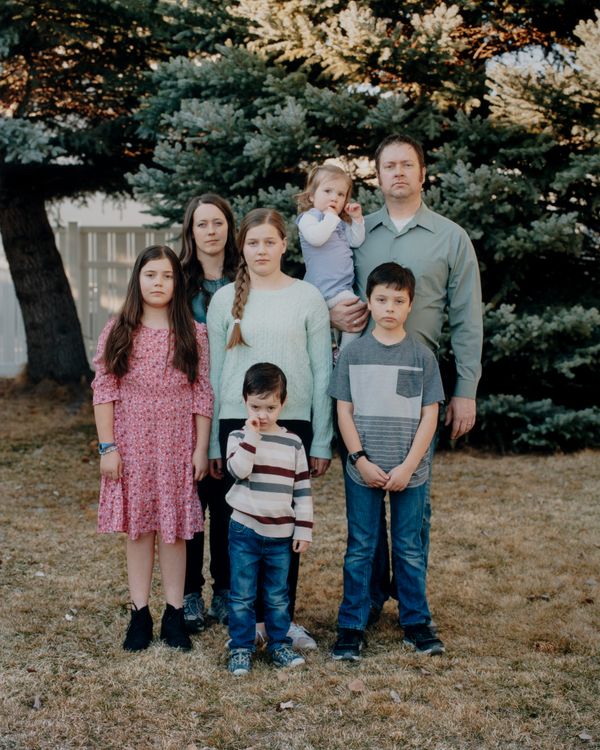
Brent, Amanda, & family at home in Springfield, UT. Brent is my cousin and is 4th generation Cache Valley Utahan. Our great-great-grandfather Andrew Martin Israelsen arrived in Cache Valley in 1864 after his parents converted to Mormonism in their native Norway a few years prior.

© alexander laurent rubalcava - Image from the Come, Come Ye Saints photography project
i

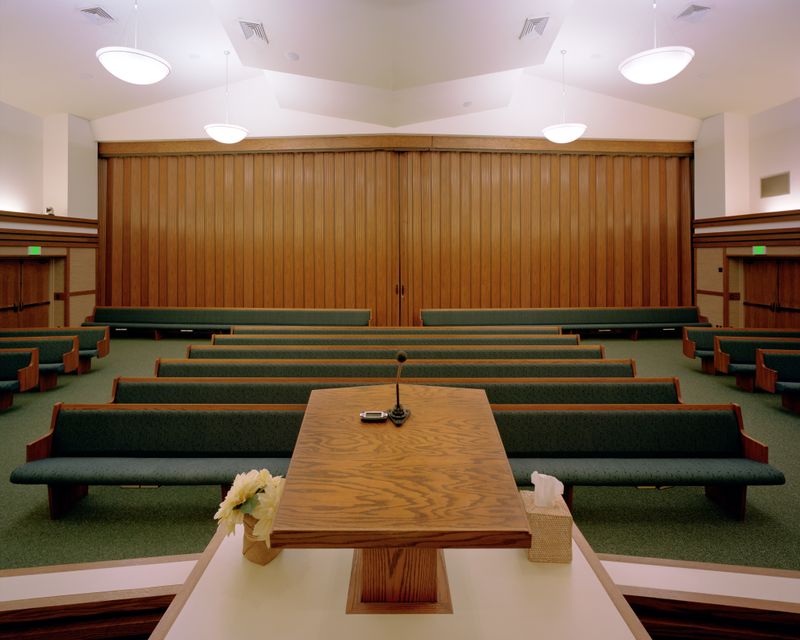
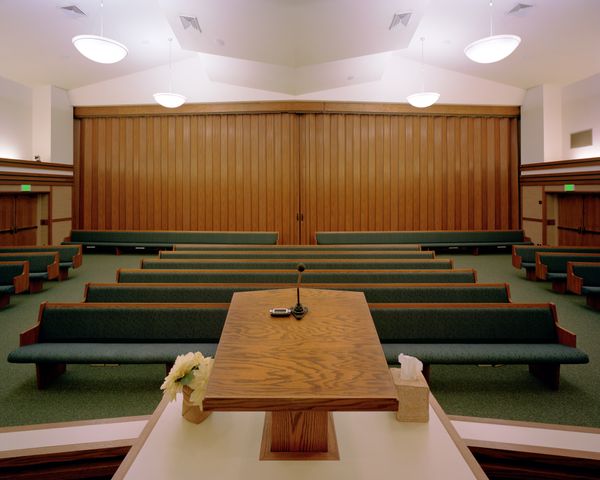
Sacrament Meeting is the primary weekly worship service in Mormonism. Unlike most other sects of Christianity—the service is largely led by the congregation. Members are called each week to prepare sermons that they deliver to their fellow members. As a result, public speaking is engrained into the fabric of Mormon culture. This view from the pulpit is one any Mormon would know well.

© alexander laurent rubalcava - Image from the Come, Come Ye Saints photography project
i

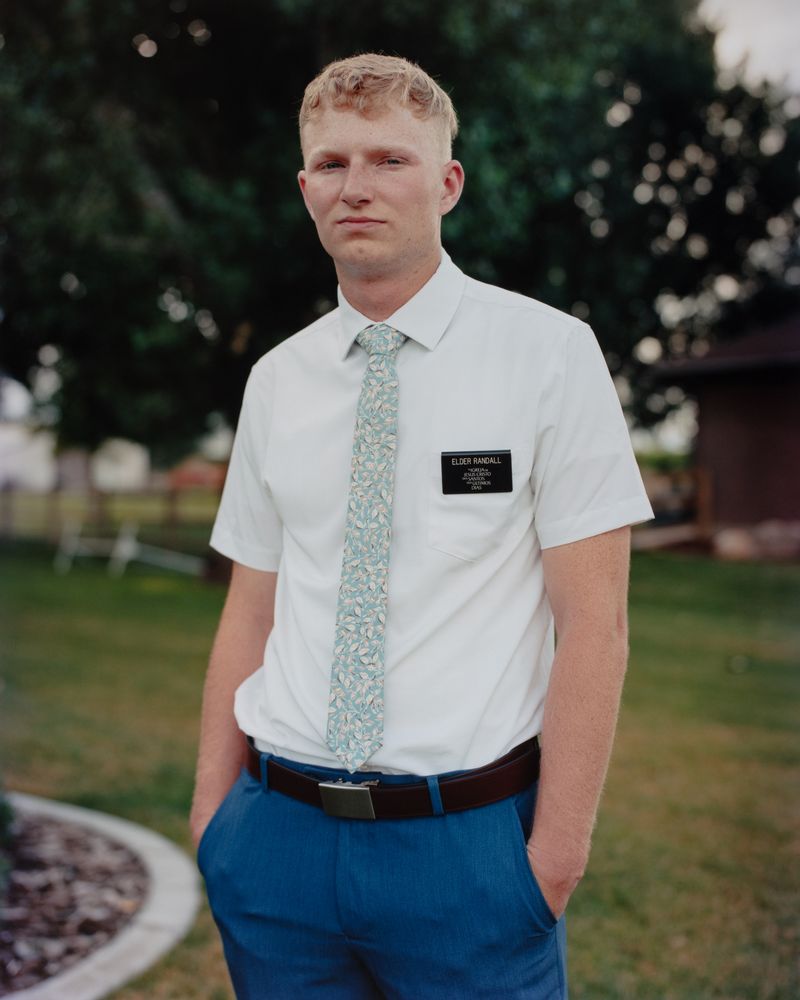
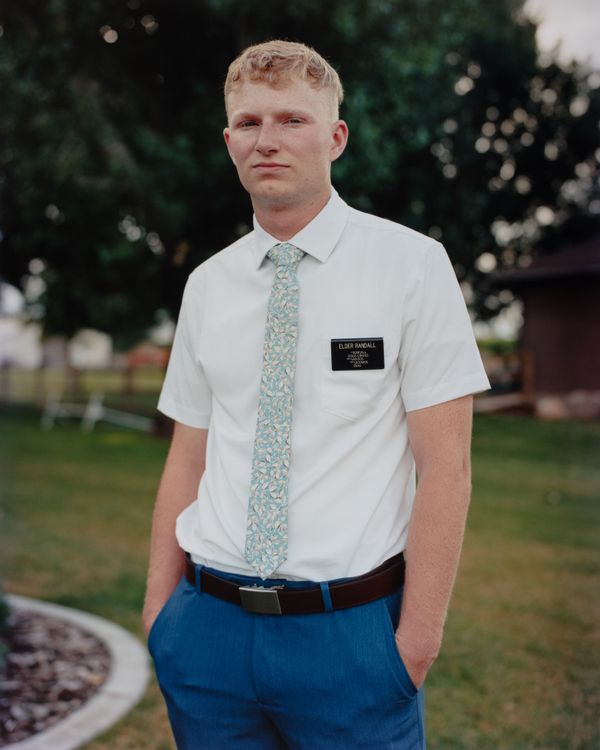
Elder Grant Randall before heading out for his mission in Rosario, Argentina. All able-bodied young men 18 years and older and able-bodied young women 19 years and older are strongly encouraged to go on missions. They spend their time studying gospel doctrine, proselytizing, and engaging in church and humanitarian aid. It is one of the defining moments of many individual's lives in the Church.

© alexander laurent rubalcava - Image from the Come, Come Ye Saints photography project
i

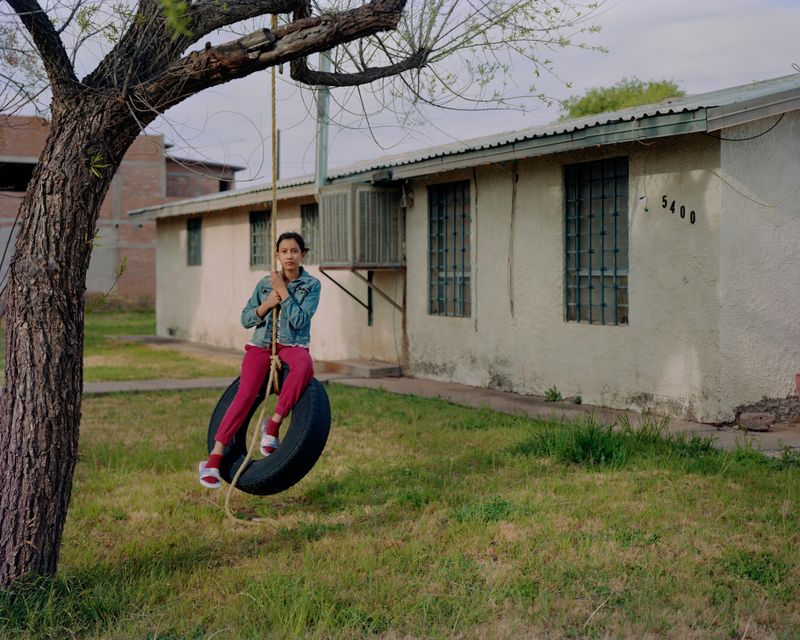
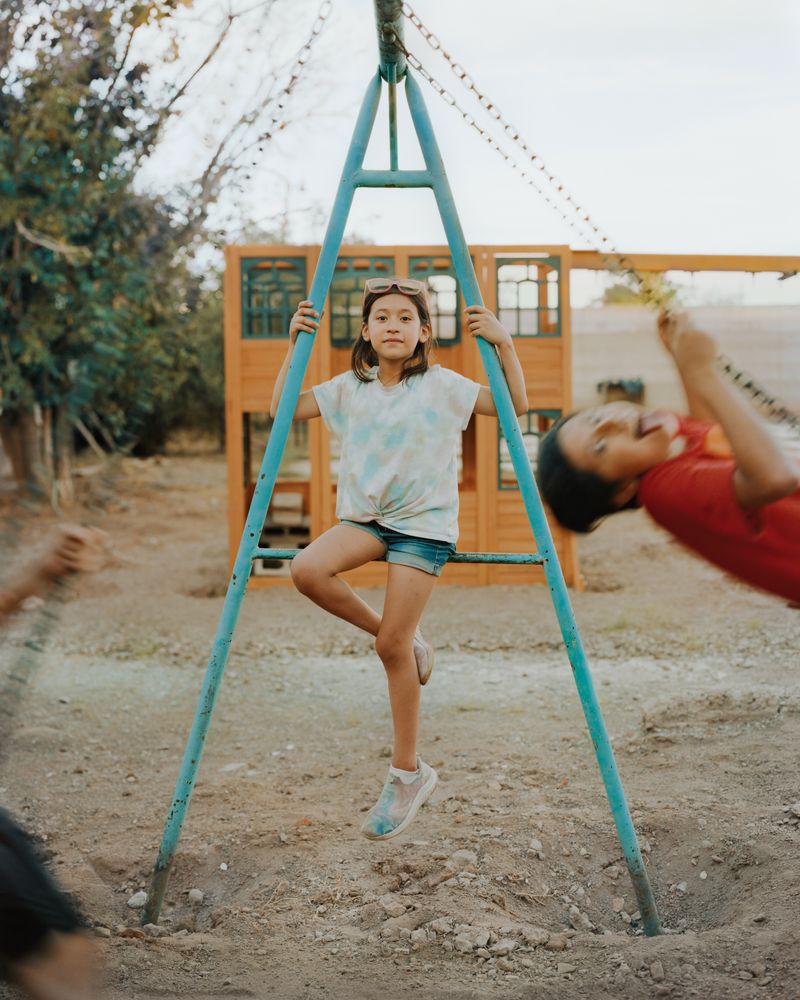
Galia Hernandez on her tire swing at home in Colonia Dublán, Chihuahua, Mexico. Her father, Guidseir, is a professor at Academia Juárez, the Mormon Church-owned high school in Colonia Juárez founded in 1897.

© alexander laurent rubalcava - Image from the Come, Come Ye Saints photography project
i

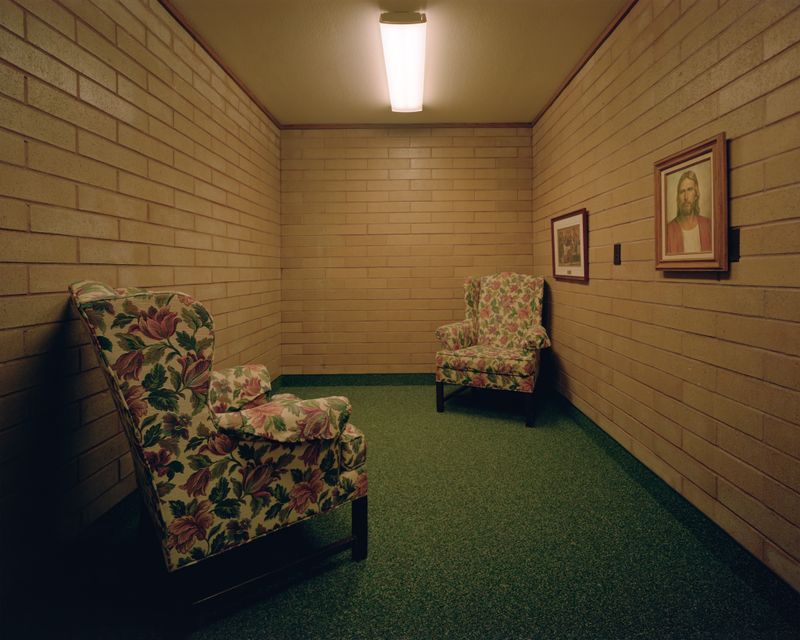
All members of the church who wish to enter the Temple (the holiest sites in Mormonism) must be found worthy by their Bishop (local religious authority). These "worthiness interviews" cover many facets of a member's personal, familial, and social lives. They are conducted in rooms similar to this one, which is in the meetinghouse I grew up going to in Southern California.

© alexander laurent rubalcava - Image from the Come, Come Ye Saints photography project
i

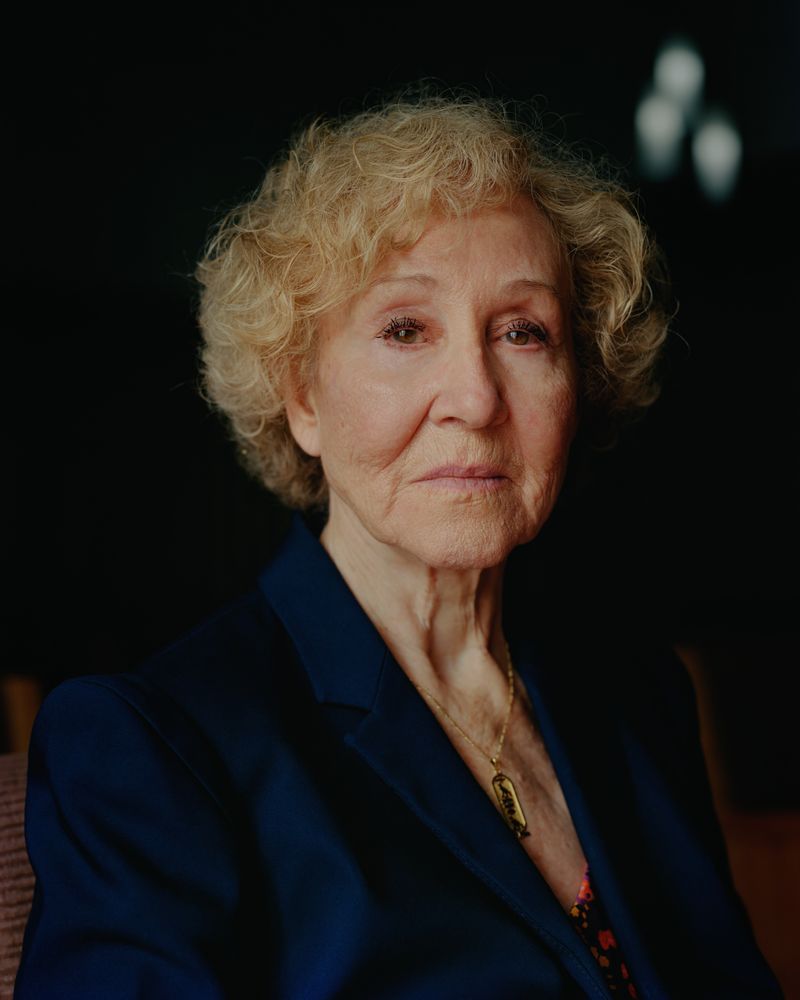
My grandmother, Ernestina Taylor de Rubalcava. Her grandfather was one of the original settlers sent to establish colonies in Chihuahua in the 1890's. At the time, the Mormon Church was facing its second major wave of persecution and Church leadership sent out groups of settlers to find potential sites to move their enterprises. My family's lineage goes back to those Mormons who decided to stay.

© alexander laurent rubalcava - Image from the Come, Come Ye Saints photography project
i

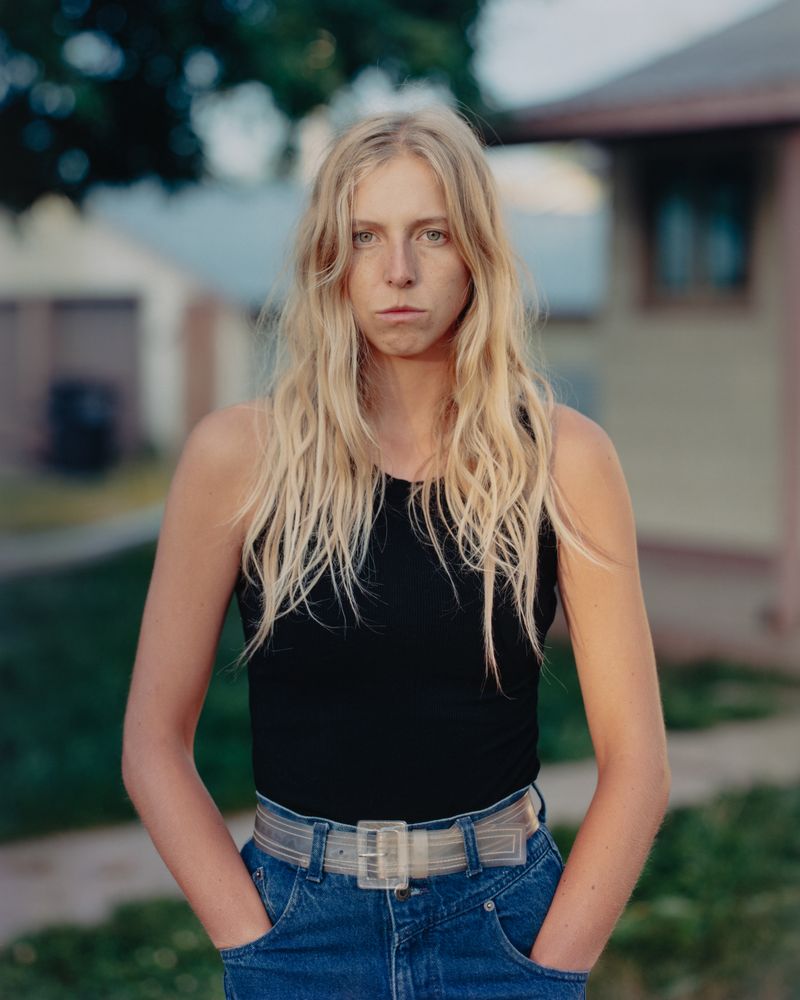
My sister Dominique at her home in Driggs, ID. Dominique attends Brigham Young University—Idaho, a private university owned and operated by the Church of Jesus Christ of Latter-day Saints.

© alexander laurent rubalcava - Image from the Come, Come Ye Saints photography project
i

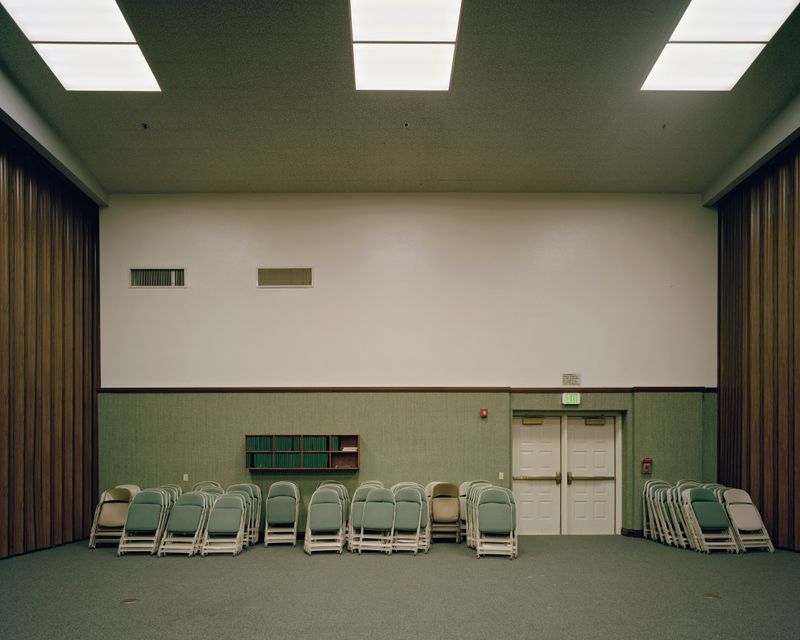
The overflow room behind the chapel of a Mormon meetinghouse in Aliso Viejo, CA. It is used to accommodate congregations larger than usual, latecomers on Sundays, and stake conference (a biannual meeting of all the local congregations together).

© alexander laurent rubalcava - Image from the Come, Come Ye Saints photography project
i

Salma Hernandez on the swing with her cousin Giorgio in Colonia Dublán, Chihuahua, Mexico. Her father, Guidseir, is a professor at Academia Juárez, the Mormon Church-owned high school in Colonia Juárez founded in 1897.

© alexander laurent rubalcava - Image from the Come, Come Ye Saints photography project
i

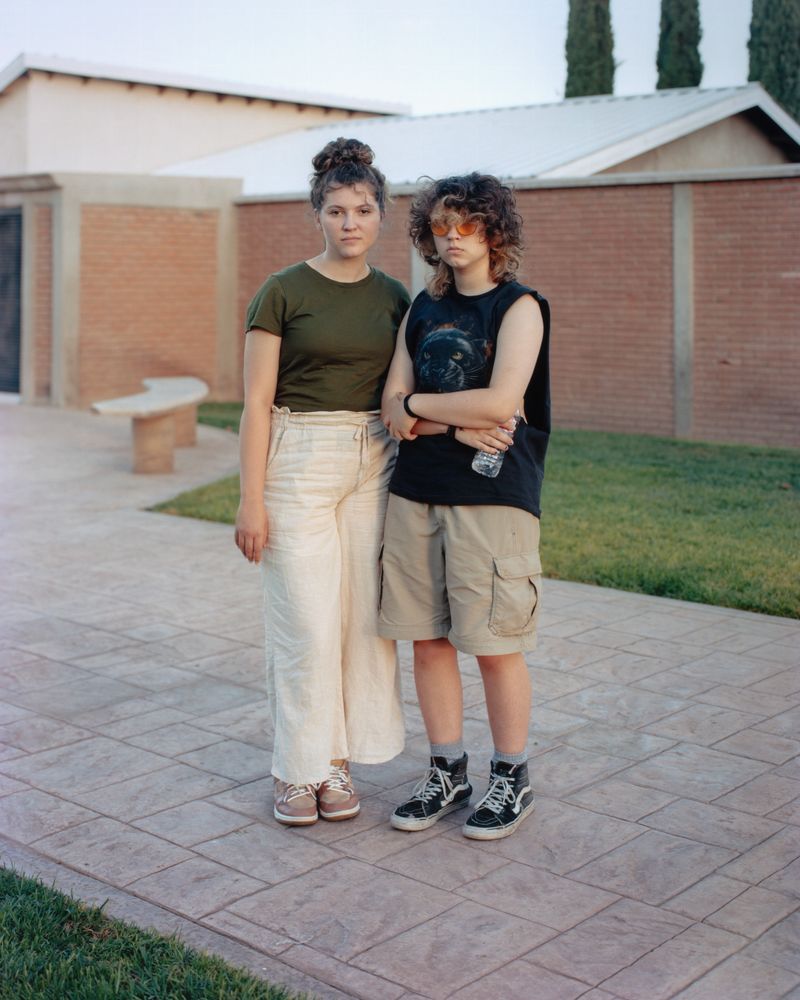
Hannah and her sibling, Pluto, who identifies as non-binary. The social culture of the Church maintains rigid gender roles and the institution as a whole does not accept nor embrace homosexuality or gender fluidity. In recent years, it has softened its stance on homosexuality, but still does not condone it nor allow its LGTBQ members to be sexually active.

© alexander laurent rubalcava - My sister Dominique on her porch at home in Driggs, ID, reading Dostoyevsky's "Crime and Punishment”.
i

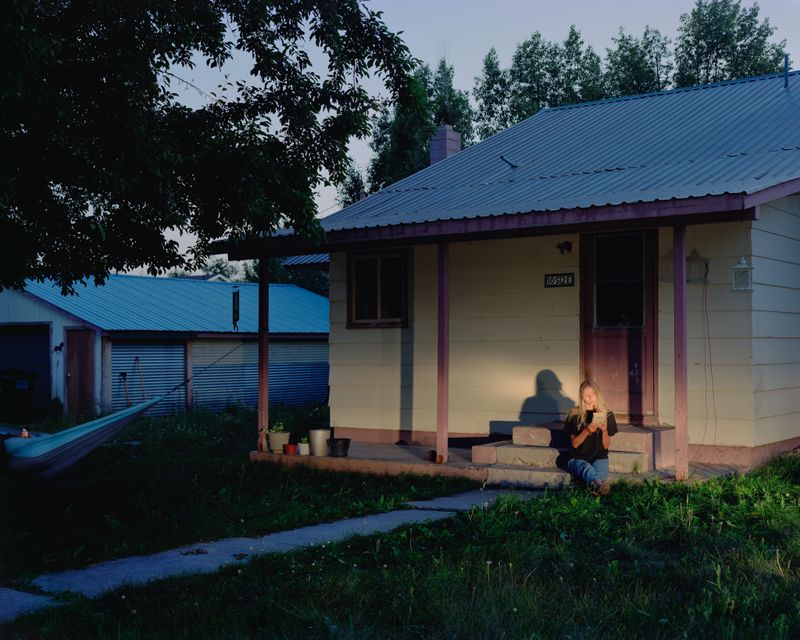
My sister Dominique on her porch at home in Driggs, ID, reading Dostoyevsky's "Crime and Punishment”.

© alexander laurent rubalcava - Image from the Come, Come Ye Saints photography project
i

Baptismal garments hanging in the changing room of the baptismal font. Baptism occurs in Mormonism at the age of 8, known as the "Age of Accountability", or the age at which an individual can differentiate between right and wrong. As such, baptism is then presented as a choice, though it is mandatory for membership. Baptismal garments—as well as temple garments—are all white, representing purity.

© alexander laurent rubalcava - Image from the Come, Come Ye Saints photography project
i

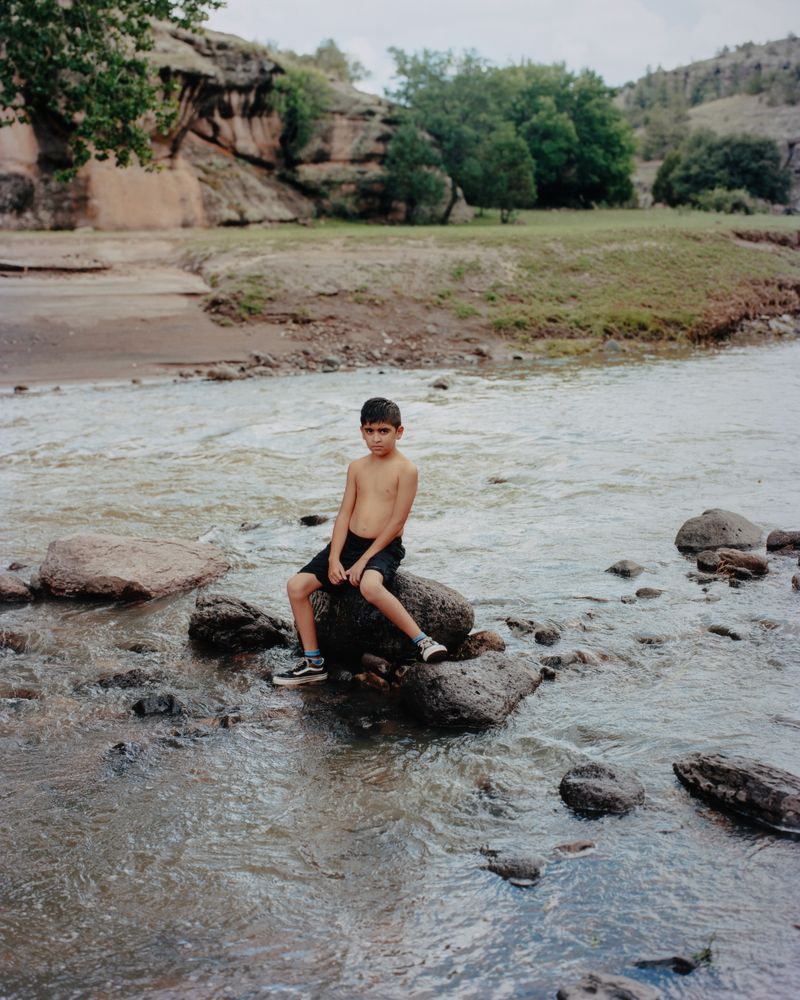
My cousin Tommy Parrodi swimming near Cueva de la Olla in the mountains West of Colonia Juárez, Chihuahua, where he lives with his family. This river is exemplar of sites where baptisms would have occurred in the Mormon Colonies in Chihuahua.

© alexander laurent rubalcava - Image from the Come, Come Ye Saints photography project
i

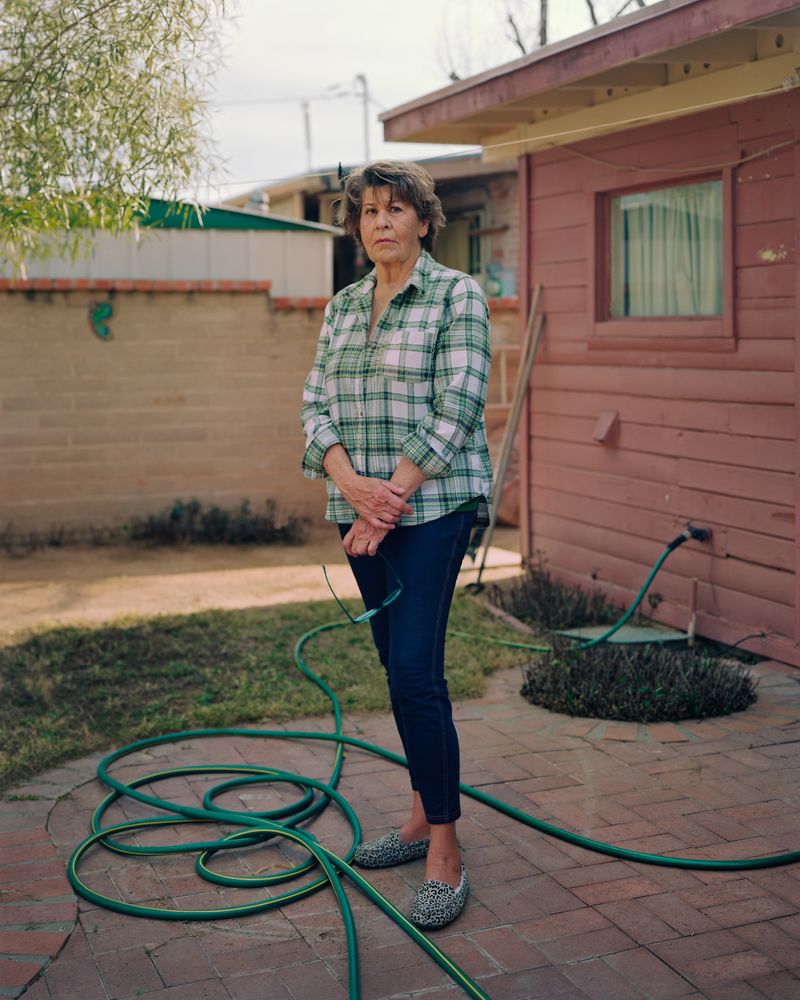
My tia Gloria in the backyard of her home in Tucson, Arizona. Gloria moved to the colonies in Chihuahua, Mexico, from San Felipe de Hijar, Jalisco after her father Adalberto passed when she was seven. She spent the majority of her formative years in the colonies before moving to Tucson, Arizona as a young adult, where she still lives today.

© alexander laurent rubalcava - Image from the Come, Come Ye Saints photography project
i

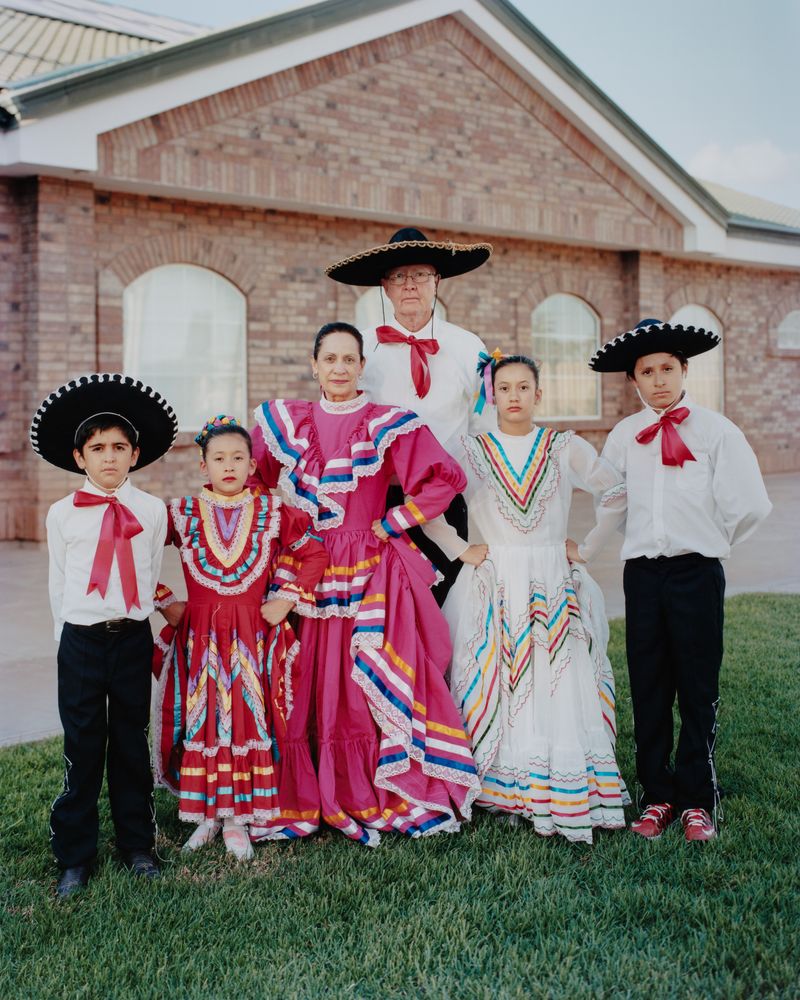
From left to right: Tommy Parrodi, Salma Hernández, Nivia Hernández and her husband Jim, Galina Hernández, and Exequiel Parrodi in traditional bailarín attire worn to perform baile folklórico (traditional Mexican folk dance). There are many different dances, though one of the most famous comes from the state of Jalisco and accompanies the famous mariachi song, "Són de la Negra”.

© alexander laurent rubalcava - Image from the Come, Come Ye Saints photography project
i

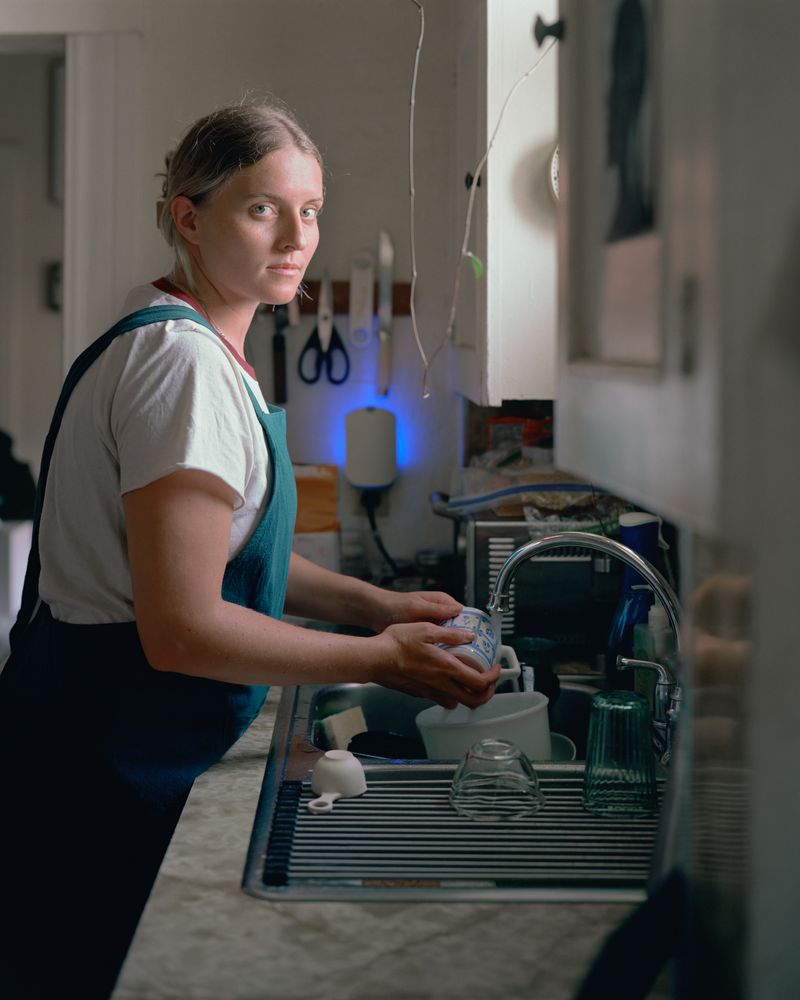
My sister Monica doing dishes at home in Salt Lake City, UT. The Church has traditionally had rigid gender roles between men and women, but shifting attitudes among younger generations has begun to change the culture. While the institution itself is slow (and unlikely) to adopt any changes, increasing numbers of Mormons view social justice movements like feminism and gender equality positively.

© alexander laurent rubalcava - My sister Monica and her boyfriend Marc in a quiet moment at Monica's home in Salt Lake City, UT.
i

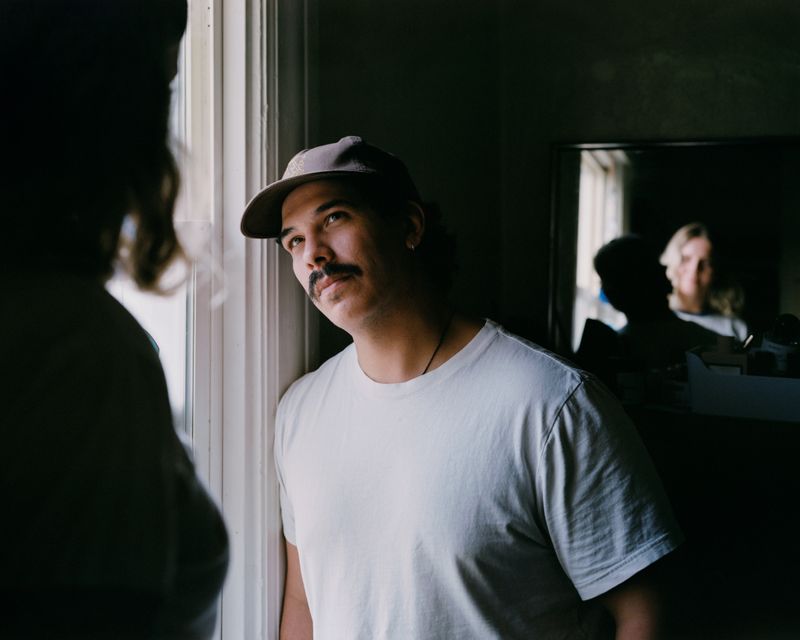
My sister Monica and her boyfriend Marc in a quiet moment at Monica's home in Salt Lake City, UT.

© alexander laurent rubalcava - Image from the Come, Come Ye Saints photography project
i

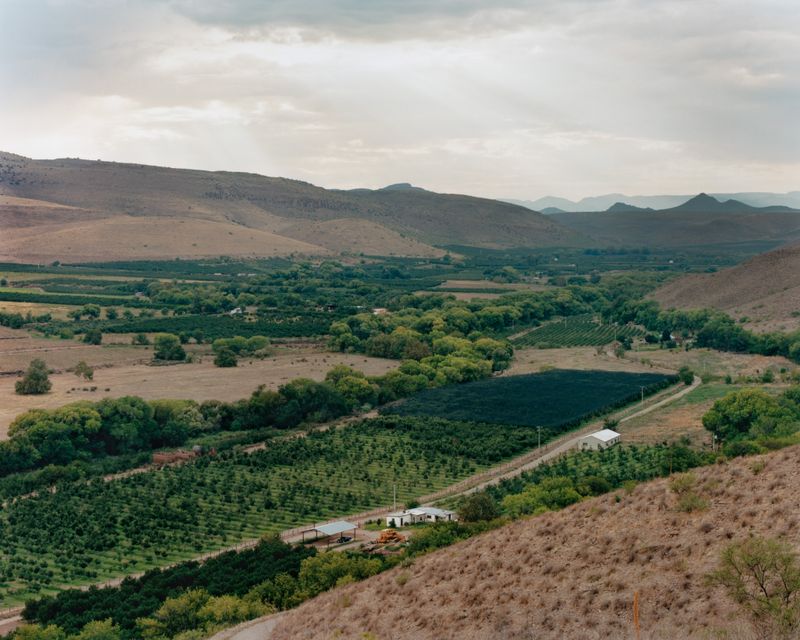
Colonia Juárez was one of the original Mormon settlements in Chihuahua in the late 1890’s as Mormons sought refuge from persecution by the American government. They settled in Chihuahua and introduced the region to apple and peach orchards (pictured), the latter of which Chihuahua is now famous for all over Mexico.

© alexander laurent rubalcava - Image from the Come, Come Ye Saints photography project
i

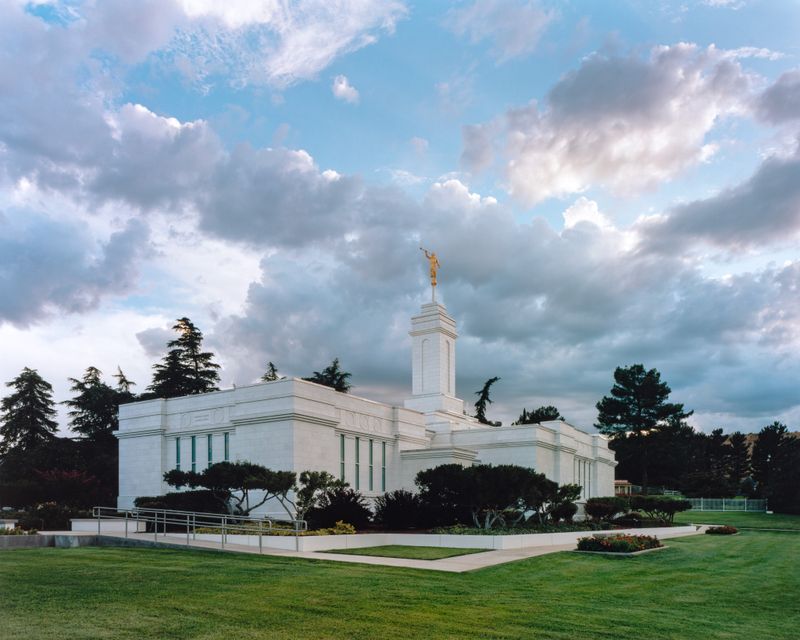
The temple is the holiest site in Mormonism. It is where sealings (marriages), Endowment ceremonies, and baptisms for the dead occur. They are not open to the public save for a short period between when construction is finished and when they are dedicated. There are currently 186 temples around the world in operation, with 52 under construction and 97 more announced to be constructed.

© alexander laurent rubalcava - Image from the Come, Come Ye Saints photography project
i

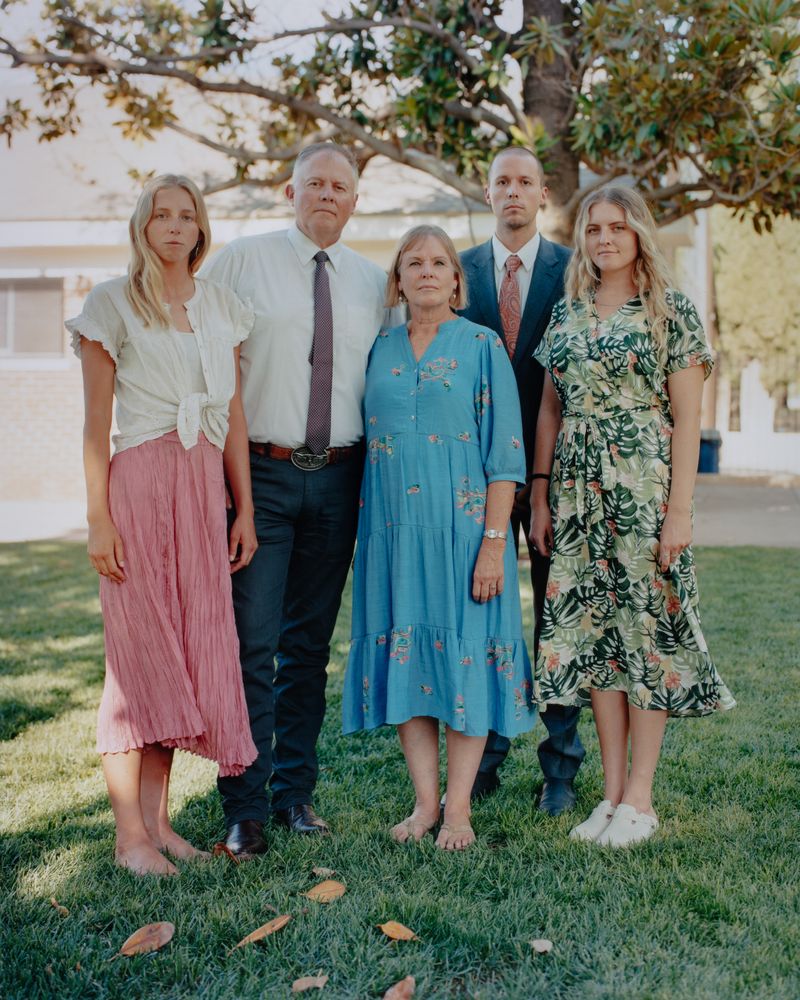
My parents Alejandro Rubalcava and Laura Israelsen Rubalcava with myself and my sisters, Monica and Dominque. My father is the Bishop of a Spanish-speaking ward in my hometown in Southern California. As of this writing, I am the only member of my immediate family (and one of a very, very, few of my extended family) to have left the Church of Jesus Christ of Latter-day Saints.

Come, Come Ye Saints by alexander laurent rubalcava

Prev Next Close