Cognitive Shift
-
Dates2025 - Ongoing
-
Author
- Location Hanko, Finland
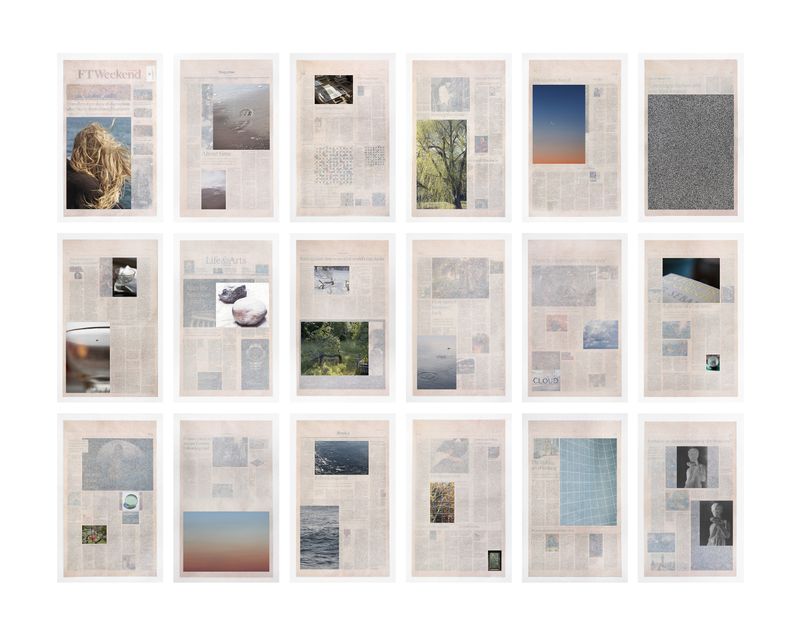
Cognitive Shift blends the general and the personal, summoning new ways of experiencing the world into being.
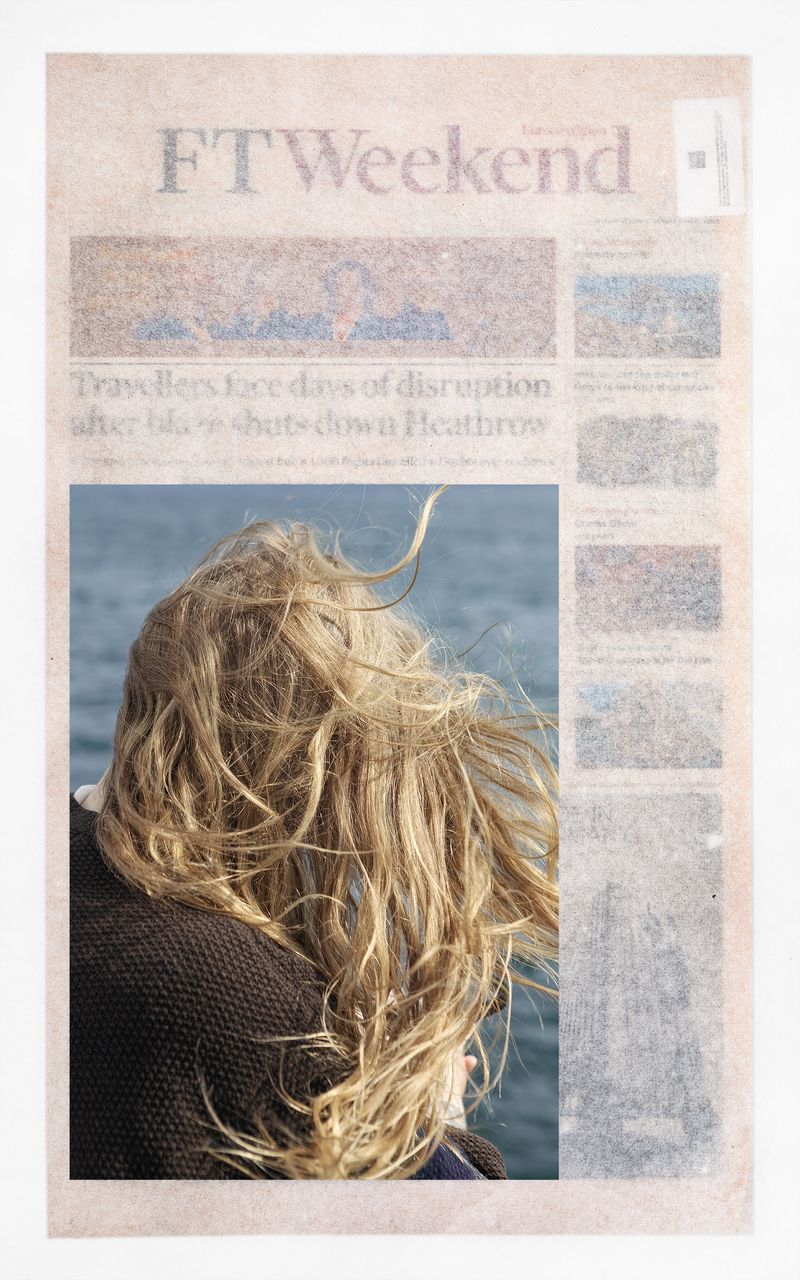
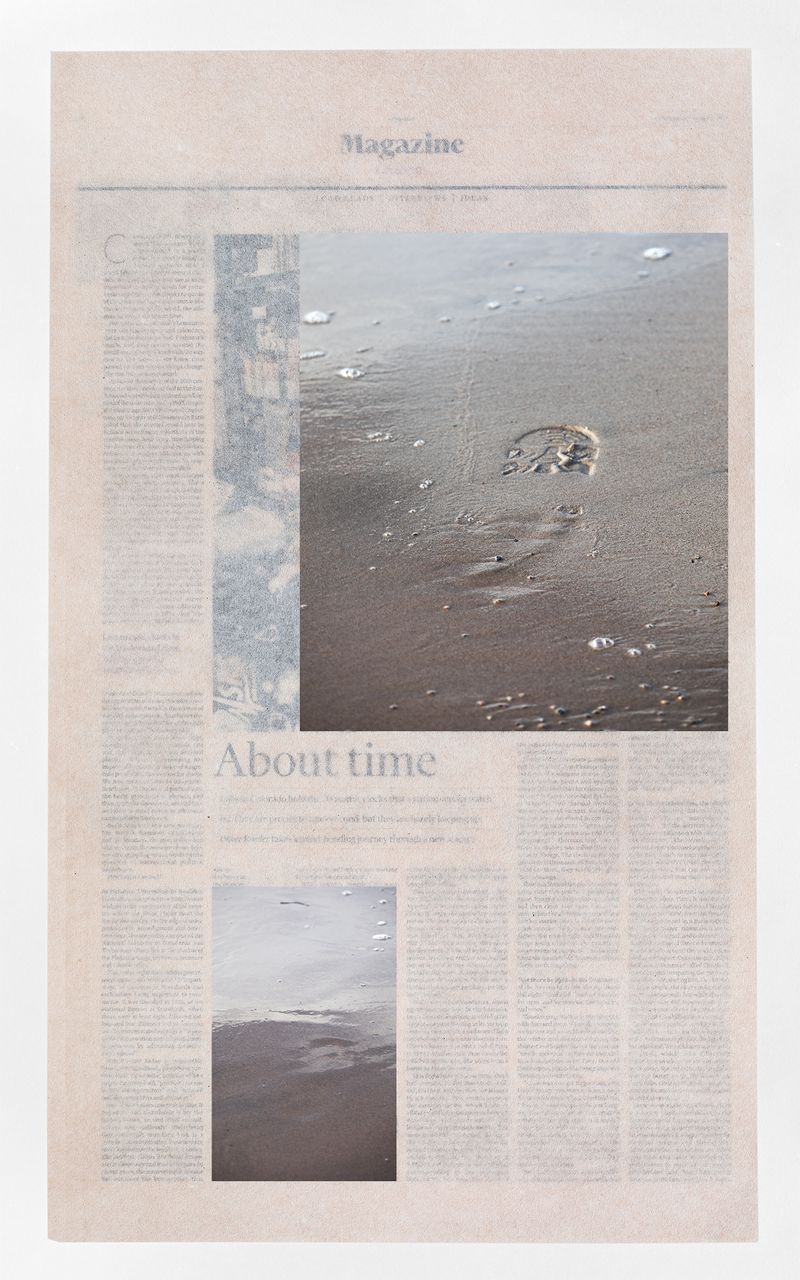
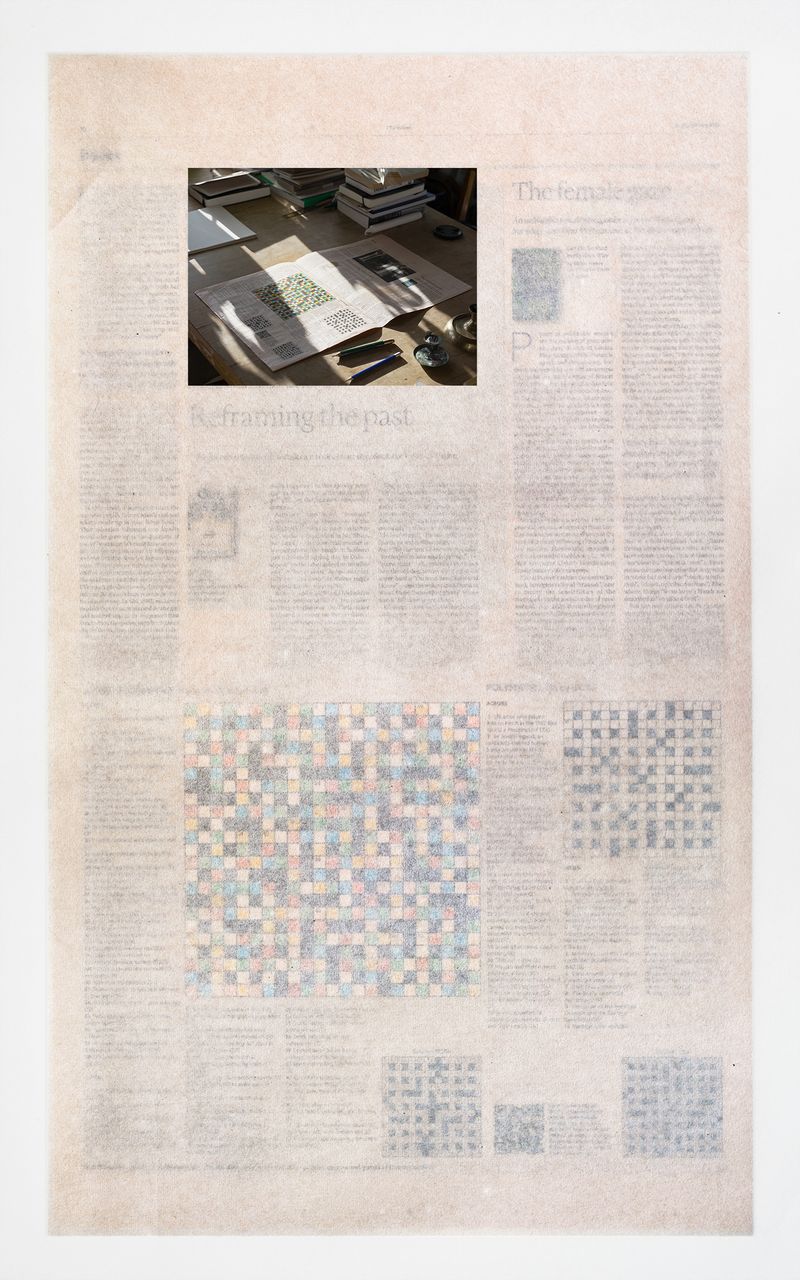
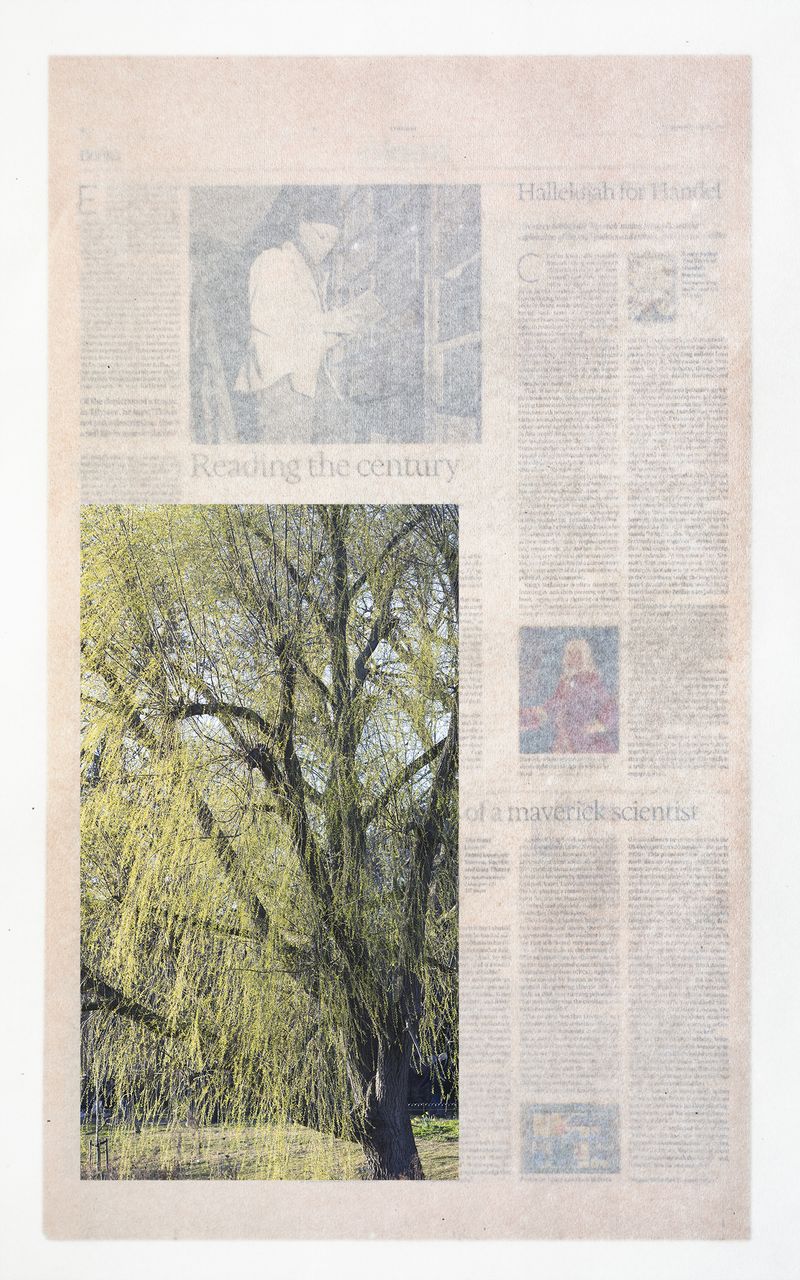
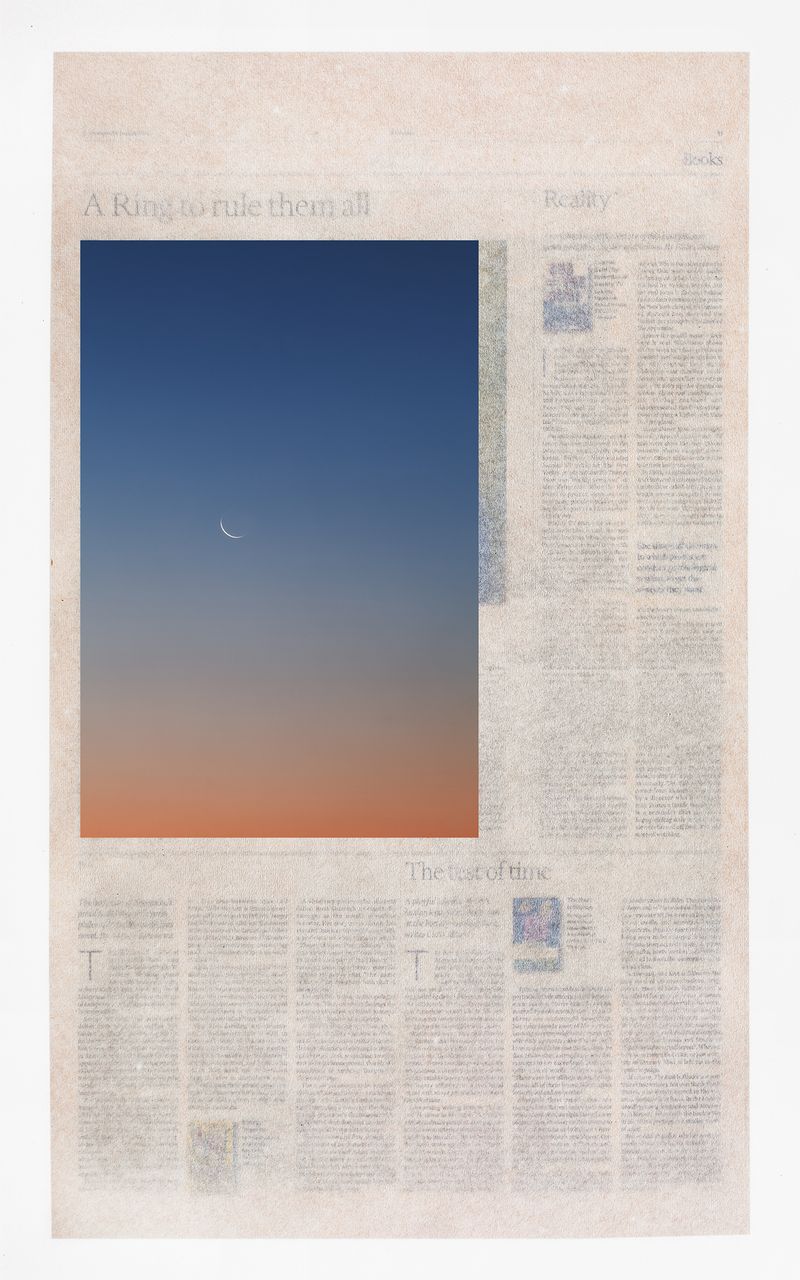
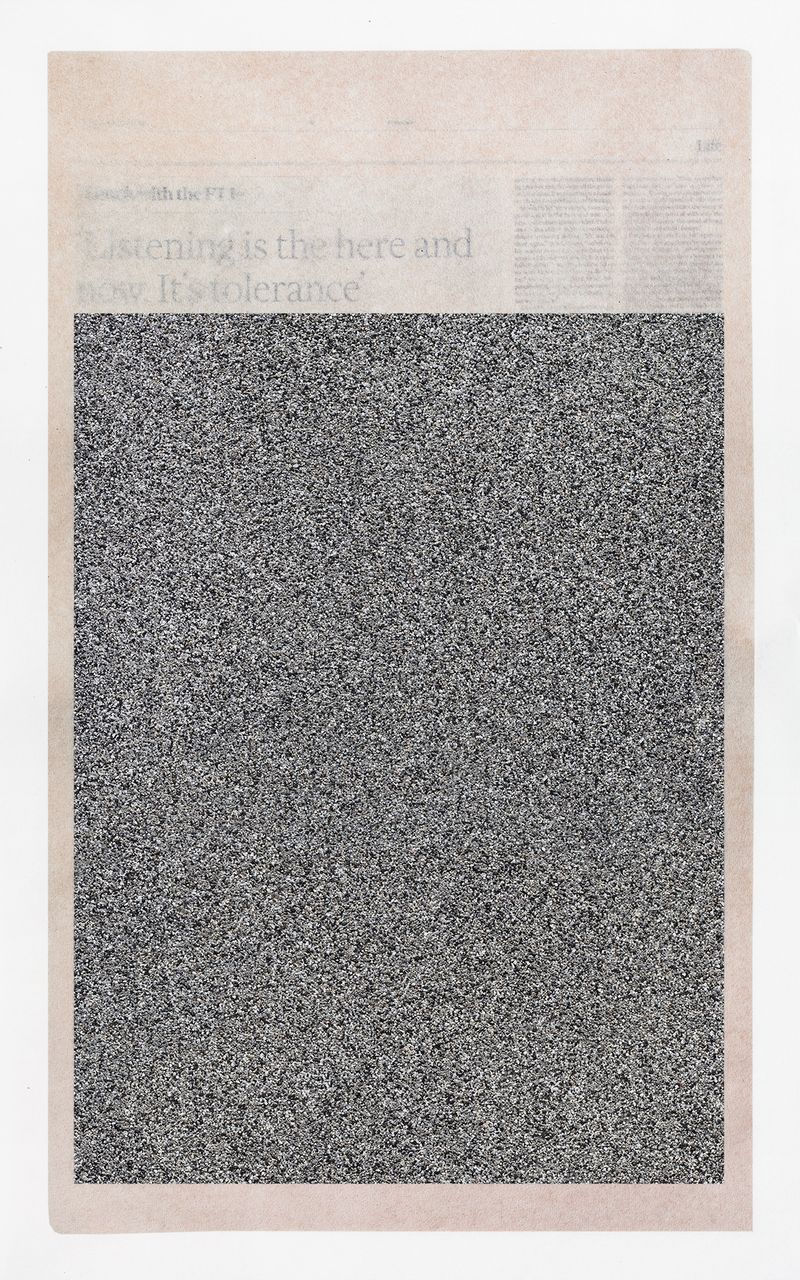
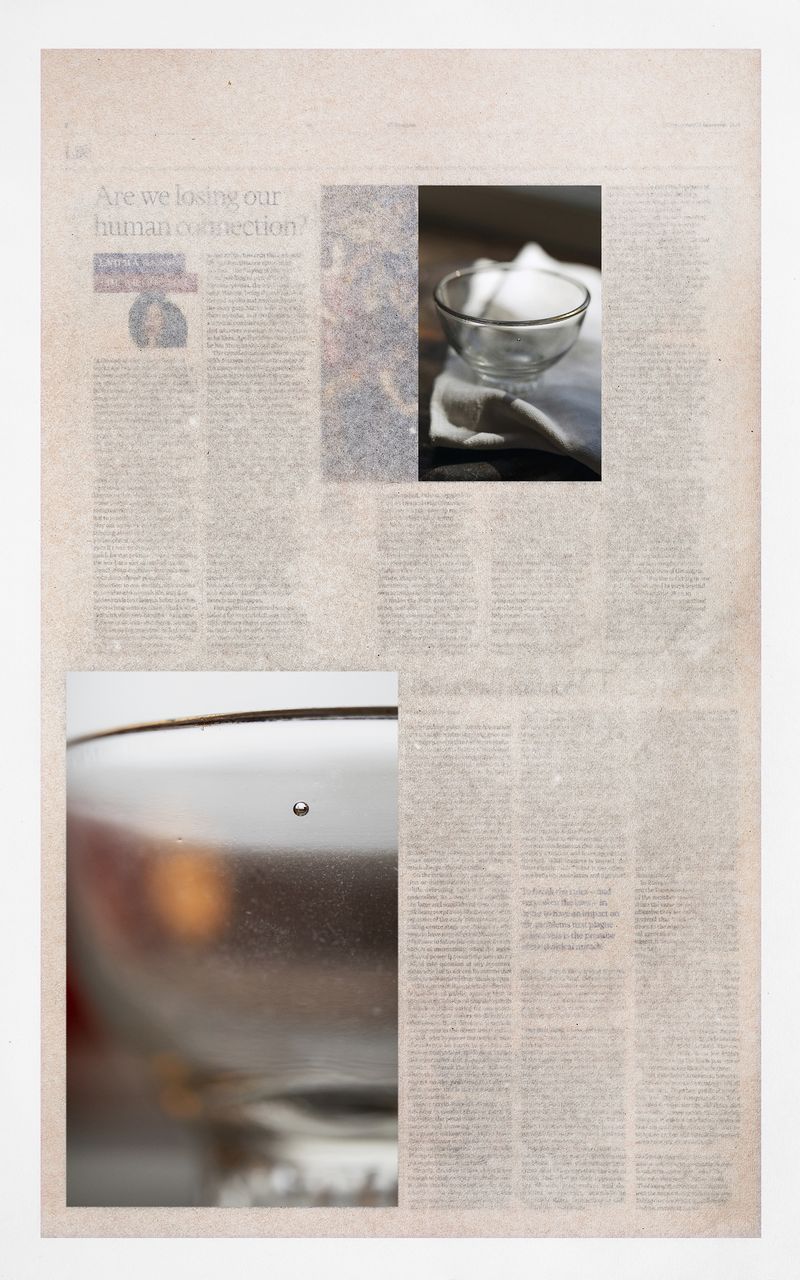
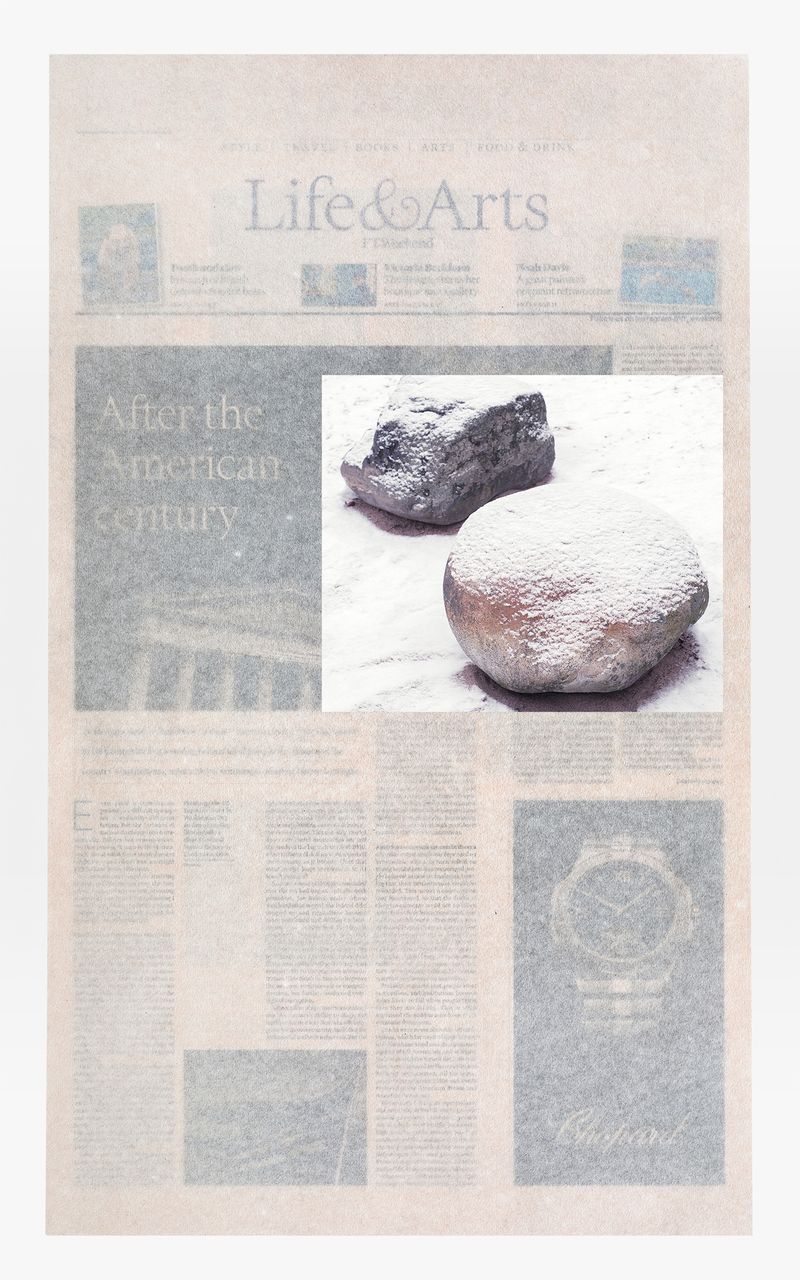
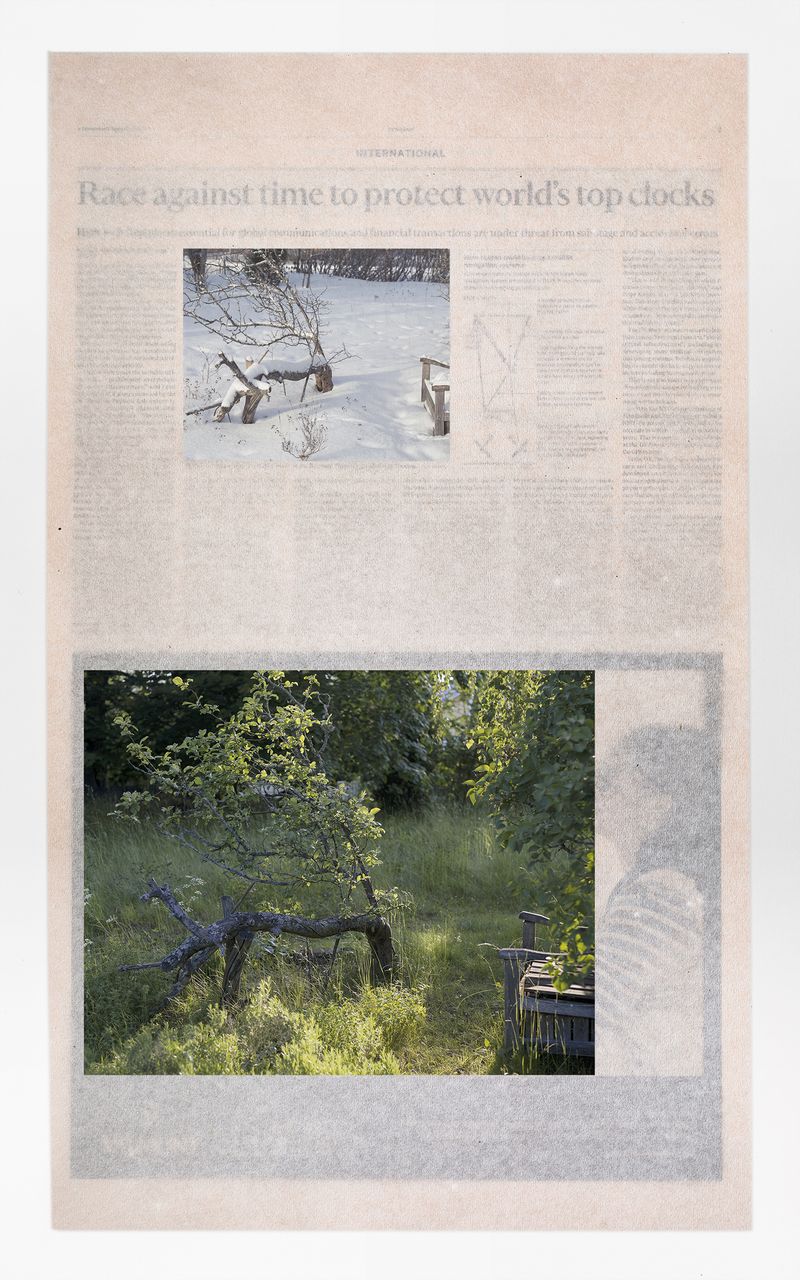
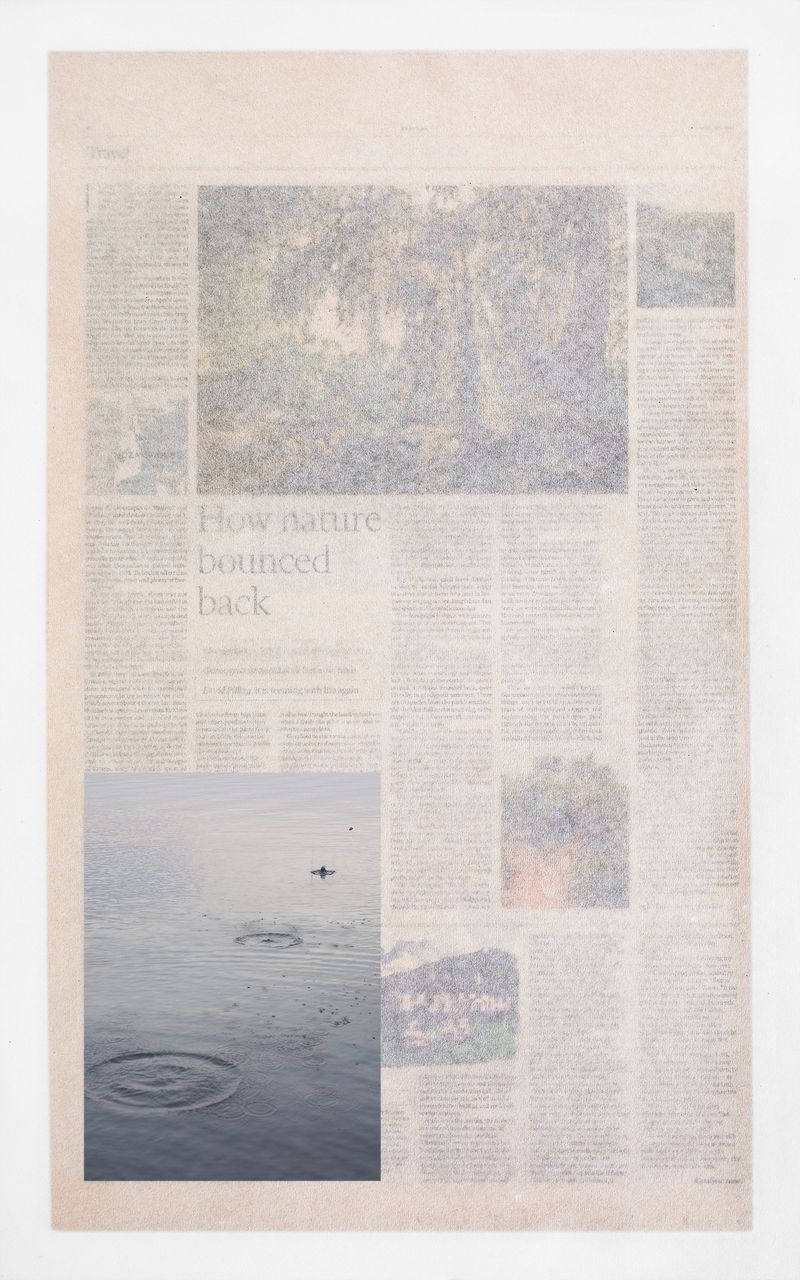
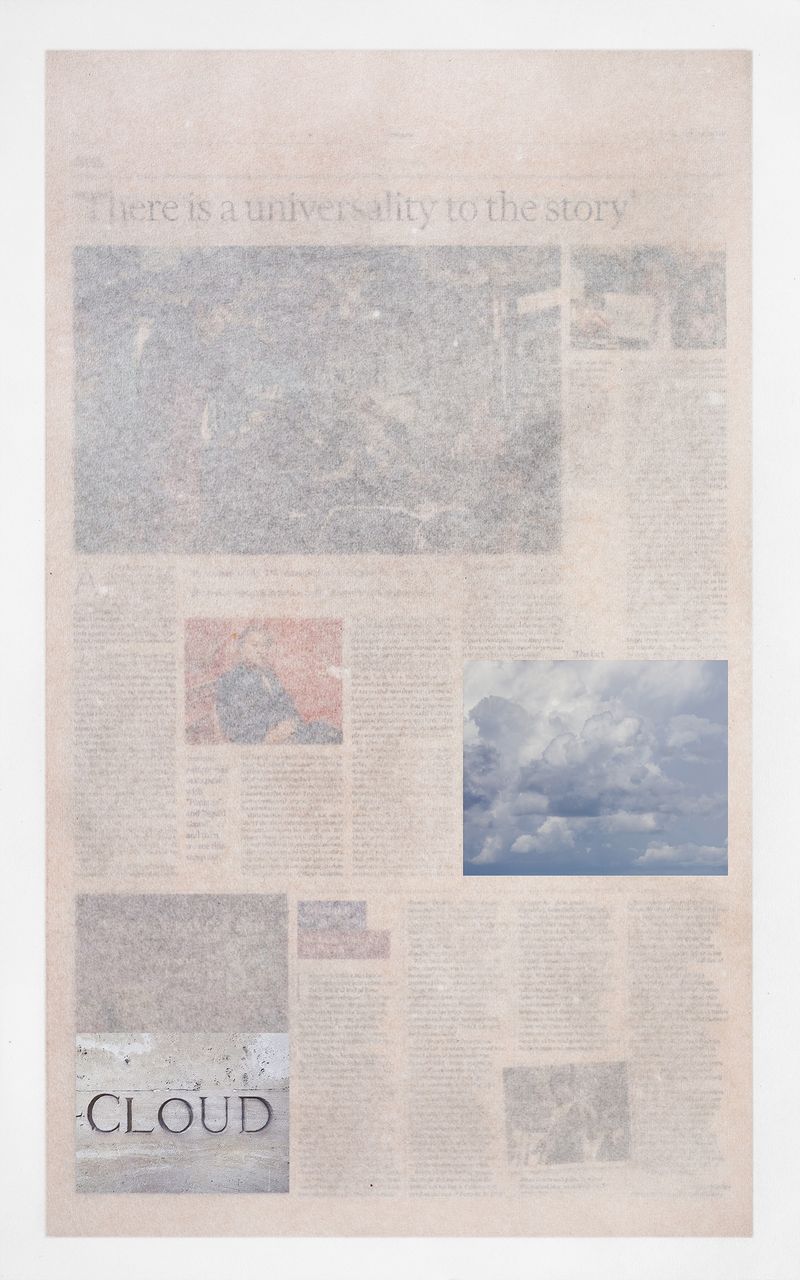
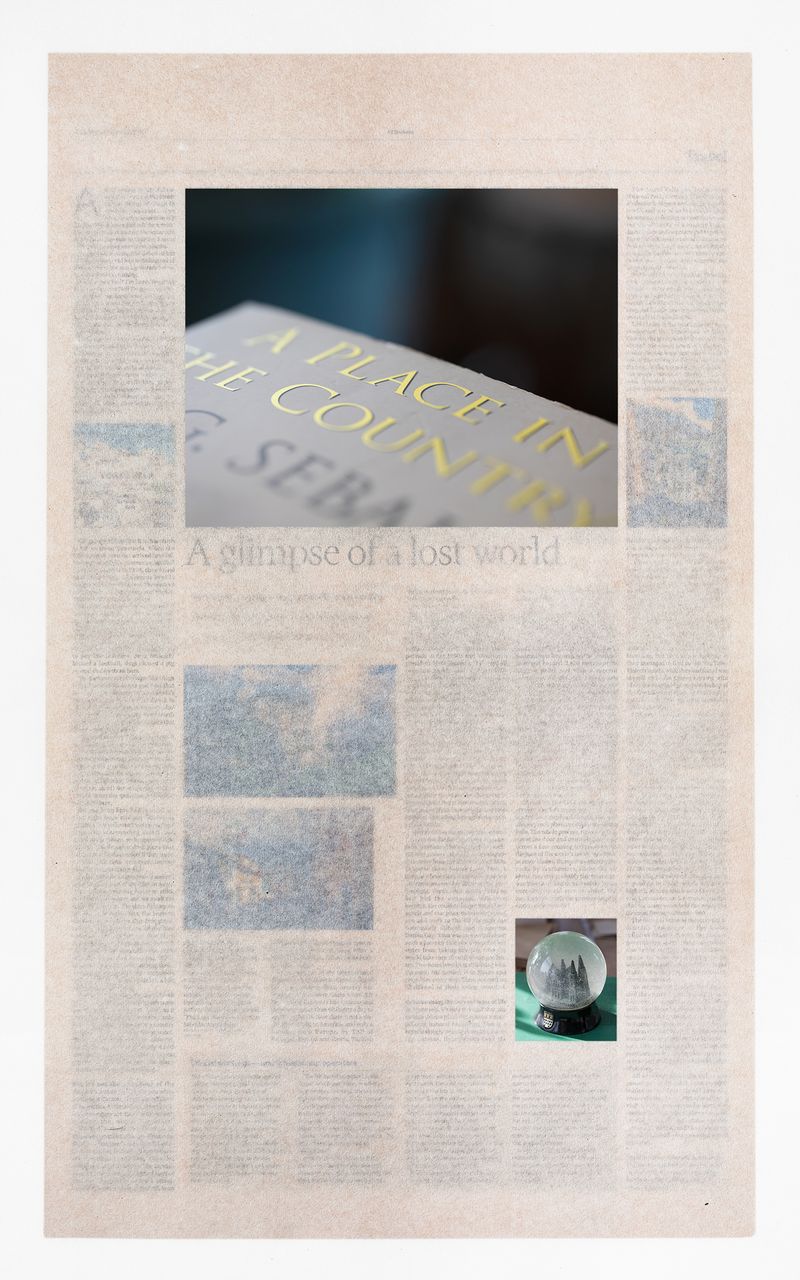
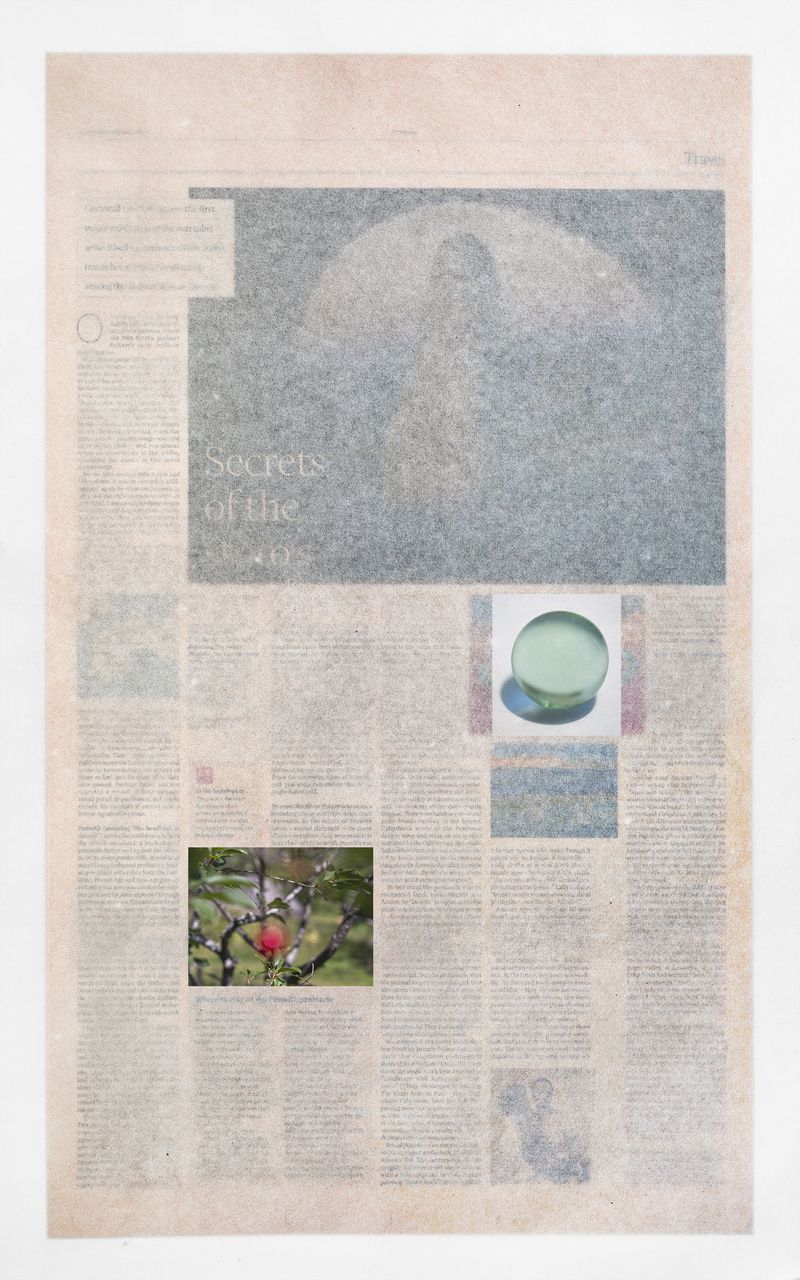
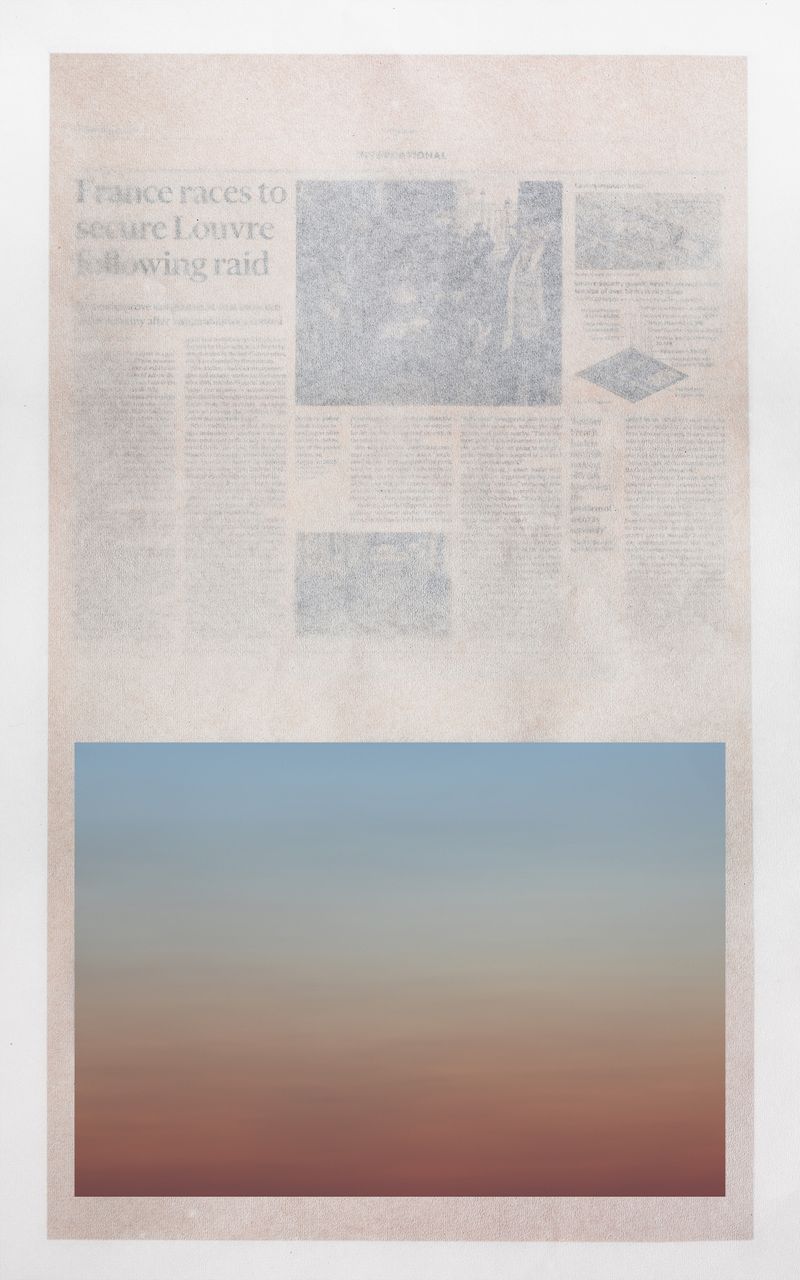
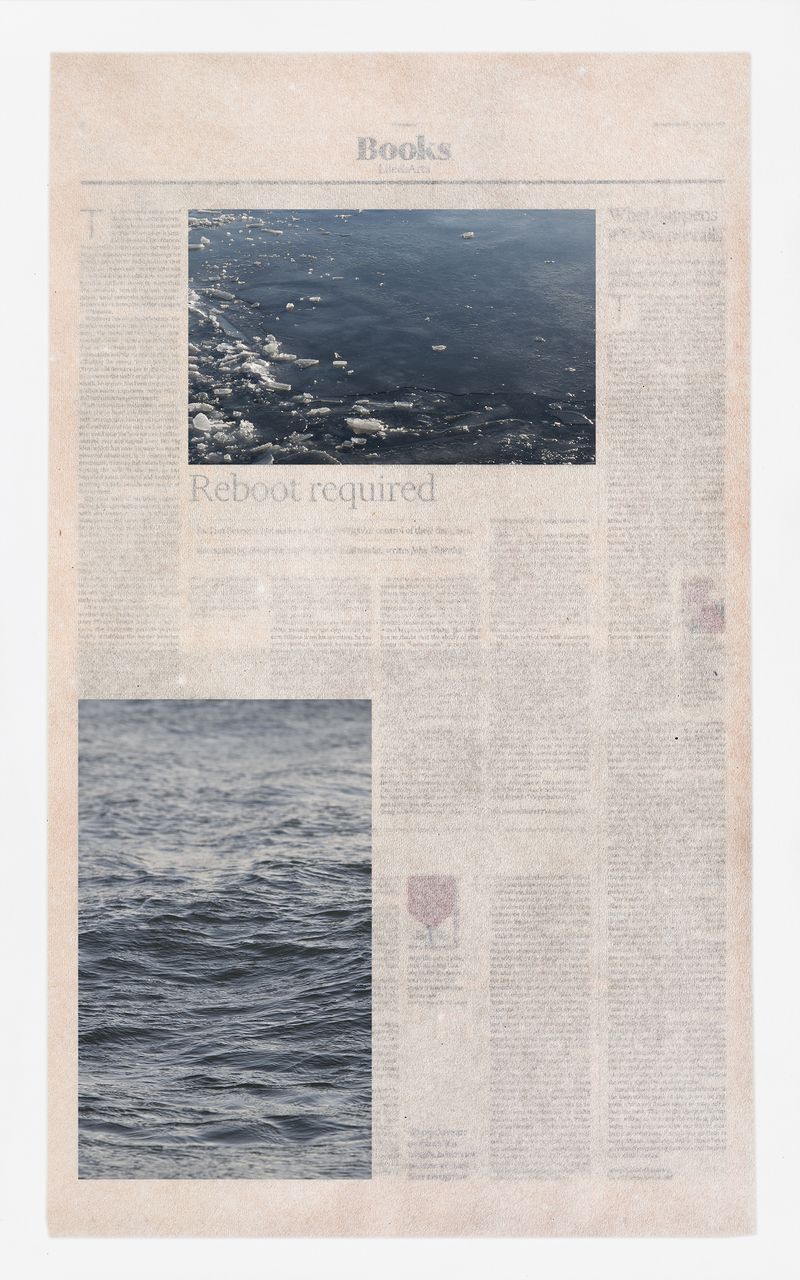
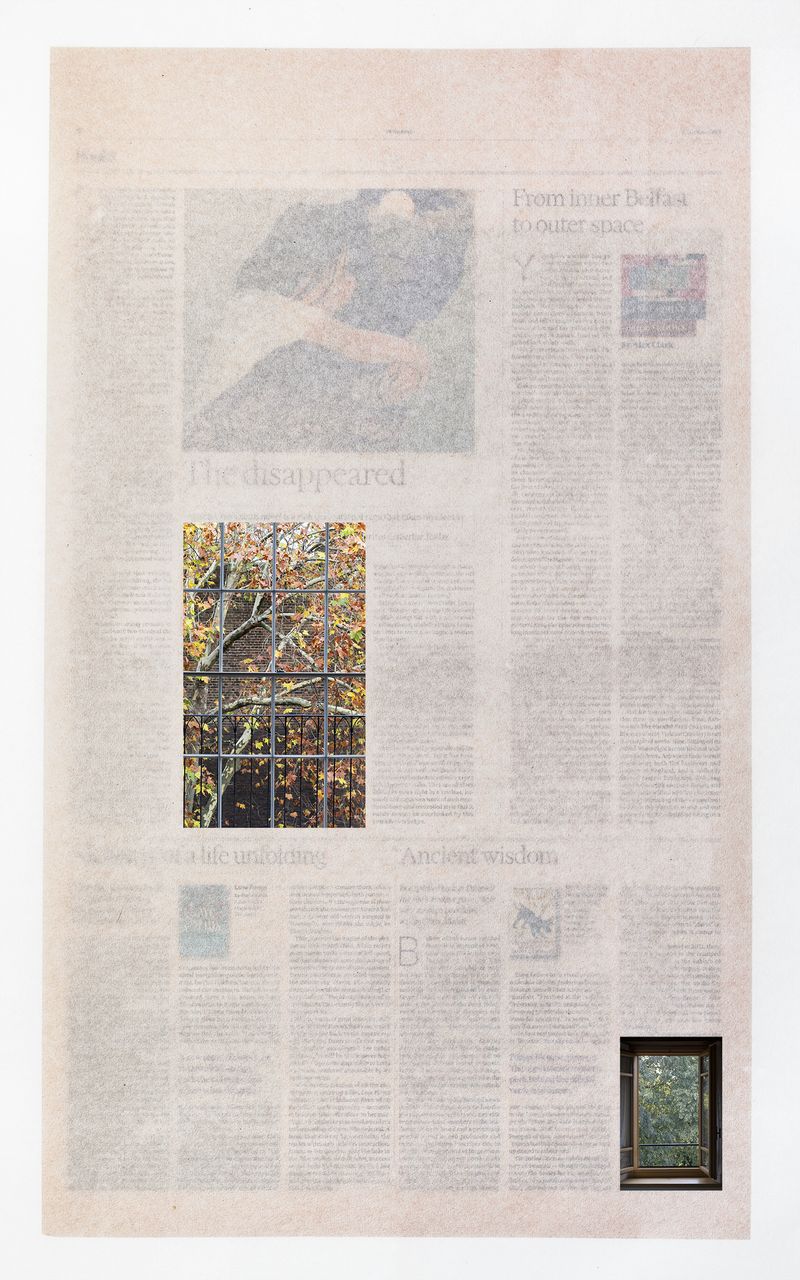
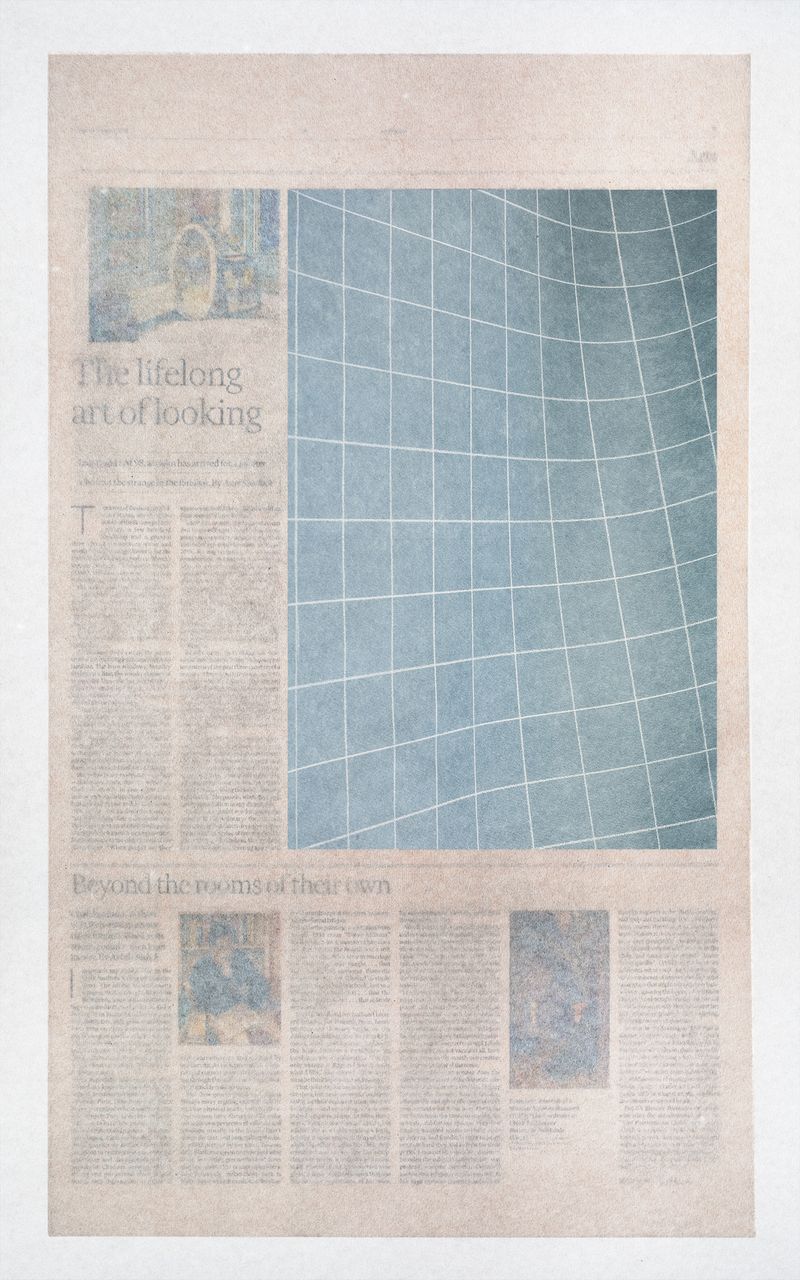
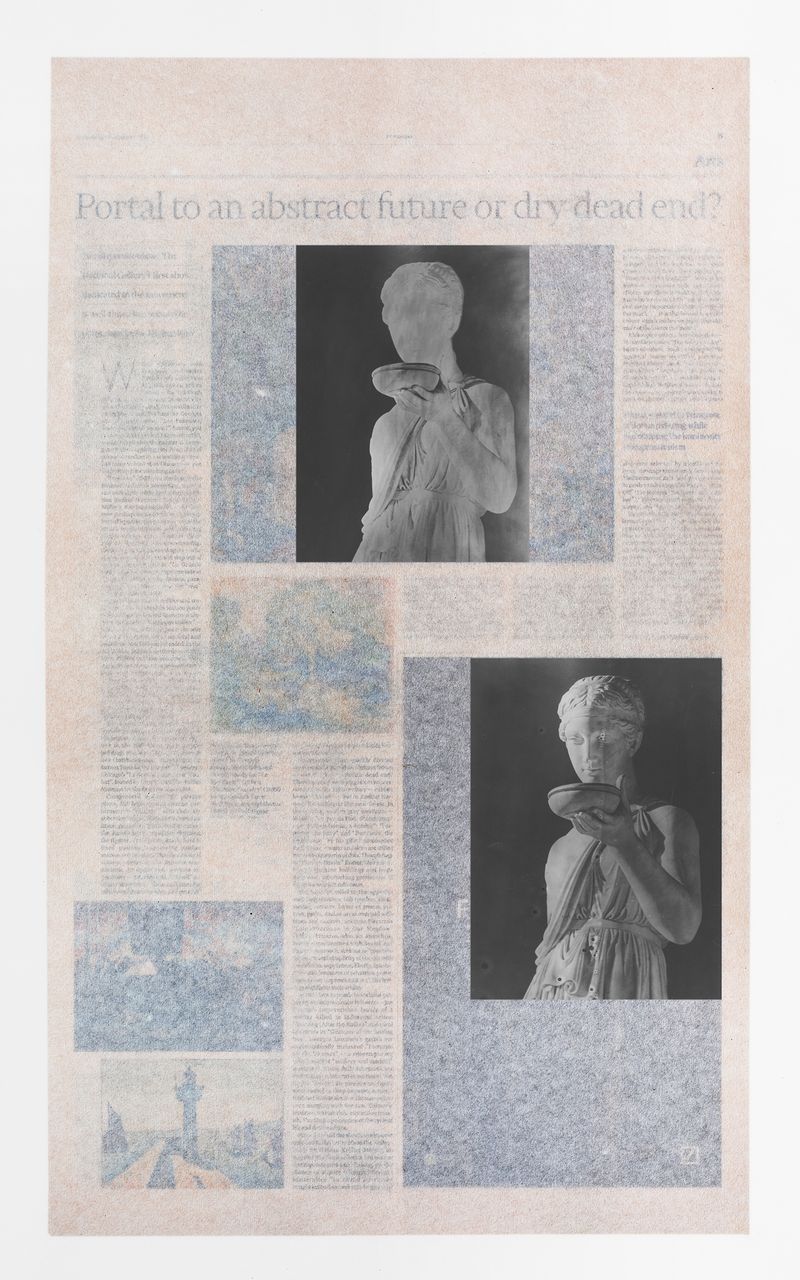
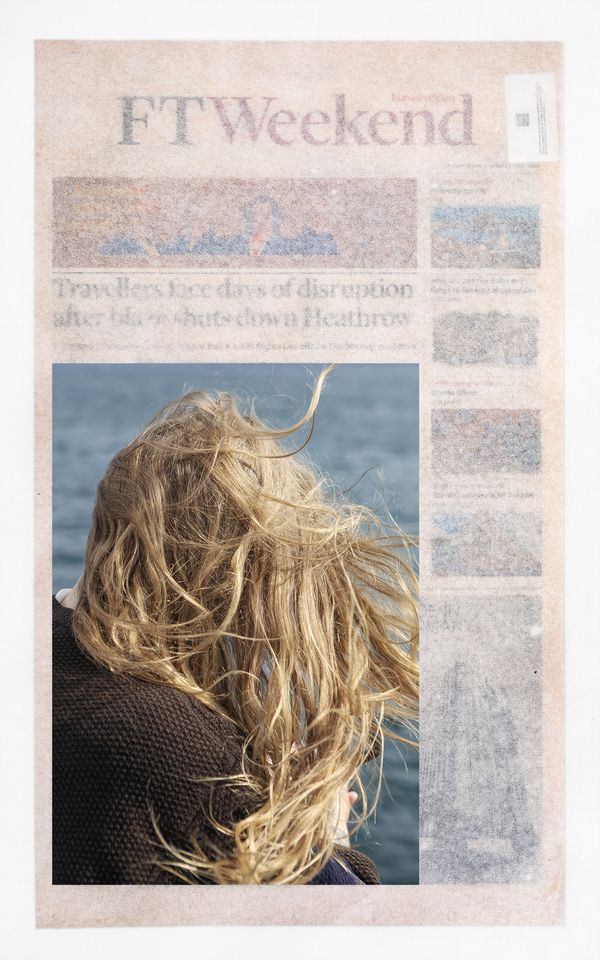
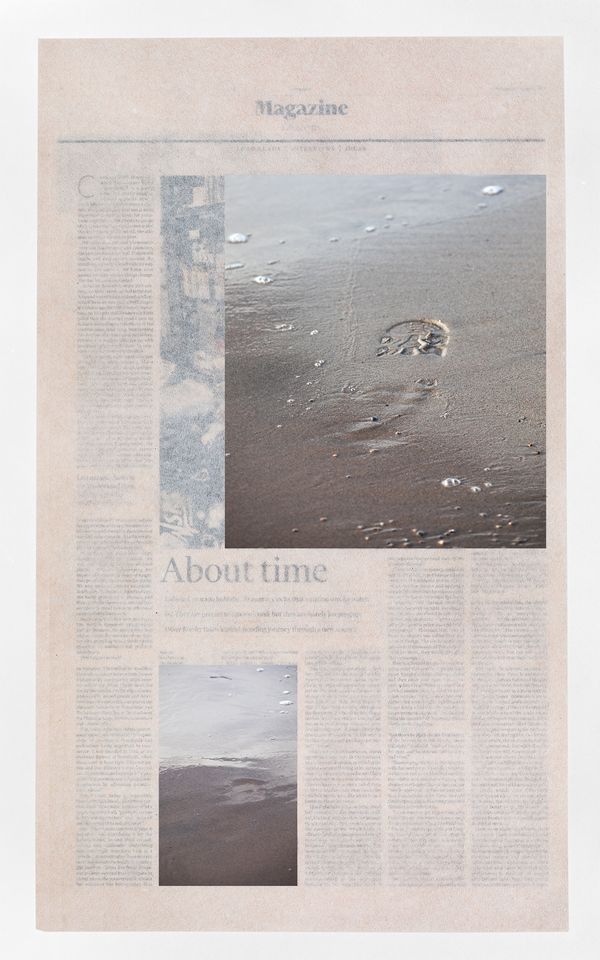
I have photographed pages of the Financial Times through washi, Japanese rice paper traditionally used in shōji screens to soften the light and withhold clarity. The washi covering the newspaper absorbs the noise of the news feed, gently dimming the echoes of the media landscape. Photographs of various natural phenomena, everyday routines and images resonating with the printed text appear atop the softened surface depicting and exploring themes of lightness, weight, duration, change and cyclicality.
The work juxtaposes two different notions of time: event-driven linear time and the cyclical time of natural phenomena. The fast-paced news feed chronicles events that ultimately shape our living environment. When these two modes of time are brought together, they generate new meanings and invite alternative ways of seeing the world through imaginative associations.
Cognitive Shift is grounded in experiences from recent years, following my move from the heartland into the hinterland.The shift in perception is rooted in the ideas of longue durée. As Fernand Braudel argued in the context of the term longue durée, focusing exclusively on short-term events, which he termed histoire événementielle (evental history), was superficial and misleading for understanding the deep drivers of history. Instead, meaningful historical dynamics are often obscured by the noise of immediate events and can only be perceived by adopting a long-term perspective.
The work is focusing on quotidian, slowly evolving and cyclical and is questioning the short-term, event-driven, or evental history (histoire événementielle). Braudel described the short term as "the most capricious and deceptive of all forms of time," suggesting that quickly observed events lack true explanatory power compared to the deep, slow-moving currents of geographical, structural and personal change.
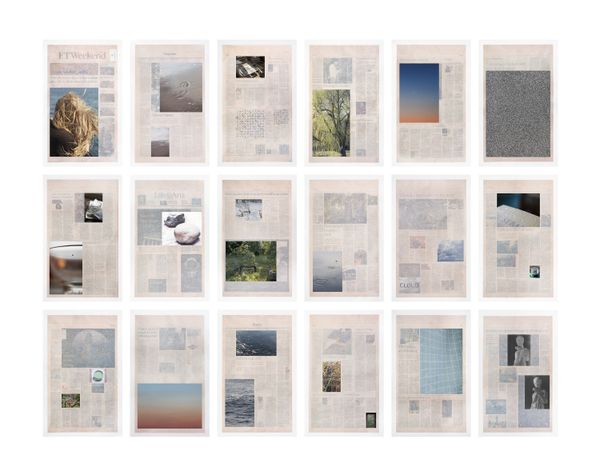
Each individual work corresponds in size to a page of the Financial Times Europe edition (56 x 33cm). The project unfolds over several years. Every year will comprise 52 prints. Works will be hung as a grid. When complete, the installation assumes monumental dimensions. It seeks to suggest the possibility of something new emerging through imaginative associations and sustained attention over time.