Cochlea

-
Dates2024 - Ongoing
-
Author
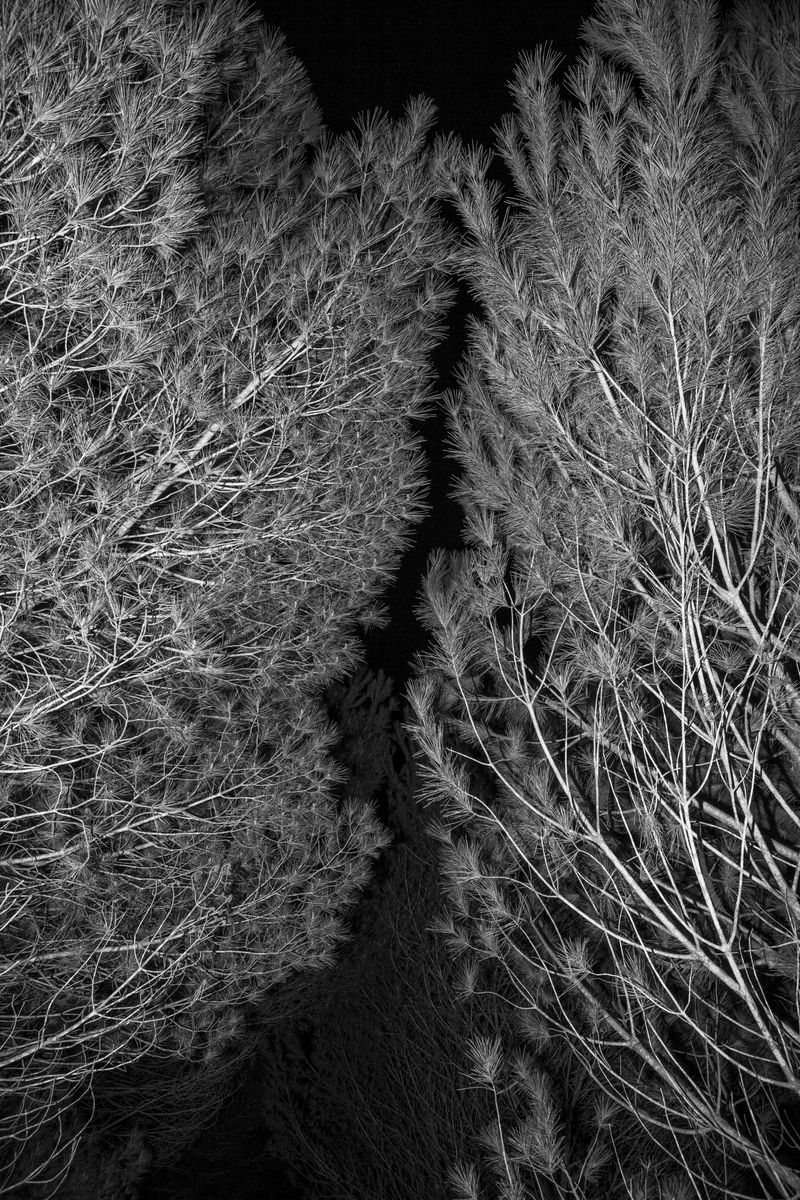
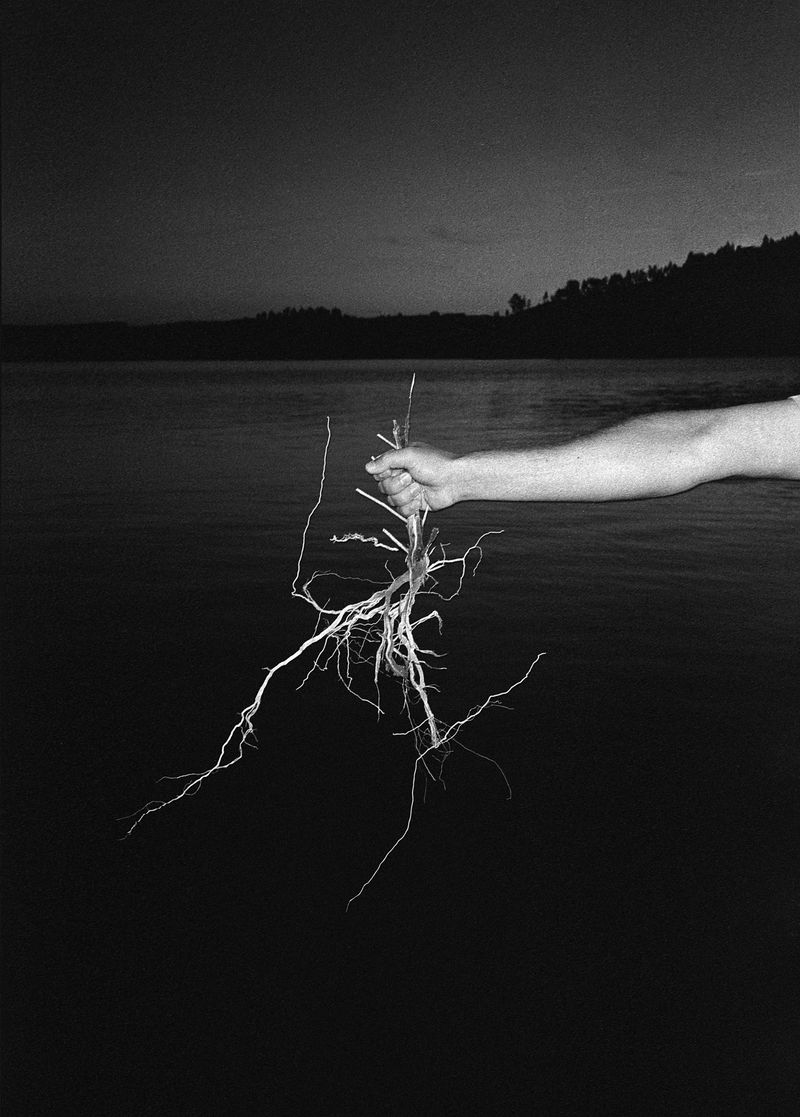
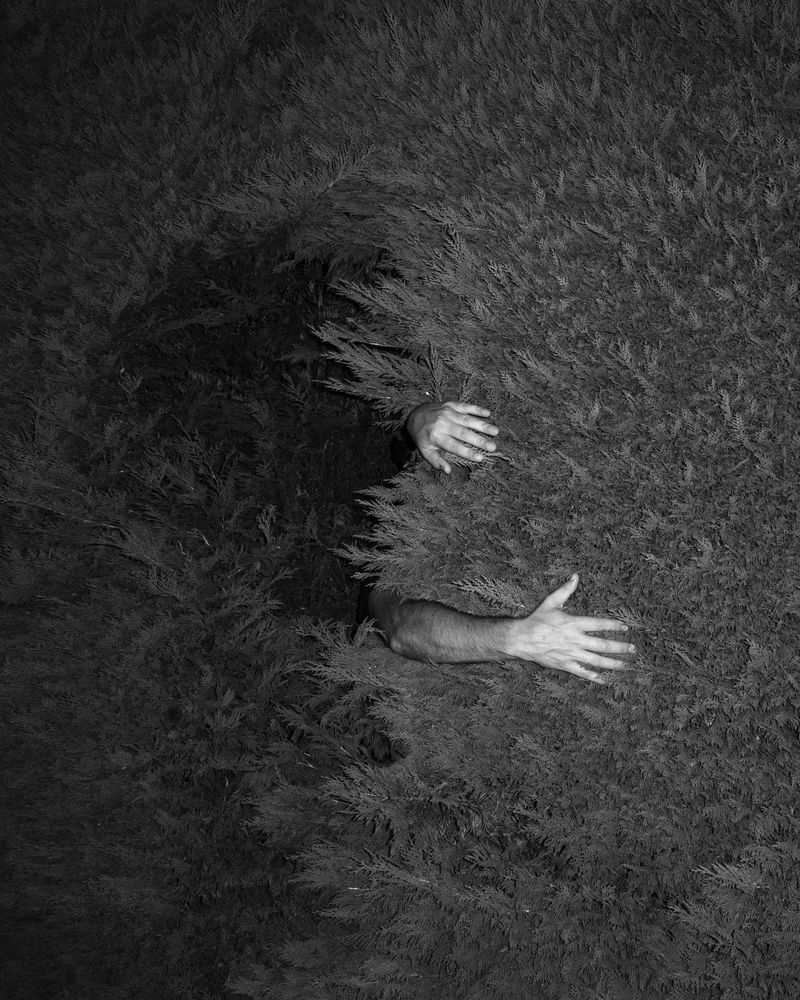
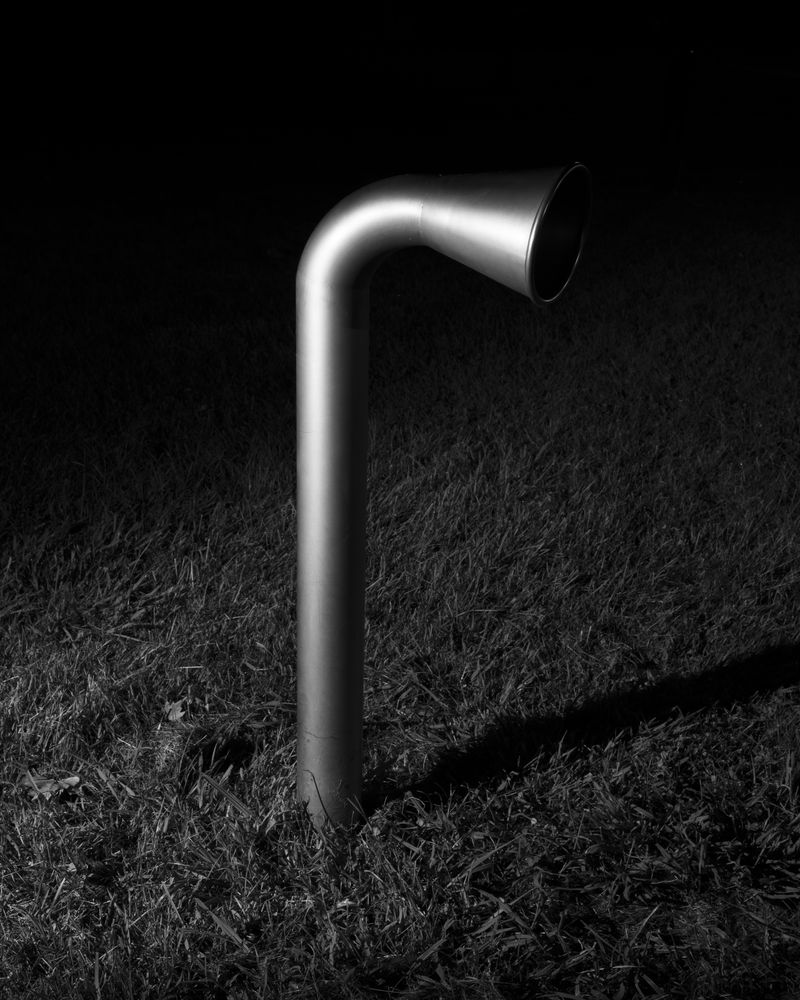
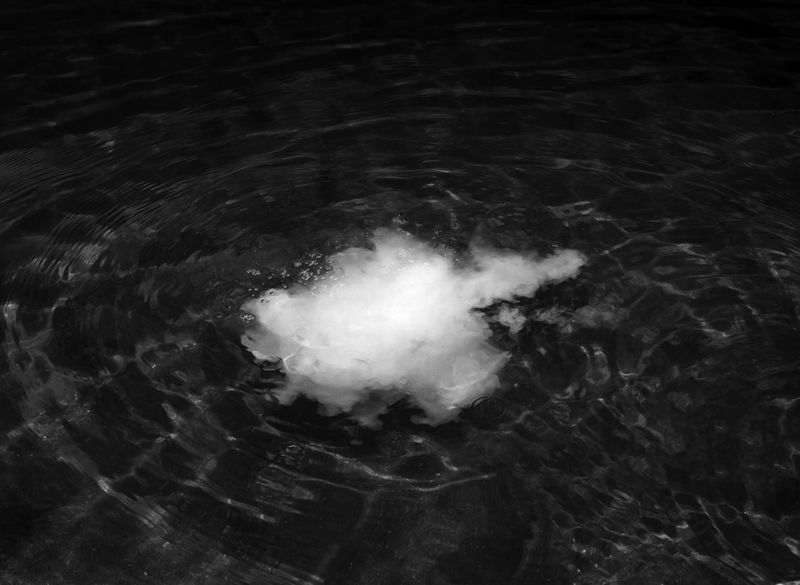
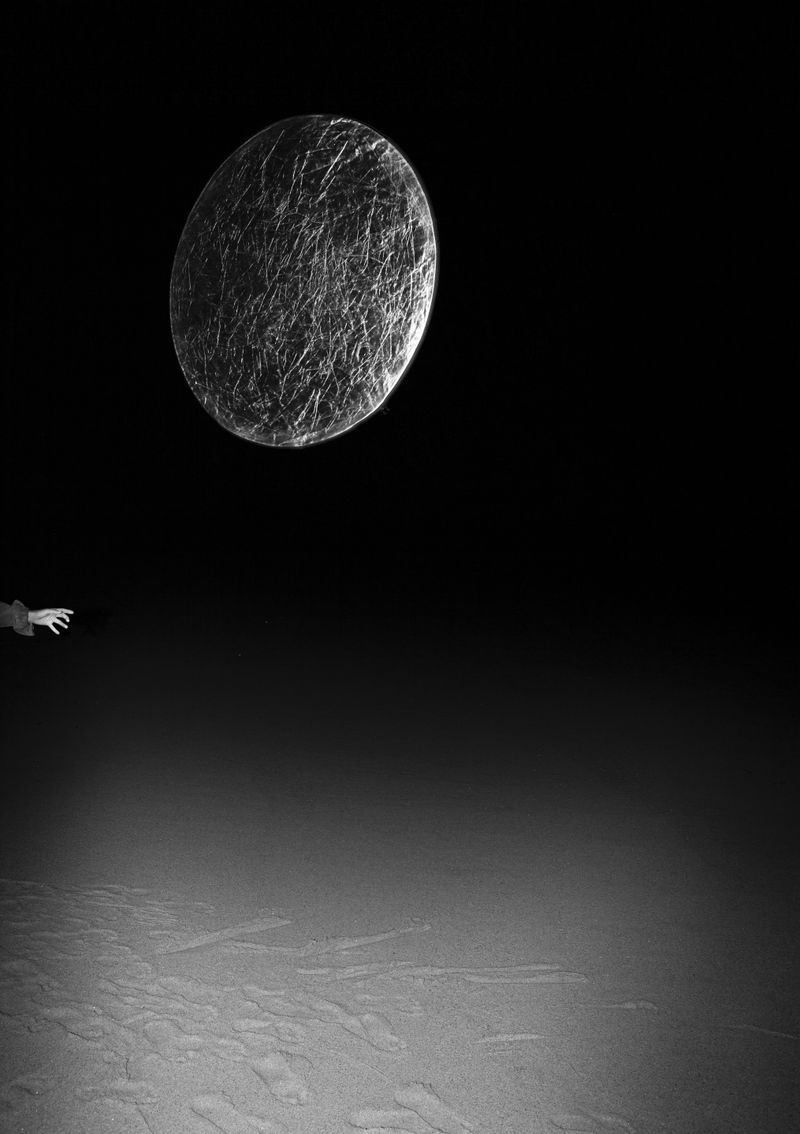
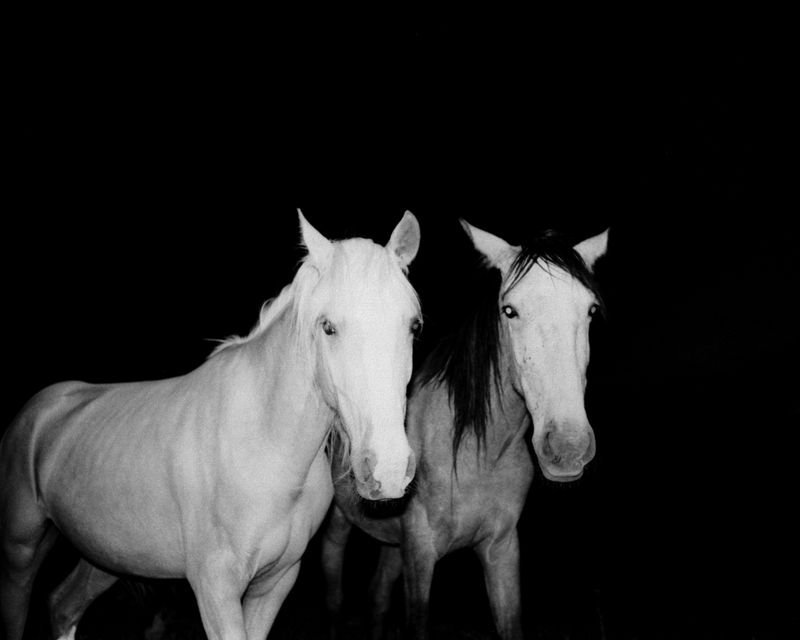
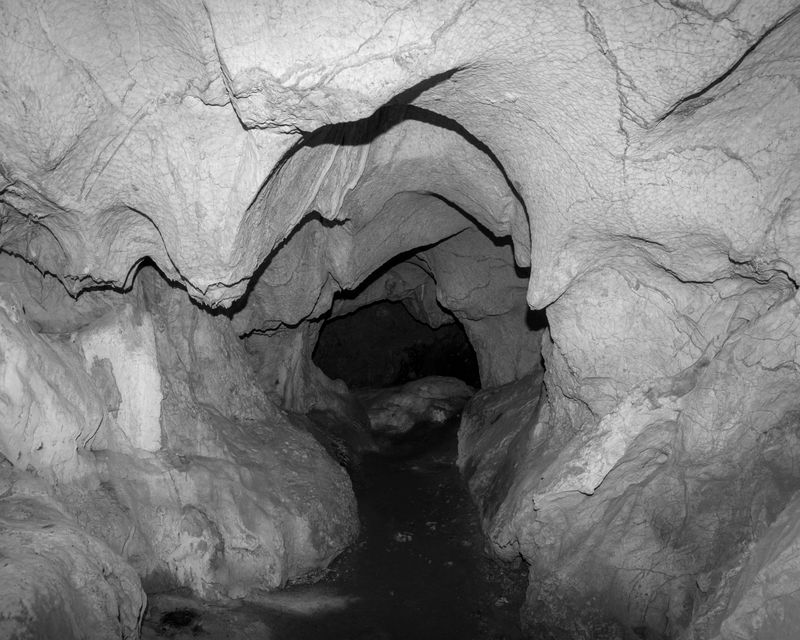
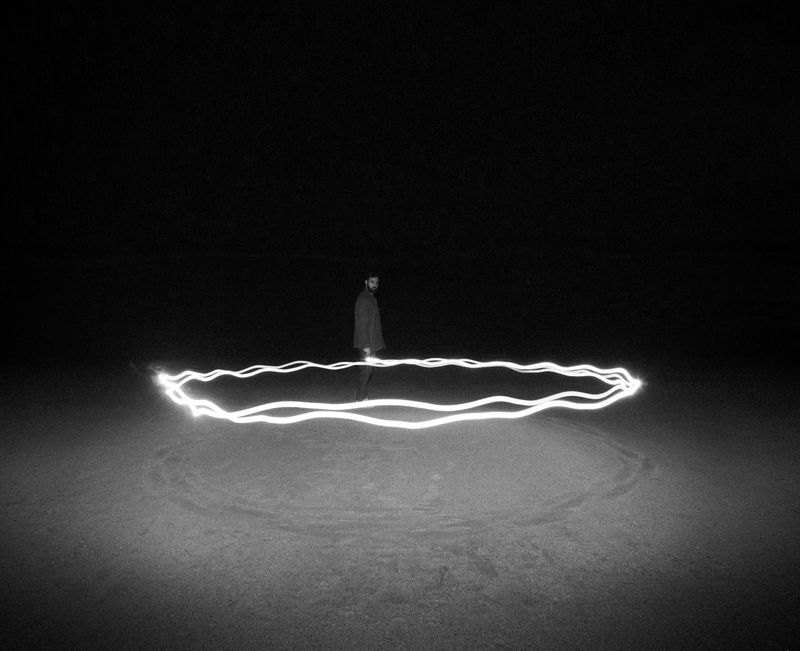
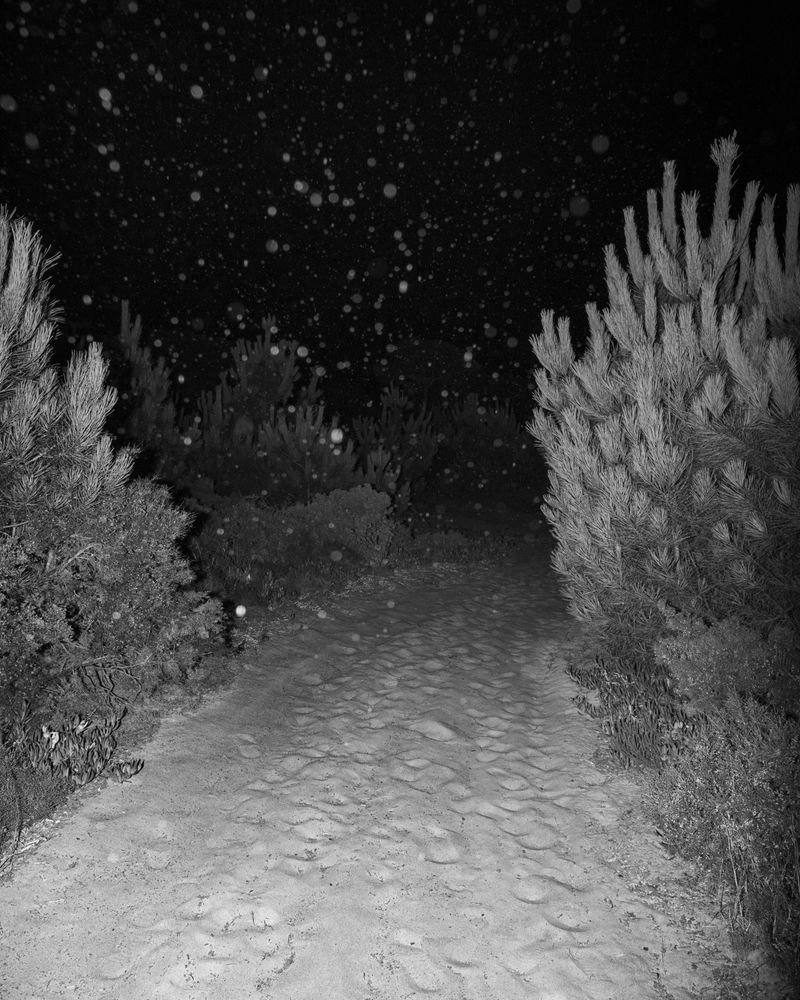
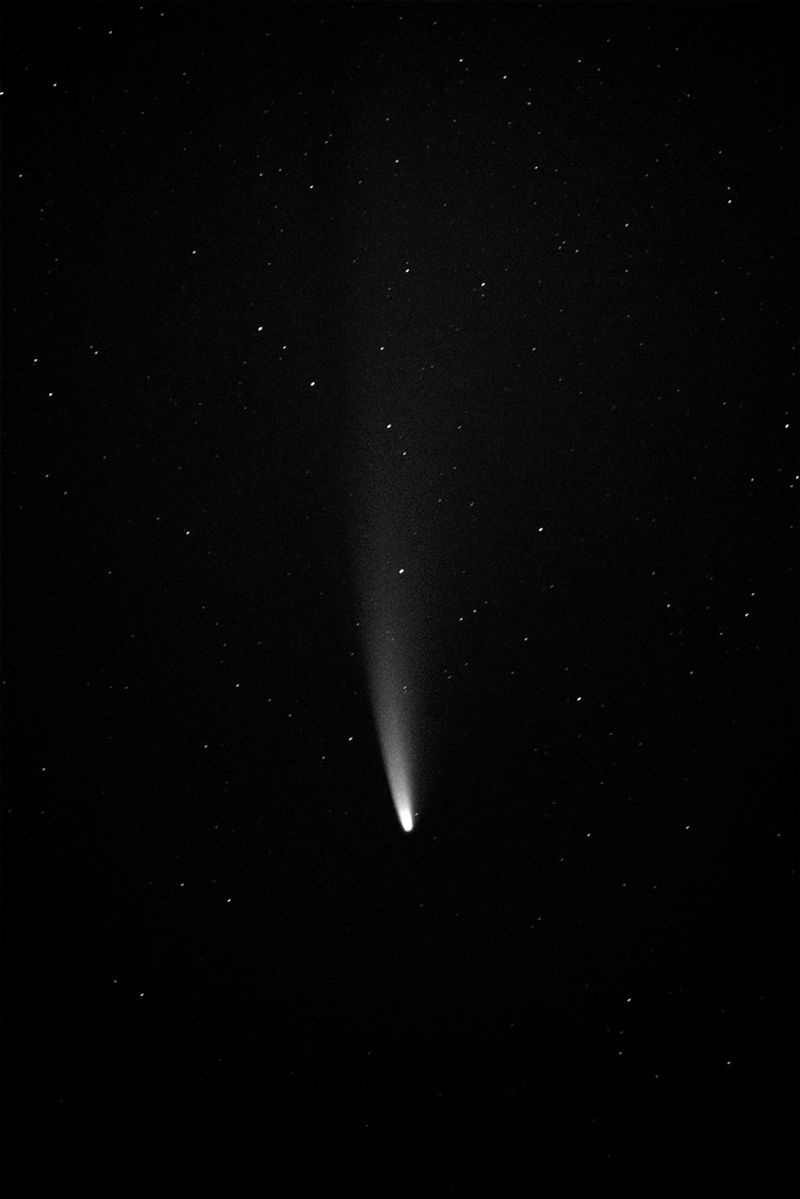
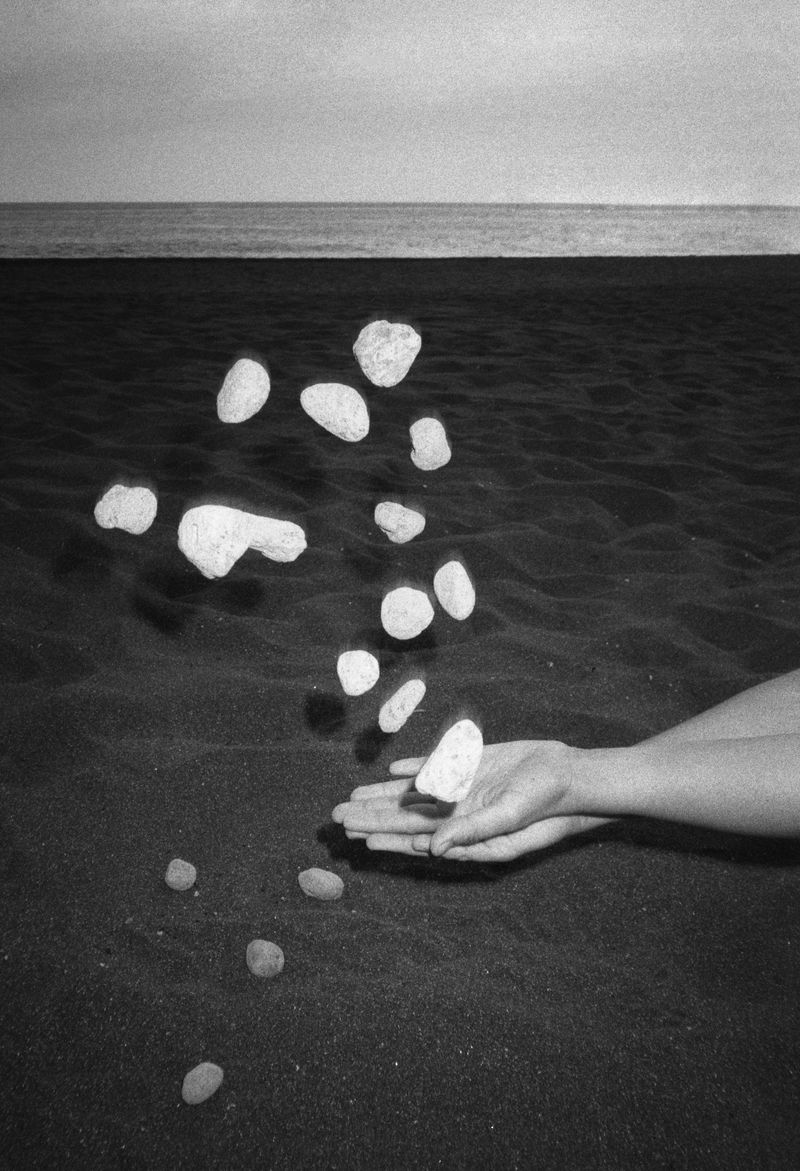
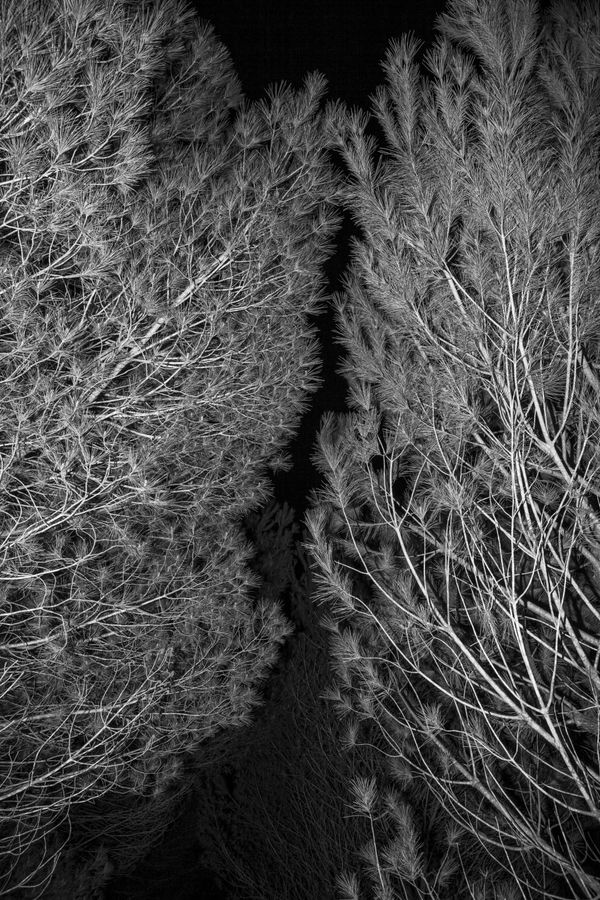
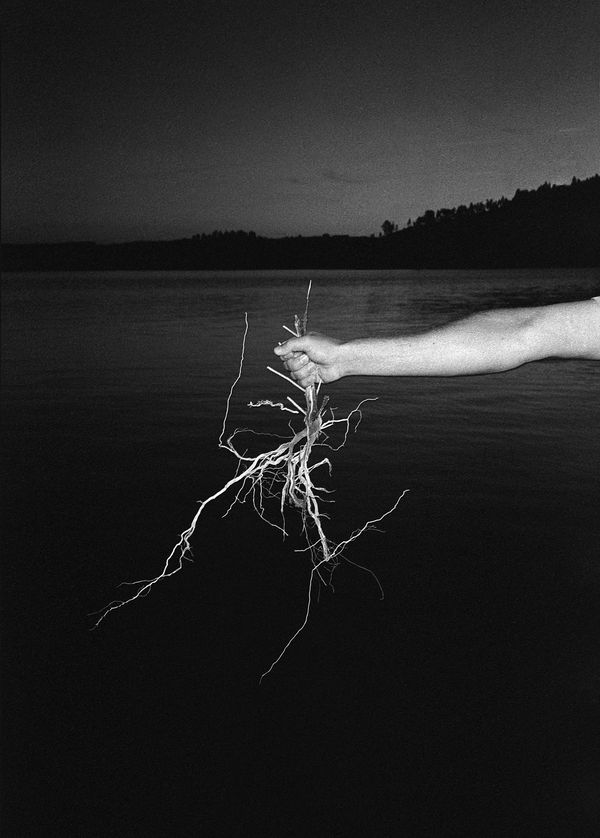
Cochlea, explores narrative fragmentation, creating images that evoke, in a poetic, dreamlike way, a displacement and transience of landscapes, proposing photography as a kind of portal, a mirror that distorts and amplifies human perception.
COCHLEA
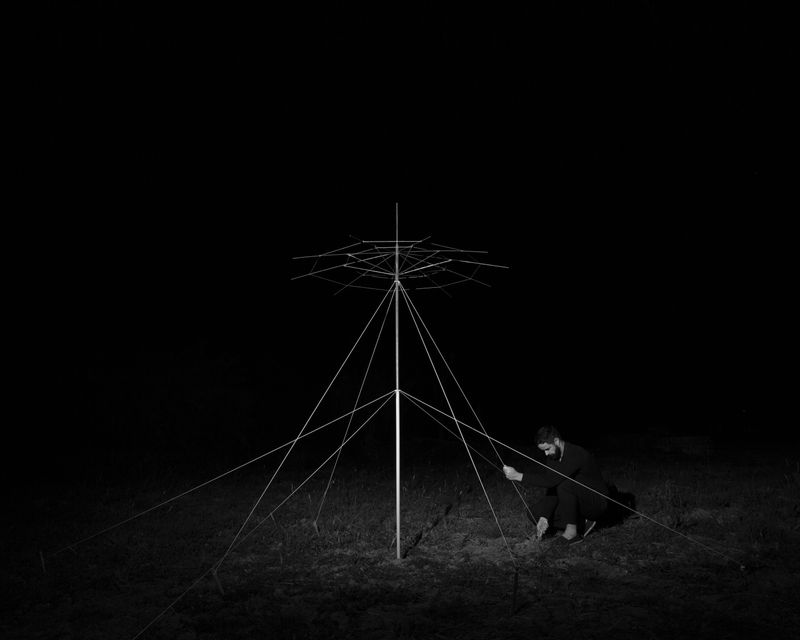
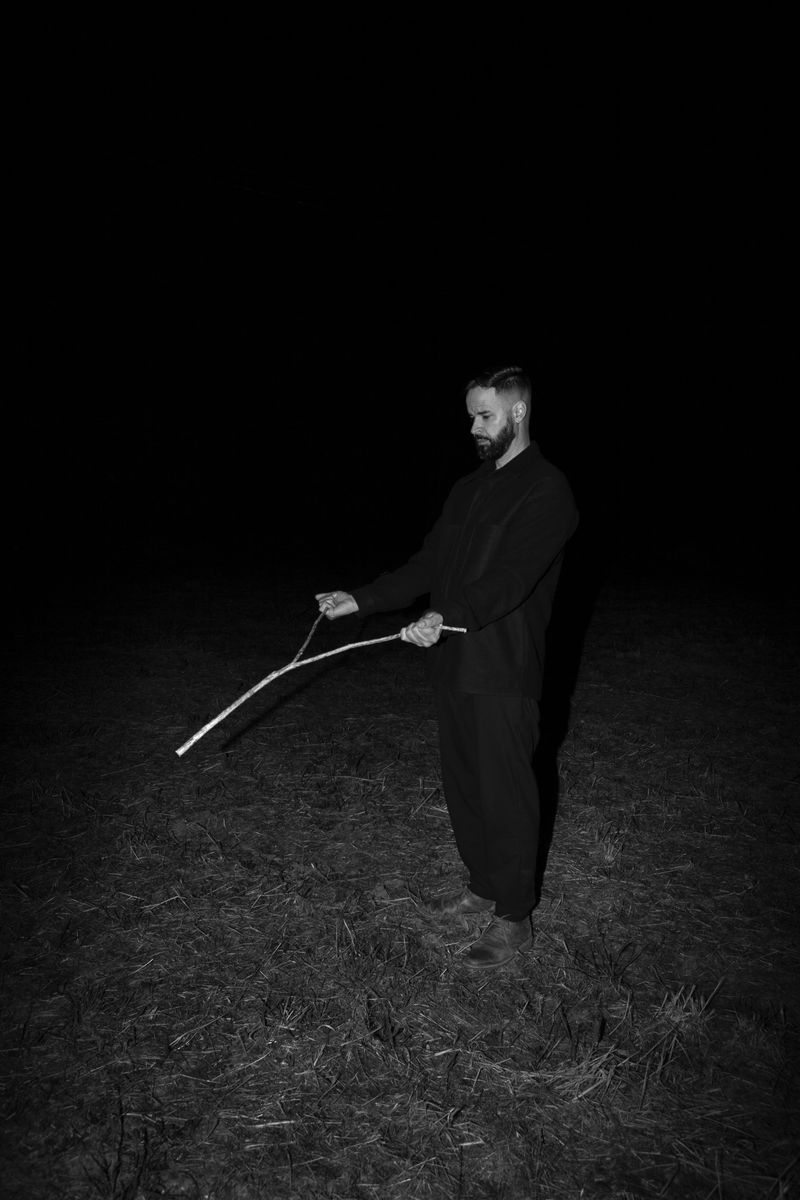
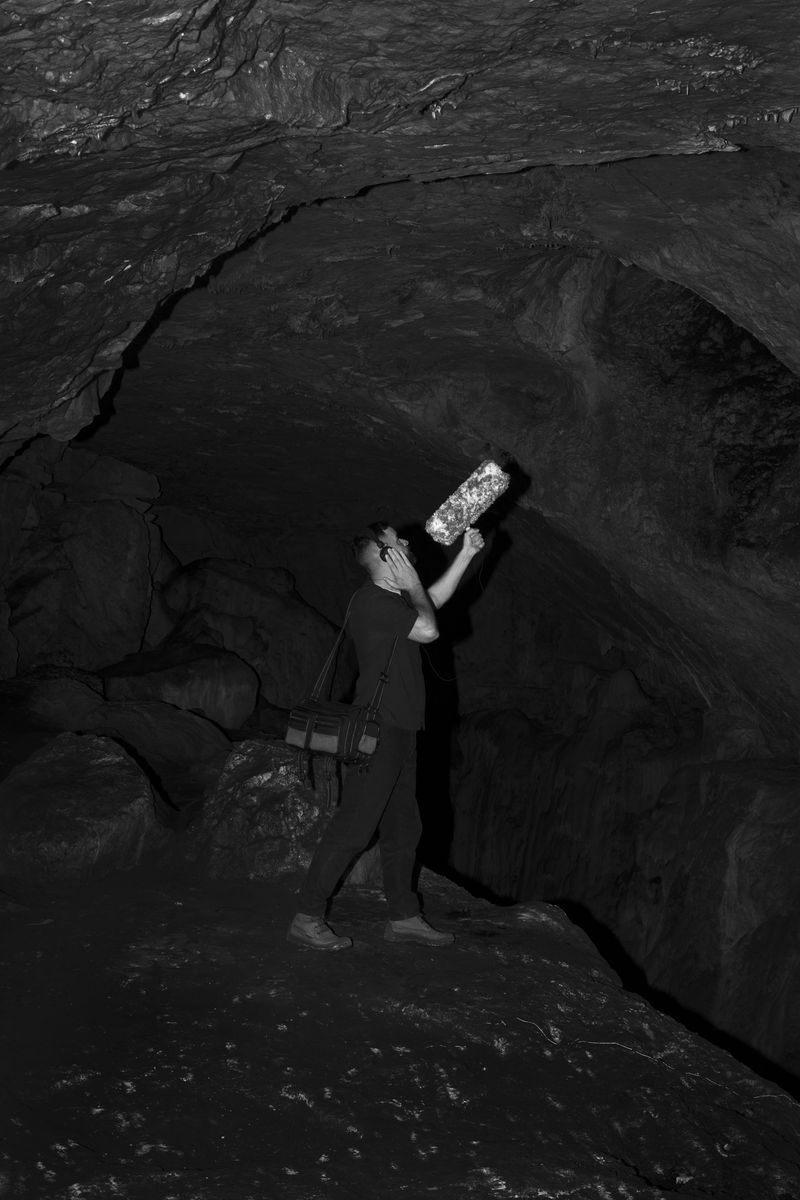
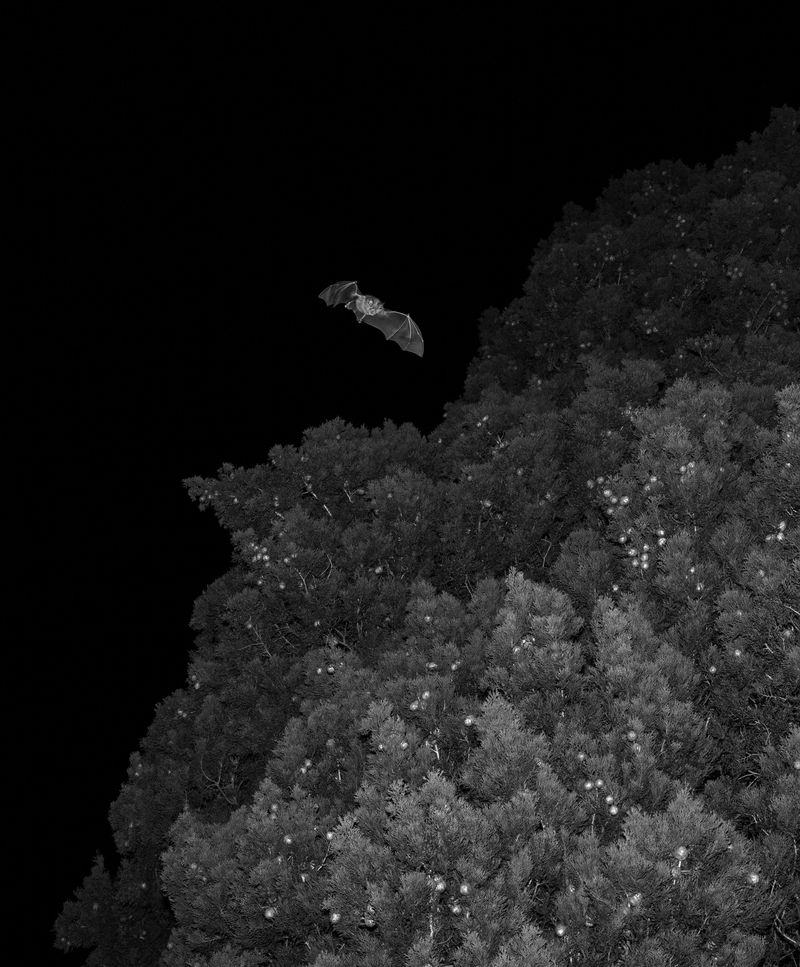
The title refers to the intricate spiral-shaped structure of the inner ear, responsible for detecting sound frequencies, which are essential for auditory perception. Filled with fluid, the Cochlea contains tiny hair cells that convert sound vibrations into electrical signals, which are then transmitted to the brain via the auditory nerve. In fact, the author uses the term to allude to the murmur of the imperceptible forces of the Earth's geological systems operating above and below the surface. Cochlea springs from the battle between blindness and sight, interior and exterior, darkness and clairvoyance, the human and the unnamable, day and night. In the dark, the eyes adapt, the ears sharpen and what we think we know escapes our grasp. The events that mediate this project, often devoid of context, provide a new form of experimental sensory understanding. The author, armed with detection instruments, travels through woods, rivers and mountains in search of the subliminal frequencies that are usually masked by the cacophony of human activity. Faced with the unknown, it is the fauna and flora that inform him of the denial of the anthropocentric order of the world, where the conviction of the human, of the uniqueness of what we are, is called into question. Cochlea, as a perceptual prosthesis that expands human perceptual capacities, proposes an experience of reality that transcends traditional knowledge structures.