Children of the Snowy Peak
Set in Dzongu Valley and along the Teesta River in Sikkim, India. It explores the indigenous Lepcha community worldview. Where ancestral myths, beliefs, and oral stories intertwine with present realities of nation building, capitalism, and climate change.

A vague memory: In 2007, I witnessed a group of people sleeping beside a road in protest. I looked, then walked away. I was a youth, drawn towards the big city lights and the promise of freedom. Years later after returning home, with questions of my identity and uncertainty. I realized how little I knew of myself and my homeland. The language that I spoke in was of someone else. Someone asked me once, “If you don't speak in both your father and mother tongue, in what language did you communicated in your dreams?”. The answer was ambiguous, but the question lingered and made me self-reflect about my own voice. My voice as an indigenous person returning to this place I called home.

This journey of self-reflection and rediscovery pulled me into the mythical and spiritual world of my community. A minority Indigenous community from the eastern Himalayan region of Sikkim, India, who worship nature and live with deep reverence for their land, Where the river is a sacred pathway, the mountain, the guardian creator and a place of return, and which people feared, loved and have protected for generations. And eventually led to environmental conservation, and protection of ecology in Sikkim.

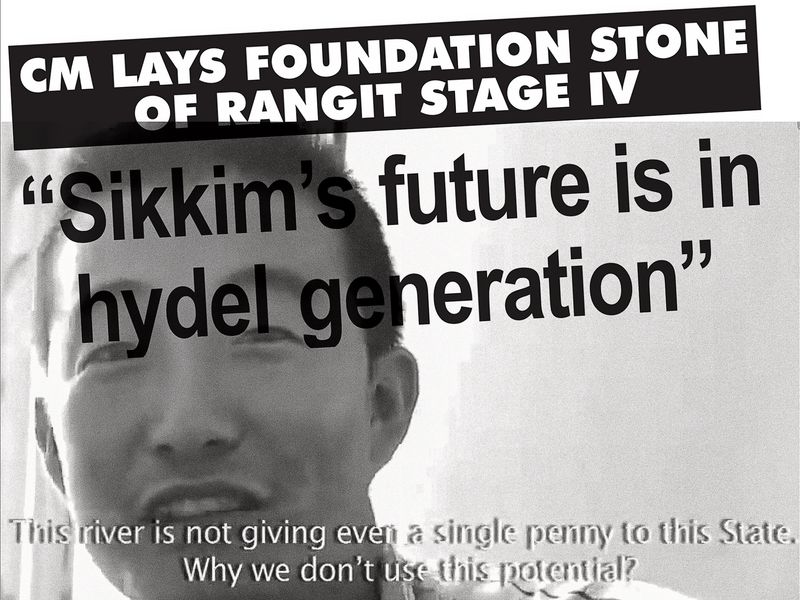
My current work focuses in Dzongu Valley and along the Teesta River, in Sikkim, India. Dzongu, nestled within the Khangchendzonga Biosphere Reserve has been a Lepcha protected area since the 1950s, officially declared by the King of Sikkim. But after Sikkim's annexation by India, this once tiny Himalayan kingdom, subsumed with the larger idea of nation building as an Indian state strategically bordered with Tibet-China. Its identity was reshaped within the Indian nation-state, spurring rapid development. And hydropower projects were initiated rampantly across Sikkim. The Teesta, a transboundary river traversing Sikkim, West Bengal, and Bangladesh became a major site of exploitation. In 2023, a Glacial Lake Outburst triggered devastating floods, overwhelming the 1200 MW Teesta Stage III plant in Chungthang, North Sikkim. It was one of the biggest dams built on the Teesta River.

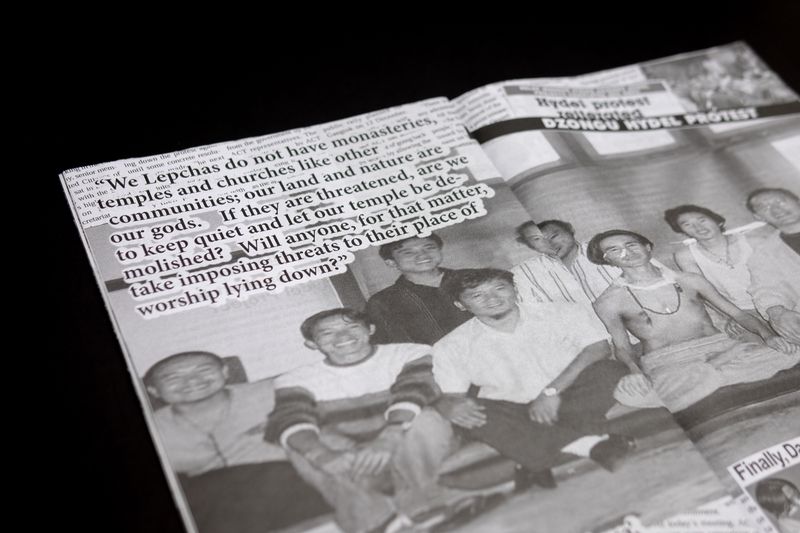
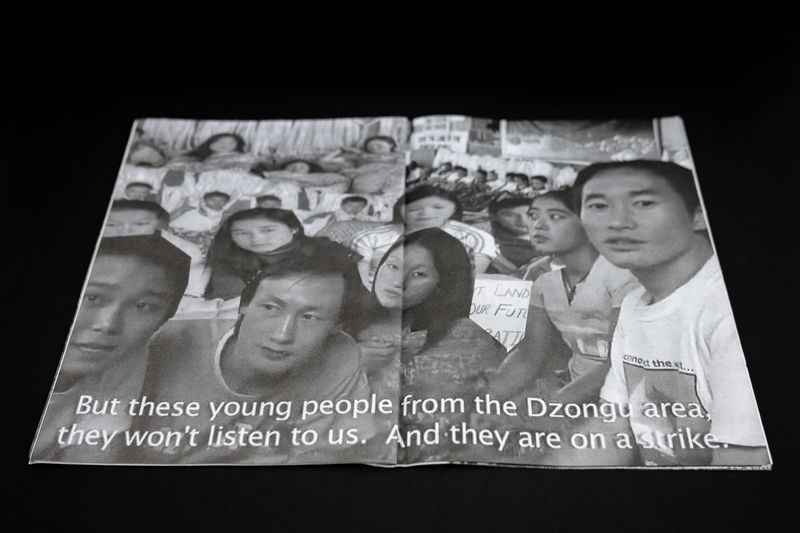
This danger was long forewarned. In the early 2000s, activists from the Affected Citizens of Teesta (ACT), and from Dzongu, Sikkim, began the “Save Teesta” movement. And after a three-year relay hunger strike, five projects in Dzongu were scrapped. And the struggle continues against the remaining projects inside Dzongu.

The ‘Save Teesta” movement became a significant moment in the history of Sikkim, India.

Children of the Snowy Peak is an ongoing experimental multimedia project born from my personal journey of rediscovery as an Indigenous Lepcha person returning home to Sikkim after years of distance and disconnection. Started in the year 2019, this work focuses on my community’s ancestral and collective memory and mythology, it navigates Lepcha cosmology, where nature, myths, and stories co-exist in sacred harmony.
Through photographs, sound, text, archives, and community collaboration, it explores the in-between spaces where spiritual beliefs and lived reality blur. ​By drawing from oral traditions, ancestral knowledge, and environmental movements like “Save Teesta,” this work reflects on identity, resilience, myth and our sacred relationship with the land. Based on memories passed down to us through oral stories and ancestral mythology, and those shaped by our current reality, standing at the edge of nation-building, capitalism, and climate change. It is an attempt to invocate the collective memory of our past, present, and the unknown.
© Kunga Tashi Lepcha - Image from the Children of the Snowy Peak photography project
i

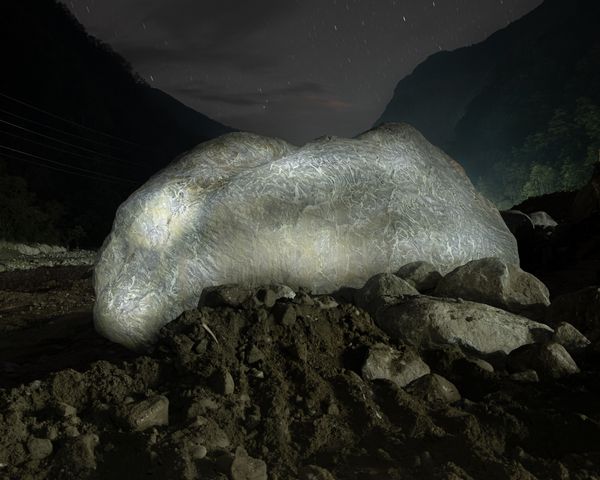
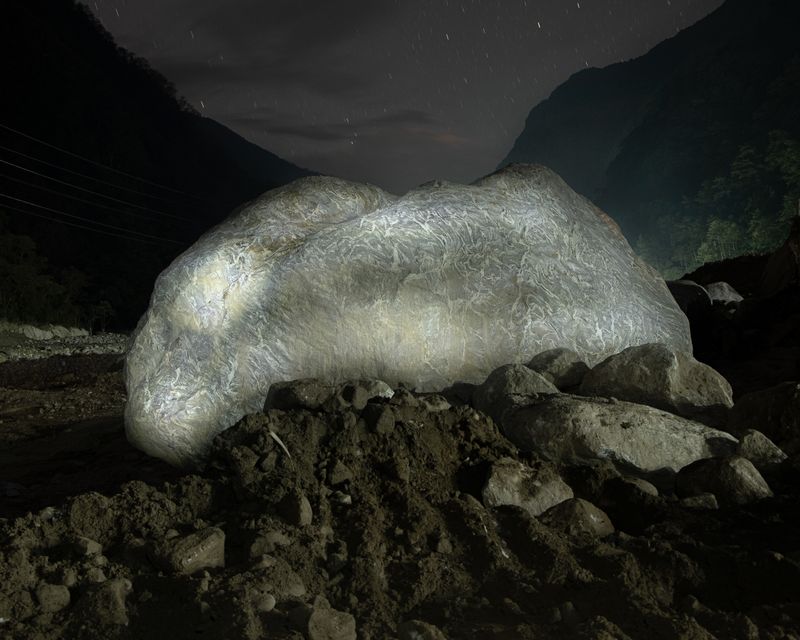
A boulder brought down by the 2023 Glacial Lake Outburst and Flood along the Teesta River. In Lepcha cosmology, the community sees the lands and its surroundings in an animate form, and a deity living among its sacred landscape. Hence, lakes, forests, mountains, etc., are admired, worshipped, feared and have been protected from time immemorial. (2023.)

© Kunga Tashi Lepcha - Image from the Children of the Snowy Peak photography project
i

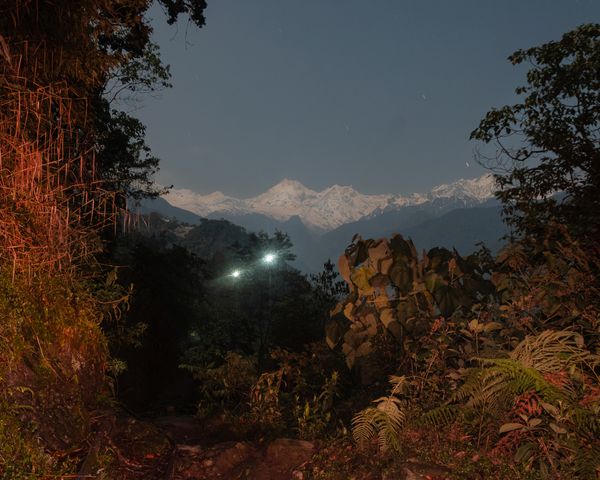
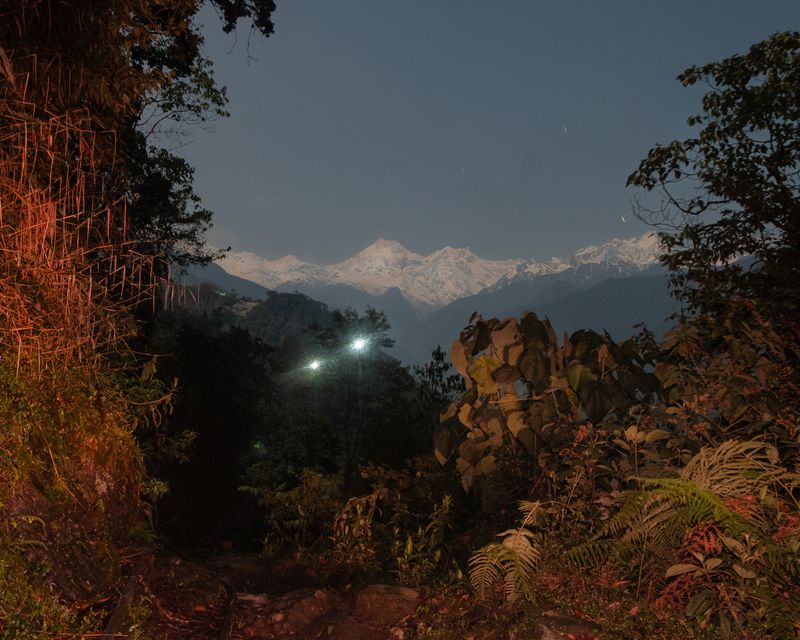
Photograph of Kongchen Chu, popularly known as Mt. Kanchenjunga. We regard Kongchen Chu as our main guardian deity, which provides and protects the community. It is worshipped and called upon in the majority of the nature worshipping ritual performed by the community. (2025.)

© Kunga Tashi Lepcha - Image from the Children of the Snowy Peak photography project
i

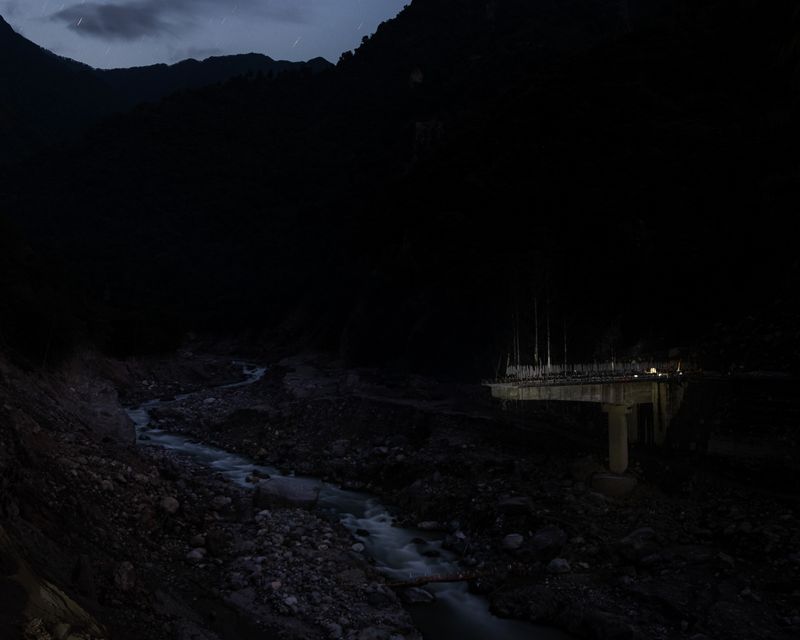
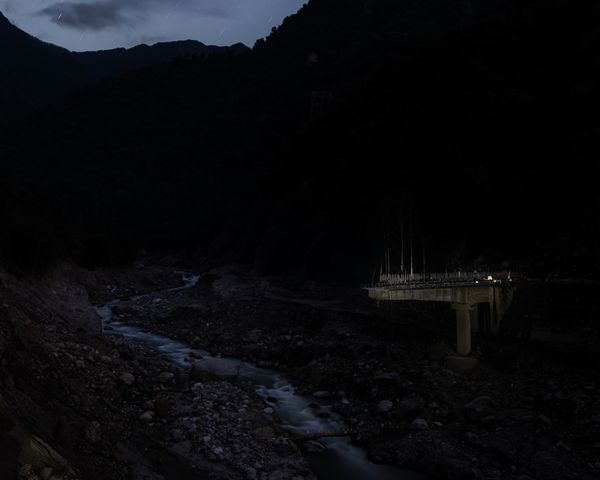
A free-flowing Teesta River and a broken bridge washed away during the Flood of 2023, Theengh, North Sikkim. In Lepcha Cosmology, there is no concept of re-birth, but rather our spirits follow the river upstream, towards a place called Poom-Lyang. A place of eternal life and our ancestral resting place.

© Kunga Tashi Lepcha - Untitled. (2025.)
i

Untitled. (2025.)

© Kunga Tashi Lepcha - Image from the Children of the Snowy Peak photography project
i

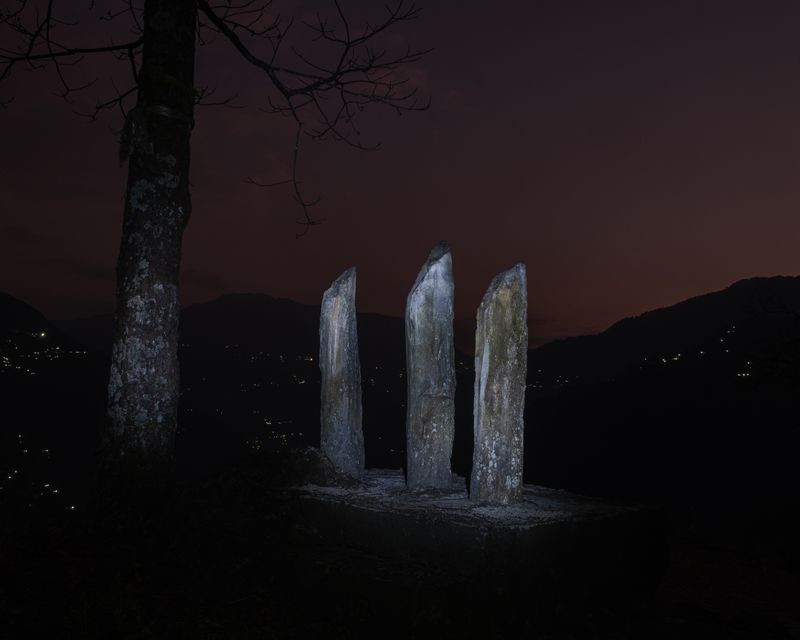
Lungchok; Lungchok are stone altars, usually depicting the deities of the sacred peaks and mountains and are installed in places of importance. (2026.)

© Kunga Tashi Lepcha - Offerings. (2025.)
i

Offerings. (2025.)

© Kunga Tashi Lepcha - Untitled. (2025.)
i

Untitled. (2025.)

© Kunga Tashi Lepcha - Image from the Children of the Snowy Peak photography project
i

Eggs are used as a ritual object by the community during sacred rituals. Where the shamans predict the future of the village or the family by breaking the egg and looking at the yolk. In case the future looks bleak, further measures are taken in the form of another ritual towards the nature deities for protection. (2024.)

© Kunga Tashi Lepcha - Dawa Tshering Lepcha with his daughter, Hee Gyathang. (Dzongu, Sikkim, 2022.)
i

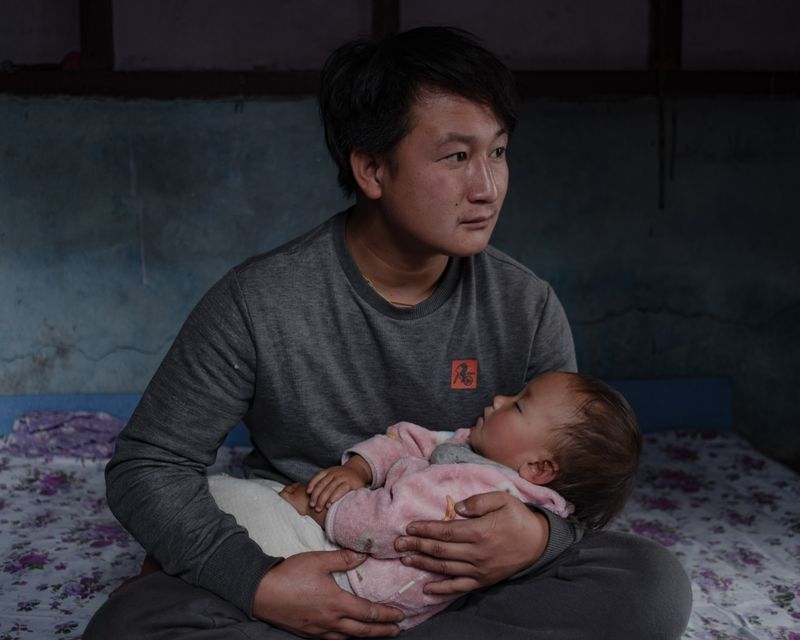
Dawa Tshering Lepcha with his daughter, Hee Gyathang. (Dzongu, Sikkim, 2022.)

© Kunga Tashi Lepcha - Image from the Children of the Snowy Peak photography project
i

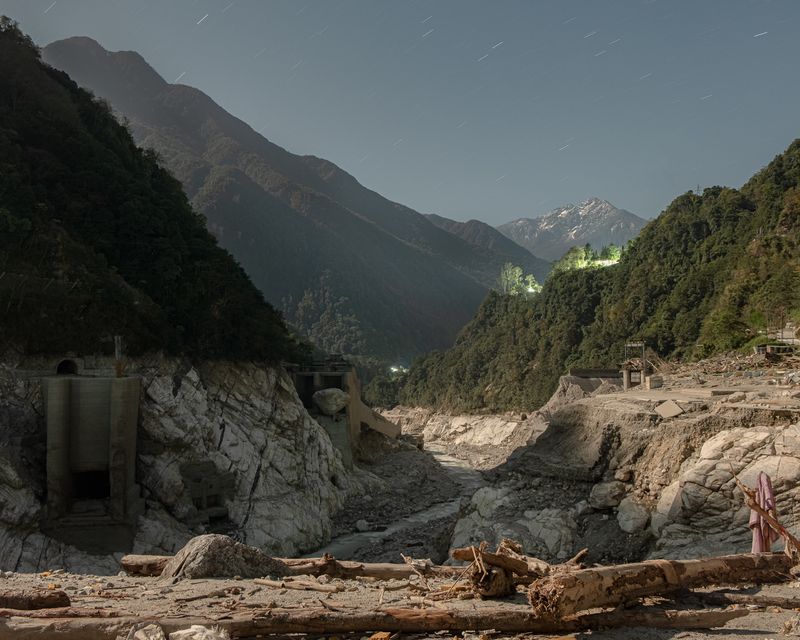
Remains of the Teesta Stage III Dam after it was destroyed by the Glacial Lake Outburst and Flood of 2023 along the Teesta river basin in Chungthang, North Sikkim. It was one of the biggest hydel dams constructed along the Teesta River. (2023.)

© Kunga Tashi Lepcha - Image from the Children of the Snowy Peak photography project
i

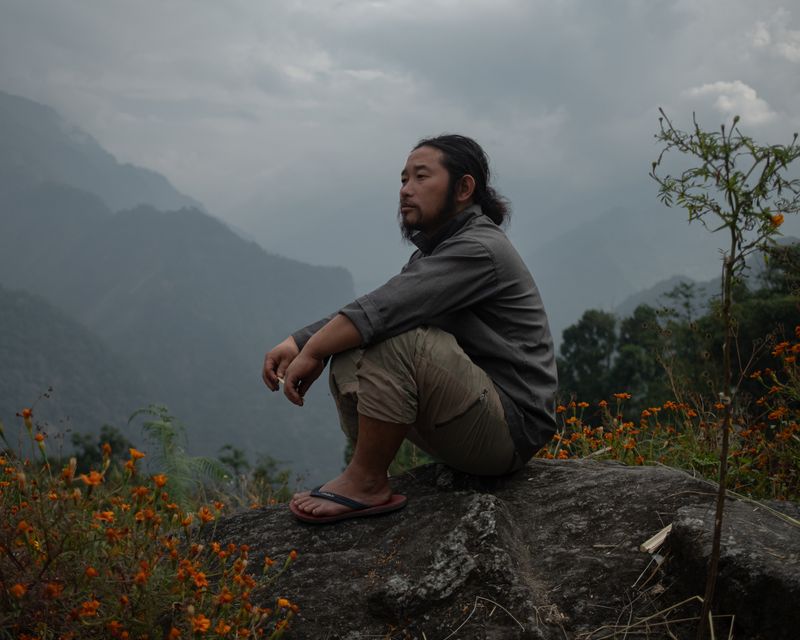
Portrait of Tenzing Gyatso Lepcha, an activist and farmer from Dzongu. Tenzing was part of the 2007 relay hunger strike movement which forced the state to cancel 5 out of 6 hydel power projects within Dzongu. He was just 25 years old then, and after more than 18 years the fight against the construction of the remaining hydel projects in Dzongu is still active. (2019.)

© Kunga Tashi Lepcha - A house flooded due to the Glacial Lake Outburst and Flood along the Teesta River. (Singtam, Sikkim, 2023.)
i

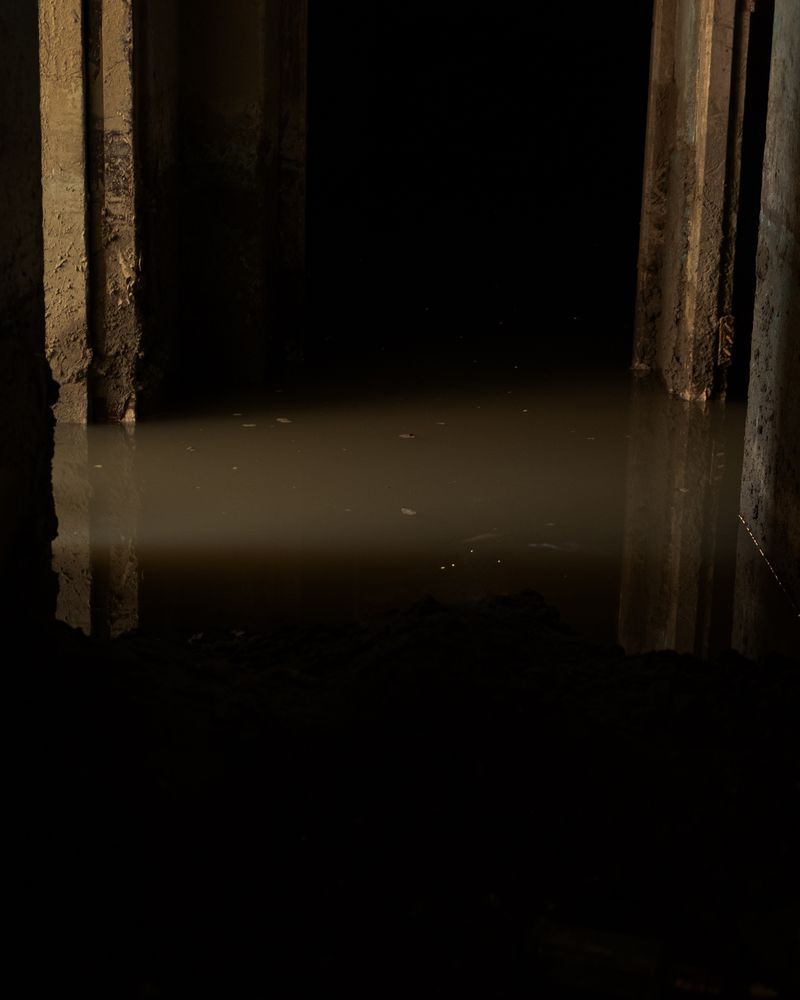
A house flooded due to the Glacial Lake Outburst and Flood along the Teesta River. (Singtam, Sikkim, 2023.)

© Kunga Tashi Lepcha - People carrying sacred texts during a religious procession to the nearby villages in Dzongu, to bless the community. (2025.)
i

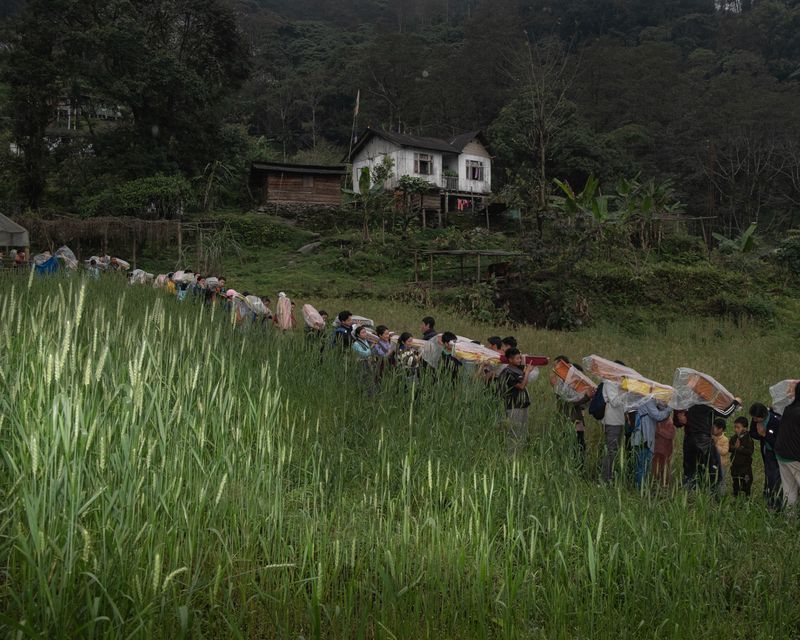
People carrying sacred texts during a religious procession to the nearby villages in Dzongu, to bless the community. (2025.)

© Kunga Tashi Lepcha - Aftermath of the 2023 Teesta Flood. (Chungthang, Sikkim, 2023.)
i

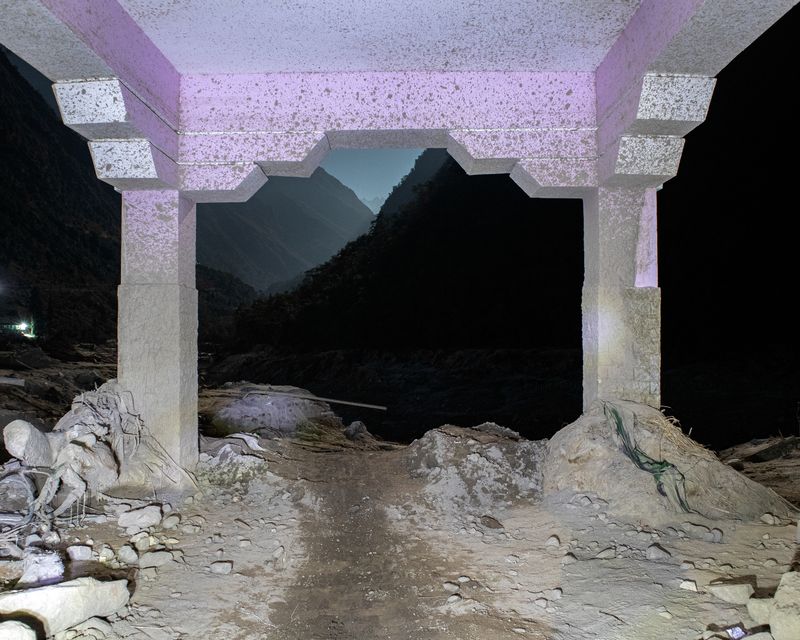
Aftermath of the 2023 Teesta Flood. (Chungthang, Sikkim, 2023.)

© Kunga Tashi Lepcha - Image from the Children of the Snowy Peak photography project
i

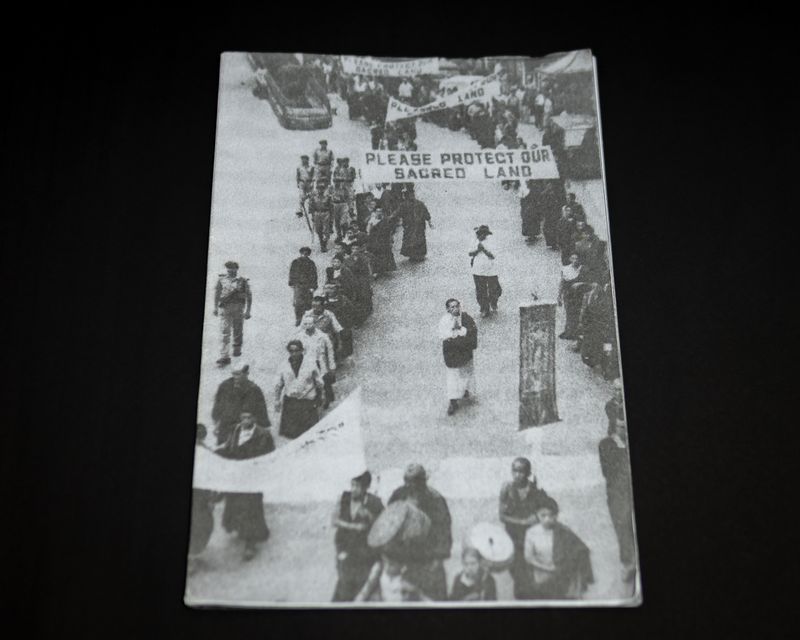
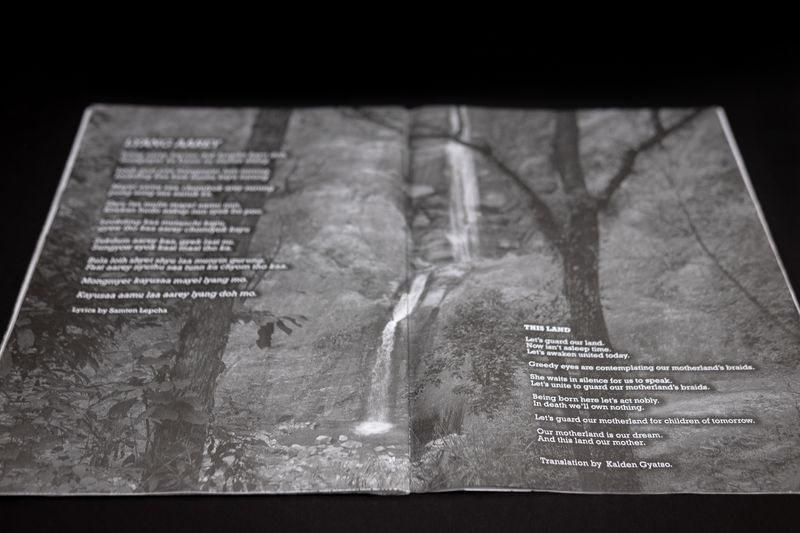
A photograph of the zine titled “Aachuley” in the form of a tabloid/newspaper. It is a compilation of archive materials, articles, songs, essays, news catalogues and photographs collected, curated and made by the artist. It attempts to archive the history of “Save Teesta” environmental campaign (2007-) and also includes photographs of the 2023 Glacial Lake Outburst and Flood, made by the artist.

© Kunga Tashi Lepcha - Image from the Children of the Snowy Peak photography project
i

A photograph of the zine titled “Aachuley” in the form of a tabloid/newspaper. It is a compilation of archive materials, articles, songs, essays, news catalogues and photographs collected, curated and made by the artist. It attempts to archive the history of “Save Teesta” environmental campaign (2007-) and also includes photographs of the 2023 Glacial Lake Outburst and Flood, made by the artist.

© Kunga Tashi Lepcha - Image from the Children of the Snowy Peak photography project
i

A photograph of the zine titled “Aachuley” in the form of a tabloid/newspaper. It is a compilation of archive materials, articles, songs, essays, news catalogues and photographs collected, curated and made by the artist. It attempts to archive the history of “Save Teesta” environmental campaign (2007-) and also includes photographs of the 2023 Glacial Lake Outburst and Flood, made by the artist.

© Kunga Tashi Lepcha - Image from the Children of the Snowy Peak photography project
i

A photograph of the zine titled “Aachuley” in the form of a tabloid/newspaper. It is a compilation of archive materials, articles, songs, essays, news catalogues and photographs collected, curated and made by the artist. It attempts to archive the history of “Save Teesta” environmental campaign (2007-) and also includes photographs of the 2023 Glacial Lake Outburst and Flood, made by the artist.

© Kunga Tashi Lepcha - Image from the Children of the Snowy Peak photography project
i

A photograph of the zine titled “Aachuley” in the form of a tabloid/newspaper. It is a compilation of archive materials, articles, songs, essays, news catalogues and photographs collected, curated and made by the artist. It attempts to archive the history of “Save Teesta” environmental campaign (2007-) and also includes photographs of the 2023 Glacial Lake Outburst and Flood, made by the artist.

Children of the Snowy Peak by Kunga Tashi Lepcha

Prev Next Close