By The Time She Grows Up
-
Dates2022 - Ongoing
-
Author
- Topics Portrait, Social Issues, Contemporary Issues, Fine Art, Archive
What does it mean to be a queer family? Where is our visual history? This project is an act of resistance, of belonging, of healing.
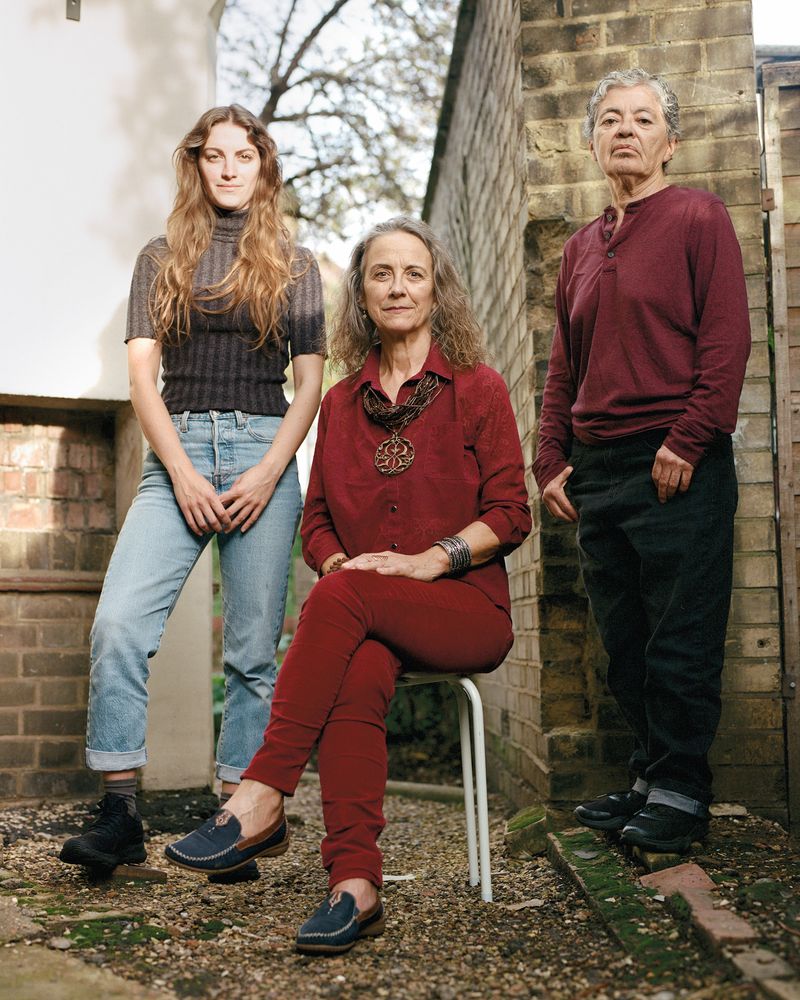
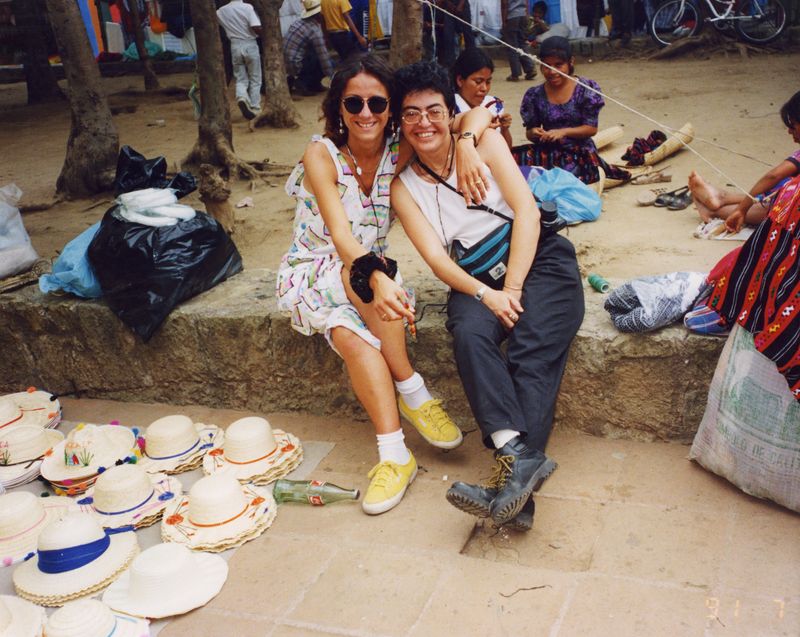
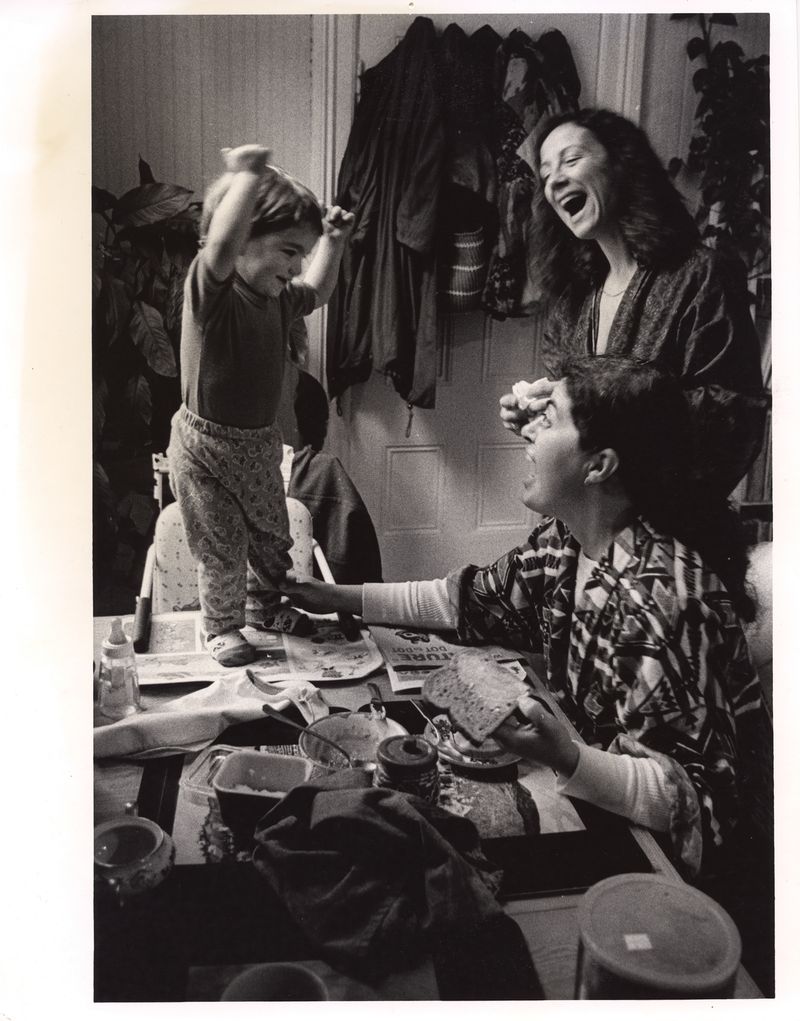
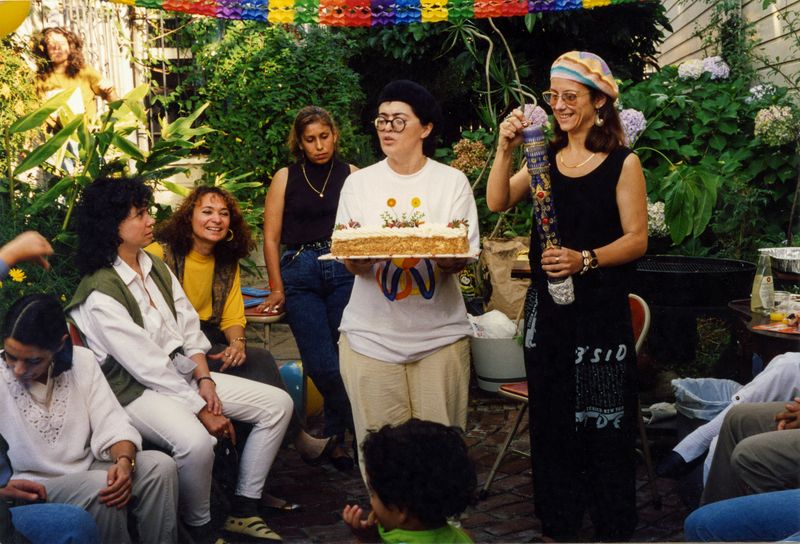
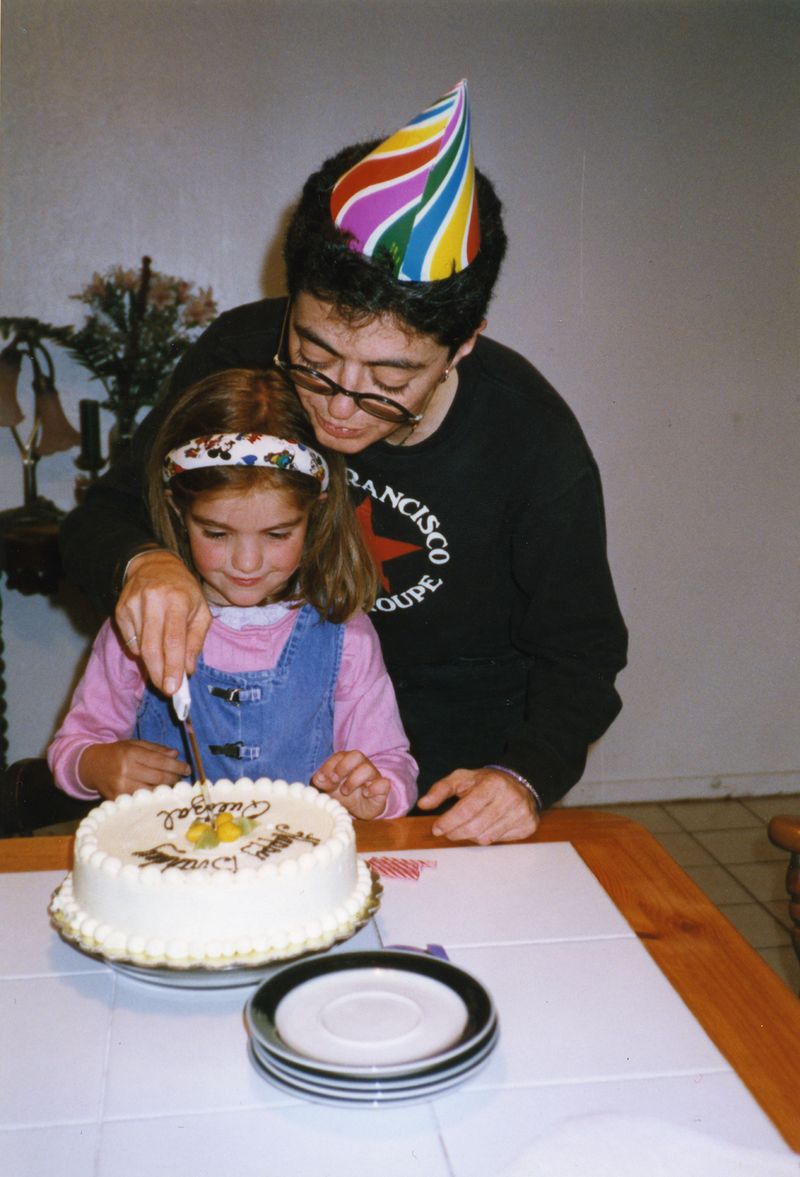
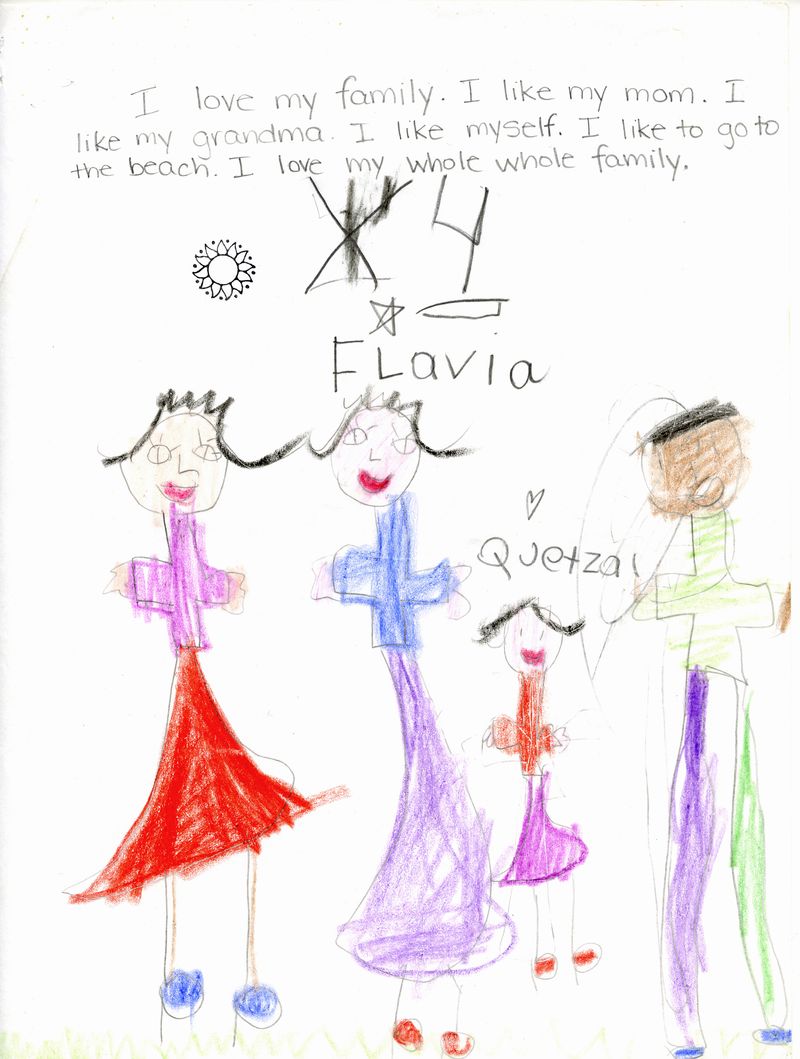
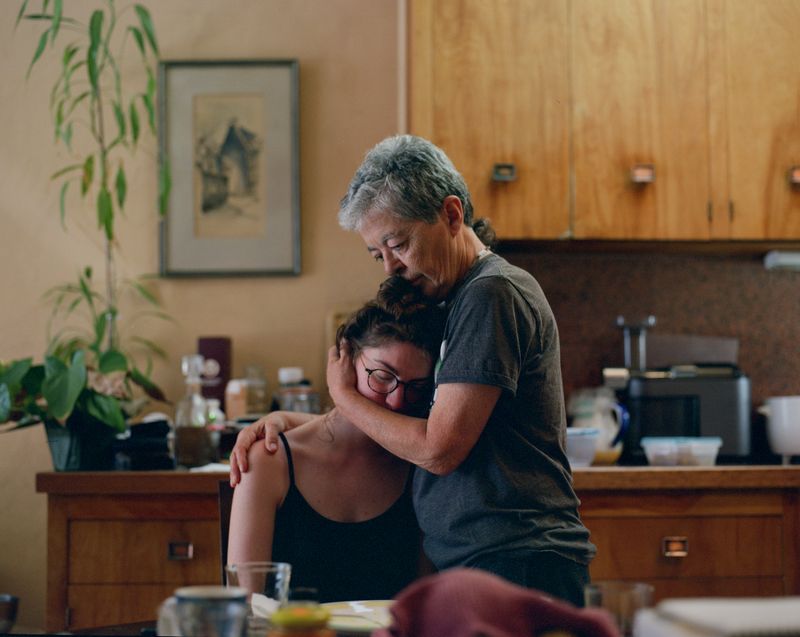
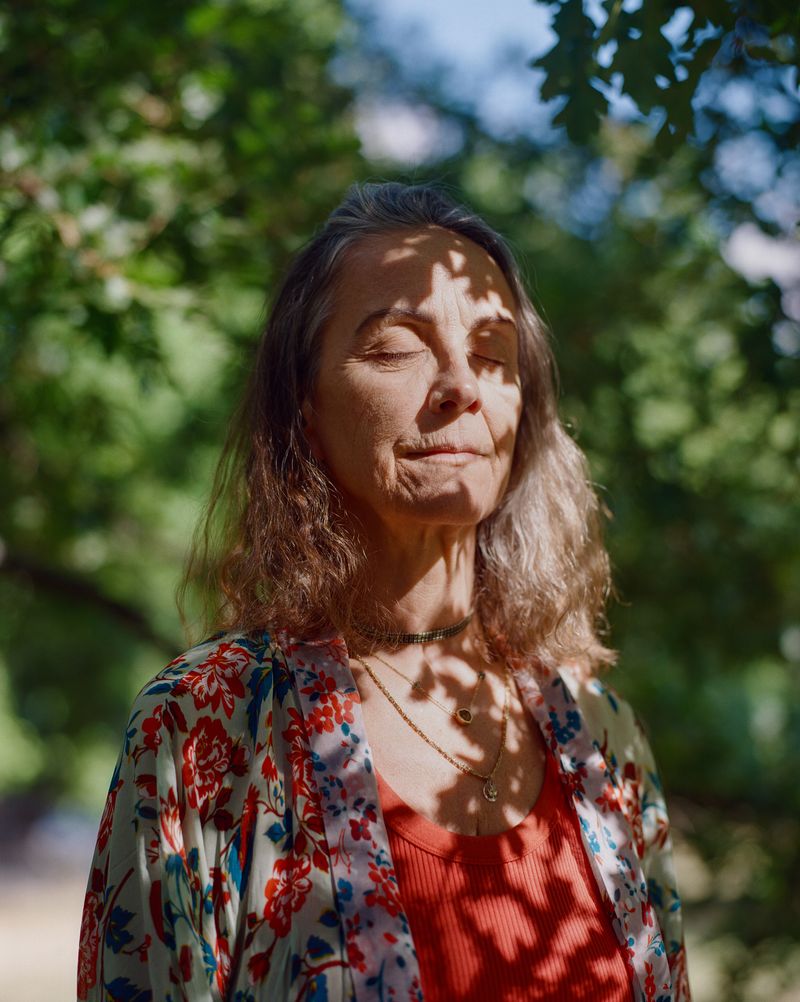
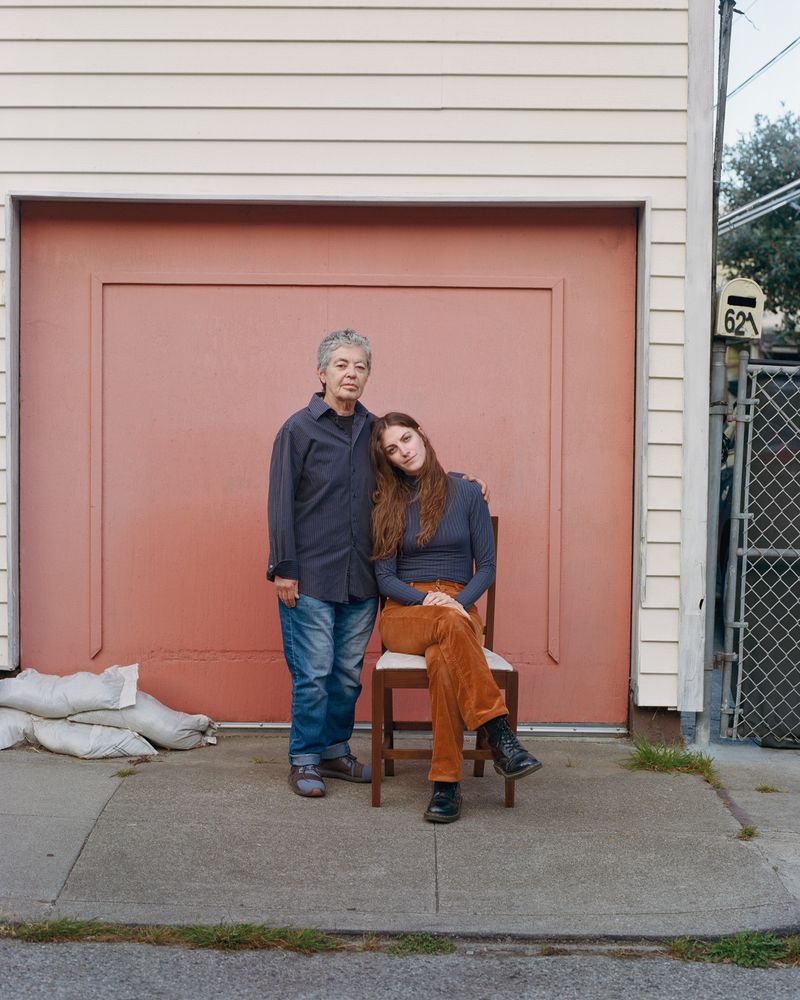
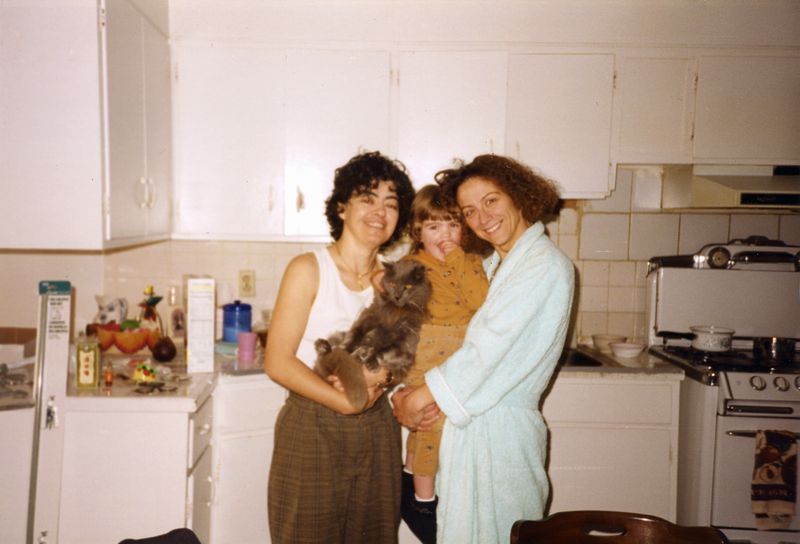
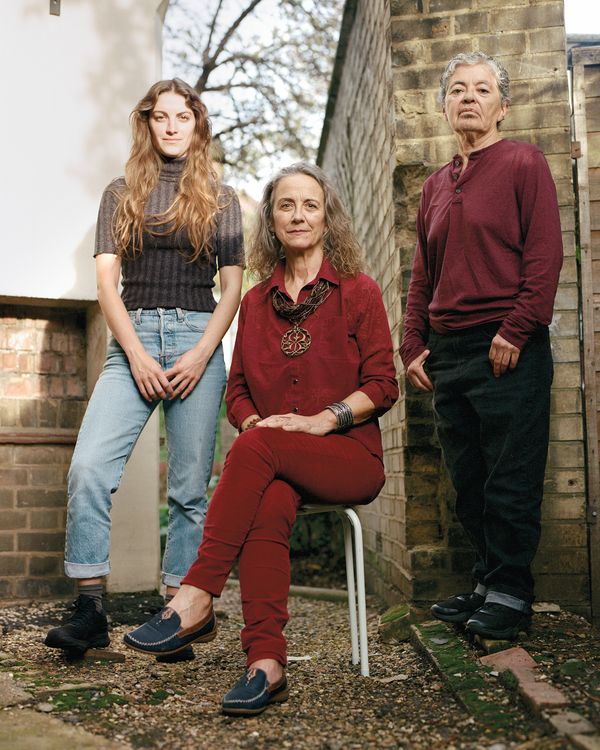
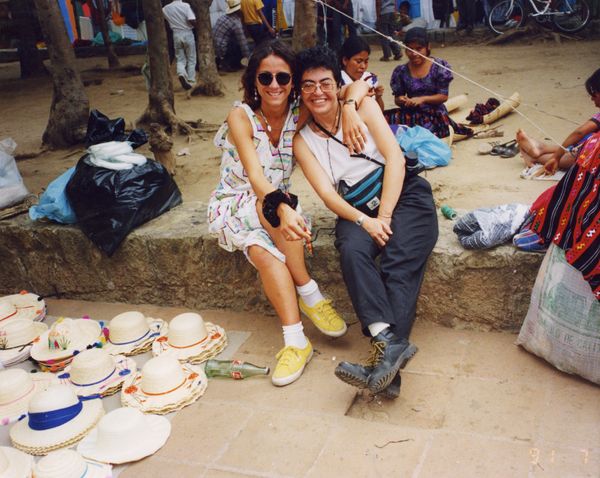
There is an image of family that society has built up that for many years did not include my family. An image of a family that was built on a man and a woman and a white picket fence in a version of the United States that was not my reality. I am the daughter of two migrant and queer women from Peru and Argentina: Flavia and Lucrecia. Or as I called them: Mami y Mamú. For so long, I struggled from the internalised stigma that grows out of society’s idea of what the perfect family should be—of a family that I’ve found does not exist and perhaps never did. My family is not heteronormative or conventional. Still, we are a family. A family that is steeped in stories, challenges, joy, and differences. A family whose relationships transform over time. A family that keeps giving. Yet, while they created a home wherever they could, I hid my mothers away. While they took care of me, I lied about who was who. I hid my mothers away because society taught me to hide them away.
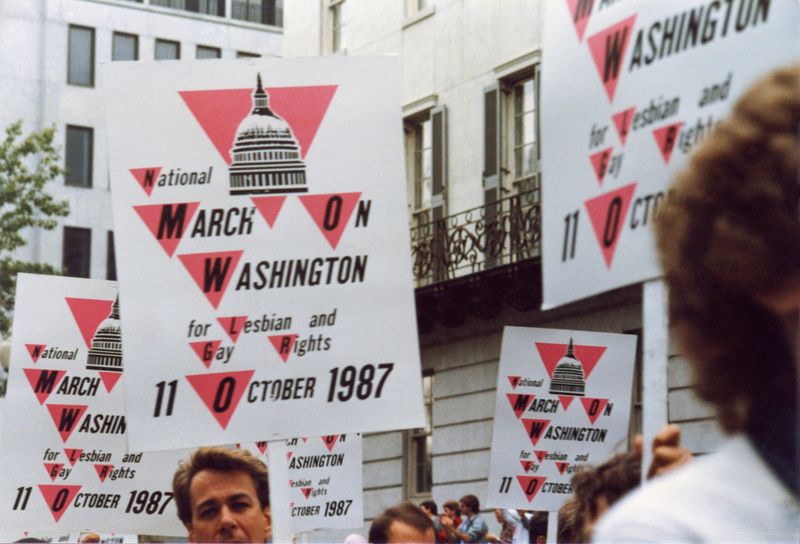
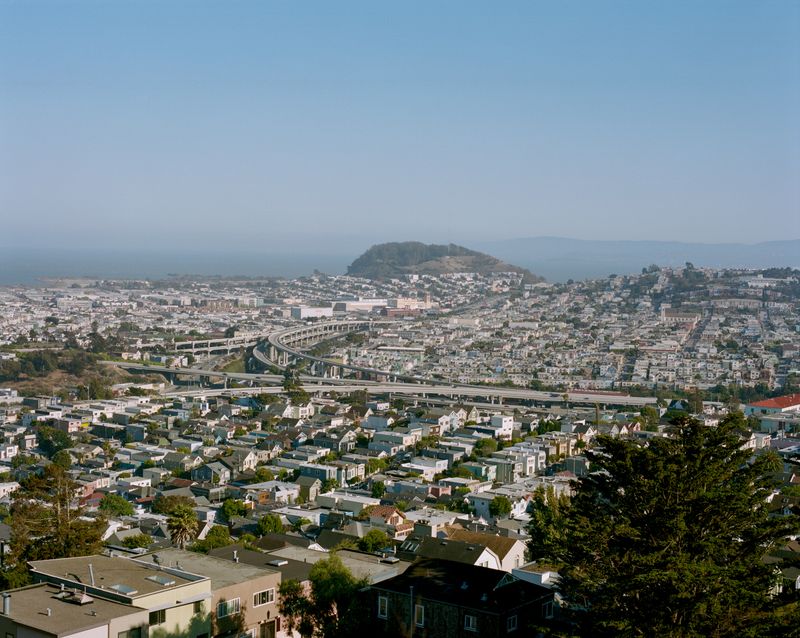
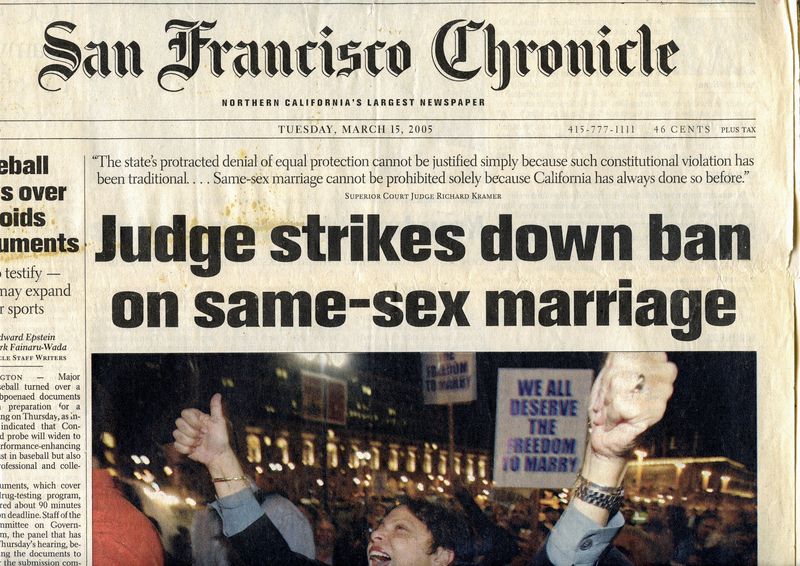
During the 1990s, in the era of “Don’t Ask Don’t Tell” and the “Defense of Marriage Act,” the systems and constructs that were in place did not represent or support family structures like ours. We were amongst very few families who resembled ours and it was new terrain for my mothers. And while they loved each other, those pressures affected us as a family. My mothers separated, and that is also part of our story. My parents’ sexuality and their gender had little to do with who I became. It was their knowledge, their personalities, their ways of being, and the community they gave me that mattered so much more.
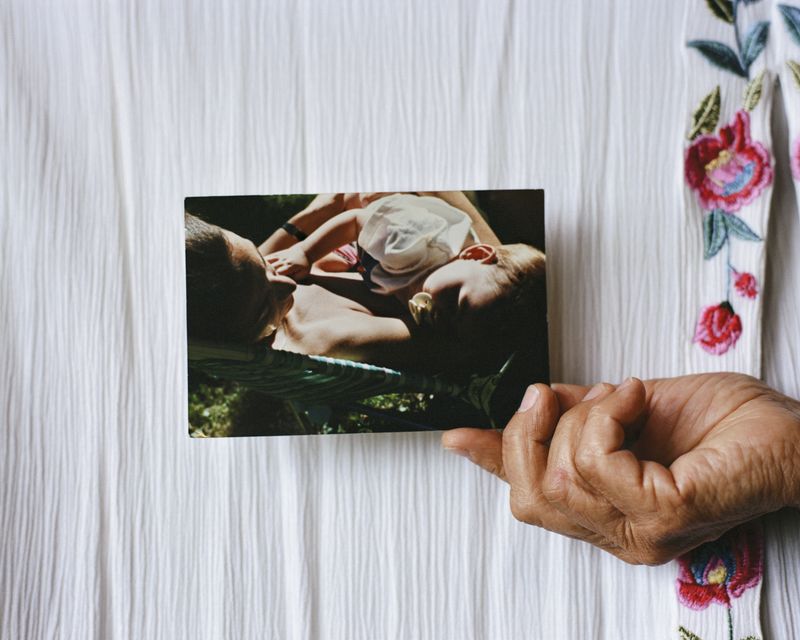
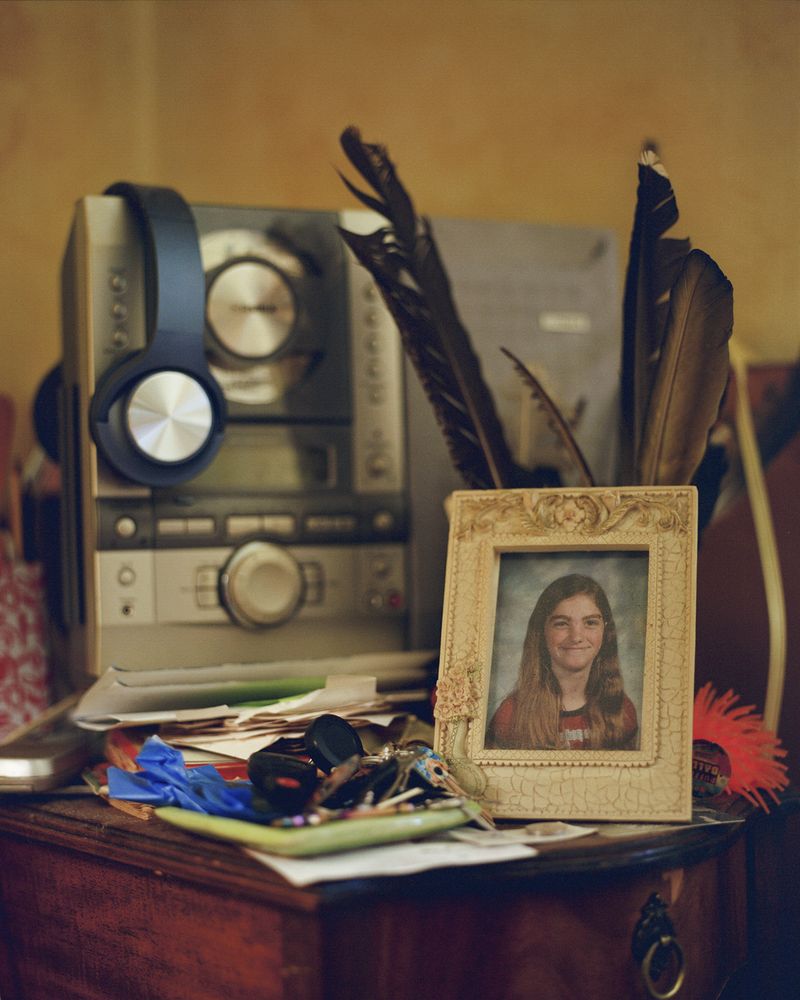
While researching, I discovered a profound lack of queer family visual history inspiring me to tell my family’s story. In a time when queer and migrant rights are under increasing threat, coming together, through storytelling, visibility, and solidarity, becomes both a necessity and a form of resistance. This is not just a personal story, it’s part of a broader, collective experience shared by many who have grown up in or supported families that exist outside conventional norms. This work is part of a larger ongoing project I'm developing, called the Queer Family Archive project, a collaborative space for queer families to share their stories.
This project asks how we hold space for each other, how we define family, and how we build futures rooted in care. It is a process of reclaiming personal narrative while learning how art, archiving, and documentation can generate healing within shared experiences.
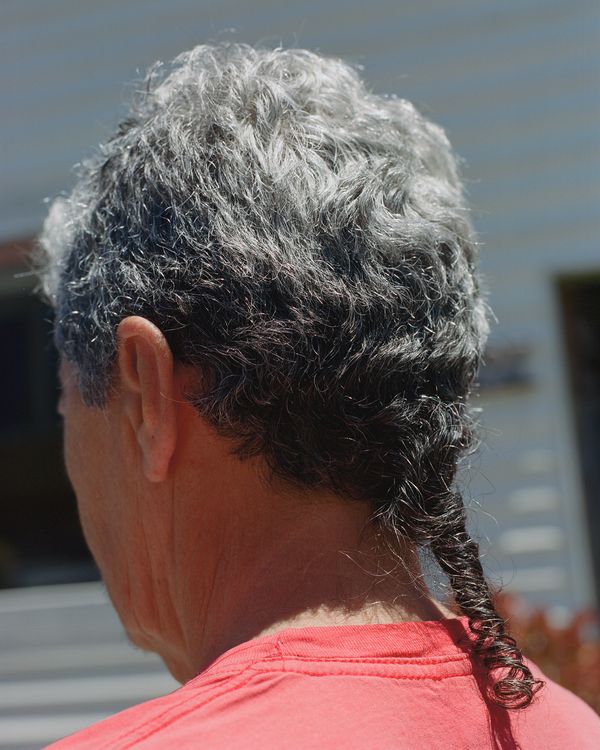
My mothers are more than mothers, more than women, more than migrants, more than queerness. They’re more. And they will always be.