By the Roots
-
Dates2025 - Ongoing
-
Author
- Location Poland
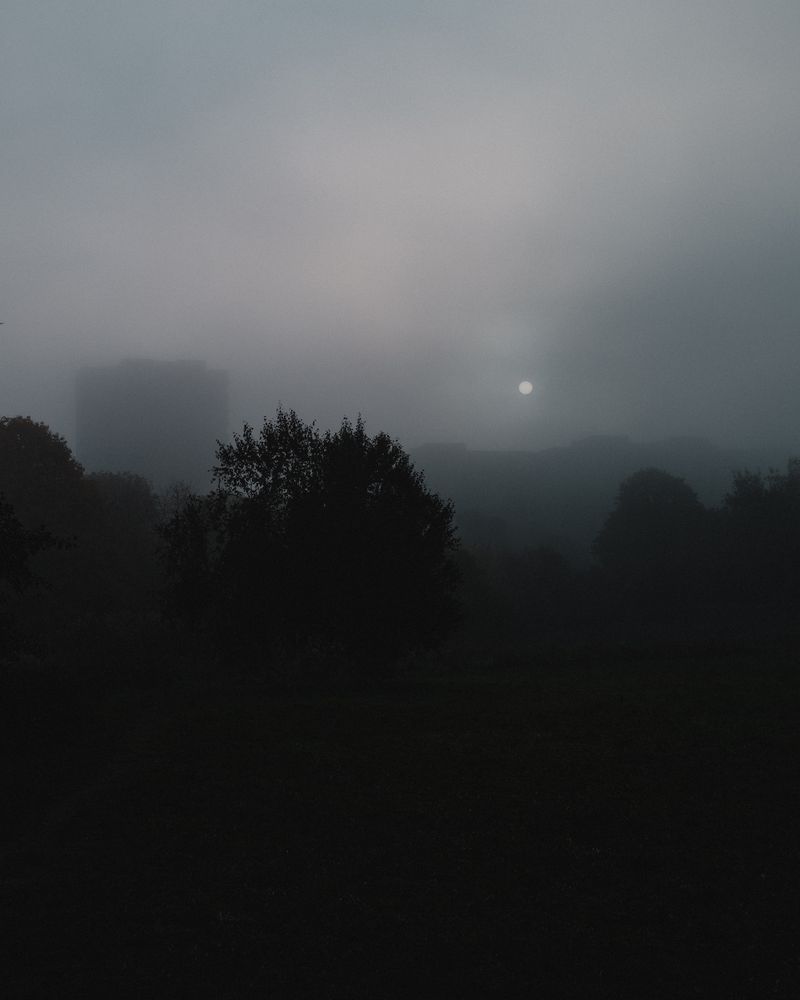
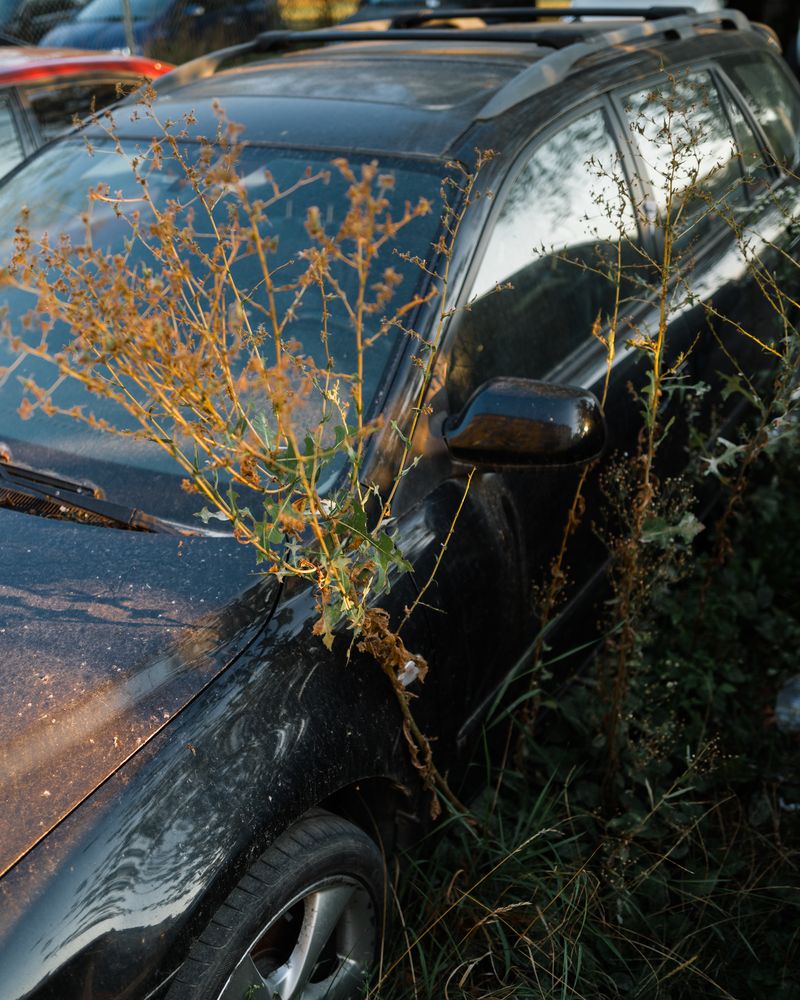
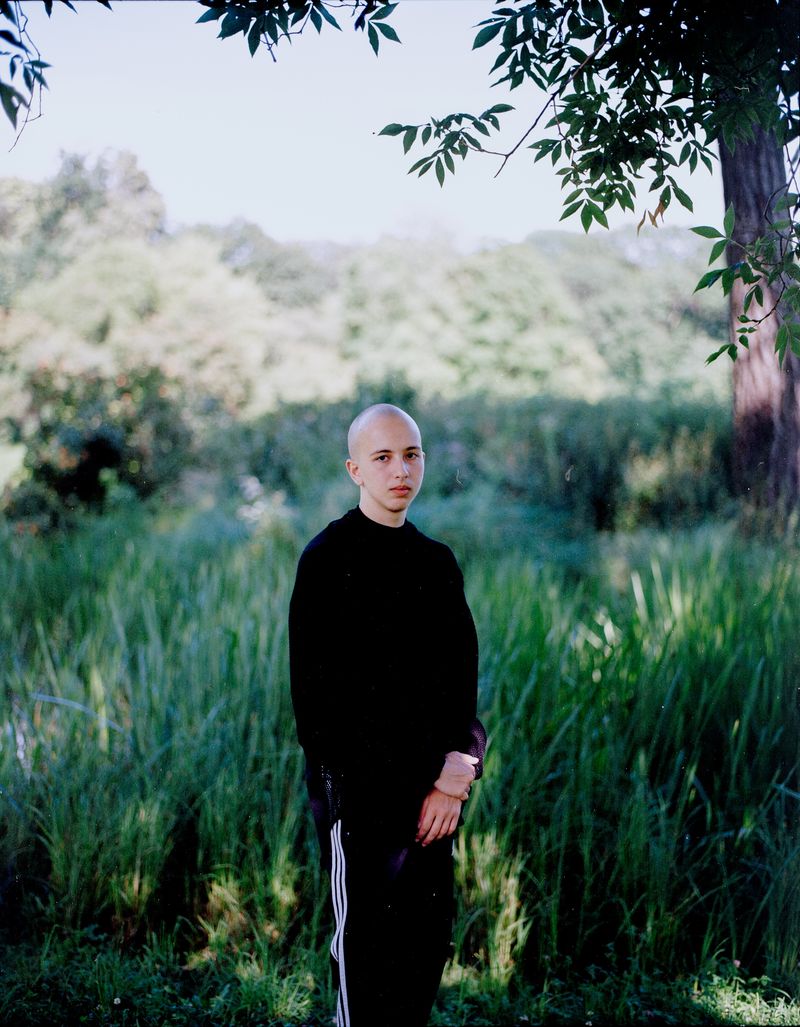
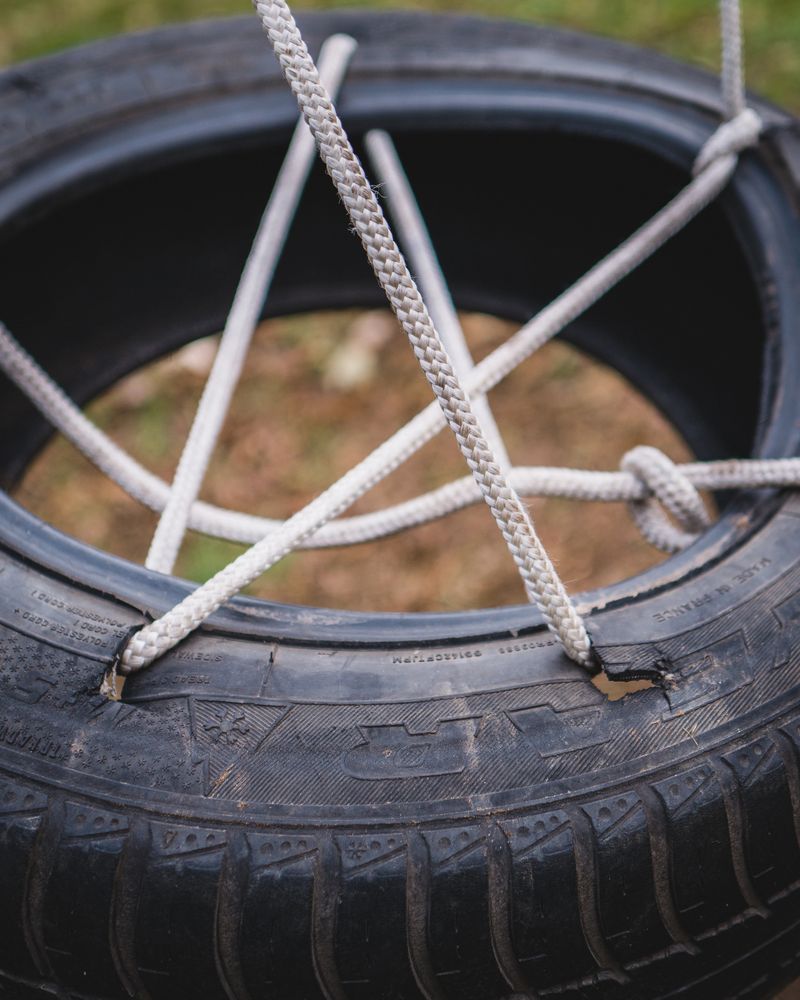
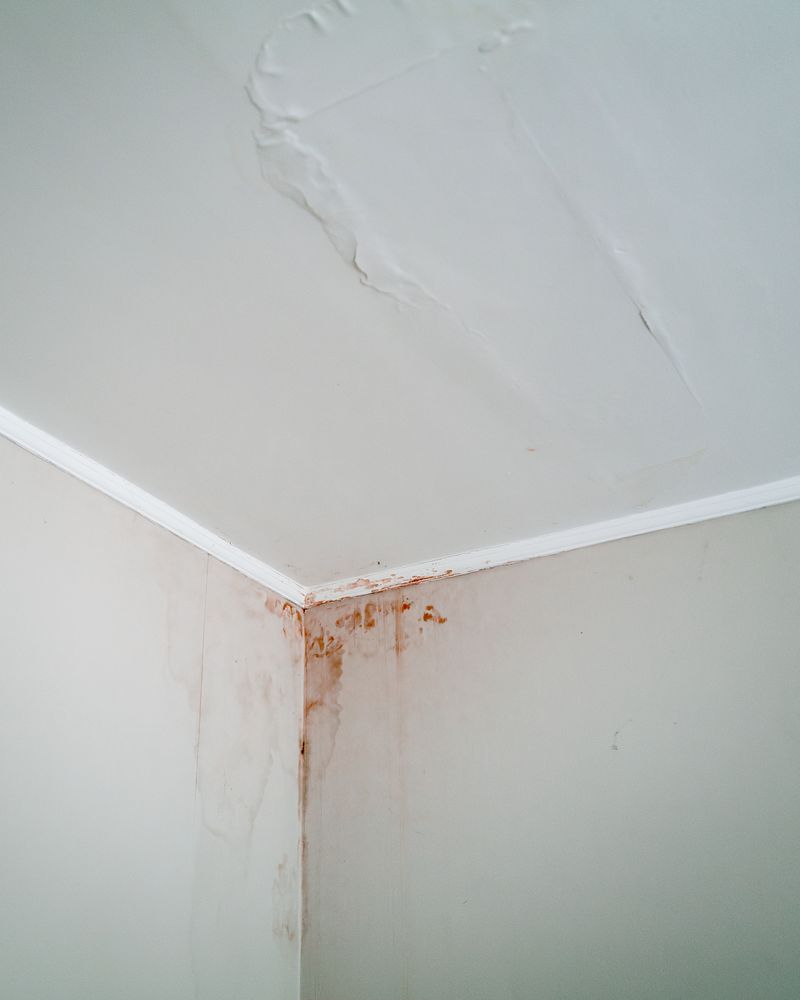
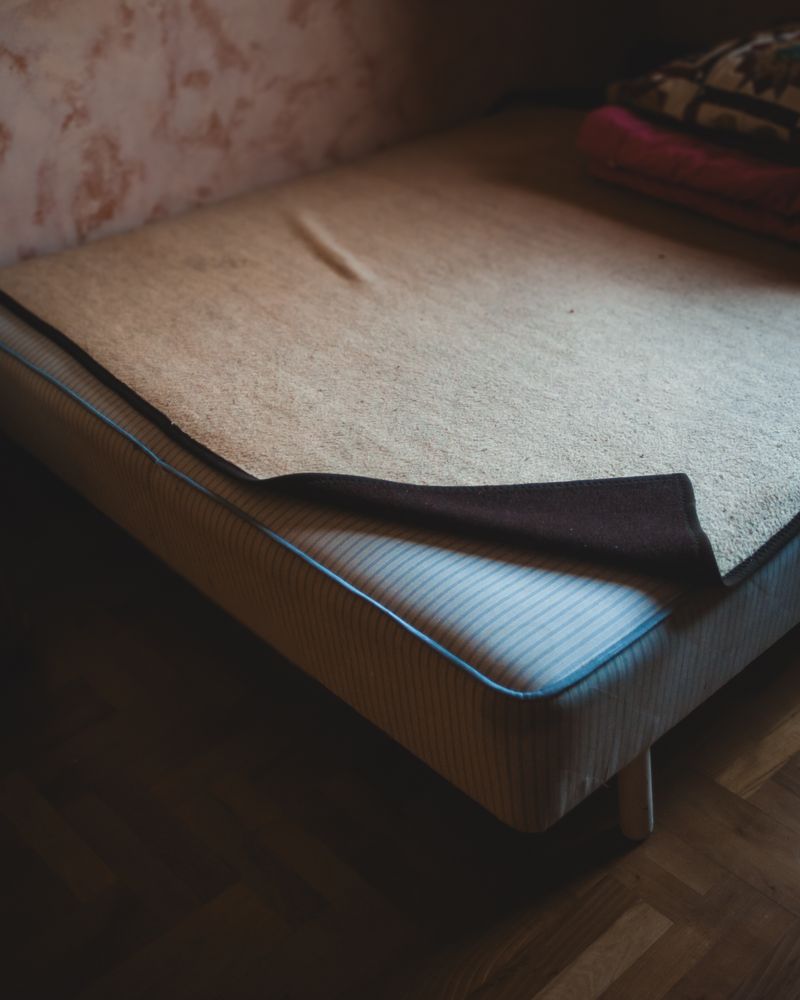
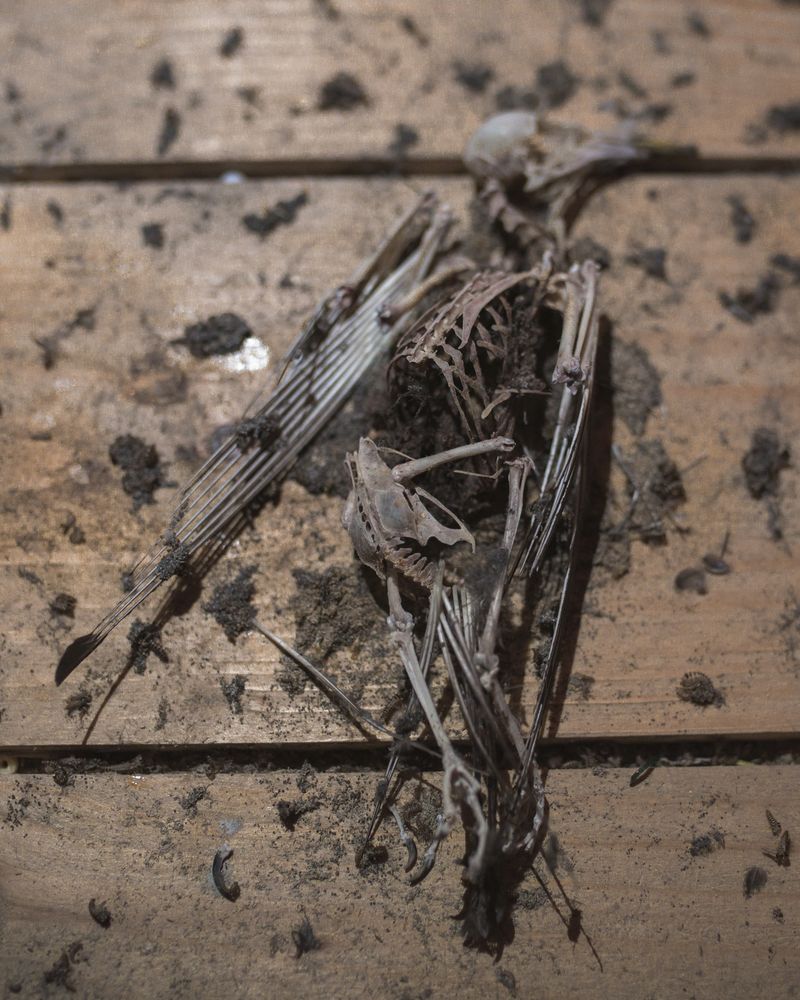
By the Roots combines photographs, found documents, and original prose poems to explore memory that doesn’t belong to us alone.
It tells a story of childhood, family silence and the rules of remembering within a household shaped by alcoholism in post-communist Poland.
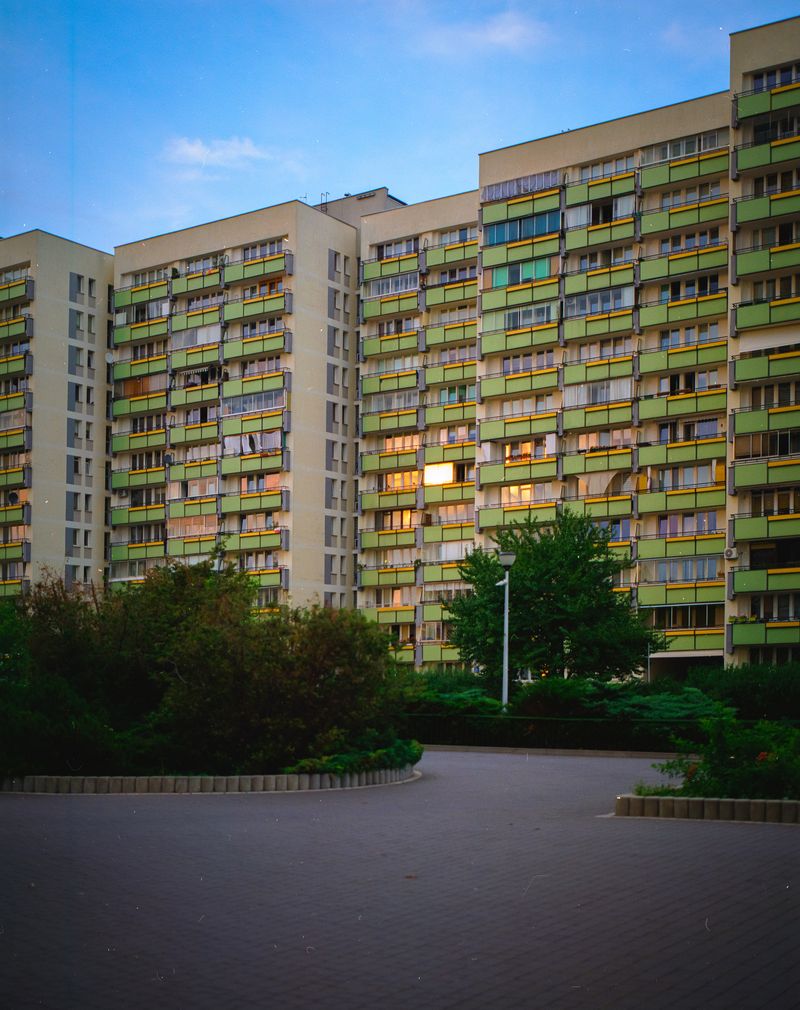
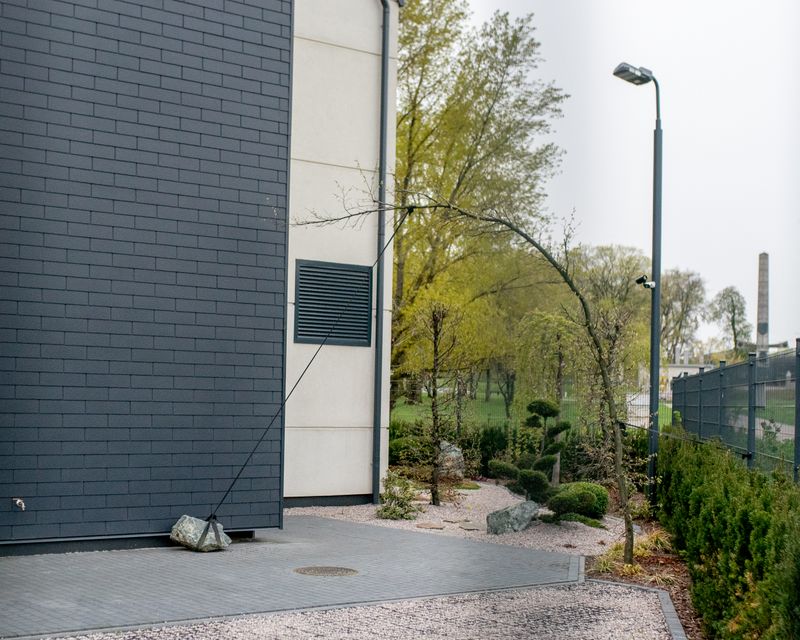
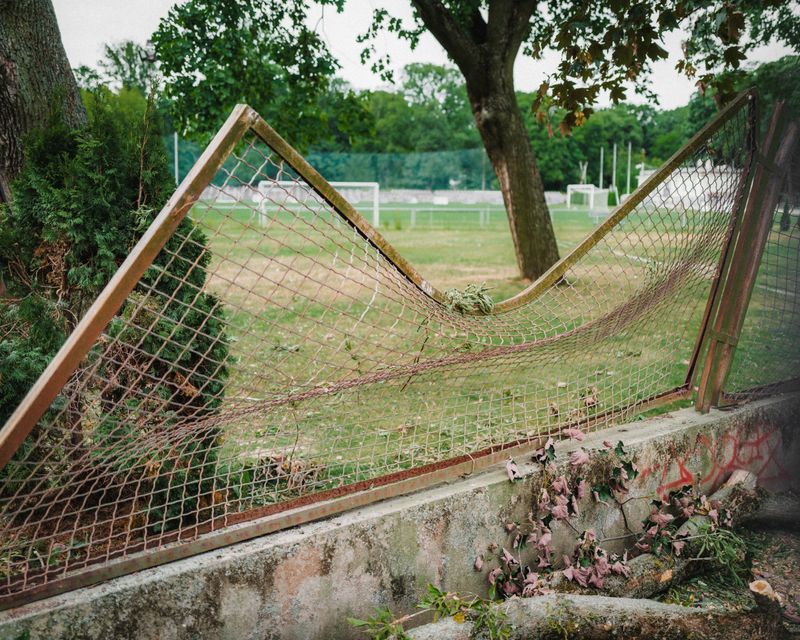
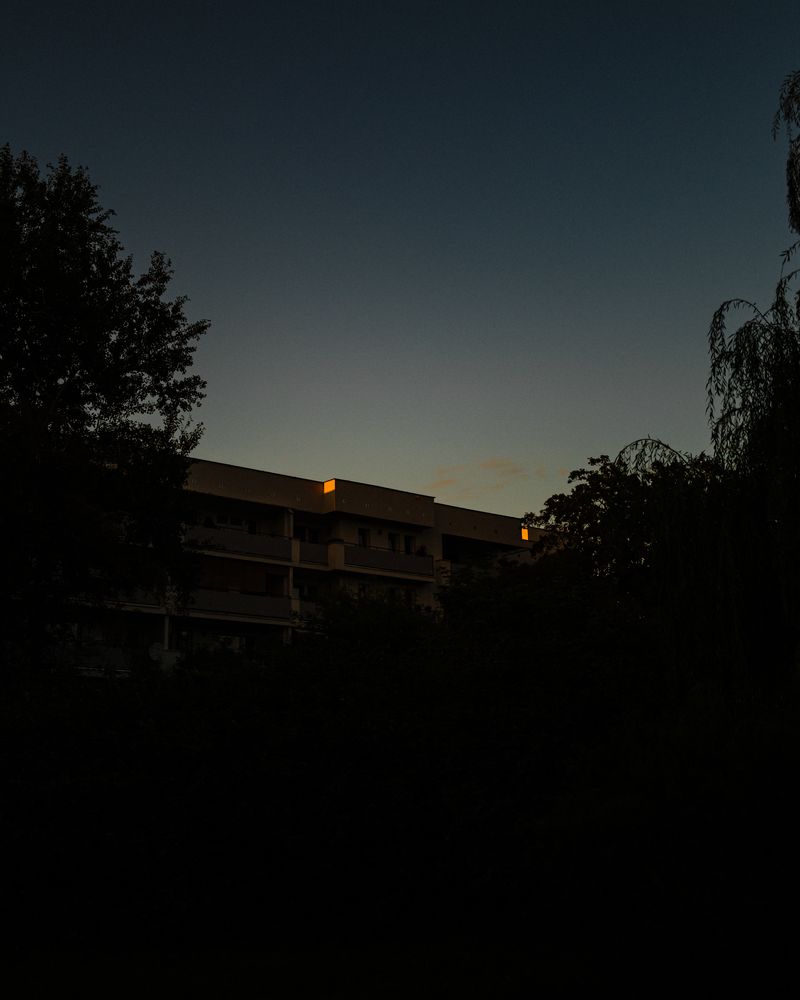
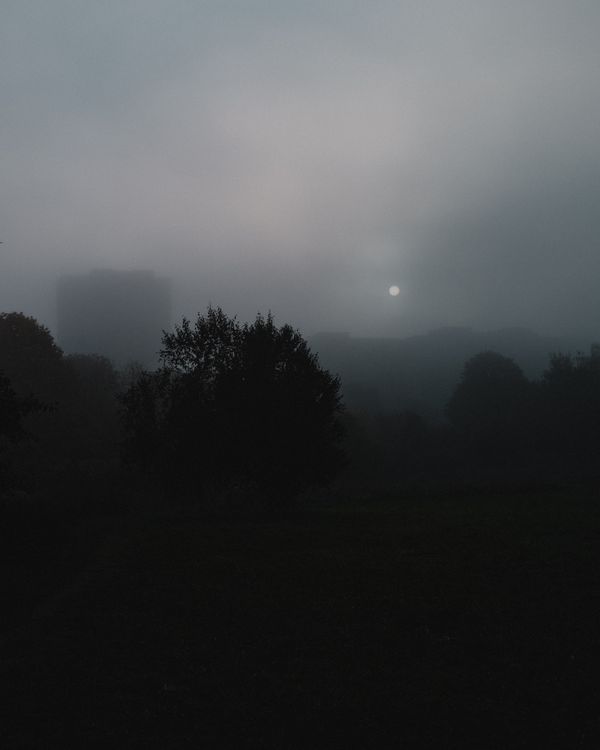
A few years ago, I moved back to the Warsaw neighbourhood where I grew up. I can see my old apartment block from my window. On my way to work I pass through the same park. Scenes from childhood began mixing with the present, raising questions about what we are allowed to remember and what must be forgotten.
My father once told me I had invented an unhappy childhood. In families like mine there is only one truth, and if you disagree with it, you are on your own. So I began to investigate on my own, returning to places, collecting traces, following what I remembered and what I wasn’t sure I remembered.
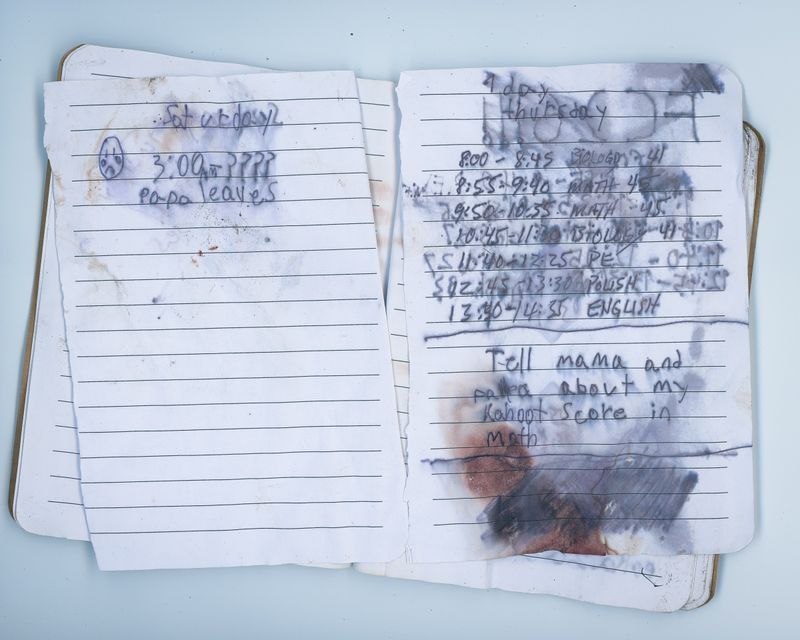
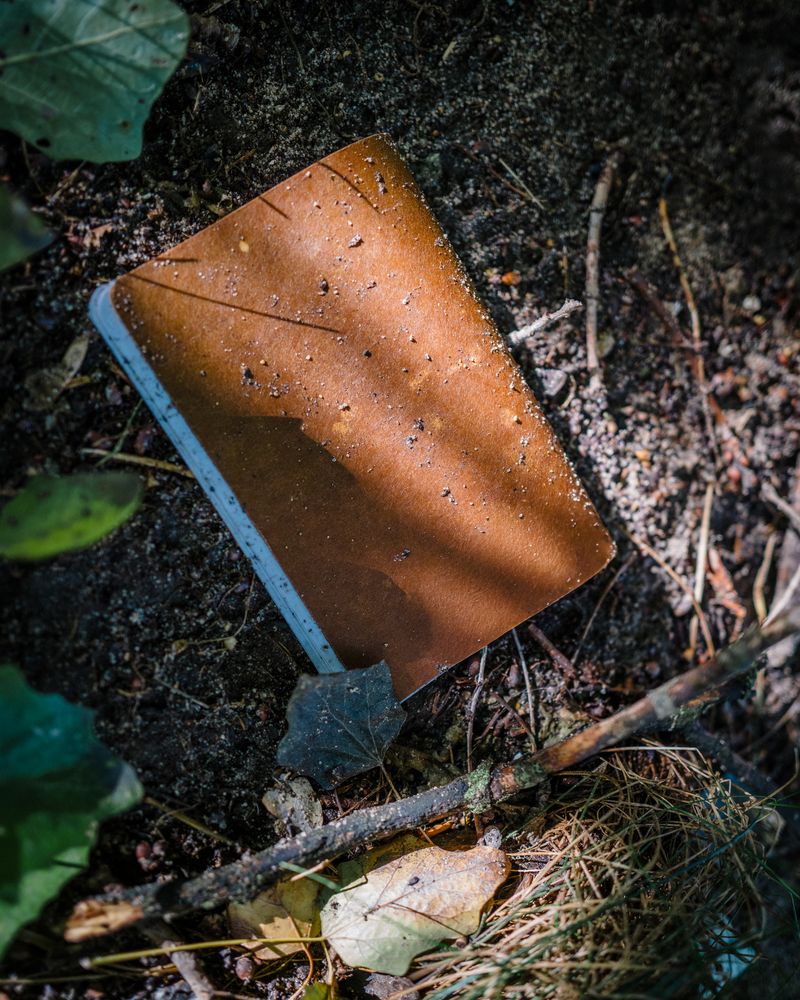
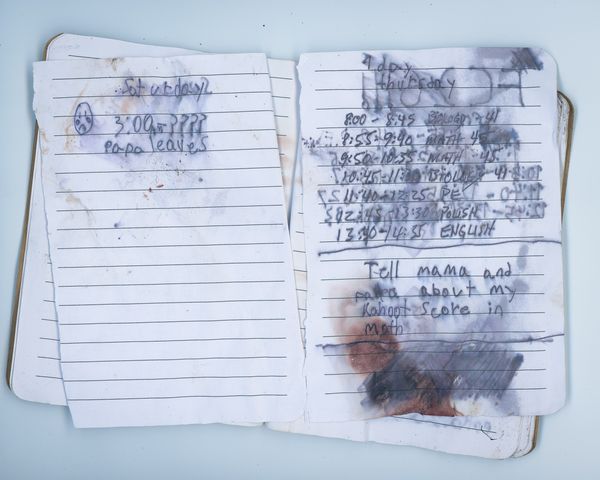
One day I found a torn notebook in the grass near my building. It wasn’t signed, and some of the pages had been ripped out. I don’t know who wrote it.
On the surviving pages: a school timetable, a note to tell his parents about a maths score, and a single entry: “Saturday, 3:00 AM, papa leaves.” I began filling in the missing pages, writing prose fragments that reconstruct one possible, or imagined, version of this story.
The project is intended as a photobook.
From the notebook:
“For as long as I can remember, my father was always hustling, setting up one business after another. Some kept us going for years, others were dead ends. He made jewellery from wood, polished bone tools for bookbinding, traded at the Tenth-Anniversary Stadium, ran a few market stalls and then pavilions at local bazaars, changing his stock with the seasons: seeds and gardening supplies, toys, Christmas decorations, real and fake furs.
Later he built a trading hall that went bankrupt, briefly ran a construction company and a seed warehouse, nearly invested in a car wash, and in the end — by the 2000s — began to make a living from music. That was the 1990s. People — whether they wanted to or not — had to turn themselves into businessmen overnight. Reality changed too fast to keep up with. Children grew up.”