But When Can I See Cremation Again?
-
Dates2024 - Ongoing
-
Author
- Locations Netherlands, Guangzhou
“But when can I see cremation again?” is a question I wanted to ask my mother at my father’s funeral when his body was about to enter the incinerator and when my mom stopped me from watching it. However, I eventually didn’t ask. The experience of death I
Death is such a topic that goes along with us for our entire life. When I encountered the death of my father without any foreseeing, I was aware that I was not able to understand what death is and what it could possibly mean to someone who grew up without a father. So I chose to avoid it, not to confront it, nor to talk about it. I sealed my feelings towards his death and walked away from it. Until one day in my 26s, the feeling leaked out and I realised I barely knew him as a person. This mixture of horror, fear, and sorrow stroked me. The death and loss of him for me was, and still is an enormous and dreadful mist. And I have decided to walk into the mist.
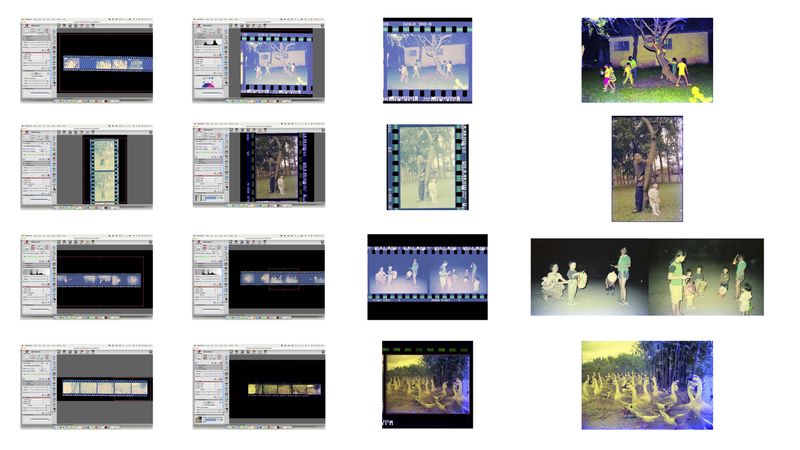
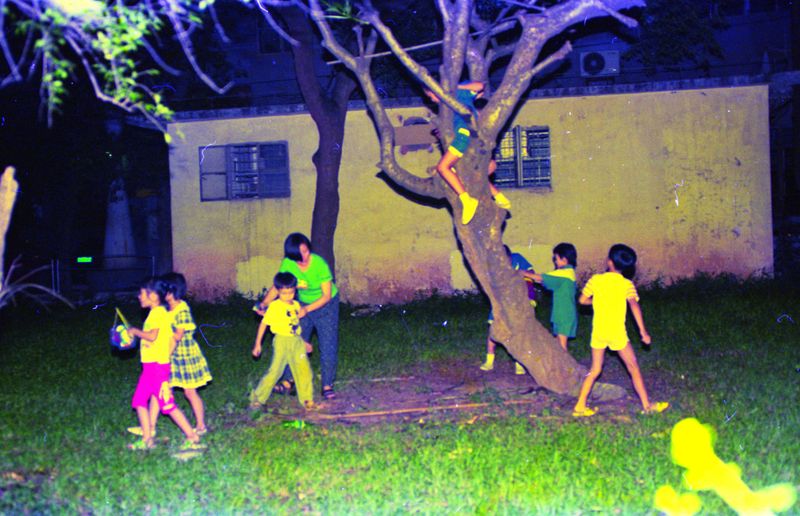
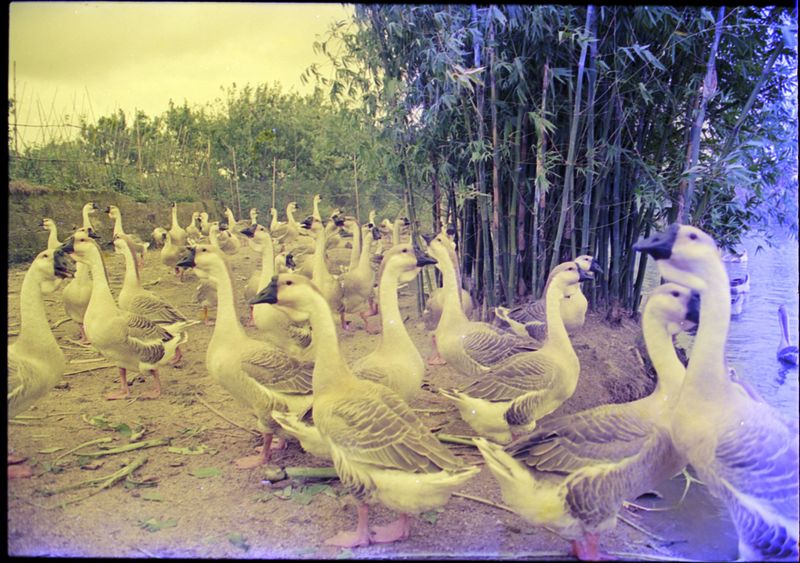
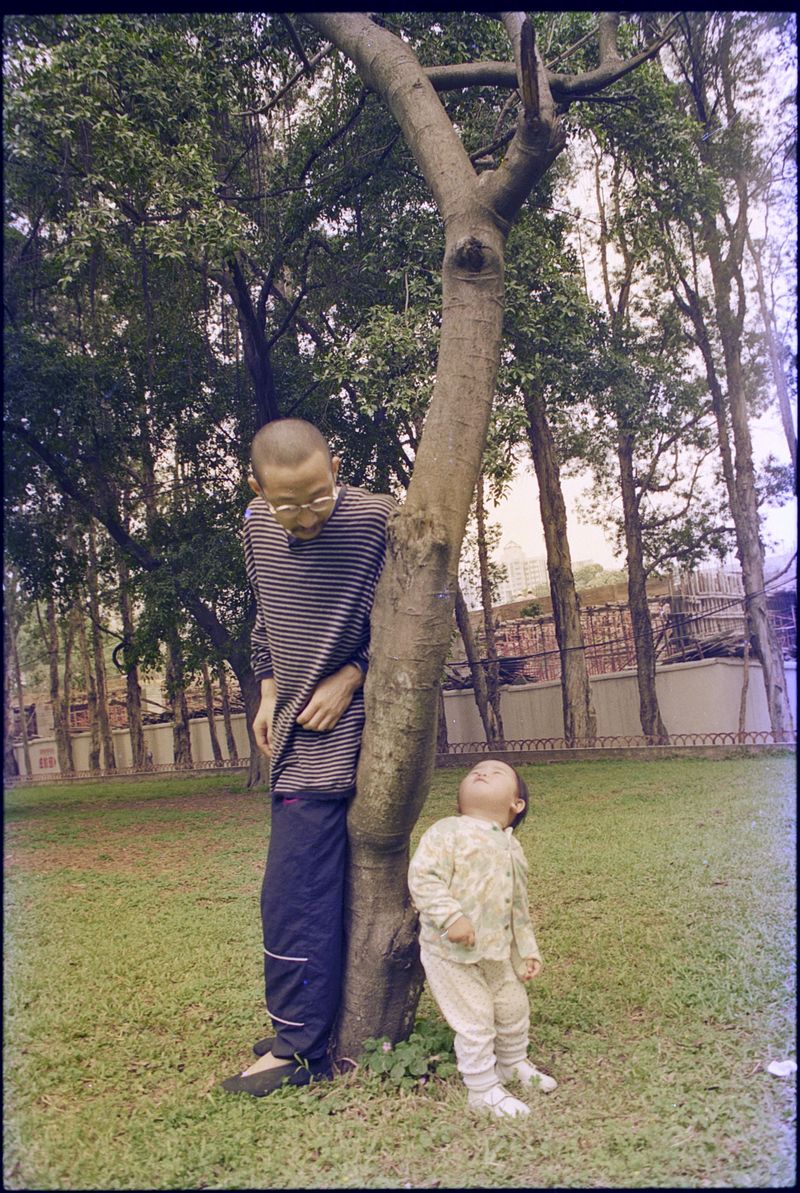
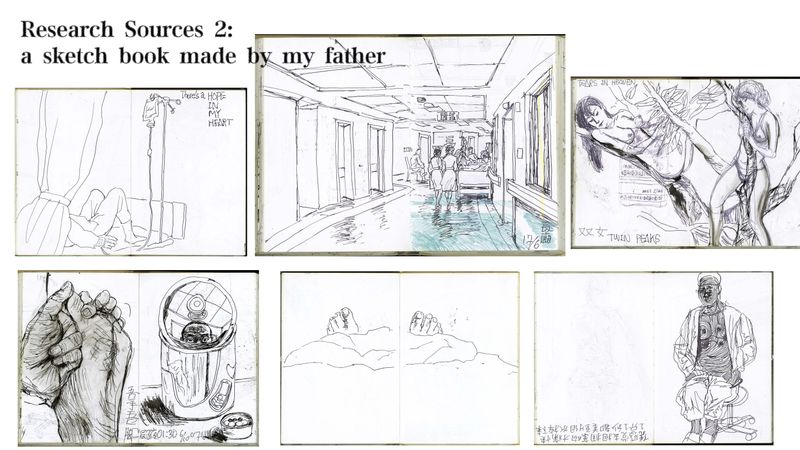
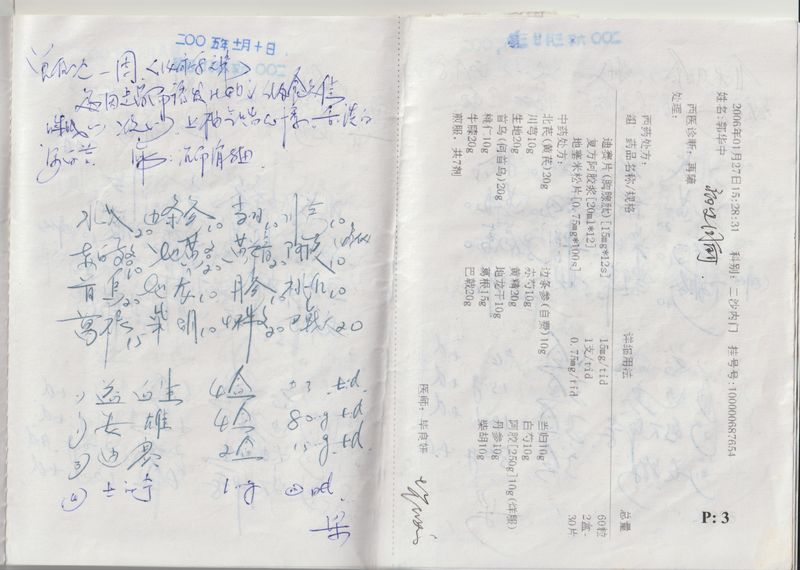
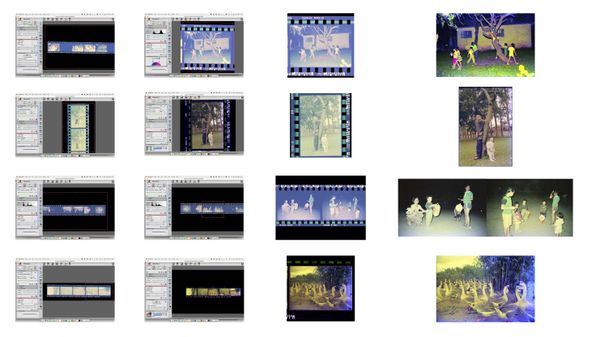
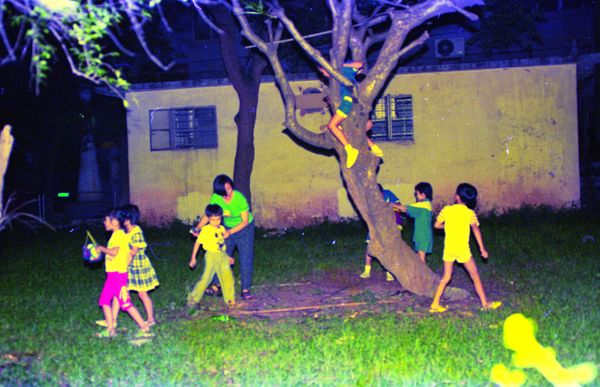
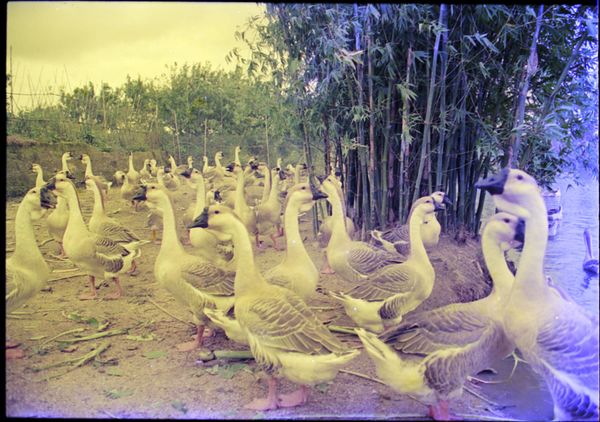
The research part contains two primary visual sources. One of them is the old family analogue film archives and sketchbooks and paintings created by my father. A camera to a family in the 90s was an indispensable tool for documenting family life. The family photos archive offered me a ‘third’ and immersive perspective, giving me the opportunity to observe and ‘encounter’ my father through adult eyes. As I scanned and documented the old films, I realised the transformative power and potential of images, even within the mundane archives of an ordinary family. And one of the other items is a sketchbook, which is also the last piece he created at the last moment of his life, in the course of treating leukaemia in a hospital. In which he put not only observations and imagination from his daily life in the hospital but also documented his thoughts and struggles about life, death and pain from the unique perspective of a patient. Immersing myself in the sketchbook, I experienced both familiarity and distance.
My objective view for this project extends beyond personal exploration; it aims to illuminate the process and aid others who have undergone similar experiences in confronting the fear and anguish associated with death. The human contemplation of death is a perennial subject, and each individual's journey towards it offers valuable insights, guiding us in learning to navigate this profound topic. By engaging with the visual works of my father's life and death, I aim to illuminate the complex interplay between personal narratives, familial memory, and broader cultural attitudes towards mortality. Through my research, I aspire not only to navigate my own journey through grief but also to contribute to a broader dialogue surrounding death, inviting others who have shared similar experiences to confront their own fears and pain. In doing so, I hope to foster empathy, understanding, and resilience in the face of life's most inevitable and universal reality. Images provided me with chances to encounter my father in different time zones.