Borderland
-
Dates2018 - 2024
-
Author
- Locations Italy, Trasserra
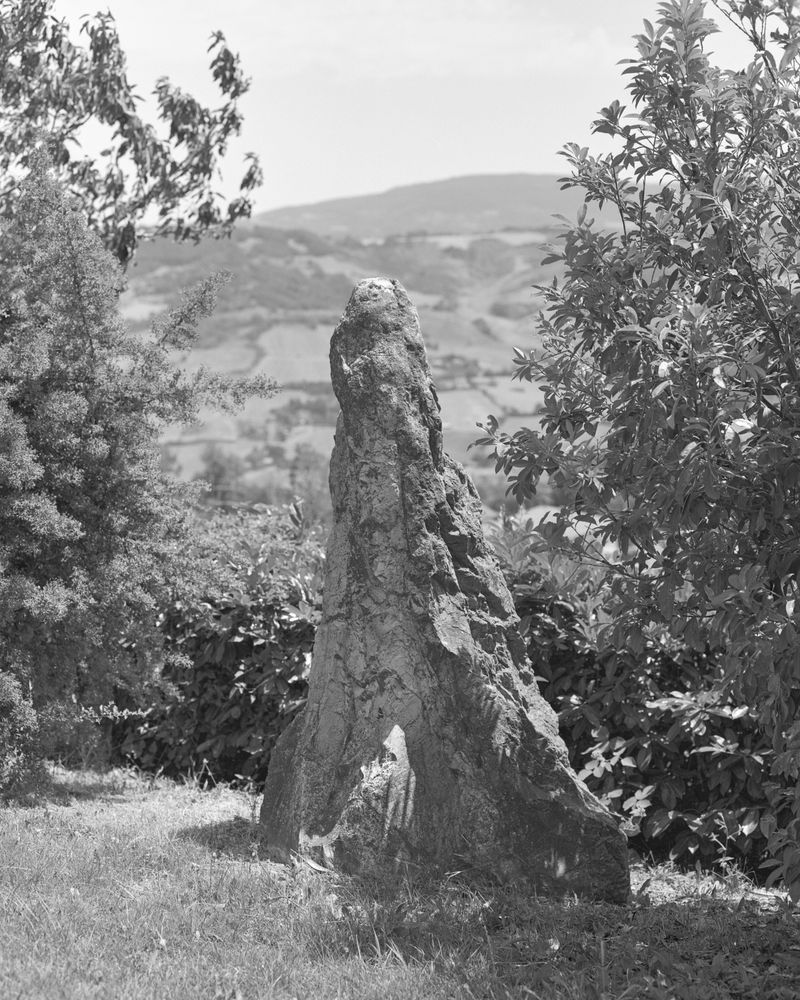
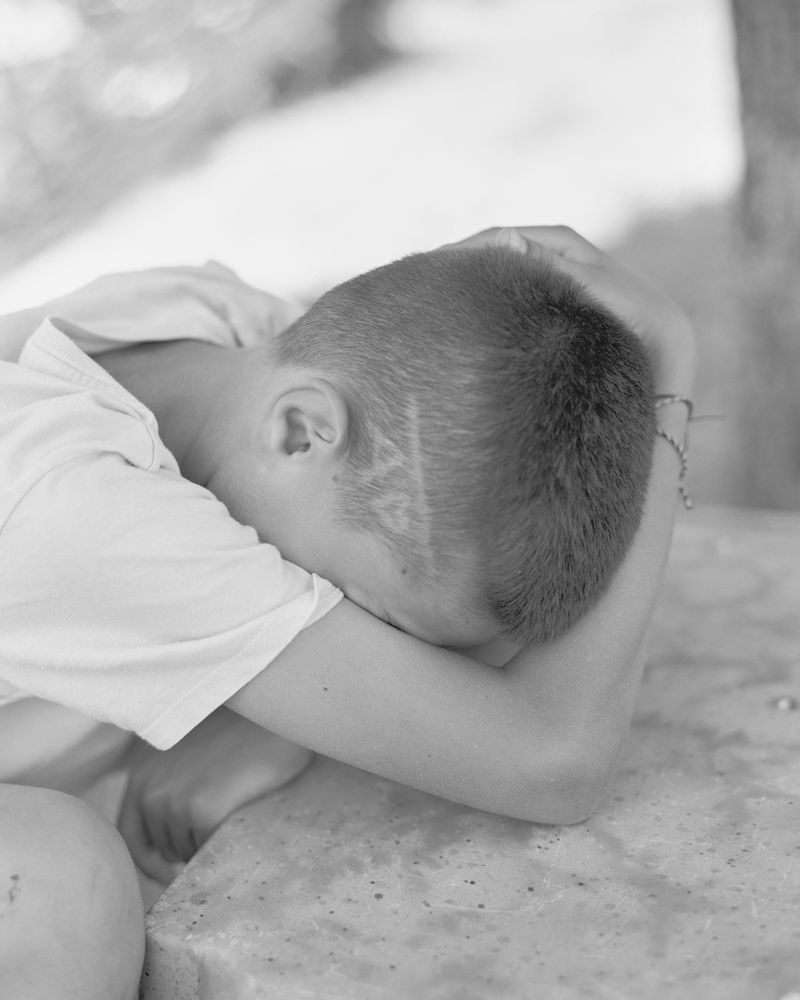
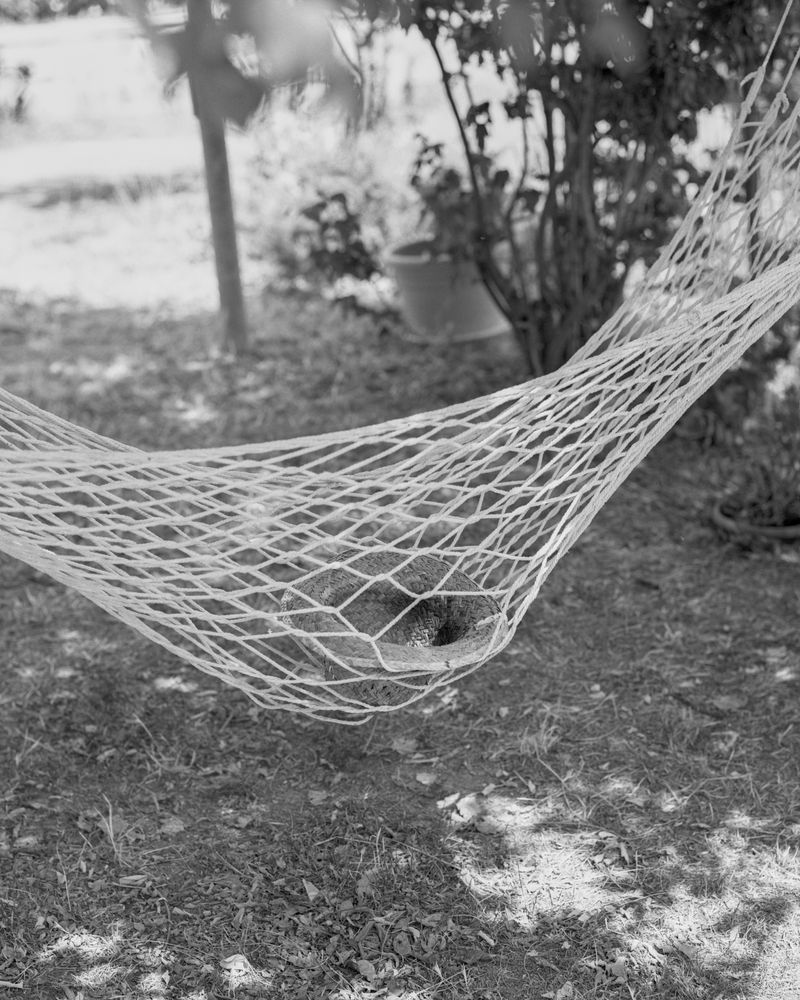
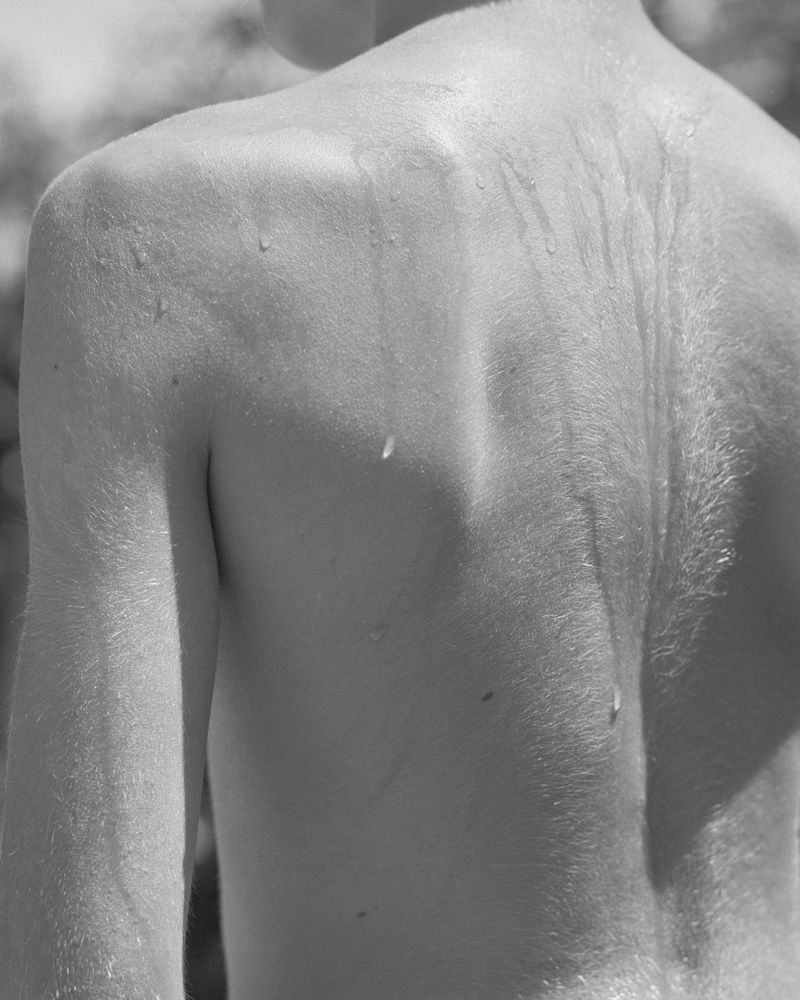
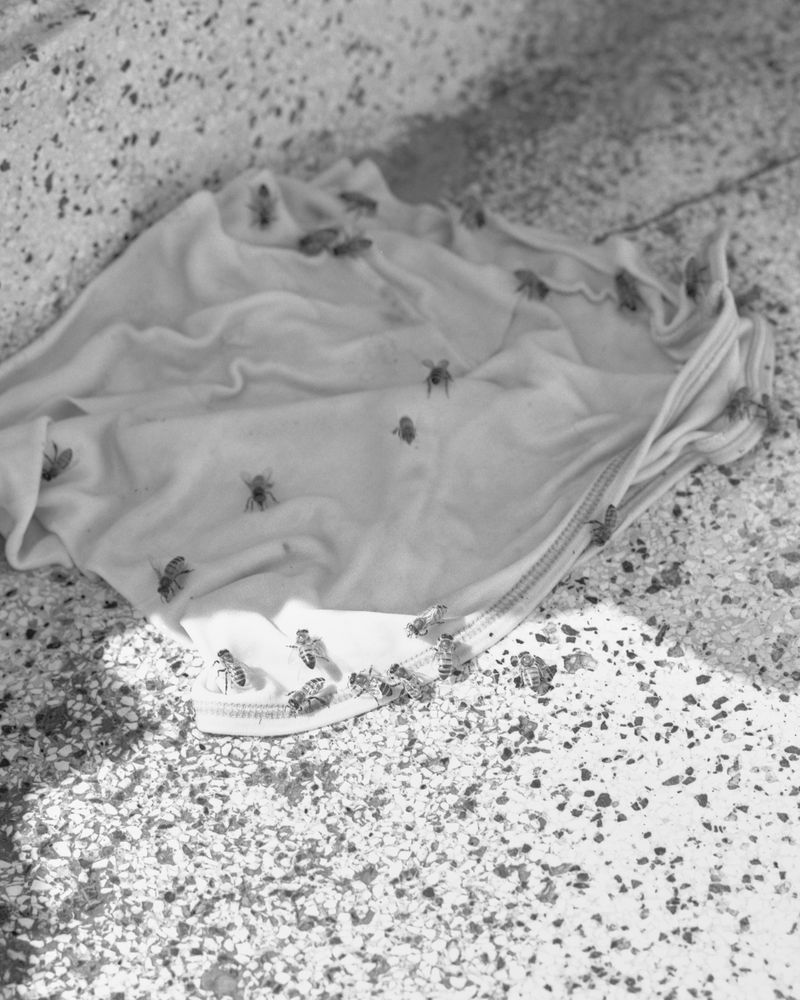
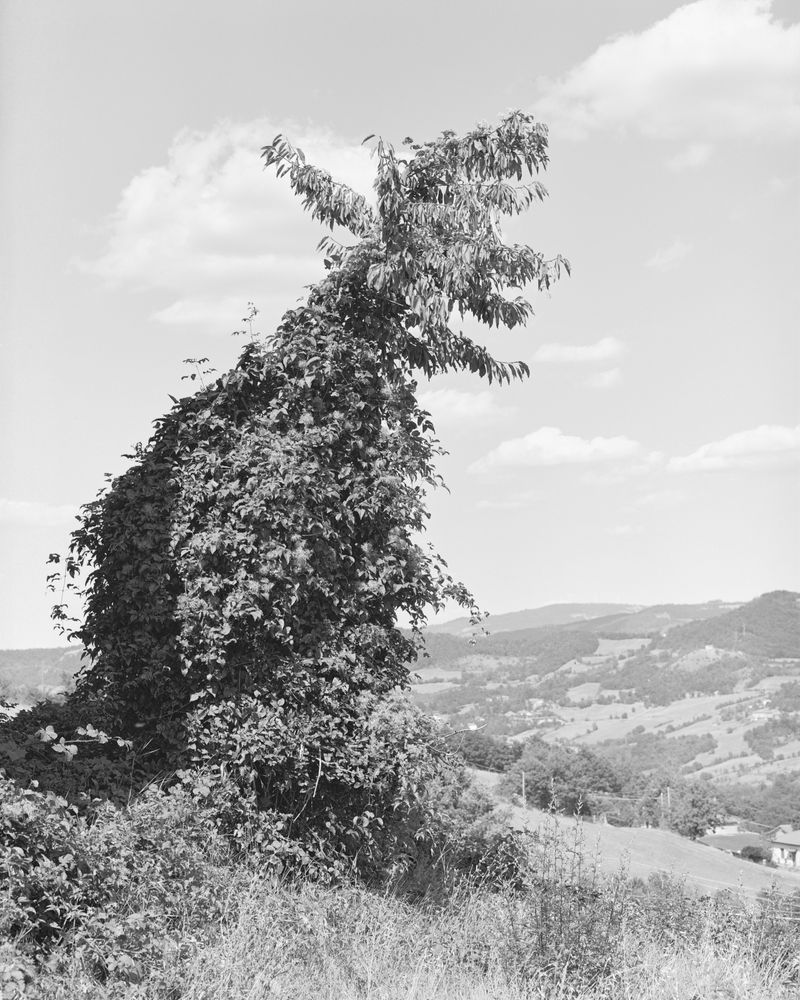
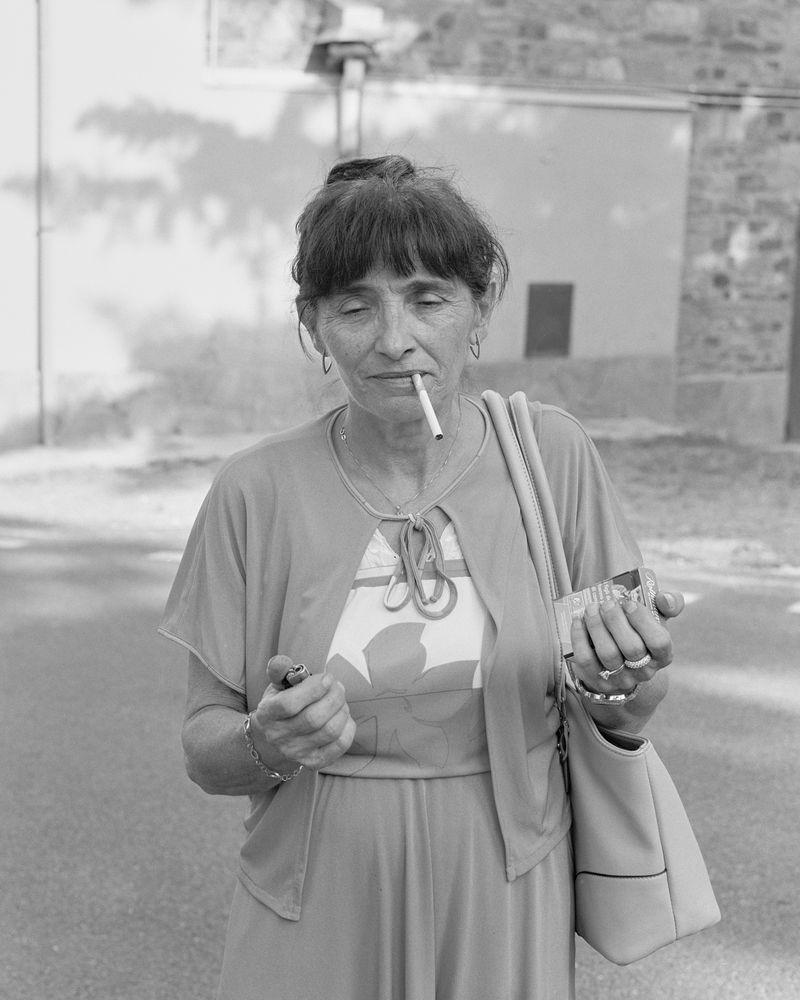
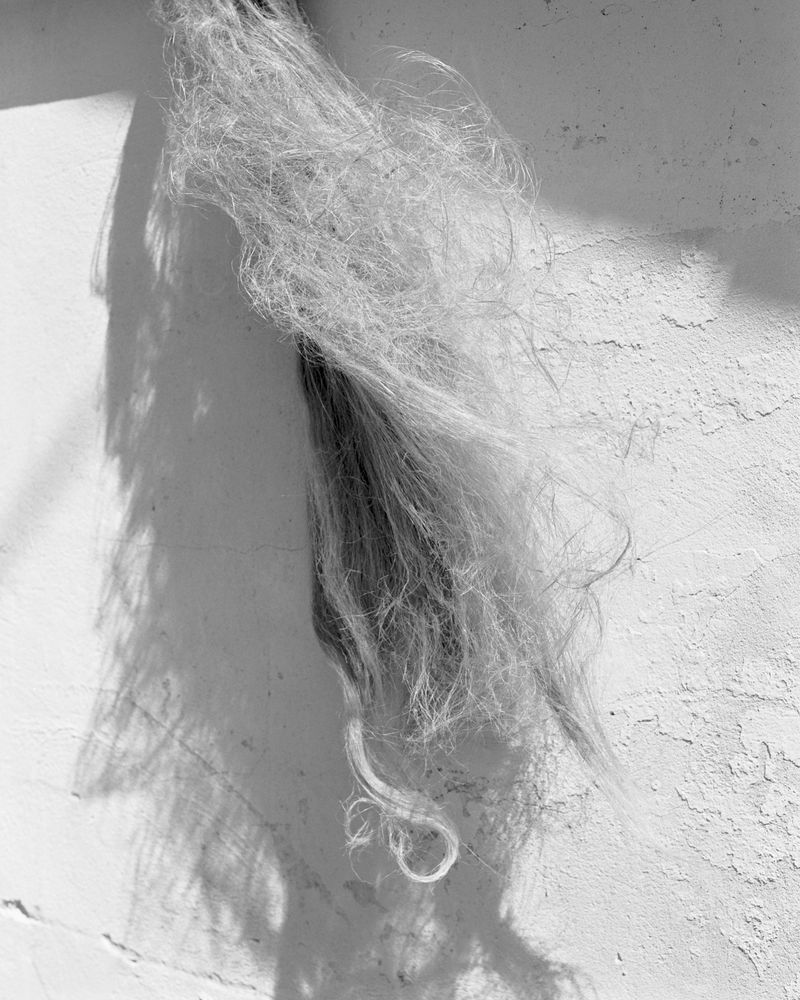
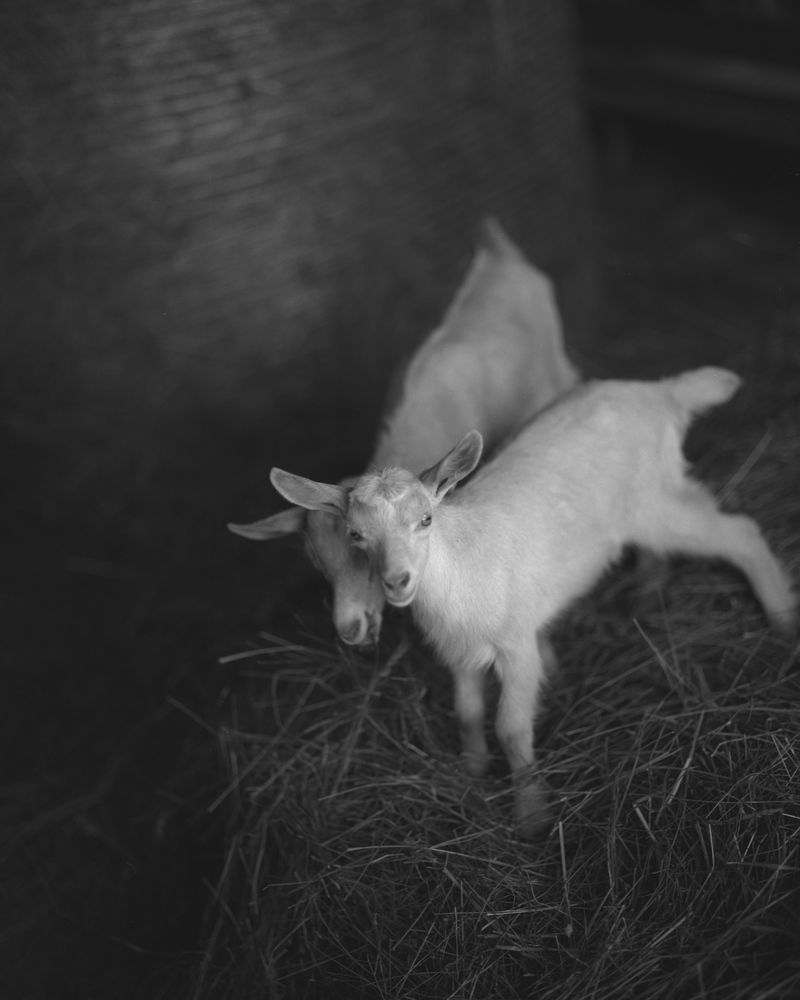
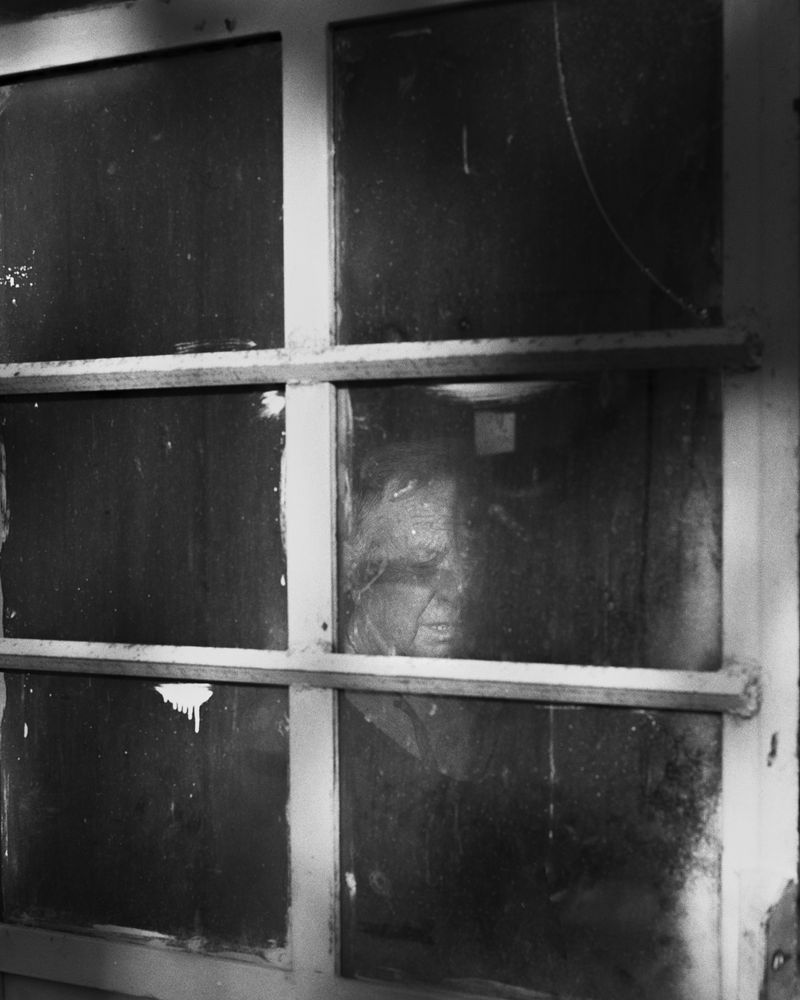
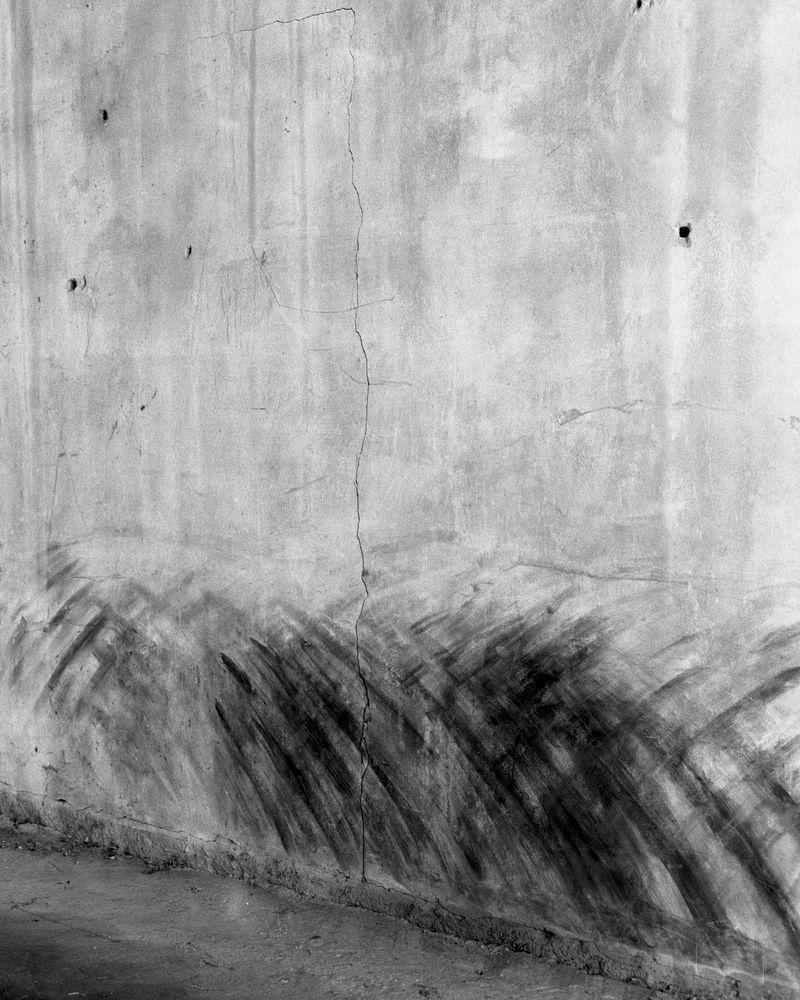
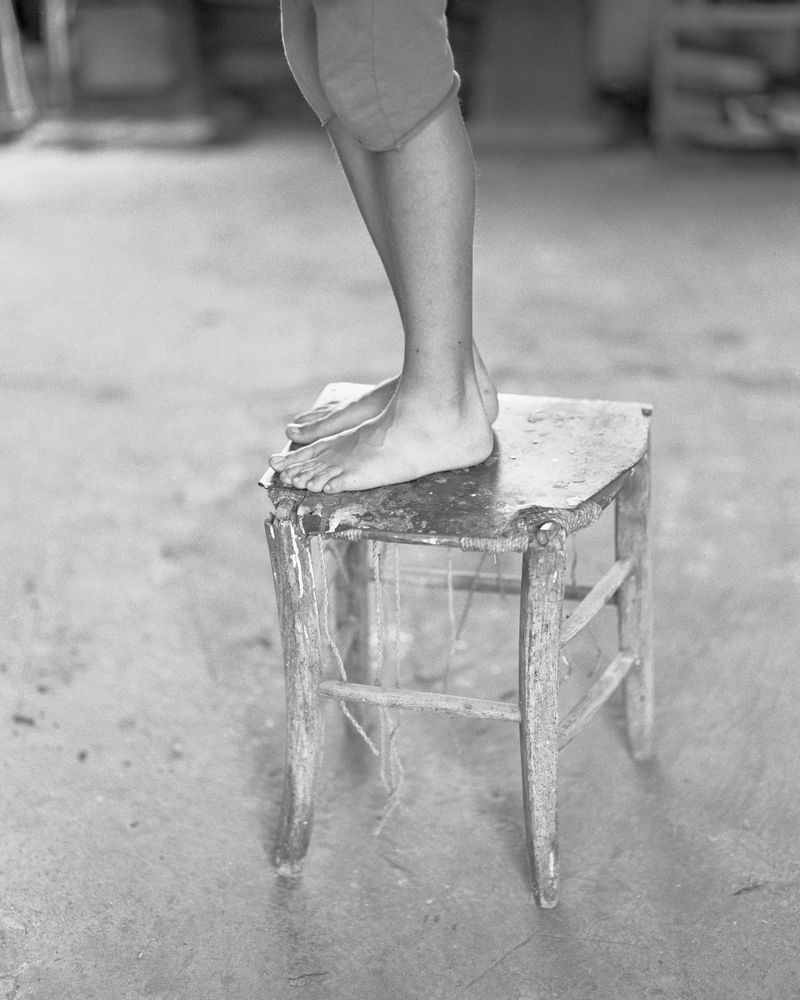
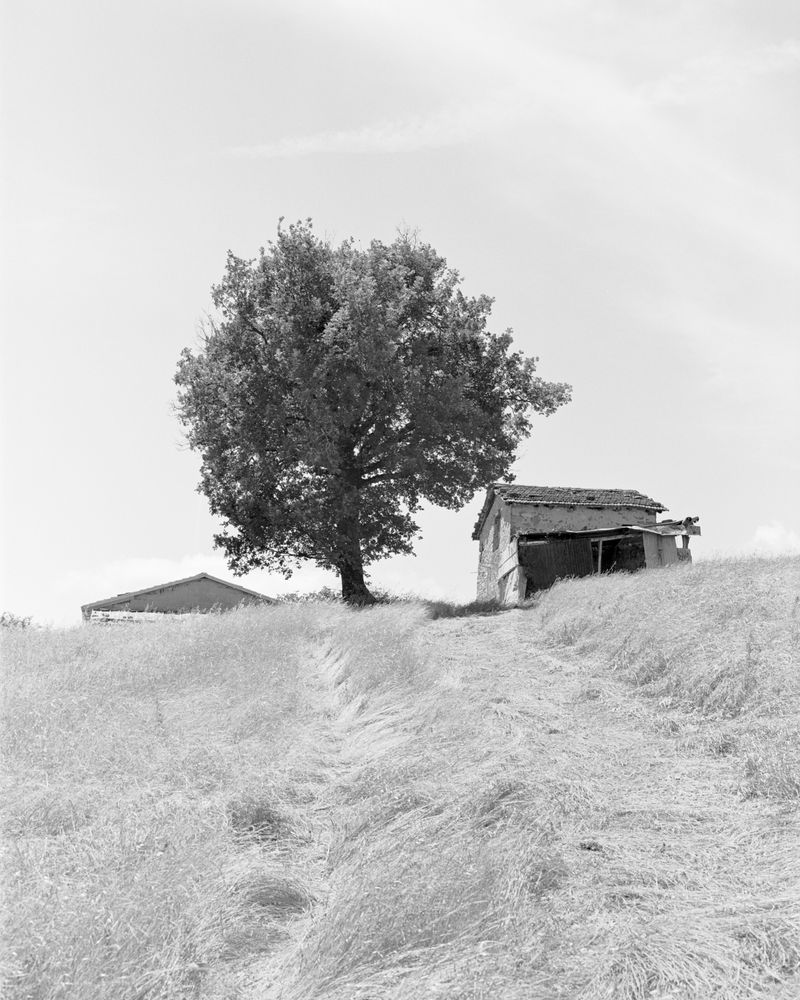
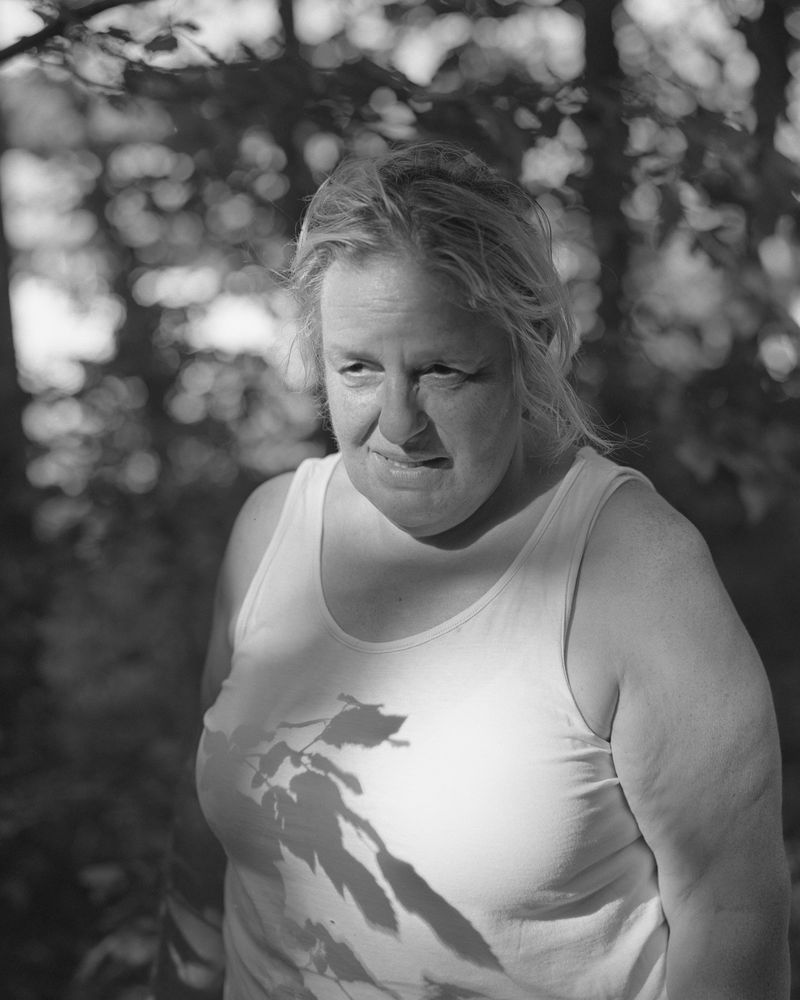
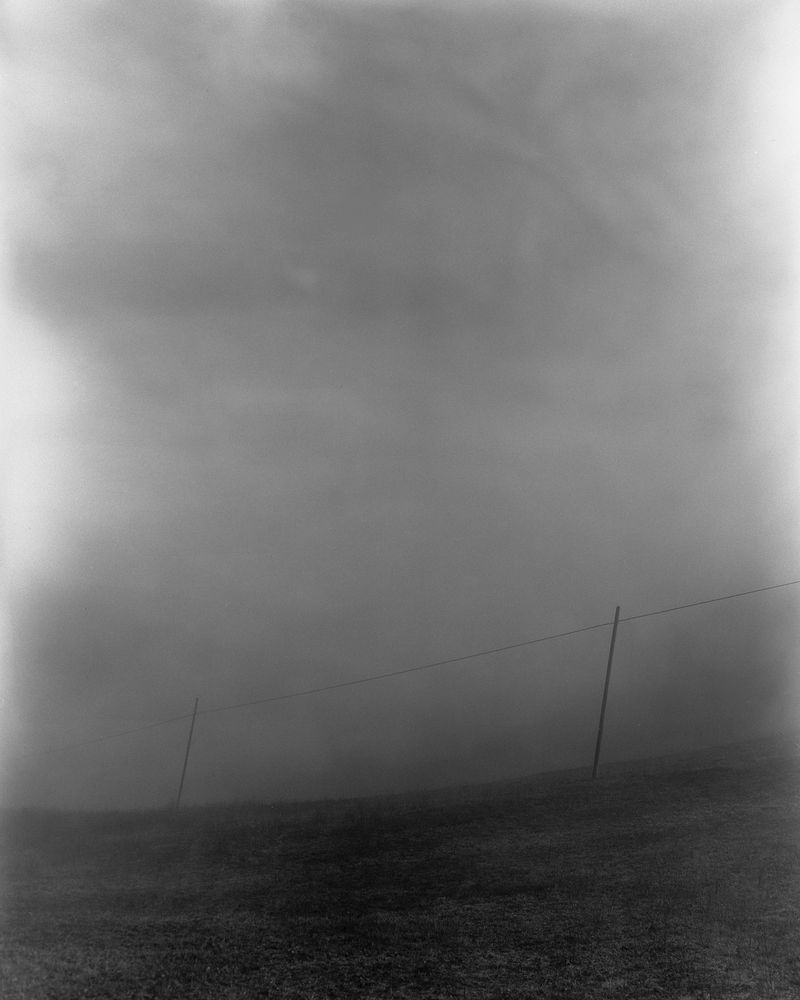
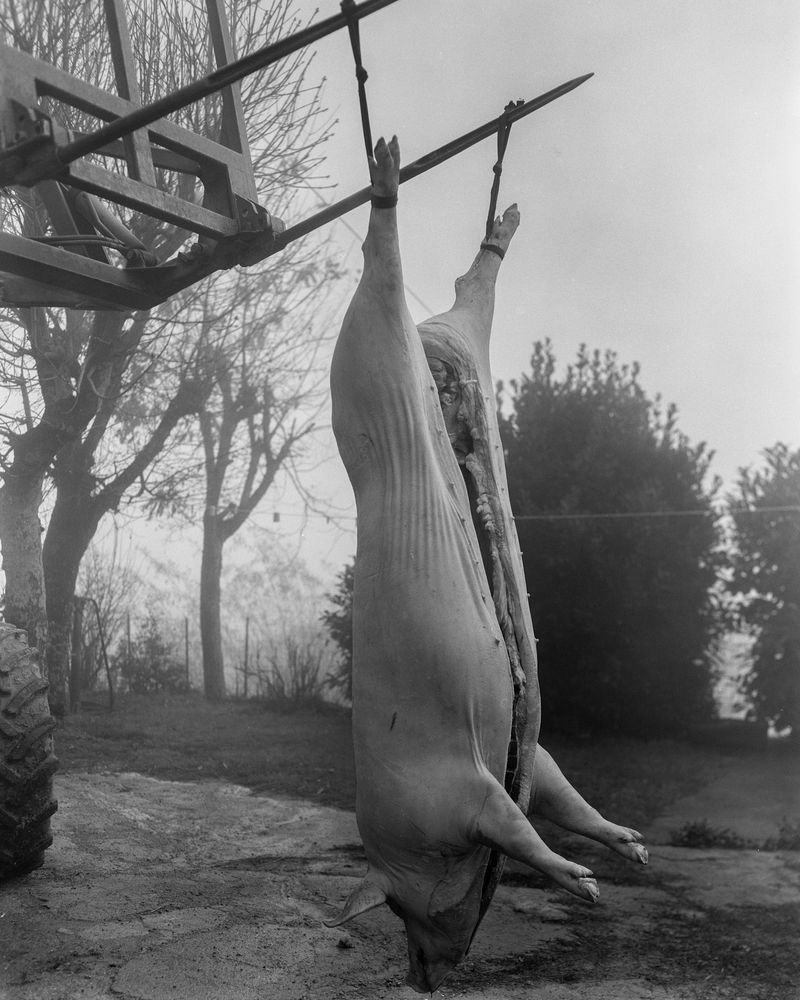
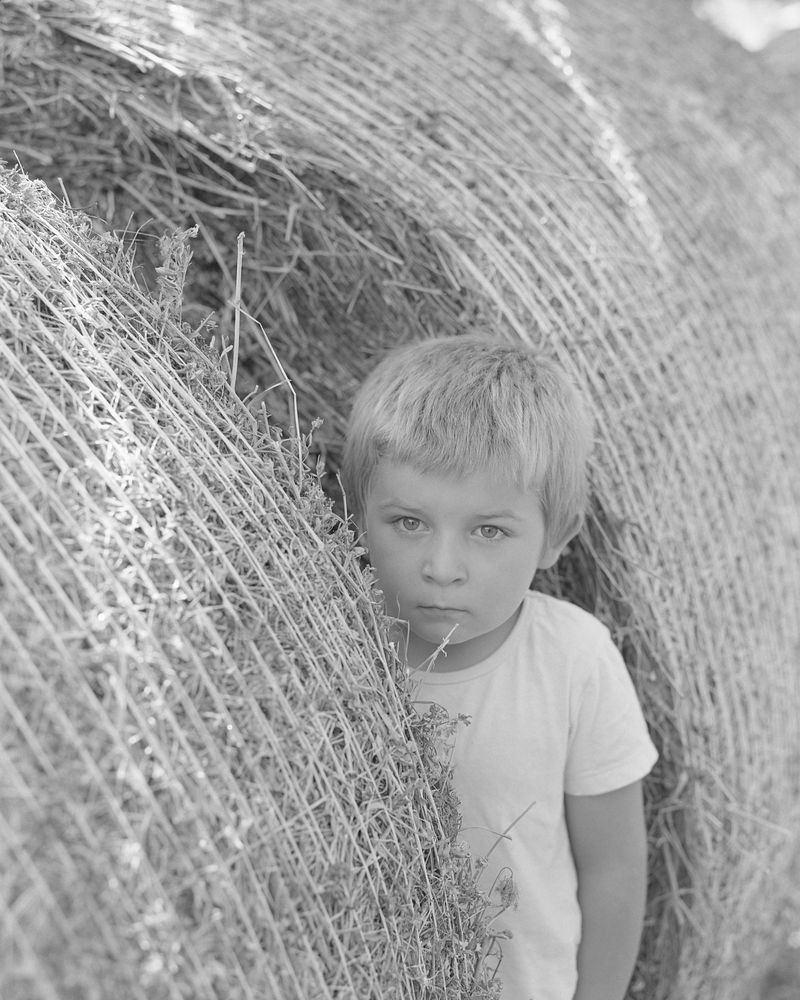
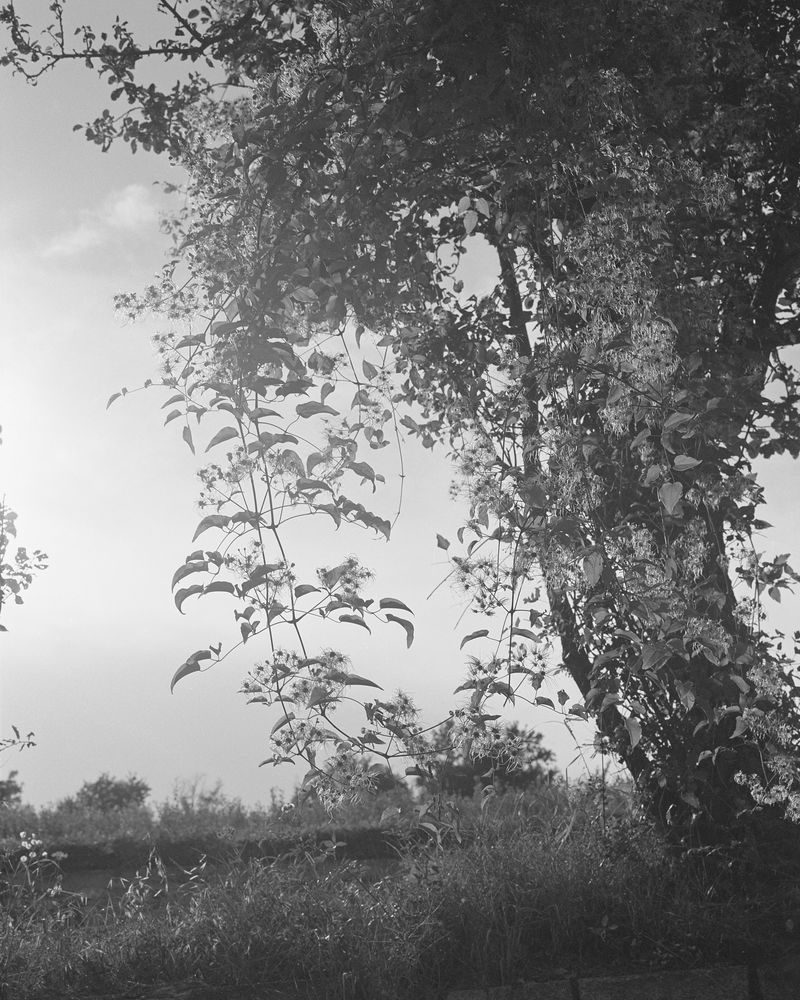
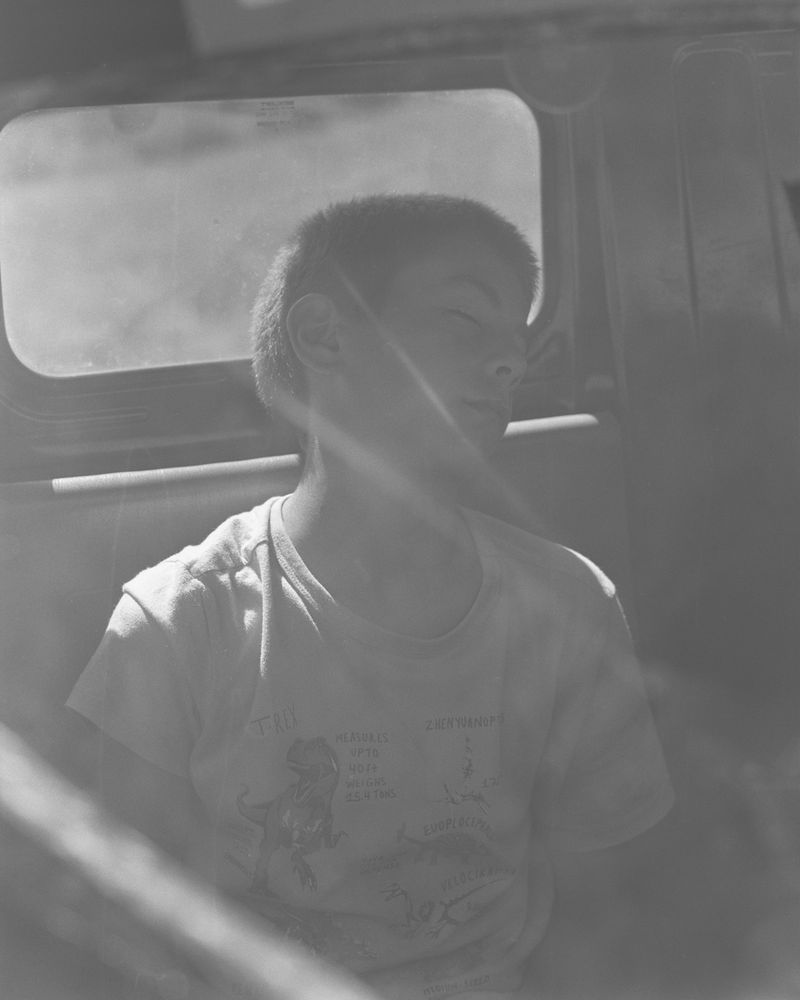
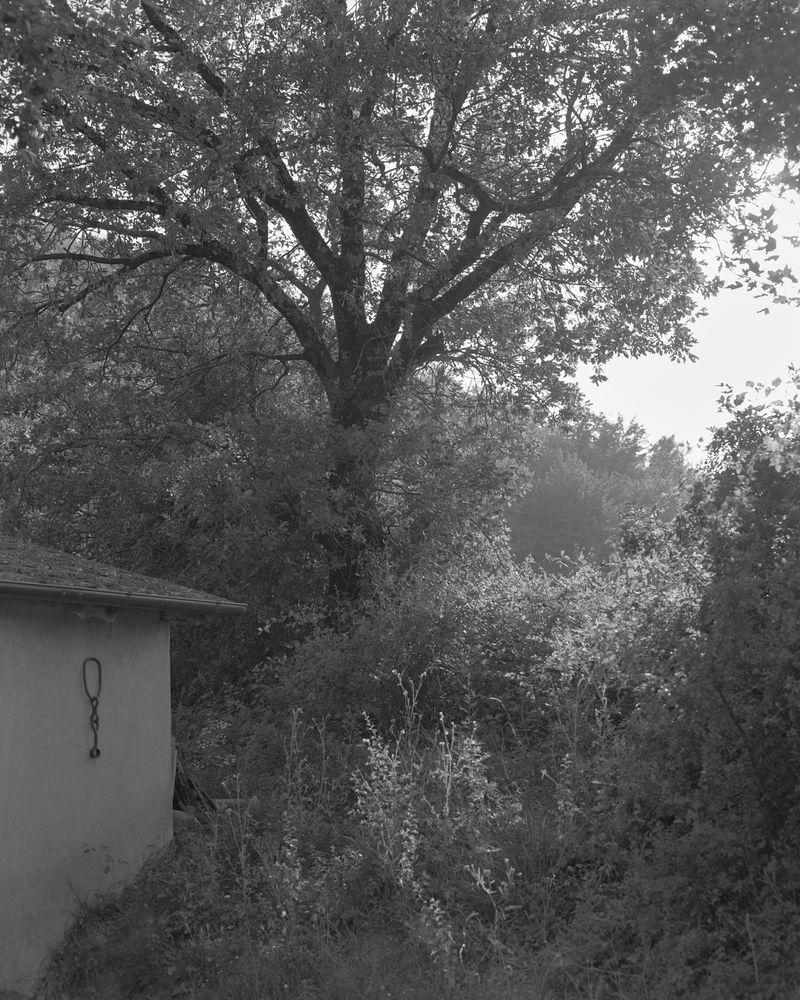
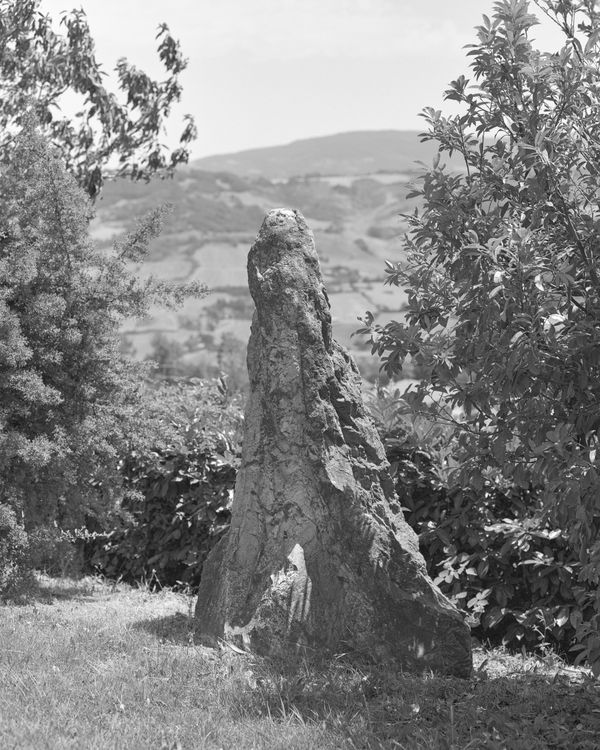
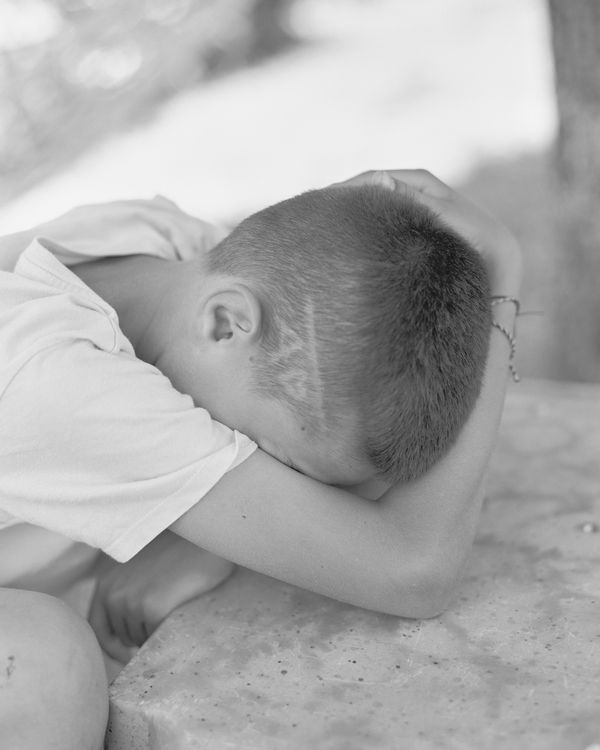
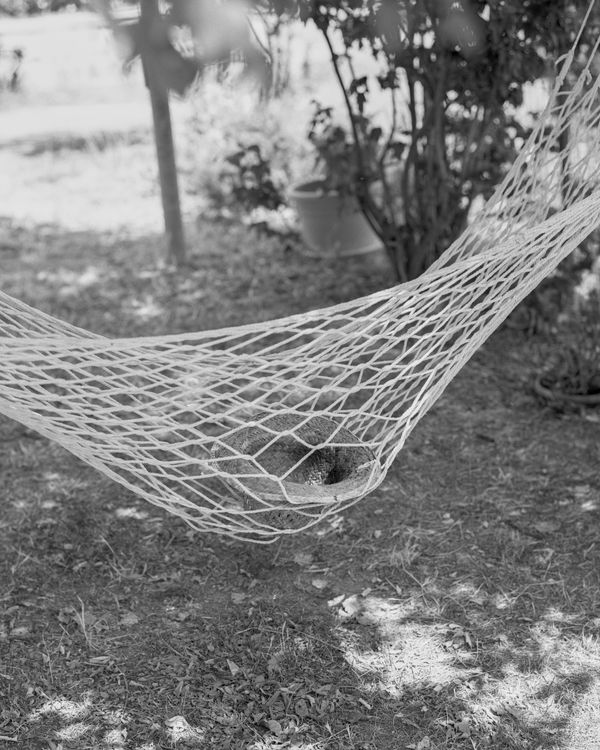
Borderland journeys through the village of my childhood, where family memories and the surrounding nature merge with the passage of time, unfolding a dialogue between memory, dream, and emotion that reimagines past and present.
“All things in life that once existed tend to re-create”
Borderland represents an intimate research in a familiar place where I grew up since my tender years. Here I would find refuge in my grandparents’ house and feel a strong love coming from them, nature and all the living creatures in the land – those silent hills where I felt free to express myself. To me everything is bordered in this rural village on Tuscan-Emilian Apennines, and it is this dimension of indefiniteness that pushes me to a relentless pursuit for the traces of a time that I have not lived enough or that I have lived too much. My past blends with my present and suggests my future steps. I do not know whether I should listen to it or let myself be carried away by the fresh wind – the same one that accompanied me and my grandfather and our conversations about existentialism during hot summer nights, while marvelling at the beauty of the constellation, lying downhill on a wet meadow. Everything that surrounds me wants to get close to me, just like then, rethinking the legacy of a relationship created in time: with this aim, begins a process of interpreting reality without a celebratory, symbolist nor documentary intent. Rather, it turns out to be an evolution aimed at a deep redemption of my past and present being, producing at the same time an emotional tension that, just as on an extremity, hovers between joy and pain. In such research, which aims to establish a continuous dialogue between memory, reality and dream, I try to retrace over time fragments of an existence regarding family, growth and belonging.
- Filippo Barbero
Filippo Barbero’s project Borderland is an investigation on the landscape, and specifically a small town of the Tuscan-Emilian Apennines, that blurs into the intimate life of the author in a poetic and touching way. His gaze focuses on the interstitial moments of the place, recalling details of the past as well as suggesting potential messages for the future. In this dance between what’s been lived and what’s to come, the land becomes a vehicle for re-elaborated memories and uncharted new possibilities.
- Giada De Agostinis, Photo Editor at The New Yorker
Text of the book (published by Witty Books in April 2025):
Wary of Pears by Aaron Schuman
One of my earliest memories is of sitting alone beneath a pear tree, dappled afternoon sunlight pouring through its leaves and into my eyes. I must have been two, maybe three – my parents sold the house that it stood next to not long after that. It was a warm day, not sweltering, but the air was still, and thick with the musty smell of mouldering fruits that had dropped early in the season and lay scattered all around. I remember ants, mesmerizing me as they marched in neat lines between the fallen fruit, and then scurried into their holes that led underground. Birds too, chattering loudly and roughhousing above, chasing one another in and out of the tree’s canopy, and occasionally knocking a ripe pear to the ground. Picking one of these up, or perhaps one lying next to it, I bit into its side. Its thin yellow skin yielded easily to my little teeth, which then sunk deeper into its soft white flesh, mealy and glistening. Juice dripped everywhere - from my mouth and chin, down my neck, soaking my t-shirt collar. A sweetness and joy so powerful that it almost knocked me off balance overwhelmed me. Seconds later, a sharp prick inside my top lip lifted me out of this syrupy daze. Pulling the pear from my mouth, I watched as a startled bee climbed out of its now exposed core, hovering in front of me for an instant before dizzily buzzing away. This memory then grows hazy – just glimmers really, of pulsating pain, salty tears, and my mother’s fingertips pushing ice against my swollen lip to numb it. But to this day, I am still wary of pears. As I write this, a cold wind howls outside my window. It’s nearing the end of a very long winter, but the sky remains steely and dismal, the branches are still barren, and a heavy dampness hangs in the air. The sun hasn’t shone in months; I can’t remember such darkness ever stretching so late into the year. My body is craving starches and sustenance more than sweetness and succulence – bitter greens, rich meats and heavy roots, rather than ripe fruits. I long for summer. More generally, I long for summers to last, like they did when I was a child. For the heat and endless days to linger and grow so achingly boring that they led to curiosity, discovery, and delirium. I once spent an entire summer trying to dig a tunnel to China. I once got lost, walking till dusk through fields and forests, in search of the gold at the end of a rainbow that I’d seen on the horizon that morning. I once crawled into a shallow cave hidden behind a swimming hole’s waterfall and sat inside it for hours, watching the local teenagers come and go, drink and smoke, splash and flirt through the falling water. Apart from a few flashes of playing in snow, I can hardly remember the winters of my childhood, they went by so fast. Now it feels like it’s the summers that are fleeting, whereas the winters hold. I know that I’m not old, but I’m no longer young either. Over the course of the last twenty summers I have watched my own children dig deep into the mud, climb too high into the trees, roll fast down grassy hills, and get stung by bees. They are now all grown up too. My father is dead. My mother is still healthy, but she moves so much more slowly than I remember. And the grandparents whom I laughed and played cards with late into the summer nights are long gone, already distant memories for several decades now. I know that I am at a threshold. I have seen the seasons change, again and again. But looking out of this wet and windswept window, I can’t help but wonder if another summer will ever come. Twelve weeks ago, in Rome, I caressed the faces of Janus with both my hands. I’d just had dinner with a friend whose partner was seven months pregnant. At the entrance of an ancient bridge, I saw a pillar, marble, not much taller than me, which had four heads carved into it looking in all directions. This stoic god – of gates and bridges and doorways and passages, of endings and new beginnings, who resolutely stares into the past and the future at once with an acceptance that is both unsettling and unwavering – felt cool to the touch, but solid and comforting all the same. The old stone had been worn smooth, his features softened and made more youthful by time, wind, rain, and the countless travellers who’d cradled his cheeks in their hands before me. Following in the footsteps of St. Augustine, the theoretical physicist Carlo Rovelli recently asked, “Do we exist in time, or does time exist in us?” Perhaps we are not perpetually propelled into the future from the past, but instead it is we who are perpetually propelling the past into the future. Perhaps within ourselves we already contain all the summers ahead, as much as we hold within us memories of pear trees, of weathered marble, and of so much more. Only a few weeks ago, my friend finally shared a picture of his newborn daughter – lying alone on her back, eyes wide open; day one. Her expression was the same as that of the statue, her skin just as smooth and inviting. Perhaps we’re at a threshold, always and forever – perhaps we are the threshold. The present itself is a borderland.