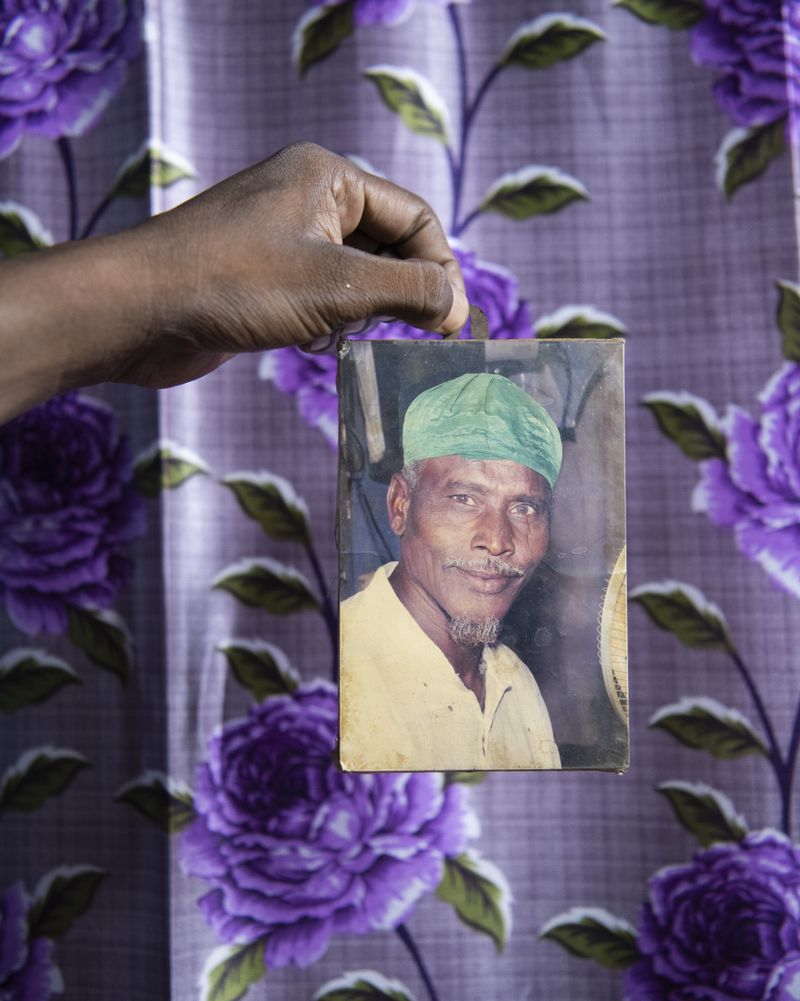
Blood under the sundown light
The Siddi community is the African descendants living in India. This project focuses on the Sate of Gujarat, where the Siddis have been able to intermingle their African traditions and the diverse Indian customs, creating a creolized context.

Blood under the sundown light:

Little has been said about African descendants in India. The reason may be that the African continent has only been accounted for since colonial times. Nevertheless, it is essential to move away from thinking that African communities were isolated and static prior to their contact with white men. It is crucial to acknowledge counterstories of black communities outside of a colonial context and recognize their socio-political and economic influence in the formation of diverse contexts globally, one of them being India.

The Siddi community represented here are descendants of East Africans living in the state of Gujarat in India. It is believed that their original and religious ancestors, arrived on the coast of Kuda, Gujarat, where they started settling around the state, spreading the word of Islam, as well as its customs and traditions.

Today, the Siddis blend African traditions with Indian customs, creating a creolized culture that fosters pride in their African heritage and a strong sense of belonging in India. Despite this, they face racial, class, and caste-based segregation, which limits their access to education, employment, and housing. Many Siddis experience a blurred identity, seen as neither fully Indian nor African.

Despite these challenges, the community remains committed to preserving its traditions and oral histories, navigating their complex, transoceanic identity. The Siddis represent a unique intersection of two continents and cultures, offering a rich narrative of heritage and resilience.

© Alejandra Arévalo - Image from the Blood under the sundown light photography project
i

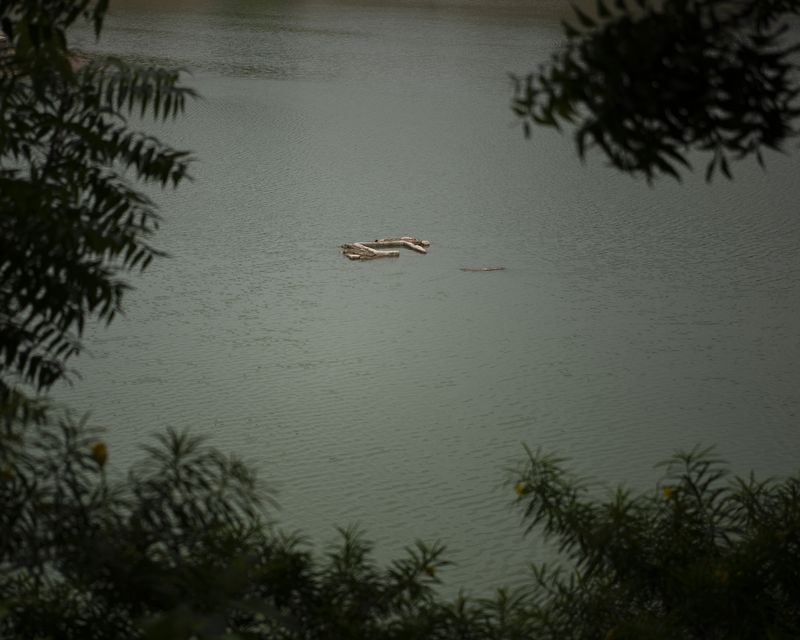
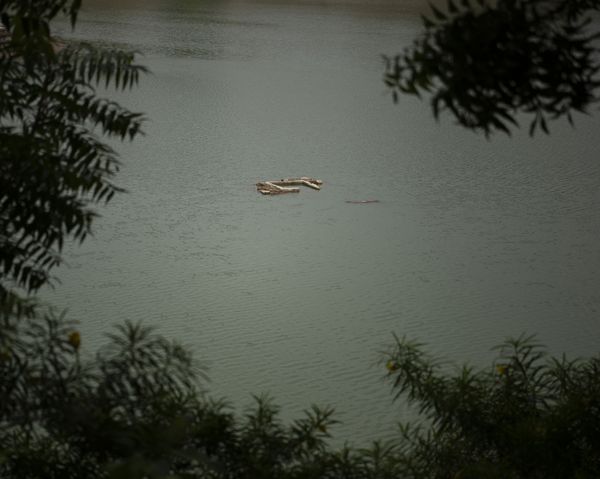
The first Siddis in India, Muslim siblings Baba Gor, Baba Habash, and Mai Misra, were entrusted by the Prophet with spreading Islam in the promised land. Their journey began in the Nubian Valley of East Africa, carrying the sacred word across Hindustan. This image shows the Sabarmati River as seen from the Dargah of Siddi Zuza, a revered warrior saint honored by the Siddi community in Gujarat.

© Alejandra Arévalo - Image from the Blood under the sundown light photography project
i

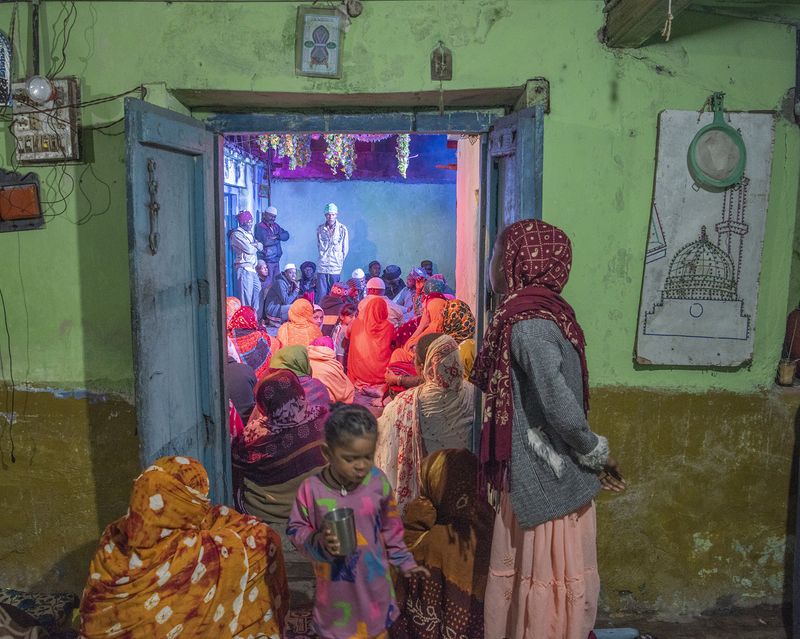
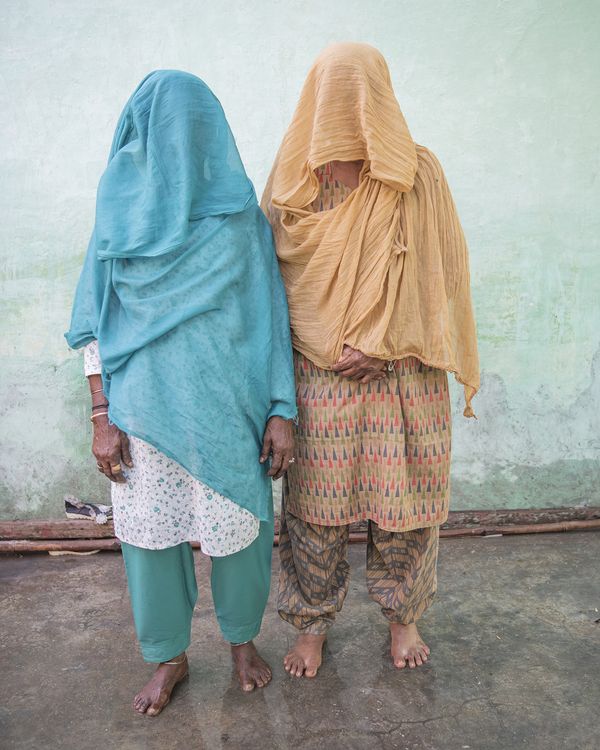
The Siddi community in Gujarat practices Sufi Islam, which deeply shapes their cultural and artistic life. Each year, they celebrate Urs,the death anniversary of saints,at sacred sites across the region. These gatherings revive ancestral memory and strengthen community identity. In the town of Bedi, preparations are underway to honor Mai Misra’s Urs, as the Siddi people come together in devotion.

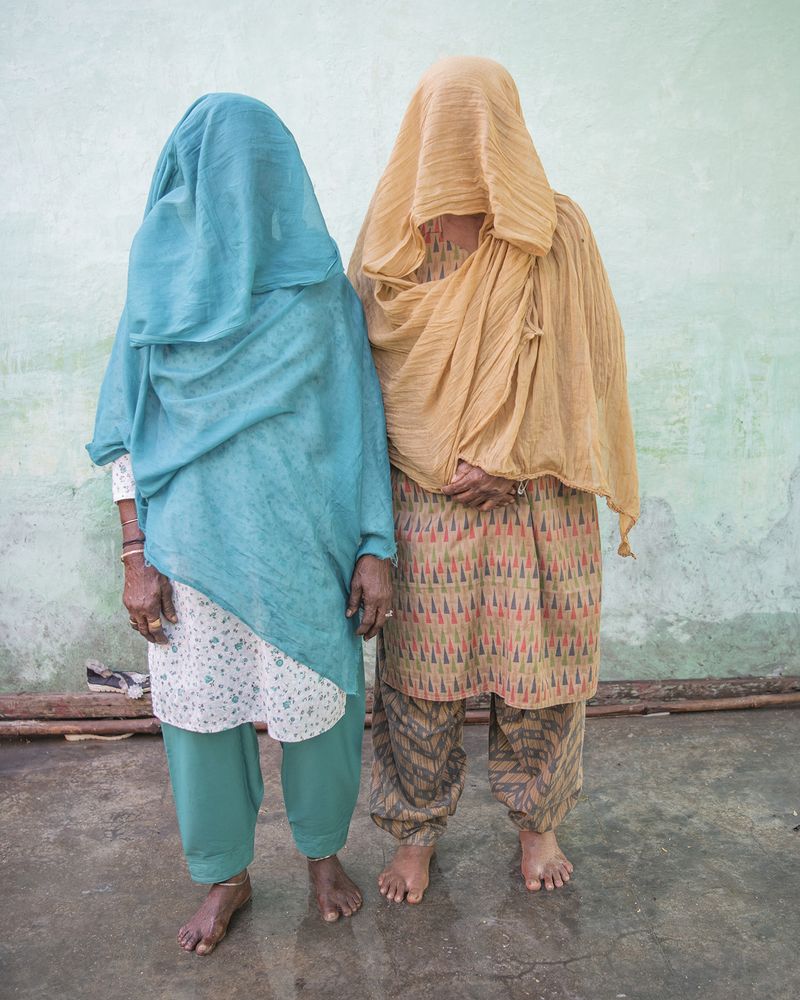
© Alejandra Arévalo - Siddi Janb Umar and her cousin pose in front of their family home in Bedi after attending Mai Misra’s Urs.
i

Siddi Janb Umar and her cousin pose in front of their family home in Bedi after attending Mai Misra’s Urs.

© Alejandra Arévalo - Image from the Blood under the sundown light photography project
i

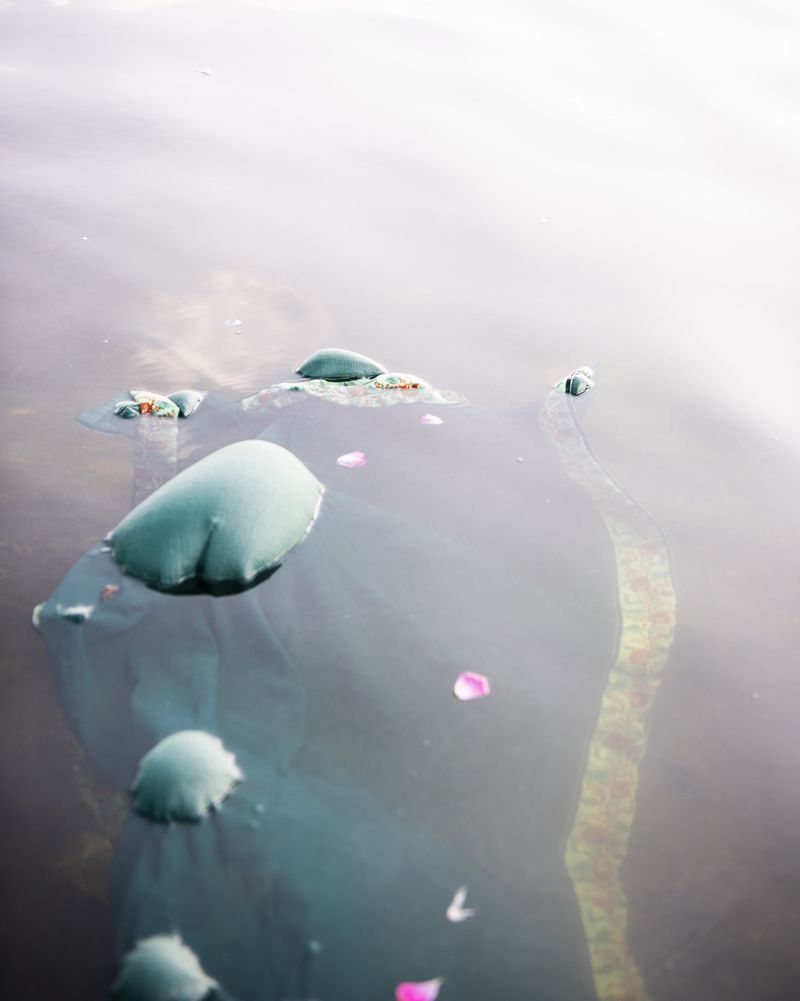
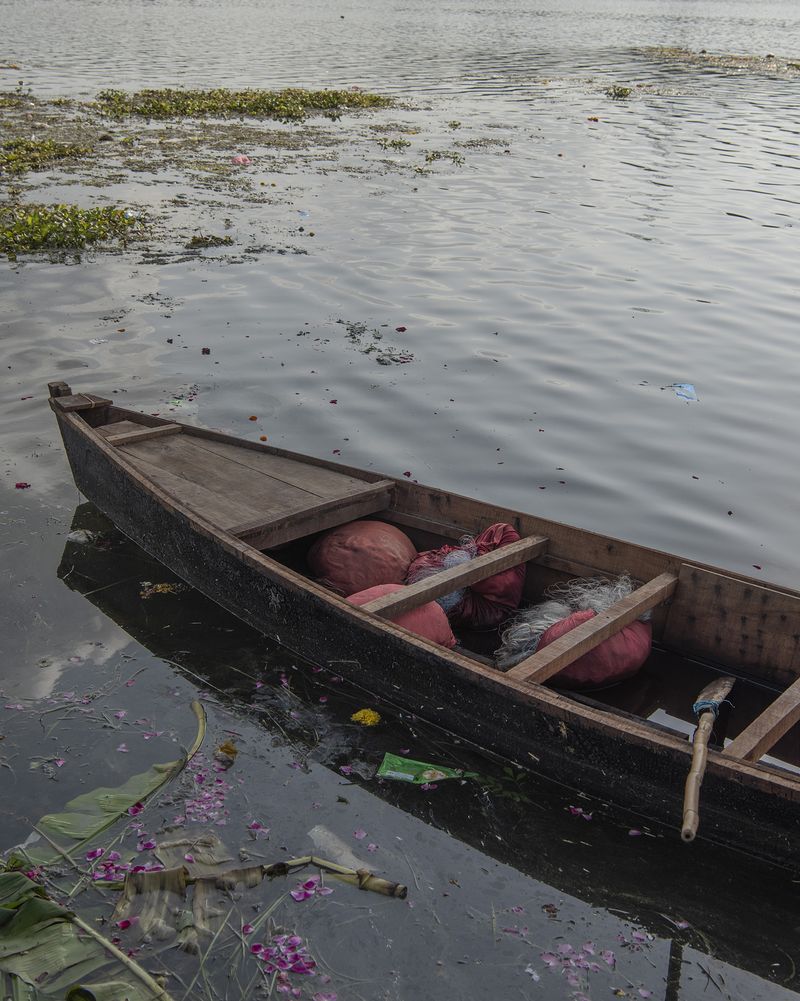
According to the Siddi folklore, Mai Misra placed her veil in the water praying to God for help to reach India. The moment her veil hit the water it turned into a boat. The three siblings crossed the Arabian Sea on this wooden boat.

© Alejandra Arévalo - Image from the Blood under the sundown light photography project
i

The Murima family originates from Bedi, a town in the Jamnagar District of Gujarat. While some family members remain in Bedi, the majority have migrated to larger cities such as Ahmedabad. This is the case for this particular branch of the family. Farooq Siddi, his mother, Siddi Janb Umar, and his sister moved to Ahmedabad a few years after the passing of their father, Umar Siddi.

© Alejandra Arévalo - Image from the Blood under the sundown light photography project
i

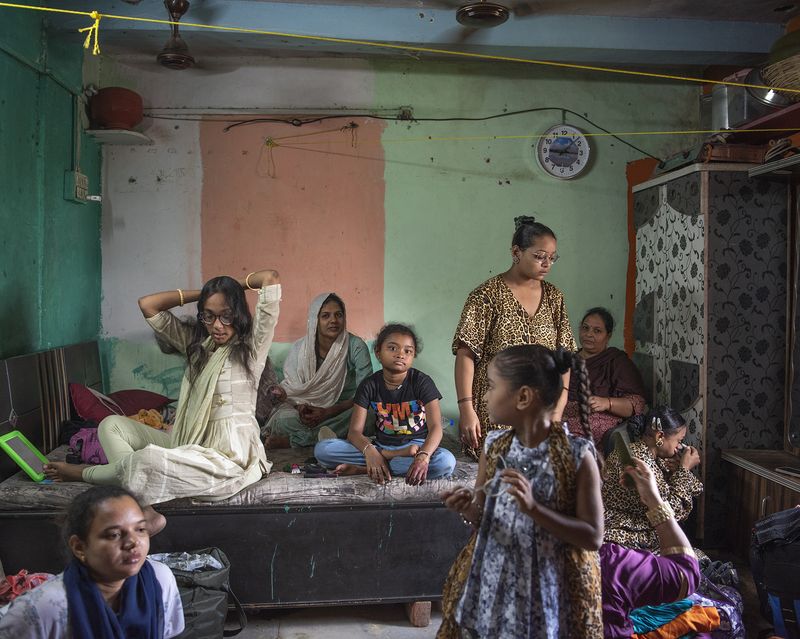
Upon arriving in Ahmedabad, Farooq's family settled in Pathhar Kua. As a teenager there, he formed a deep bond with Samina, which later blossomed into marriage. Today, they live with their children, Ujefa and Nauman, and their turtle, Gandhi, in a flat in Sarkhej. They were fortunate to purchase another flat in the same building for Farooq’s mother, Janb Umar, his sister, and her children.

© Alejandra Arévalo - Image from the Blood under the sundown light photography project
i

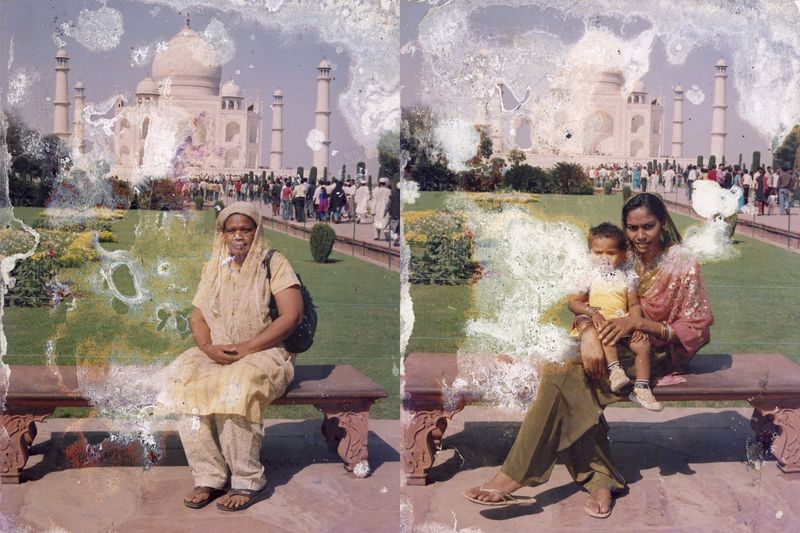
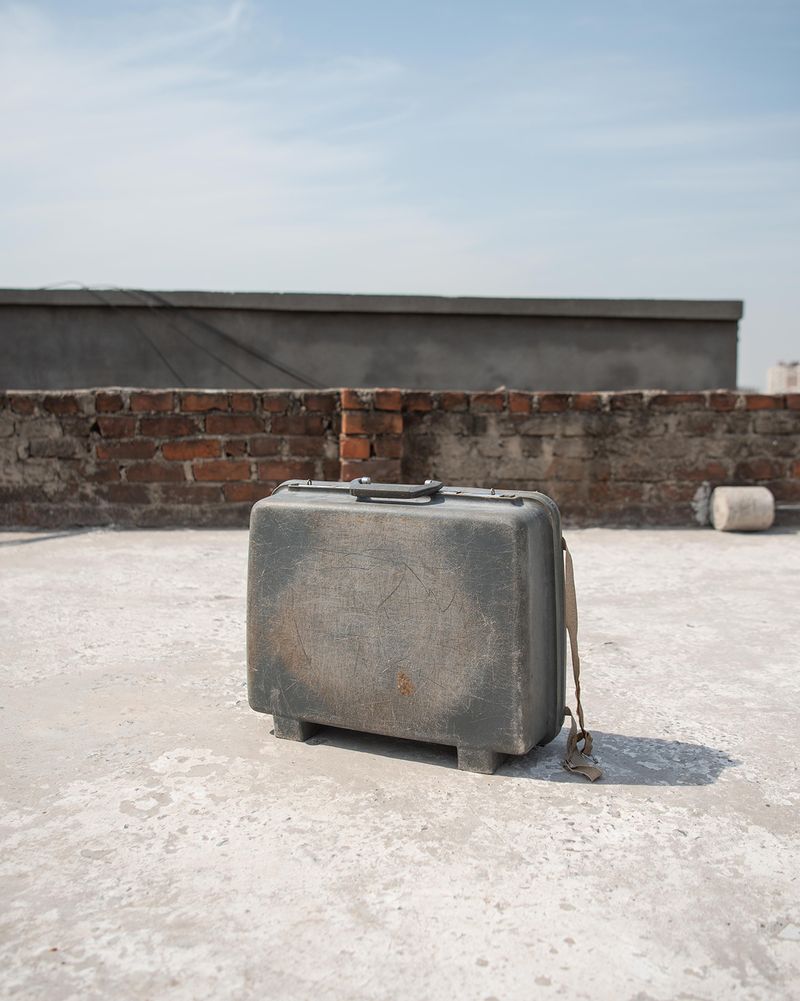
Farooq preserves a suitcase that once belonged to his father, Umar Siddi, a treasured object filled with emotional meaning. Family albums and documents hold more than memories; they shape identity and belonging. These artifacts carry stories passed through generations, subtly influencing how Farooq’s family understands their place within the Siddi community and the broader Indian society.

© Alejandra Arévalo - Image from the Blood under the sundown light photography project
i

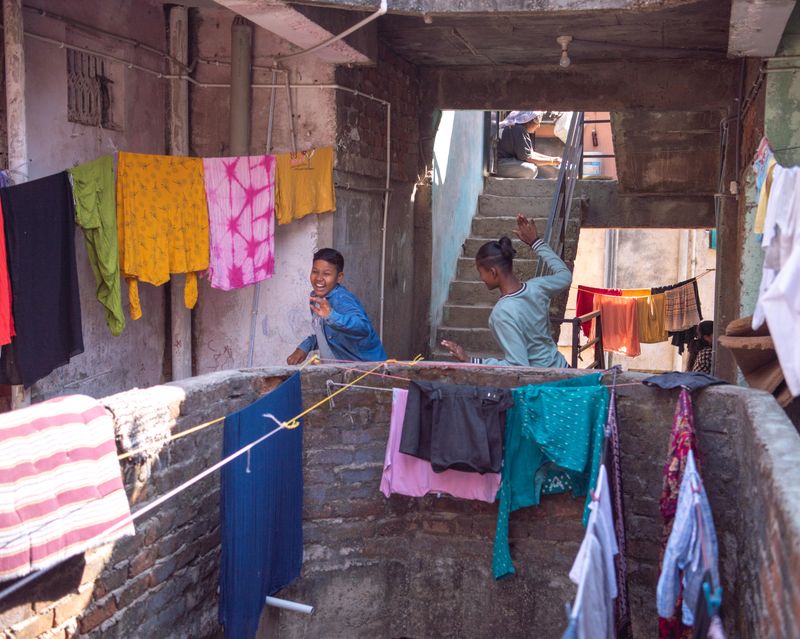
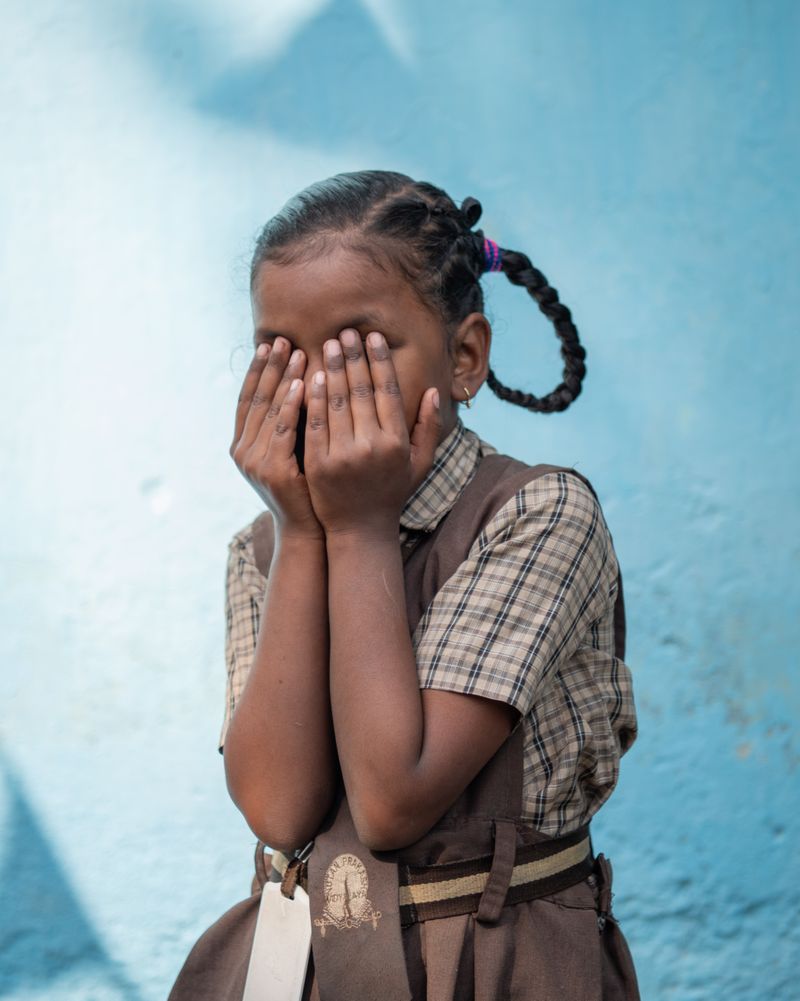
Jasbiha is a primary school student at Nutan Prakash School in Ahmedabad. She lives with her parents, grandparents, two younger sisters, and her paternal uncle’s family, all under the same roof in Pathhar Kua, Ahmedabad, alongside 22 other Siddi families.

© Alejandra Arévalo - Image from the Blood under the sundown light photography project
i

Farida Kasambhai Al Mumbrik’s great-grandfather, Imaandar Mubarak, was a boy in Gondal when the King of Bhavnagar noticed him and brought him to court. He began as a guard and rose to treasurer, earning the King’s trust. His sons were gifted land,still home to the family. Al Mumbrik women preparing for Baba Gor Urs in Ratanpur, honoring their saints.

© Alejandra Arévalo - Image from the Blood under the sundown light photography project
i

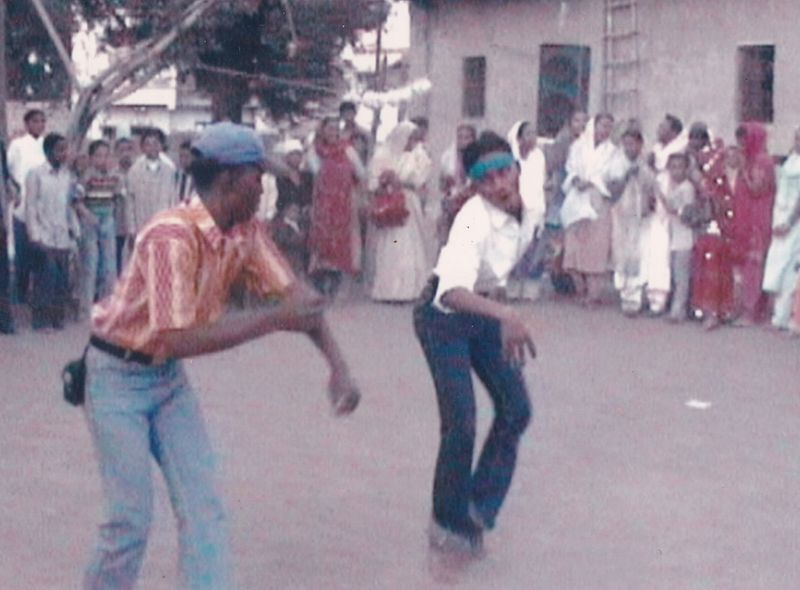
During Urs, men perform Dhamal, a devotional practice that merges Zikr chants in multiple languages, Swahili, Urdu, Gujarati, and Hindi, reflecting a unique fusion of Sufi traditions with African musical and dance influences. This sacred performance embodies the creolization and syncretism of the Siddi community’s cultural identity.

© Alejandra Arévalo - Image from the Blood under the sundown light photography project
i

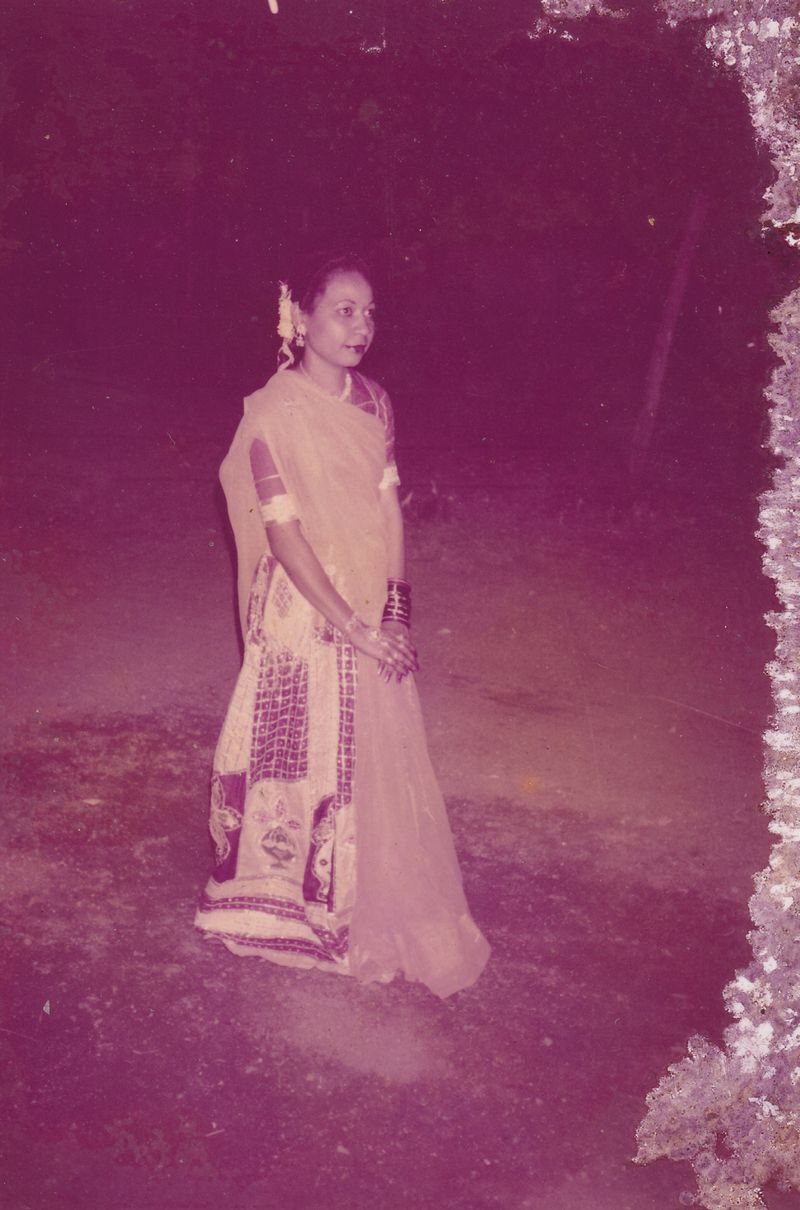
Fadima Didi is the founder of the Siddi Gnoma Trust. For more than 20 years she worked for the preservation and promotion of the traditions of the community. Unfortunately, due to financial problems, the foundation is no longer in operation.Fadima dancing Garba, a Gujarati dance form, at her friends wedding, Al Mumbrik family archive.

© Alejandra Arévalo - Image from the Blood under the sundown light photography project
i

Traditionally, sacred Zikr chants were accompanied by the Malunga, a bamboo wind instrument with a goat gut string. When pressed, its vibrations resonate through a coconut shell against the musician’s stomach. During Baba Gor’s Urs in Bhavnagar, Siddi men dance alongside Muslim and Hindu devotees. Urs celebrates the spiritual union of saints with God.Al Mumbrik family archive.

© Alejandra Arévalo - Image from the Blood under the sundown light photography project
i

Women listening to the sacred chants of Zikr and Dhamal during Mai Misra’s Urs in Bedi. As the hypnotic rhythm of the drums intensifies and the chanting gains momentum, attendees invoke the presence of their Pirs (Sufi Saints) through spirit possession, bridging the physical and spiritual realms.

© Alejandra Arévalo - Image from the Blood under the sundown light photography project
i

Michael is a Zikr singer who, through his chants, recounts the stories and feats of Siddi religious ancestors, preserving their legacy through sacred oral traditions. Beyond his spiritual role, he also works as a DJ in Bedi and Jamnagar, bringing music to all kinds of special occasions.

© Alejandra Arévalo - Image from the Blood under the sundown light photography project
i

In Gujarat, there is only one person who can play the Malunga. Sultanbhai lives in Vijapur. He learned how to build and play the instrument from his father but ten years ago, he stopped producing Malunga because the chemicals are no longer available in the local market. Archive photo of Sultanbhai in his late 30’s.

Blood under the sundown light by Alejandra Arévalo

Prev Next Close