Big Data

  • Dates
    2024 - Ongoing
  • Author
  • Topics Documentary
  • Locations Suzhou, Shanghai, China

Big Data is a project exploring how surveillance and algorithms shape life amid the pulsing heart of China, turning streetscapes, behaviours, and patterns into reflections of a society historically shaped by control.

Surveillance capitalism turns human experience into raw data, mapping life to feed predictive models capable of anticipating and shaping choices and perceptions. Unlike earlier forms of capitalism, built upon labour and production, this system runs on Big Data—thriving on constant observation and subtle nudges, where convenience blends with control and algorithmic authority quietly shapes society.

Beneath China’s futuristic allure, this historical paradox takes a state-driven form. Networked life and social interactions are tracked, analyzed, and leveraged to enforce compliance and normalize oversight. Safety feels like freedom. Convenience masks influence. Everyday life becomes the canvas, personal data the brush, painting a world where surveillance wields power and authority remains invisible yet absolute.

Over the past two years, I have travelled repeatedly to Shanghai and Suzhou—the pulsing heart of China—to seek images that examine the evolution of observation systems and digital governance, situating my practice as a way of questioning how freedom is perceived and mediated within the People’s Republic.

Drawing on Foucault’s idea that power is diffuse and embedded in everyday life, my work explores how contemporary digital infrastructures extend and intensify earlier forms of social control. Through diptychs, visual metaphors, archival fragments, and collages, all threaded with subtle references to unseen watchfulness, my goal is to show how monitoring and accelerating technologies influence daily life, turning public spaces, gestures, and routines into reflections of a society historically rooted in vigilance.

© Giovanni Capriotti - Image from the Big Data photography project
i

A television repurposed as a goldfish tank in a Suzhou karaoke bar becomes a visual metaphor for China’s vast CCTV network. A June 2025 report by UK-based research group Comparitech estimates 700 million surveillance cameras across the country—nearly one for every two people.

© Giovanni Capriotti - Image from the Big Data photography project
i

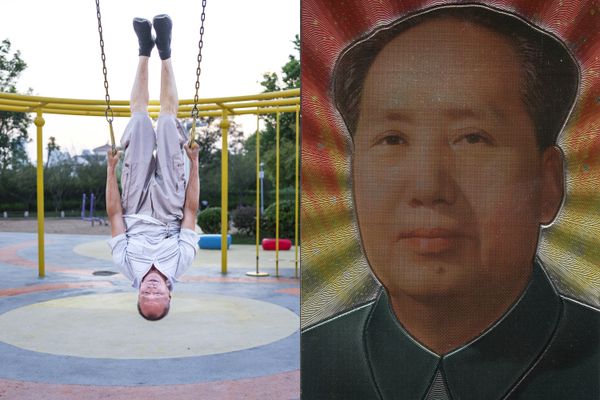
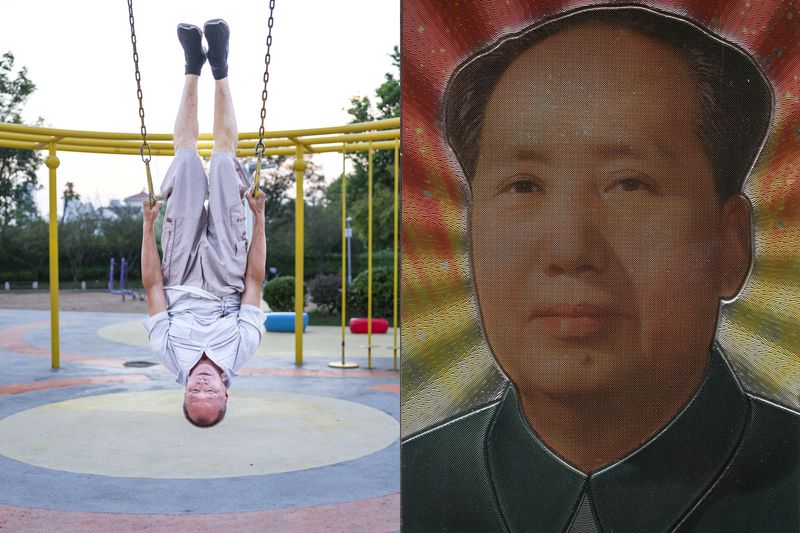
In Suzhou, Jiangsu, an elderly man performs an inverted hold beside a Mao-themed magnet; the diptych suggests how China has literally been flipped over the past two decades—from Mao’s ideological legacy to an era of data-driven influence and control.

© Giovanni Capriotti - Image from the Big Data photography project
i

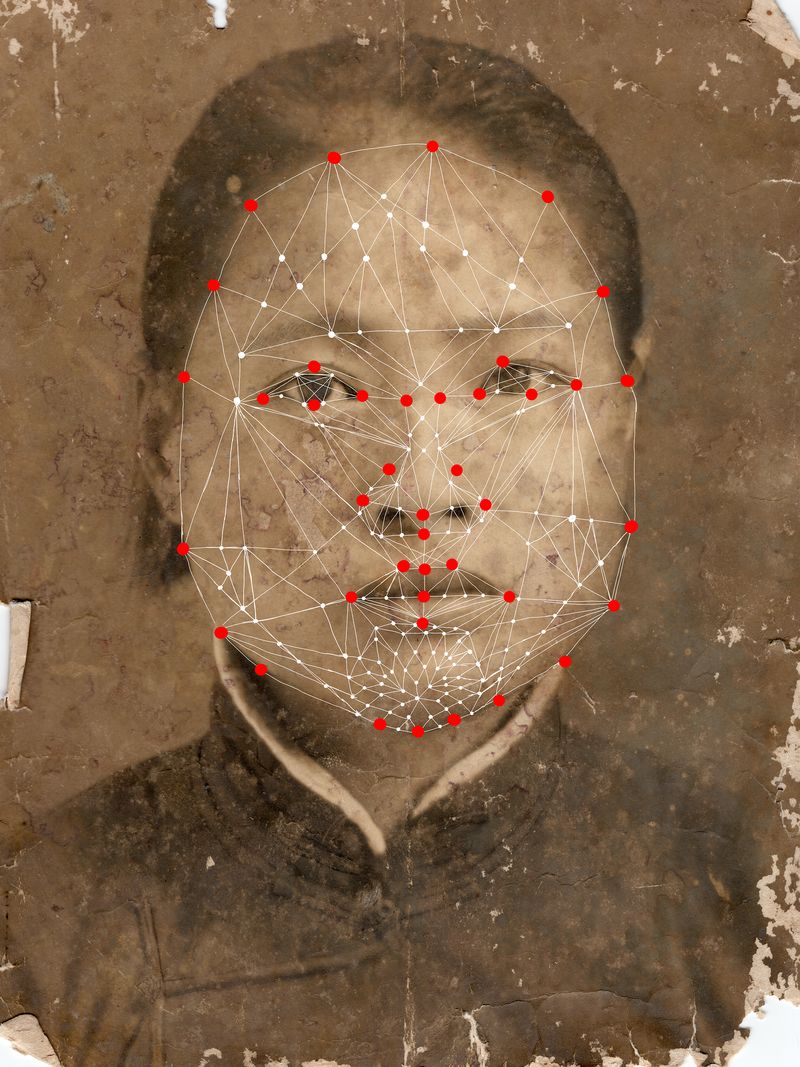
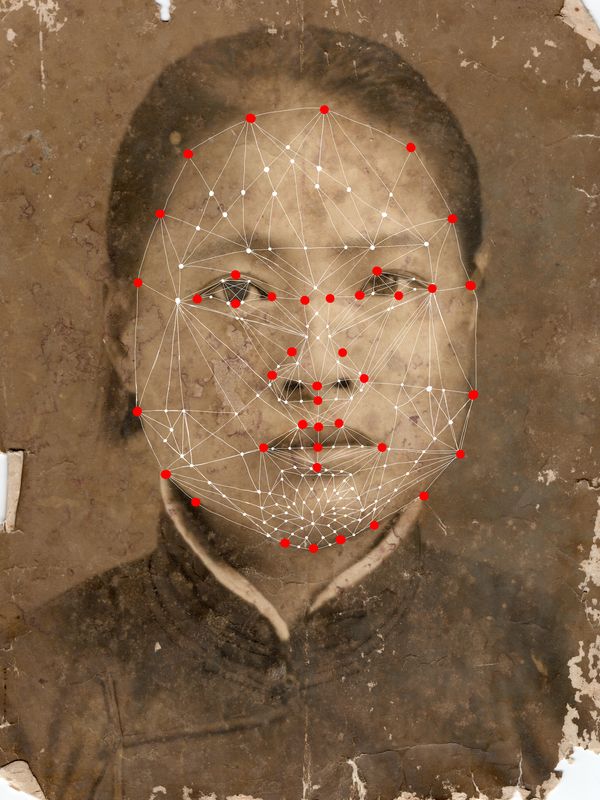
An image from a Shanghai archive I acquired is overlaid with a facial recognition grid. Modern China uses such systems to match live images against massive government databases, continuing a long dynastic history of population tracking—from censuses and household registers to today’s algorithmic oversight.

© Giovanni Capriotti - Image from the Big Data photography project
i

A man in Shanghai holds his phone to his eyes beside a circuit bearing the Communist Party symbol. According to the China Internet Network Information Center (CNNIC), 99.4% of China’s 1.123 billion internet users go online via mobile devices, while 250+ government data centres rely on roughly 12 million circuits to power the nation’s big-data infrastructure.

© Giovanni Capriotti - Image from the Big Data photography project
i

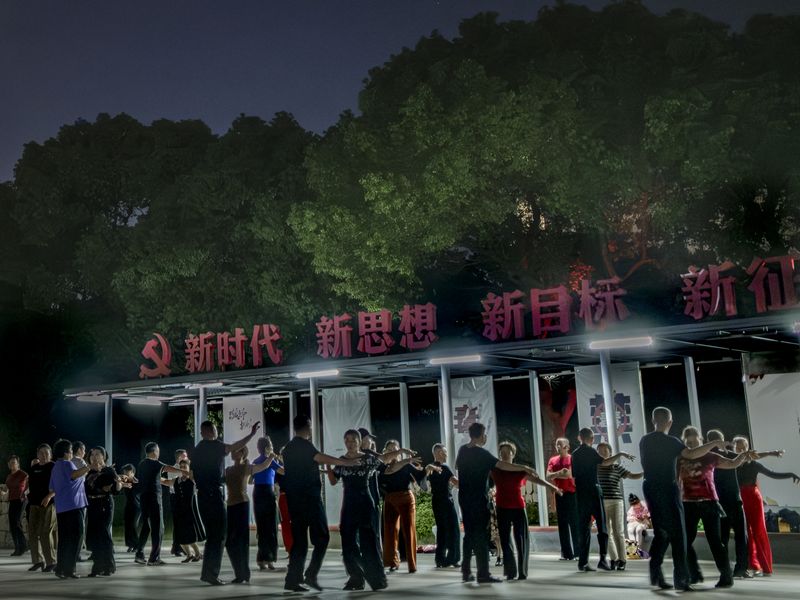
A square dance in Suzhou, Jiangsu unfolds beneath a Communist Party slogan: “New Era, New Ideas, New Vision, New Journey.” In China, such public gatherings blend recreation with subtle social control, promoting conformity and using informal surveillance as a form of soft power.

© Giovanni Capriotti - Image from the Big Data photography project
i

A cyberpunk cosplayer in Suzhou is juxtaposed with a sleeping panda at a Taihu Lake conservation centre; the panda symbolizes China’s desire to project a friendly global image, while also reflecting the state’s quiet watch over youth conformity to national values amid networked life and worldwide trends. Consumer culture is often seen as freedom by youngsters, with surveillance as a trade-off.

© Giovanni Capriotti - Image from the Big Data photography project
i

A branch of China’s Grand Canal in Suzhou, seen through a high-rise window curtain—a metaphor for the near-invisible layer of surveillance over the country. Built during the Sui Dynasty (581–618 AD) to connect north and south, this ancient waterway allowed successive rulers to facilitate trade, move troops, monitor populations, and enforce social control.

© Giovanni Capriotti - Image from the Big Data photography project
i

In Shanghai, a man flies a kite resembling the Chinese flag while another charges his phone in a high-tech urban hub. From ancient kites sending battlefield signals to smart city booths—important sources of big data—communication networks in China have long served as a tool of oversight and stability.

© Giovanni Capriotti - Image from the Big Data photography project
i

A Shanghai salaryman scrolls his phone during a break, paired with a glitchy screen showing a response from China’s AI model, DeepSeek—a stark metaphor for daily life under algorithmic oversight. In China, big data tracks work culture and social behaviour, while AI models, bending to state authority, sidestep questions on sensitive topics.

© Giovanni Capriotti - Image from the Big Data photography project
i

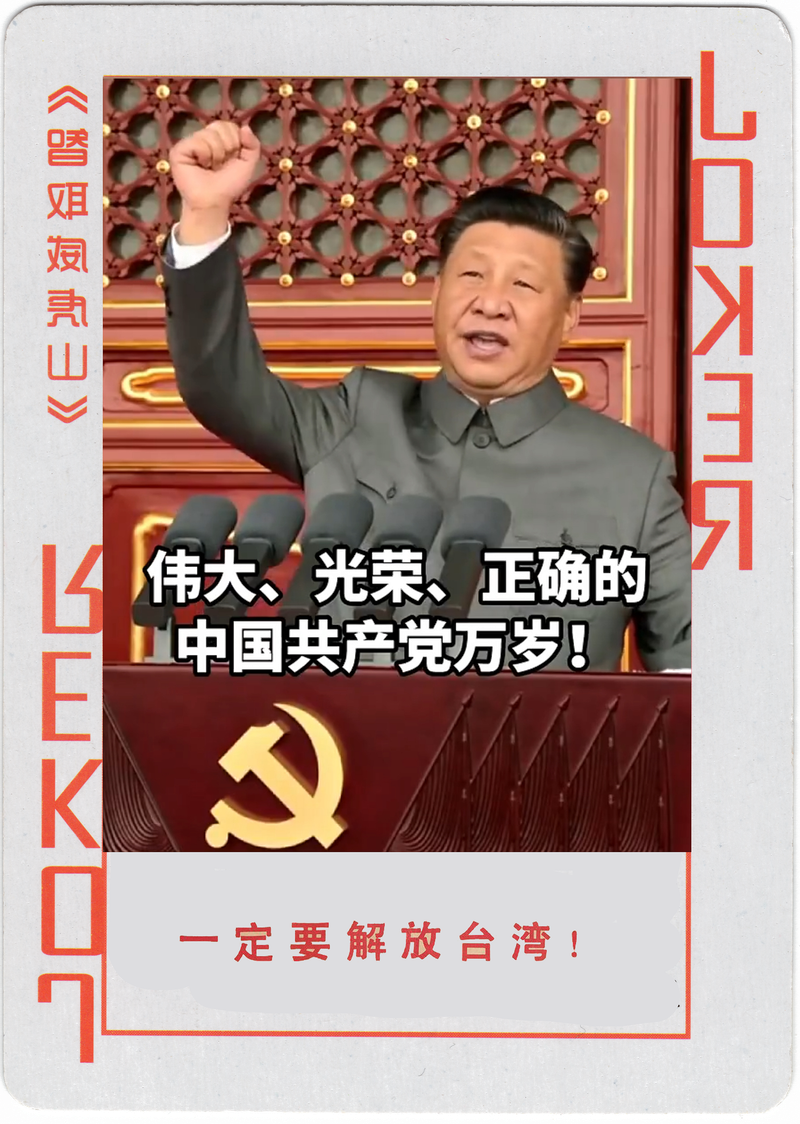
A video frame of Chinese President Xi Jinping, circulated on WeChat, China’s leading social media and messaging platform with over 1.4 billion users, is collaged onto a Chinese Joker card. The platform hosts more than 250,000 government accounts, producing thousands of posts daily, while users’ activity is tracked. Censorship is pervasive: sensitive material is routinely removed or restricted.

© Giovanni Capriotti - Image from the Big Data photography project
i

A four-image collage, all shot in Shanghai, evokes the Communist Party’s light guiding the state and people toward innovation and national values. While embracing capitalism over the past two decades, China’s state authority ensures that individual wealth and economic elites never rise above the government, with the tech sector firmly under state control.

Big Data by Giovanni Capriotti

Prev Next Close