BEAST
-
Dates2020 - Ongoing
-
Author
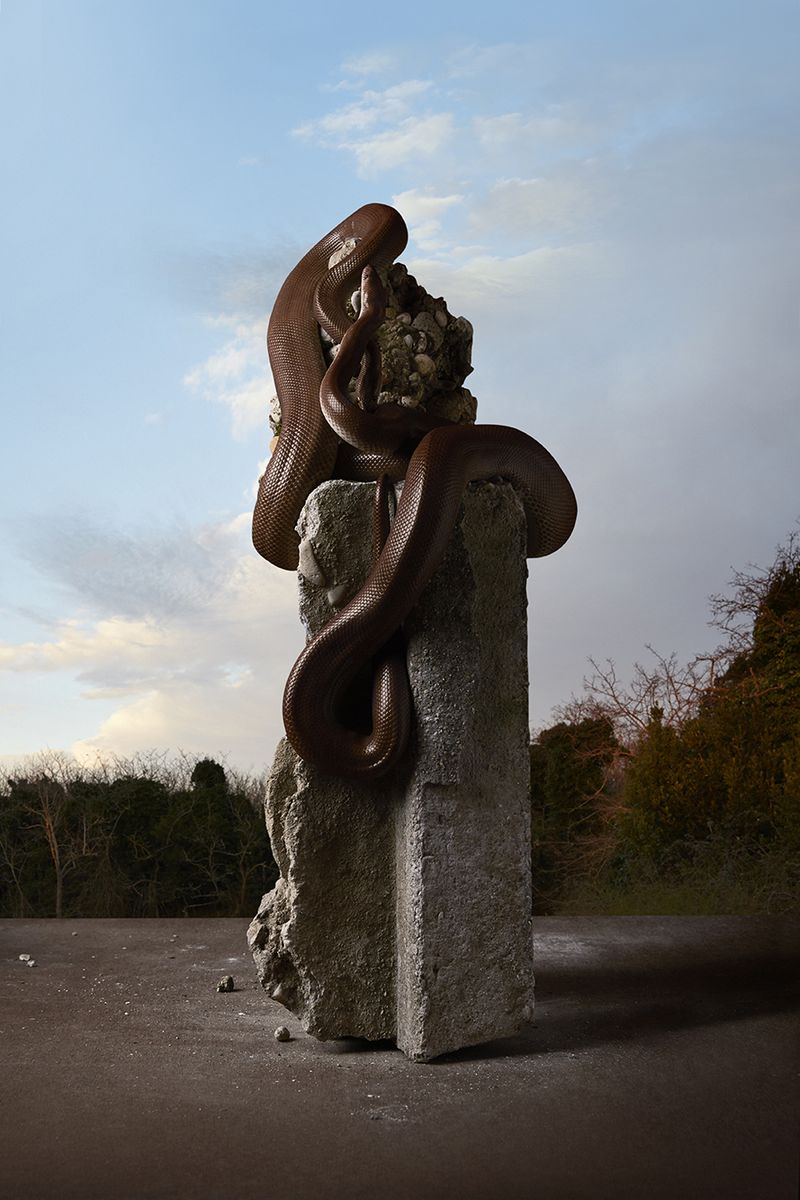
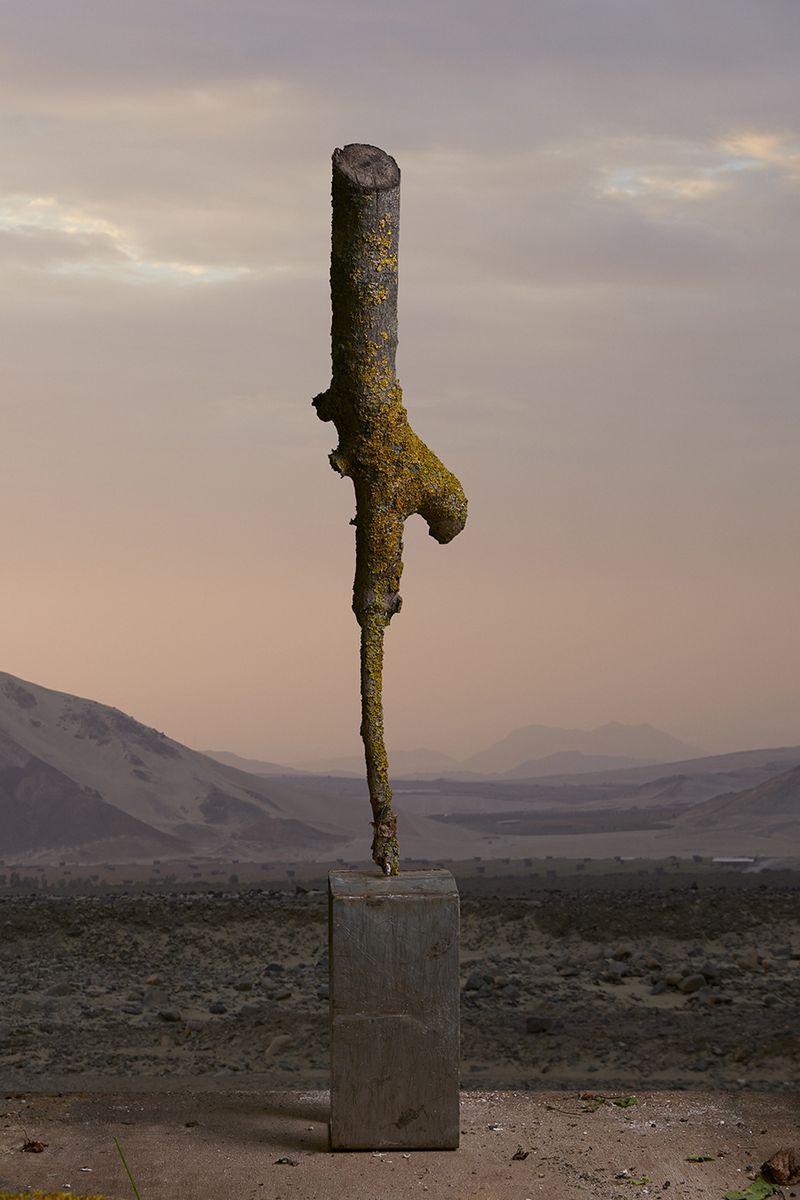
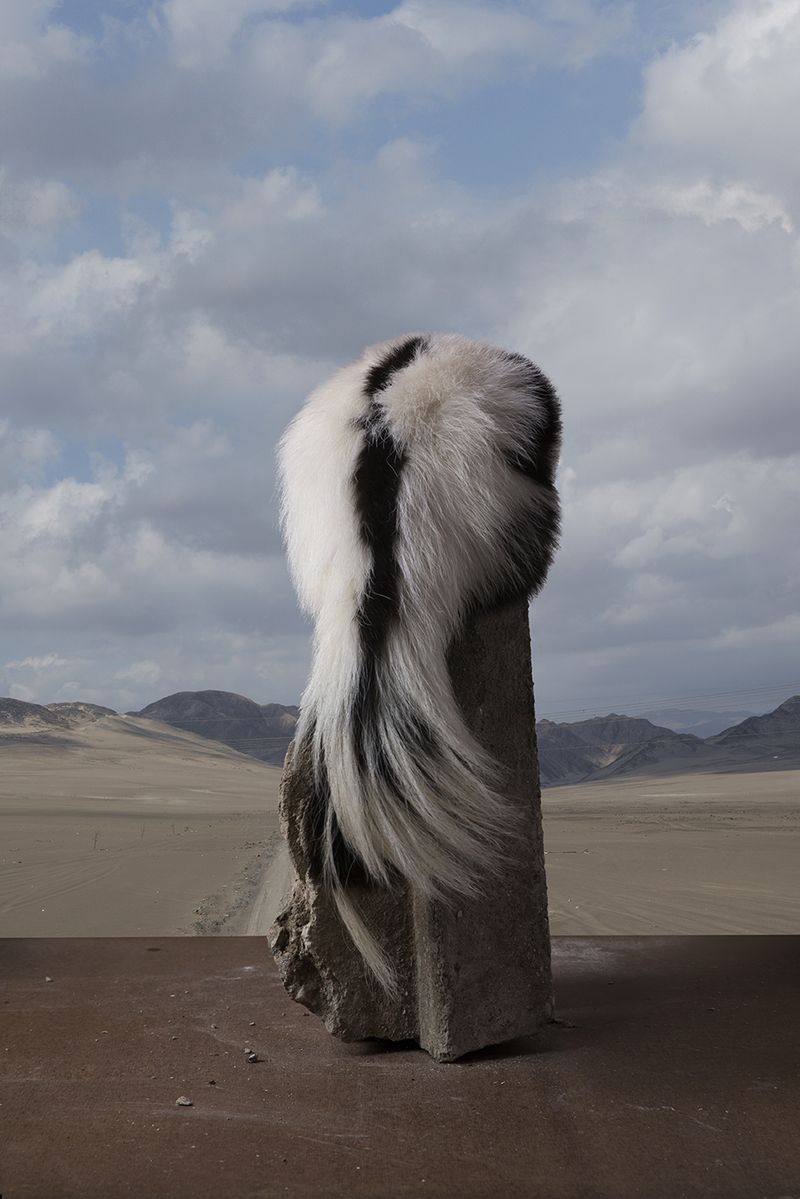
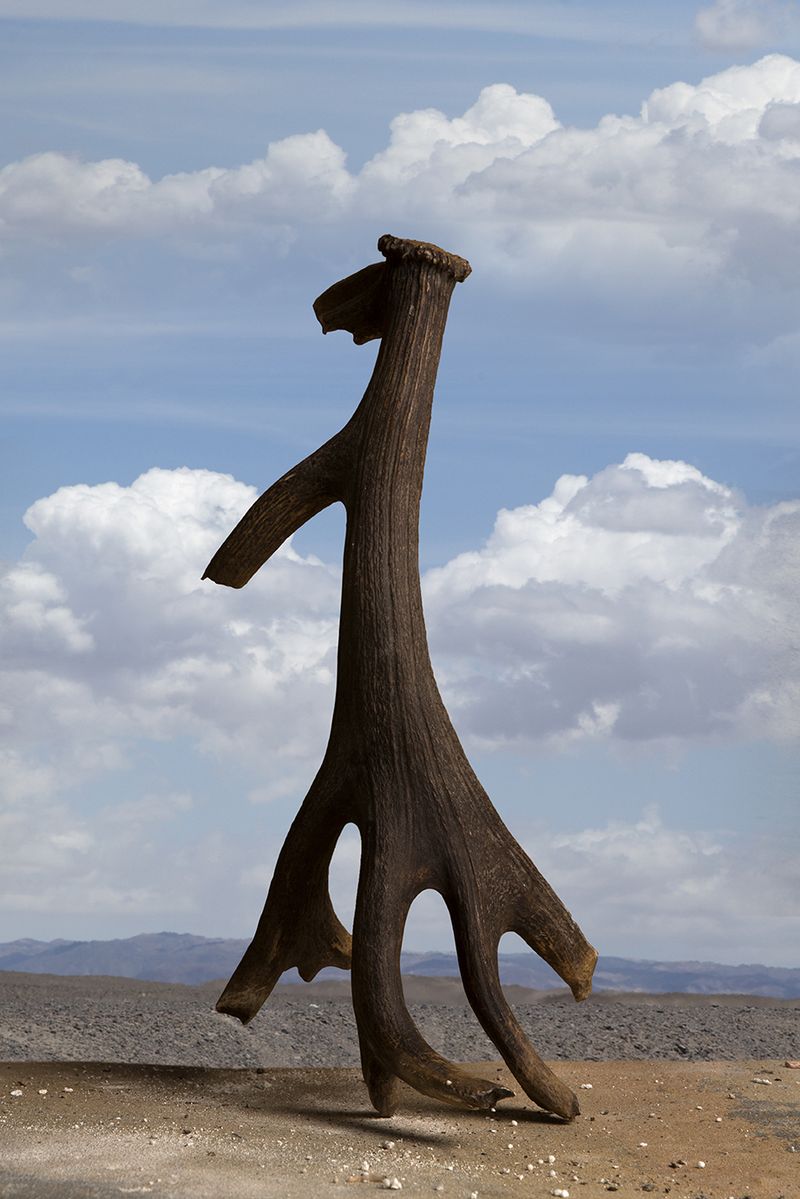
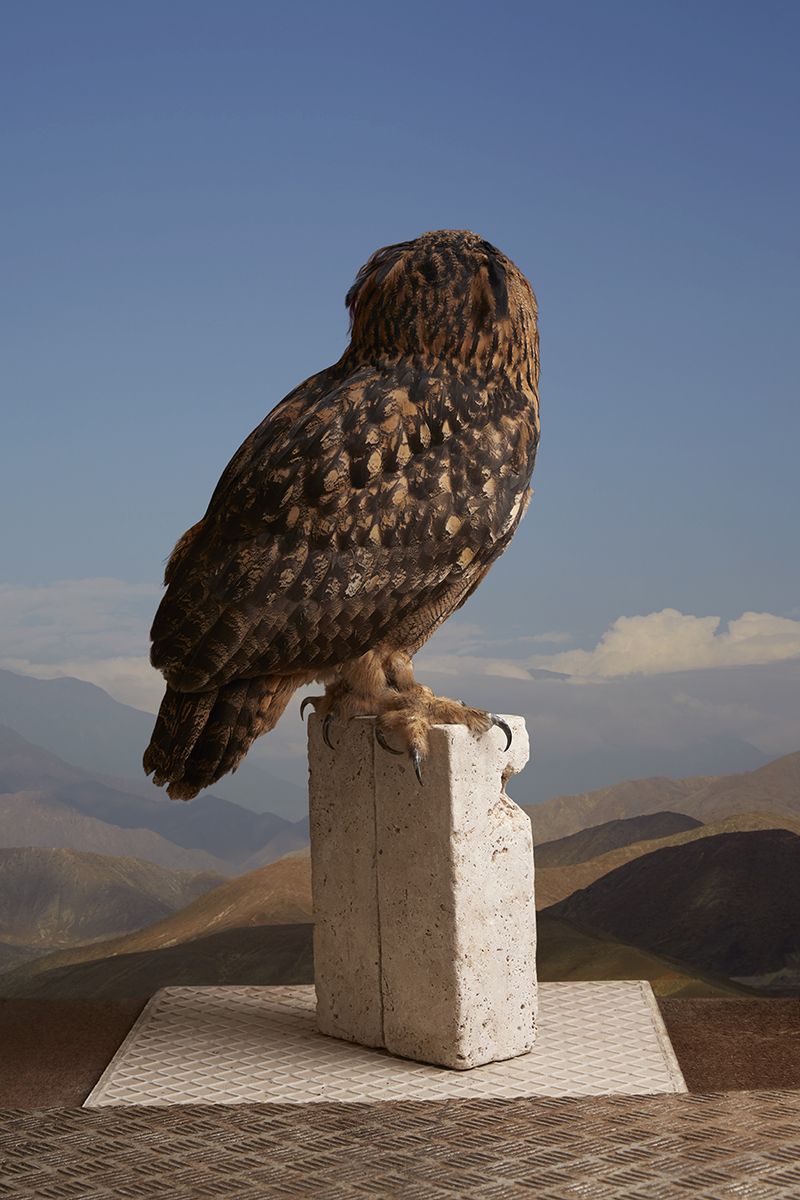
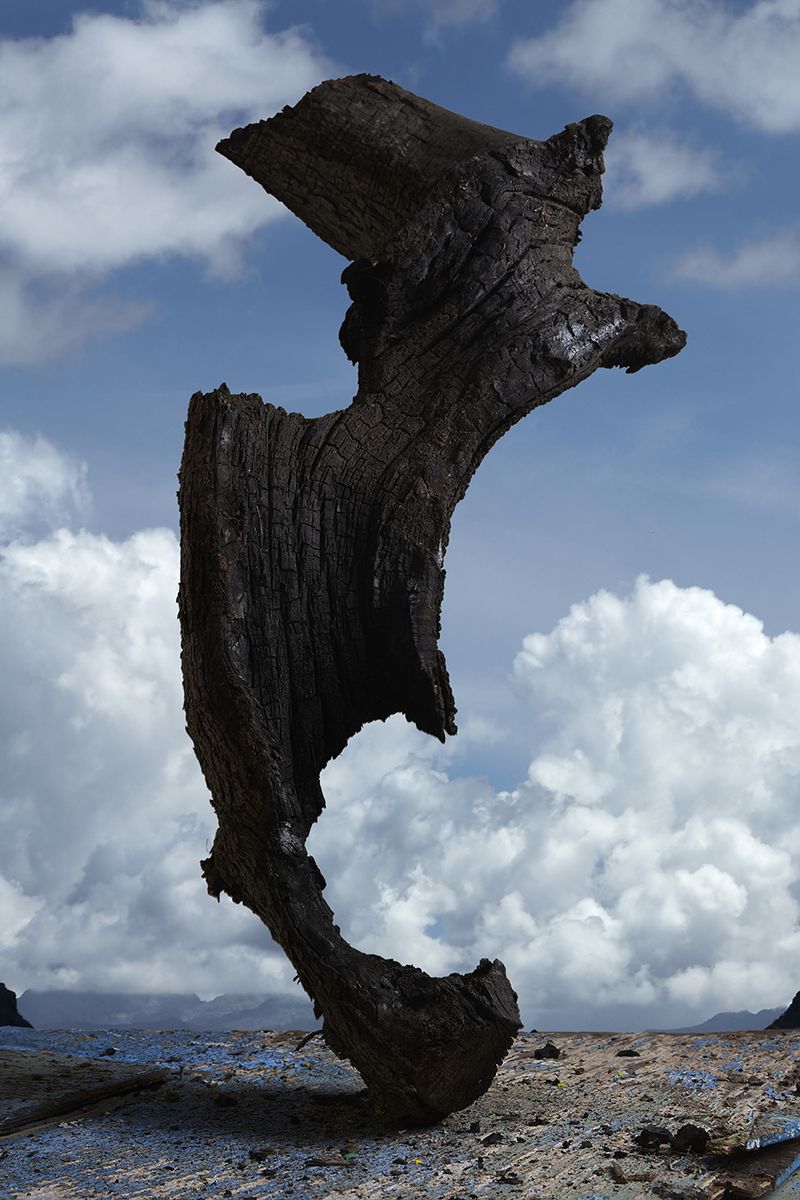
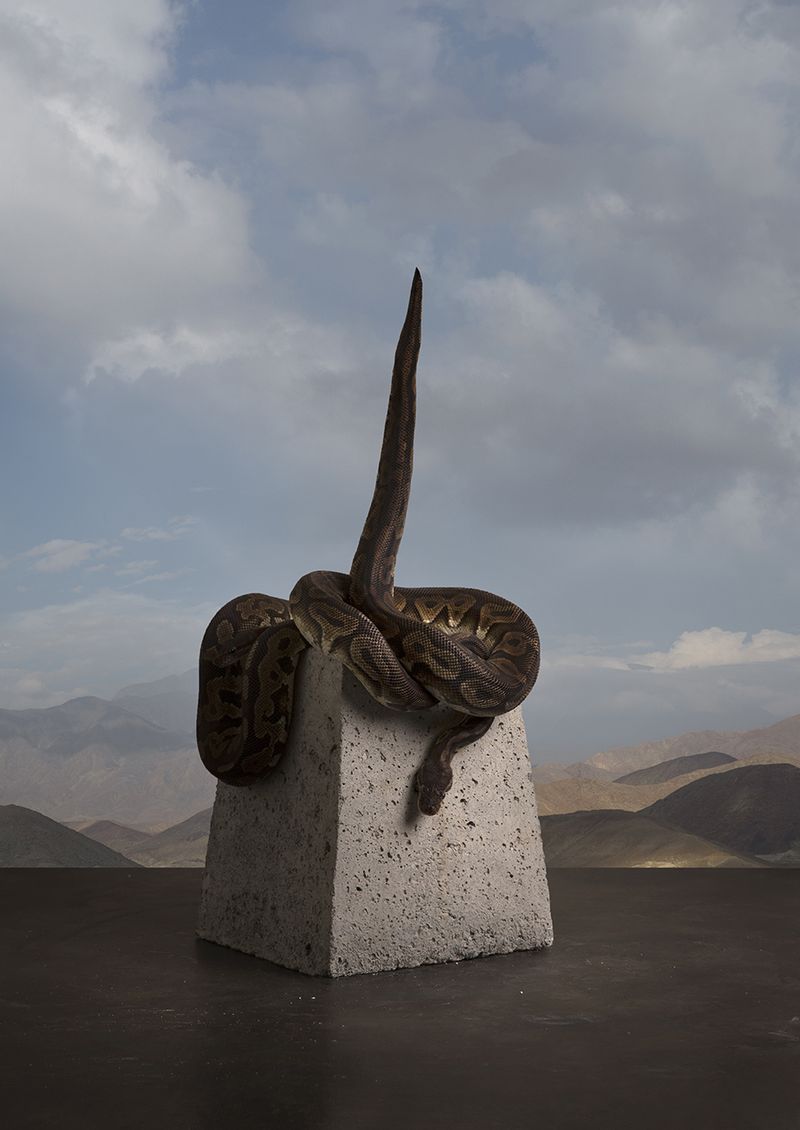
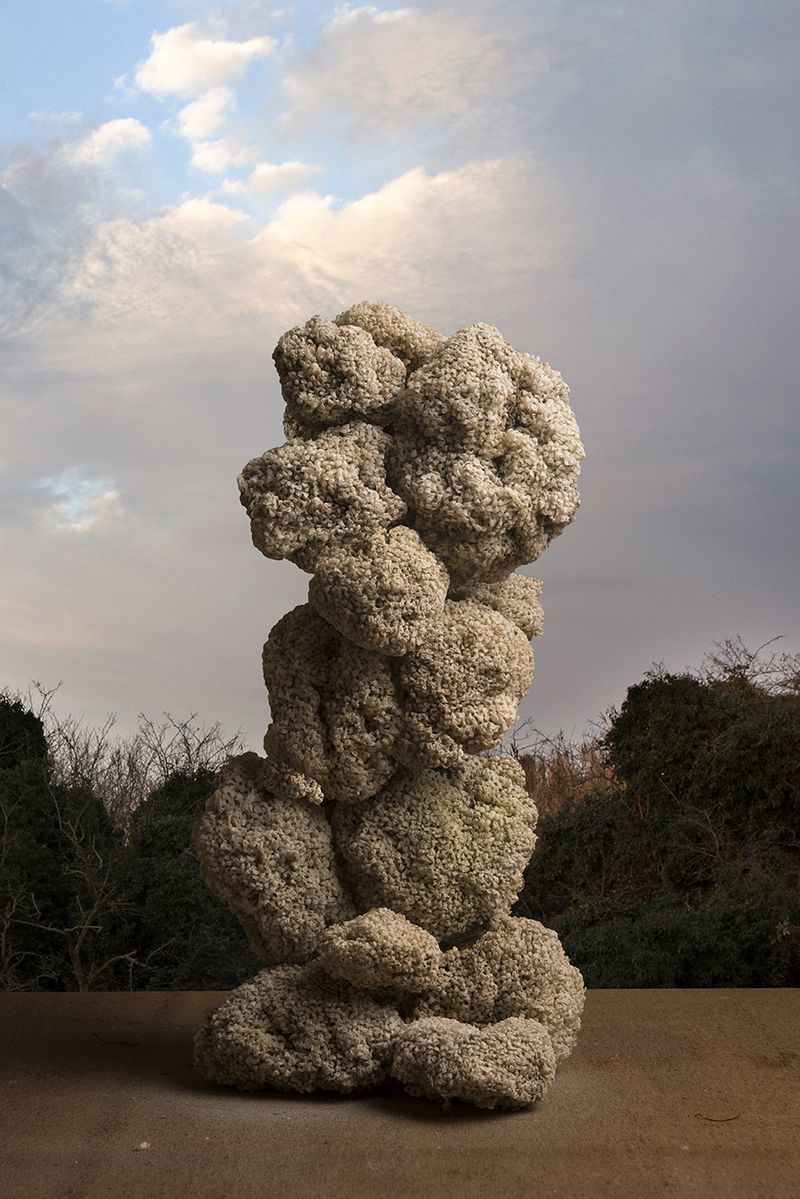
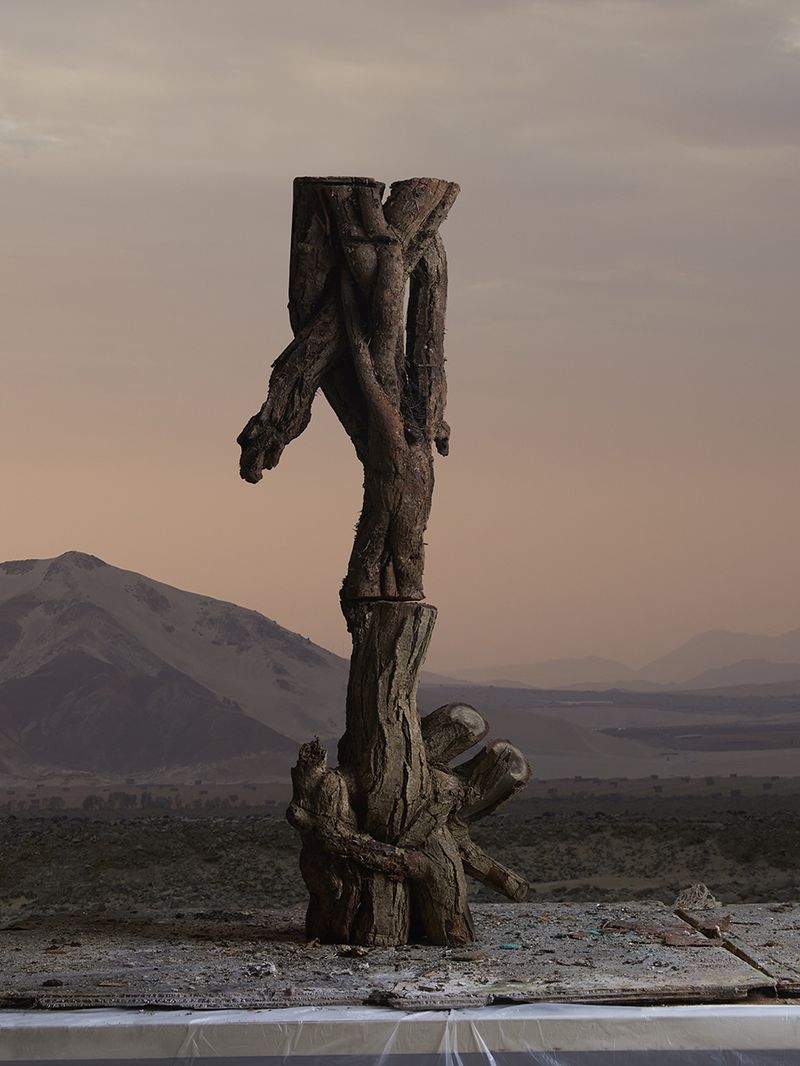
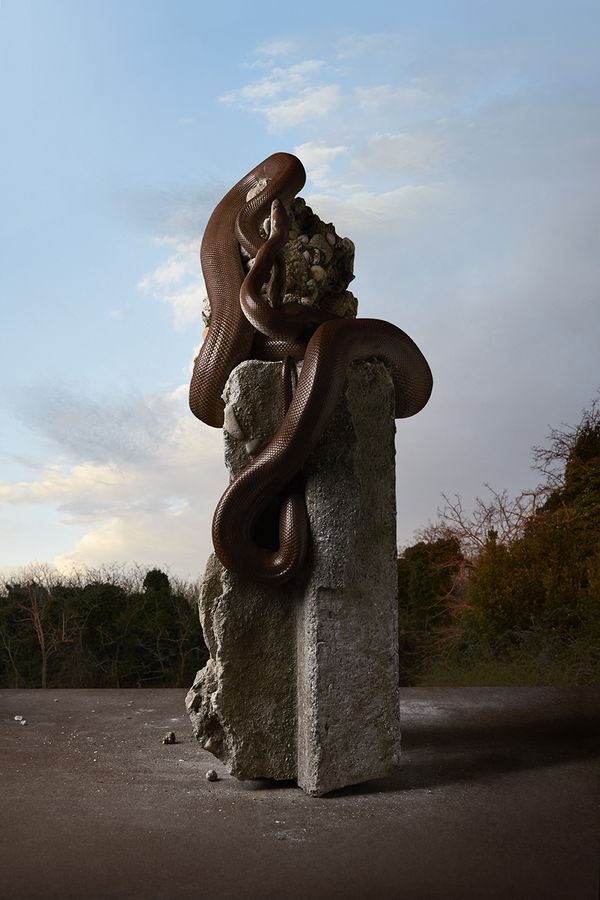
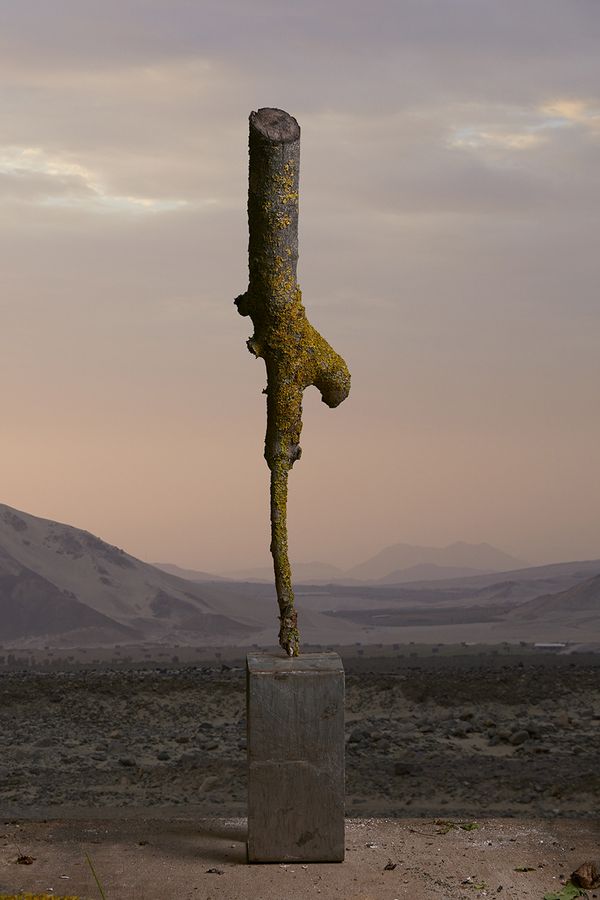
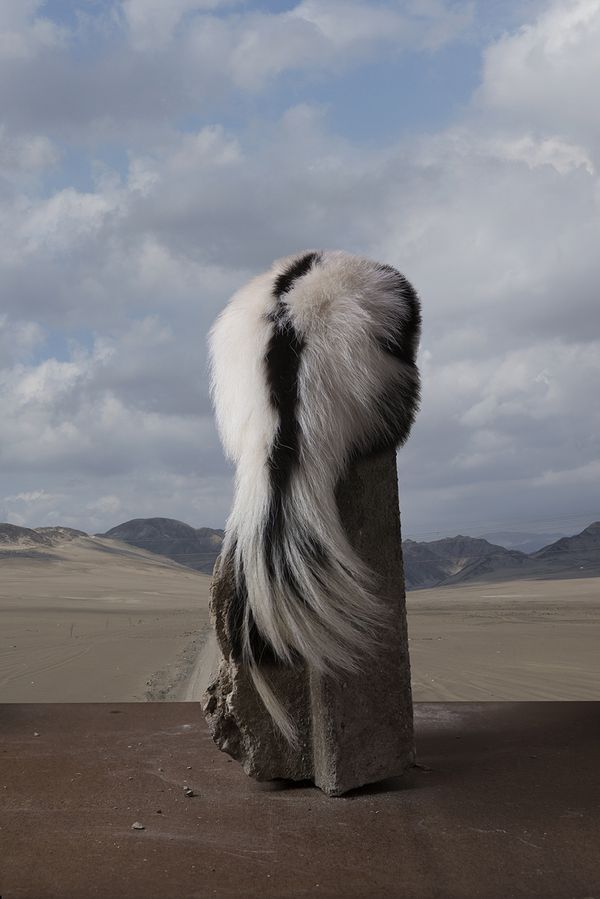
Beast is a research that investigates the relationship between photography and Nature. It is a tribute to the aesthetics superiority of natural forms, and a search for a more animistic approach in depicting them.
Bypassing both encyclopaedic trends and taxidermy fetish, contemporary wildlife photography is a form of voyeurism. Like paparazzi, it requires huge telephoto lenses, shutters muffling, trap cameras and tedious lookouts. It performs, in some way, a modern hunt.
The project explores the way we visually express the alterity of beasts, and their subjection to our cognitive apparatus.
The origins of the word Beast disappear beyond Early Latin. Applied to land vertebrates, especially large or dangerous four-footed ones, it symbolises something that cannot be tamed or otherwise exploited by the rules of reason: a beast is something diametrically opposite to the world of men. It is an antonym to man: it indicates a monster, a non-human. As a figure of speech, it declassifies a human being thought to lack a minimum dose of morality, empathy, or even worse - table manners.
After all, the mere existence of beasts is a direct challenge to our supremacy. A Beast is not just out of the human sphere: it is something that does not need to acknowledge our own existence. With the upcoming dangers of climate change and extinction, it is somehow relieving to know that tigers will, at last, need us.
While beasts become endangered species, human design production has purposely distanced itself from wildlife representation. Industrial design is dominated by right angles, plain solid colours, repetitions, standardisations, geometric shapes and predictable movement; far from the curved lines, imperfections, shimmering and nuances of organic forms, constantly engaged in an unpredictable way of defying gravity.
Starting from the assumption that natural forms retain a superior aesthetic power and influence over our psyche, the project investigates a new photographic approach capable of highlighting the complexity and mutability of organic shapes.
Acknowledging the underlying paradox of its intentions, ‘Beasts’ questions its own photographic perspective by playfully oscillating between different visual languages, from exhibition plinth, a painting, and visual idolatry.
In the era of Anthropocene, the project idol-like figures are a search for a more animistic relationship with Nature, where Beasts are first and foremost the manifestation of independent forces, and where visual representation is in acceptance of the existence of something beyond our perception and cognitive dominion.