Backbone
-
Dates2022 - Ongoing
-
Author
- Topics Daily Life, Social Issues, Studio, Fine Art
- Locations United States, Mexico
This project explores labor within the arts. Labor, in this context, embodies the intellectual investments that artists pour into their work. This journey often involves balancing day jobs while navigating the inner politics of the art world.
This ongoing project is oriented towards an exploration of art, labor, and value. I’m interested in the social, political, and material relations of the individual under capitalism and the alienation caused by it; as well as the material conditions that shape the perception of space and inform the construction and reading of images. Through objects, photographic, and spatial interventions, I speculate on the materiality, processes of production, dissemination, and consumption of the image as an effort to question the value of the image and of the work of the artist.
My current practice is rooted in an exploration of personal experiences and philosophical concepts. I am currently focused on exploring labor within the arts, informed by Marxist philosophical concepts. Labor, in this particular context, transcends mere physical manual work; it embodies the intellectual and emotional investments that working-class artists pour into their work. This journey often involves balancing day jobs while navigating the challenges of being an artist, cultural hegemony, complying with immigration status, and the inner politics of the art world.
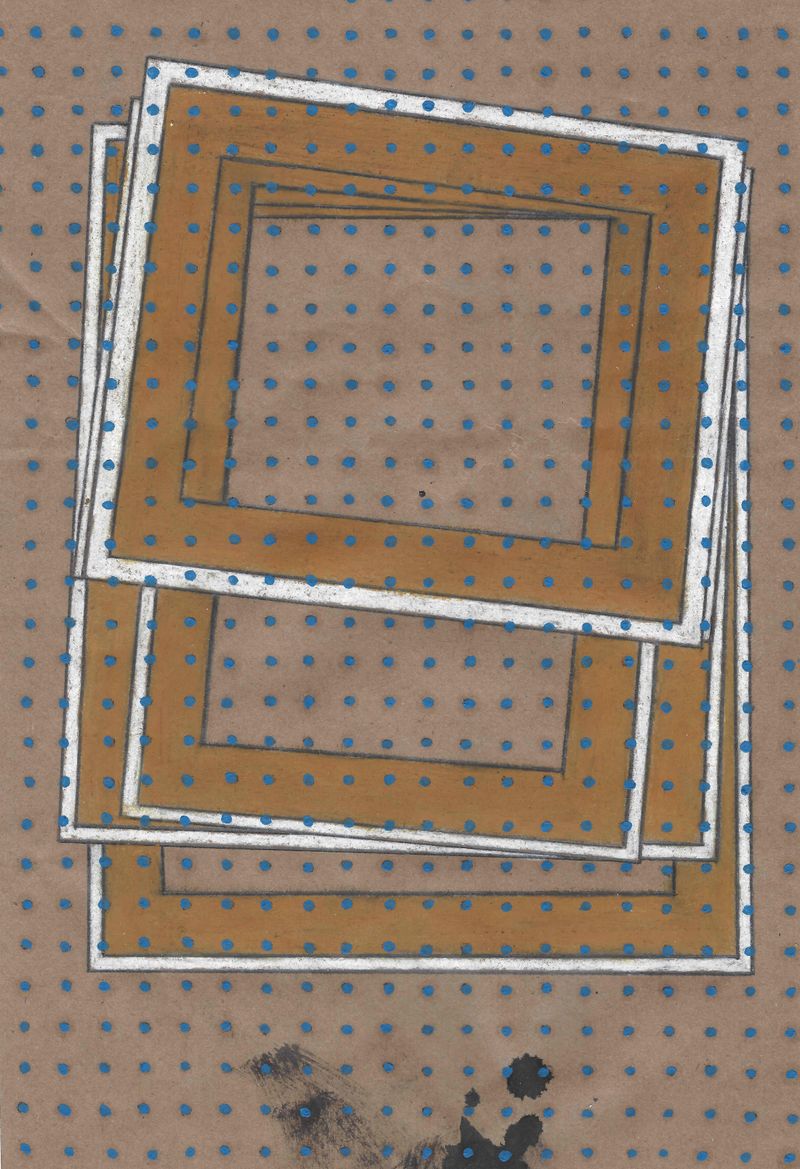
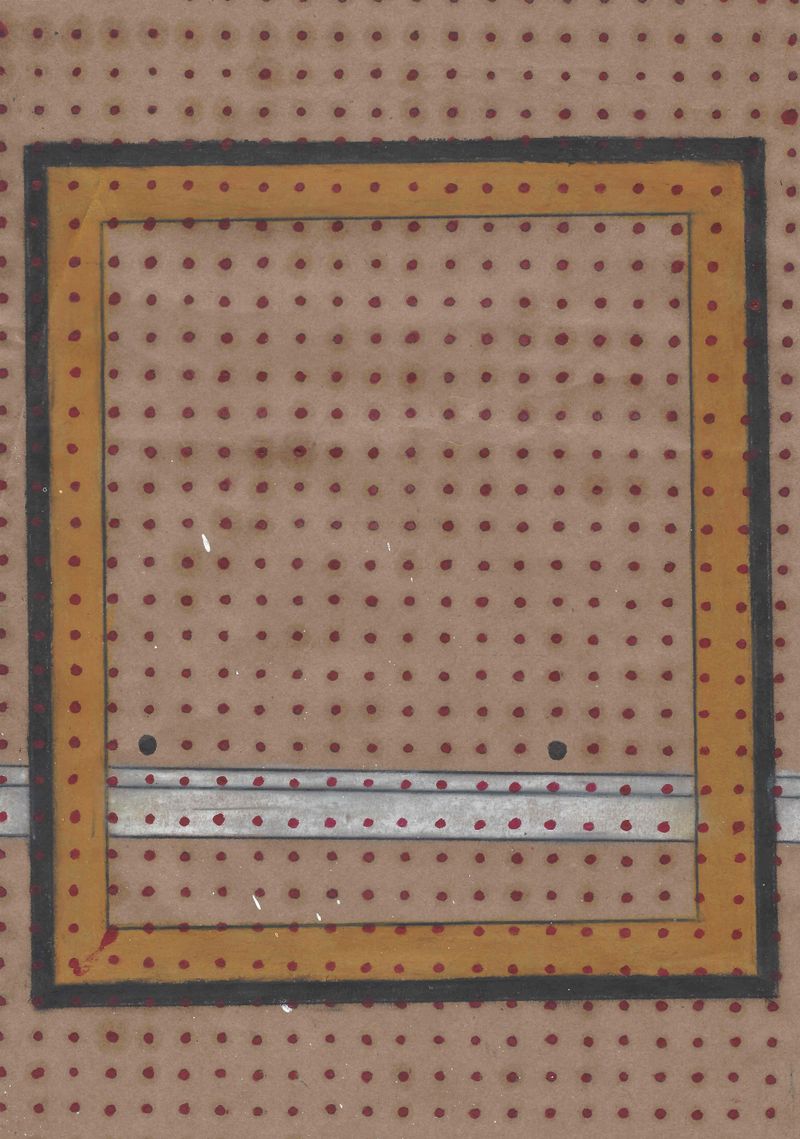
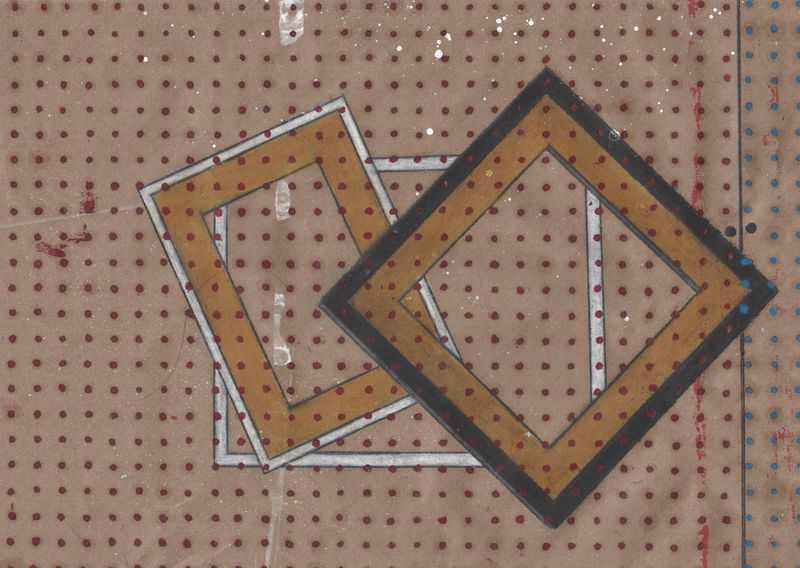
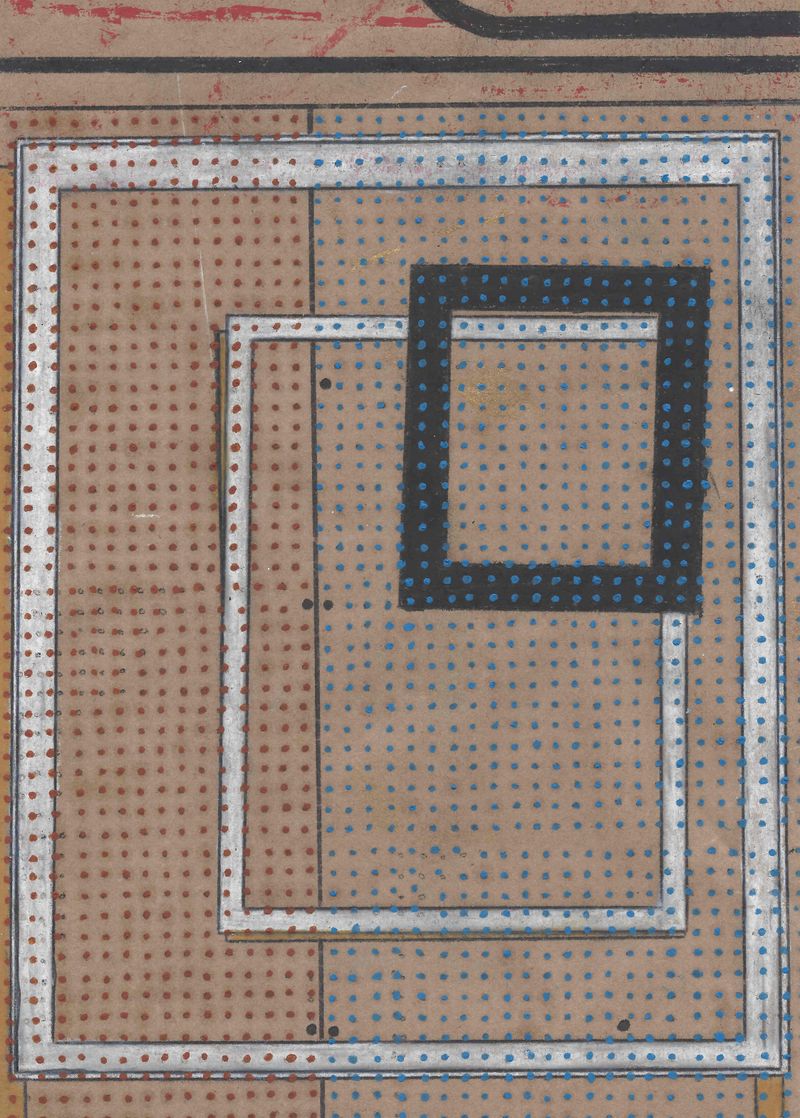
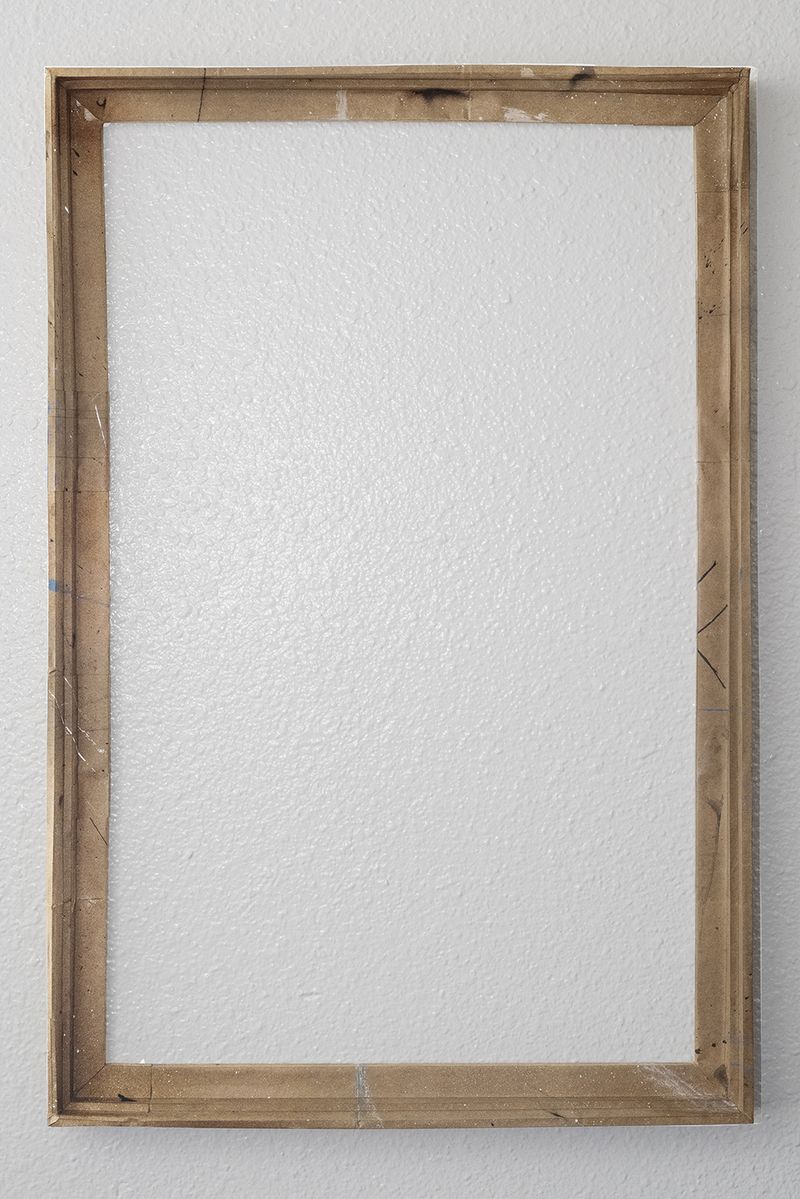
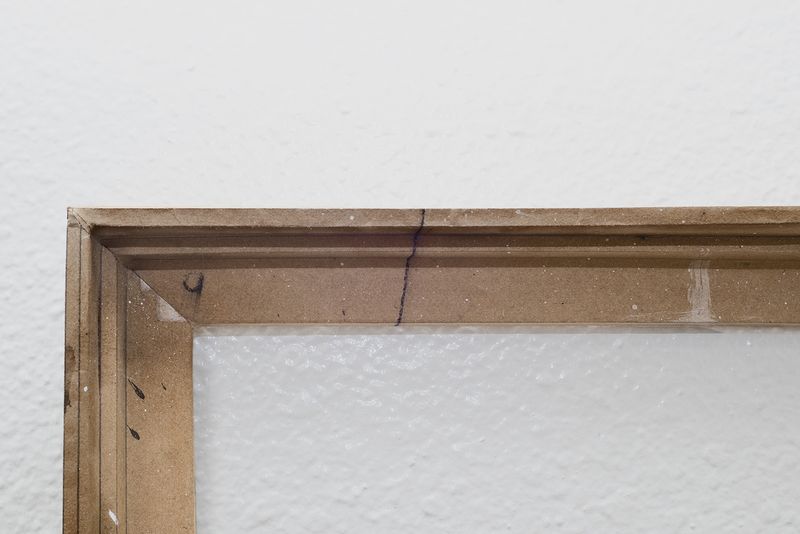
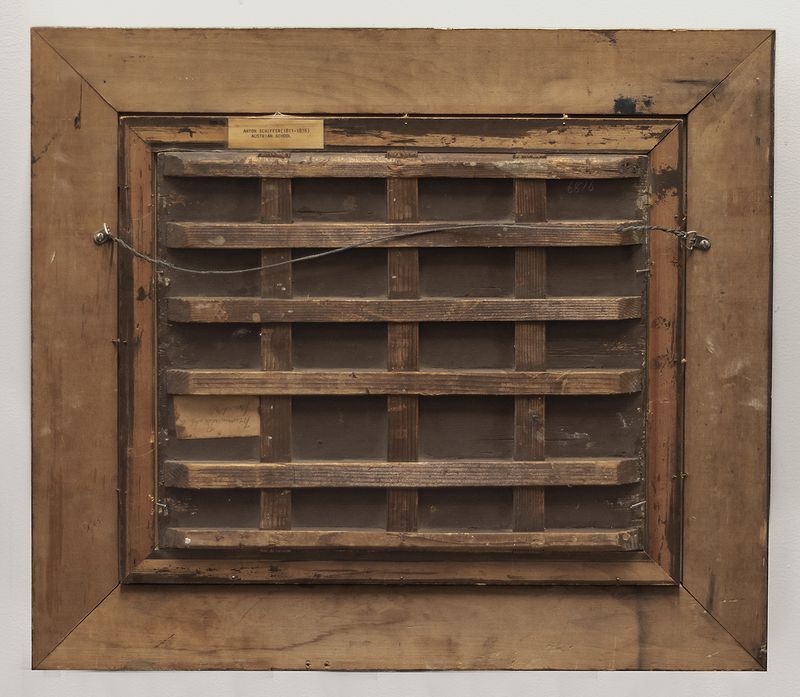
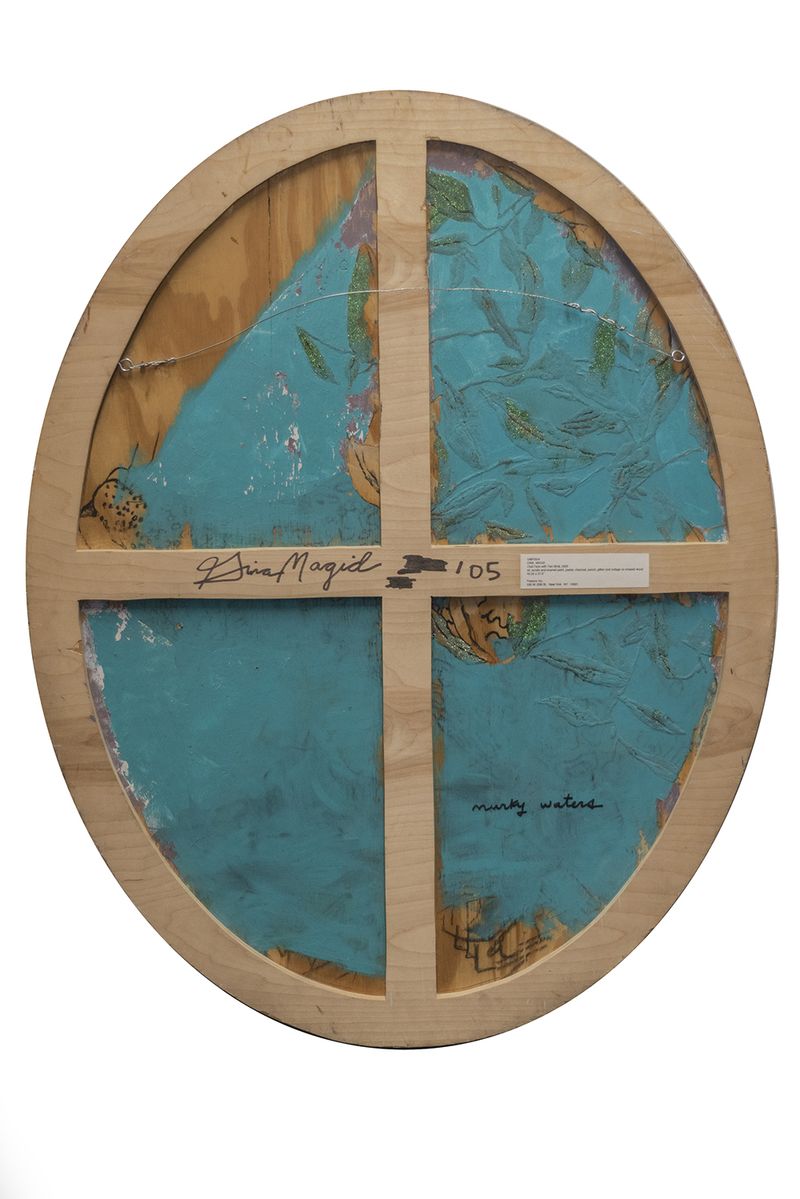
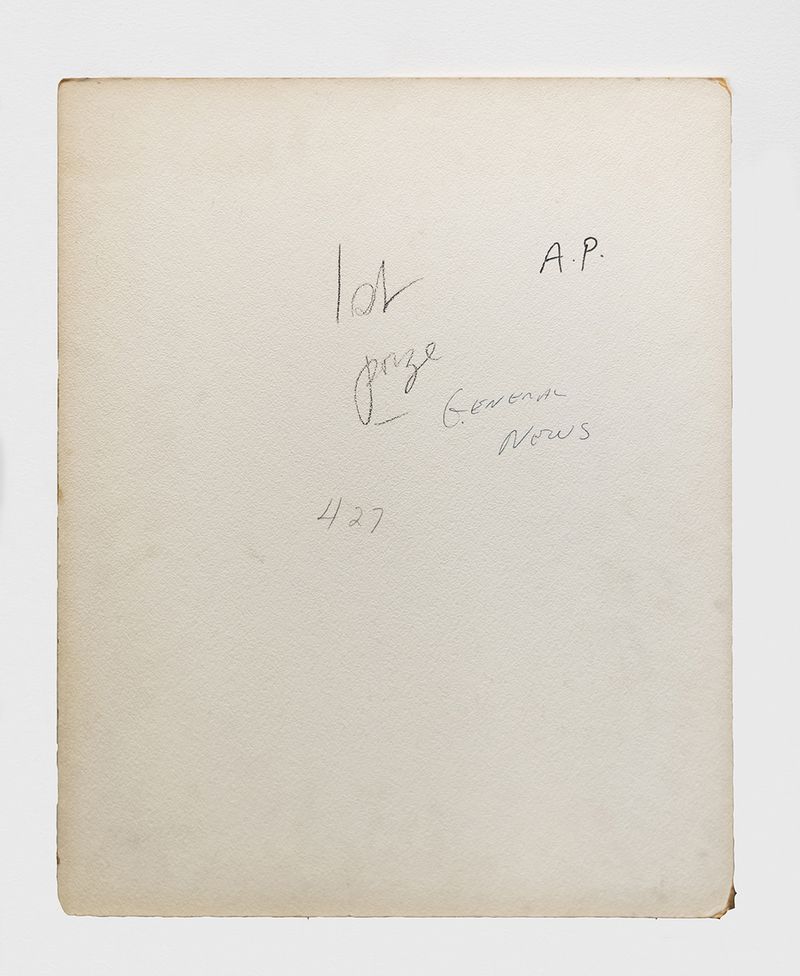
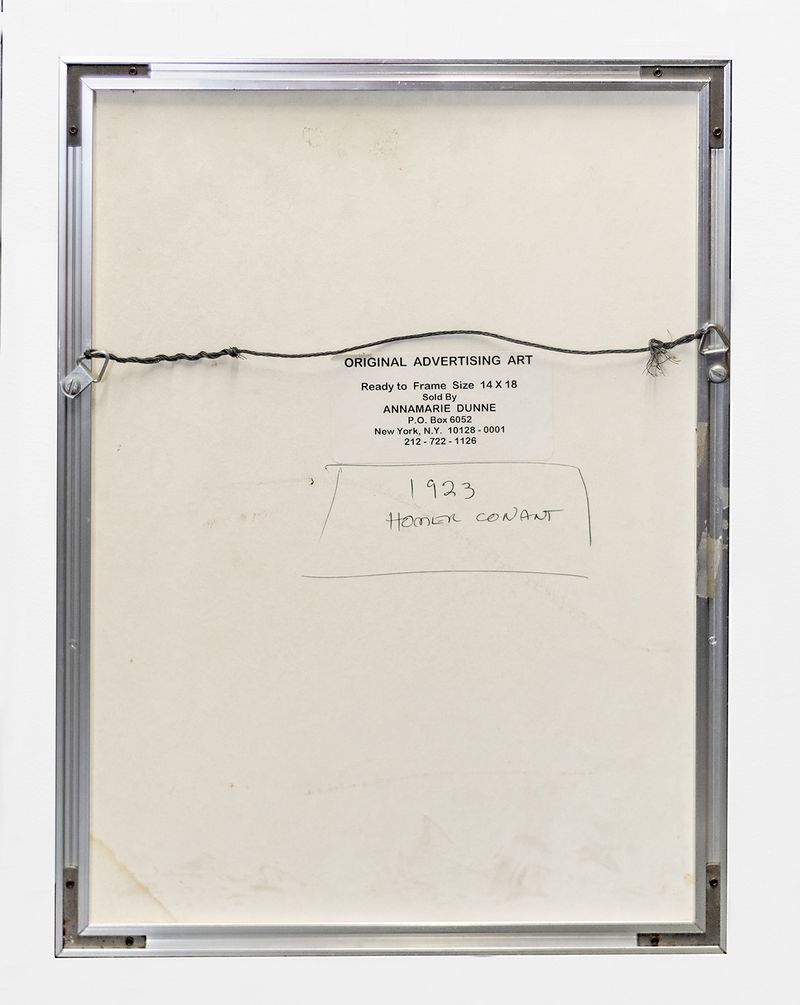
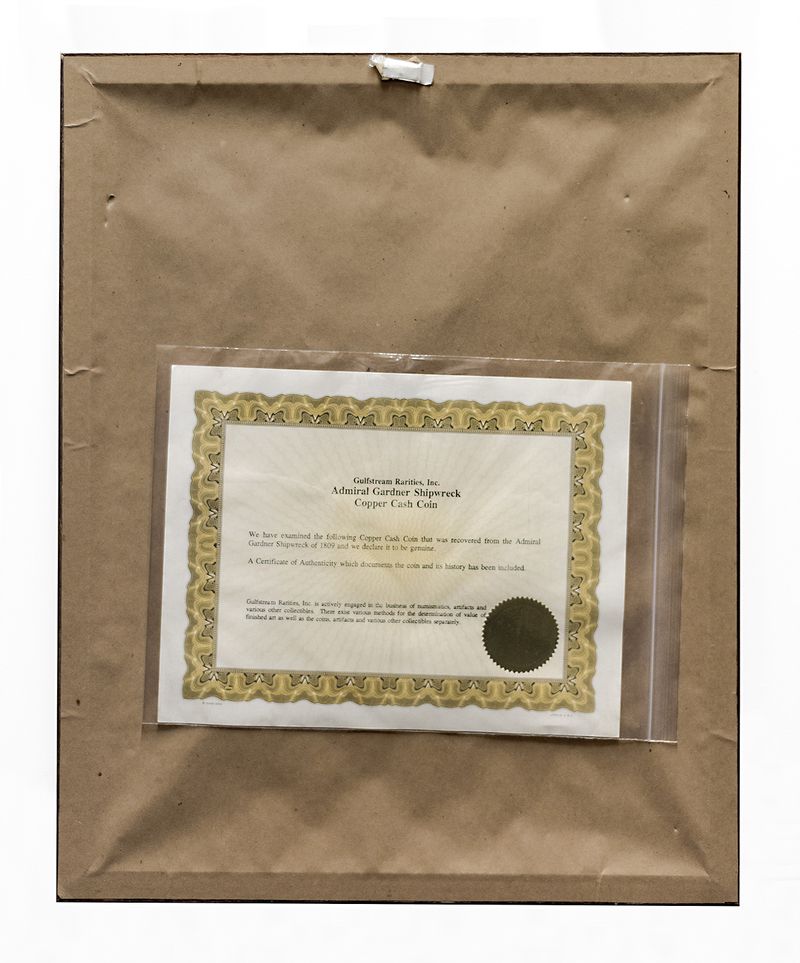
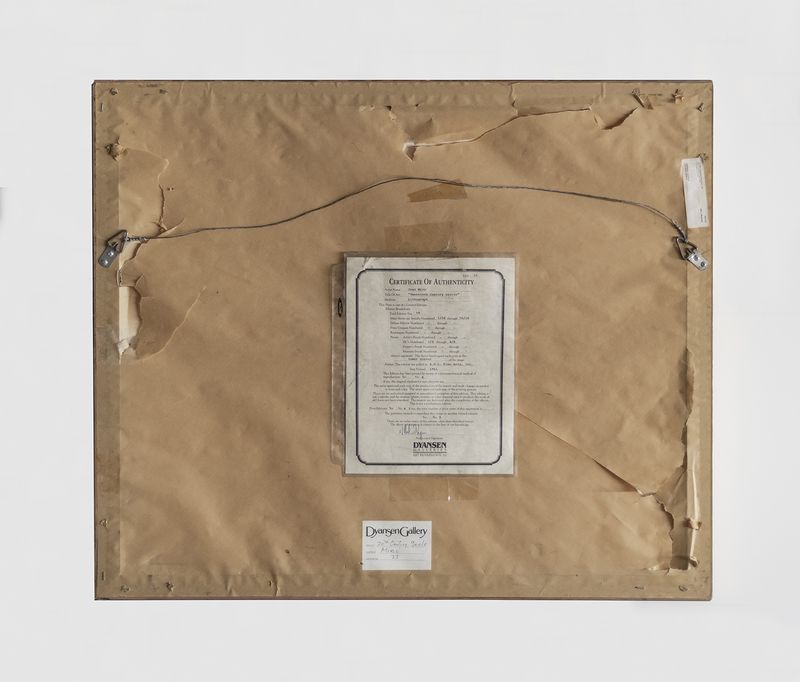
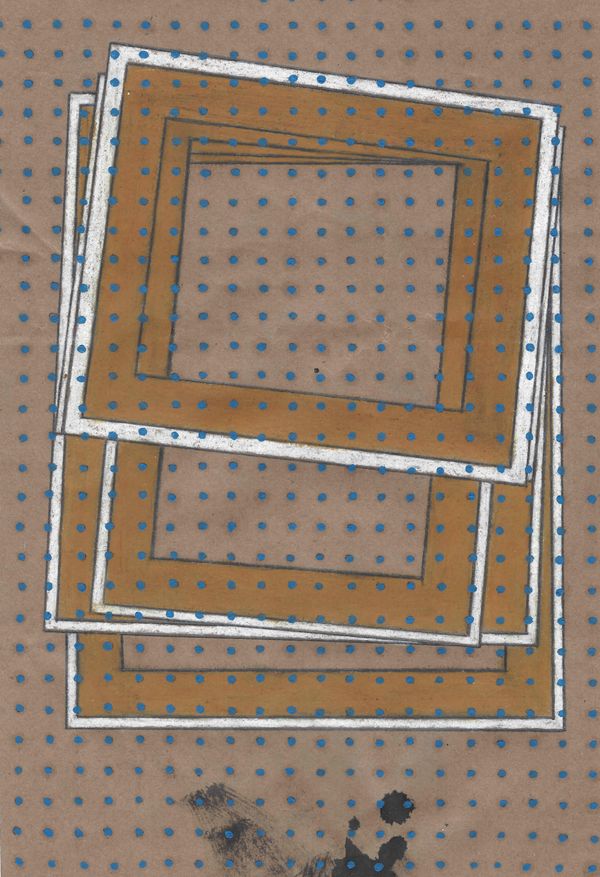
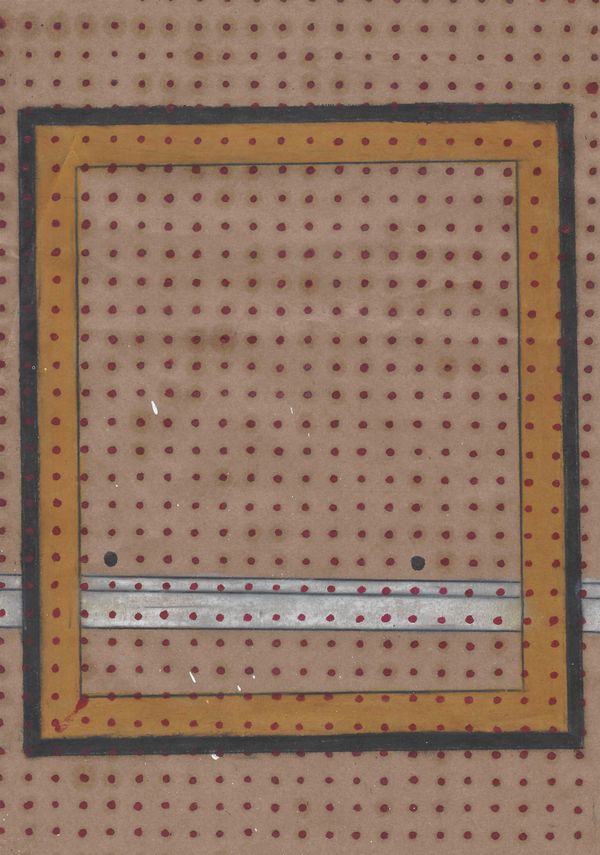
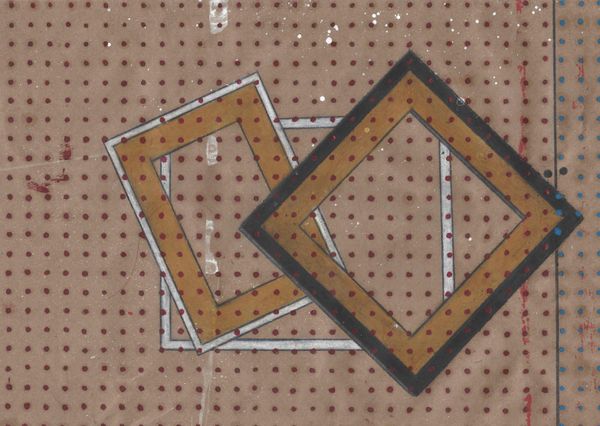
One of my primary interests lies in examining how an artist's labor transforms into a commodity that influences ideological and systemic reproduction. This transformation manifests in the repurposing of photographs of antiques and artworks shot for cataloging and e-commerce purposes for a secondary market art dealer; these artworks not only document the artwork (mostly depicting bourgeois imagery) in question but also the back of their frames revealing important information that determines their origin, value, and the labor behind the preparation of such artworks to a marketable form. These images are then translated to wooden printing plates, enabling these images to be reproduced on demand.
On the other hand, reclaimed materials and processes learned while working as a frame builder and designer are translated from the wood shop to the artist's studio as an exploration of the role of the artist in the production of art-centric commodities not only as an intellectual creator but as a manufacturer, and as a way of talking about precarity of time while making an analogy to how paper is the main support for photographic work in a similar way in which the frame is for a piece of art.
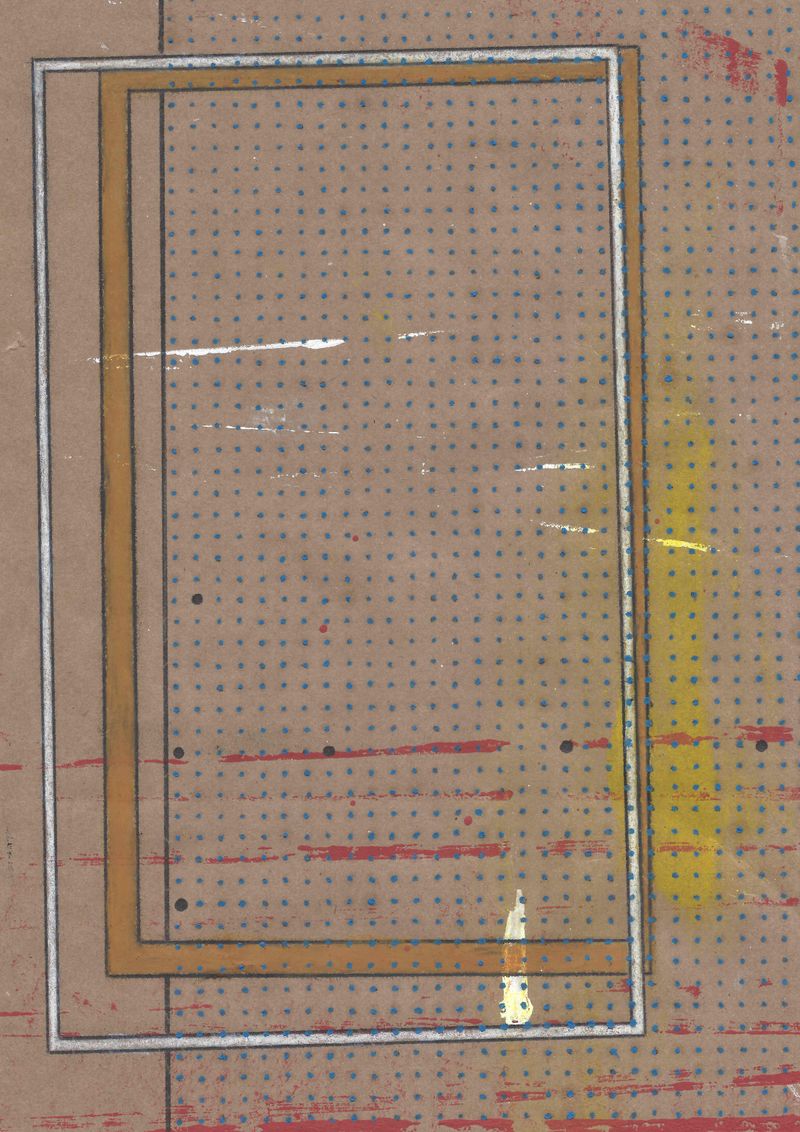
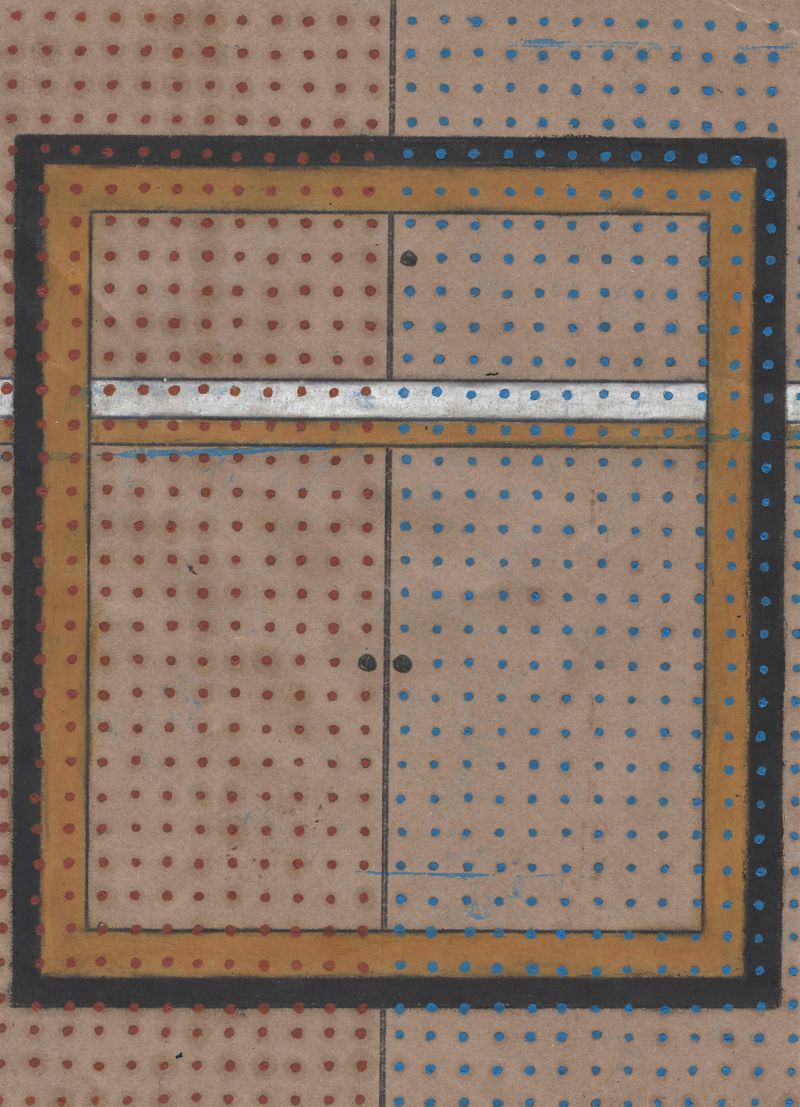
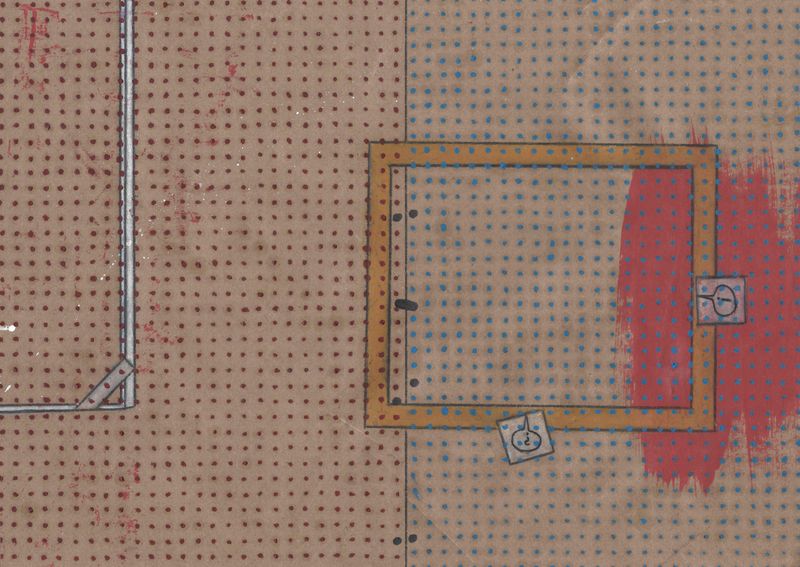
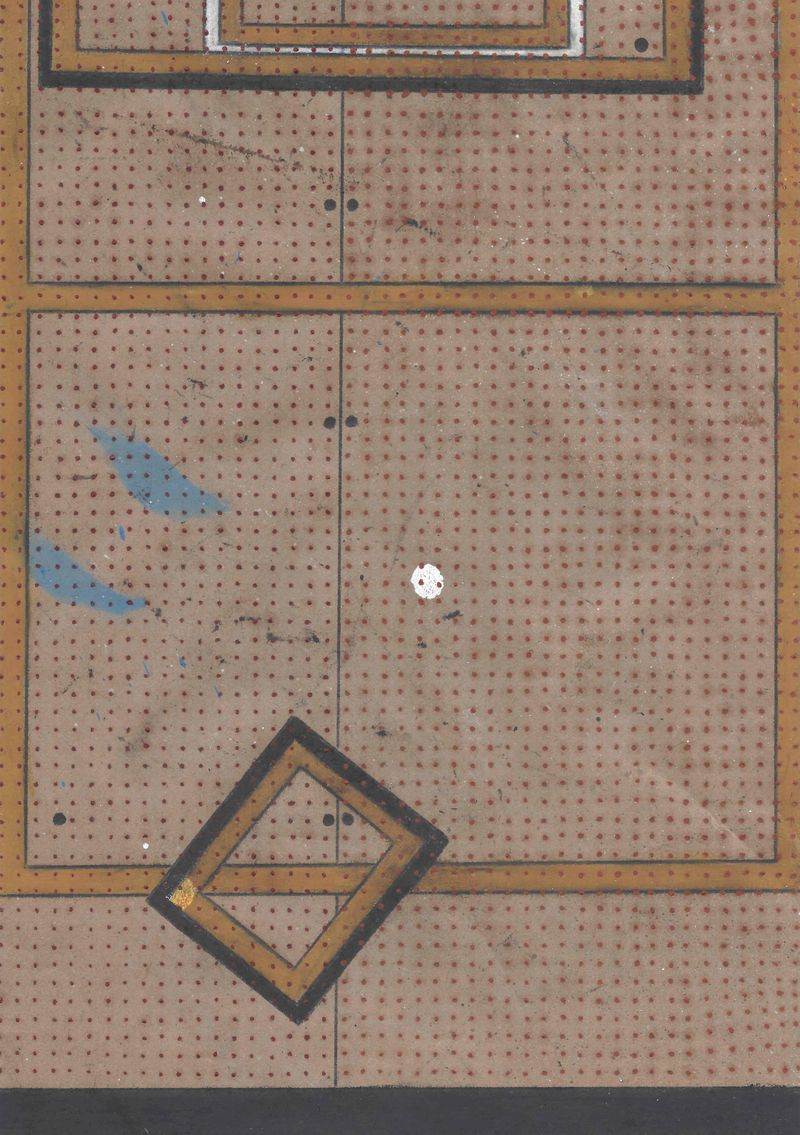
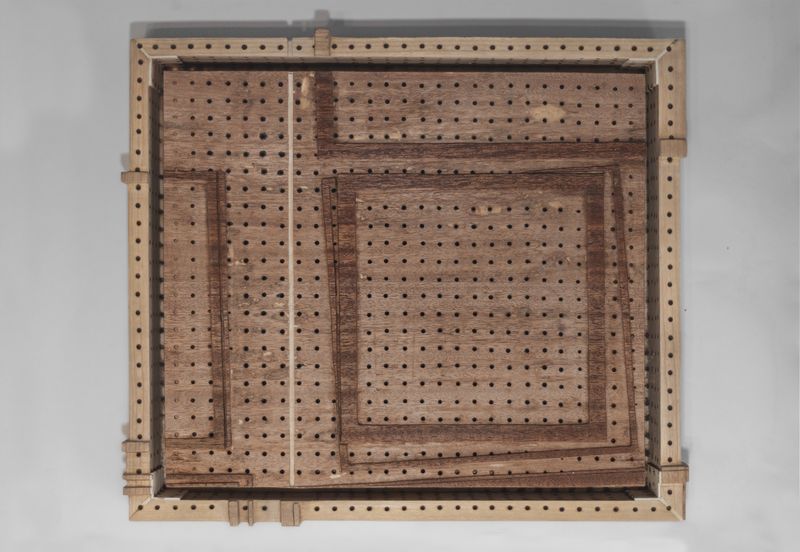
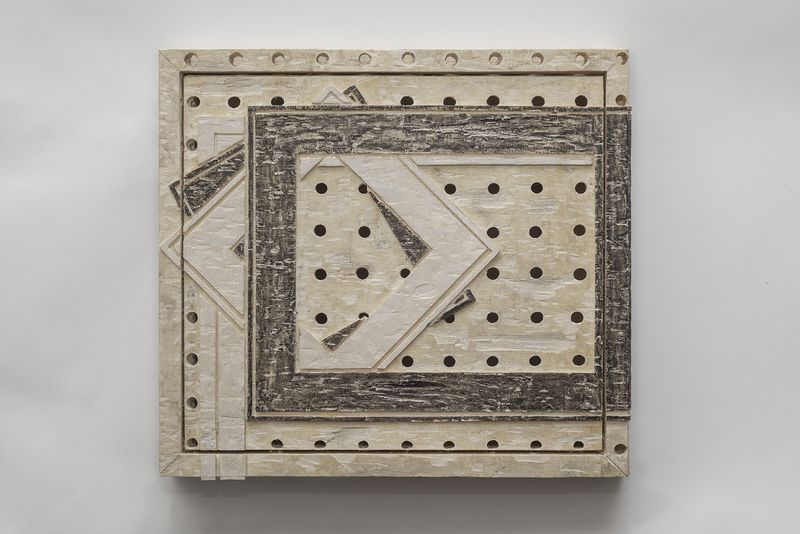
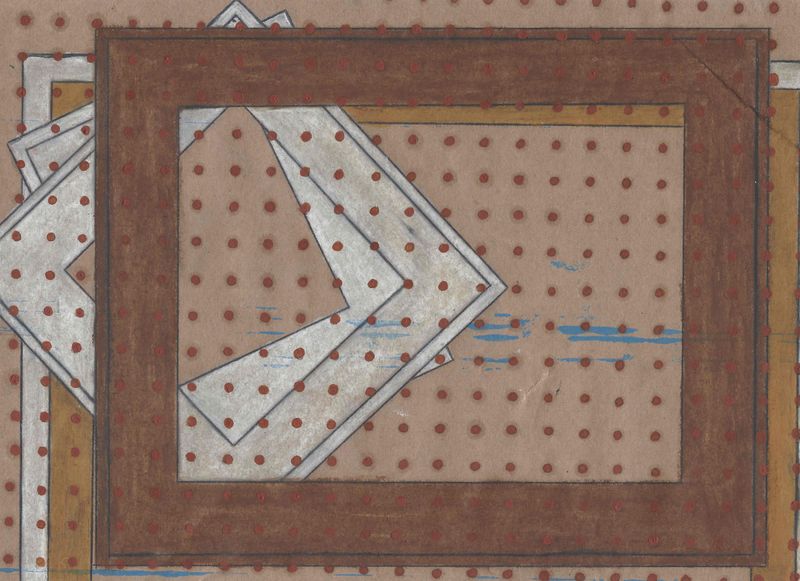
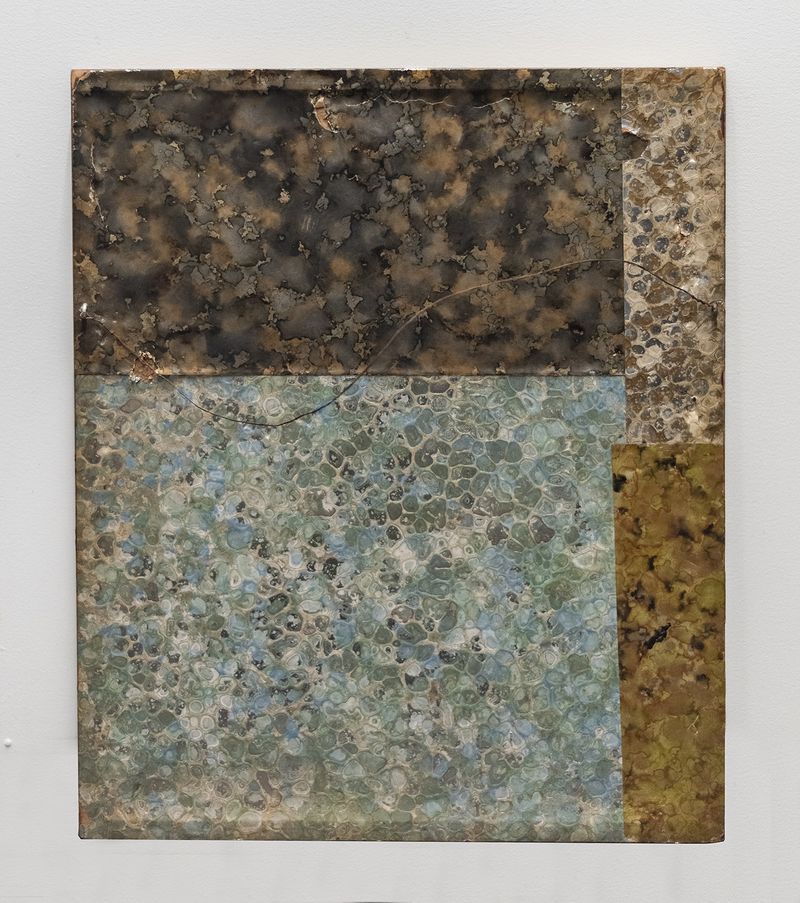
In other instances, discarded wooden frames are repurposed and refurbished as three-dimensional wooden printing plates. The images carved into the frames are geometrical drawings based on photographs shot with discretion at the woodshop. Images depict elements such as pegboards, drying racks for finished frames, and wood storage racks. These pieces that depict workspace landscapes make a reference to memory and attachment, and to the way in which an object is a product of the circumstances and context in which it was built and how such objects become part of an environment creating a codependency as it is between manual labor and high skilled work, creation and consumption, artist/fabricator and curators/gallerists; artists and audiences.
I then reconfigure these elements into installations resembling the Salons of Beaux Arts and simultaneously a woodshop setup. Oil-based ink, water, and stacks of large-scale printing paper are then provided, making a reference to Felix Gonzalez Torres, and the installation then becomes activated by the audience by inviting them to create their own print on paper using frottage, takuhon, or other contact-based printing methods, making a reference to the vernissage performed in the Salons of Beaux Arts of the 1800s. This activation creates a labor exchange between the audience, the space, and the artist. The installations challenge conventional notions of craftsmanship and ownership. Each frame, once a simple structure, becomes a vessel for stories of labor and a vessel for labor reproduction— both the effort required to create and the economic and social forces shaping its value; as well as the alienation, commodity fetishism, and socialization of labor entailed, and the conflicts between artists and capital and exploitation and resistance.
In this context, my work serves as both a reflection and a critique of the art world’s commodification of labor. Through the manipulation of materials and the exploration of themes like labor reproduction, alienation, and surplus value, I strive to create art that engages with Marxist ideas while prompting wider conversations about the role of labor in shaping artistic creation and consumption, and the celebration of such efforts.