Back to the City
-
Dates2024 - Ongoing
-
Author
- Location Beijing, China
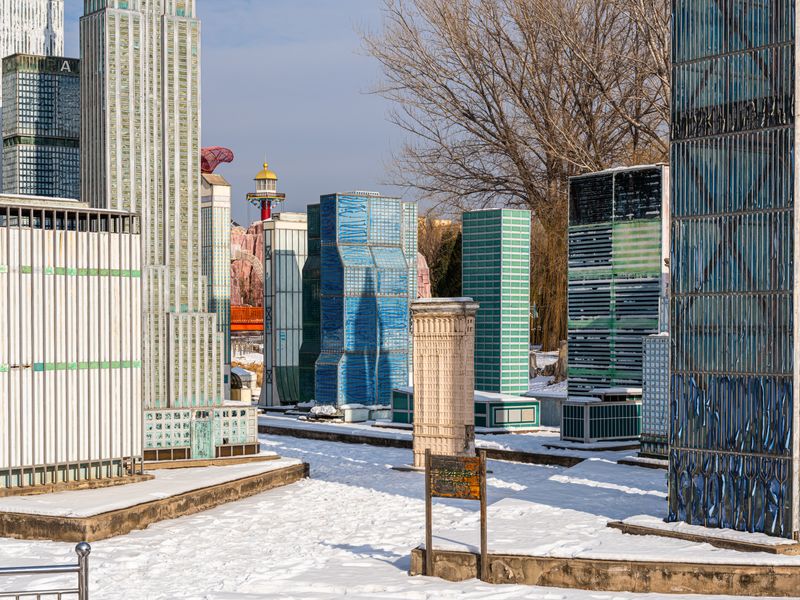
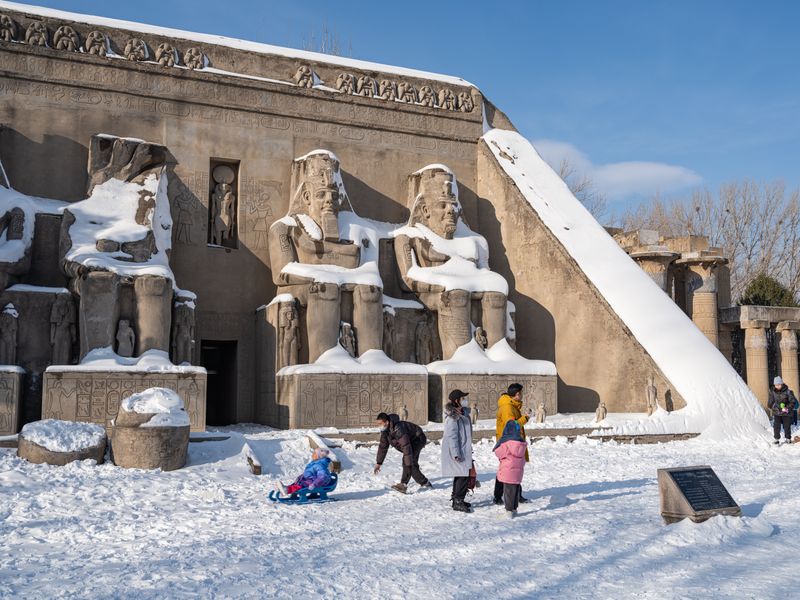
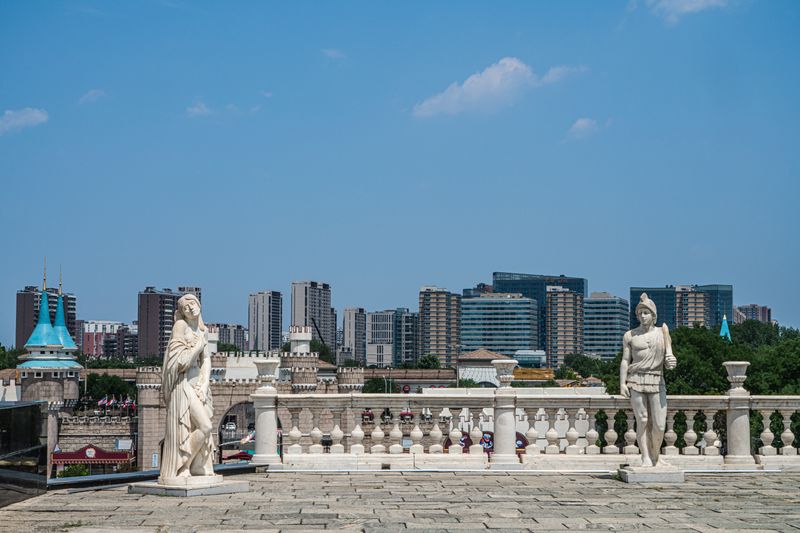
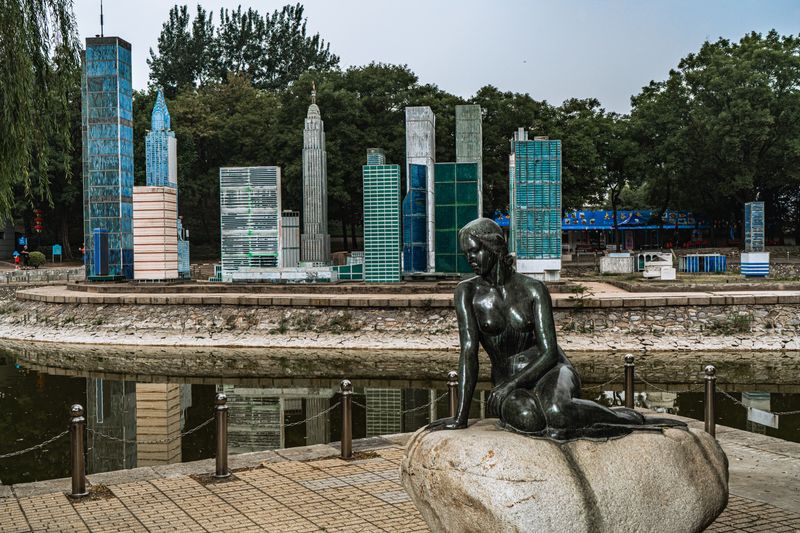
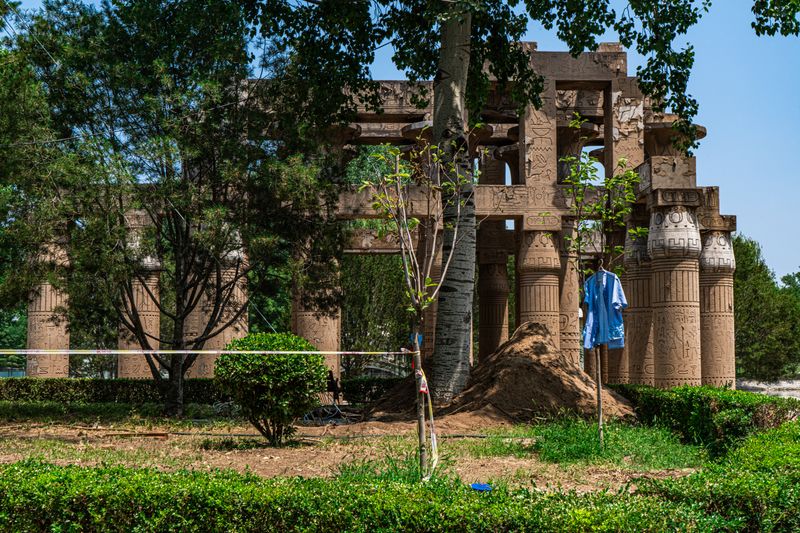
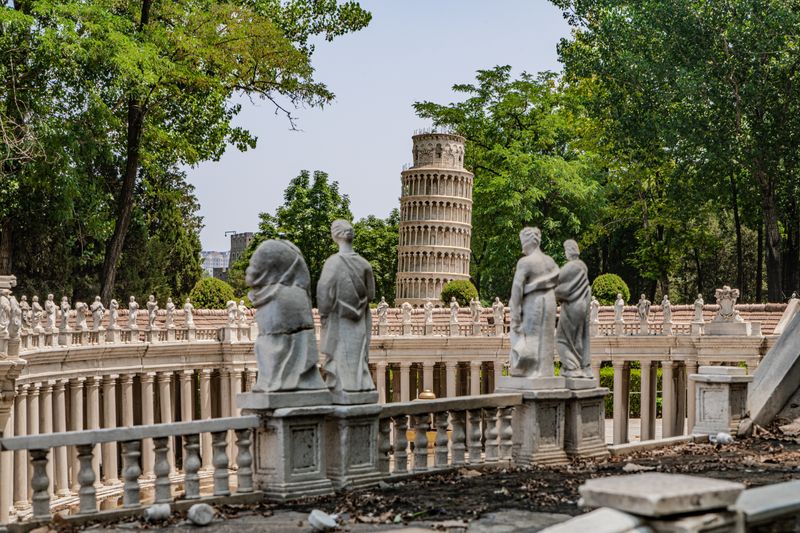
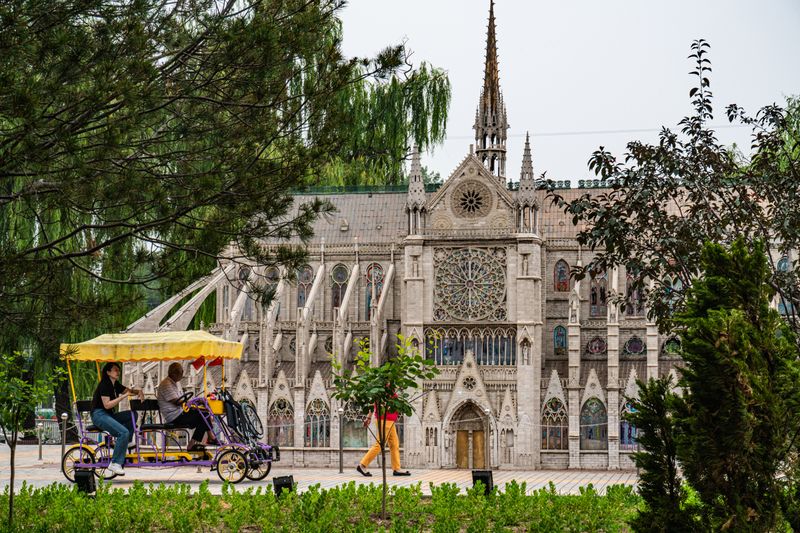
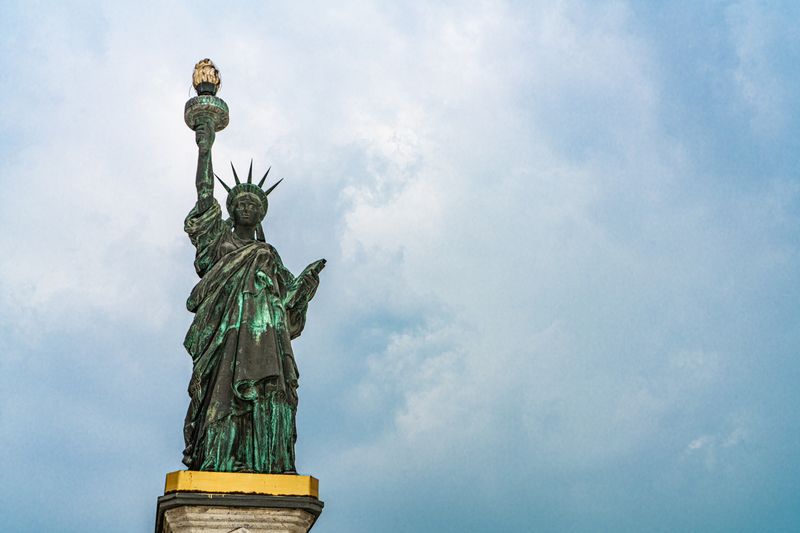
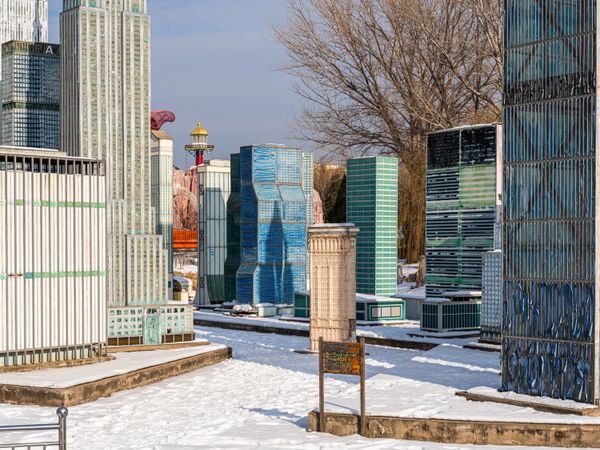
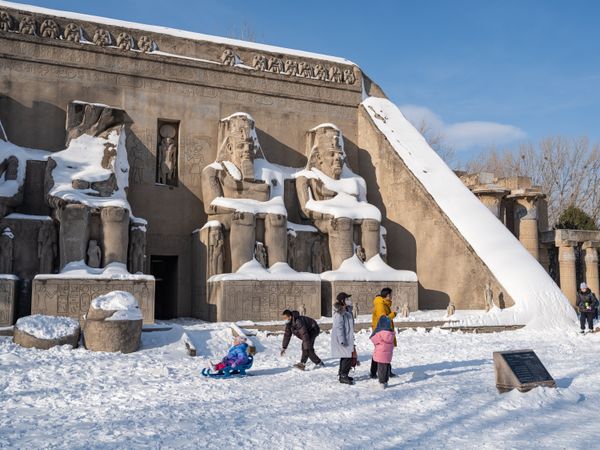
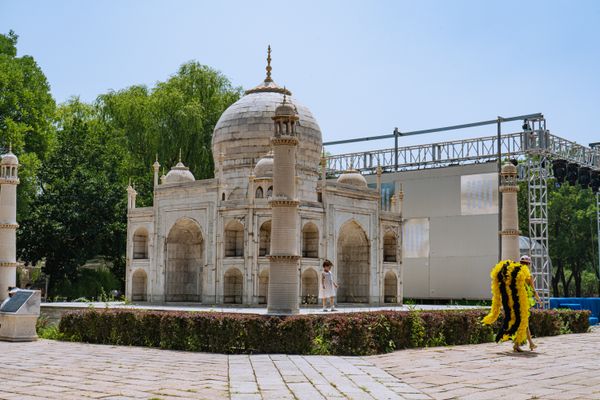
Back to the City, set against the dynamic backdrop of Beijing World Park, delves into the realm of global cultural representation. This thematic park showcases iconic landmarks from five continents, allowing visitors to experience a virtual world tour.
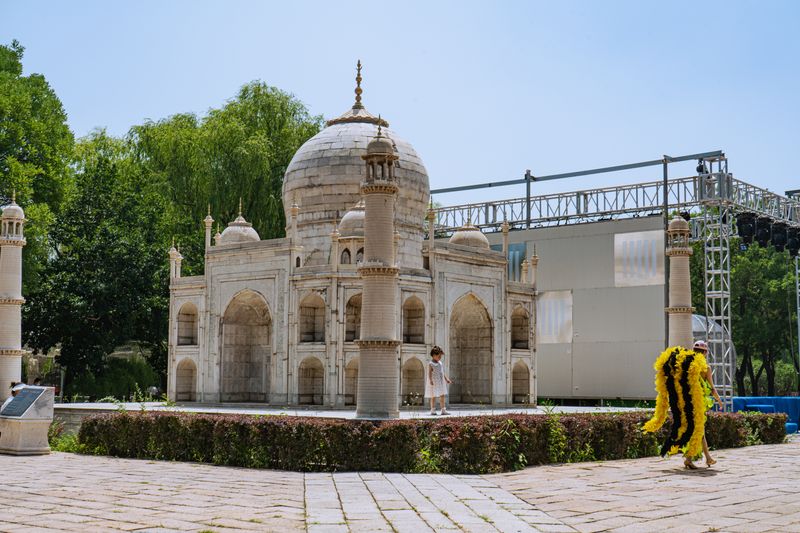
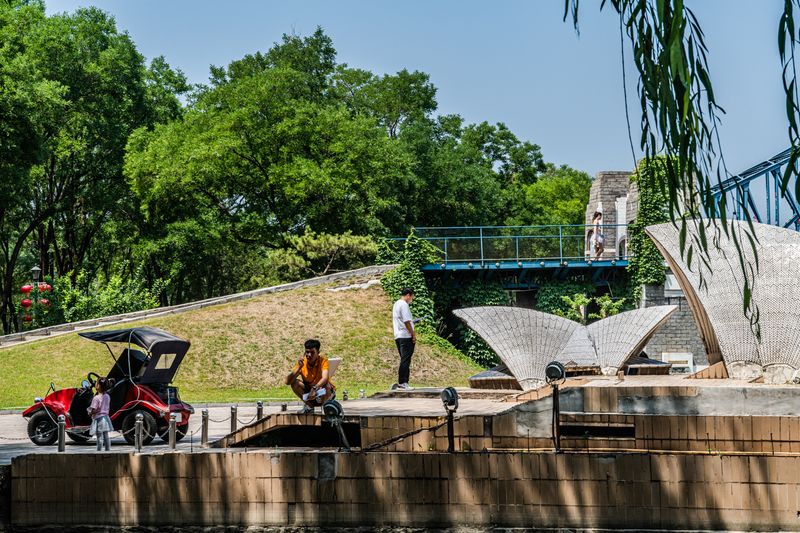
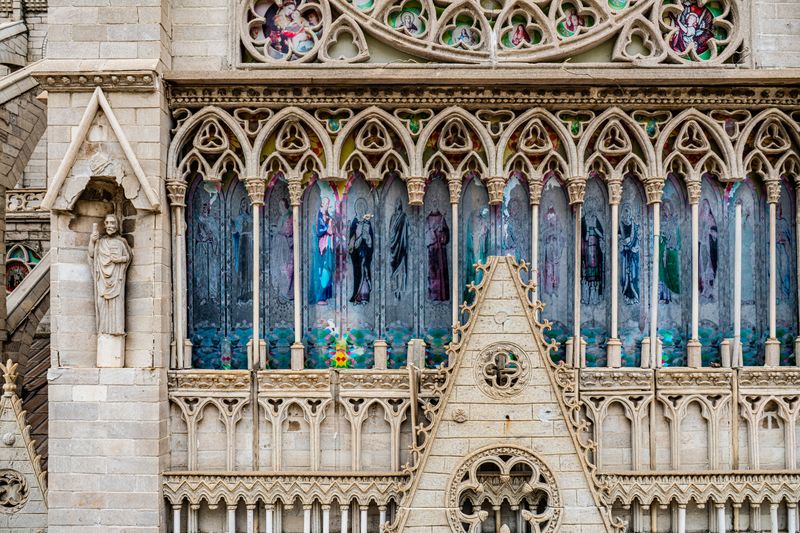
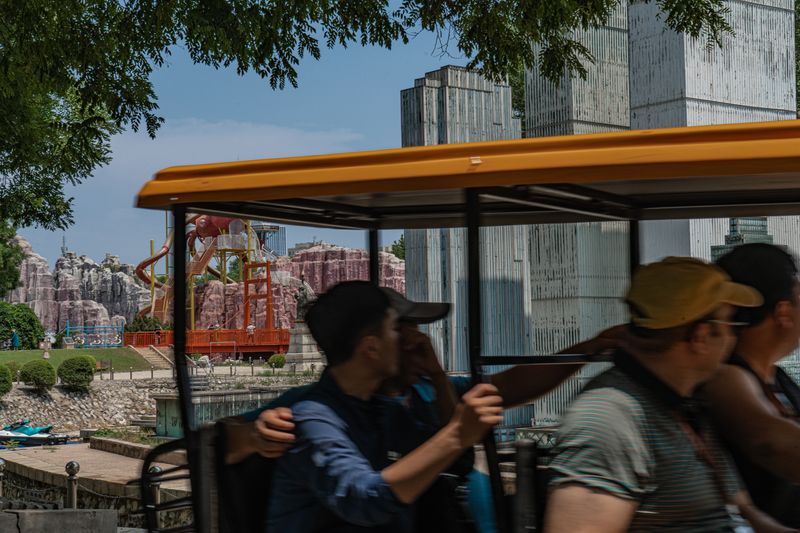
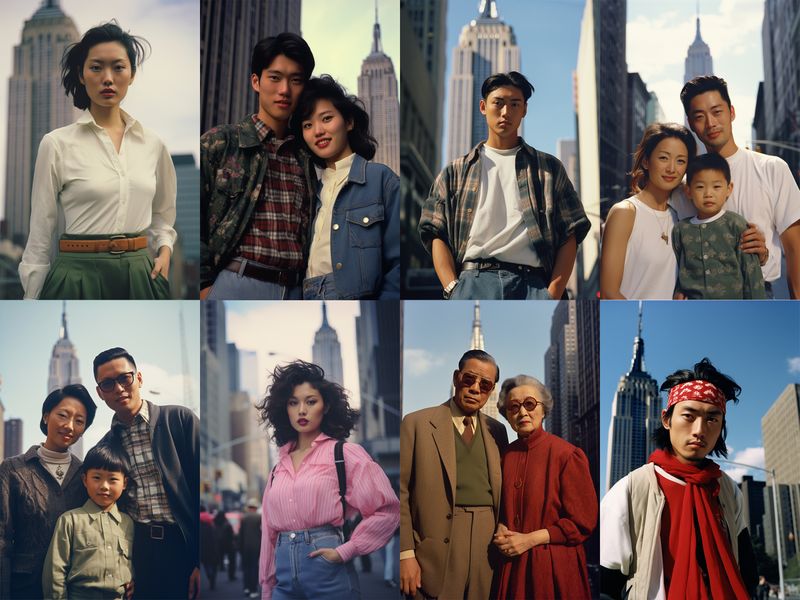
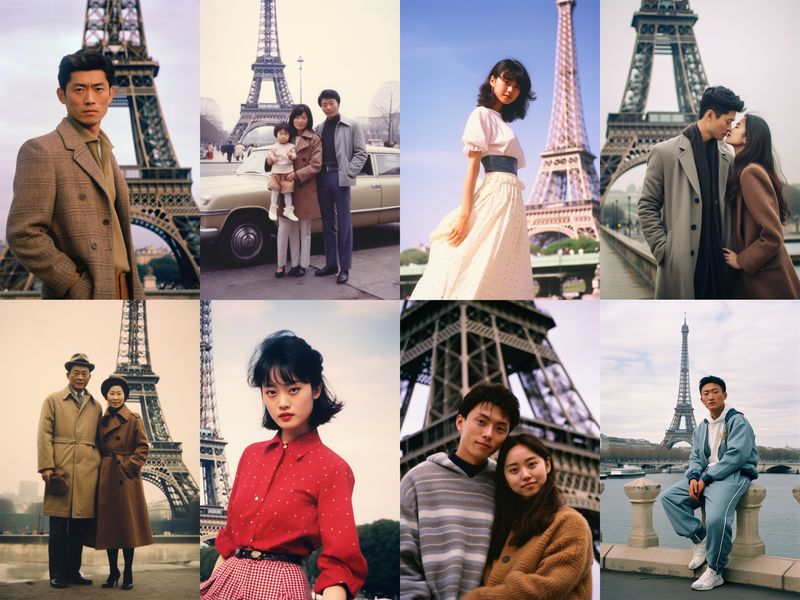
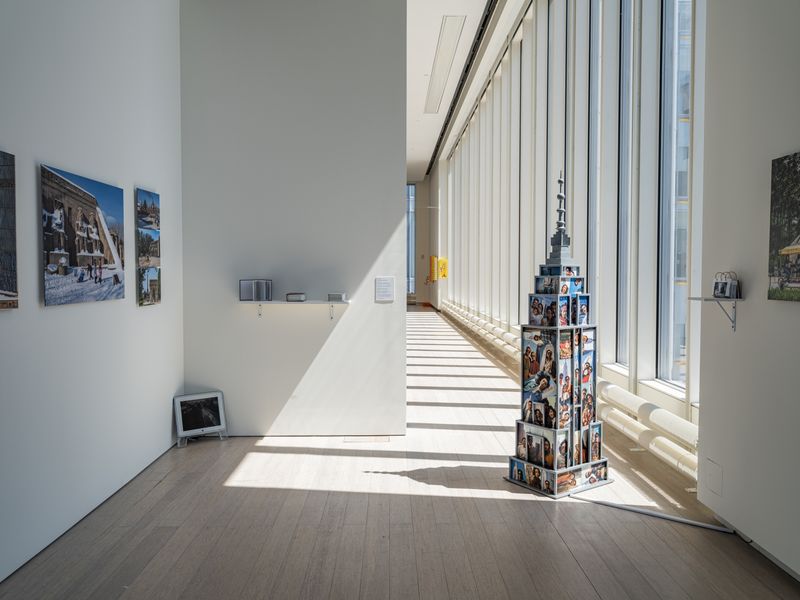
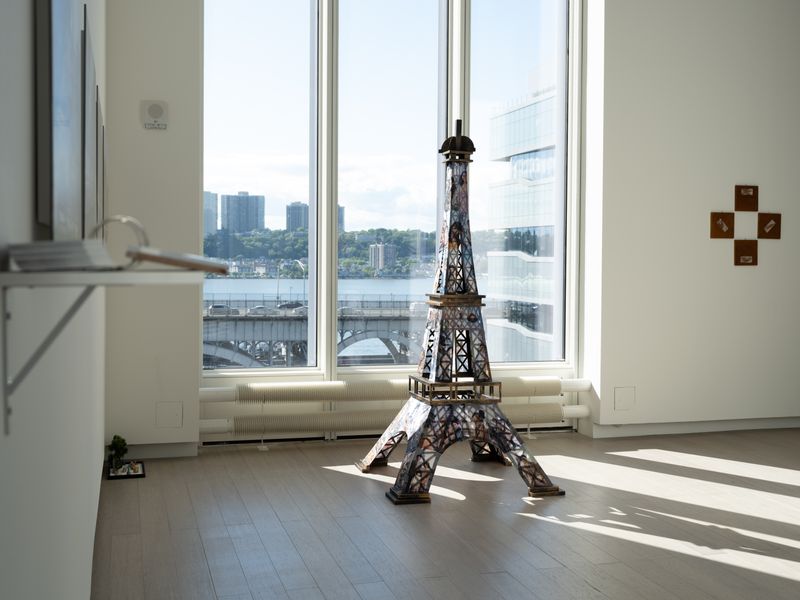
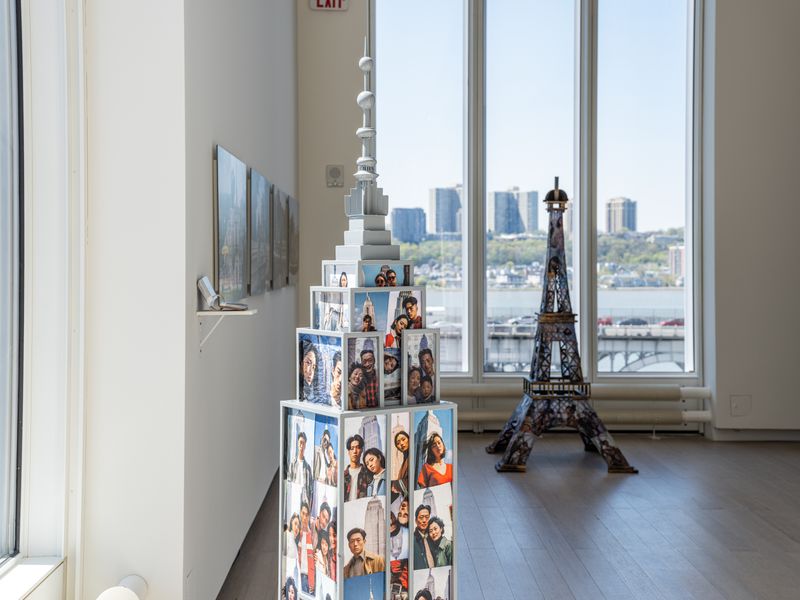
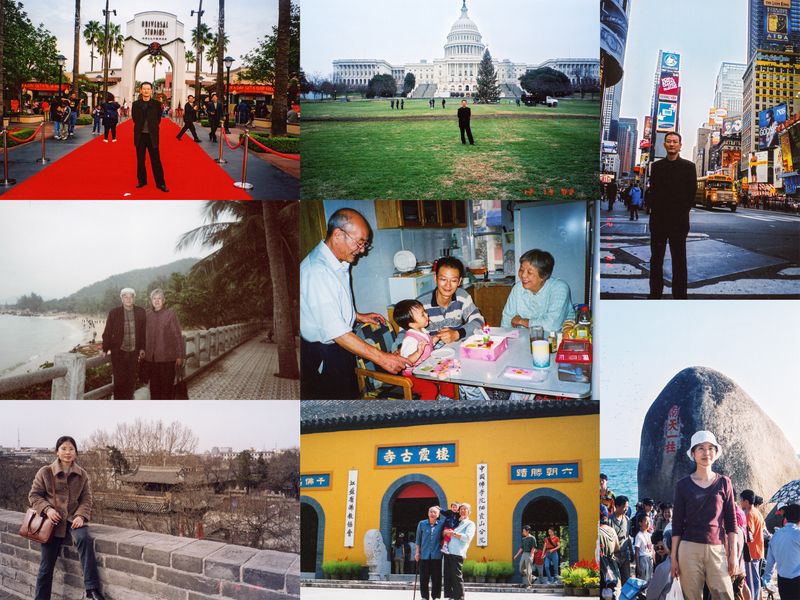
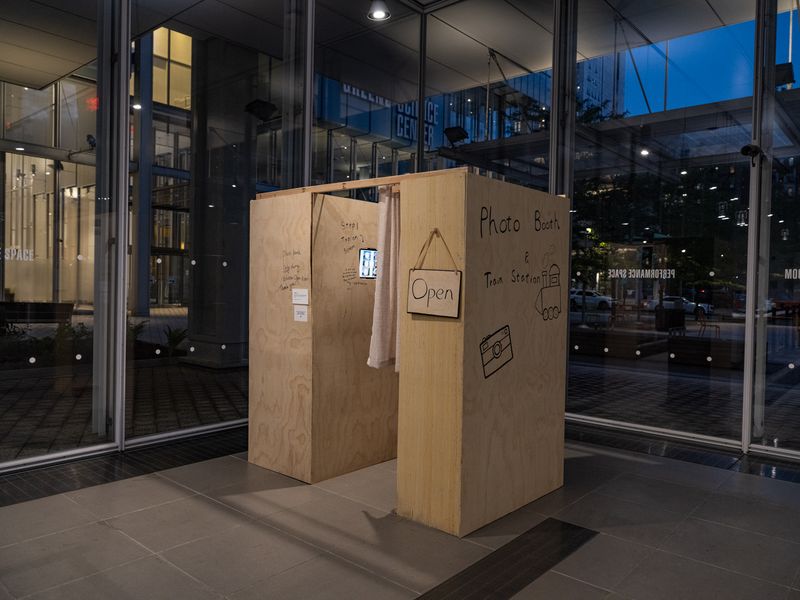
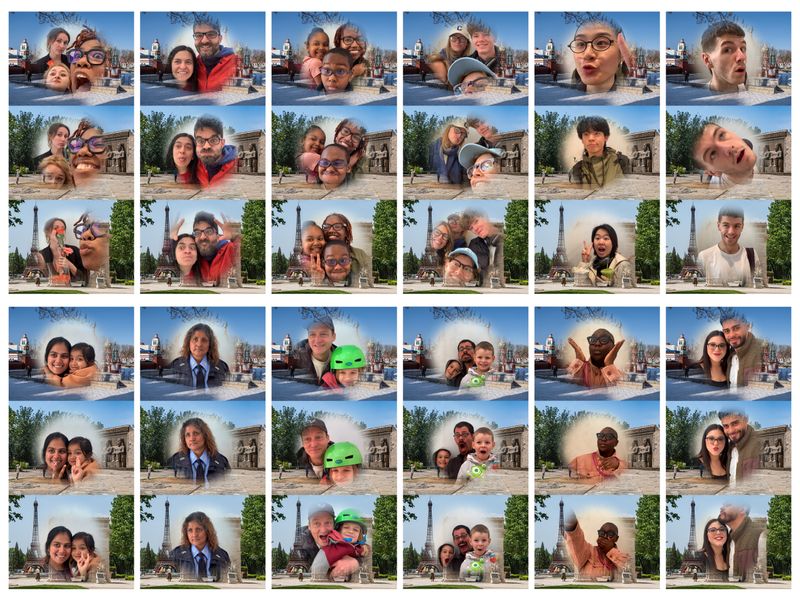
Back to the City project is a photo-base project blending documentary shots from World Park, Beijing, China, three “Family” Albums, monumental sculptures, and a photo booth.World Park, a thematic showcase of global cultures with static miniature landscapes, opened in 1993, offering a condensed world tour experience. Until 2005, when China began issuing individual travel visas, it served as a unique encounter with global landmarks for chinese citizens.However, today the park has aged, and visitors no longer flock to it as they once did. Despite this, some visitors still explore its grounds. Their heights become the most natural scale in the scenery. The meticulous construction of World Park, even after enduring more than thirty years of exposure to the elements, makes it challenging to distinguish whether one is looking at Beijing or New York in a photograph. Yet, when a natural human scale appears nearby, the surreal proportions and realistic appearances reveal their deceptive charm.
The primary function of these buildings, whose exteriors are weathered by wind and sun, seems to be serving as backgrounds for tourists' photographs – a kind of fictitious “global journey” proof that requires no visa. It is a testament to the permanence of images: “I was here, I saw, I conquered.” Photography, as a medium, naturally possesses a documentary quality and credibility. However, the falseness of miniature structures in front of the camera undermines the authenticity of tourist photos. With recent advancements in artificial intelligence technology, many software programs can now create flawless photos through verbal commands, further challenging the authenticity of photography. Perhaps a travel group photo may no longer serve as evidence of an experience but rather as a souvenir.