Archive
-
Dates1965 - 1975
-
Author
- Locations Chicago, Rochester
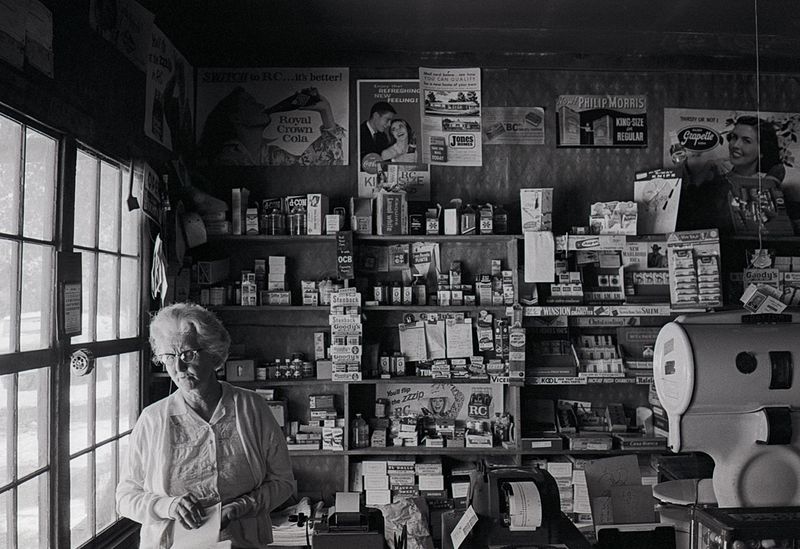
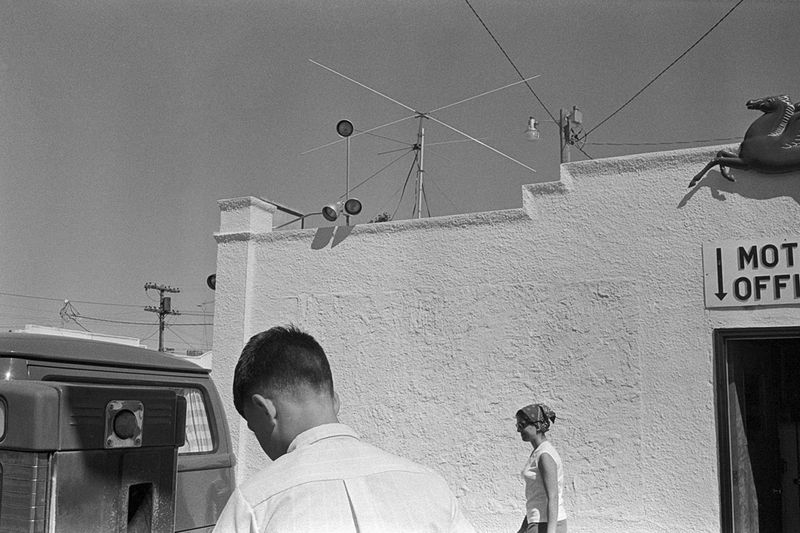
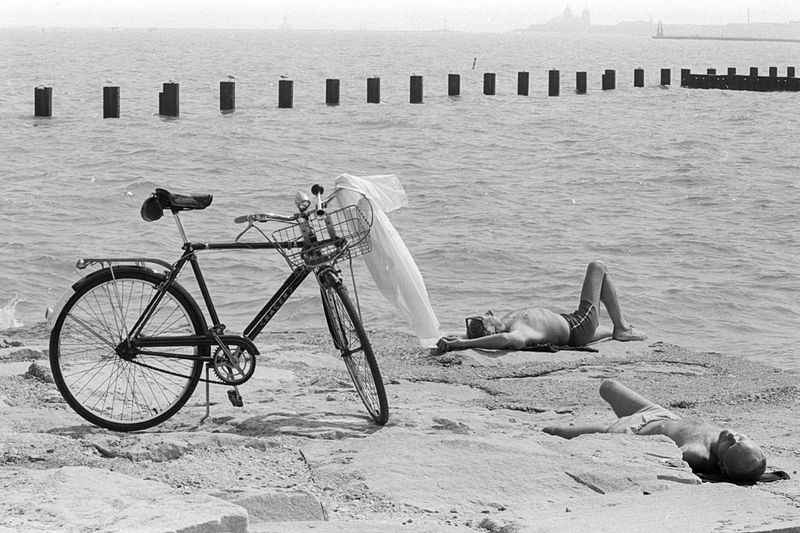
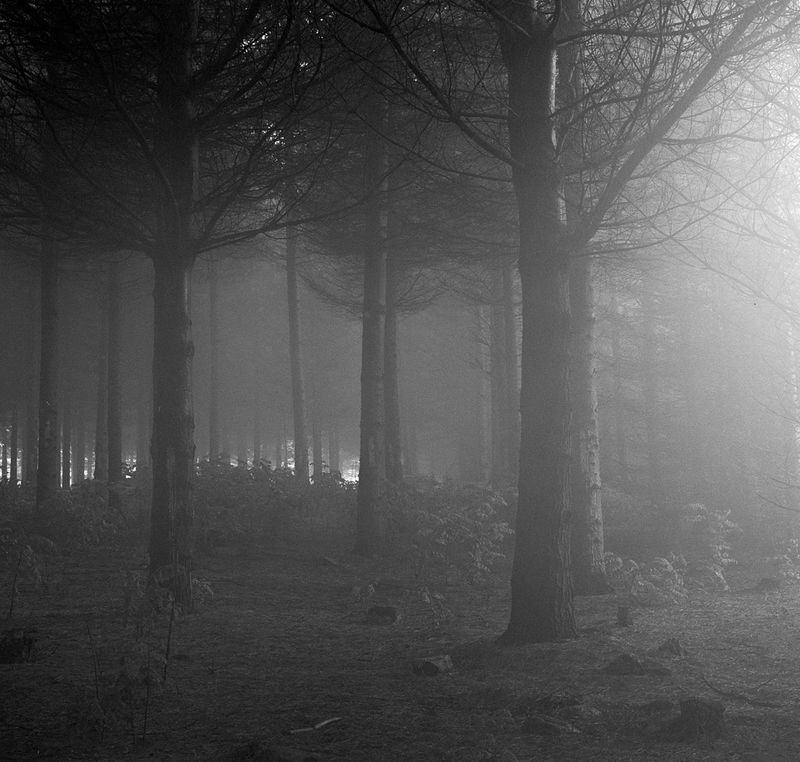
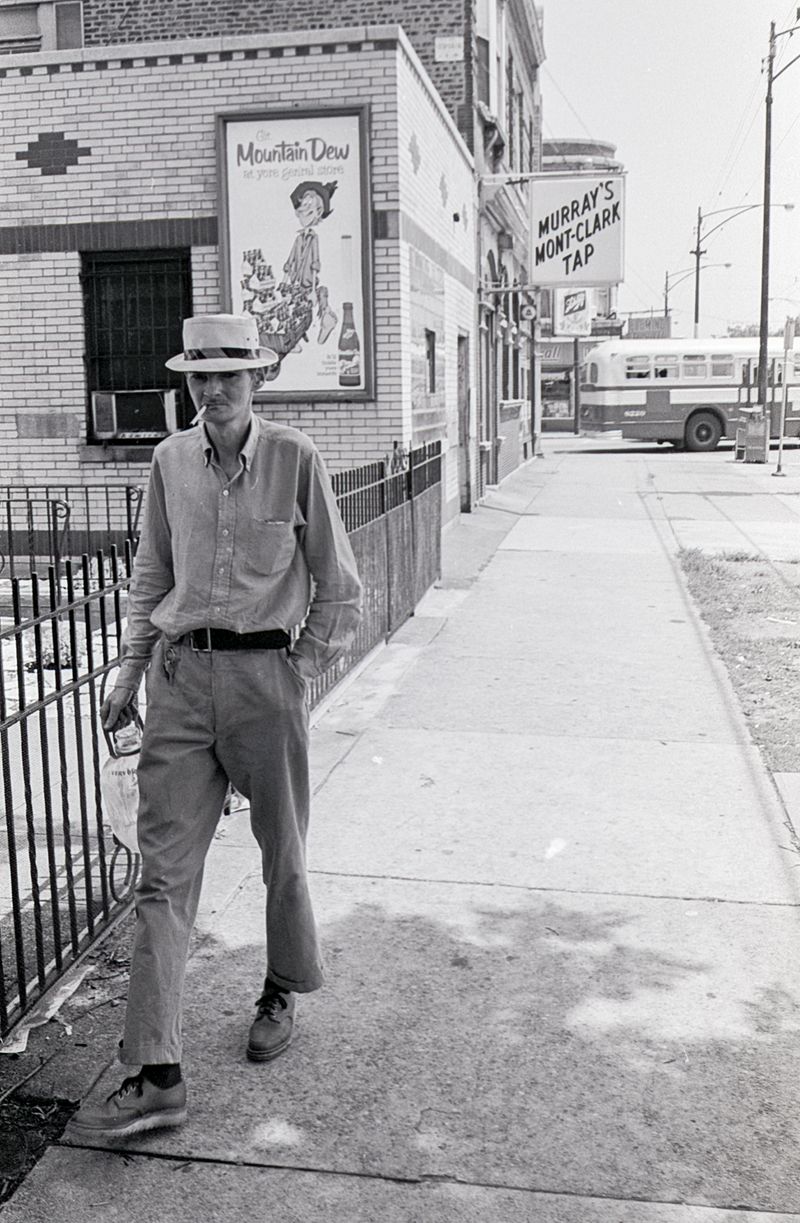
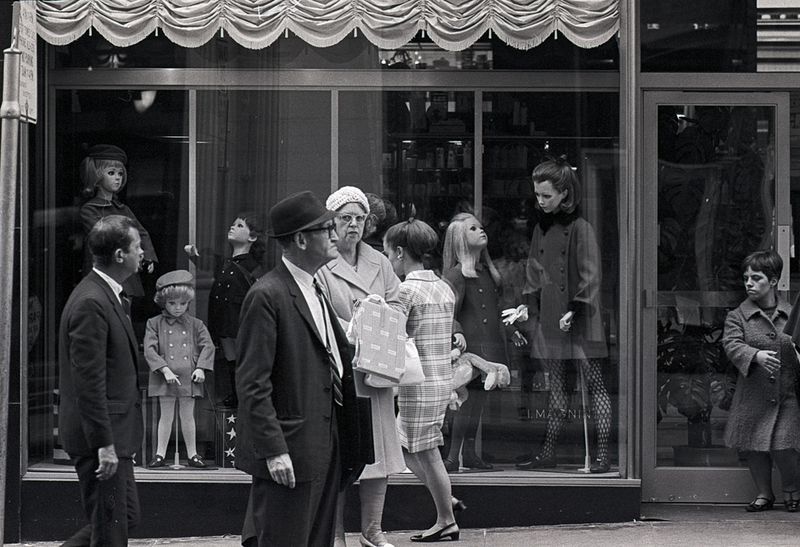
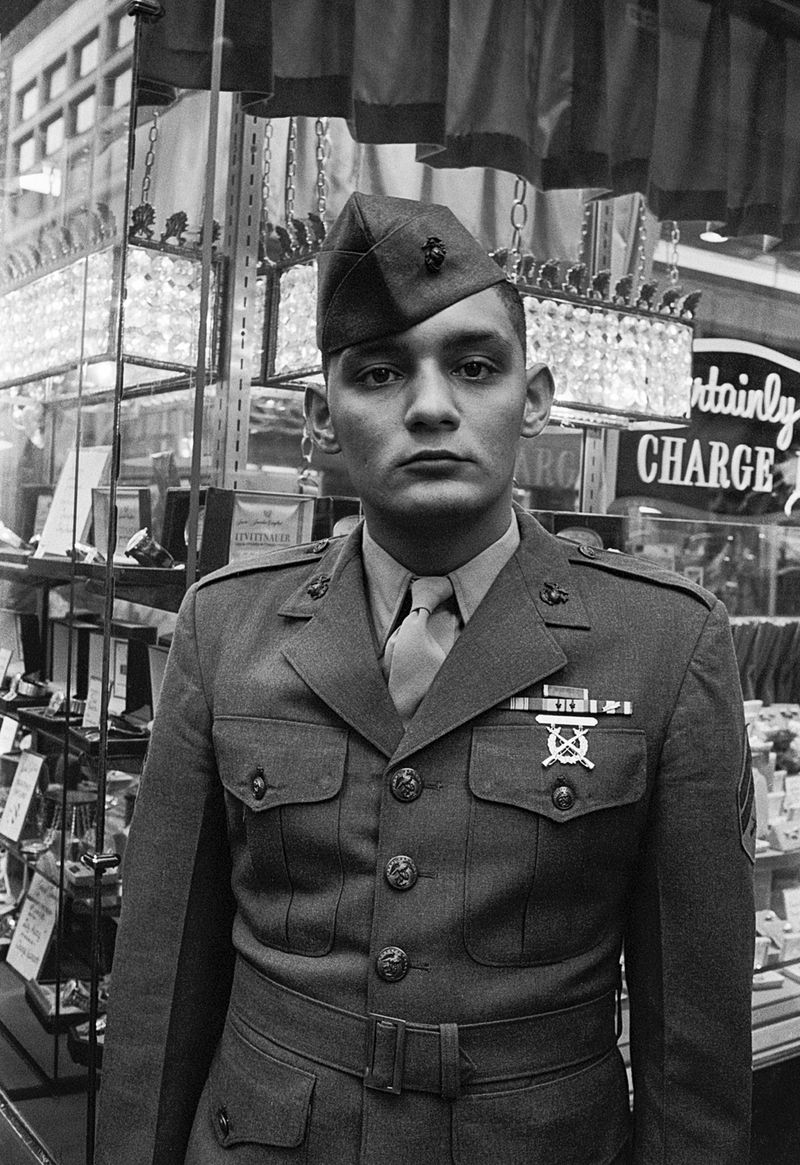
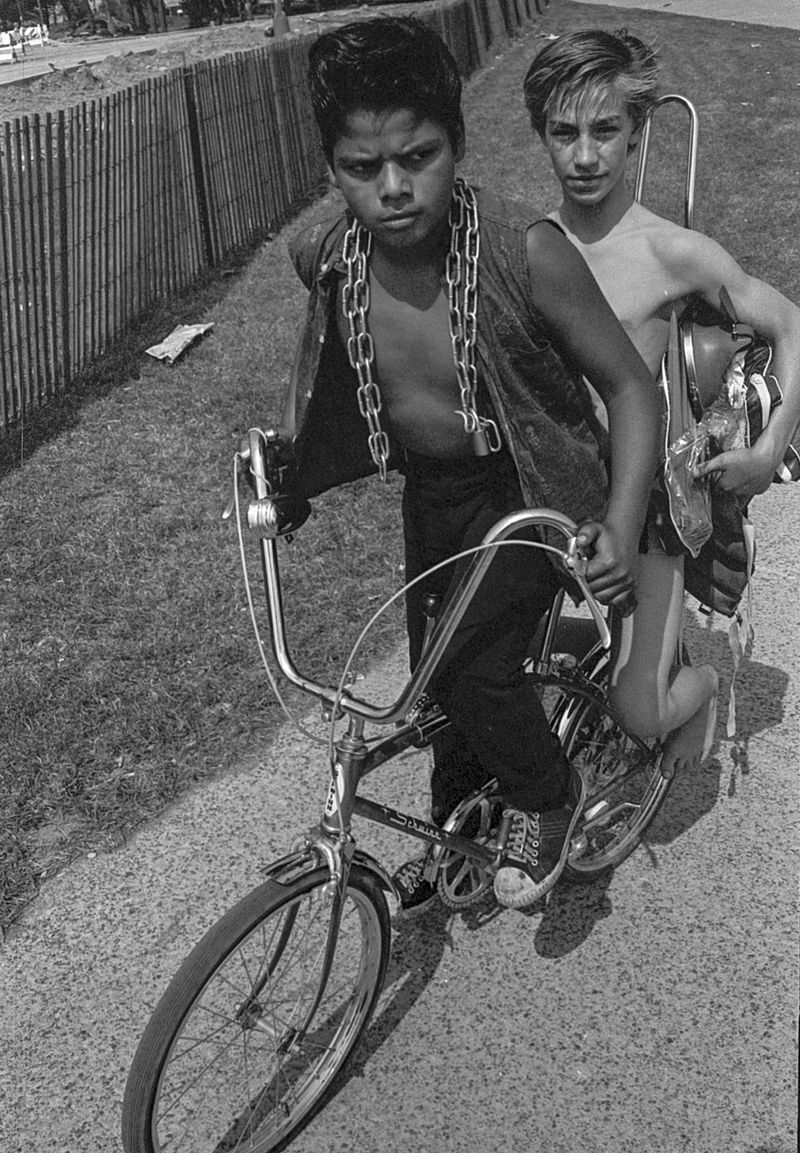
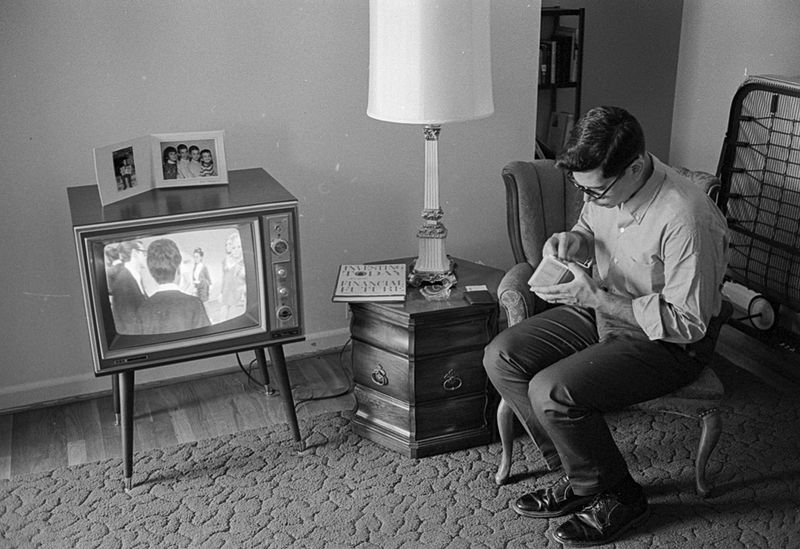
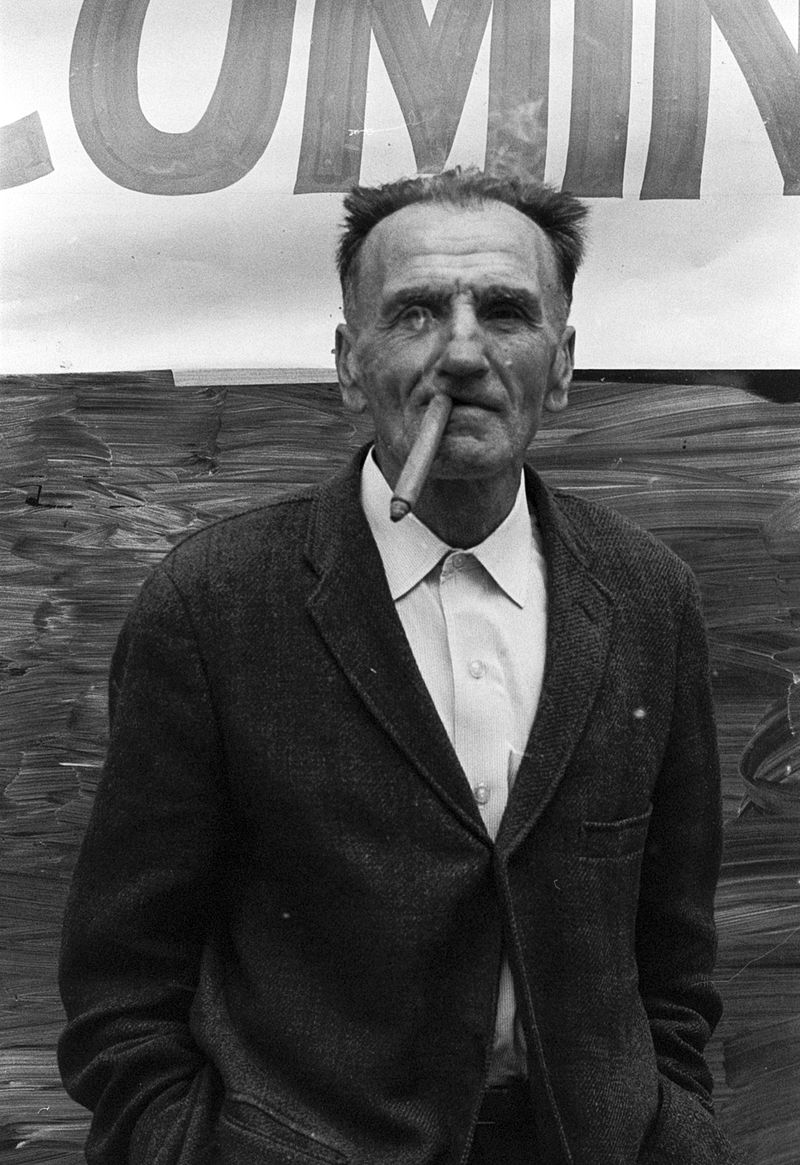
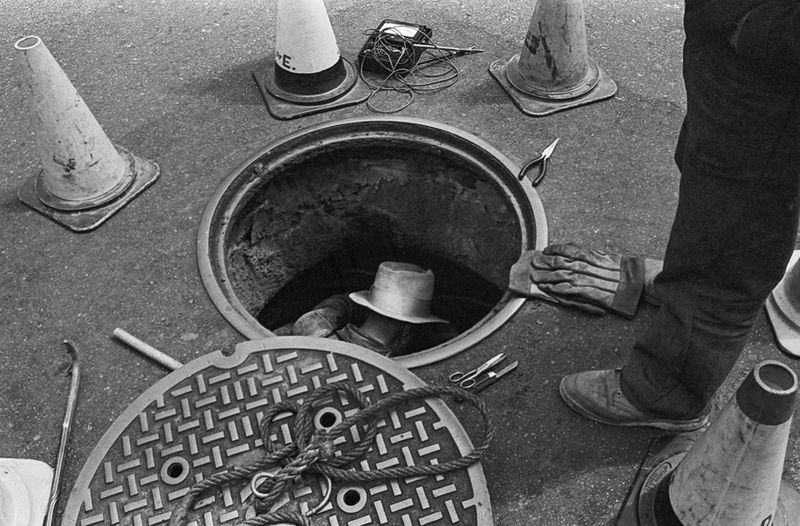
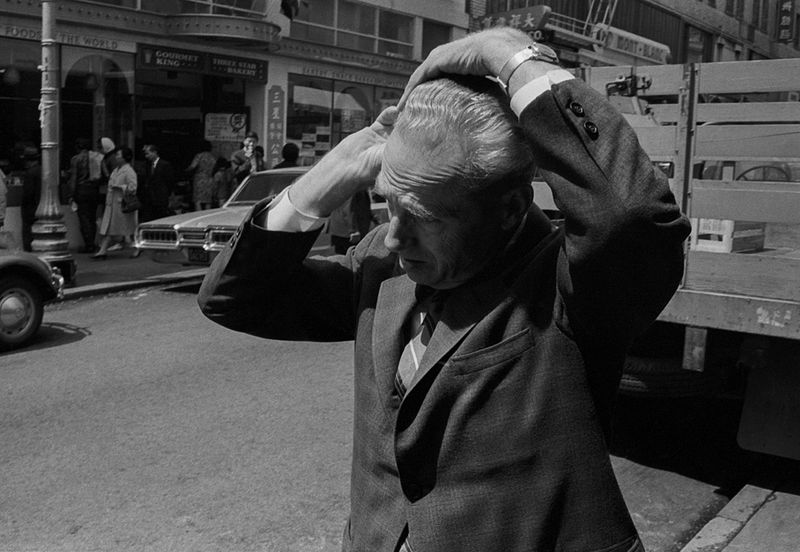
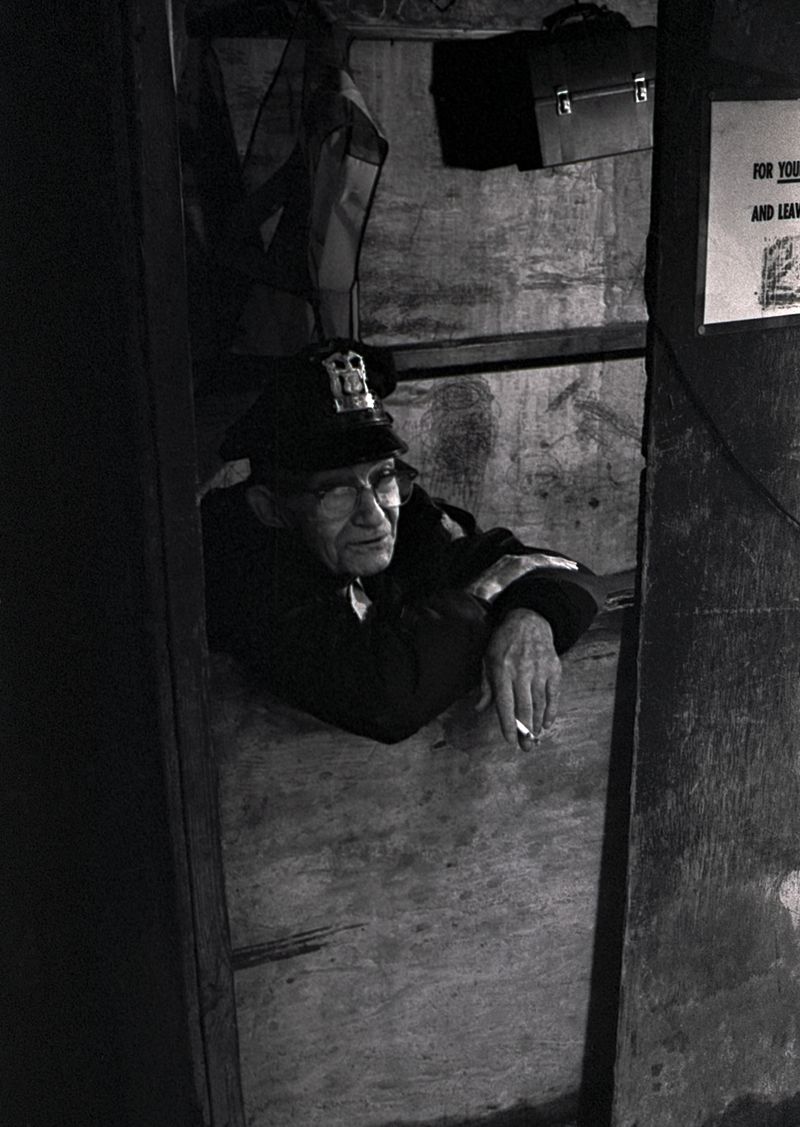
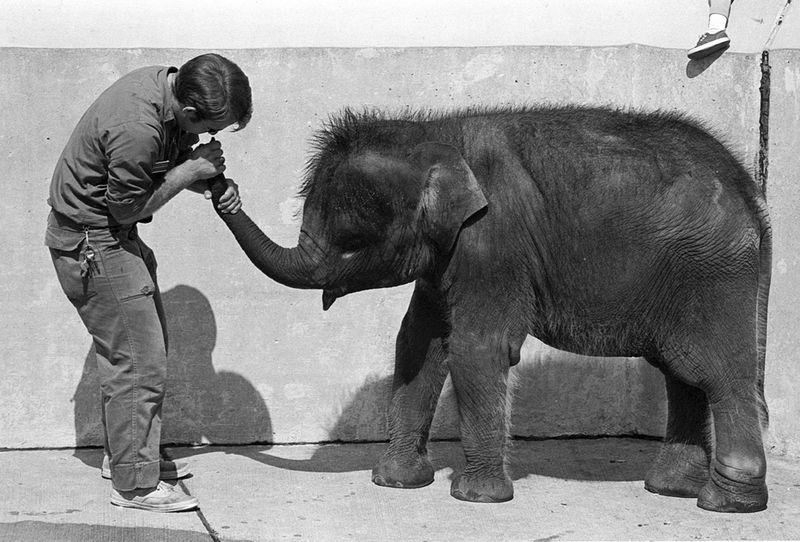
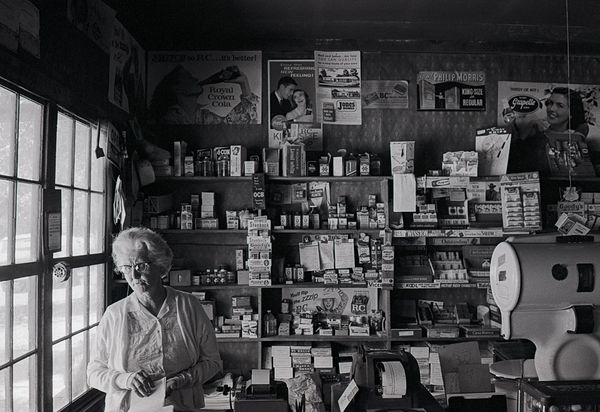
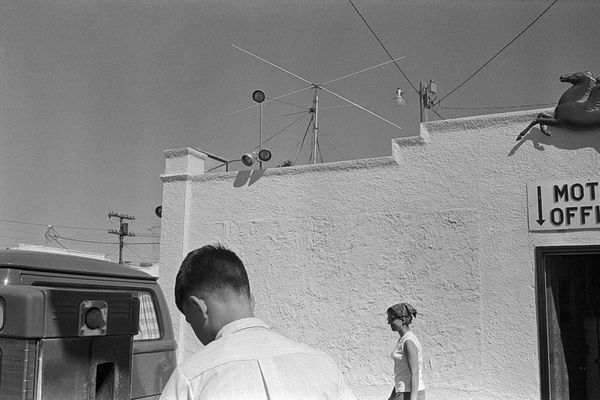
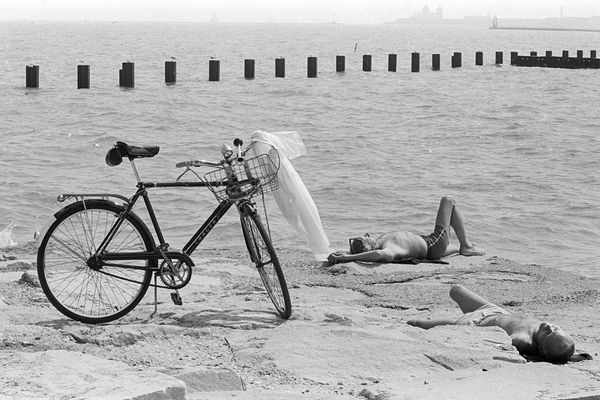
"Archive" Is a collection of photographs from Jim Erwin made in the 60's and 70's. They have been sequenced and edited by Nick Meyer. Jim Erwin is Nicks Uncle. He gave up photography in the 80's after selling his stake in a commercial studio.
Jim Erwin is a large man, but unassuming. A survivor of childhood polio, he has some trouble moving around and will usually stay seated in a room, but he will always get up to give you a hug. He lumbers across the room when you walk into his house, arms outstretched, when you embrace, the hug is that much warmer because you are also providing balance for him. He then will turn and as quickly as he can plop back into his chair. His hearing has gotten worse with age so you need to speak to him a few decibels higher than you normally would. Conversations swirl around him. He stays focused on the speaker working hard to hear what is being said. When there is a break in conversation, he will turn to you and ask if you got the article he sent you, usually from the arts section of the New York Times or an obituary of an interesting photographer.
Jim Erwin is my uncle. Uncle Jim. He has known me my whole life. He married my Aunt Phyllis, my mothers sister, in the 60’s. They met when he was a student at RIT. He came to Rochester from Texas to study photography. There he avoided Minor White’s advances and graduated a year early. He then moved to Chicago to get a masters degree from The Illinois Institute of Technology. Soon after graduating, Phyllis and Jim learned they were expecting their first child. With the reality of the cost of a new baby, Uncle Jim took his years of fine art photography education, pivoted, and turned it into a career as a commercial and fashion photographer in New York City, looking to be fiscally responsible, he rarely looked back on the idealism of the art world. Talking to him now, he lights up when recounting the octagonal studio on top of the building that is now owned by Google in Chelsea. The defunct helipad on the roof, where they would hoist a trampoline and shoot models flying above the New York City Skyline.
Life continued as it does, Jim and Phyllis had a second kid and then a third and moved from bohemian Brooklyn to the suburbs of Montclare, New Jersey. Throughout the 80’s Jim would commute to the studio in the Chelsea, but his interests would head in a different direction. By the end of the decade, My aunt and uncle would pack away their lives in the tri-state area and head back to Rochester. There they could join my grandfather in the family construction business and be available to take care of them as they grew older.
And this is the end of the story. Jim Erwin worked in the family construction business. He would start a small computer software company. He would watch football during the holiday and sometimes be the uncle to tell you to pull his finger. That is my uncle Jim.
But a year or two ago the past came flooding back.. to me at least. After the kids had all grown and moved away, and my grandparents had passed, Phyllis and Jim wanted to be closer to family. They bought a small house across the road from my mother in Vermont, and kept a condo in Connecticut to be closer to grandkids. In an effort to downsize, they packed up the condo and sold it. Living in somewhat nearby Northampton, Massachusetts, and having friends with trucks, they asked if I could move some pieces of furniture from Connecticut to Guilford, VT. I borrowed a Ford Ranger and loaded it up with my grandfather's old desk and a few shelves, and, while we were packing it up, Uncle JIm asked me if I had any interest in taking his old negatives. Never the sentimentalist, he told me that he was done with them, his kids didn’t have any space for them, and if I didn’t take them he was just going to toss them out.
I imagine you can tell where this story is going now.
I loaded three large trunks into the flatbed along with the furniture, dropped the furniture in Vermont and brought the trunks to my studio, feeling self-righteous that I’d preserved some history. I looked through the trunks when I first got them to my studio; boxes of slides, contact sheets, prints of my aunts when they were younger than me. A couple concise projects, “RIT thesis” scrawled on one box and manilla folder upon manilla folder of negatives.
Excited by the unknown in these cases I closed them up and put them in the corner to taunt my curiosity. Fast forward a few years and a lull in my own practice. I reopened the trunks and began scanning. First going through the boxes of color slides. A road trip across the country. Pictures of campgrounds, San Francisco, Reno and Seattle. Aunt Phyllis standing in front of a landmark or a windswept Uncle Jim photographing the ocean cliffs, presumably off Route 1. For a year this was as far as I could get, the folders of negatives staying tucked in old Agfa boxes.
The first negatives I scanned were of a man mowing his lawn. The next were protests in an identifiable late 60’s Chicago. One picture clearly of Martin Luther King marching against the Vietnam war. I continued. Street scenes under the El. 4 x 5 negatives of Genesee beer trucks. Pictures of a friend's wedding. Kids on stairs. Square Negatives of foggy trees and signs and text from a bygone era.
I am still not done scanning these negatives. Maybe about half way through. Everytime I start, however, I am awed with the skill and thought behind these images. Somehow they speak both to a bygone era and a history that has been well documented, but at the same time reflect our current moment back to us. Kids waving American Flags at a parade and the blind patriotism that that is born from. Protests of an illegal war, the same slogans on signs that we see on the streets today. There is a joy of looking in these images, giving the same compositional weight to a street corner as to a man with a cigar. A criticality that can see the world as beautiful, confused, composed and curious.