An Imaginary Island

The Jambelí archipelago is a group of five islands on the southern coast of Ecuador, it is a rural parish (province of El Oro) named after a pre-Hispanic culture that settled there between 500 BC and 500 AD. The parish is made up of diverse marine ecosystems, mangroves and dry forest; its islands constitute a natural barrier that protects the coasts of Puerto Bolívar (the second most important port in the country).

Its beaches are a tourist attraction and the major economic livelihood of its inhabitants, which after the pandemic has been severely affected.

Contrary to demographic forecasts, its population has decreased drastically in the last 10 years due to the strong waves that destroy the buildings and the rising sea level that is "eating" the islands, which causes many people to decide to leave, on the other hand there is exploitation by shrimp companies, which represents a major environmental problem for the area by the destruction of the mangrove.

Jambelí is the favorite place of my childhood, although the motivation of the project comes from subjective and emotional factors, these are linked to social, cultural and environmental factors to know the problems that currently besiege the island. The Jambelí I knew in the 90's does not exist today, that memory is that of An Imaginary Island; in the case of being able to access this grant I will be able to tour the archipelago and discover vestiges of that past that seemed to be promising, but I will also be able to make visible the problems suffered by its ecosystems and above all I will be able to narrate the resilience of its inhabitants and what they have done to contribute to the rescue of the islands, how they survive and take care of their home.

There is little public and updated information and documentation in relation to the rural parish of Jambelí, for many years the (informal) denomination of "satellite parish" has created a phantom imaginary of this town; most Ecuadorians have the tourist reference of the islands but we are totally unaware of its history, problems and particular needs and at the same time far from the reality of other nearby towns; this project is an opportunity to contribute to the construction of a different imaginary.
© Karen Toro - Image from the An Imaginary Island photography project
i

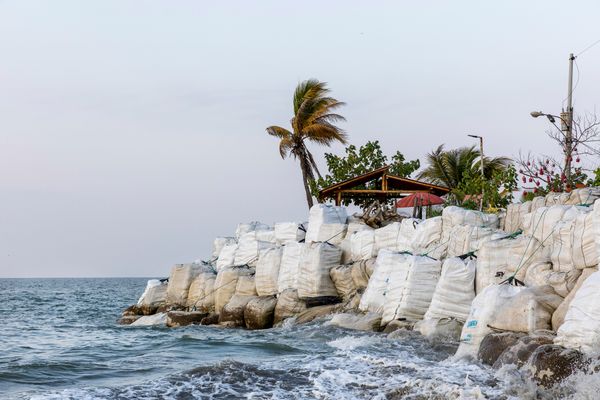
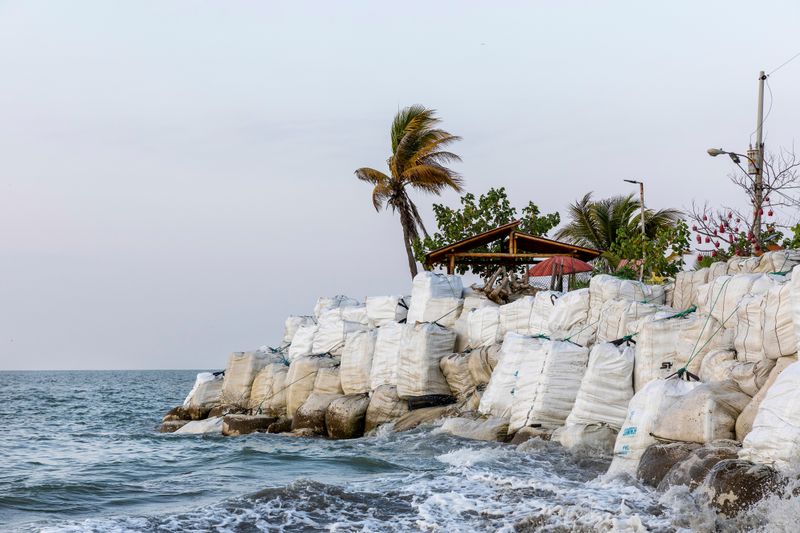
To the north of Jambelí Island there are sectors where the beach has almost disappeared due to strong waves and rising sea levels. With tulas (sandbags) the residents of the island have been trying to beat the sea so as to avoid destroying their homes and businesses. Jambelí, December 2022.

© Karen Toro - Image from the An Imaginary Island photography project
i

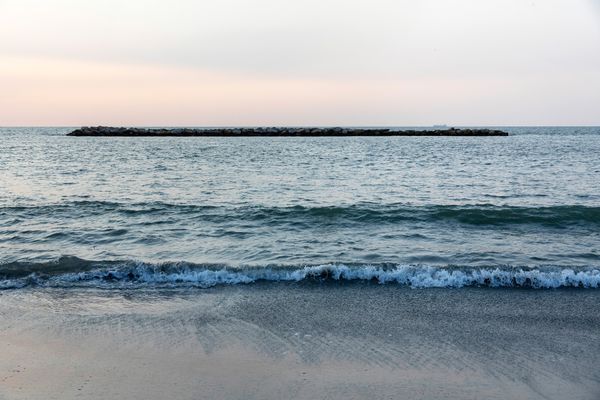
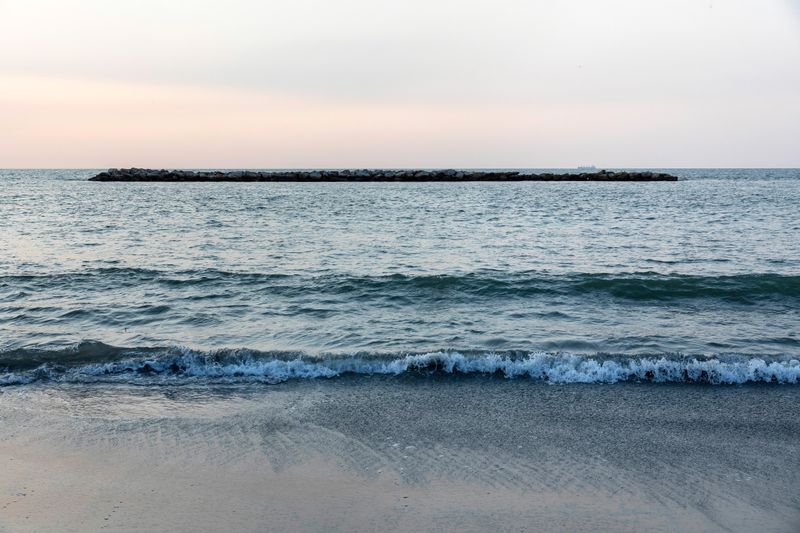
Several years ago in different sectors of the beach, artificial barriers were built with rocks in an attempt to mitigate the force of the waves that are getting stronger. Jambelí, December 2022.

© Karen Toro - Image from the An Imaginary Island photography project
i

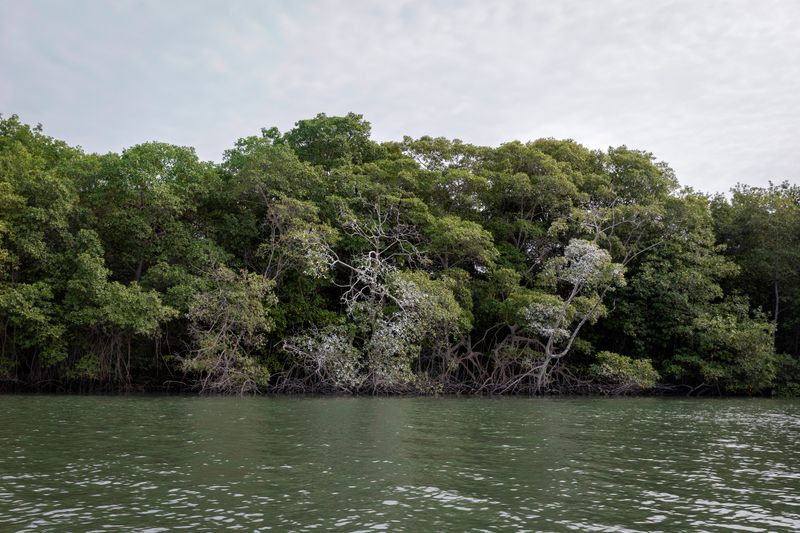
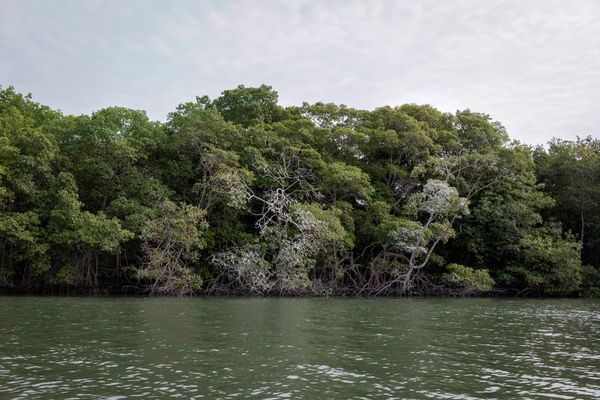
Thousands of hectares of mangrove forests in the Jambelí Archipelago are home to different species that act as a natural barrier to protect the continental coasts. Jambelí, December 2022.

© Karen Toro - Composition. Detail of a mangrove sprout emerging in the middle of a mangrove forest. Jambelí, November 2021.
i

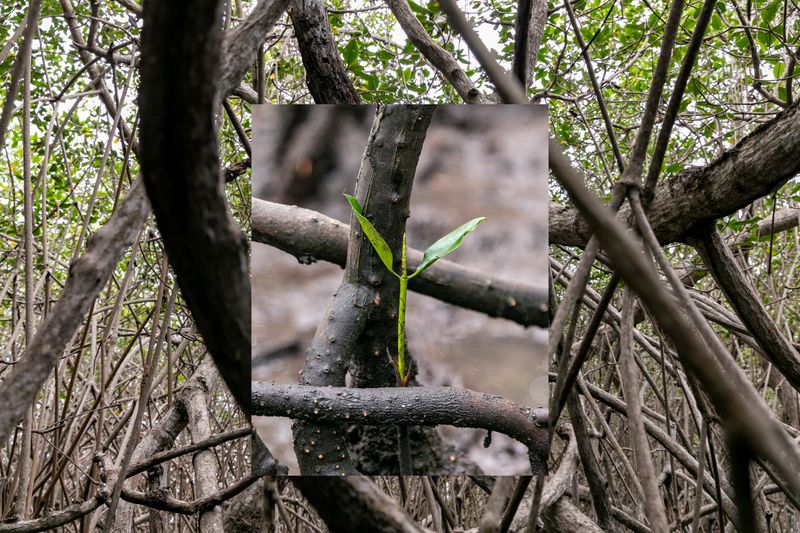
Composition. Detail of a mangrove sprout emerging in the middle of a mangrove forest. Jambelí, November 2021.

© Karen Toro - Image from the An Imaginary Island photography project
i

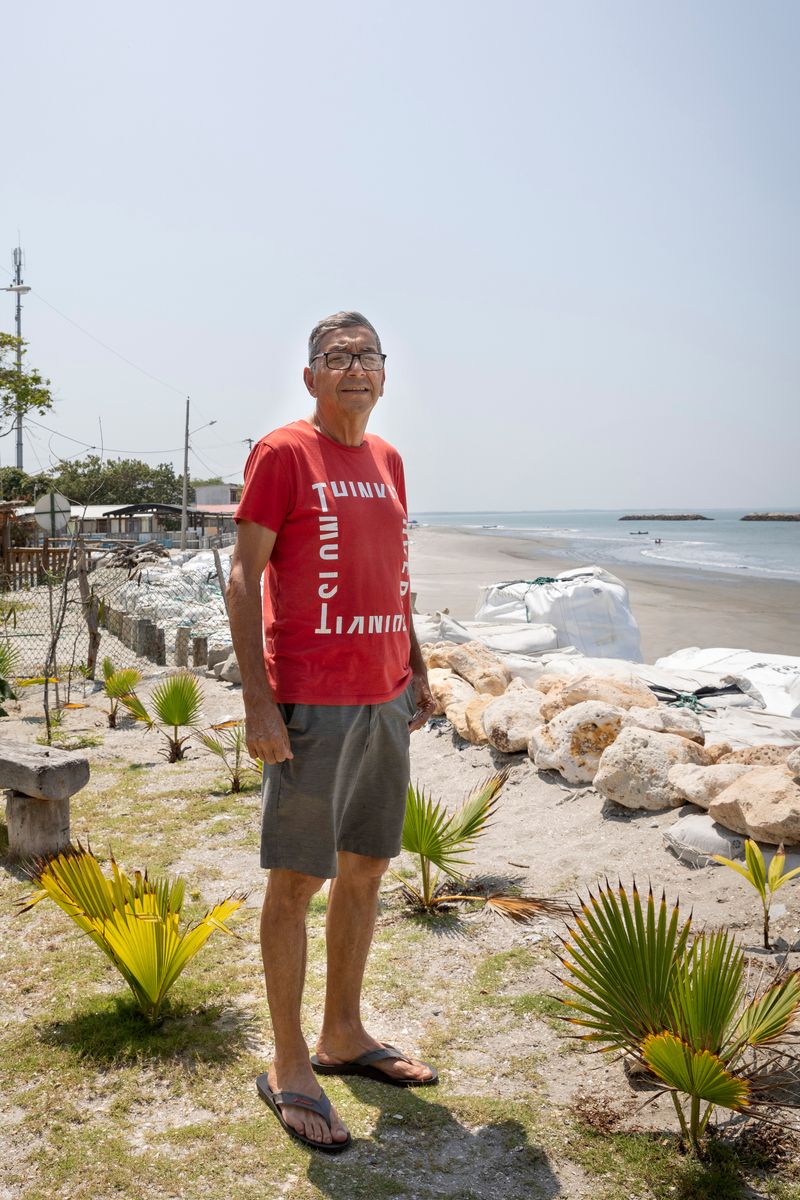
Portrait of Julio Manso, inhabitant of the island. Julio saw Jambelí for the first time when he was 6 years old, now he is 71 years old. This villager is the one who has been reforesting sectors of the island to help counteract the effects of climate change, 5 years ago a heavy surge completely destroyed the lodge he owned. Jambelí, December 2022.

© Karen Toro - Detail of sandbags that erode over time due to the force of the waves and the salt of the sea. Jambelí, December 2022.
i

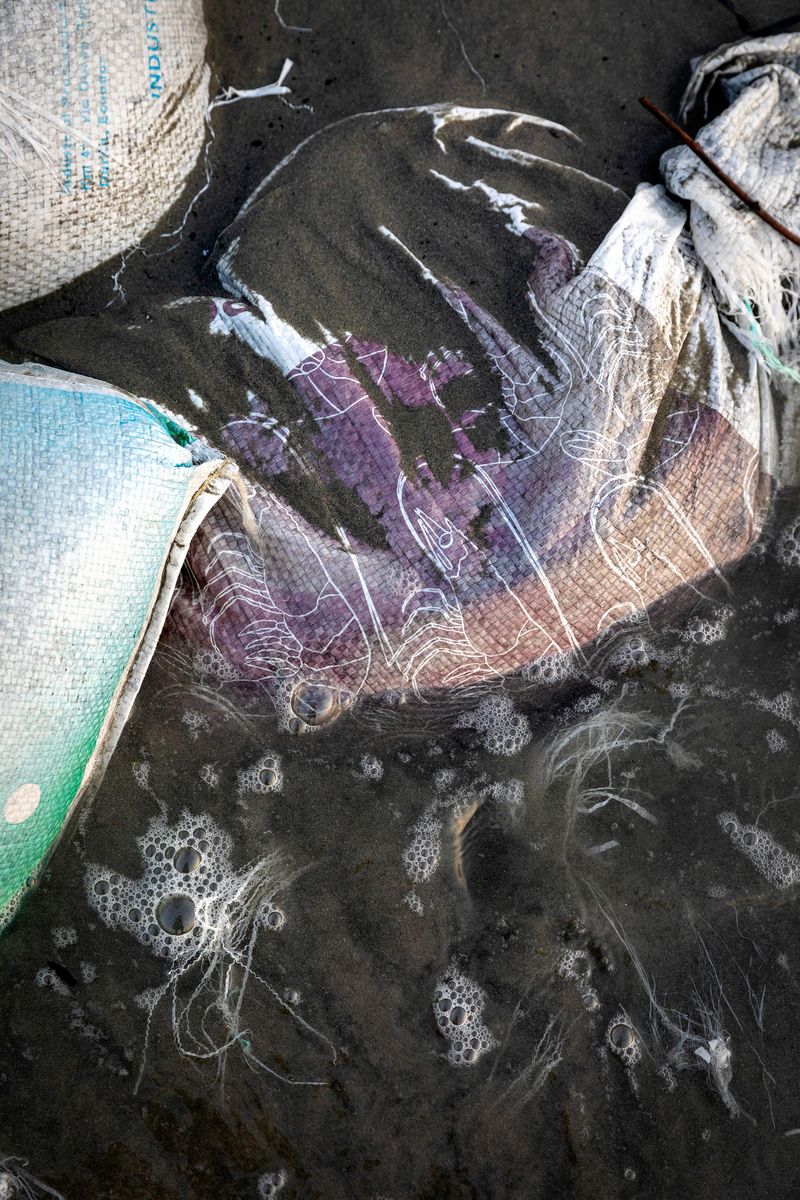
Detail of sandbags that erode over time due to the force of the waves and the salt of the sea. Jambelí, December 2022.

© Karen Toro - Image from the An Imaginary Island photography project
i

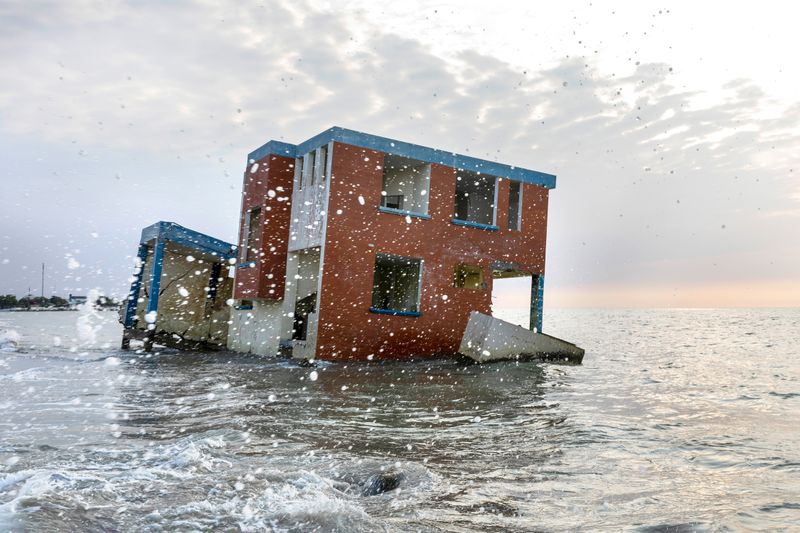
A construction that would have become the island's police unit was swept out to sea five years ago in a large storm surge that significantly reduced the beach. Jambelí, December 2022.

© Karen Toro - Image from the An Imaginary Island photography project
i

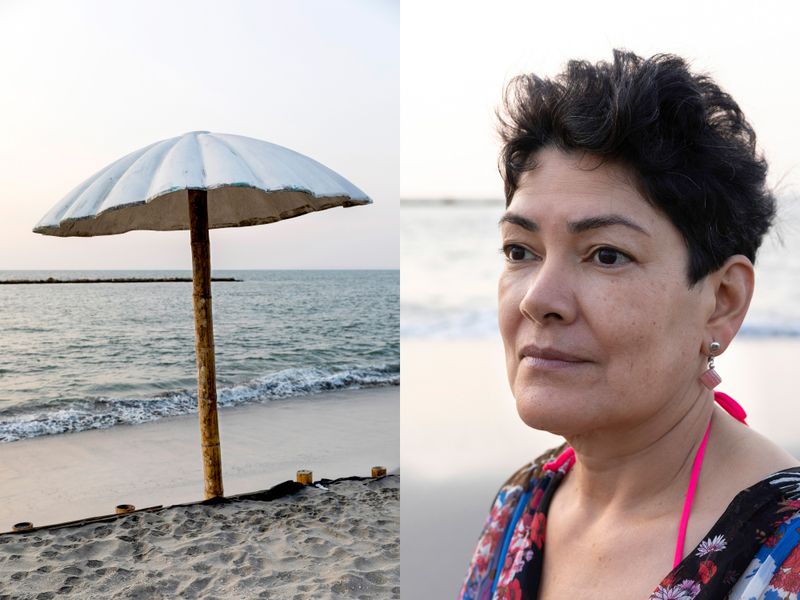
Composition. Left: a parasol on the beach. Right: portrait of Enma Aguilar, tourist of the island, she visited the place for the first time 39 years ago, Jambelí has always been one of her favorite places. Jambelí, December 2022.

© Karen Toro - Image from the An Imaginary Island photography project
i

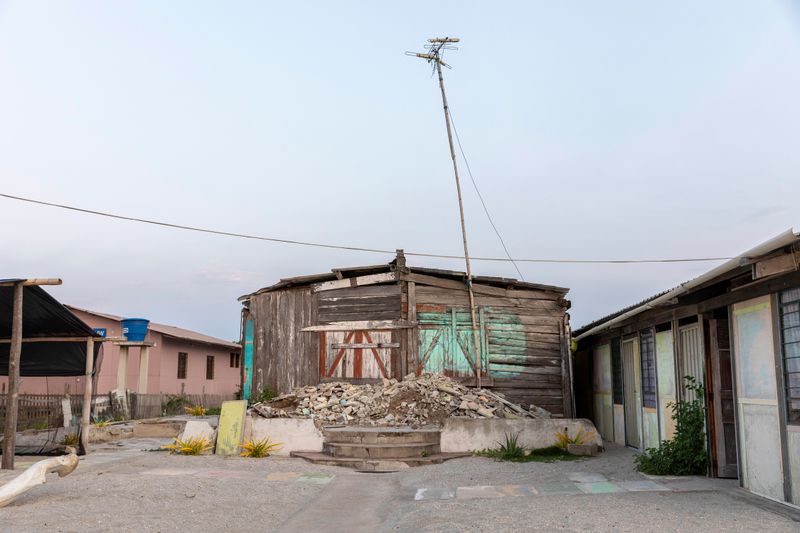
A small house with boarded-up windows and doors is abandoned. After the strong waves that have hit the island for several years and the subsequent pandemic that affected the community's income, which depends exclusively on tourism, many inhabitants have abandoned the place. Jambelí, December 2022.

© Karen Toro - Image from the An Imaginary Island photography project
i

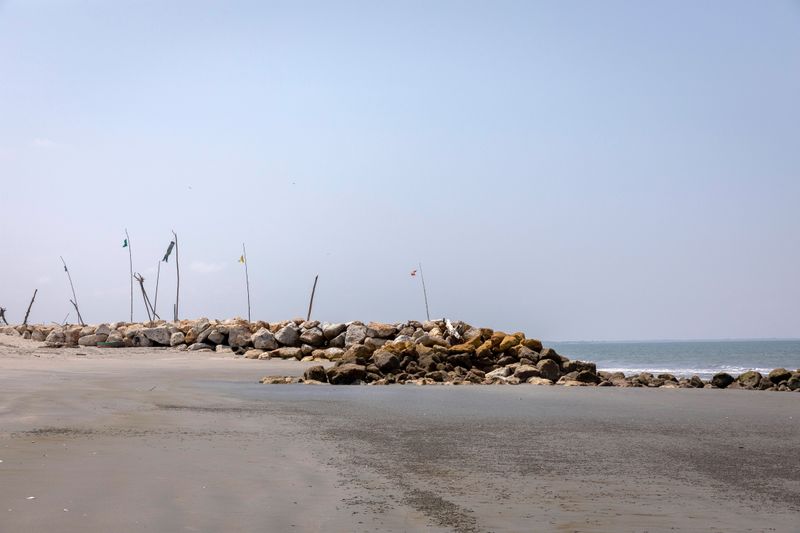
At the southern end of the beach, a stone barricade attempts to mitigate the effects of strong waves and rising sea levels. Jambelí, December 2022.

© Karen Toro - Image from the An Imaginary Island photography project
i

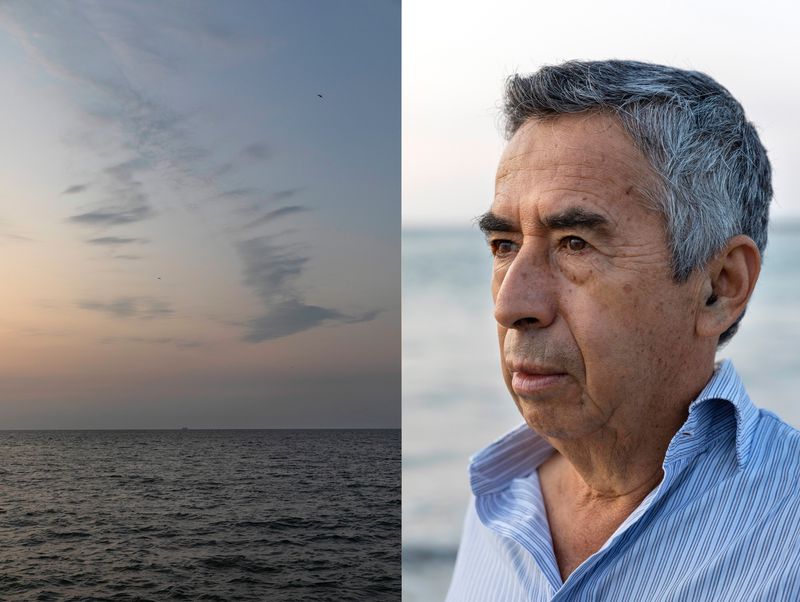
Composition. Left: a sunset with curiously shaped clouds. Right: José Toro, a tourist on the island. José remembers that the beach was always crowded and very long almost 40 years ago, today only a few meters of sand are left between the sea and the small buildings. Jambelí, December 2022.

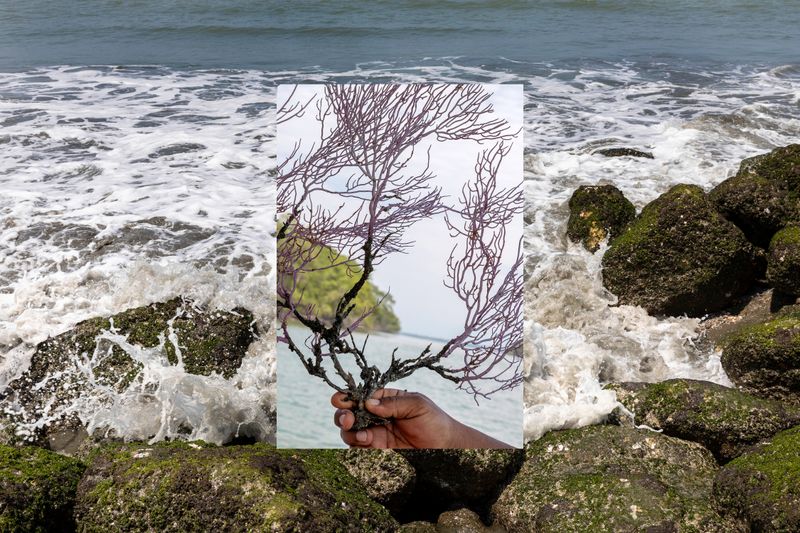
© Karen Toro - Composition. There are pink corals found in the middle of the rock formations when the tide is low. Jambelí, December 2022.
i

Composition. There are pink corals found in the middle of the rock formations when the tide is low. Jambelí, December 2022.

An Imaginary Island by Karen Toro

Prev Next Close