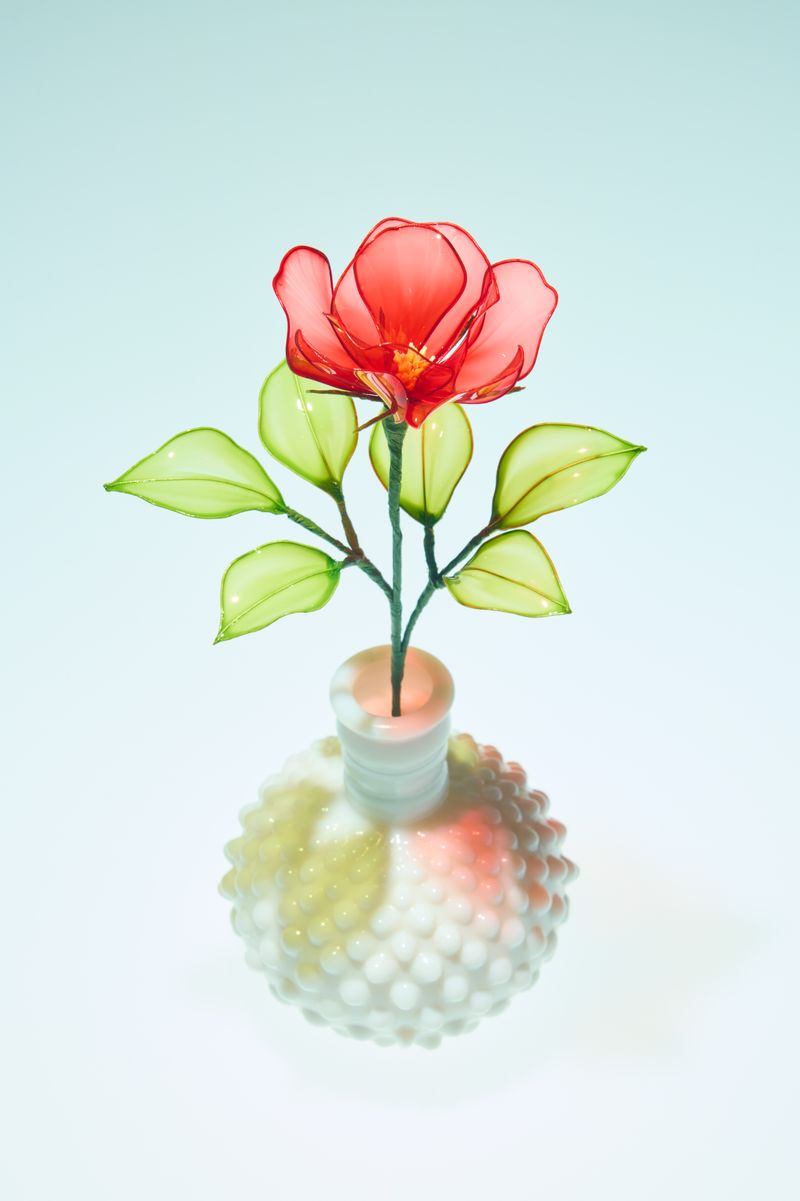
American Flower
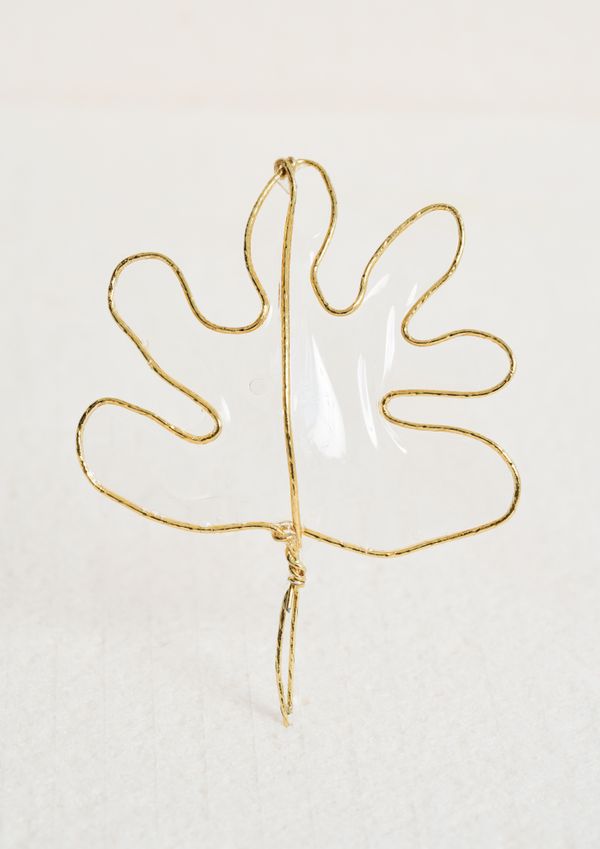
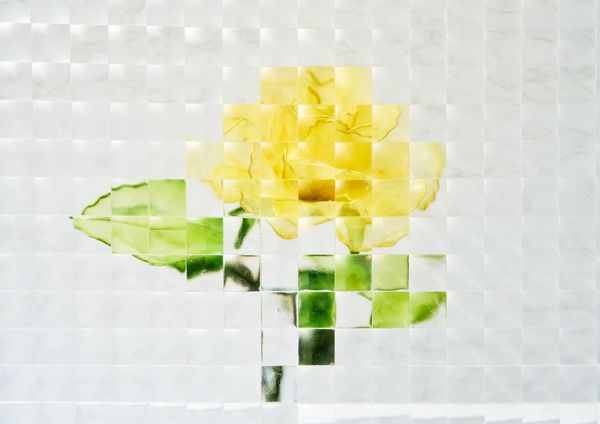
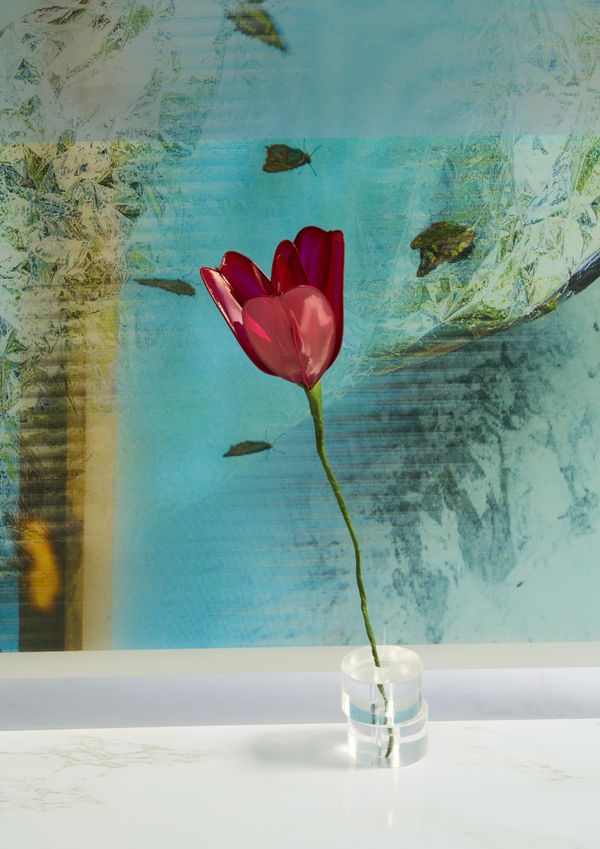
-
Dates2025 - Ongoing
-
Author
- Location Tokyo, Japan
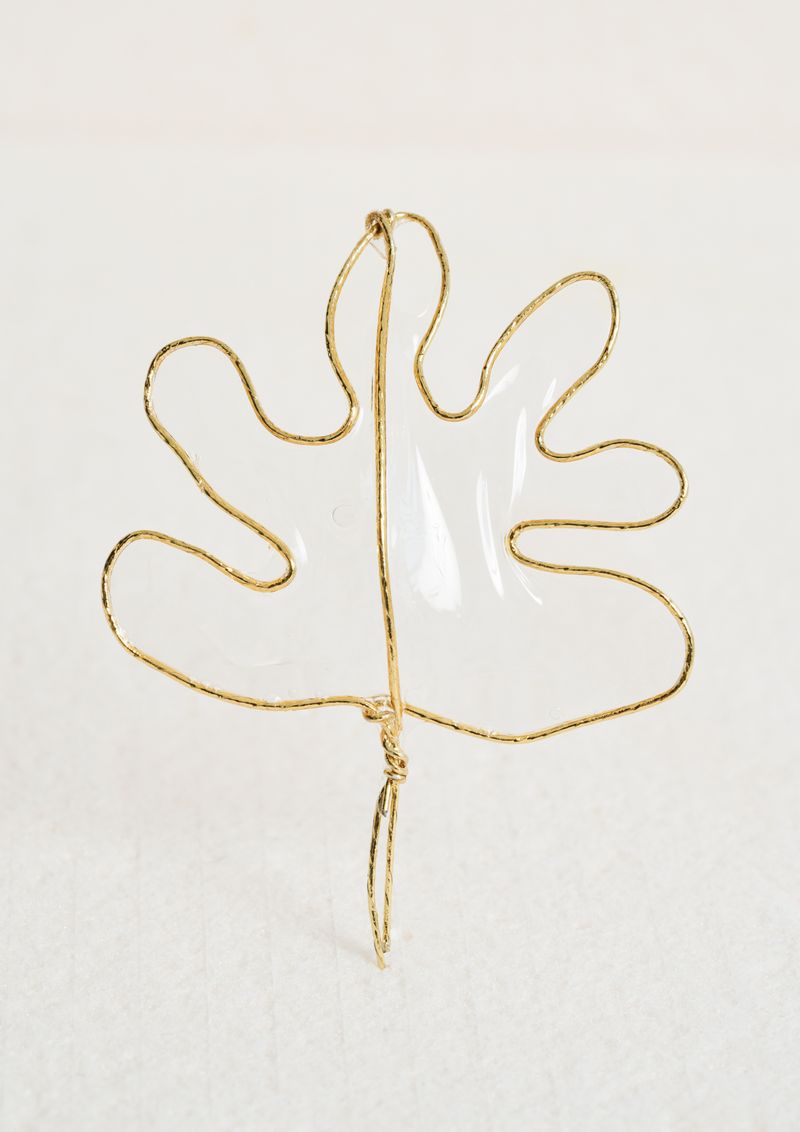
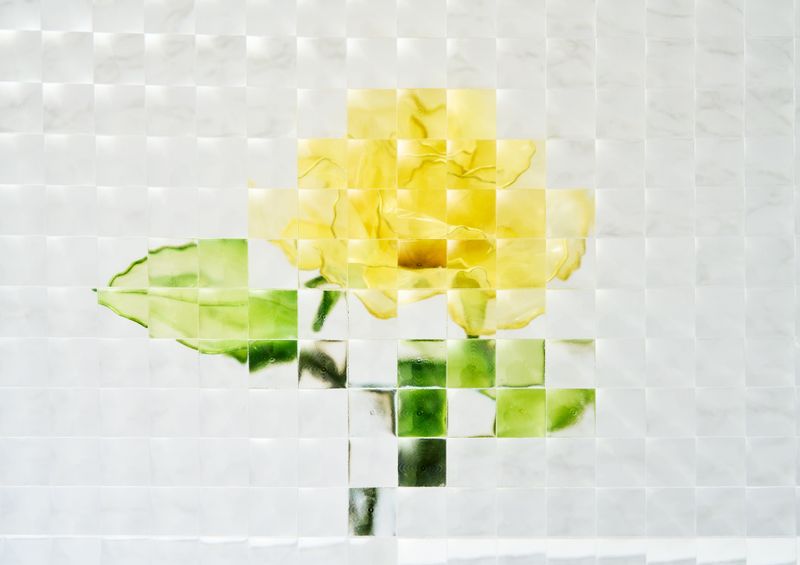
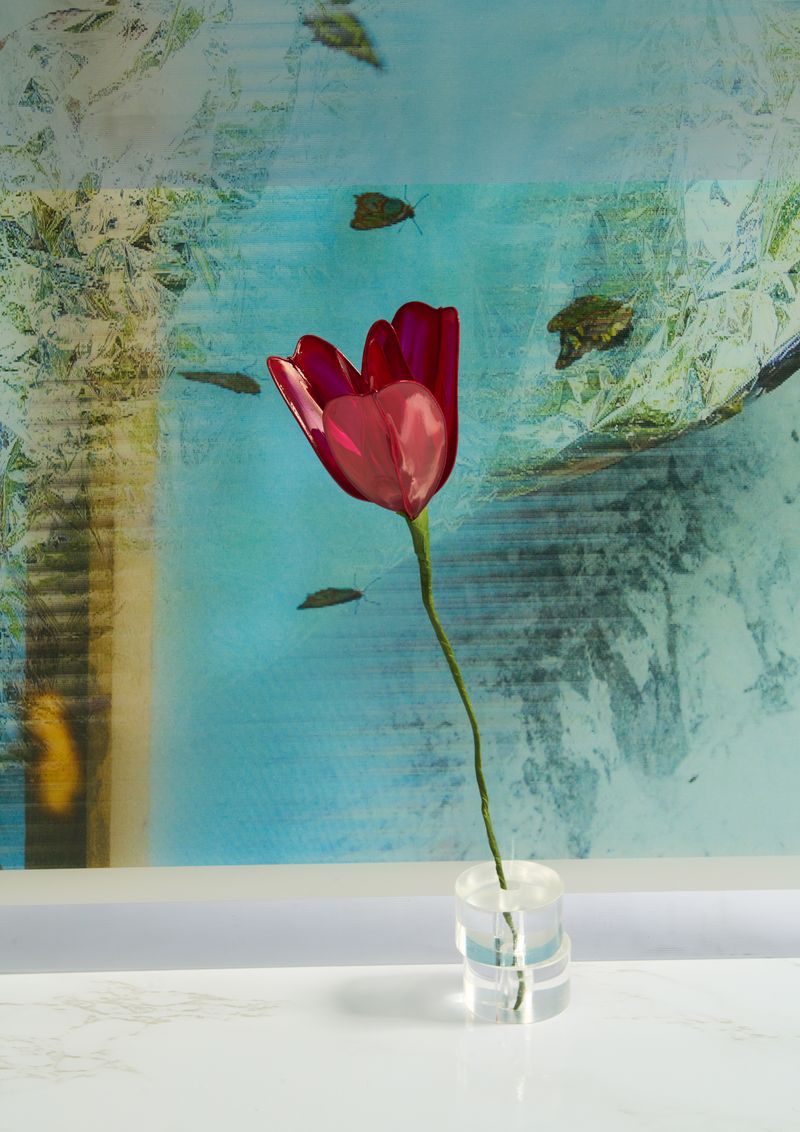
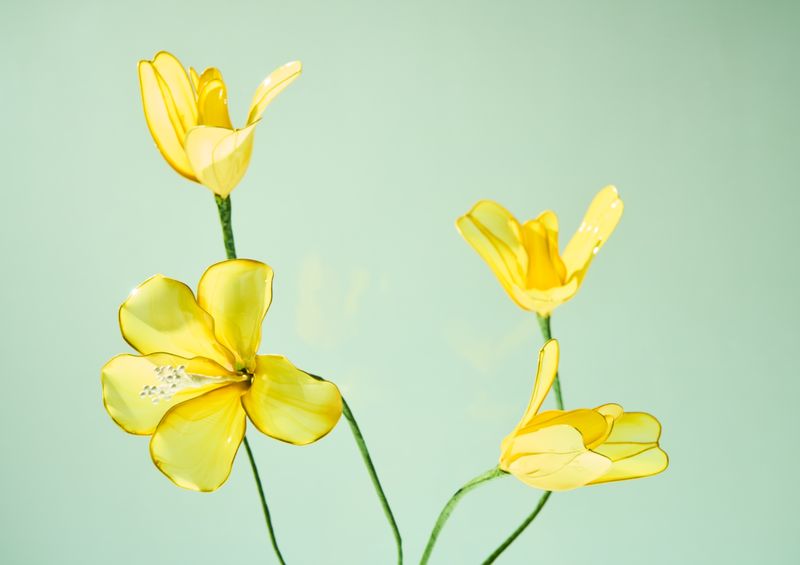
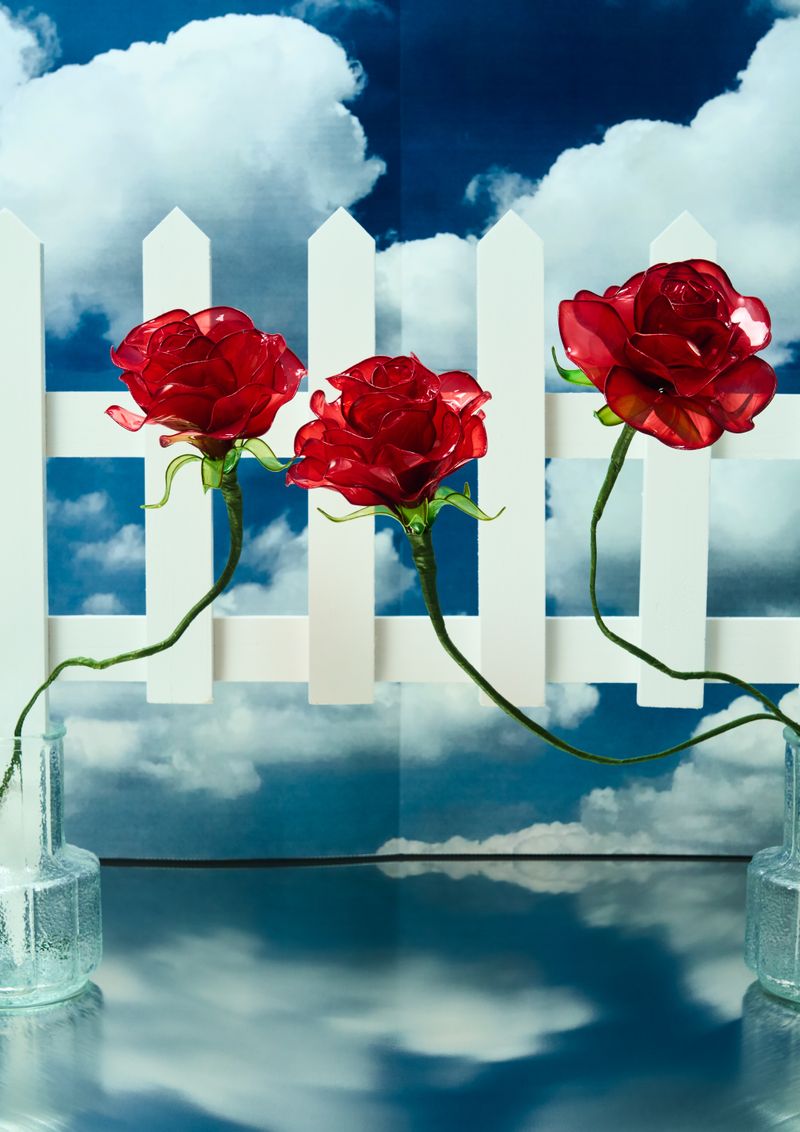
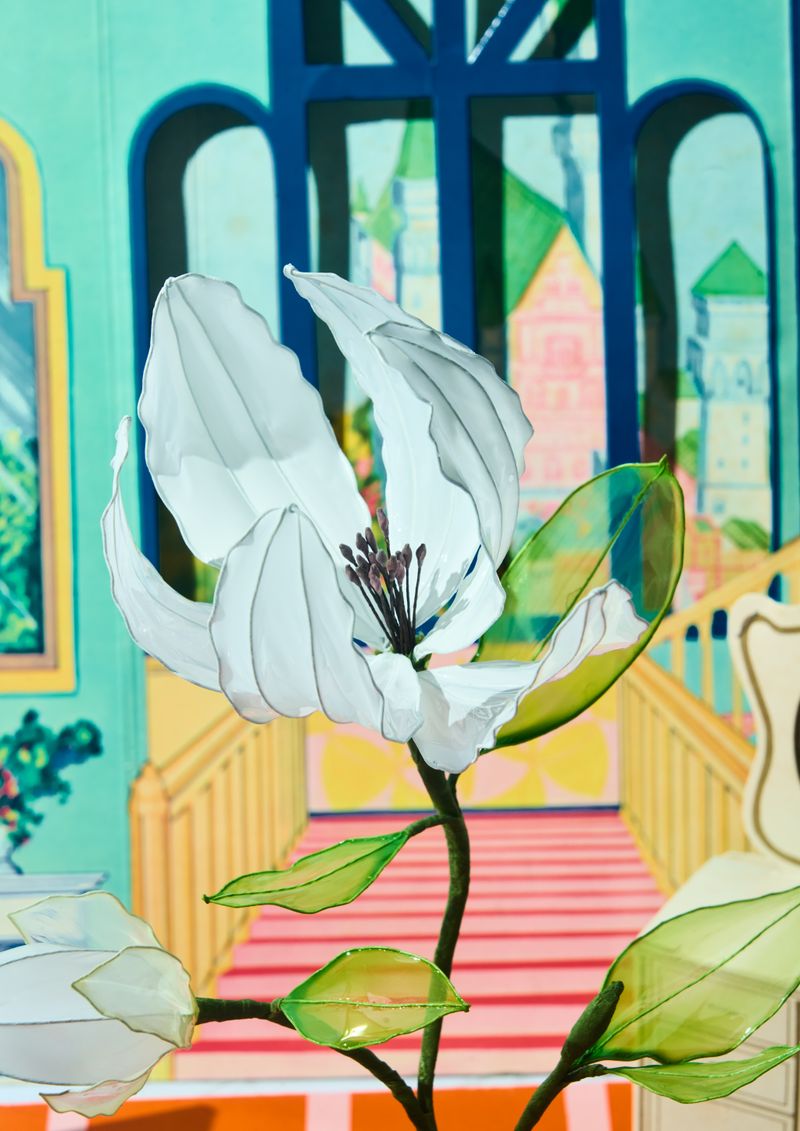
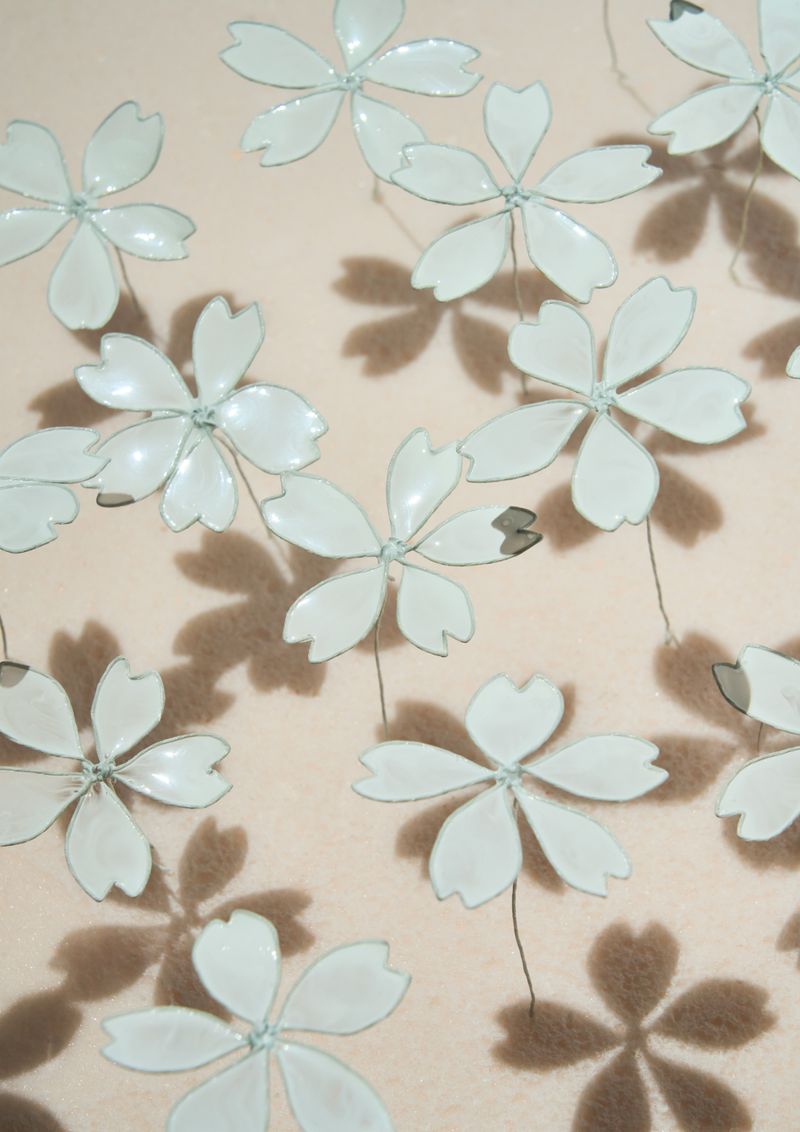
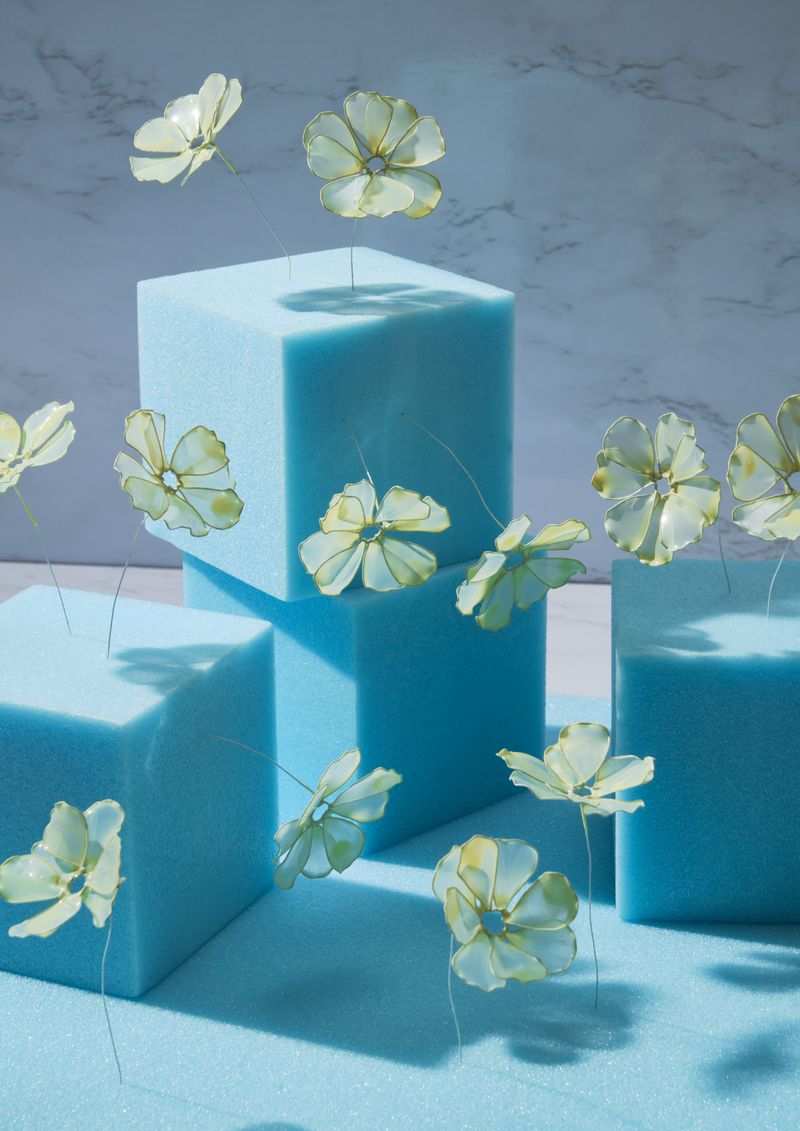
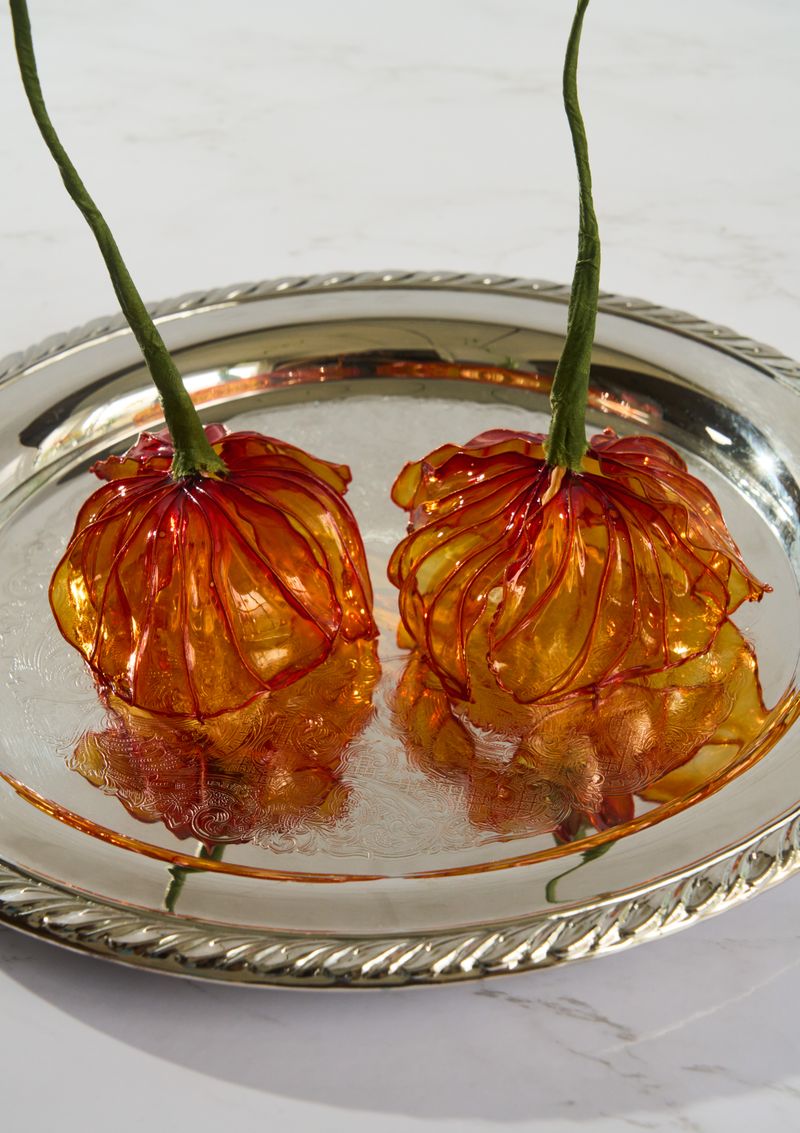
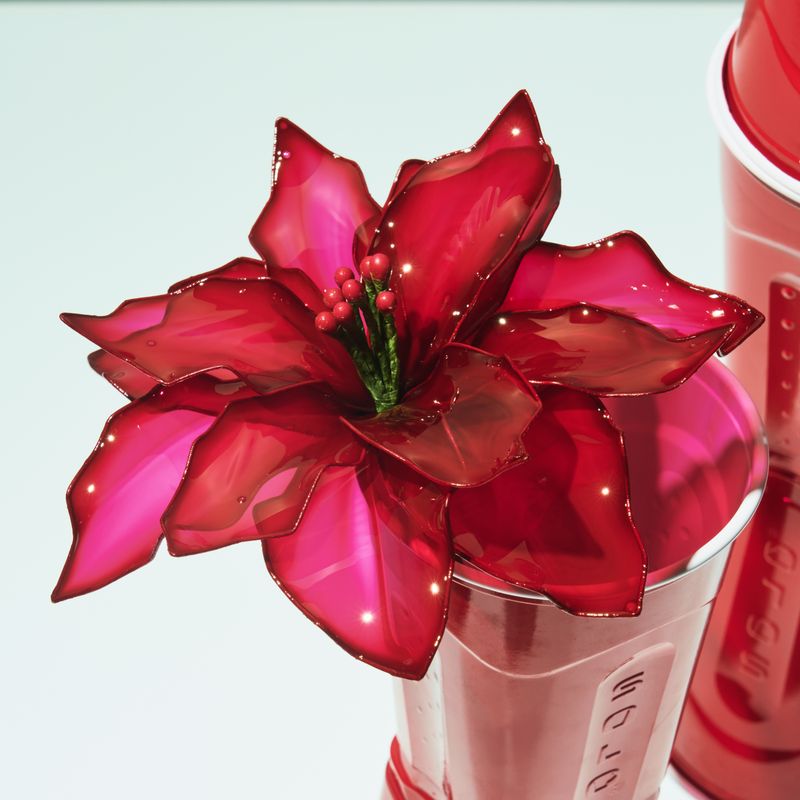
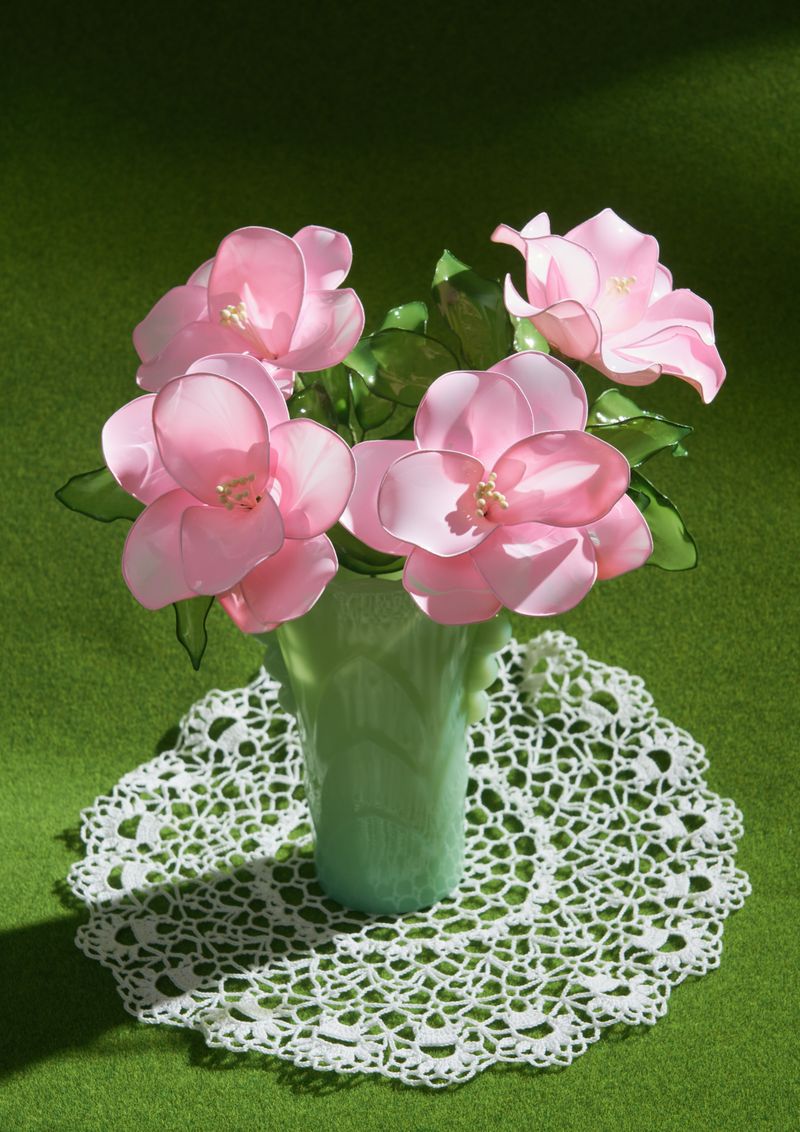
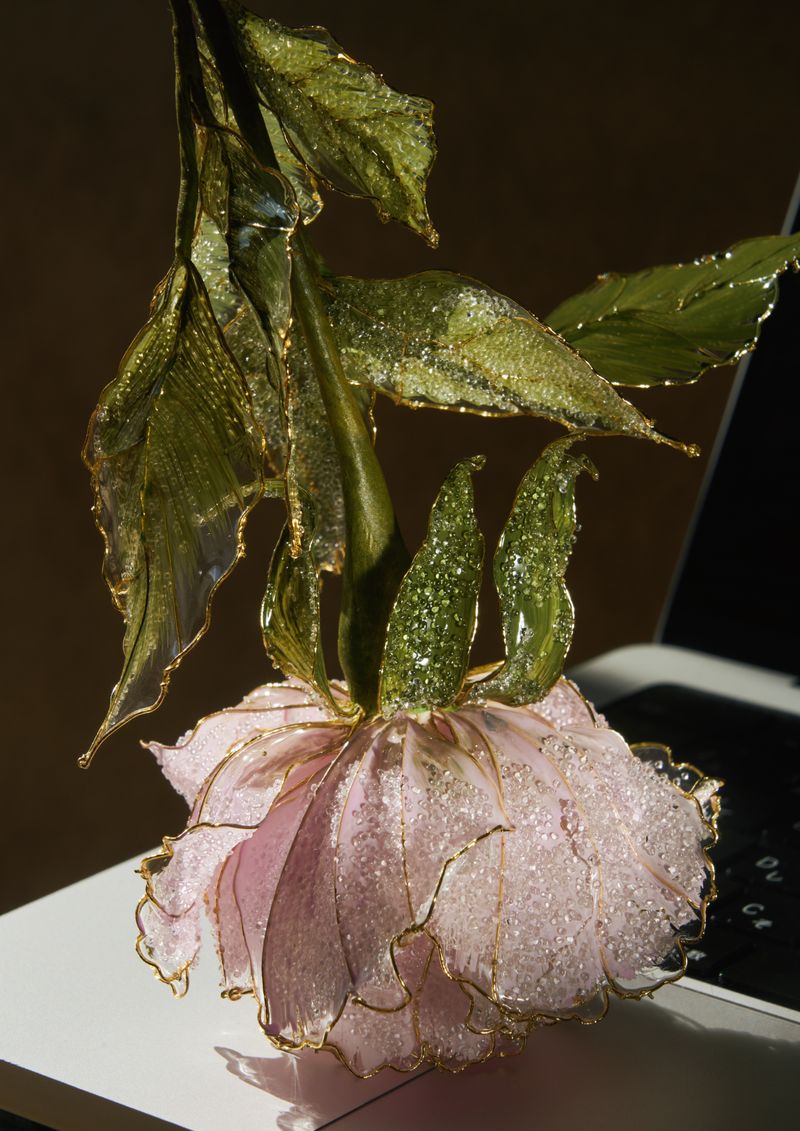
Based on "American Flower," a 1970s Japanese craft, I visualize a post-war fantasy. These resin flowers embody a scientific utopia, distinct from reality, capturing the beautiful misunderstanding shaped by the legacy of the occupation.
One day, I discovered handmade artificial flowers known as "American Flower" on the internet. I was immediately drawn to the colored, translucent petals made of acrylic resin, but I was equally intrigued by the name "American," which seemed to contradict their delicate appearance.
Introduced to Japan around 1970, this craft was named "American Flower" and spread rapidly during a nationwide handicraft boom. Examining that era reveals a specific image of America—distinct from the pop-culture stereotypes of Westerns or Coca-Cola. It was an image shaped by the legacy of the occupation and mass media in the post-war era, functioning as a symbol of "ideal objects" in daily life. This vision promised a clean, bright future built on science, technology, and the shine of plastic. Japanese people found the scent of "novelty" and "wealth"—things absent in their own lives—in these artificial flowers made of resin film.
Through the traditional motif of floral still life, I attempt to visualize the gaze Japan once directed toward this ideal. The process of bending wire and dipping it into liquid resin to create a film is akin to giving shape to formless longing. As America stands at a major turning point today, I believe it is vital to re-examine our relationship from a contemporary perspective through this ironically named "American Flower."