Afterdeath
-
Dates2025 - Ongoing
-
Author
- Locations Arles, Avignon, Paris, Brussels, Edinburgh
Why do we have a compulsion to conserve, protect, care and restore non-living things ? Afterdeath is a project about the lives of objects within museums and other institutions and about how we treat them.
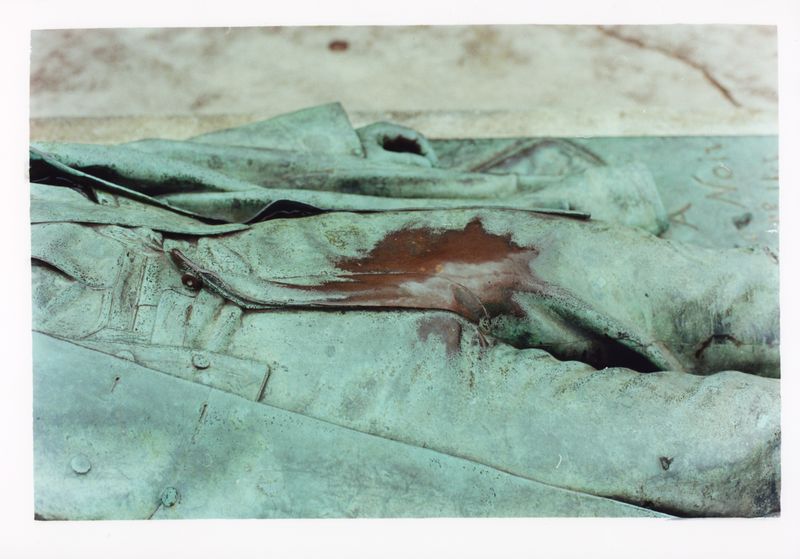
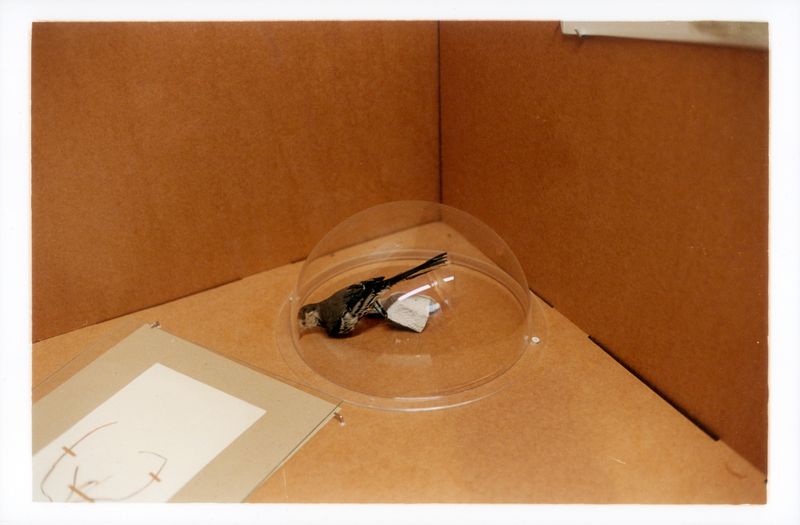
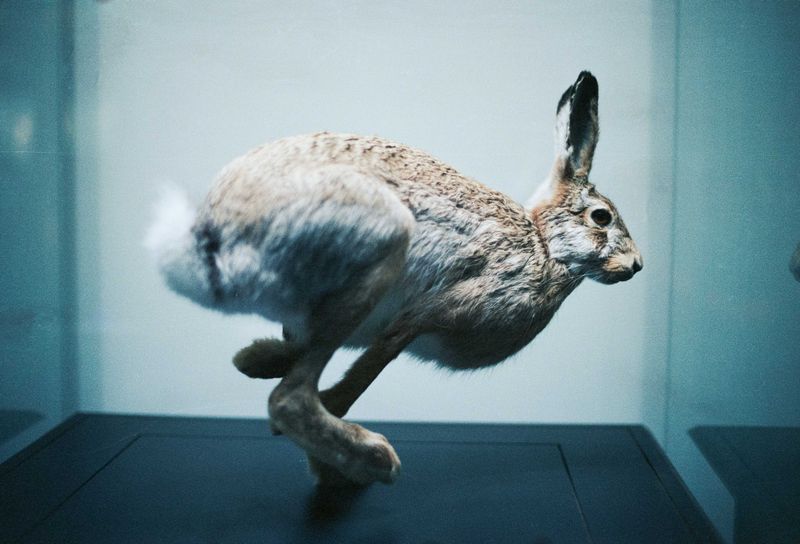
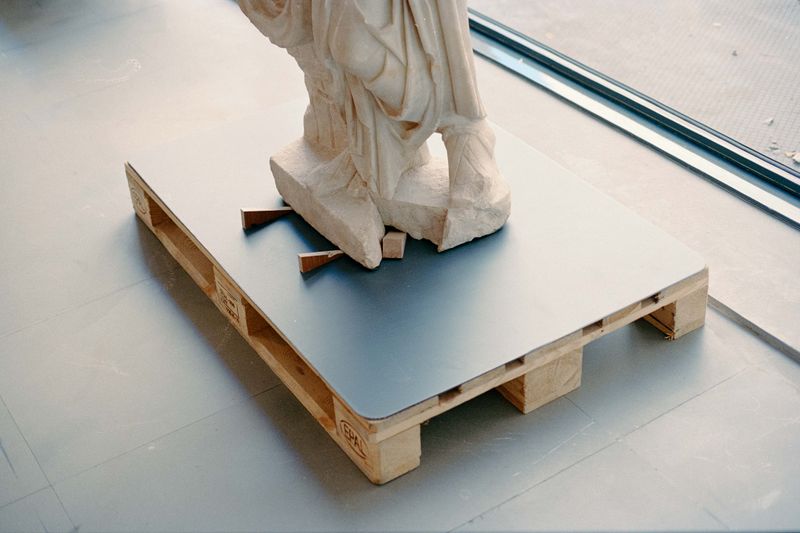
In the film Statues Also Die, directed by Alain Resnais and Chris Marker, the voiceover quotes: “When men die, they enter history. When statues die, they enter art. This botany of death is what we call culture.” This “botany of death” is the heart of my project. My research focuses on inanimate objects held in museums and cultural institutions. It seeks to examine how such objects are exhibited, preserved, restored or altered. The project documents the "lives" of these objects after their “death” be it real or symbolic.
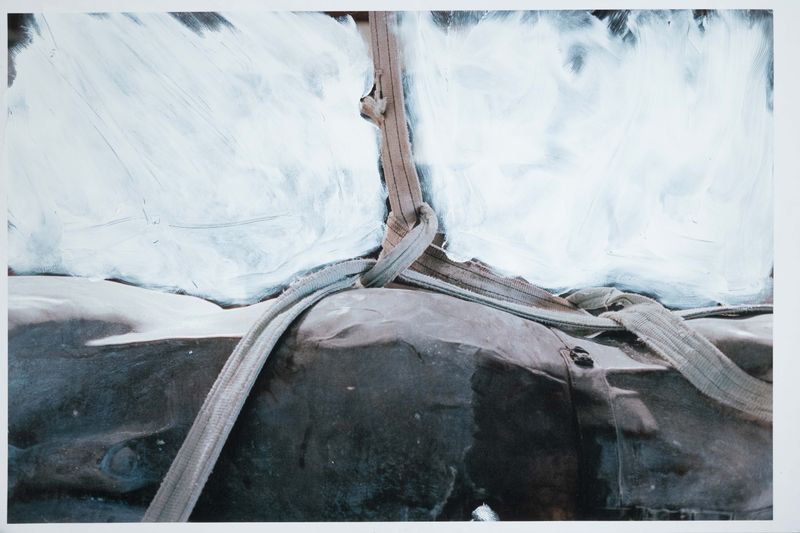
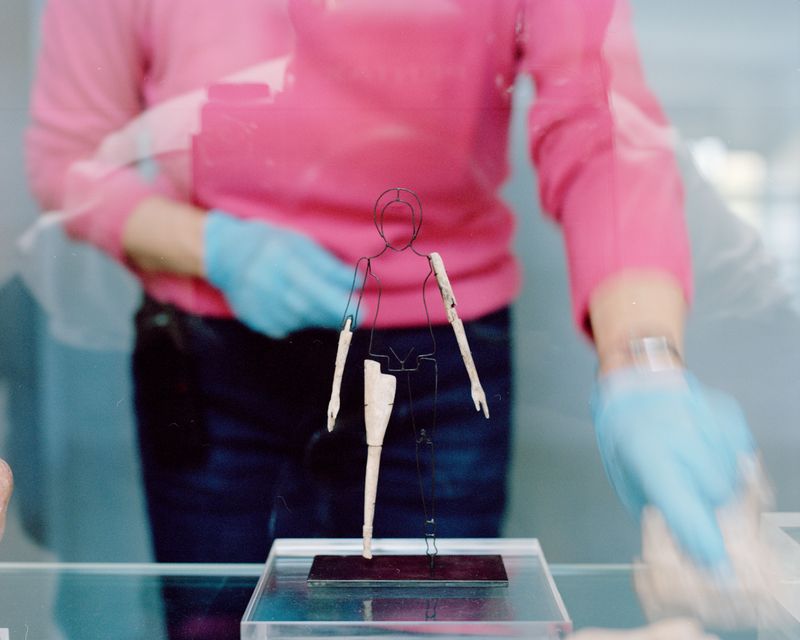
My gaze focuses on the remnants of caring or alterative gestures put on these objects and what these practices reveal about our relationship to death, representation, curation, and mourning. The aim of this work is to view these artifacts as sensitive beings through a certain photographic closeness. In essence, this work it is about documenting the life of "dead things," to use Mike Kelley's phrase.
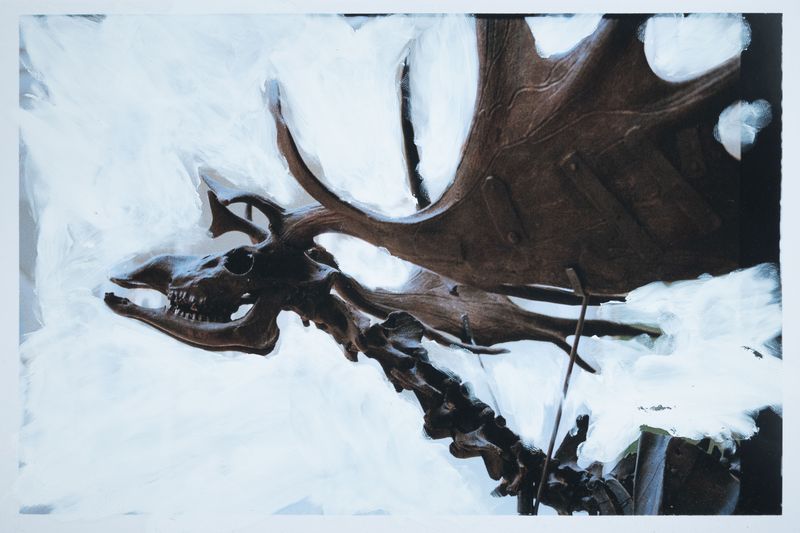
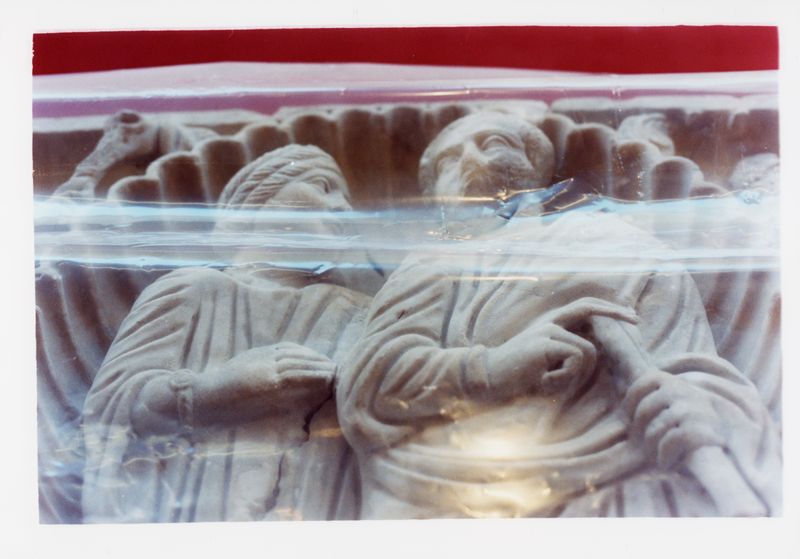
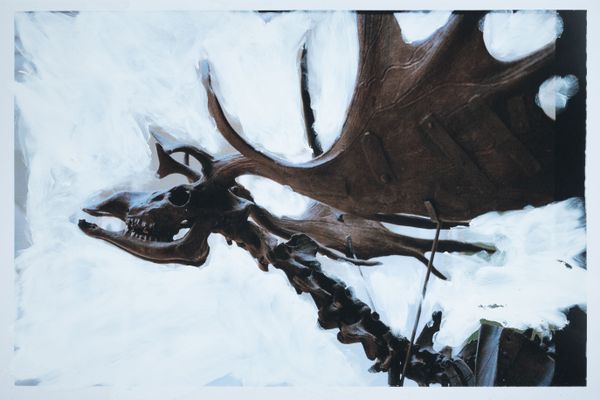
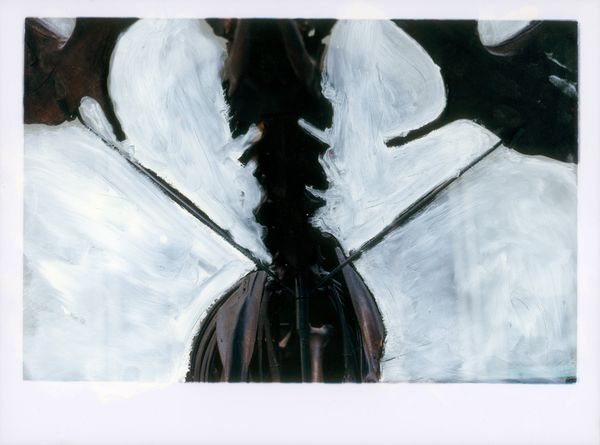
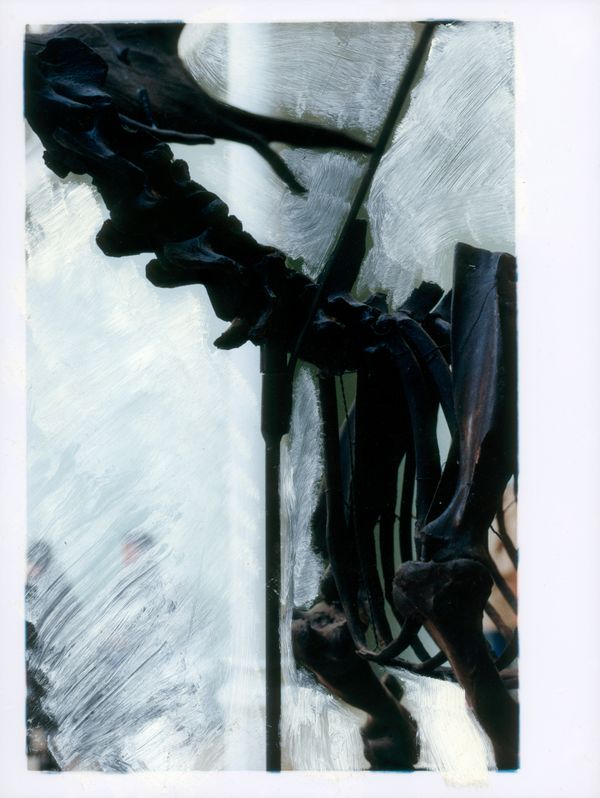
The corpus of images I am presenting for this application were taken in various institutions in Europe, sometimes as a mere visitor and sometimes with the help of restorers and conservers. Those institutions comprise the Natural History Museum of Edinburgh, the Royal museum of Art and History of Belgium, the Arles Antiques Museum among others. In those places I seek pieces that move me and that convey a certain sens of otherness. I approach them as I would a living, breathing being. This work, in a sense, tries to draw portraiture out of still lives.
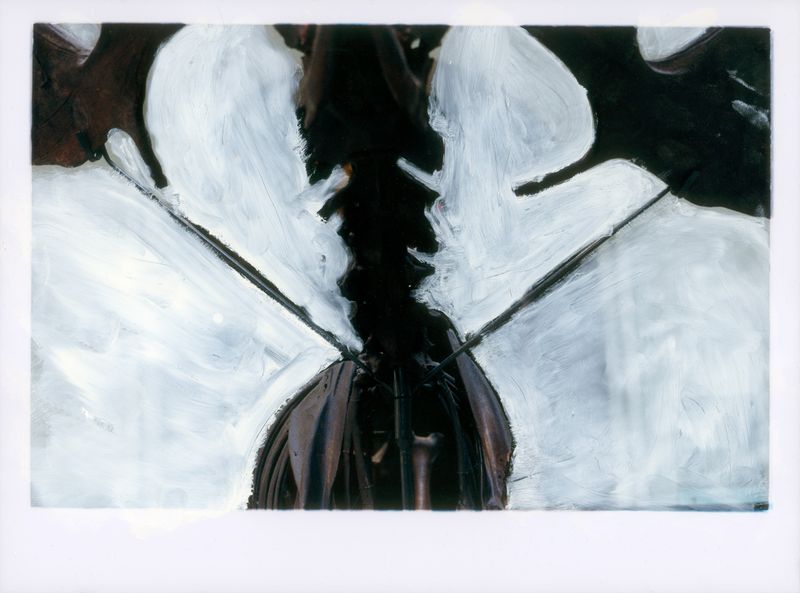
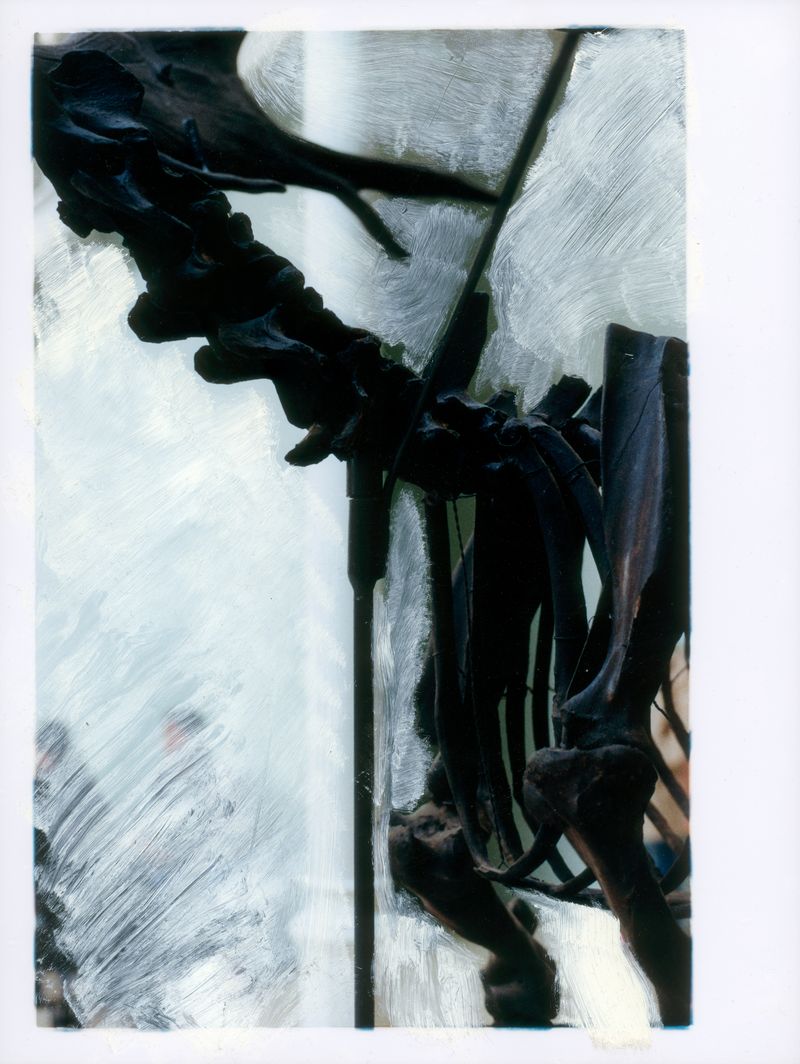
Most of the images submitted are scans of darkroom prints, some of them altered with oil painting as a way of extracting the pieces from their museal context. Those gestures single out the objects, and emphasizes their uniqueness and individualities.