About trees, insects and humans
  • Dates
    2021 - Ongoing
  • Author
  • Topics Nature & Environment
  • Location Abkhazia,

A tale of the relationship between people, trees, and insects, bound together by the same habitat, trying to fix the irreparable and restore what seems impossible to restore.

Several times a year I visit my mother in Abkhazia. Once, on my next visit, I heard the news about the efforts of scientists saving boxwoods and chestnuts. From that moment began my journey of discovering the many relationships between plants, people and insects.

As I searched for answers, I sought out people, and they revealed to me places hidden from the gaze of the outside observer. This mystery of manifesting pictures fascinated and stirred my interest. Like a magic tangle, the theme of saving trees led me along.

Between 2012 and 2016, relict boxwood groves in the Colchis Lowlands died, and along with them other trees - chestnuts, walnuts, and garden crops - were affected. The cause of the ecological disaster was the spread of new insect species. The invasion affected the ecology and life of local rural communities. In 2021, on the basis of the Institute of Ecology of Abkhazia, with the support of the UN, a laboratory was created, whose task is to save the trees.

The scene is mesmerizing in its dramatic entanglements. Abkhazia remains a territory of unresolved conflict, the Georgian-Abkhazian war ended here in 1993, its traces can be seen everywhere. Post-Soviet space and all-consuming wilderness, antiquity and traditional ways, the joy of life, memory and trauma of war - on this lush soil a new history is sprouting. The relationship between people, trees and insects revealed itself to me as a narrative of severed ties, of attempts to mend the irreparable, to restore what seems impossible to restore.

© Natalya Madilyan - Image from the About trees, insects and humans photography project
i

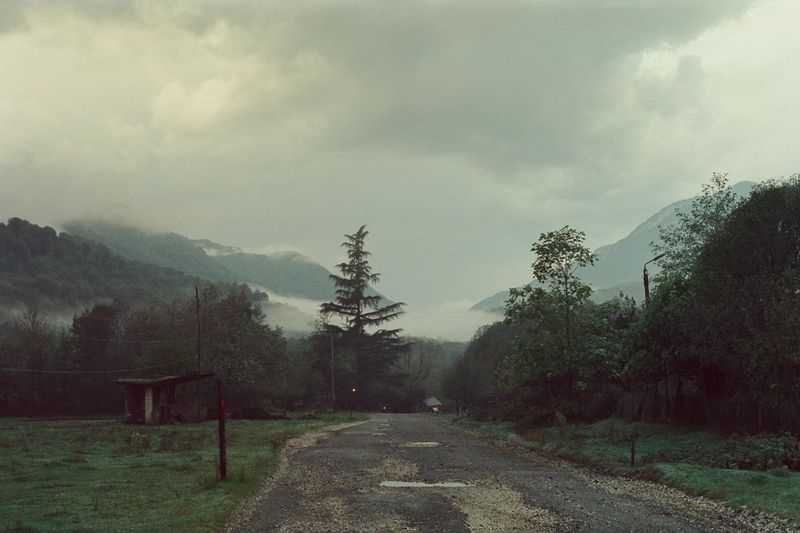
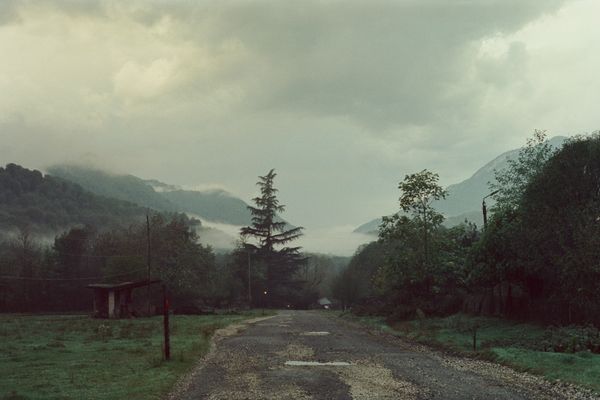
View of the Kodori Gorge and the village of Lata. Most of the forests of Abkhazia are forests of mountains and foothills. The gorges and banks of mountain rivers are typical places where boxwood trees grew. The village, which used to be populous, has been abandoned by its inhabitants, and the foundations of ruined houses are overgrown with forests.

© Natalya Madilyan - Image from the About trees, insects and humans photography project
i

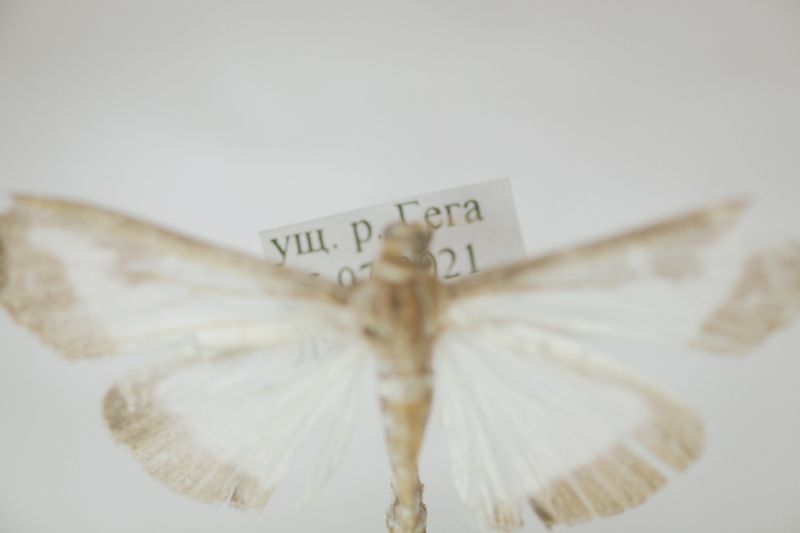
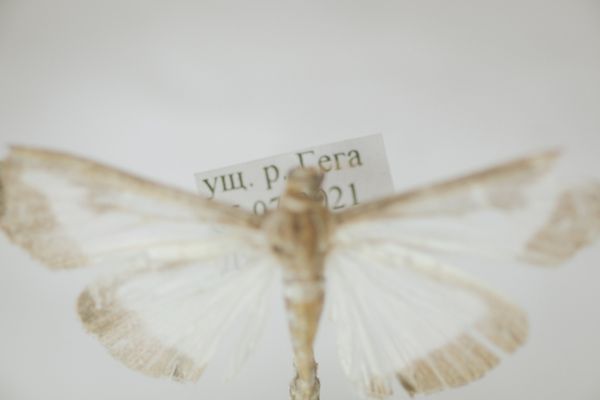
The boxwood moth in the laboratory of the Institute of Ecology of Abkhazia. The dangerous invasive pest appeared in the region in 2012, four years later all the relic boxwood groves were destroyed.

© Natalya Madilyan - Image from the About trees, insects and humans photography project
i

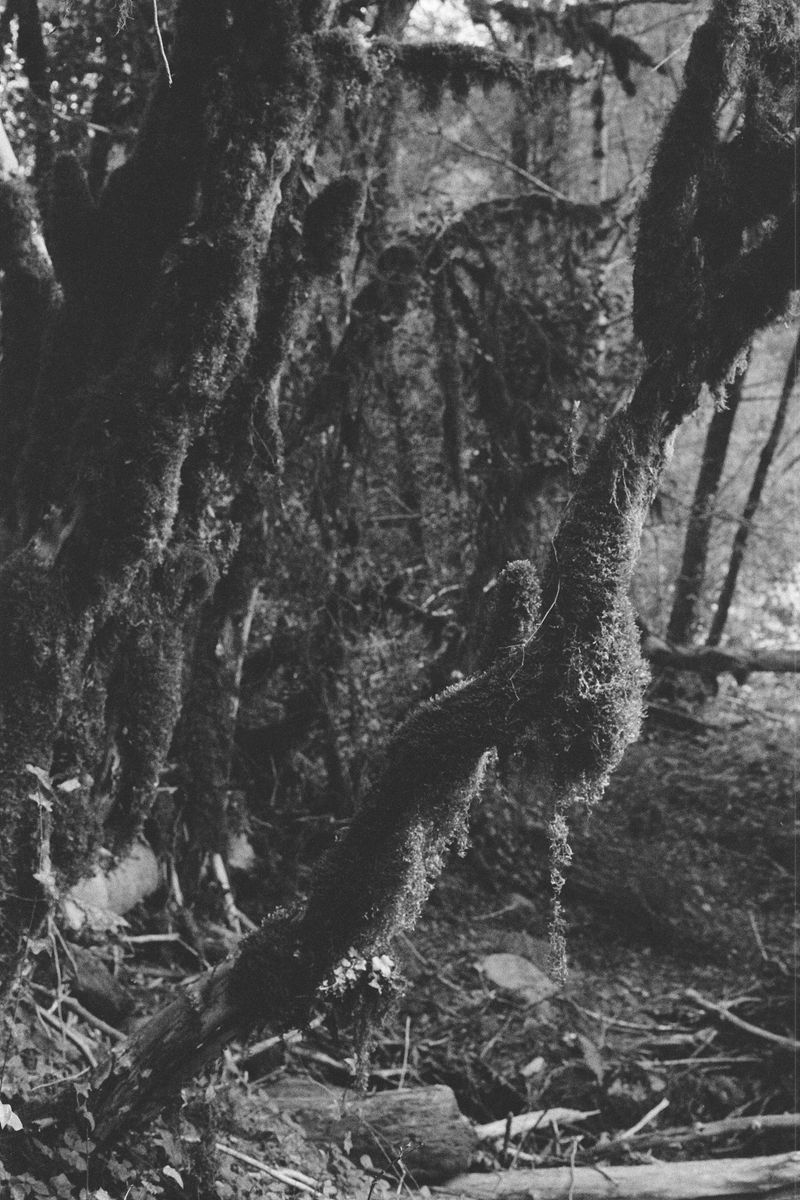
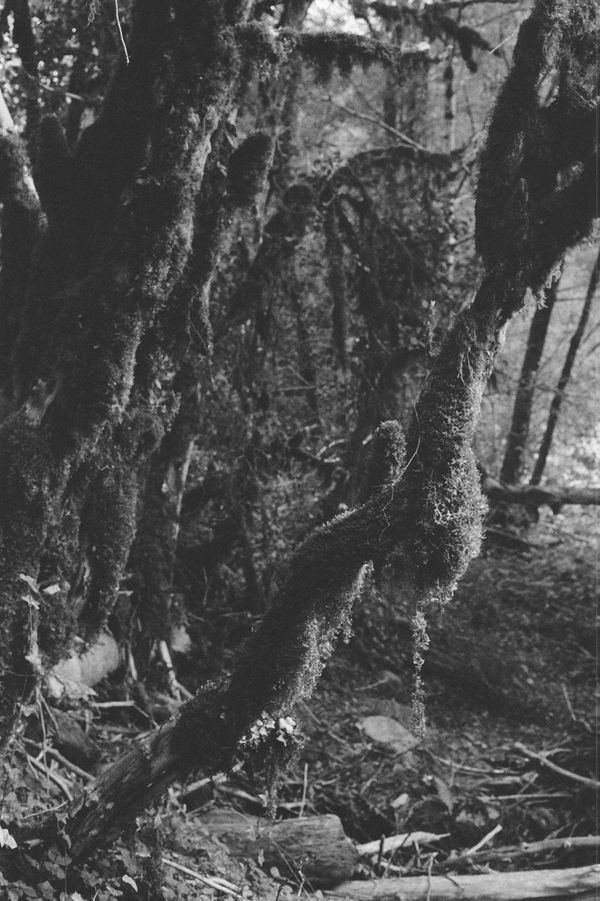
Dead boxwood trees in the Kodori Gorge: boxwoods grow in the lower tier under chestnut trees, oaks, alders and other large trees.

© Natalya Madilyan - Vitaly Leiba, Director of the Forest Experimental Station ABNILOS at his workplace.
i

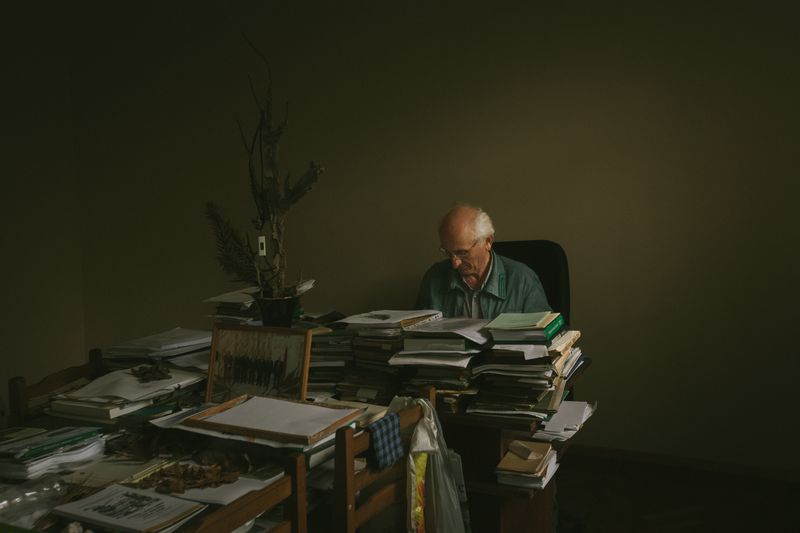
Vitaly Leiba, Director of the Forest Experimental Station ABNILOS at his workplace.

© Natalya Madilyan - Image from the About trees, insects and humans photography project
i

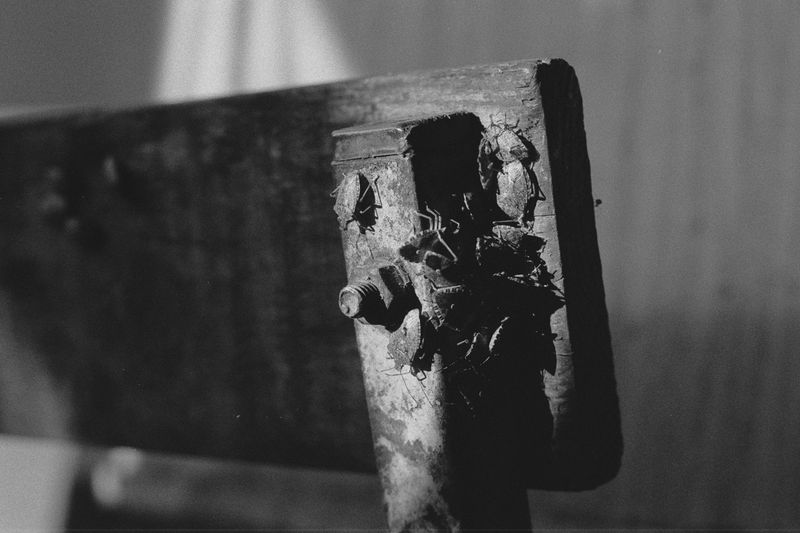
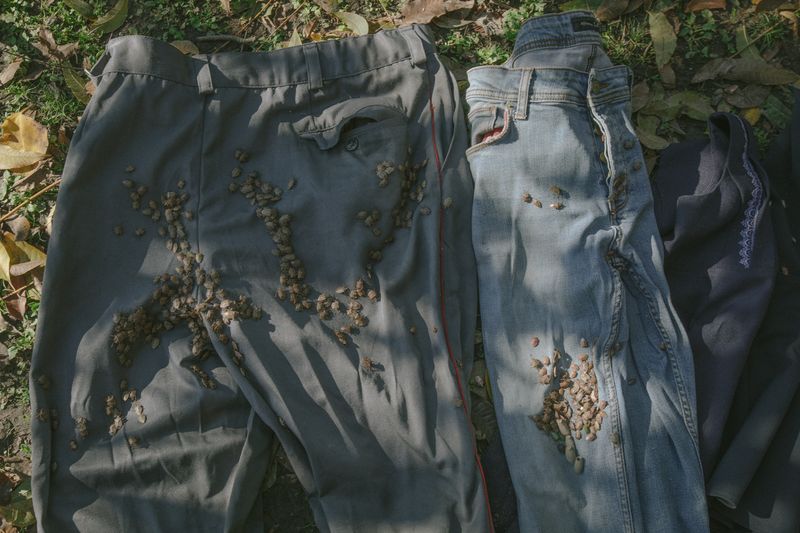
Halyomorpha halys, the brown marmorated stink bug, dangerous invasive pest. Its rapid spread in 2015 led to an almost complete loss of crops to local farmers.

© Natalya Madilyan - Image from the About trees, insects and humans photography project
i

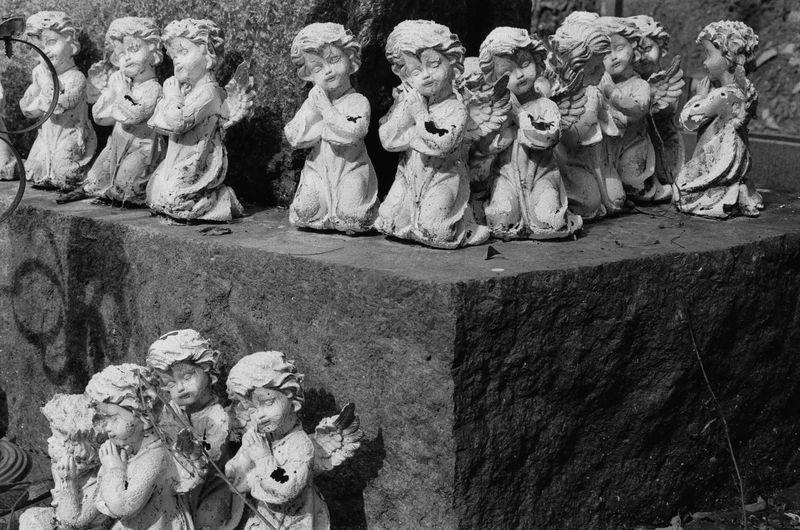
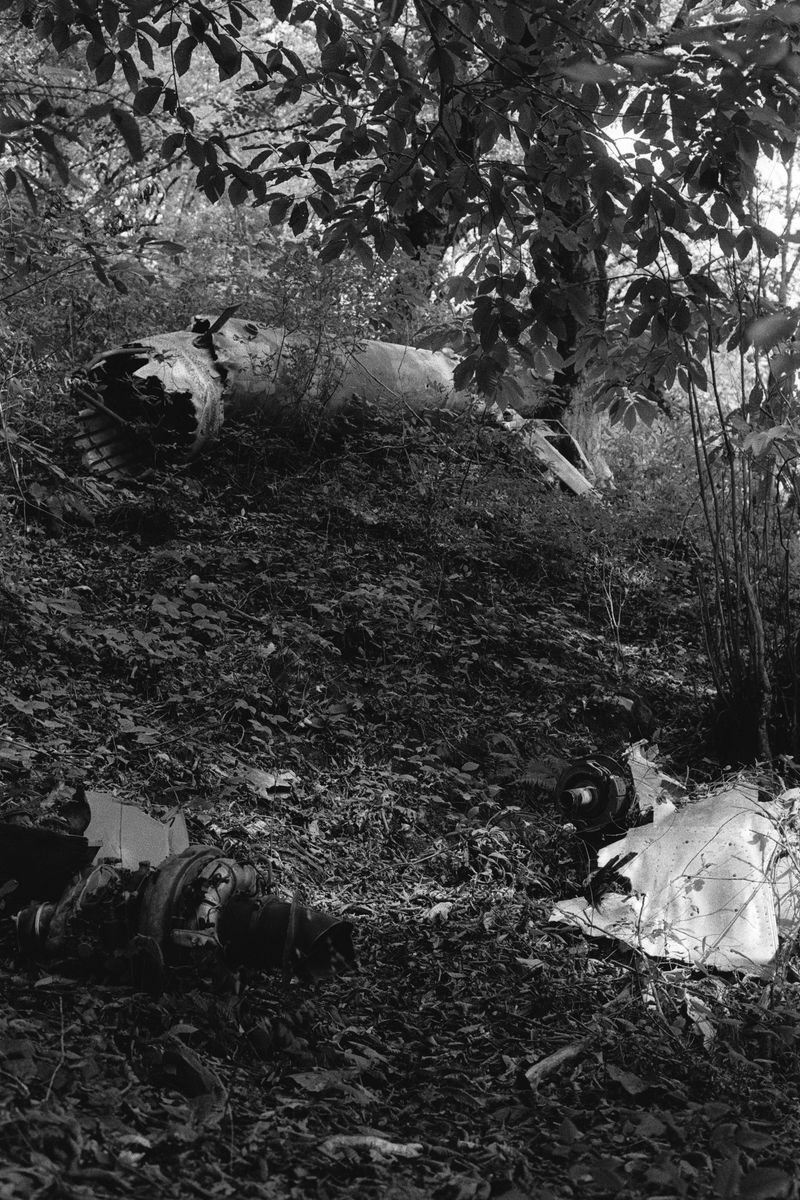
Fragment of the memorial at the crash site of the Mi-8 helicopter carrying children on a humanitarian flight. The helicopter was shot down in December 1992 in the Kodori Gorge, near the village of Lata, killing 87 people, including 35 children.

© Natalya Madilyan - A girl in an Abkhaz village wearing national dancing clothes
i

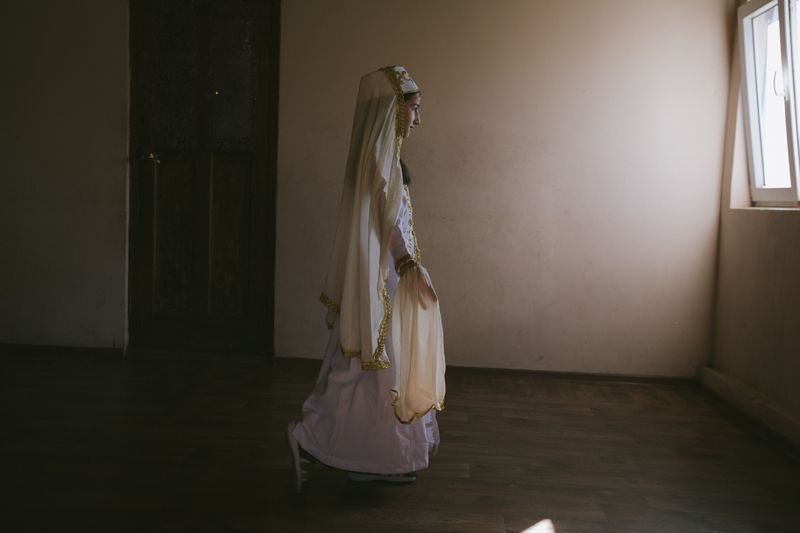
A girl in an Abkhaz village wearing national dancing clothes

© Natalya Madilyan - A horse in the yard of the only preserved house in the village of Lata in the Kodori Gorge.
i

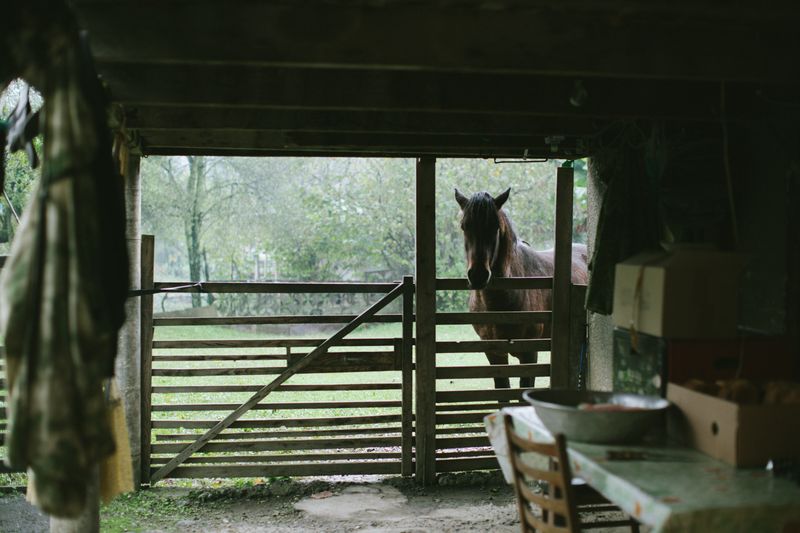
A horse in the yard of the only preserved house in the village of Lata in the Kodori Gorge.

© Natalya Madilyan - Image from the About trees, insects and humans photography project
i

The Laboratory of Mycology and Bioindication was established on the basis of the Institute of Ecology of Abkhazia with the support of the UN. One of the scientists' tasks is to preserve the forests of Abkhazia, save boxwoods and chestnuts

© Natalya Madilyan - Image from the About trees, insects and humans photography project
i

The brown marmorated stink bug: farmers learned how to save their crops, but they had to put up with the neighborhood insects. The pest has no natural enemies in the region and its spread is pandemic.

© Natalya Madilyan - Image from the About trees, insects and humans photography project
i

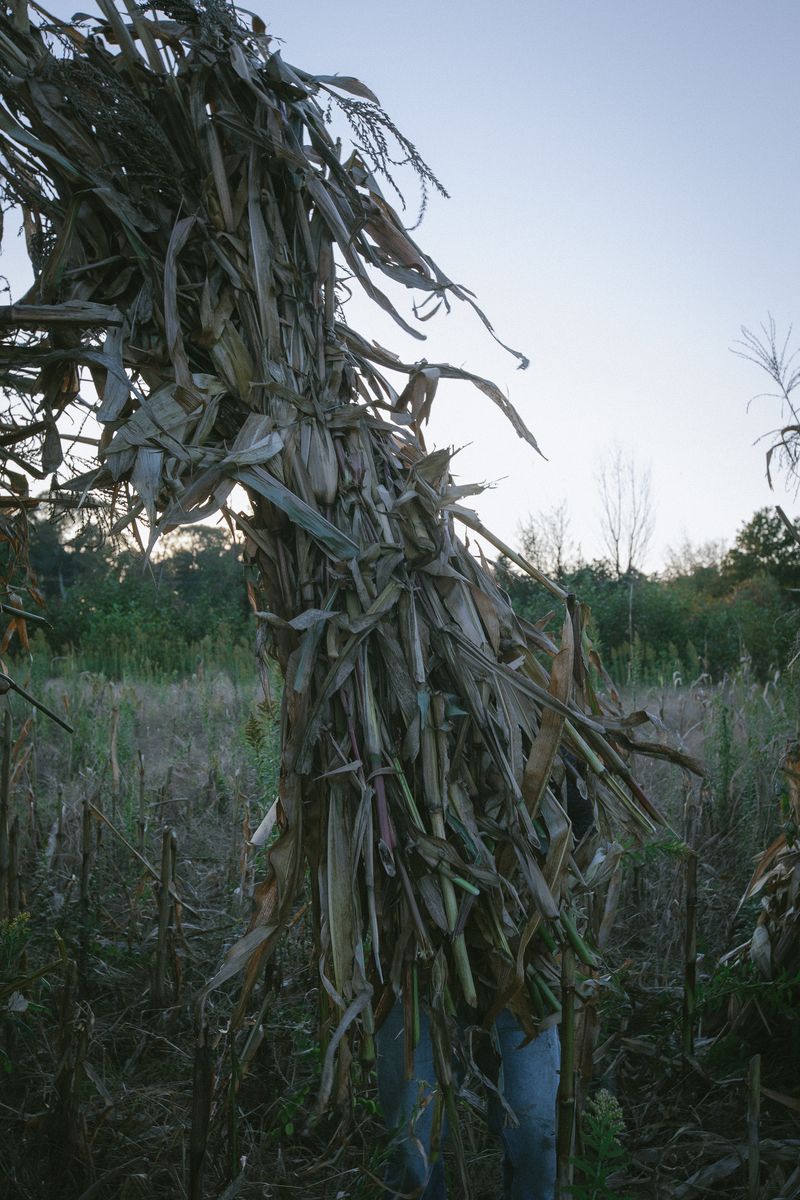
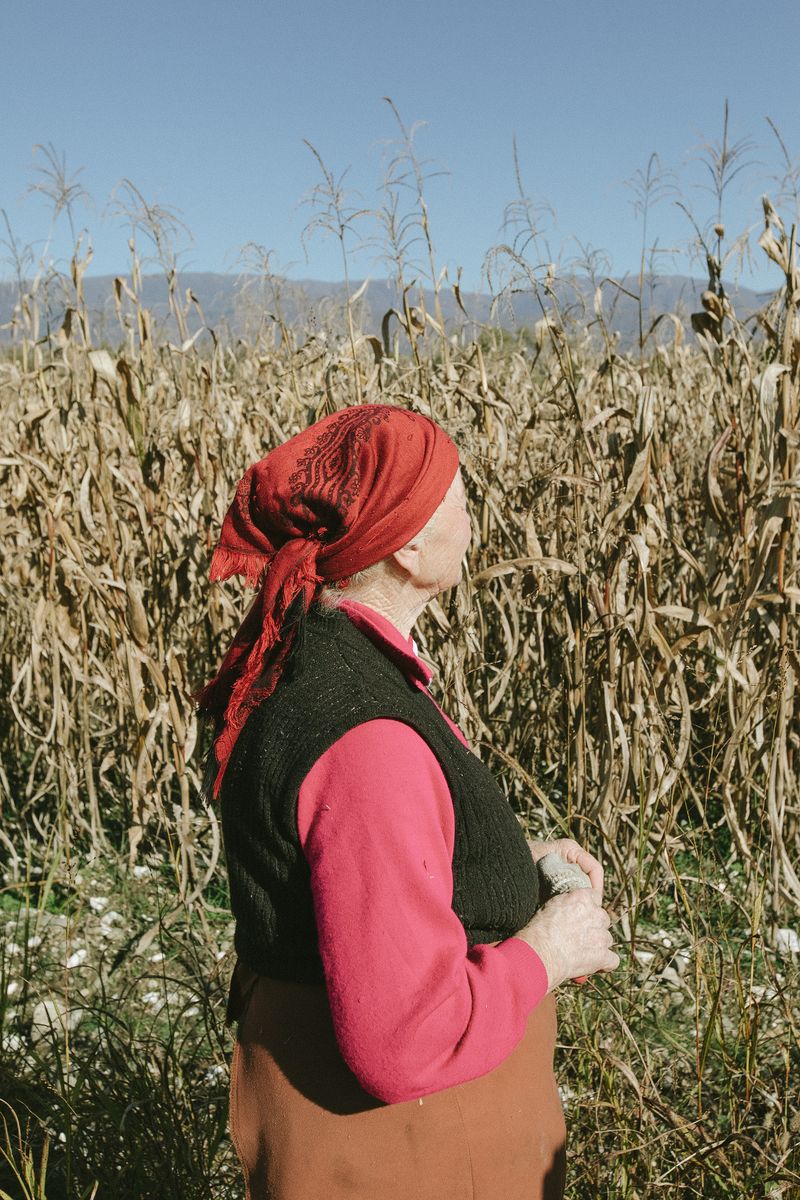
Maize harvesting in an Abkhaz village: Maize, an important local product, has suffered severely from a pest infestation, as have all agricultural crops.

© Natalya Madilyan - Image from the About trees, insects and humans photography project
i

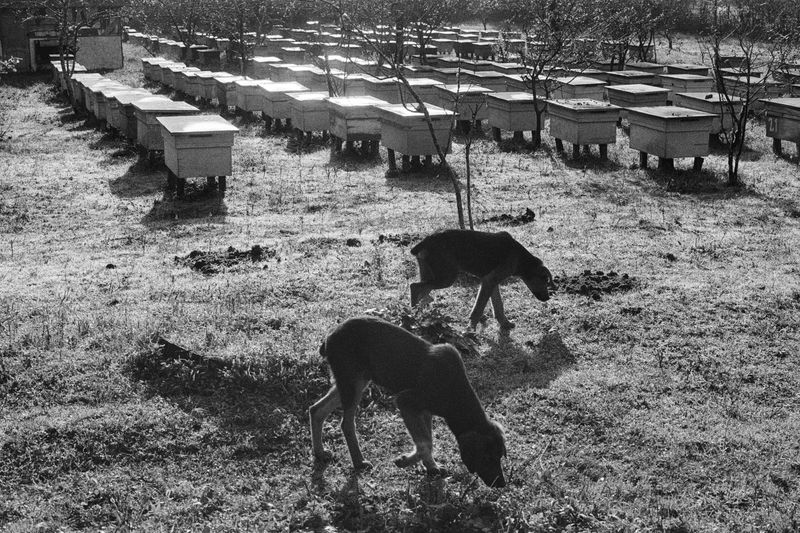
Mountain apiary in the Kodori Gorge. Chestnut honey is a valuable local product. The local chestnut forests provide the necessary nectar for bees, so there are large apiaries in the gorge.

© Natalya Madilyan - Image from the About trees, insects and humans photography project
i

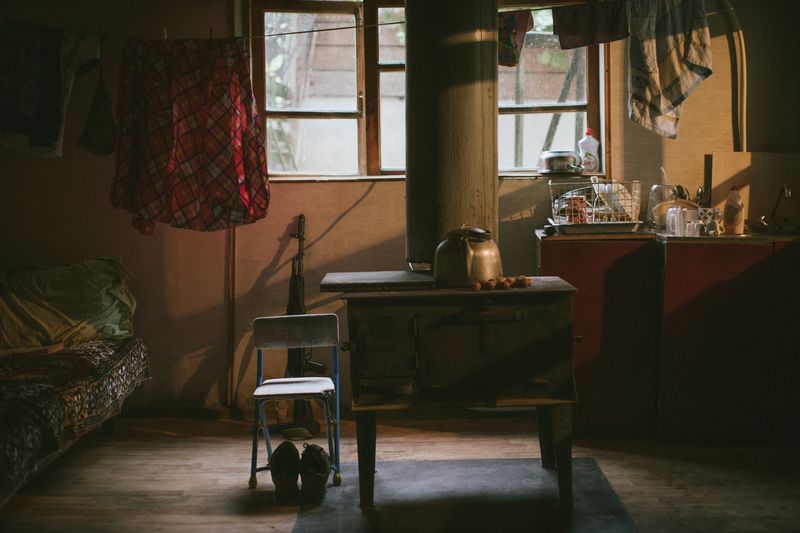
Interior of a house in the Kodori Gorge. The owner of the house lives alone and is engaged in an apiary. A small mountain power plant provides electricity.

© Natalya Madilyan - Image from the About trees, insects and humans photography project
i

Corn is an important local product. It is grown as fodder for poultry and animals, and the best varieties are milled into flour and used to make mamalyga, a national Abkhazian dish.

© Natalya Madilyan - Burning diseased branches in the persimmon orchard in the village of Jgerda.
i

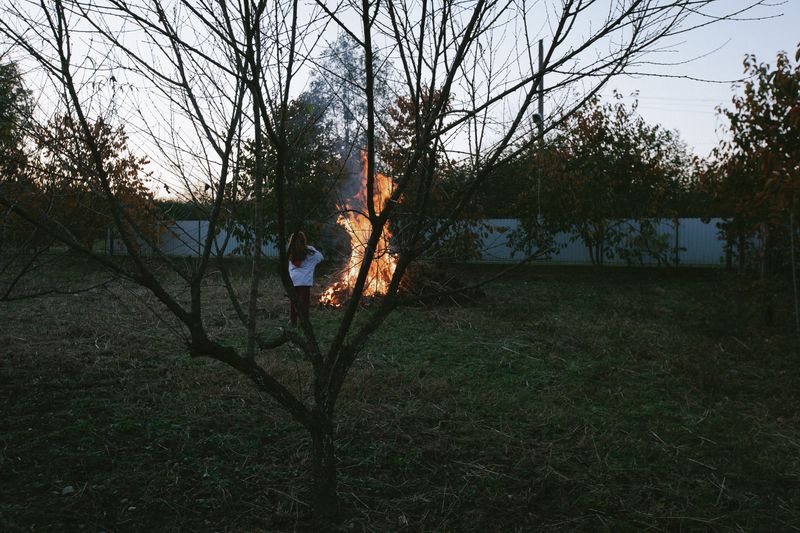
Burning diseased branches in the persimmon orchard in the village of Jgerda.

© Natalya Madilyan - Image from the About trees, insects and humans photography project
i

Part of the post-Soviet heritage in the interior of the Institute of Ecology of Abkhazia: in the foreground is a portrait of Leonid Brezhnev, General Secretary of the Communist Party. The Institute was established on the basis of a large Soviet research institute, so the interiors have preserved artifacts from the Soviet era. Some unused rooms and laboratories retain their original appearance, as if time in them stopped at the moment of the collapse of the USSR.

© Natalya Madilyan - Image from the About trees, insects and humans photography project
i

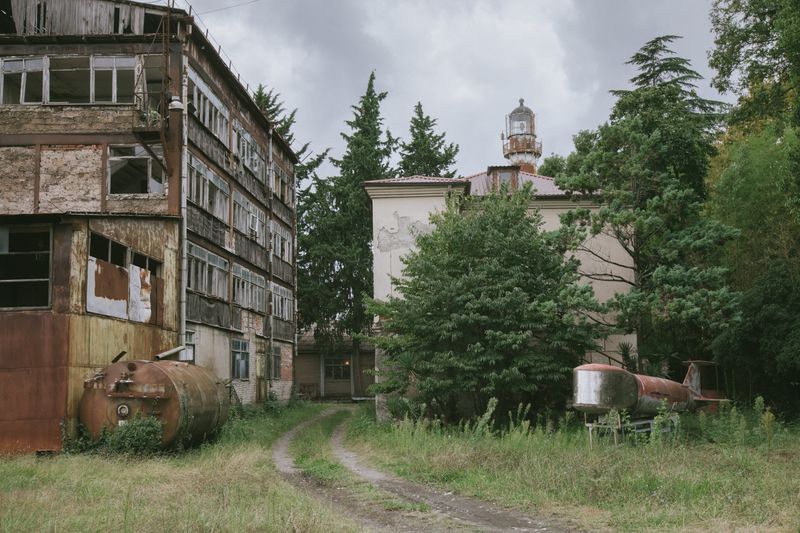
The bathyscaphe used for Soviet hydroacoustic research against the background of the buildings of the Institute of Ecology. In the background - the lighthouse, built in the era in 1861 by the firm of Ernest Guin (fr. Ernest Goüin)

© Natalya Madilyan - A horse in a deserted mountain village
i

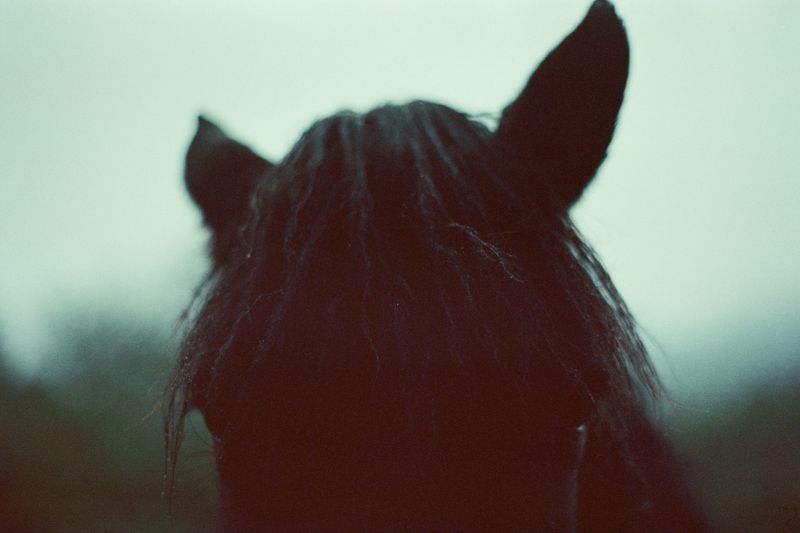
A horse in a deserted mountain village

© Natalya Madilyan - Image from the About trees, insects and humans photography project
i

Young boxwood trees sprout in the place of a dead grove in the Kodori Gorge. Boxwood is a slow growing tree, growing up to 600 years.

© Natalya Madilyan - Roman Dbar, Director of the Institute of Ecology of Abkhazia against the background of the sea research station.
i

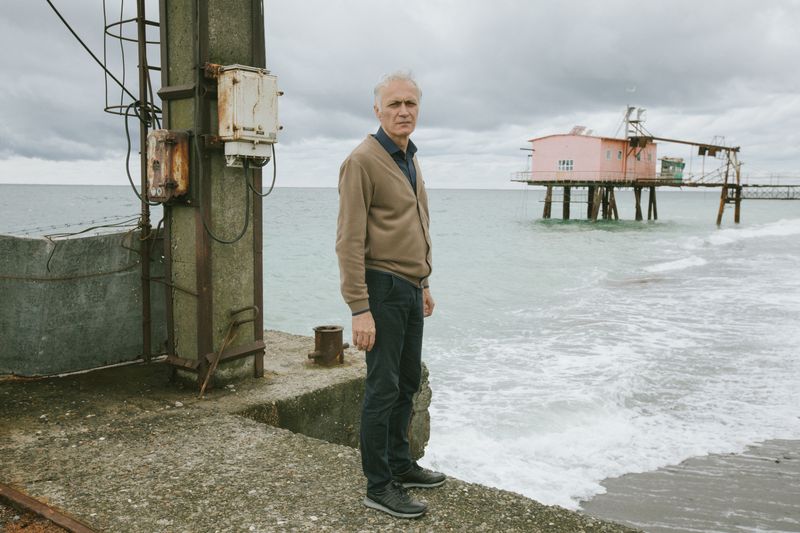
Roman Dbar, Director of the Institute of Ecology of Abkhazia against the background of the sea research station.

© Natalya Madilyan - Image from the About trees, insects and humans photography project
i

Wreckage of a helicopter at the crash site in the Kodori Gorge. Thirty years later, traces of the war are overgrown with forest

© Natalya Madilyan - Image from the About trees, insects and humans photography project
i

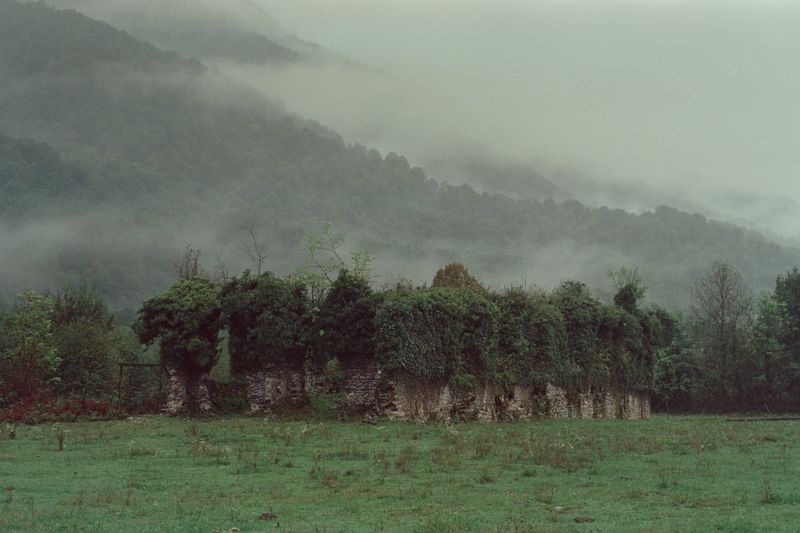
View of the Kodori Gorge and the ruined castle of the Princes of Marchania. The fortress was built in the 19th century, during the Russian-Turkish wars, the Russian garrison was quartered here. After the war, the local princes established their residence here.

About trees, insects and humans by Natalya Madilyan

Prev Next Close