Ann Shelton On Her Exhibition Jane Says At Getxophoto
-
Published5 Feb 2026
-
Author
Drawing on millennia of botanical knowledge and women’s histories of reproductive care, New Zealand-based artist Ann Shelton reflects on her solo exhibition in Getxo, Basque Country, Spain, awarded through the PhMuseum 2025 Photography Grant.
In the upcoming months, Getxophoto's head curator Maria Ptqk will select an artist among the PhMuseum 2026 Photography Grant applicants to exhibit within the next edition of the Basque festival. First started in 2020, this collaboration has brought six artists to Getxo, making their work integral part of a festival rooted in public art.
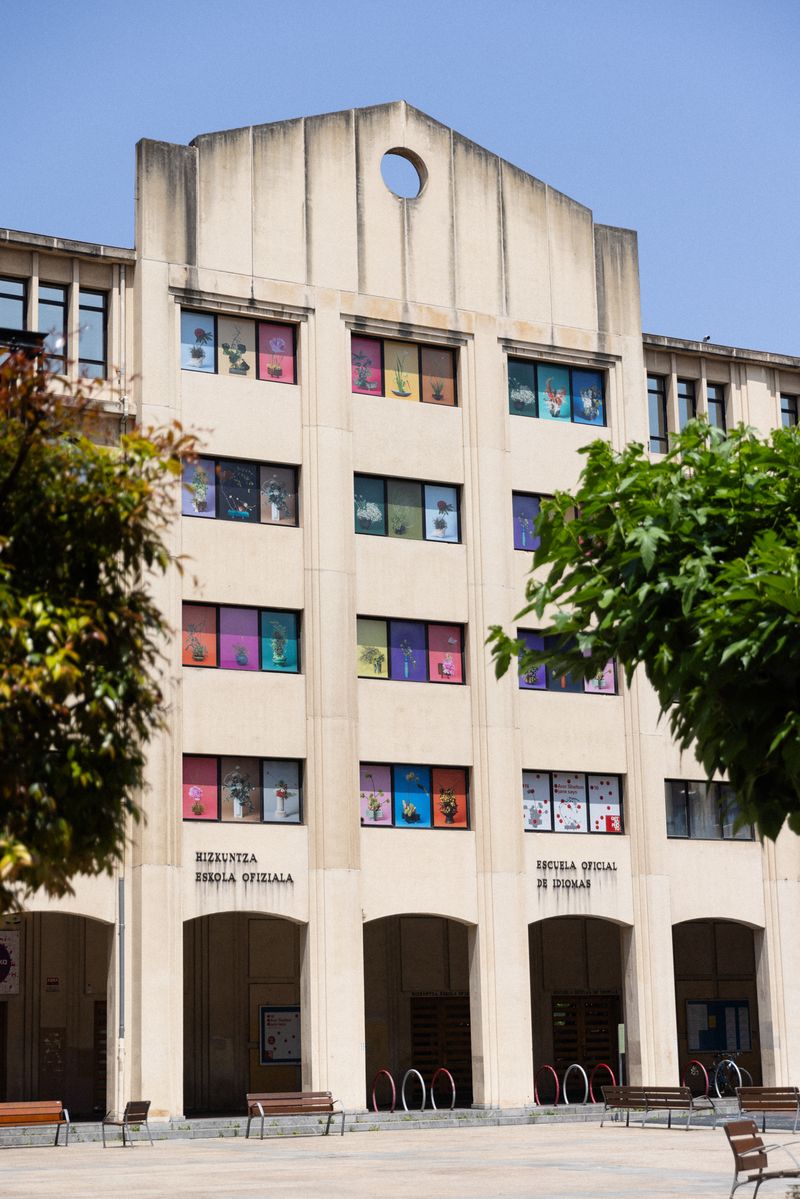
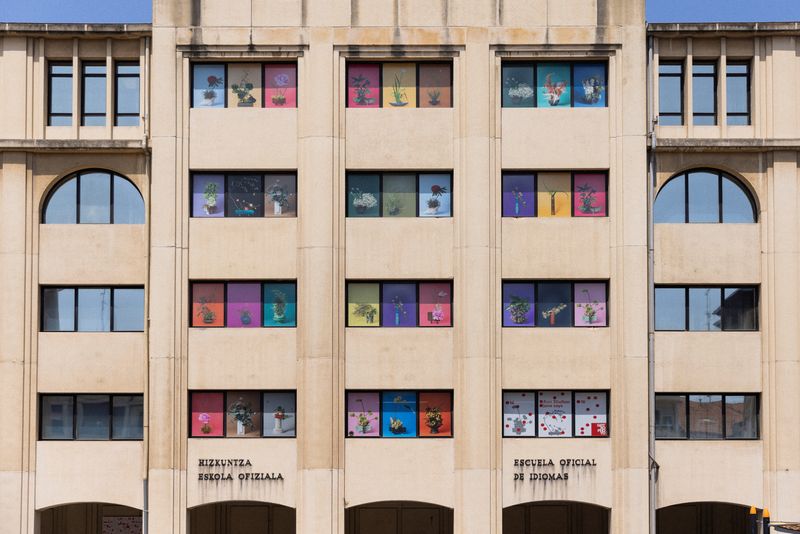
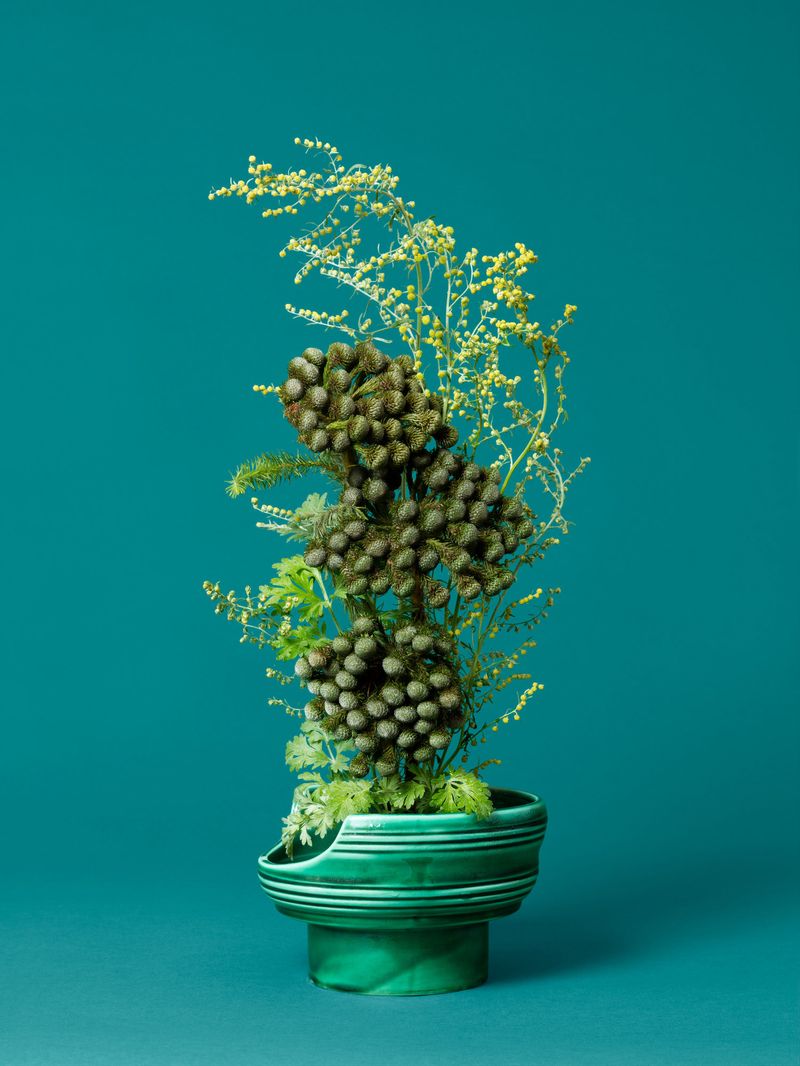
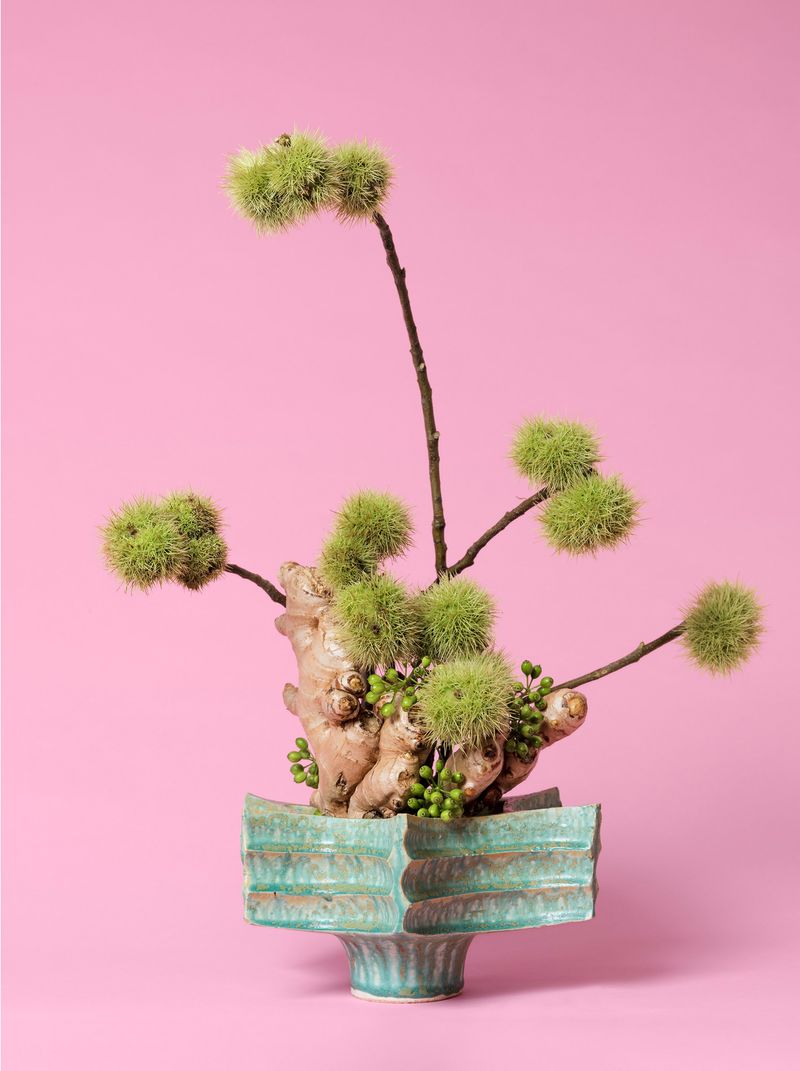
Among them is Ann Shelton, whose body of work jane says – a photographic garden of medicinal plants tied to women's reproductive histories – was displayed in 2025 across a local market and a public school. Delve into her research, methodology, and experience as an exhibiting artist in the lines below, while applications for the Grant's current edition are open until February 19.
Hi Ann, your work jane says portrays plants that are said to have been used medicinally as emmenagogues, abortifacients, contraceptives, and birthing plants. You address ancient knowledge related to reproductive health, often passed on orally and later lost or silenced. What does it mean for you to reclaim these narratives and reintroduce them into our contemporary consciousness?
My gesture is a political act delivered through an artistic methodology. Witches were burned, lives were lost, the attempted erasure of this knowledge was wilful. Many artists and others are attempting to reconnect to the knowledge that was suppressed in that moment and the bounty it provides, there is a groundswell of activity in this space that my work is a part of.
The plants in jane says are captured with a highly controlled aesthetic. What role does visuality play in your practice, especially when navigating such politically and historically charged content?
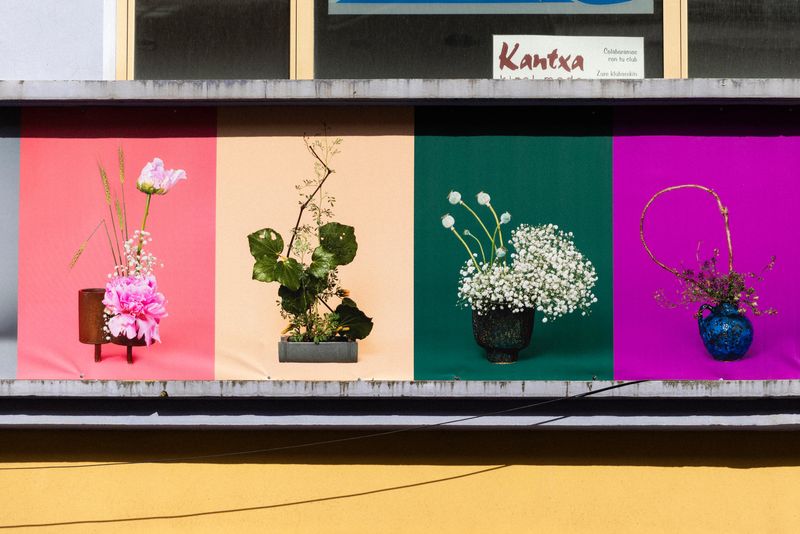
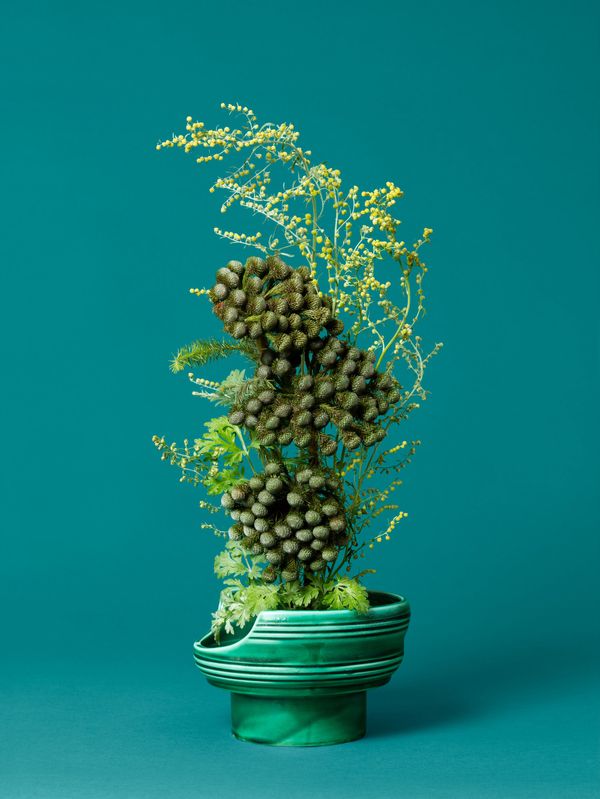
For me, the controlled aesthetic, and the highly structured plant sculptures (all made by me), channel the control a plant is capable of exerting over a body. Their gesturing feels to me full of the energy of a medicine moving through and affecting the body.
The bright colored surfaces of the backgrounds reference a seventies timeframe when second wave feminism did so much work on reproductive rights, they also reference a bunch of Ikebana International magazines, that I carried around from flat to flat as a young person that influenced this work.
What motivated you to apply for the PhMuseum Photography Grant, and what makes it a worthwhile opportunity from your personal experience?
I work in Aotearoa New Zealand, we have small population and are very isolated geographically, it’s a 30-hour flight to Europe and as an artist it’s difficult for many reasons to get your work to the other side of the world. I like the vibe of these awards and it’s a good way to connect with people who may be interested in what you’re doing, beyond winning anything, people get to see your work.
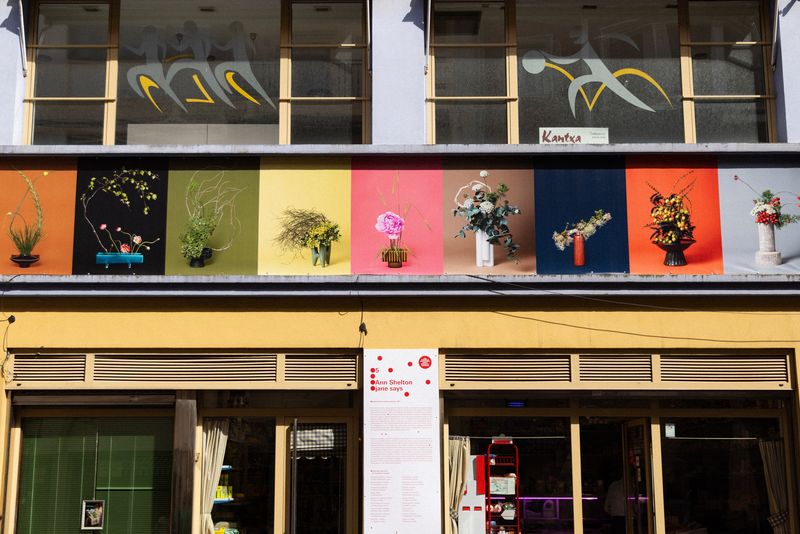
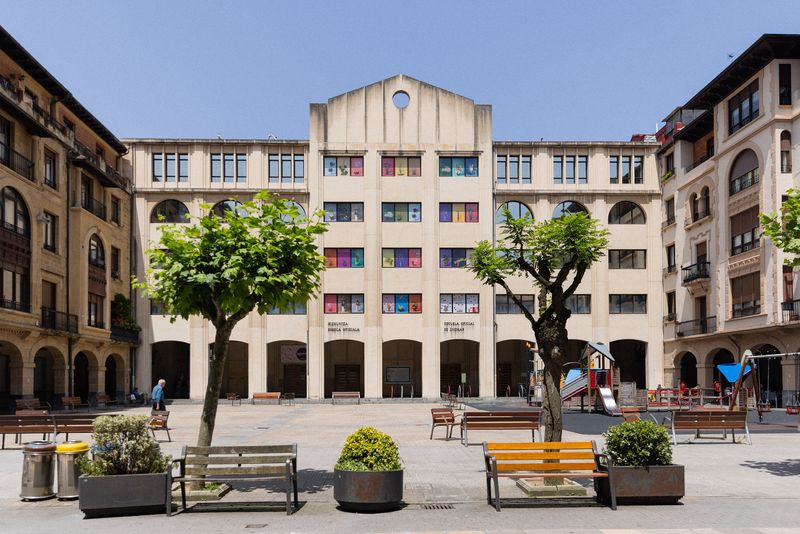
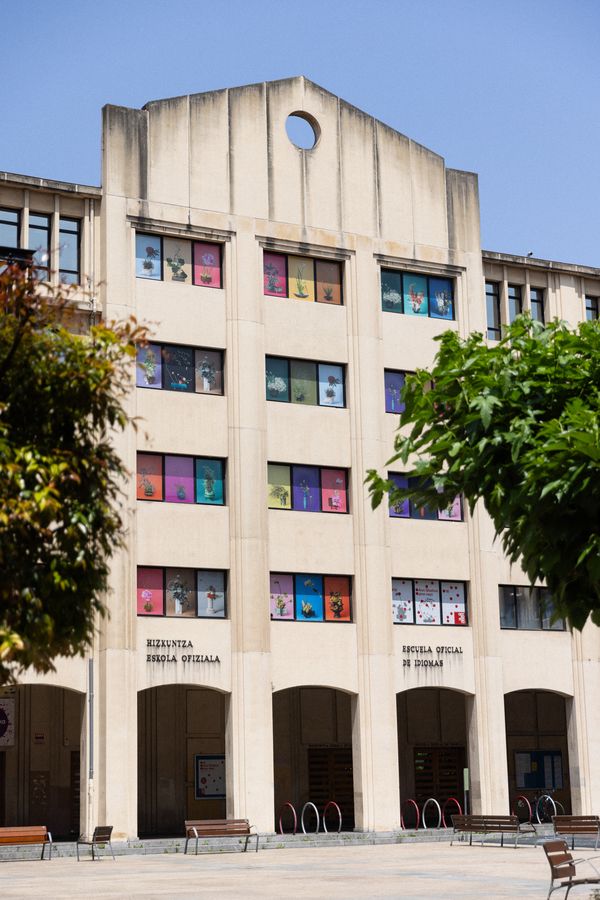
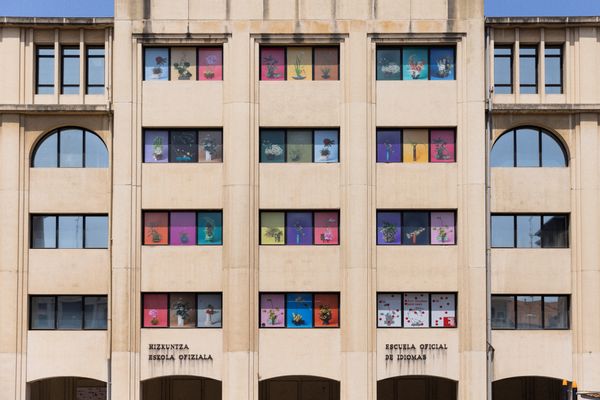
Your work was selected by curator María Ptqk to be exhibited within Getxophoto's last edition. Your images were installed in two distinct locations: the exterior walls of the local market and the windows of a school overlooking a large square. How did you envision the audience engaging with jane says within these everyday, non-institutional environments?
I loved how this was done, these spaces looked incredible and were carefully considered. These spaces are the kinds of places witches were burned because of the knowledge they held about plants and abortion, fertility, and reproduction, making the coming home of these plants to these public places even more powerful. I was able to connect with Maria and her research for various previous projects, and that was super exciting too.
Why do in-person exhibitions matter to an artist's career these days? Do you feel that the festival's focus on public space has unlocked new dimensions for the project or shifted your perspective on how it should be presented in the future?
I think a lot of outdoor festivals struggle with the difficult juncture of placing photography in public space, it’s a minefield and can, at worst, look forced and inappropriate. Getxo just seems to think more carefully about what is happening here and what-goes-where moves beyond logistics and constraints. I felt the level of thought about context was a step-up from what I had seen in some places on my travels, which is why I entered the Grant.
While you couldn't be there in person, you shared a video to introduce yourself and your practice to the Getxophoto audience. Being based in New Zealand, how does that geographical distance shape your relationship with your work when it is exhibited so far from home?
It’s hard, it's super expensive and it’s difficult to stay in touch from such a long distance. I had fun making my video in the bush behind my house. It was special to be there even just in a video. I couldn’t go, which was gutting, and I really wish I could have been there – but these folk were a special crew, and it was a great experience regardless.
How significant is the synergy between grants and festivals in sustaining the momentum and reach of a long-term project? Based on your experience, what advice would you offer to artists applying for these opportunities?
My advice is keep focused on what made you start to make work in the first place. Just keep true to your own intent and convictions and make your own opportunities, slowly build a network, and look after those relationships and yourself. It’s a ton of work but the reward is a sustained commitment to your endeavour and that’s something. Anything extra like prizes and awards really helps and are a great bonus along the way! All power to the good people who fund this part of the ecosystem and recognise the labour of artists and makers. For those in countries where art is more difficult to make, and the resources to enter are not available, it’s much harder again.
------
Over the past 12 years, the PhMuseum Photography Grant has become a key international award, recognized for championing contemporary photography and for fostering emerging talent through financial support, exhibitions at major festivals, educational programs and wide online visibility. This year, Getxophoto will host a new solo exhibition by one project selected through the open call. Submissions are open until 19 February 2026. More information and applications are available at phmuseum.com/g26.
Founded in 2007 and organized by Begihandi, Getxophoto is an image-based festival held annually in Getxo, in the Basque Country. The festival continues to evolve as a participatory, socially engaged and sustainability-driven initiative.