We Didn't Choose To Be Born Here by Thero Makepe at Javett-UP
-
Open14 May - 13 Feb 2027
-
Link
- Location Pretoria, South Africa
Through staged portraiture, documentary images, personal and public archival materials and re-enactments, Makepe researches, uncovers and weaves personal family stories with national histories.
Overview
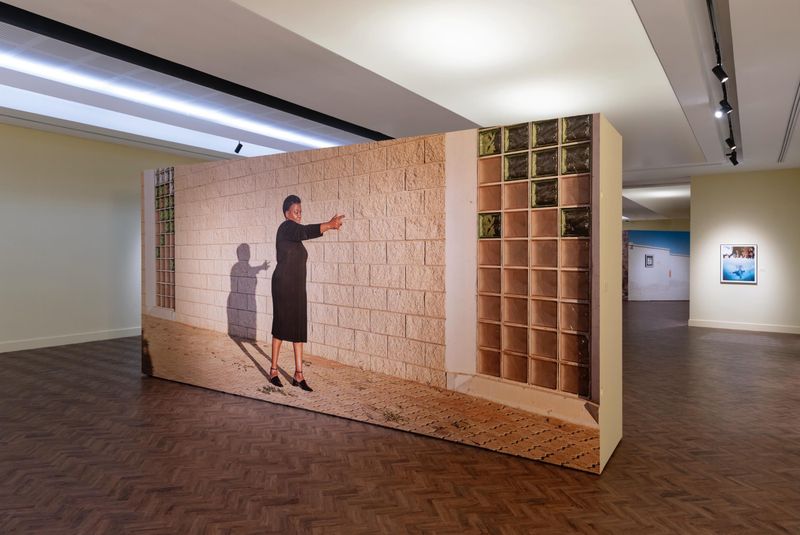
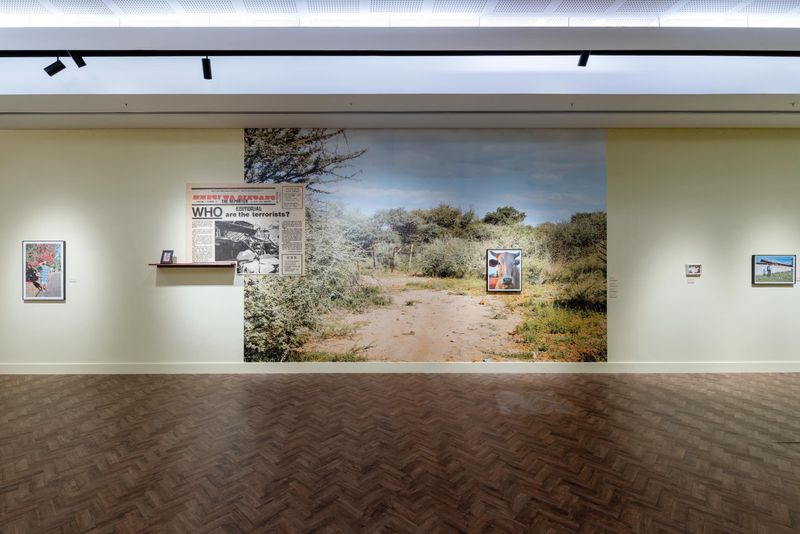
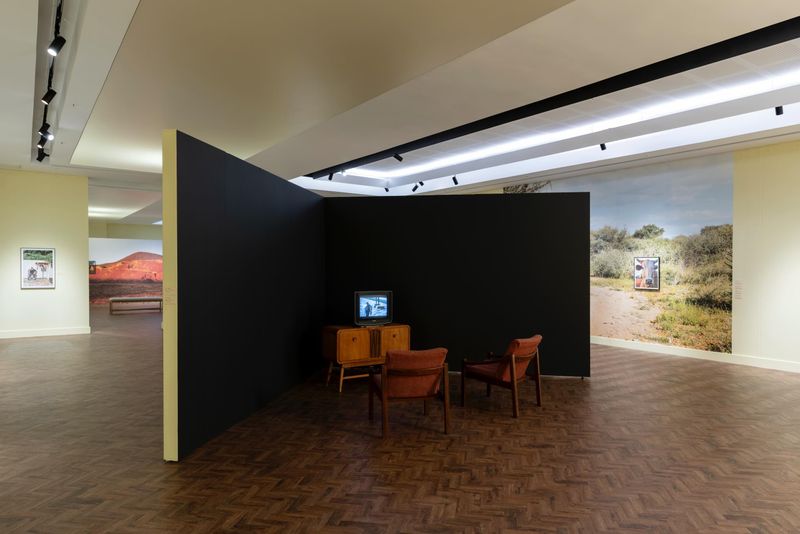
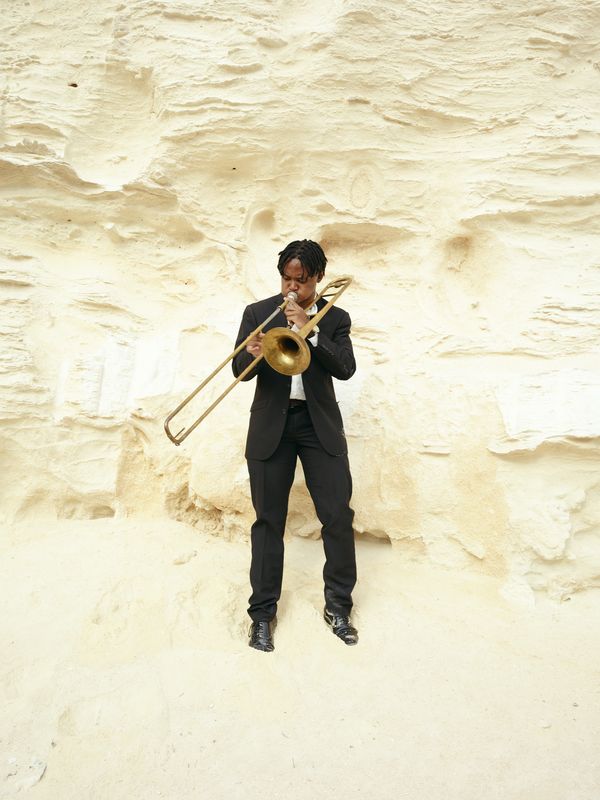
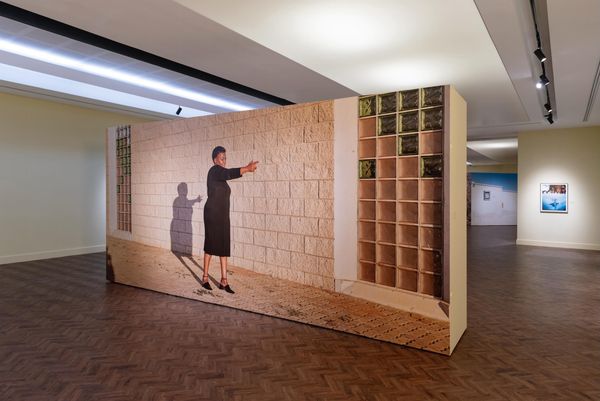
We Didn't Choose To Be Born Here (2020 - ongoing) is a body of work by Thero Makepe (b. 1996, Botswana) exploring Botswana and South Africa’s socio-political fabric through a personal lens. Through staged portraiture, documentary images, personal and public archival materials and re-enactments, Makepe researches, uncovers and weaves personal family stories with national histories.
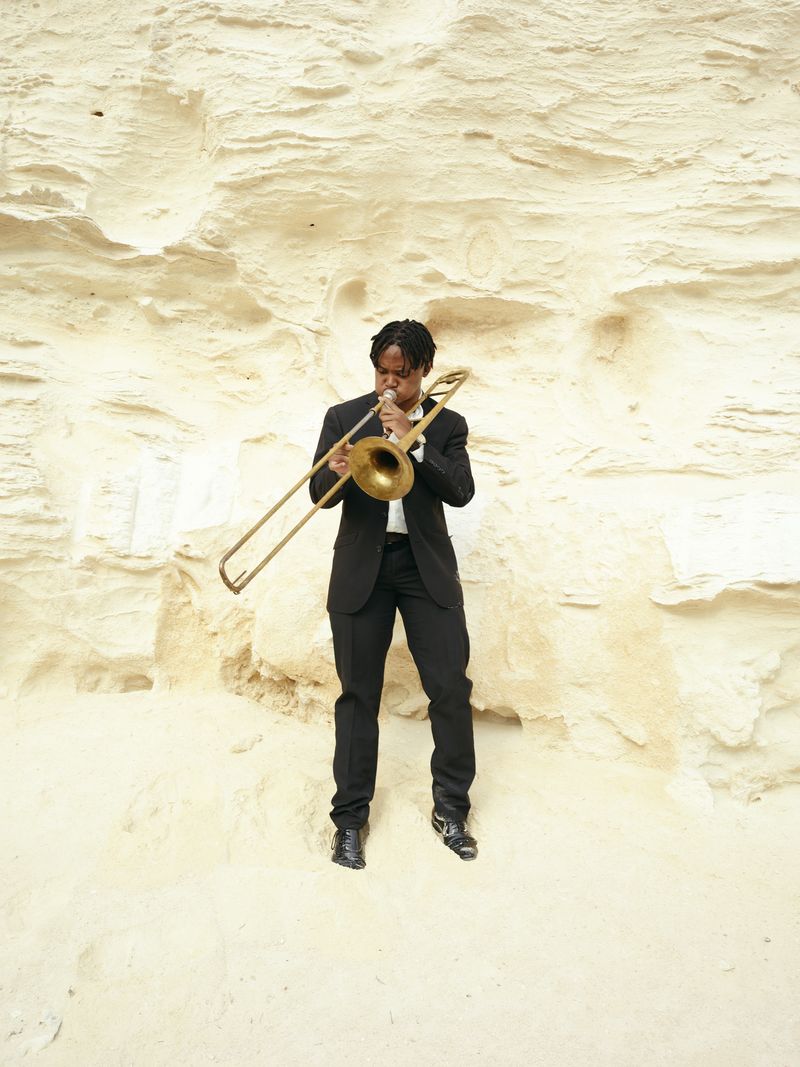
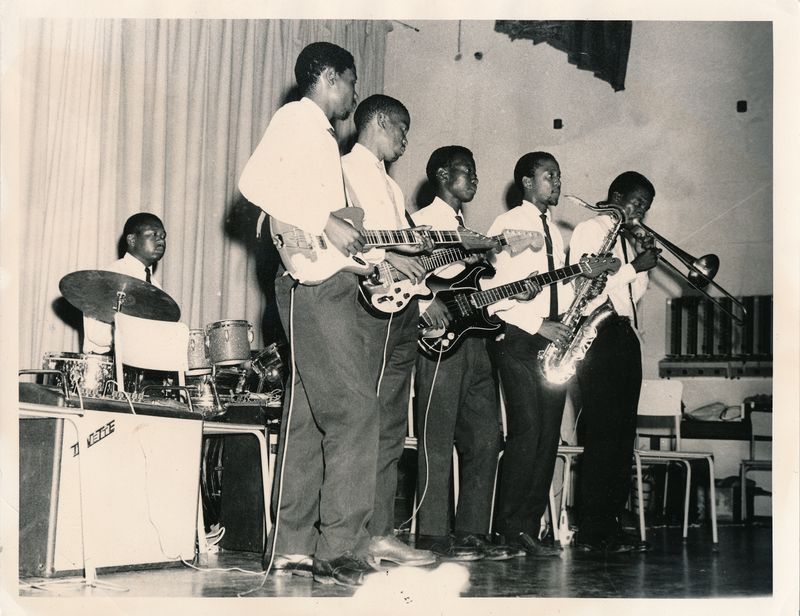
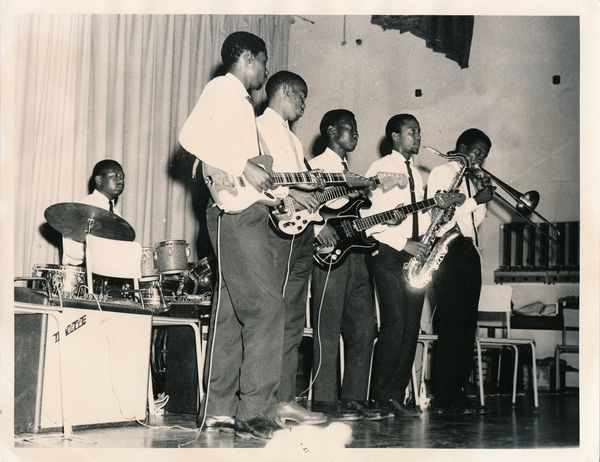
In 1958, his grandfather, Hippolytus Mothopeng, fled South Africa to escape racist Apartheid law. He went to Botswana, a far more peaceful country under British protection that eventually achieved independence in 1966. He worked as a town clerk in Francistown and Gaborone and as a hobbyist jazz musician.
In contrast, his grandfather’s uncle, Zephaniah Mothopeng, a teacher by profession, became an activist and joined the Pan-African Congress of Azania (PAC), eventually becoming the president of this political party. As a prominent leader of the struggle against Apartheid, Mothopeng served two separate jail sentences on Robben Island, the latter in 1979 for threatening to overthrow the government, for which he was sentenced to 15 years.
The title of the project, We Didn't Choose To Be Born Here , is a phrase explored in the minds of different family members during crises, separation, and ennui. Underlying the exhibition project is a photobook, currently in development, that addresses the history of musicality and activism in his family lineage. In this photobook, Makepe also reflect on his own experiences with activism during the #FeesMustFall protests that took place at the University of Cape Town in 2016, fighting for free, decolonized education across all South African universities.
Using various photographic languages, Makepe constructed a non-linear narrative that shows his maternal family’s lasting kindredship despite all the effects of politics, resistance, history, migration, loss and separation they have endured for over half a century. Makepe states, ‘despite all these adversities, I also want the viewer or audience to take away a sense of hope, celebration, and triumphant accomplishment.’
A first iteration of We Didn't Choose To Be Born Here was shown at Lemkus Gallery, Cape Town in February 2025. This iteration is the artist’s first institutional exhibition. His first monograph, published by the PHMuseum, Italy, will be released in 2026.
About The Artist
Thero Makepe (b. 1996, Botswana) is a multimedia artist born and raised in Gabarone, Botswana. Living and working between Gabarone, Cape Town and Johannesburg, Makepe completed his Bachelor of Fine Art with distinction at the University of Cape Town, majoring in photography.
Makepe, currently focused on photography, employs the moving image as an aesthetic vehicle through which he examines familial, social and geopolitical histories. Within this framework, Makepe engages historic events to explore the liminal spaces between collective and personal memory, foregrounded by his own lyrical and spiritual sensibilities.
In 2023, the artist was the recipient of the MEP residency – Gervanne Collection + Matthias Leridon – Cité internationale des arts (Paris, France). In 2022, Makepe was selected for the Invisible Borders Trans-African Road Trip: Whispers of the Wilderness, which took place in the Okavango Delta, Botswana, Angola and Namibia. In 2020, Makepe was awarded the Diane and Charles Frankel Fellowship (USA, South Africa) and was selected as a finalist for Blurring the Lines at Paris College of Art (France).
In 2019, the artist was awarded the Tierney Followship. In the same year, Makepe co-founded The Botswana Pavillion, which is dedicated to developing Botswana’s artistic archive, making it a prominent force in the international art space. In 2021, Hans Ulricht Obrist and András Szántó commissioned The Botswana Pavillion as a part of the Unfinished Camp project.