Static Motion by Carl Ander at CFF Centrum För Fotografi
-
Open19 Apr - 6 Jun 2026
-
Link
-
Author
- Location Stockholm, Sweden
CFF Centrum För Fotografi presents Static Motion by Carl Ander, an exhibition examining the representation of movement in photography through found images from sports and health manuals.
Overview
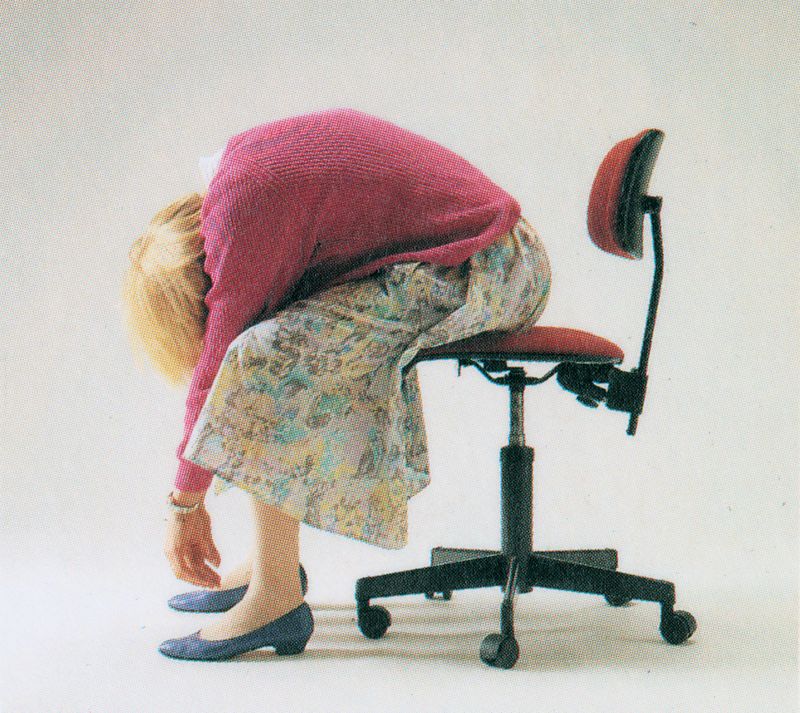
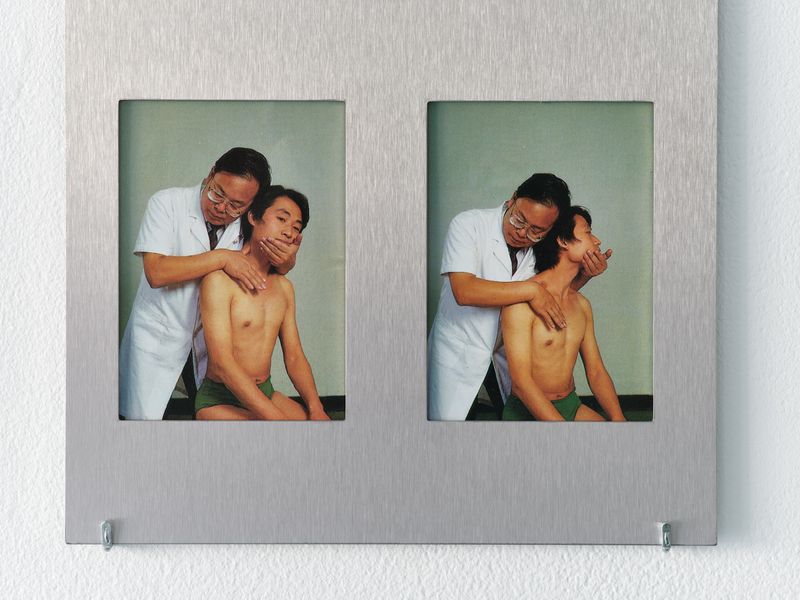
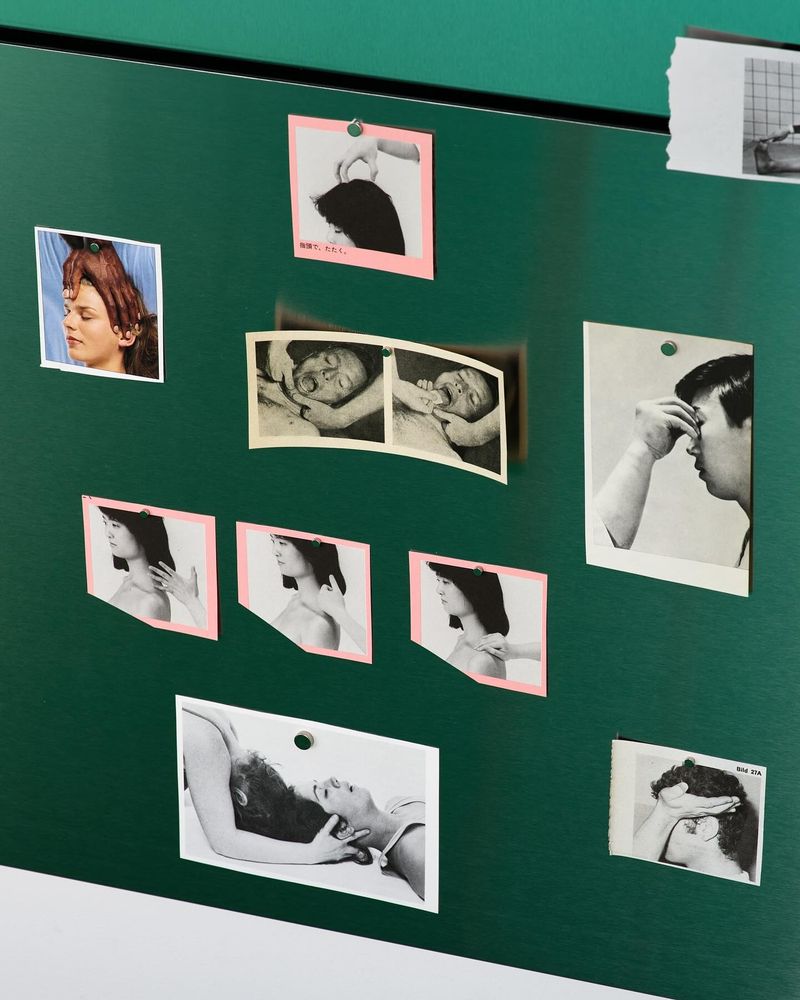
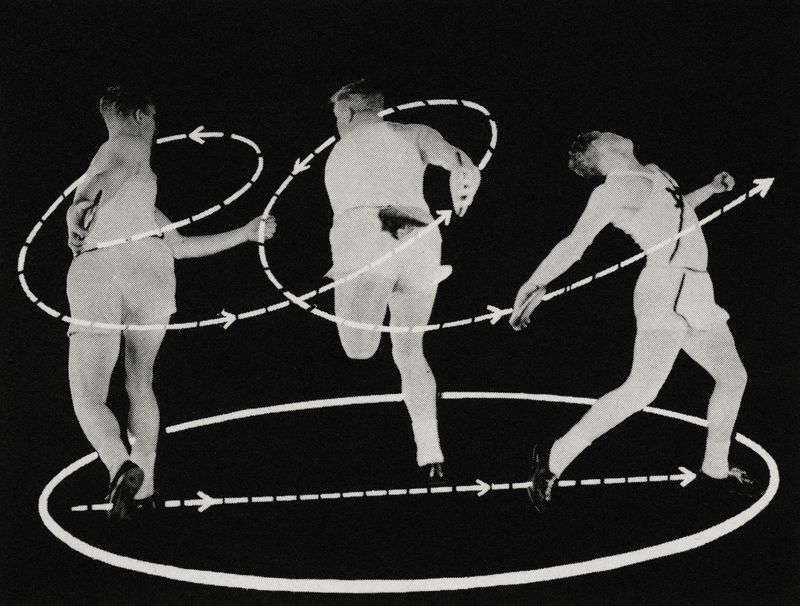
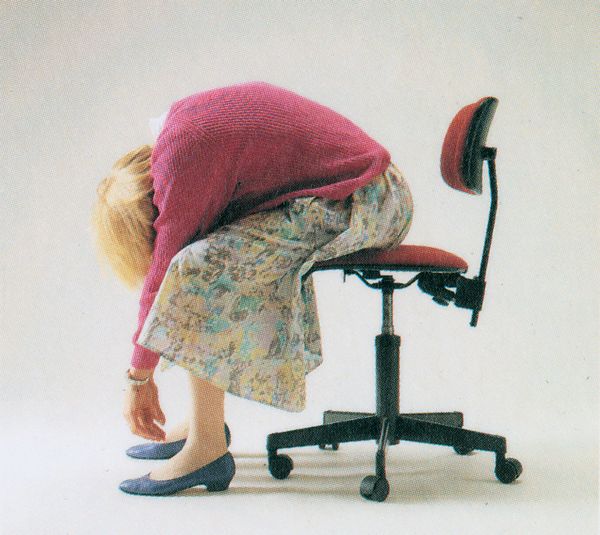
How is movement conveyed in photography? For a decade, photographer Carl Ander has collected photographs from sports and health instruction manuals. Most date from the period 1940–1980 and were produced for a European market. The exhibition features an extensive collection of images – approximately 350 in total – sourced from these books, depicting various types of physical activity.
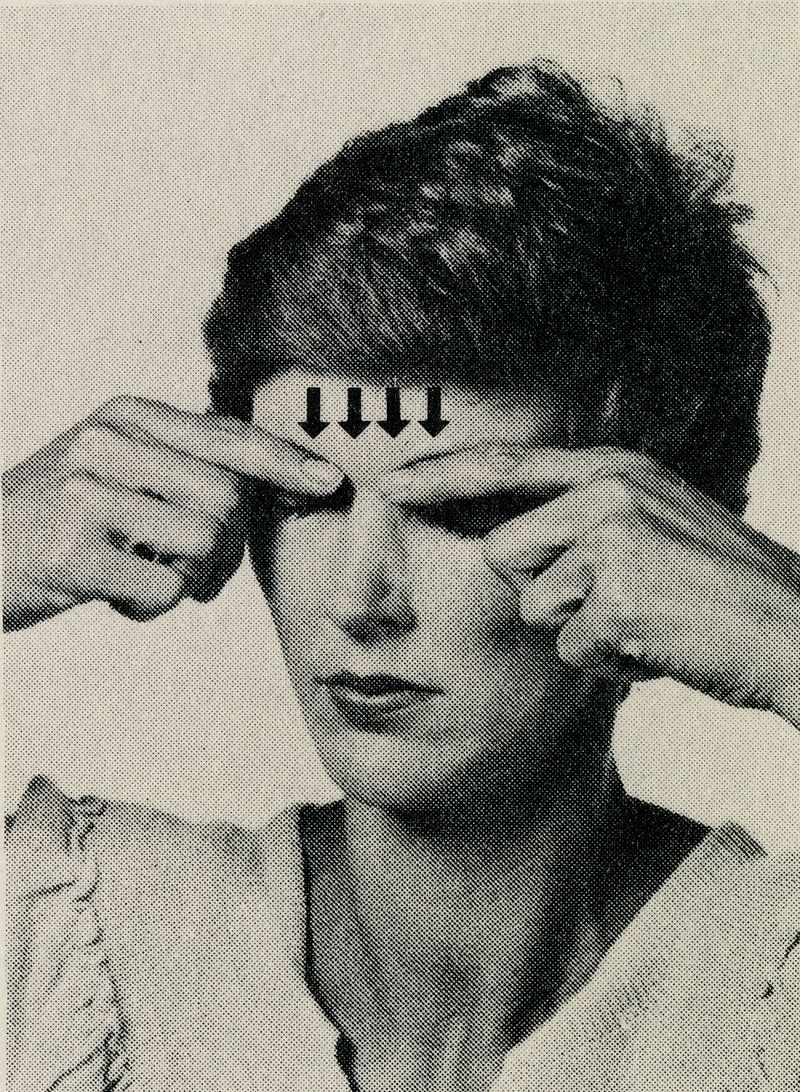
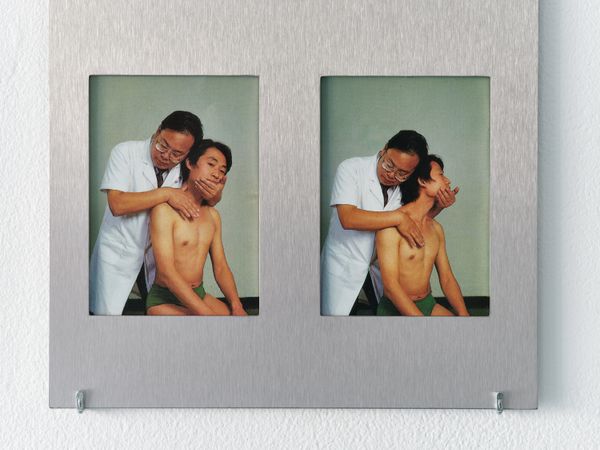
In their original context, the images served a clear function. They aimed to instruct the reader on how to perform a specific sport, give a massage, or execute a dance. However, when the images are removed from their context and displayed as individual photographs, they no longer function as instructions. Instead, it is up to the artist and the viewer to create new meaning around these images. Sometimes, humor becomes the new message. Sometimes, it is wonder at seemingly impossible movements (as we do not know what happened before or after the depicted movement we observe). Some images might evoke a desire to try the movement oneself, while others offer an insight into a bygone era with different ideals.
At the same time, the original logic of the images persists. It is evident that these are images with an informative purpose. The compositions are often clear, with simple backgrounds and limited props. The people in the images are depicted with neutral facial expressions and a focus on specific body parts. The fact that these are still images with the seemingly paradoxical task of portraying movement also leaves traces in the images through the various ways the manuals were designed to evoke activity.
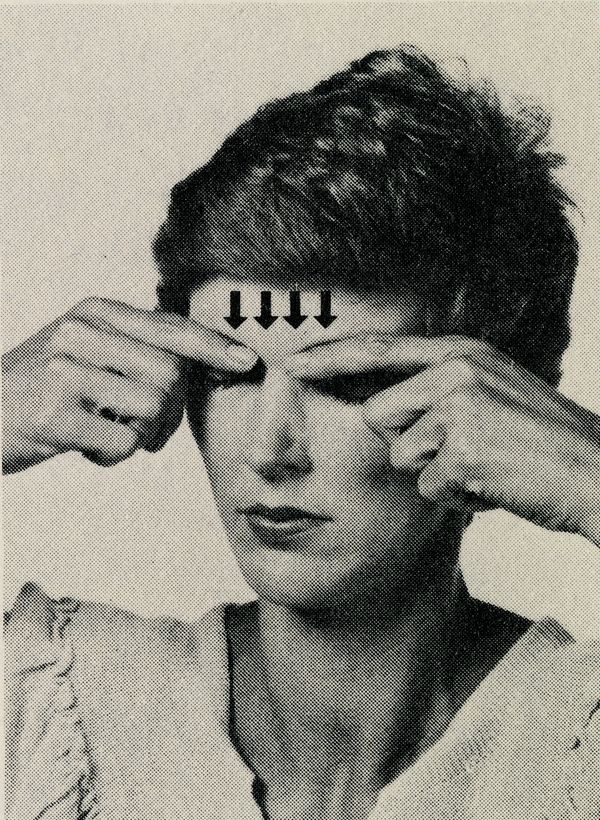
Some images use the structure of film, where movement is created through several consecutive still images with a slight displacement in the subject. Another logic in the images is the use of arrows indicating displacement and direction. Sometimes, arrows and patterns are drawn directly onto the models’ bodies; sometimes, simpler graphics are used. Double exposure is another technique, where the shift in movement occurs within a single frame, but the subject has moved.
There are certain obvious problems with depicting movement in this way. The image does not reveal how quickly or slowly a movement is being performed. And what are the parts of the body that are not visible in the image actually doing, and how should the body behave in the interval between the images? The shortcomings of the photographic medium in terms of depicting movement are also highlighted by the fact that the models in the images are not always ‘captured in motion’. Instead, the model has ‘frozen’ a moment of the movement to allow it to be photographed, which makes it difficult to interpret the movement itself as it has been staged for the camera.
When the images are read in their original context, there is an obvious structure and a defined reader. They also build upon a tradition of depicting movement, where Eadweard Muybridge was the first to portray a horse in a gallop. How these older images are decoded today and in the future is difficult to know. They require knowledge of both the function and history of the photographic medium, as well as the contexts in which images can be used—a broader visual literacy.
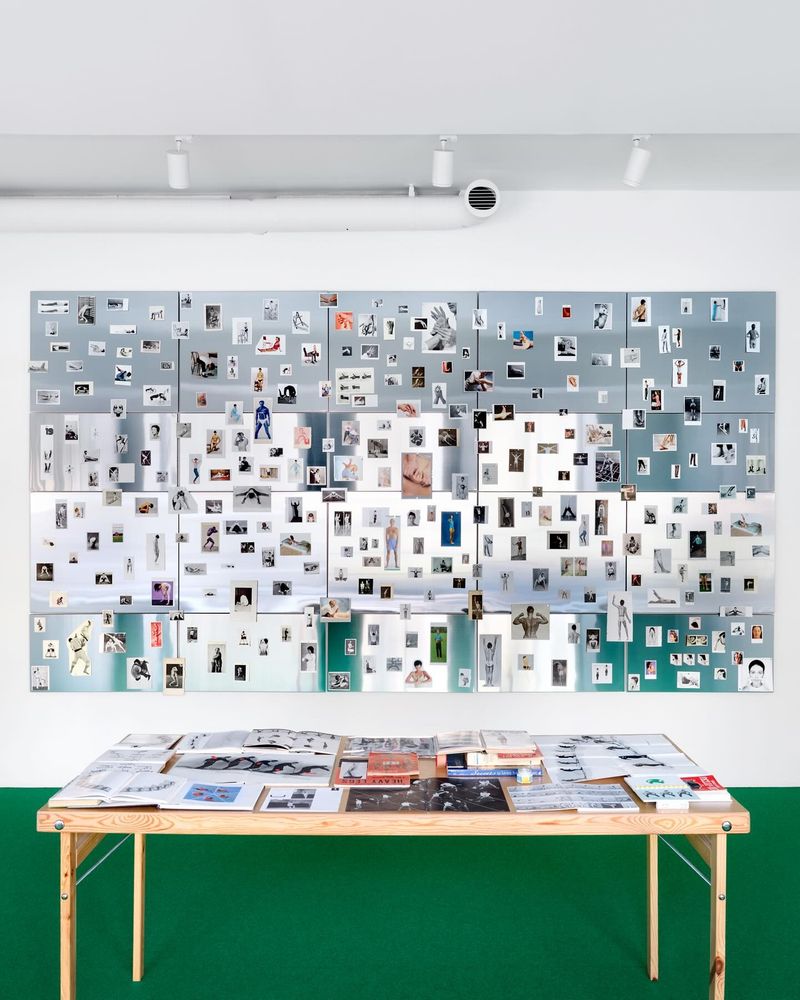
In addition to the material itself, the exhibition also explores the act of collecting and a collector’s struggle with how a collection can and should be displayed. The exhibition is divided into four sections, all of which feature original images from the various publications, including a table displaying spreads from the original publications. One part of the exhibition consists of an installation where hundreds of images hang on a magnetic board, suggesting how the material itself is fluid and constantly open to reinterpretation, as the images can easily be moved between different categories. Along the walls hang rows of images framed in passe-partouts the same size as the original page in the book from which the image was taken, thereby linking the image to its original context.
The collection is not definitive but can be conveyed in various ways, both in publications and exhibitions. In this room, it is displayed in one way, but the combinations are endless, opening up a multitude of interpretations. The images move in an interplay between the documentary and the instructive, the artistic and the fictional. This tension and ambiguity form the basis of what fascinates us about photography as a medium.
– Text by Kristyna Müller, Curator and Executive Director at the Center for Photography
About The Artist
Carl Ander (b. 1991) is a photographer based in Gothenburg, Sweden, working across both commercial assignments and artistic projects for books and exhibitions. His work has been published in Die Zeit, The New York Times, d la Repubblica, and The Atlantic, and he has exhibited in Tokyo, Los Angeles, Oslo, and across Italy. He has published two monographs, Constructs, (Heavy Books, 2020) and Static Motion (LL’Editions, 2025).