The other side of the dniester
-
Dates2018 - Ongoing
-
Author
- Topics War & Conflicts, Contemporary Issues, Documentary
- Location Moldova
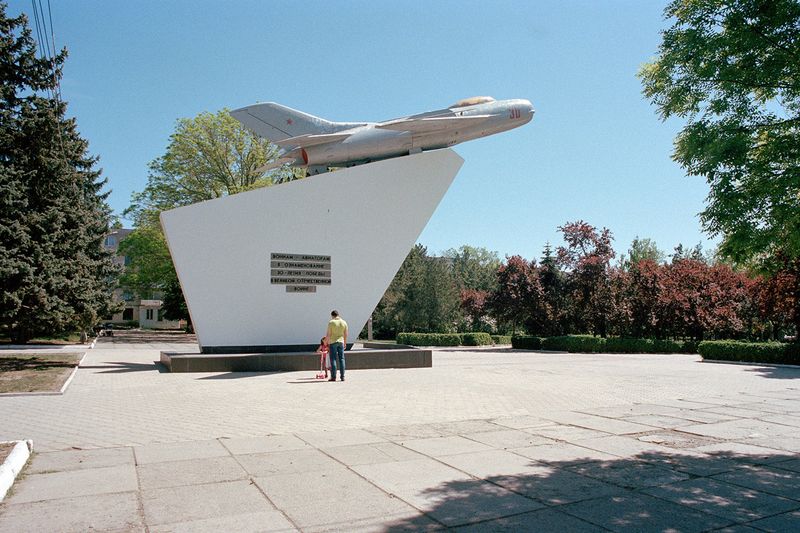
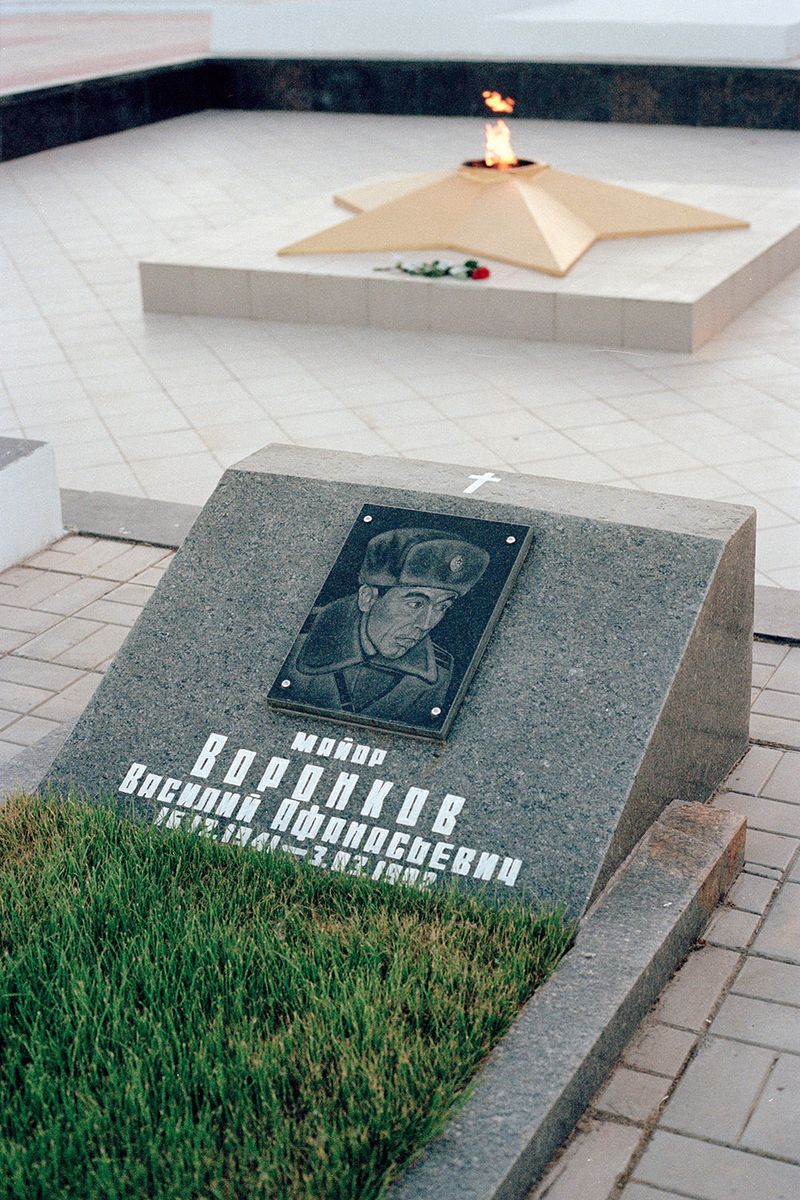
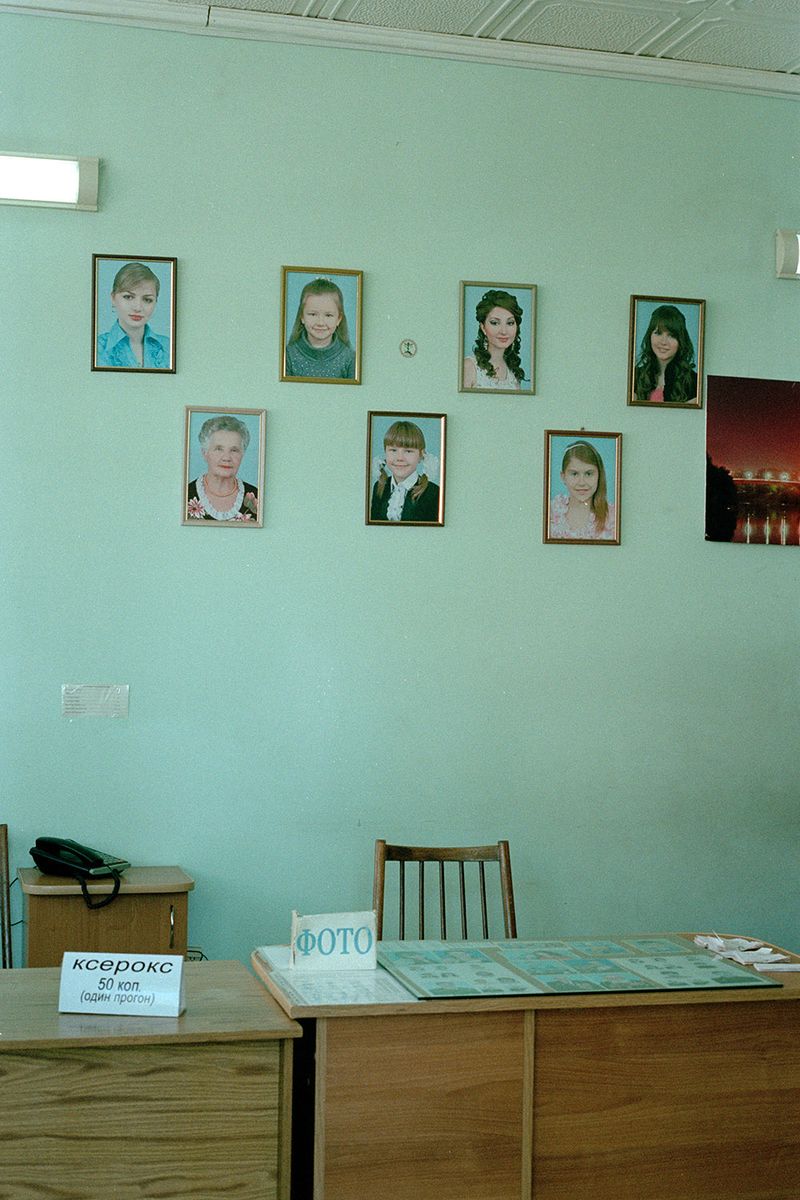
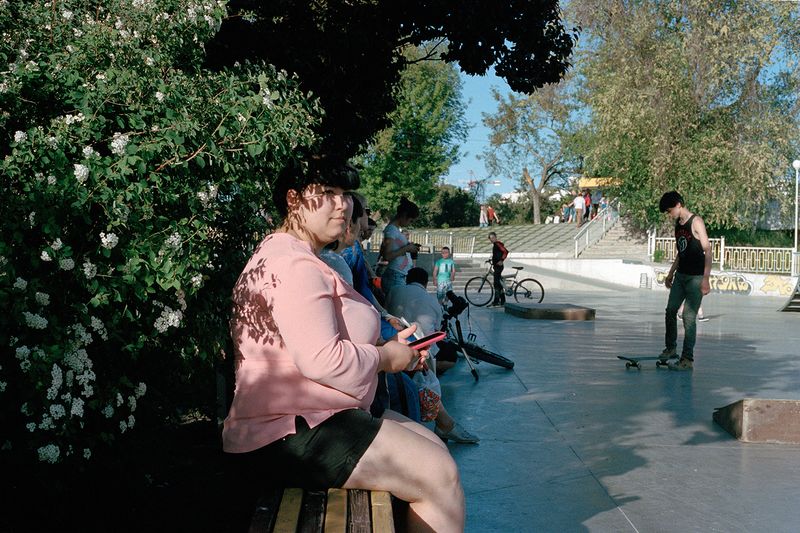
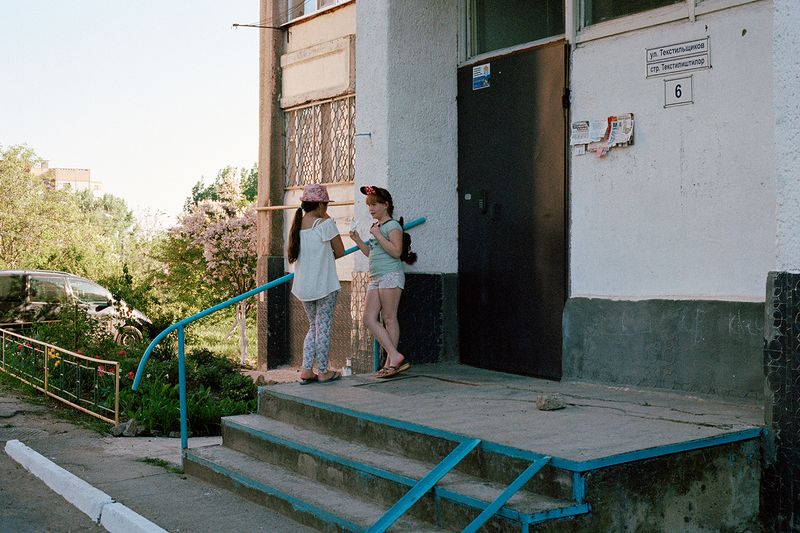
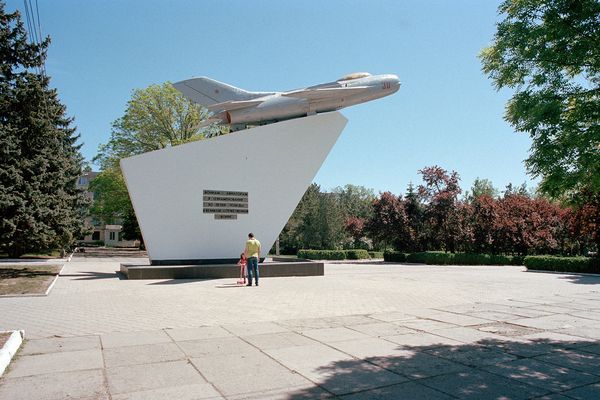
Transnistria is as capitalist as any of the states that surround it, but the symbols hold a story that seeks to reaffirm their identity and uniqueness. Through these symbols it aims to nurture the cultural, social and political differences that differentiate it from the sovereign state of Moldova.
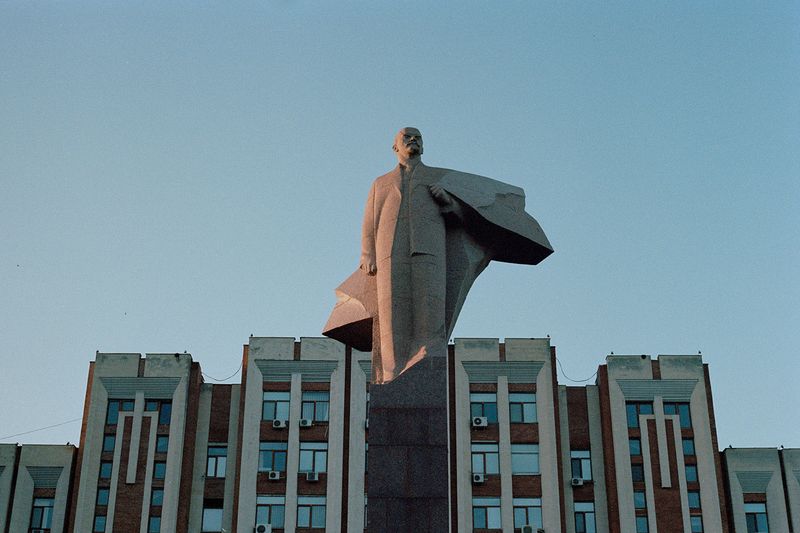
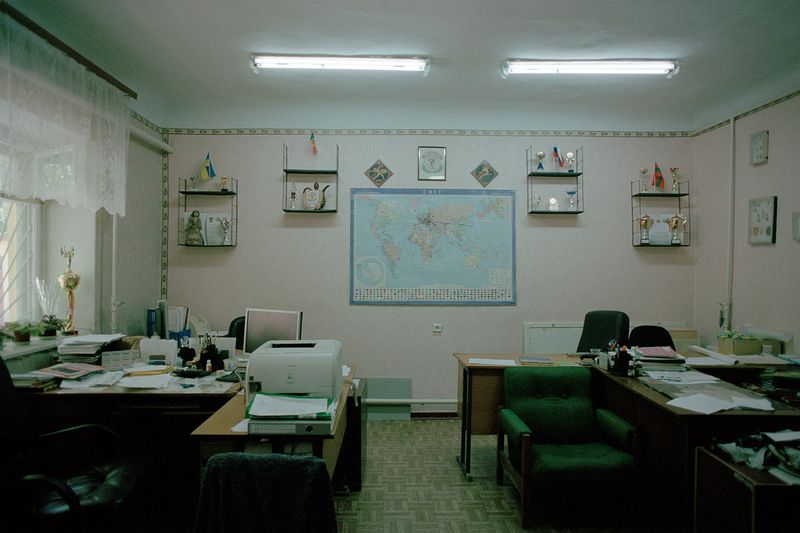
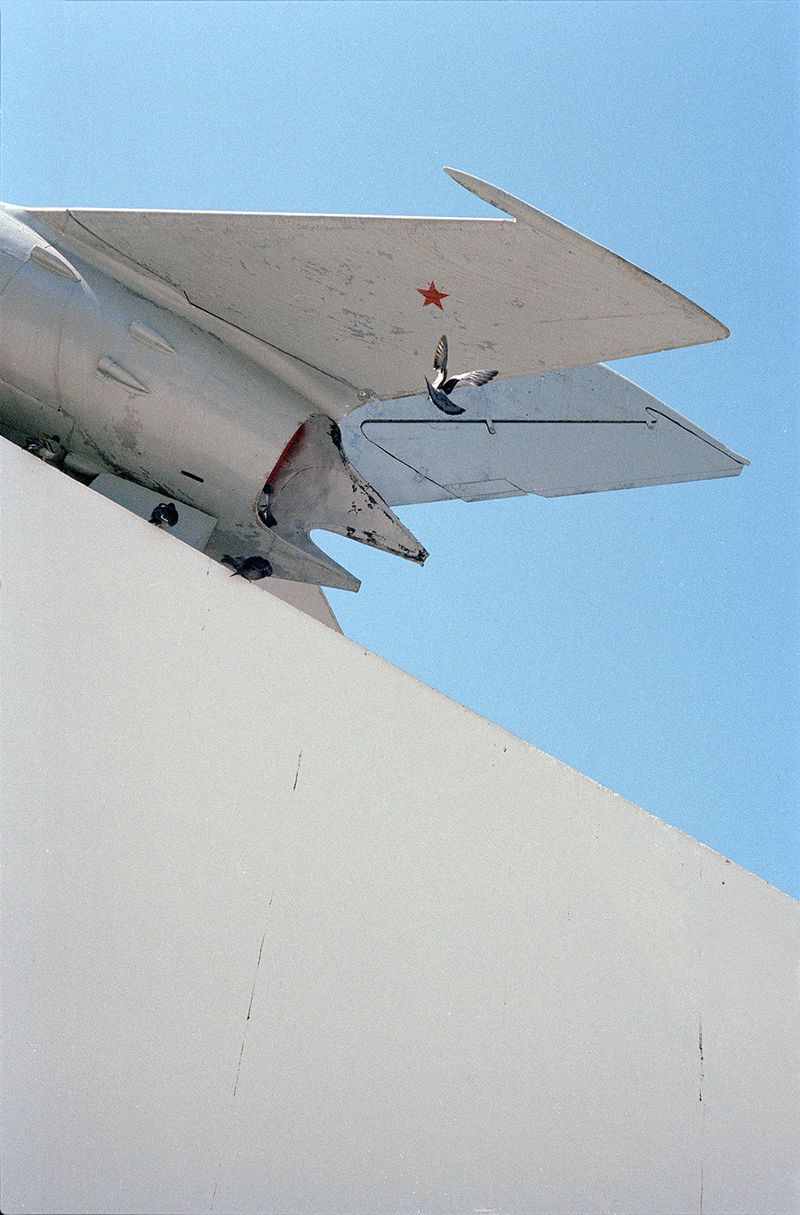
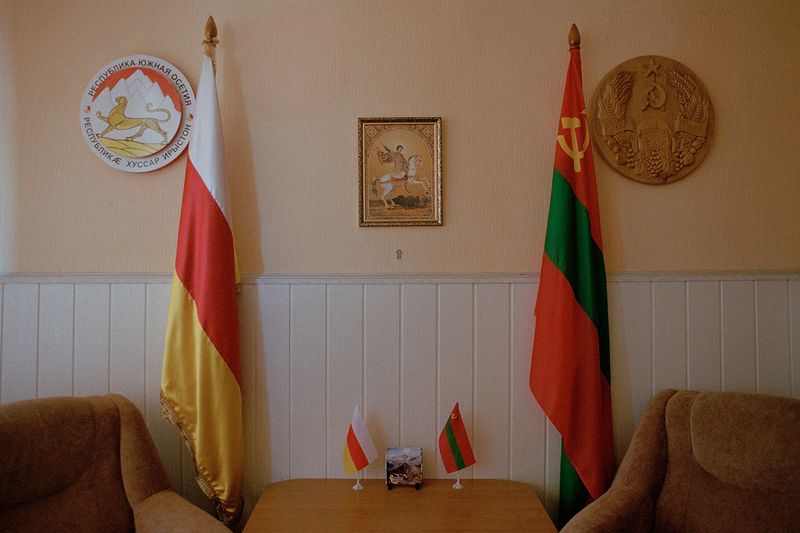
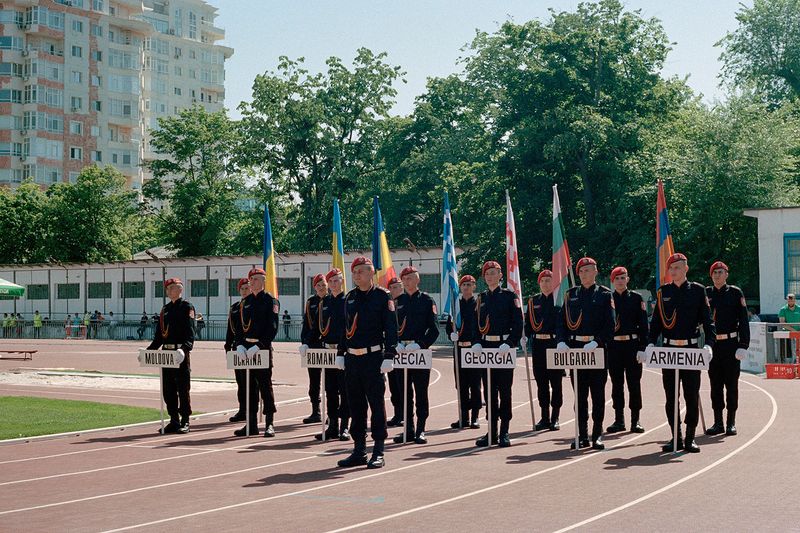
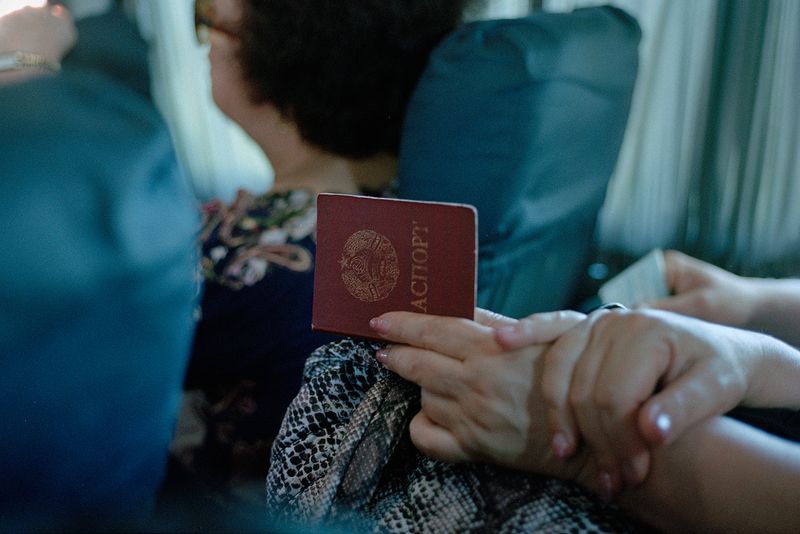
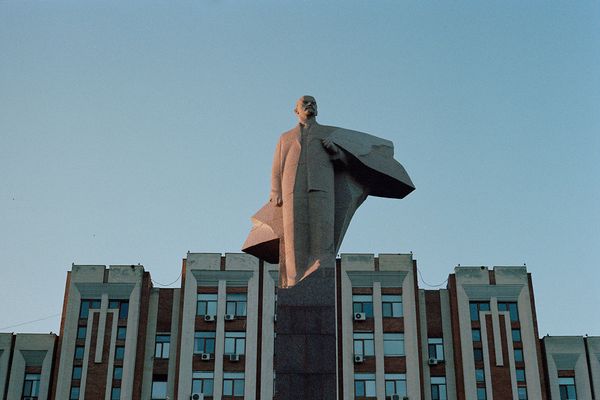
A sickle and a hammer crowned by a red star and a pair of statues of Lenin presiding over the entrance of official buildings of Tiraspol, the capital, are the first thing that draws attention when approaching Transnistria. Communist symbols represented in flags, shield and coins and their constant presence in every corner. But they are just that, symbols of a historical past that link it with Russia and distance it from Moldova. Transnistrian citizens have reaffirmed in the numerous referendums, convened from 1989 to 2006, their desire to declare independence and become part of the Russian Federation as a free association. Transnistria is as capitalist as any of the states that surround it, but the symbols hold a story that seeks to reaffirm their identity and uniqueness. Through these symbols it aims to nurture the cultural, social and political differences that differentiate it from the sovereign state of Moldova. This, added to the tools that give meaning to an own economy as currency, parliamentary system, elected president or postal system; symbols after all; articulate this secessionist story.