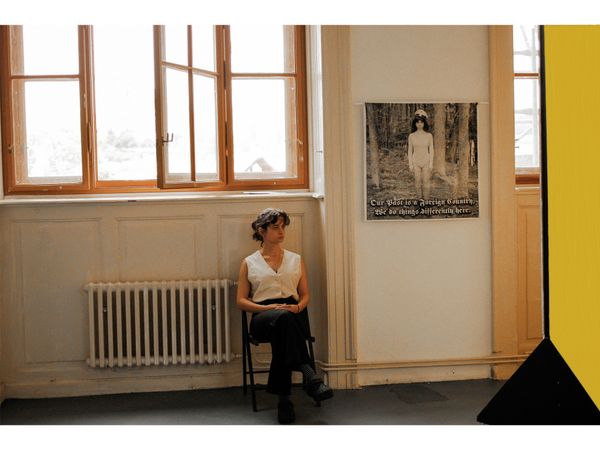
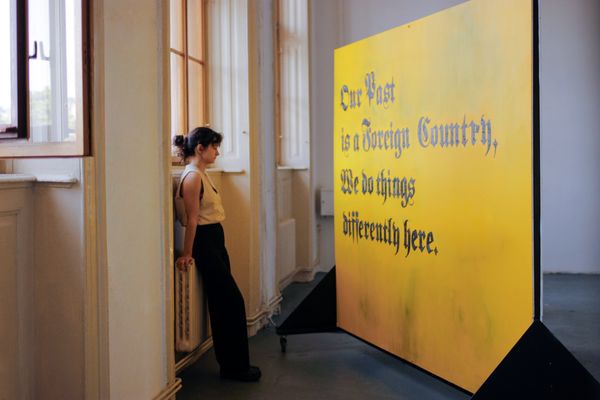
Our past is a foreign country. We do things differently here.
-
Dates2024 - Ongoing
-
Author
- Topics Archive, Fine Art, Social Issues, War & Conflicts
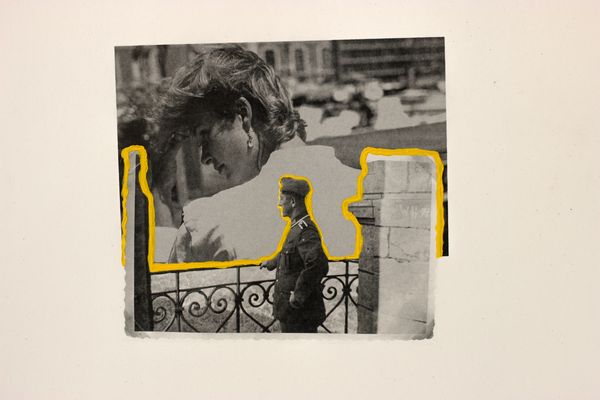
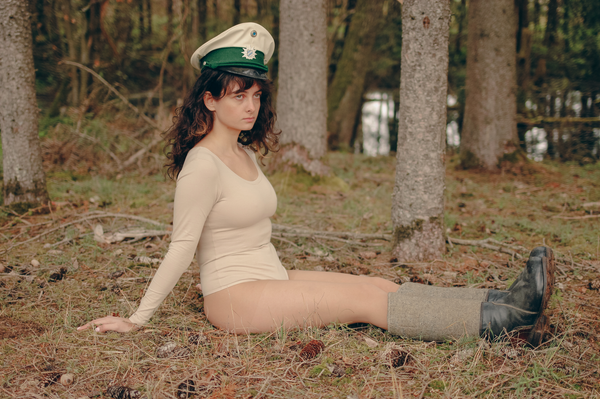
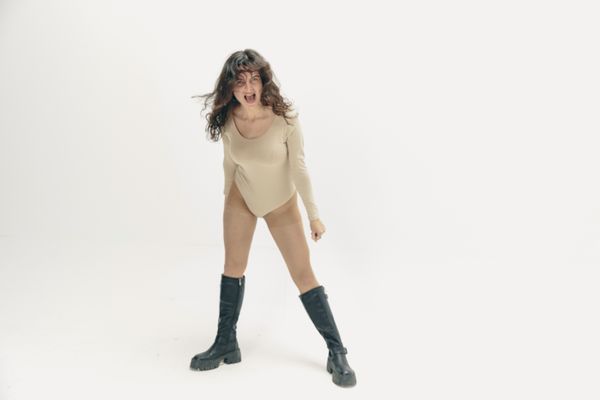
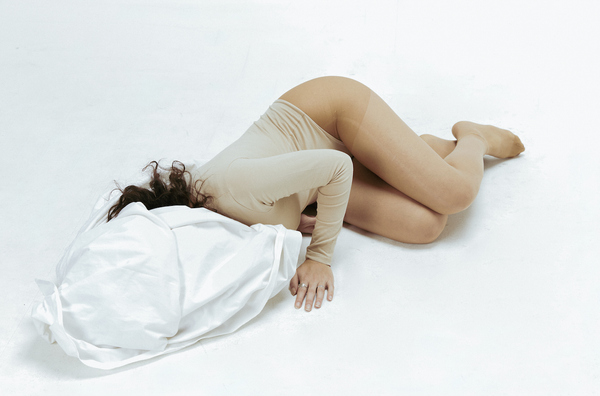
CAB's practice explores memory, identity and inherited archives. Working with a family archive from 30s - 50s Bavaria. Using her twin sister’s body as an extension of identity, CAB transforms archival images and objects into fragile constructions.
Caroline Alena Bergwinkl's practice explores memory, identity and inherited archives. Working with a family archive from 1930s - 1950s Bavaria. Using her twin sister’s body as an extension of identity, Bergwinkl transforms archival images, objects and documents into spatial gestures and fragile constructions. Her work resists linear narratives, instead creating layered visual languages that invites critical engagement with power, responsibility, and the echoes of history, through sculpture, photography, performance and printmaking. Working with a family archive from 1930s–1950s Bavaria, her pieces respond to the echoes of Nazi rule, postwar trauma, and cultural silence.
Using her twin sister’s body as an extension of identity, Bergwinkl transforms archival images, objects and documents into spatial gestures and fragile constructions. Her work resists linear narratives, instead creating layered visual languages that invites critical engagement with power, responsibility, and the echoes of history.