Ardha


-
Dates2020 - Ongoing
-
Author
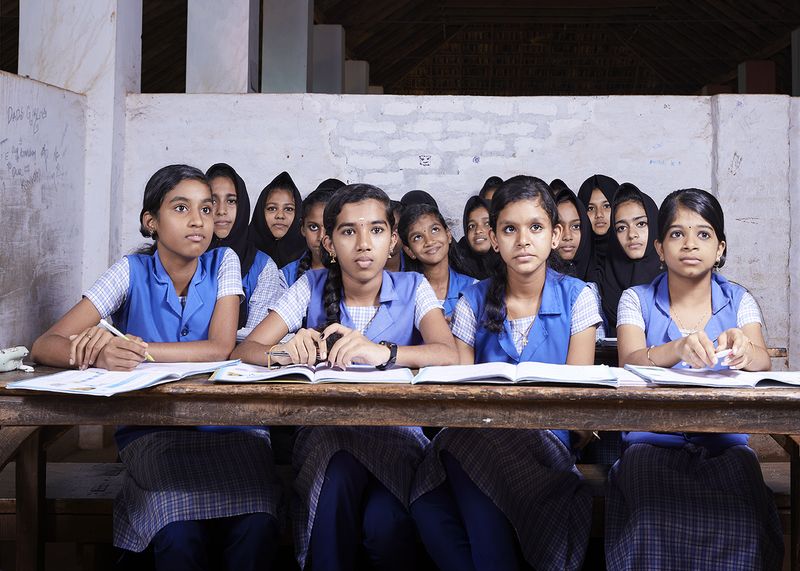
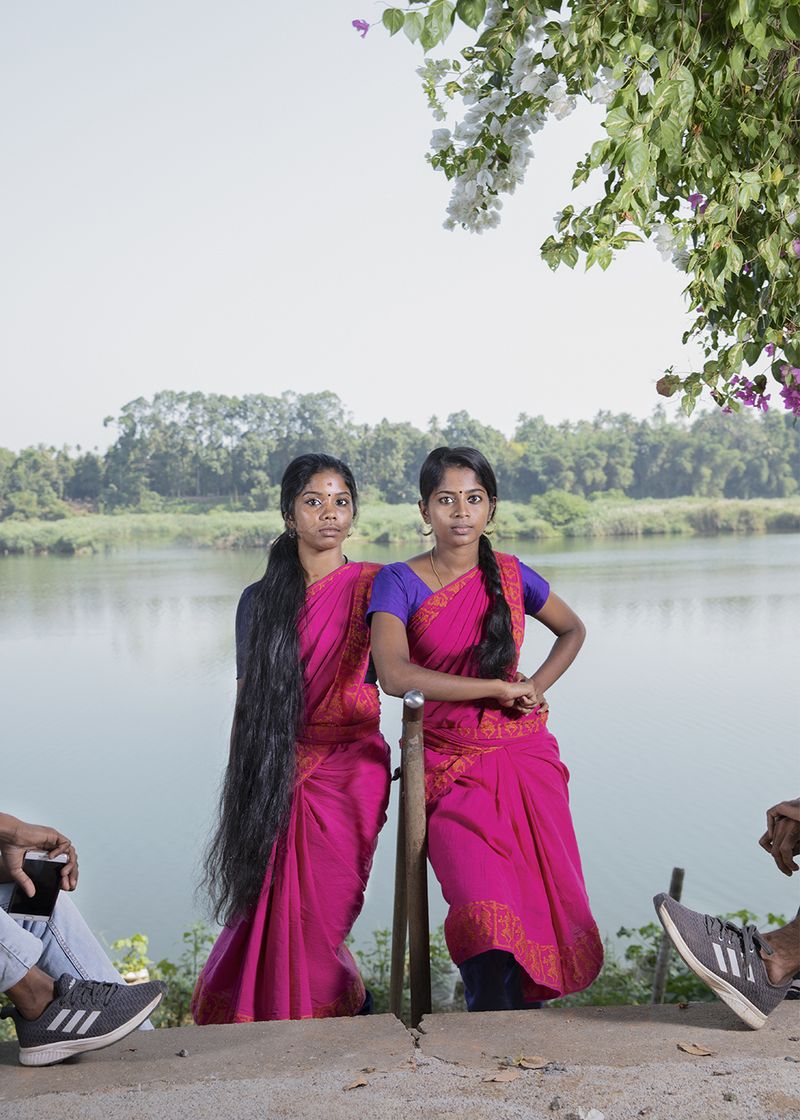
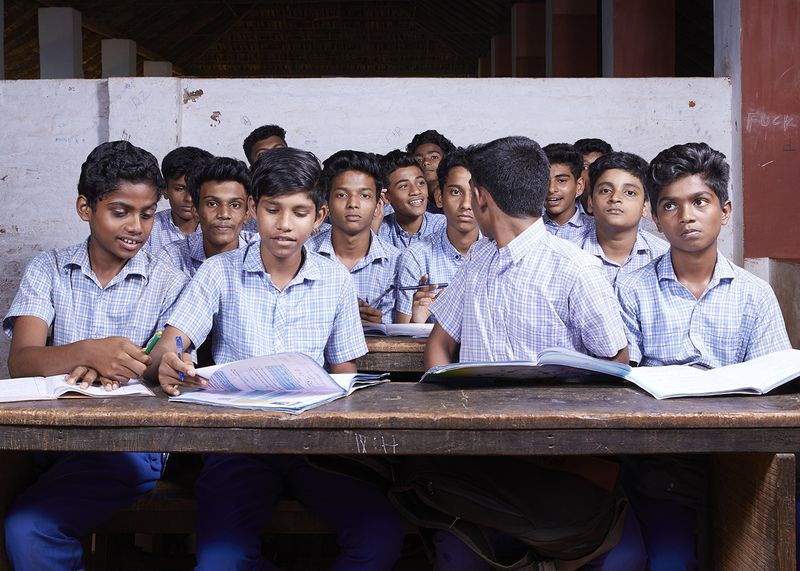
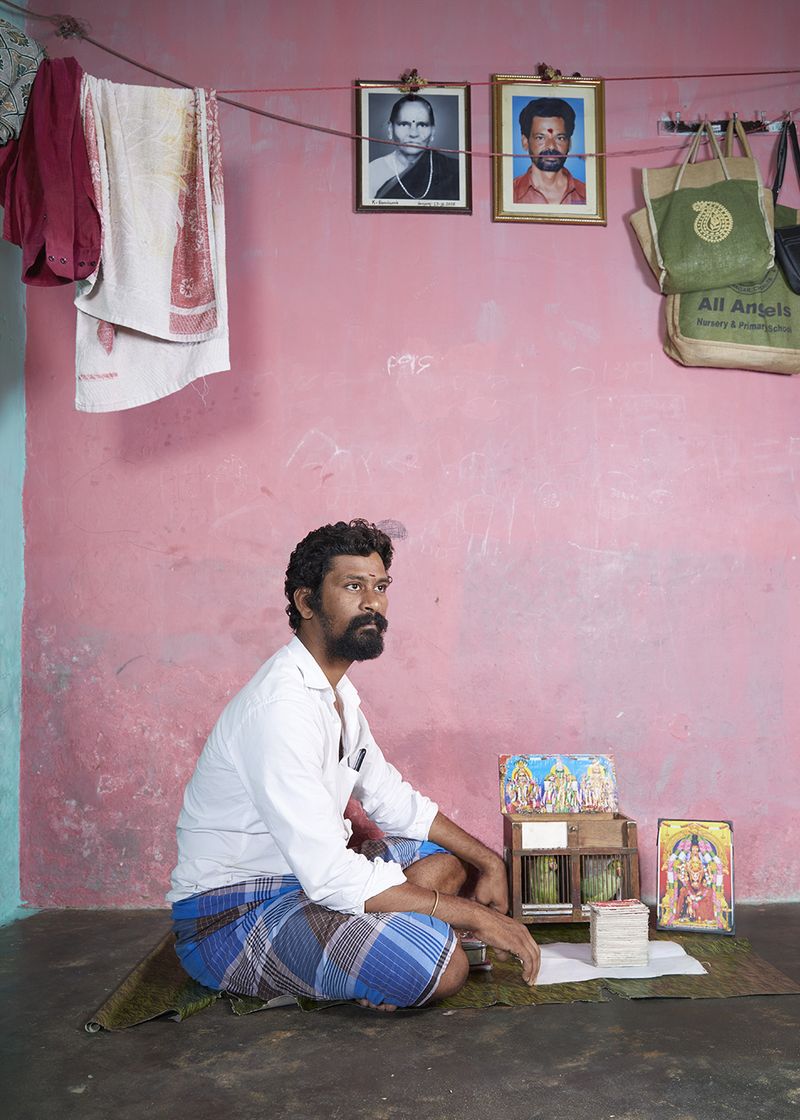
Since 2020, I started a project called Ardhato create a body of images that questions the notion of perfect union and the loss.
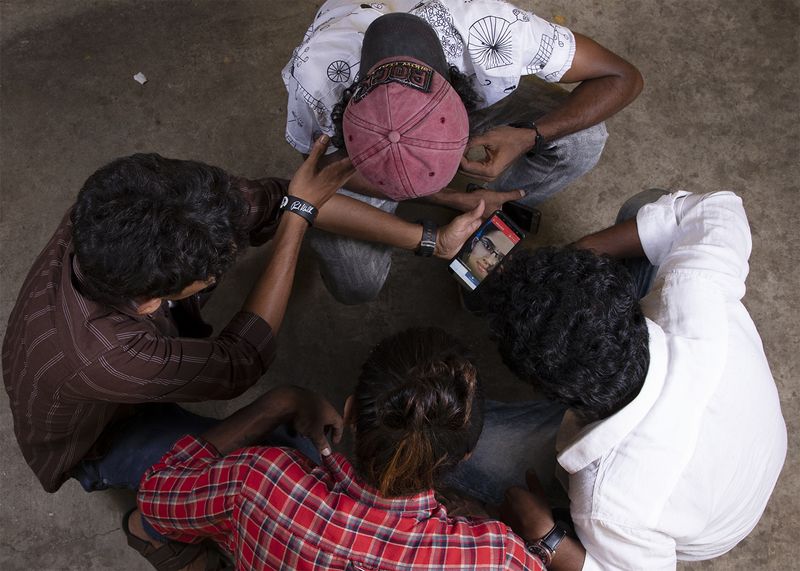
After a romantic breakup, I moved in with the family of a longtime friend in a small town in Kerala, southern India. Like me, he was approaching thirty and had recently gone through a separation. His relationship with his childhood sweetheart had been disapproved of by his parents because they belonged to different communities, a factor that continues to shape romantic lives in India, where caste, religion, and language still deeply influence social relationships.
This breakup prompted his parents, like those of many friends before him, to begin searching for the "ideal partner" before he reached the symbolic age of thirty.
Our parallel experiences led me to reflect on union and loss, universal themes that run through all human lives. I began documenting these questions among my extended circle of friends from different communities in Kerala, then in Tamil Nadu, before my encounters gradually took me to other parts of India.
Every year, more than ten million couples marry in India. Only a small proportion marry for love. The vast majority still follow the path of arranged marriage. In this system, often misunderstood in the West, families play an active role in finding the partner considered most compatible, balancing social stability, cultural expectations, and family interests.
Whether viewed as a rite of passage or as an alliance between two family lineages, marriage remains one of life's defining moments.
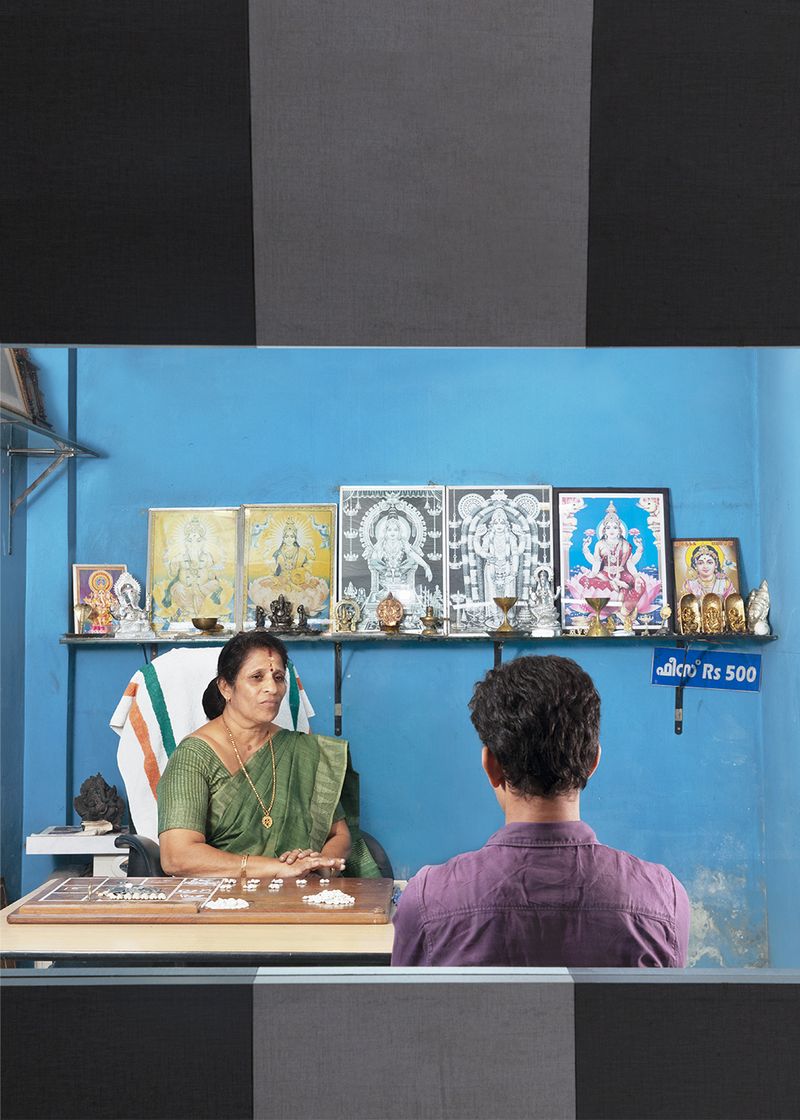
Although practices vary across regions and religions, one principle appears again and again, the search for the ideal match. Traditionally, spouses are expected to share the same caste, religion, and a comparable level of education. Among Hindus, and sometimes even among some Christians, astrological compatibility assessed by an astrologer remains an important criterion.
In this vast marriage market, age sets the pace. After thirty, the search often becomes a race against time, leading many young people to abandon their first loves in order to meet family expectations.